Final Installment: Into the Heart of Cape Town, a Culinary Capital Embraced by Scenery
Cape Town, a metropolis nestled alongside abundant nature. It is also a city where one can encounter a diverse food culture built upon the rich ingredients and varied cultures nurtured by its blessed environment. Essential to South Africa's gastronomy is its wine, which is gaining global recognition. From Cape Town, a mere 90-minute drive leads to the Winelands, South Africa's premier wine-producing region. This final travelogue introduces the profound depth of South Africa, where the land's bounty is transformed into a rich tapestry of flavors through diverse approaches. Dreaming of the day I can journey to this land once more.
The Winelands: Supporting South Africa's Rich Culinary Culture
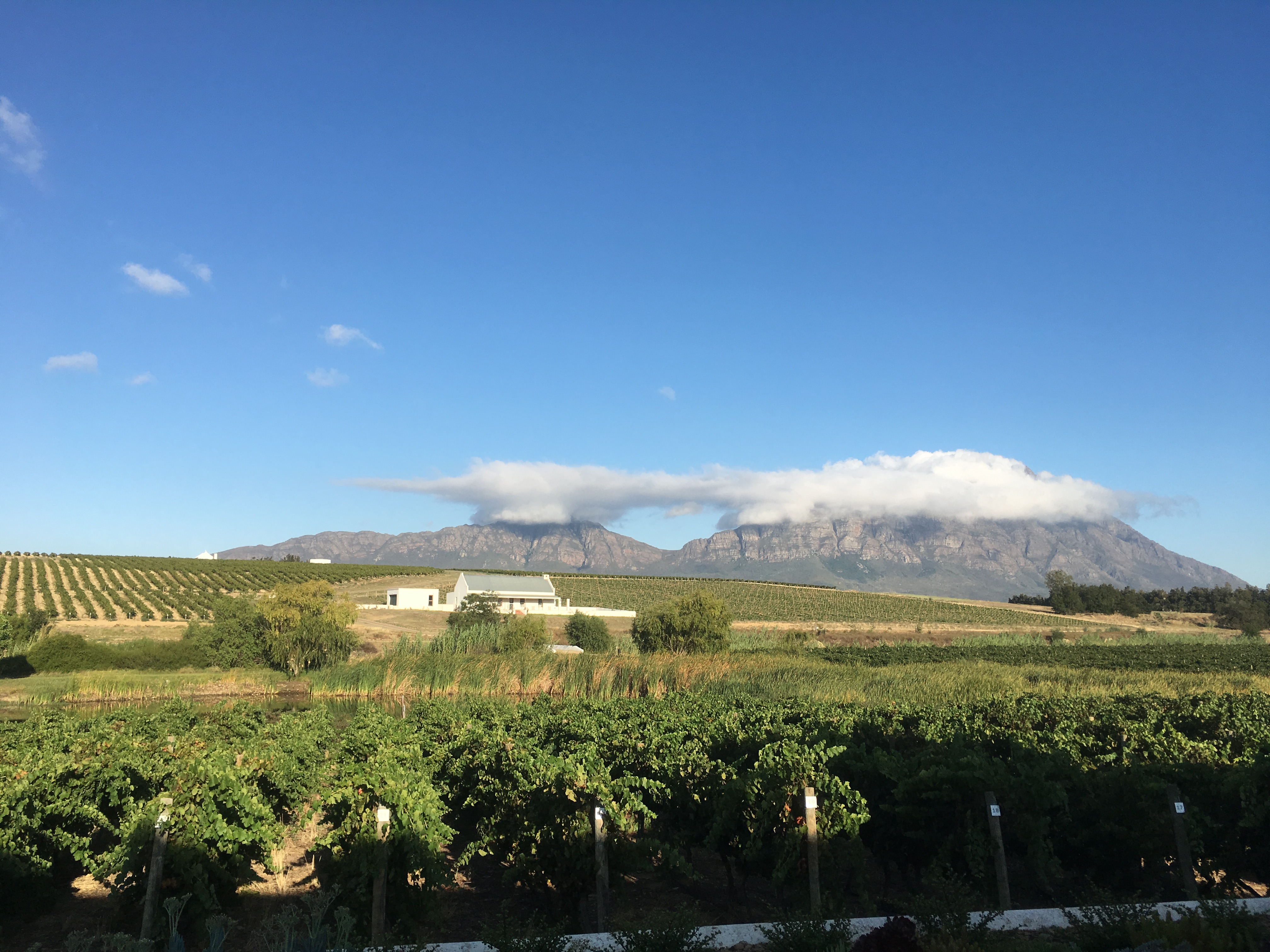
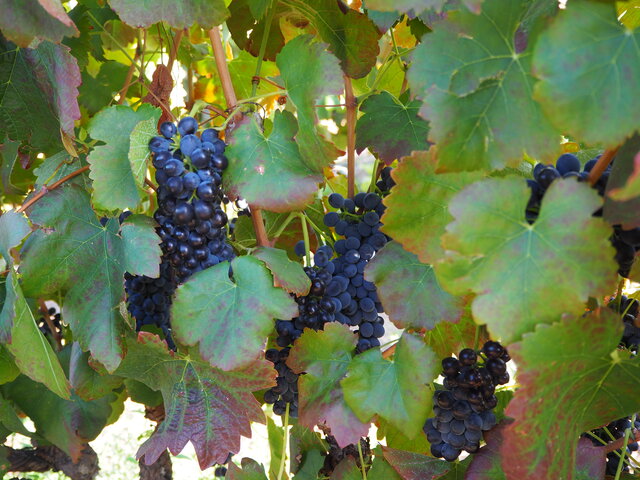
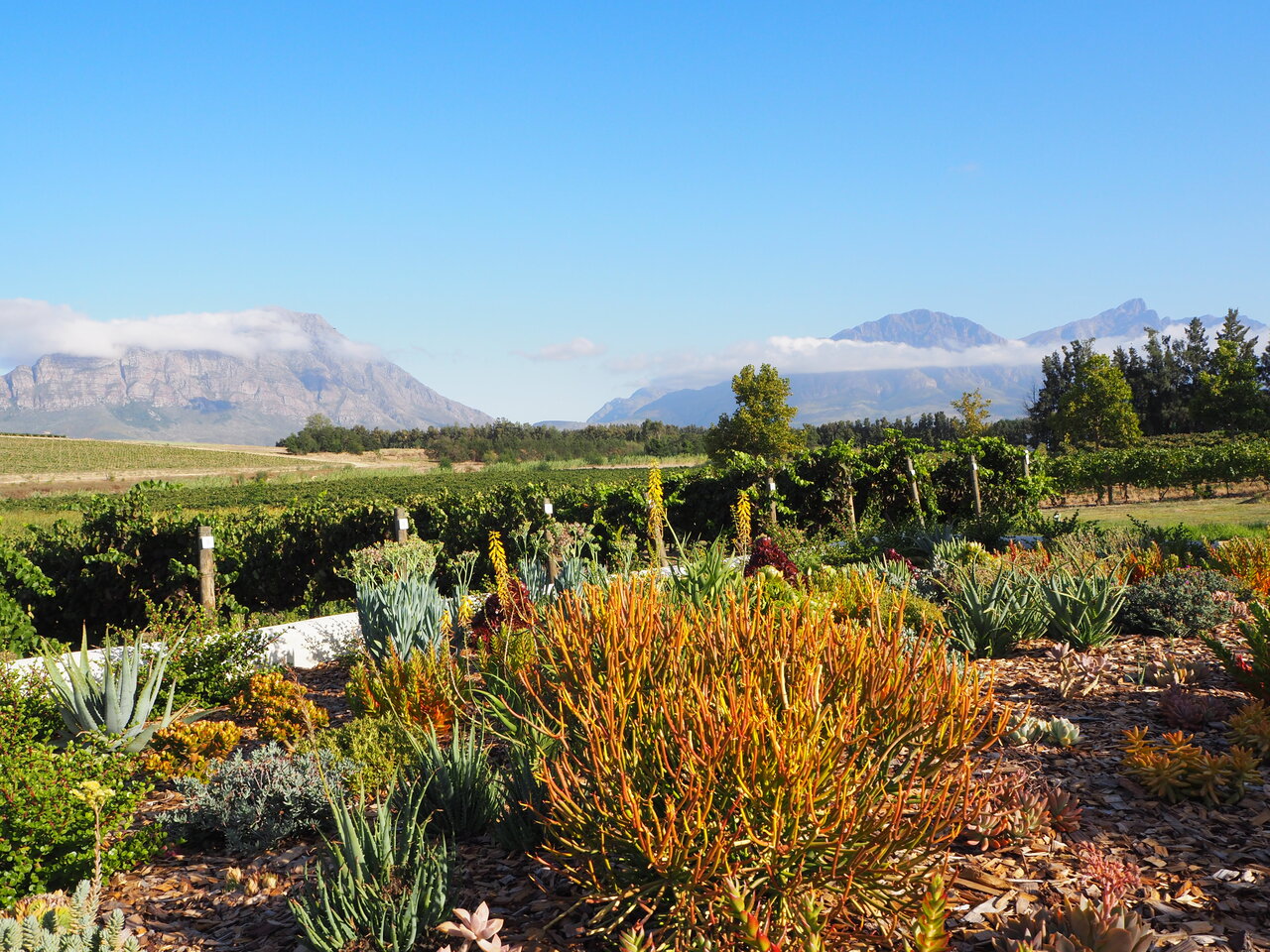
Cape Town, a world-class culinary destination. A must-visit from here is the Winelands, which underpins South Africa's rich food culture. A drive of about an hour from the city center brings you to the country's largest wine-producing region by export volume, nestled amidst stunning mountains. This area, blessed with a Mediterranean climate where the sun shines brightly, is situated between the Atlantic and Indian Oceans, offering ideal conditions for winemaking with dry, warm summers and cool, moderately rainy winters. Furthermore, the fog that forms along the coast protects the grapes from direct sunlight, while the cool sea breeze, the "Cape Doctor," carried by ocean currents, maintains an optimal temperature for the vineyards and blows away dust and insects with its pressure. It is a viticultural paradise that enables pesticide-free, clean cultivation. With such favorable conditions, approximately 700 wineries are scattered throughout this region.
While it may seem that South African wines have only recently gained global attention, they actually boast a history of about 360 years. It began when Jan van Riebeeck, the first governor of the Dutch East India Company, planted grapevines. The land, with its excellent balance of drainage and moisture retention, dating back as far as 500 million years, has fostered a diverse range of terroirs, producing many wines with rich aromas and flavors.
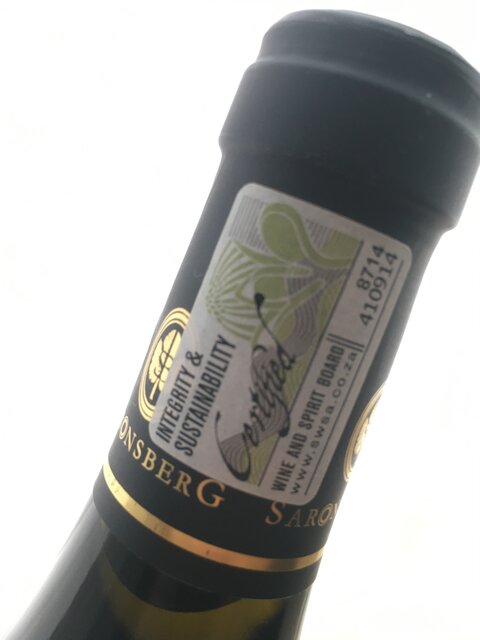
Since democratization, exports have increased, and wine lovers worldwide have come to recognize their high quality. The reason for their popularity is their cost performance, often hailed as the world's best. This is achieved through the country's commitment to the Integrated Production of Wine (IPW) standards, considered among the strictest in the world. Guidelines for wine production, including reduced pesticide use, restrictions on antioxidant additives, and recycling, are established. Additionally, since 2010, a system has been in place where a seal guaranteeing quality, varietal, origin, vintage, and sustainable agriculture certification is affixed to the neck of the bottle. Many are traceable, allowing for enjoyable consumption with peace of mind.
In fact, the Cape region is home to the Cape Floral Kingdom, a UNESCO World Heritage site spanning 90,000 square meters, and 95% of the wine-producing areas in this region fall within this protected zone.
For wine producers, developing their industry while protecting the rich natural environment is a mission. This commitment results in South African wines that are gentle on nature, as well as on the people who make them and those who drink them. The active production of premium organic and fair-trade wines reflects an everyday pursuit of the SDGs, perhaps contributing to the delightful taste of these wines.
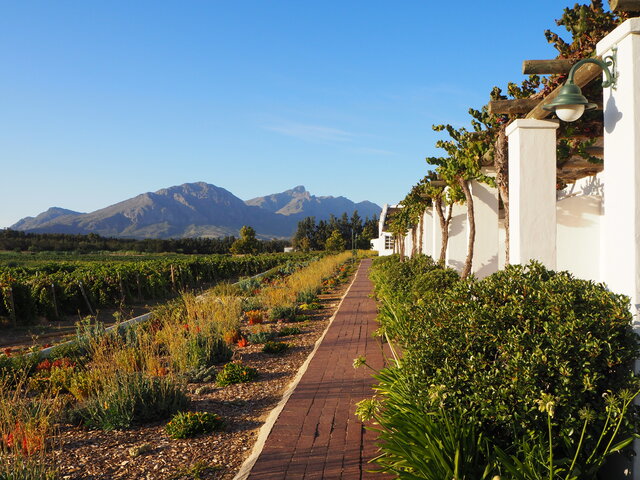
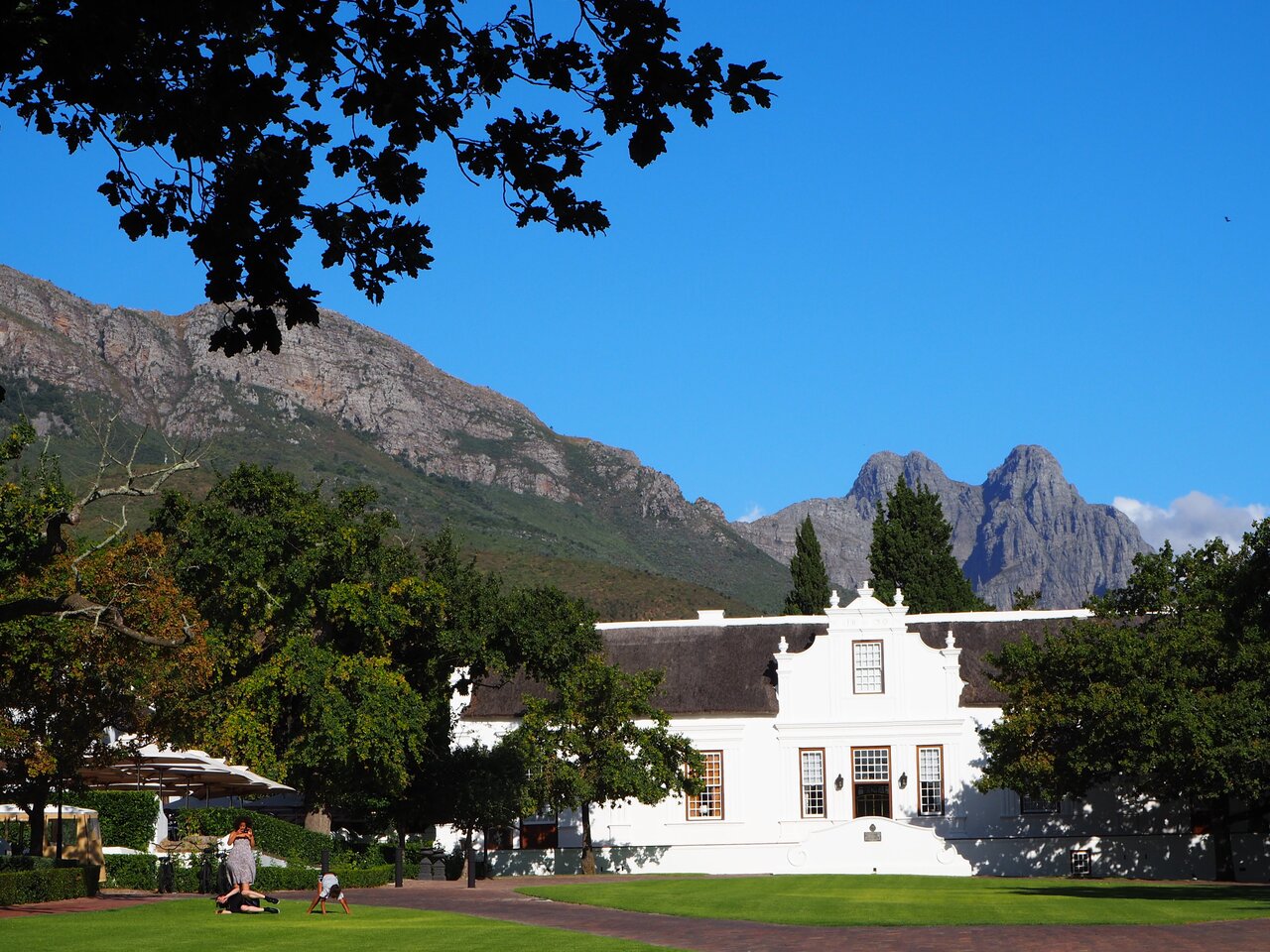
Stellenbosch, a university town, is at the heart of the Winelands, which has embraced European wine culture. This town, the second oldest in South Africa after Cape Town, is home to about 300 wineries, including the country's oldest. Many historic Cape Dutch-style buildings remain. Against a backdrop of golden vineyards surrounded by mountains under a brilliant blue sky, the pure white buildings stand like a painting.
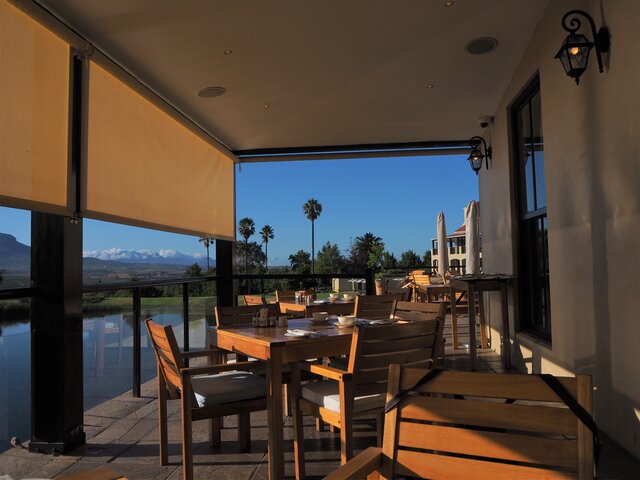
This time, I visited six wineries in Stellenbosch. I stayed at one of them, "Asara Wine Estate & Hotel." This is a luxury resort owned by the legendary chef and winemaker Piet Gockel, who was once Nelson Mandela's personal chef. With its main dining room overlooking a popular terrace by the pond and a bar featuring over 500 types of gin from around the world, it attracts many visitors from home and abroad seeking a gourmet experience amidst stunning scenery.
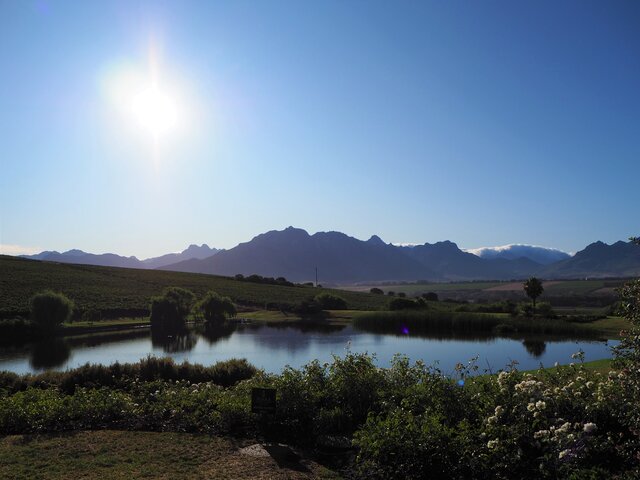
Asara Wine Estate bathed in morning sun
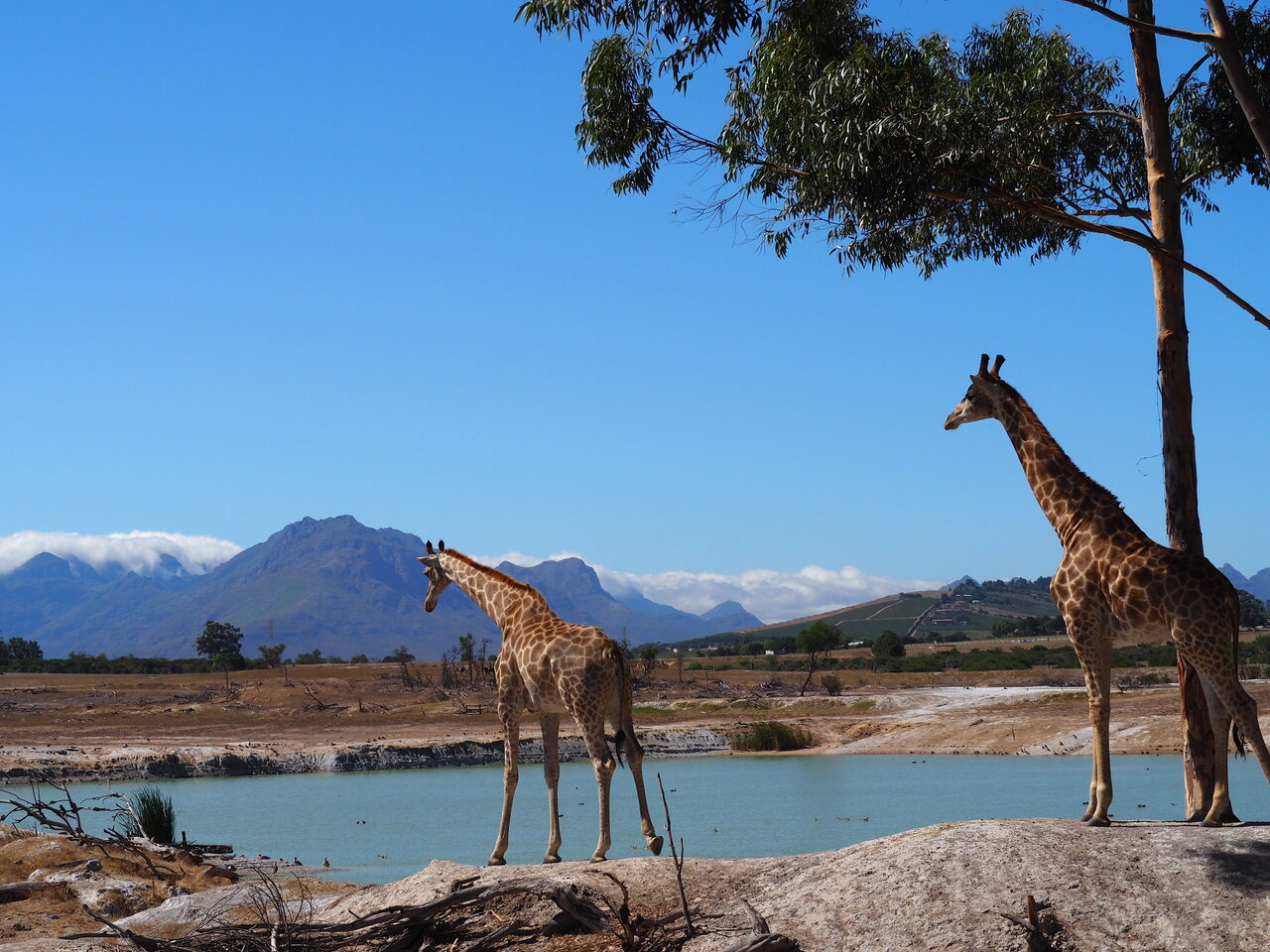
At "Viliera Wine Estate," one can enjoy a pairing of MCC (Methode Cap Classique), South Africa's sparkling wine made with the same secondary fermentation in the bottle as Champagne, with nougat. They are also committed to sustainability, deliberately not driving away birds, which are considered pests in viticulture. "Even if the birds eat some, it's only about 1% of the harvest. Don't worry about it. Just plant a little more vines," the founder's words are upheld, fostering coexistence with nature. They spare no effort in preserving the indigenous ecosystem by planting local flora on the premises and offering private safaris (for a fee).
Viliera Wine Estate, which owns an extensive private safari on its grounds. Vineyards are visible beyond the giraffes.
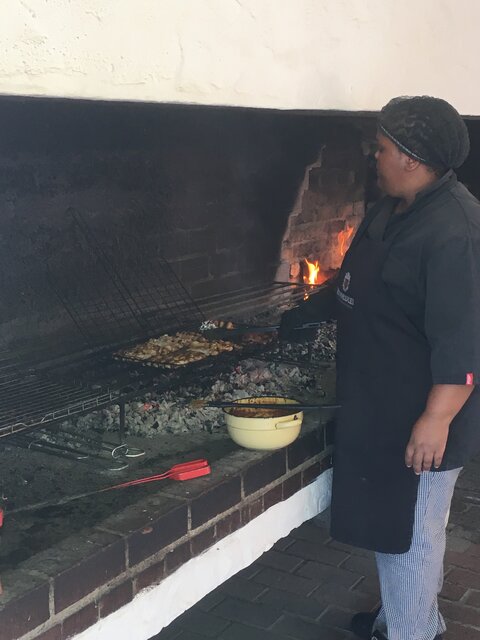
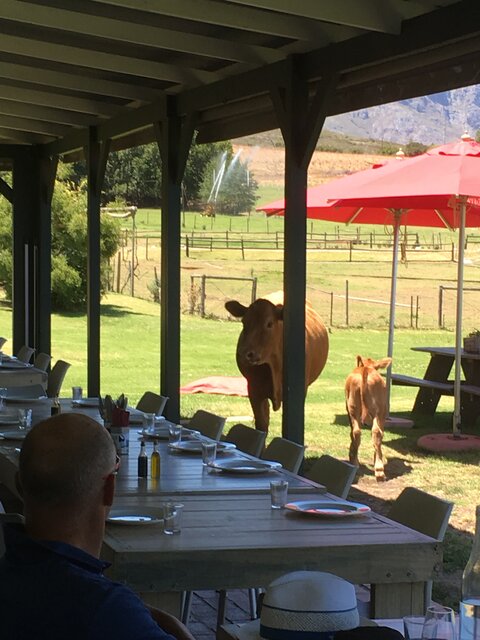
At "Middelvlei Wine Estate," experience South Africa's signature barbecue, the braai. While trying not to overindulge in the exquisite homemade bread, one waits as juicy lamb and chicken grilled over charcoal, along with rich vegetables, are brought from the outdoor kitchen and arranged abundantly on the table. Dining outdoors with cattle roaming freely on the property offers the full flavor of Farm to Table. Naturally, the wine pairings with the food are impeccable.
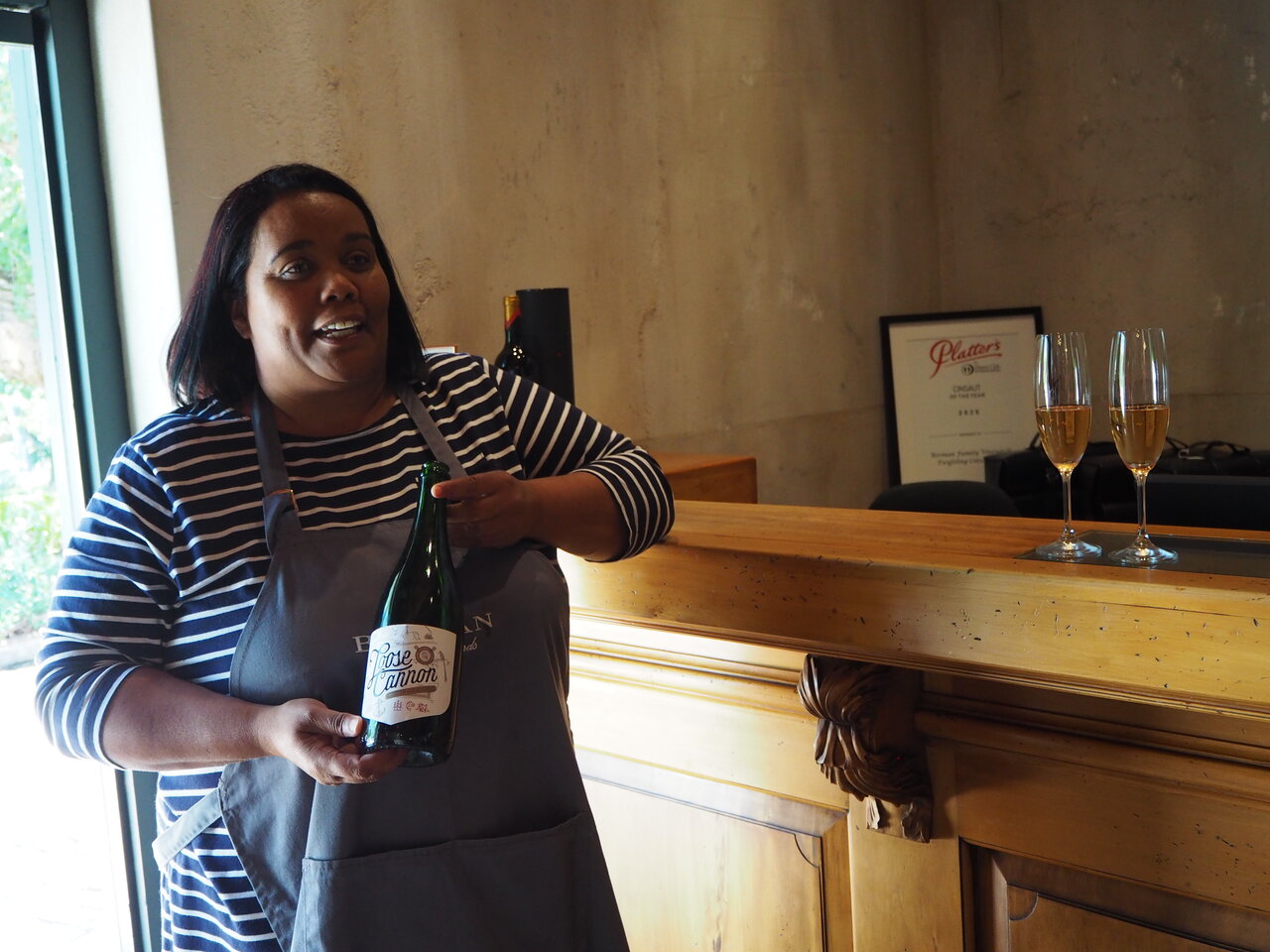
Additionally, there are many wineries with unique offerings, such as "Bosman Family Wines," which values its workforce and supports their initiative and desire for self-improvement, wineries offering wine and chocolate pairings, and those serving small plates in a Spanish tapas style. All the winemakers I visited this time are engaged in winemaking with a focus on sustainability from various angles. When you travel, I highly recommend researching beforehand and visiting cellars that align with your taste and cultural preferences.
Bosman Family Wines, which cherishes the local community
Besides Stellenbosch, there are other charming towns that make up the Winelands, such as Franschhoek, where wine production began with Huguenot refugees fleeing France in the 700s due to religious persecution, and Paarl, home to the country's largest winery.
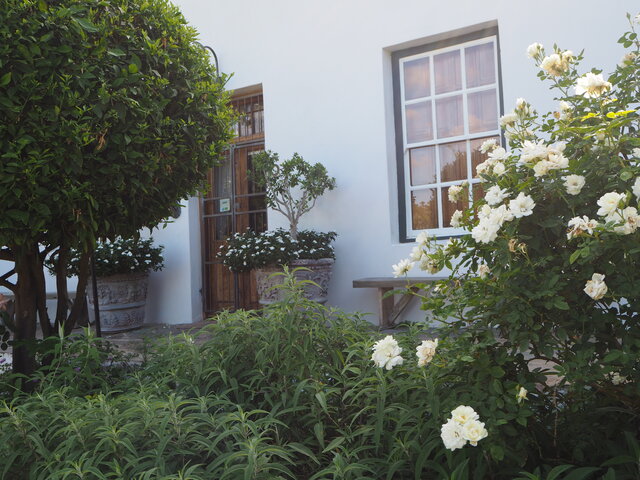
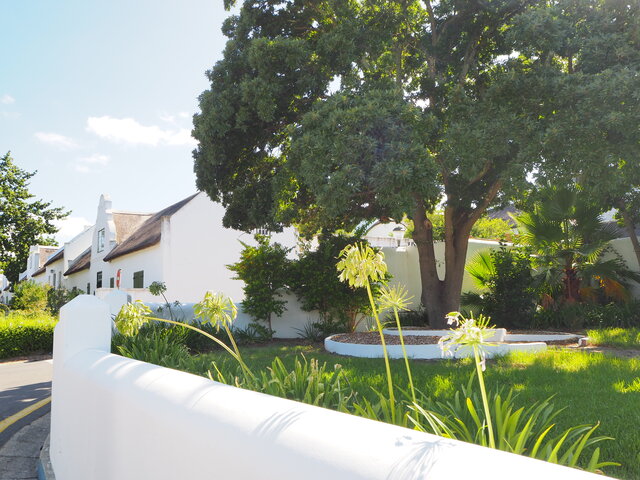
Beautiful houses in Tulbagh
Beautiful houses in Tulbagh
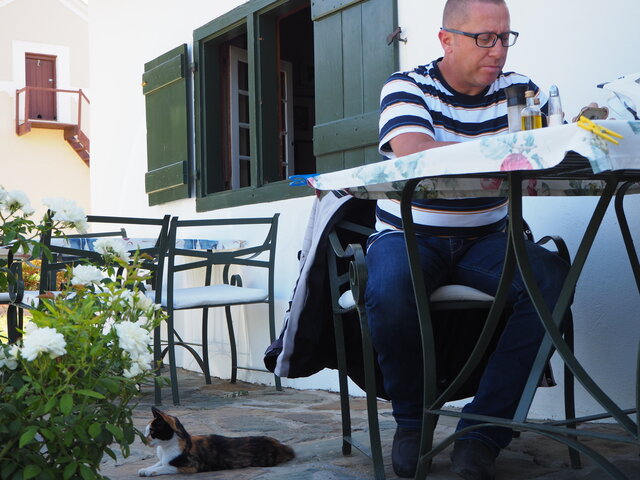
Terrace restaurant with a resident cat
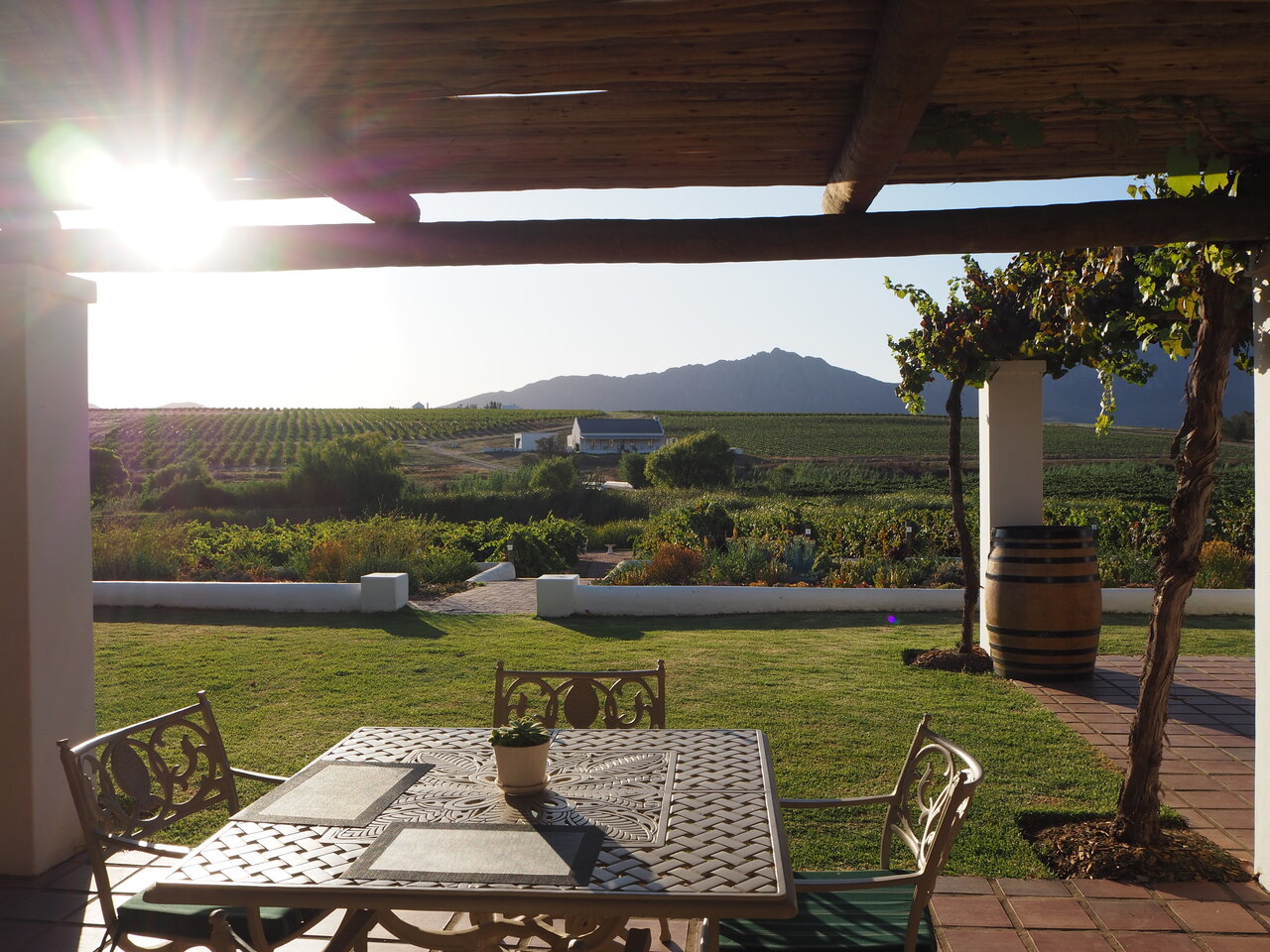
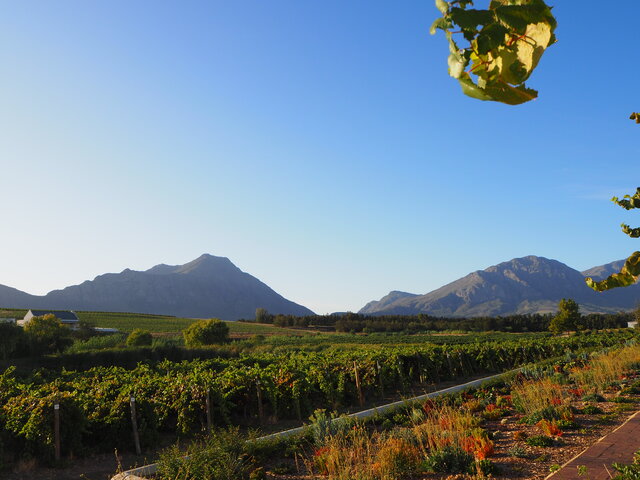
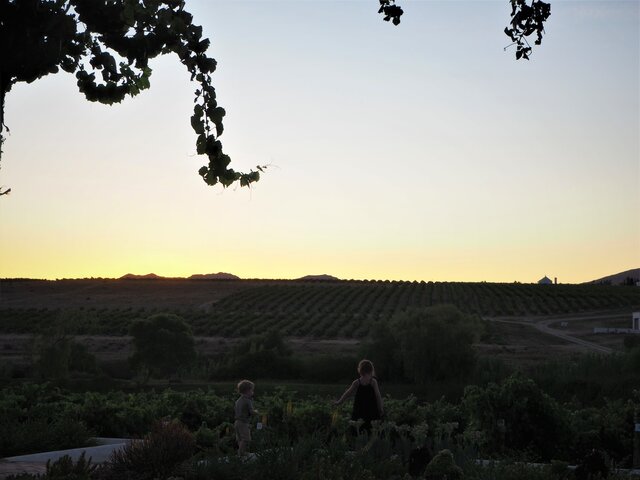
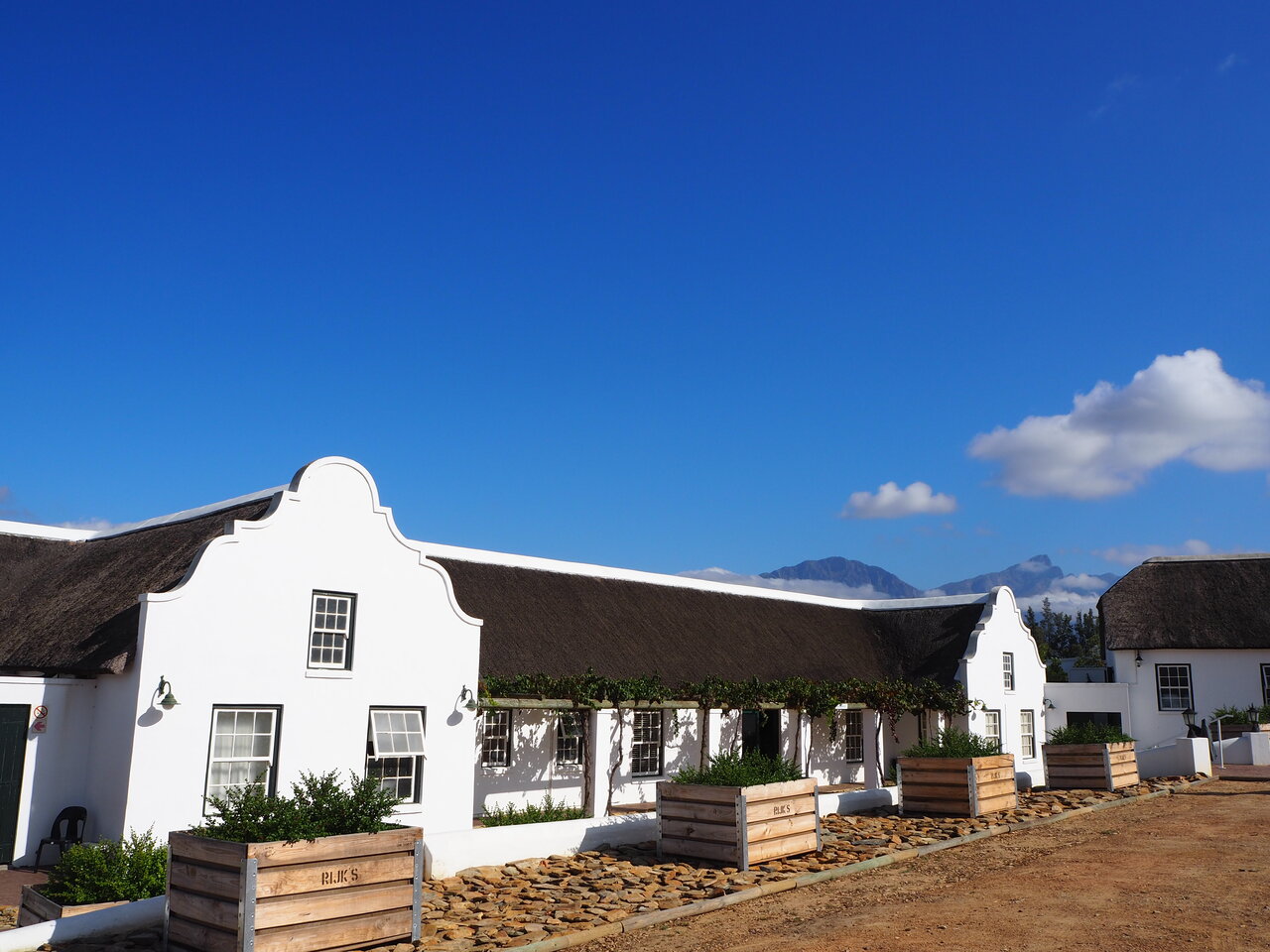
This time, I also visited Tulbagh, a charming town with cafes, restaurants, and breweries, and stayed overnight at "Rijk's Wine Estate and Hotel." The divine scenery of vineyards bathed in the morning sun, sparkling against the mountains, was heavenly. Its beauty is still etched in my memory.
Rijk's Wine Estate and Hotel
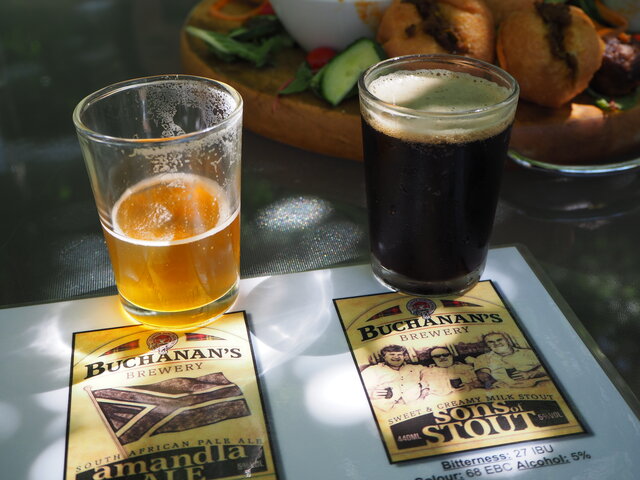
The town is dotted with appealing spots like breweries, markets featuring emerging local artists and chefs, terrace restaurants where one can casually enjoy fresh ingredients, and cafes with resident cats, making it easy to lose track of time.
At Padding Restaurant by Buchanan’s Brewery
Maker’s Market, also offering shopping
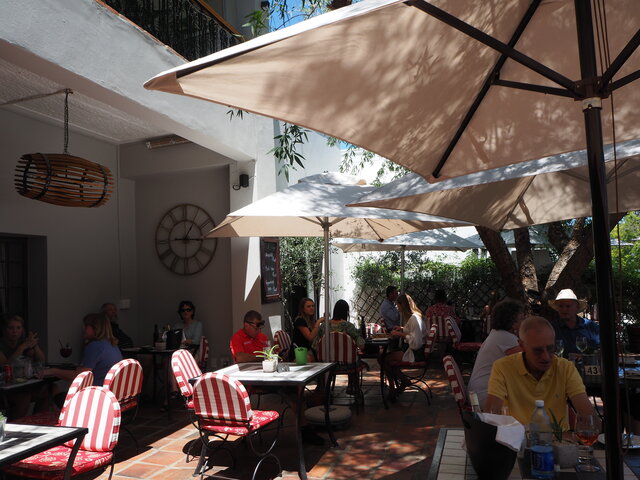
The Olive Terrace & Bistro, enjoying fresh ingredients on an open terrace
The Olive Terrace & Bistro, enjoying fresh ingredients on an open terrace
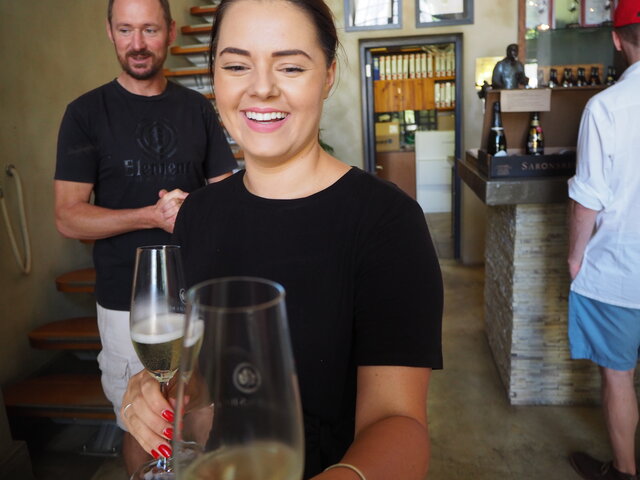
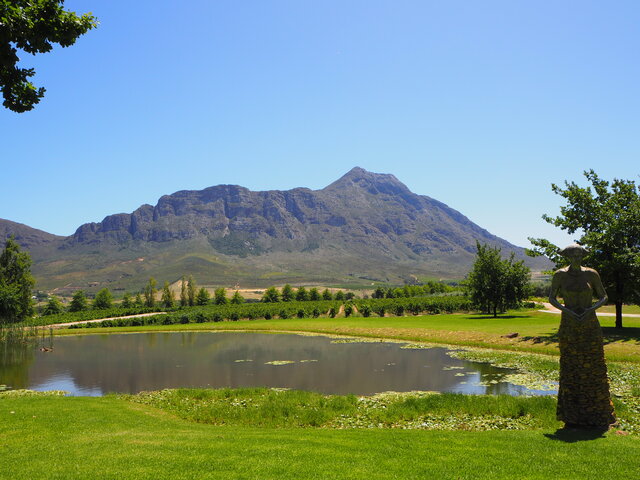
I also visited another winery, "Saronsberg Wine Estate." The statue of a woman by the lake is apparently quite famous on social media. The 2018 Viognier I tasted during a tasting here was exquisite. Its creamy texture, subtle vanilla notes, and refreshing acidity were perfectly balanced, leaving a pleasant fruity aftertaste. Its exceptional value for money prompted me to purchase a bottle. Such is the Winelands. I recommend leaving ample space in your suitcase.
Saronsberg Wine Estate, where you can enjoy art alongside wine tasting by a spacious lake
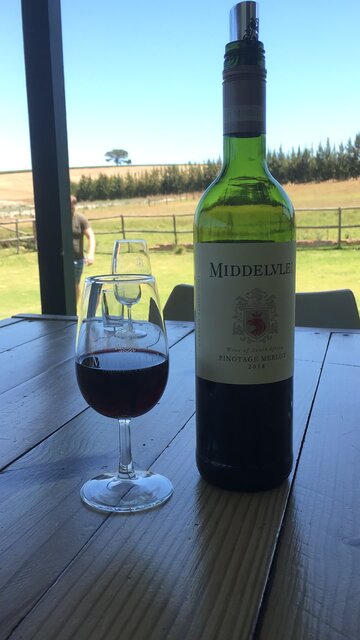
Another wine you should definitely try in South Africa is made from Pinotage, the country's unique grape varietal. This grape was developed in 1925 at Stellenbosch University by crossing Pinot Noir and Hermitage (Cinsaut). It has a deep, full-bodied red character, yet possesses a certain lightness that makes it addictive. Wine pairing is standard at most winery restaurants, but if it's not on the list, don't hesitate to ask for Pinotage.
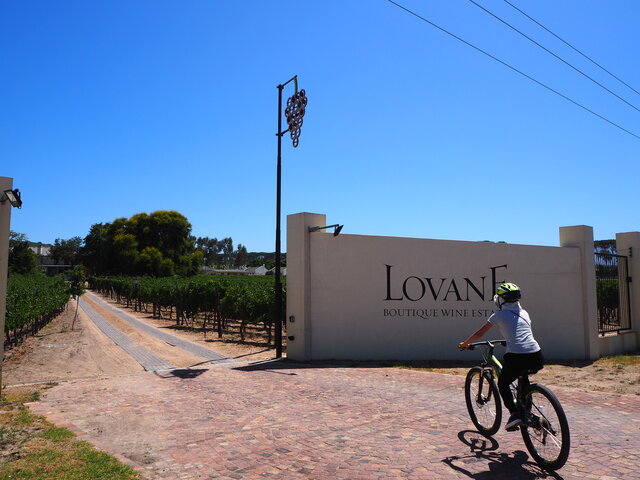
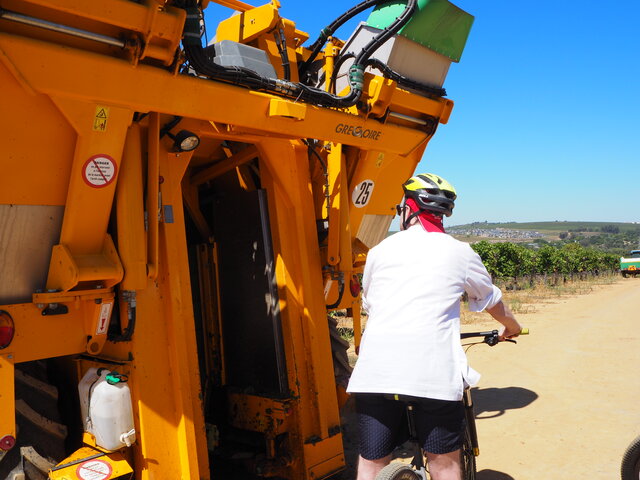
During my three-night stay in the Winelands, I visited eight wineries, and I was never bored by the unique wines, diverse cuisine, and endlessly captivating scenery. An interesting activity was a cycling tour that takes you through vineyards, hopping between wineries. This tour is offered by a local company called "Bike 'n Wine." This company is also actively involved in environmental conservation, partnering with organizations that conduct tree-planting activities and donating one sapling for every ten tour participants. If you desire a healthy and environmentally conscious journey, this tour is perfect.
There are many other companies that can customize tours according to your preferences and schedule, so it's advisable to plan a relaxed itinerary to ensure you don't miss anything.
The Winelands are a perfect day trip destination from Cape Town, and many people visit for just a day. Simply visiting a winery and enjoying a locally sourced meal at its restaurant can offer a glimpse into the region's charm. However, upon visiting, you'll likely find yourself wanting to linger, losing track of time as you sip wine and savor the joy of being embraced by the magnificent scenery. To fully immerse yourself in South Africa's wine culture, I recommend staying at least one night in a historic Cape Dutch-style winery and exploring the traditional towns to fully appreciate the blessed environment.
After fully experiencing South Africa's wine culture, it's time for a culinary adventure in Cape Town. This city offers numerous establishments where you can savor not only the country's unique flavors but also the diverse culinary delights of a multi-ethnic nation.
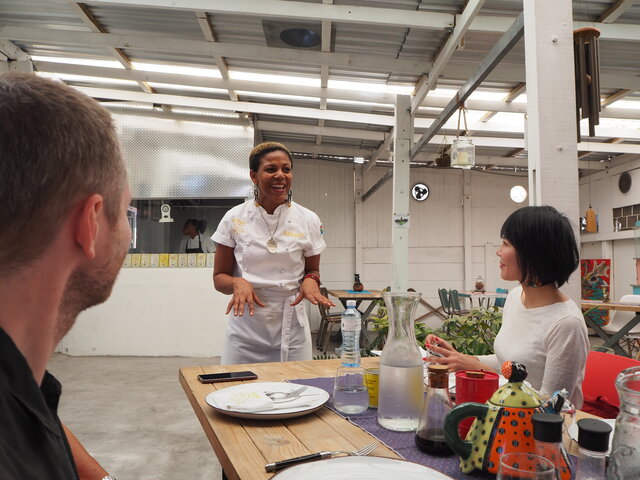
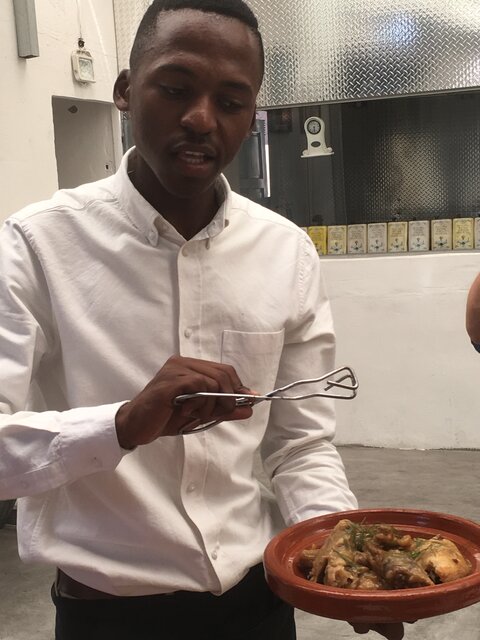
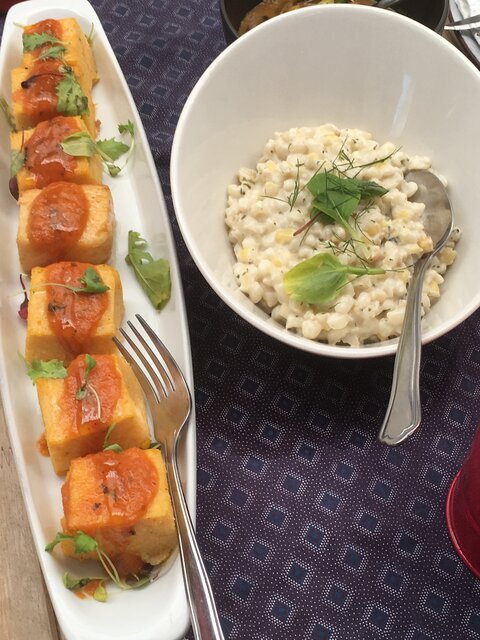
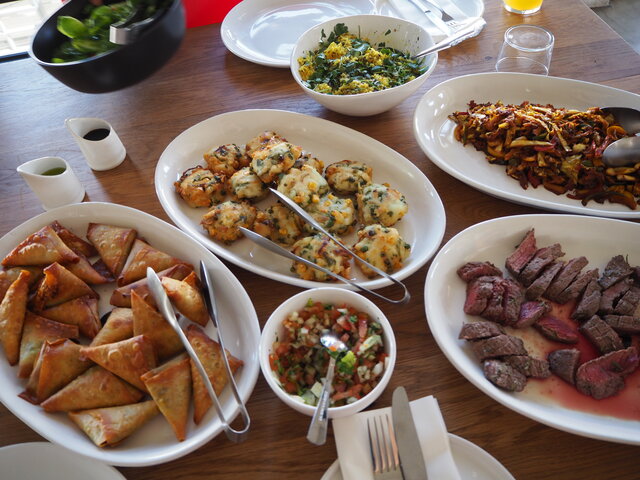
For example, "4Roomed ekasi culture & food" in the black township offers traditional soul food prepared by a renowned chef.
A popular spot frequently featured in the media, it teaches not only traditional dishes but also township etiquette.
A popular spot frequently featured in the media, it teaches not only traditional dishes but also township etiquette.
A popular spot frequently featured in the media, it teaches not only traditional dishes but also township etiquette.
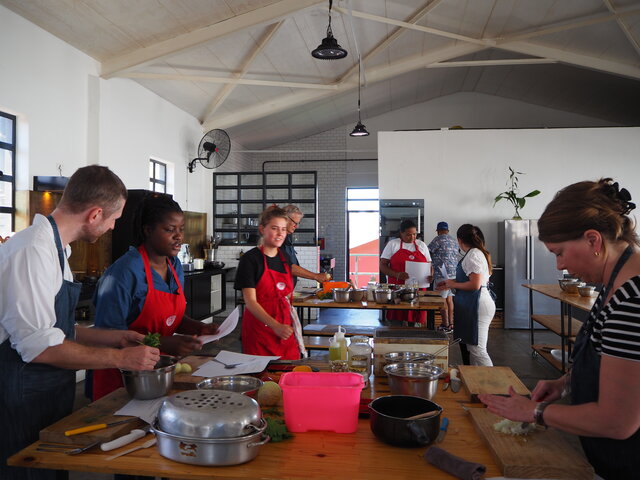
At "Food Jam Cooking Studio," you can enjoy South African cuisine by cooking it yourself while listening to music, singing, dancing, and chatting.
A cooking studio where staff provide fun instruction
A cooking studio where staff provide fun instruction
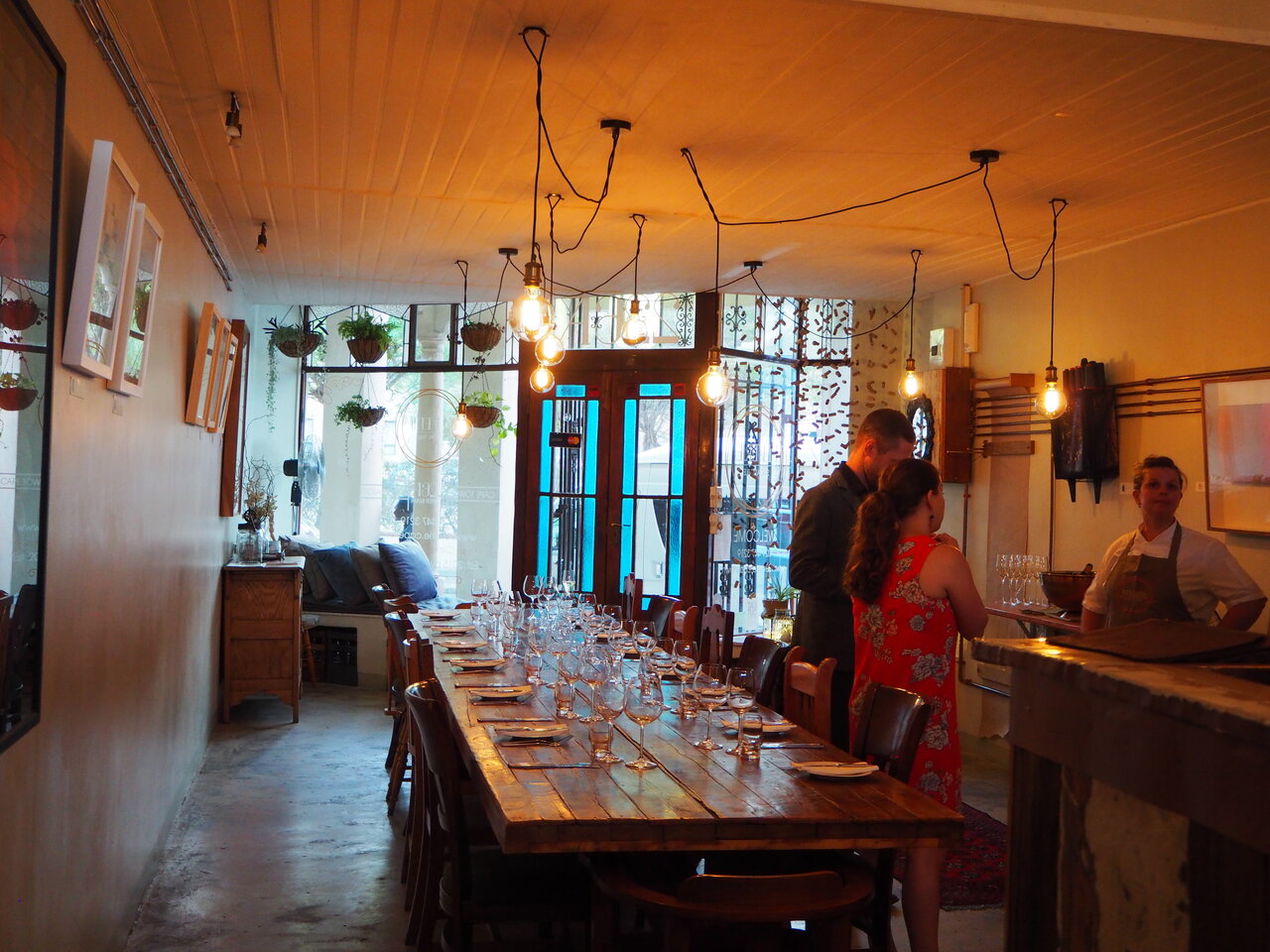
At "Reverie Social Table," you share a large table with fellow travelers from around the world, enjoying creative cuisine and conversation.
Travelers from all over the world gather around the table for an evening
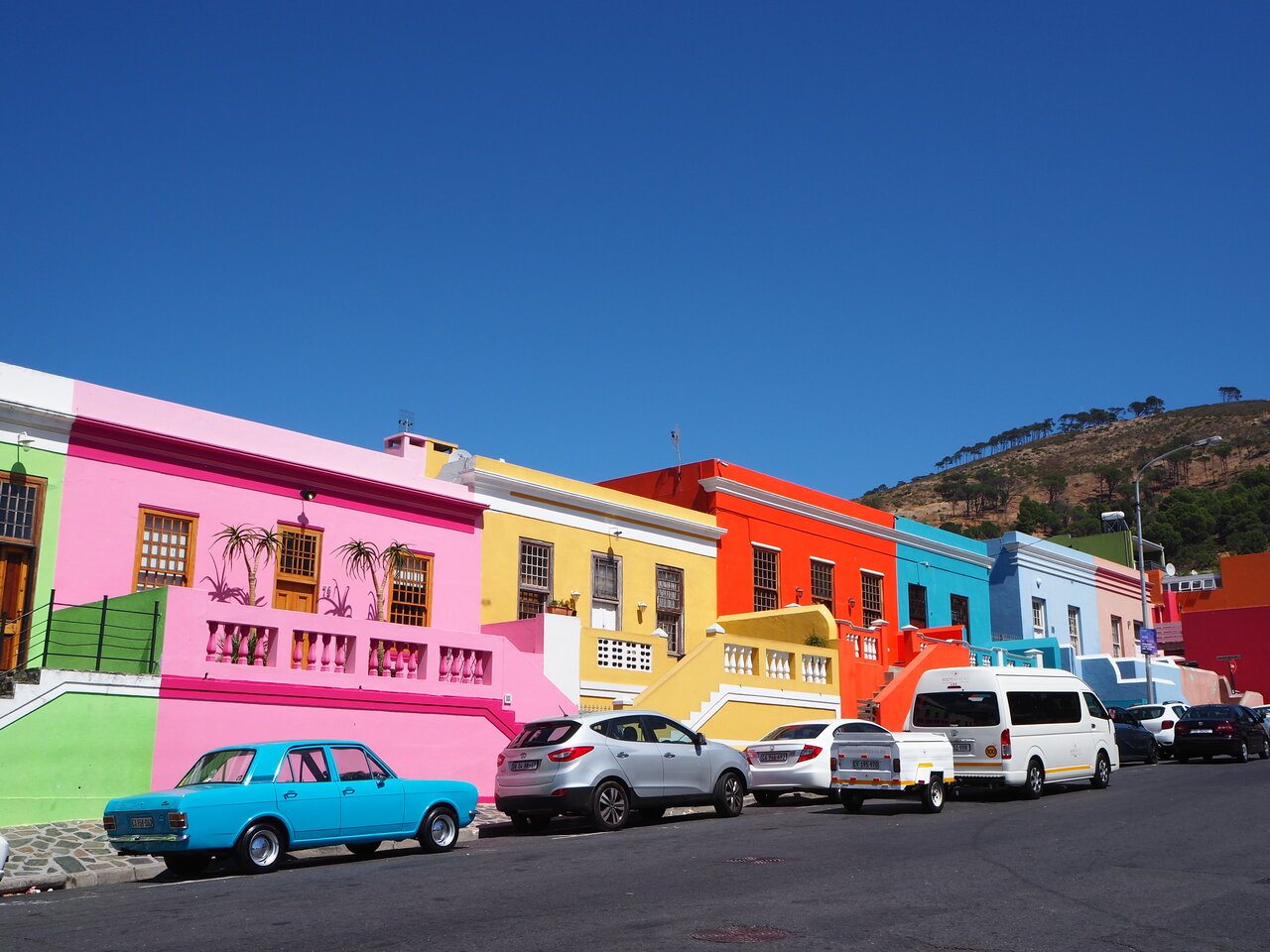
And I highly recommend visiting Bo-Kaap in the Cape Malay district, which is also popular on Instagram.
Bo-Kaap, with its rows of colorful and charming houses
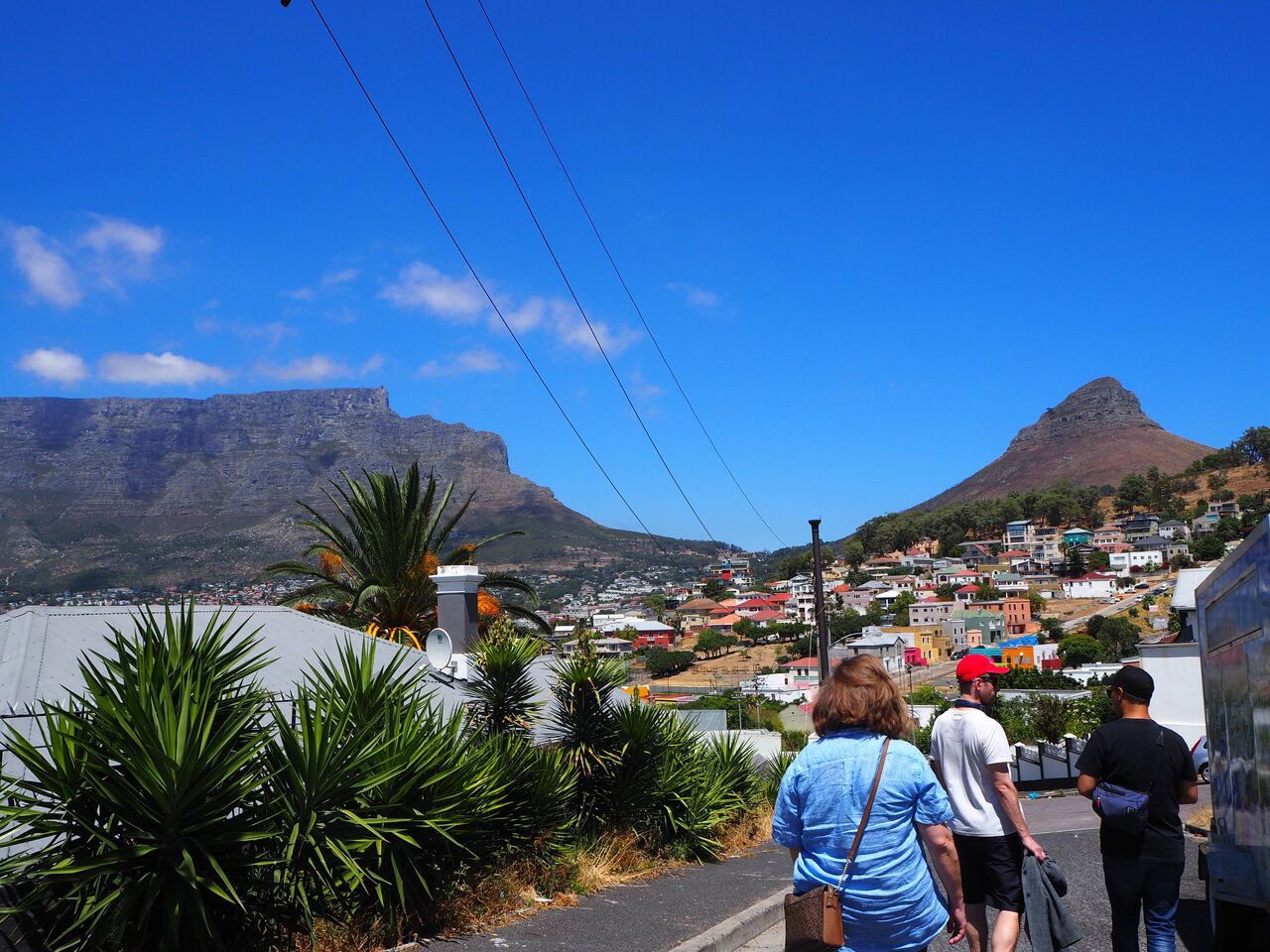
This area, spread out at the foot of Signal Hill, was once known as the Malay Quarter and is still inhabited by people of Malay descent. While its colorful houses make it a popular spot on social media, it is also a historic place where you can feel the rich Cape Malay culture, with its remaining mosques and other old buildings. The Bo-Kaap Museum, built in the 18th century, is one of Cape Town's oldest structures. It tells the story of the people brought from Southeast Asia by European settlers, who formed a community here after being freed from forced labor, as well as the history of Islam in South Africa and its social narratives.
Touring the Cape Malay district
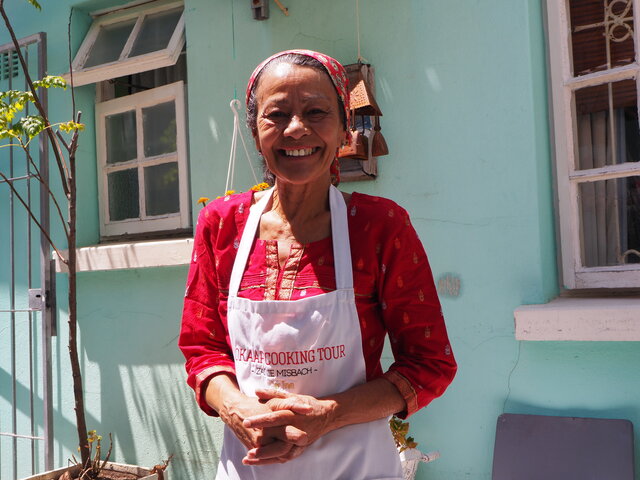
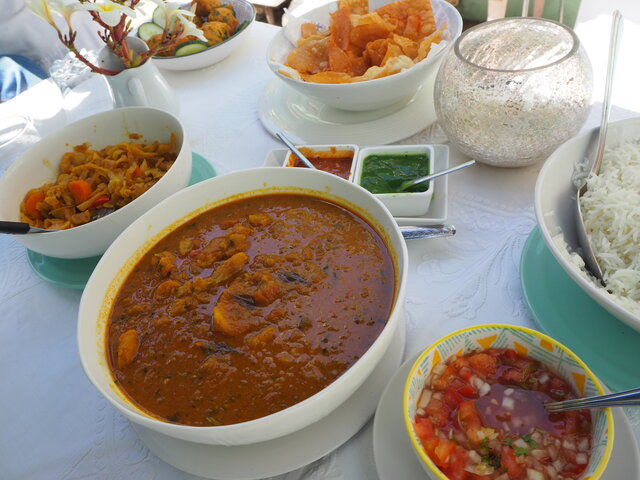
Here, after strolling through the colorful houses and learning about their history, you can join a popular tour, the "Bo-Kaap Cooking Tour," where you learn home cooking while chatting with the friendly Malay residents. Learning the secrets of spicy Cape Malay cuisine from a warm lady, enjoying sweet, melt-in-your-mouth desserts and delicious tea, and conversing about daily life as if you were old friends is a truly special experience that can only be gained by visiting and interacting with the people here.
The 12-day South Africa trip, filled with magnificent nature, breathtaking scenery, exquisite wine and cuisine, and warm interactions with its people, became a wonderful memory, its rich experiences etched into my senses. Until the day I can visit again, I will continue to dream of that land, those flavors, and the smiles of its people.