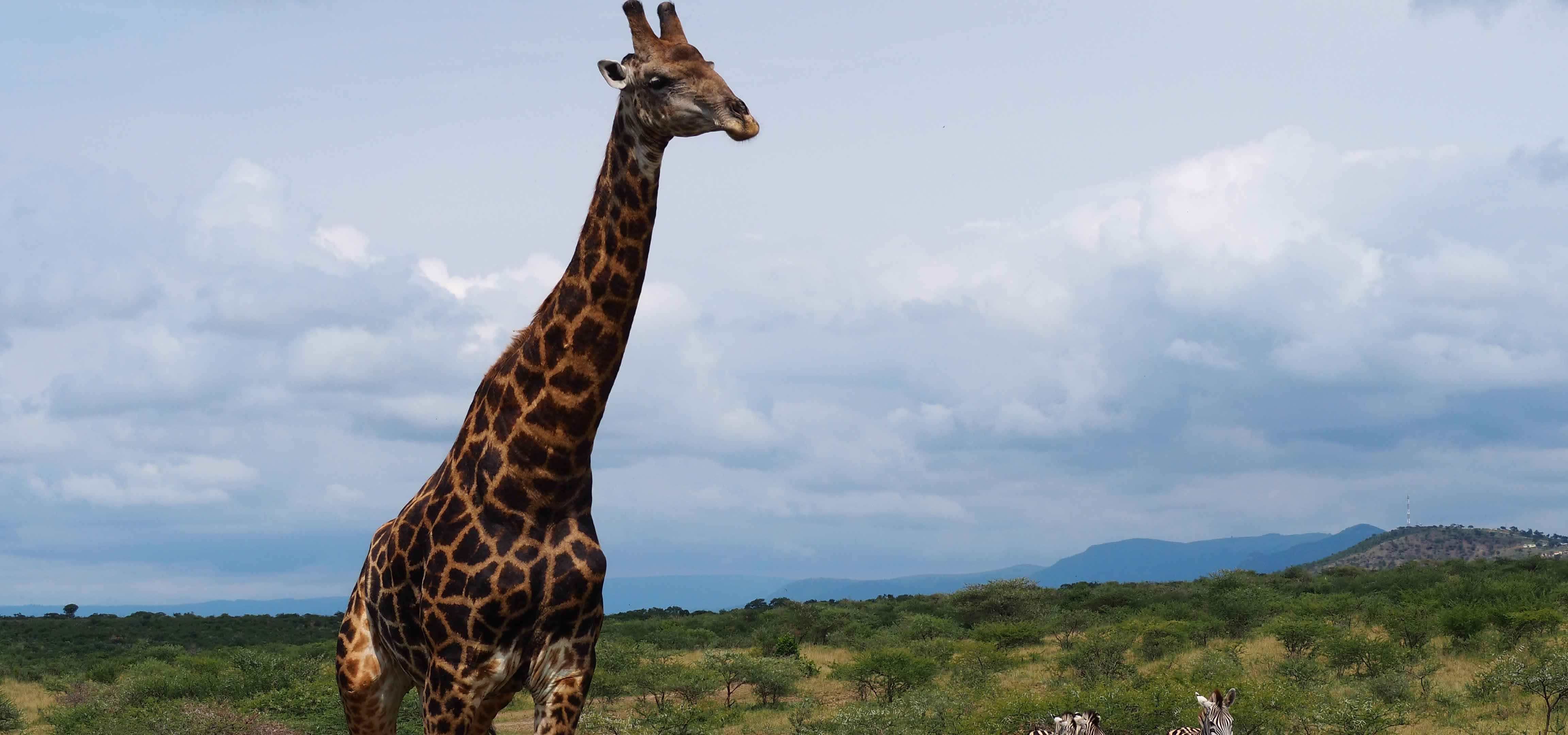
Series: A Journey Through South Africa
LOUNGE / TRAVEL
March 26, 2020

Series: A Journey Through South Africa

Part 1: On Traveling Through South Africa

The Rugby World Cup, held in the autumn of 2019, was a resounding success. The performances of national teams and the interactions among fans have sparked increased interest in South Africa, the winning nation. For travel enthusiasts, Africa has always been a dream destination. How about experiencing the majestic continent that once captivated adventurers by traveling luxuriously through South Africa, a country that has become more accessible? This series, in six parts, will introduce you to places where you can experience Africa, featuring nature, food, and wine. In this first installment, we will delve into the history and allure of South Africa that one should know when traveling there, referencing Clint Eastwood's film "Invictus," which depicts the country in the immediate aftermath of apartheid.

Text by MAKIGUCHI June

To the Land of "Invictus"

When people think of Africa, many picture arid landscapes and wild nature. South Africa, however, is a place that combines these with fertile farmlands, bountiful vineyards and wineries, beautiful coastlines, blooming wildflowers, a multinational culinary culture, a society where multiple ethnic groups coexist, and sophisticated urban functions.

Of all the vast lands on the African continent, this is the only country that bears "Africa" in its name. Traveling here, one truly understands why. It is no exaggeration to say that all the wonderful experiences unique to Africa are compactly gathered in one place.
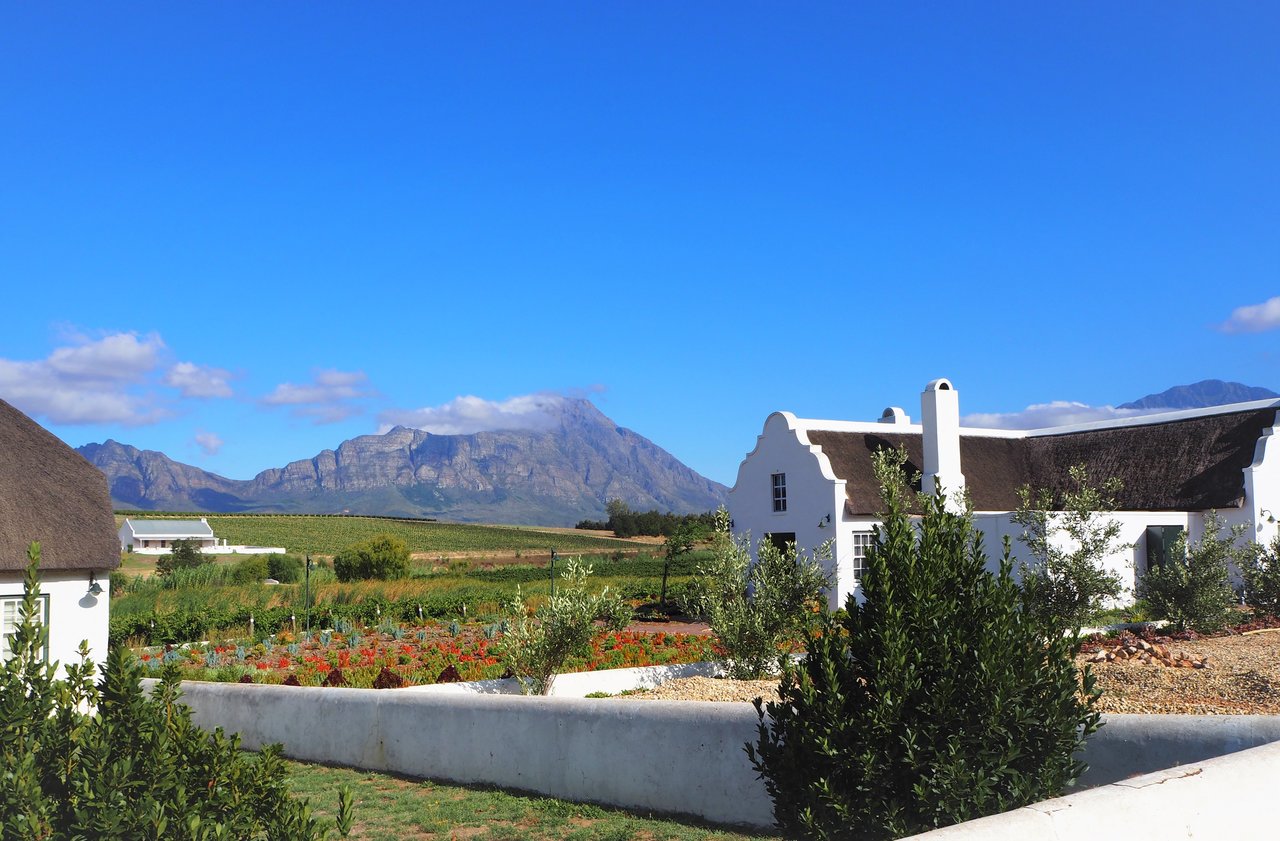
Cape Dutch-style wineries, with a strong Dutch settler influence
In this first installment, we aim to provide a clear explanation of South Africa as a country.
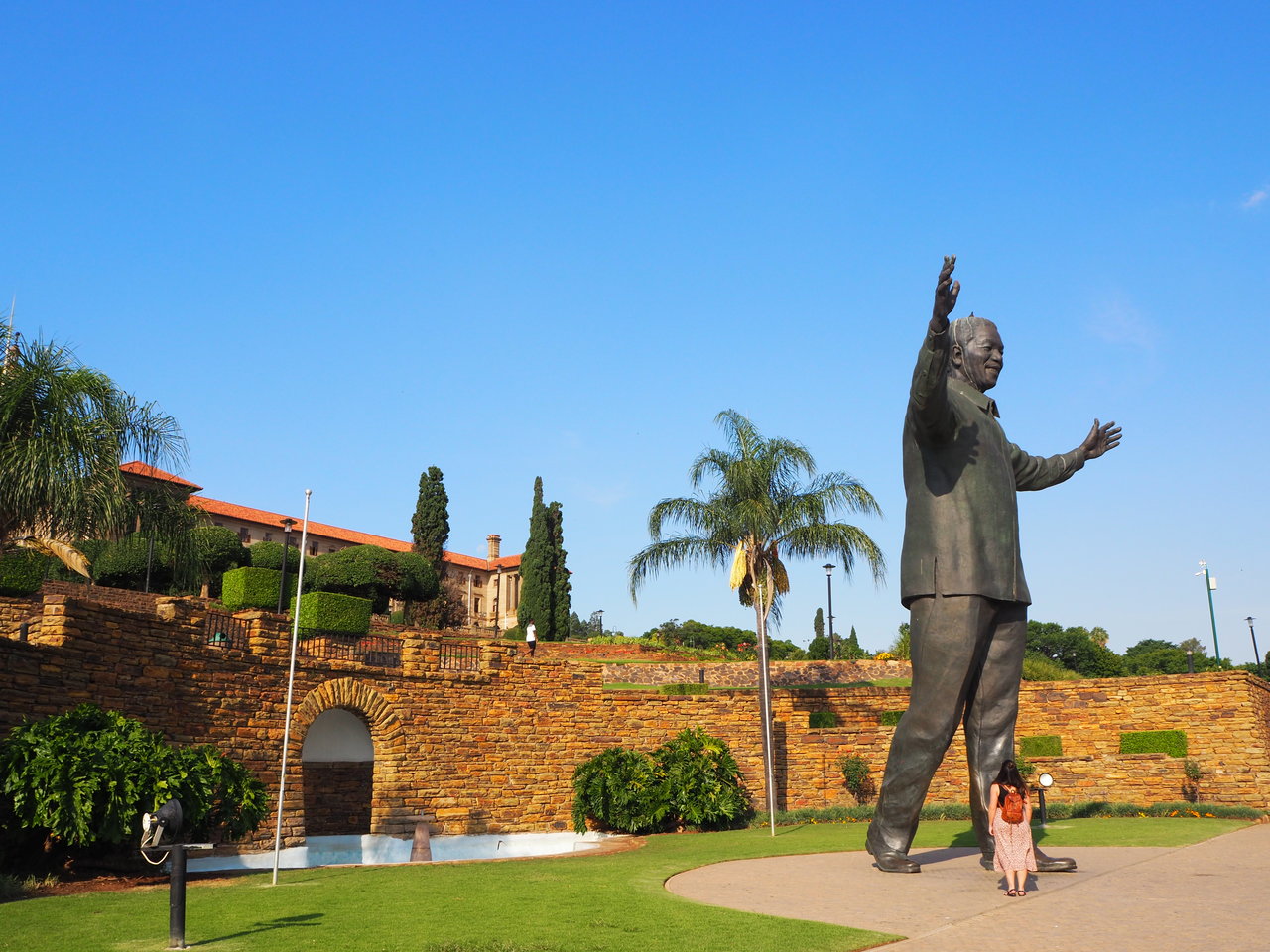
Its area is about 3.2 times that of Japan. The nation's capital functions are dispersed among Pretoria (executive), Cape Town (legislative), and Bloemfontein (judicial). Pretoria, famous for its purple jacaranda blossoms, is part of the City of Tshwane, about a 60-minute drive from Johannesburg. The Union Buildings, housing the president's office, stand atop a hill, offering a panoramic view of the city. In the plaza, a smiling statue of Nelson Mandela stands with arms outstretched, as if watching over the nation.
During my recent trip, I realized many people have misconceptions about traveling here. Firstly, no vaccinations are required for entry from Japan. Regarding safety, the same level of caution as in Europe is sufficient, and the hygiene standards in major cities are exceptionally high, even when compared to world-renowned tourist destinations. Medical facilities are also world-class, ensuring an environment where you can travel with peace of mind.

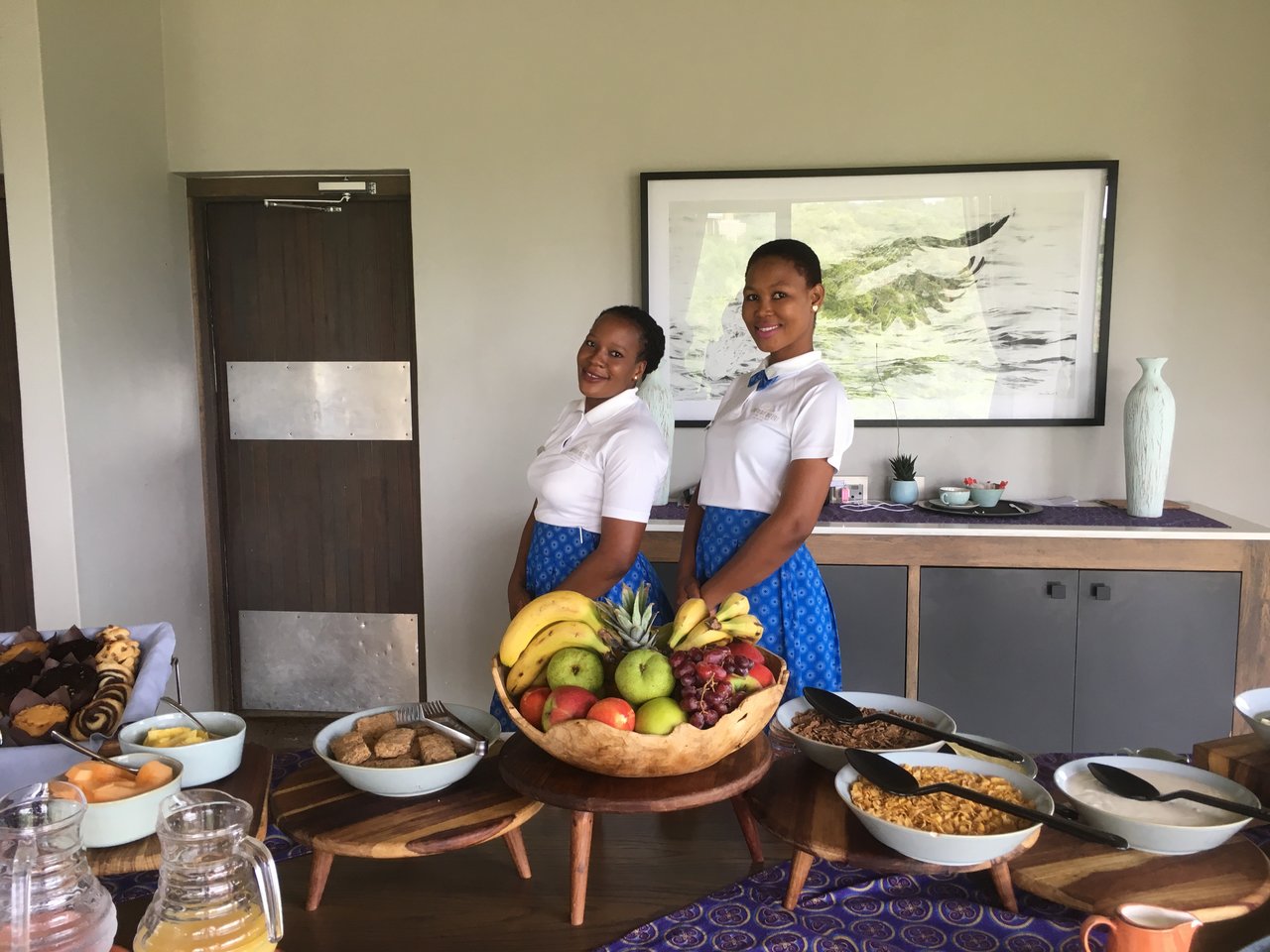
Furthermore, as a "Rainbow Nation," its multi-ethnic nature seems to foster an open attitude towards travelers, resulting in top-tier hospitality. The beaming smiles encountered everywhere are particularly comforting to a traveler in a foreign land. With 11 official languages, including English, one can appreciate the extent to which diverse ethnic groups coexist.

Approximately 75% of the population is of African descent, and about 13% are white. South Africa is also unique among African nations in that its people were never taken to other countries as slaves. Instead, white settlers brought cooks and laborers from Southeast Asia, and their descendants, people of Malay and Indian origin, make up the remaining 12% or so.

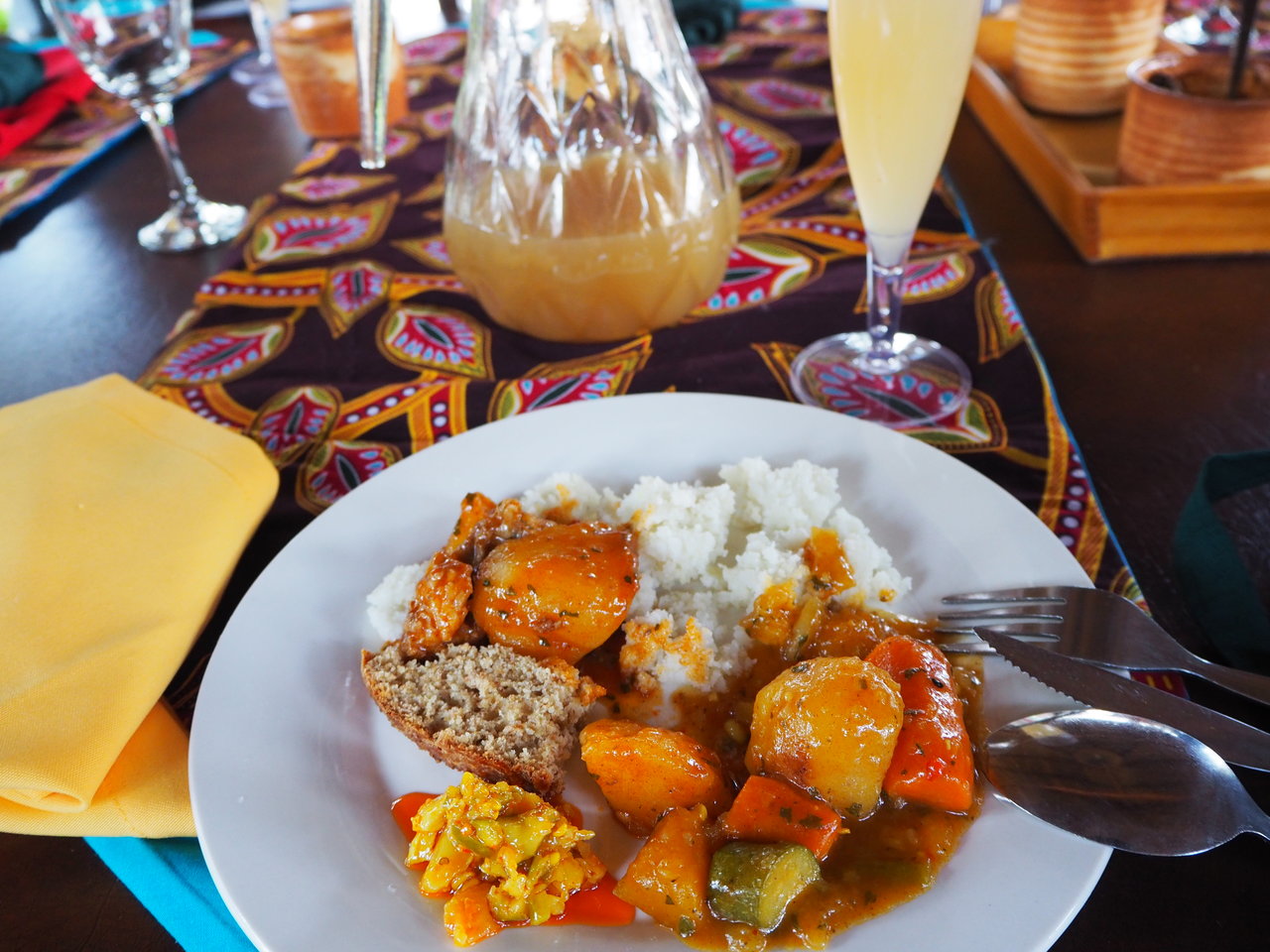
The blend of various traditions and cultures—represented by the traditional African culture of those who protect their ancestral lands, the wine culture introduced by white settlers, and the culinary traditions brought by Asians—makes South Africa one of the most unique and captivating places on Earth.
Of course, the path to this point has included unfortunate periods. When considering this country, the tragic history of apartheid (racial segregation) cannot be ignored. Yet, it is also true that its current development is ironically built upon a foundation of white culture.

Perhaps it is President Nelson Mandela's achievement to have accepted both the good and the bad as part of the nation's history, thereby realizing ethnic integration.

Even after his release from a 27-year imprisonment and becoming president, Mandela courageously continued to pursue policies and directions that fostered coexistence rather than exclusion of white people. This spirit is still carried forward today, allowing the country to develop as a model nation on the African continent. During my travels, I also met many people who had come from neighboring countries to work. Indeed, South Africa supports the entire continent.
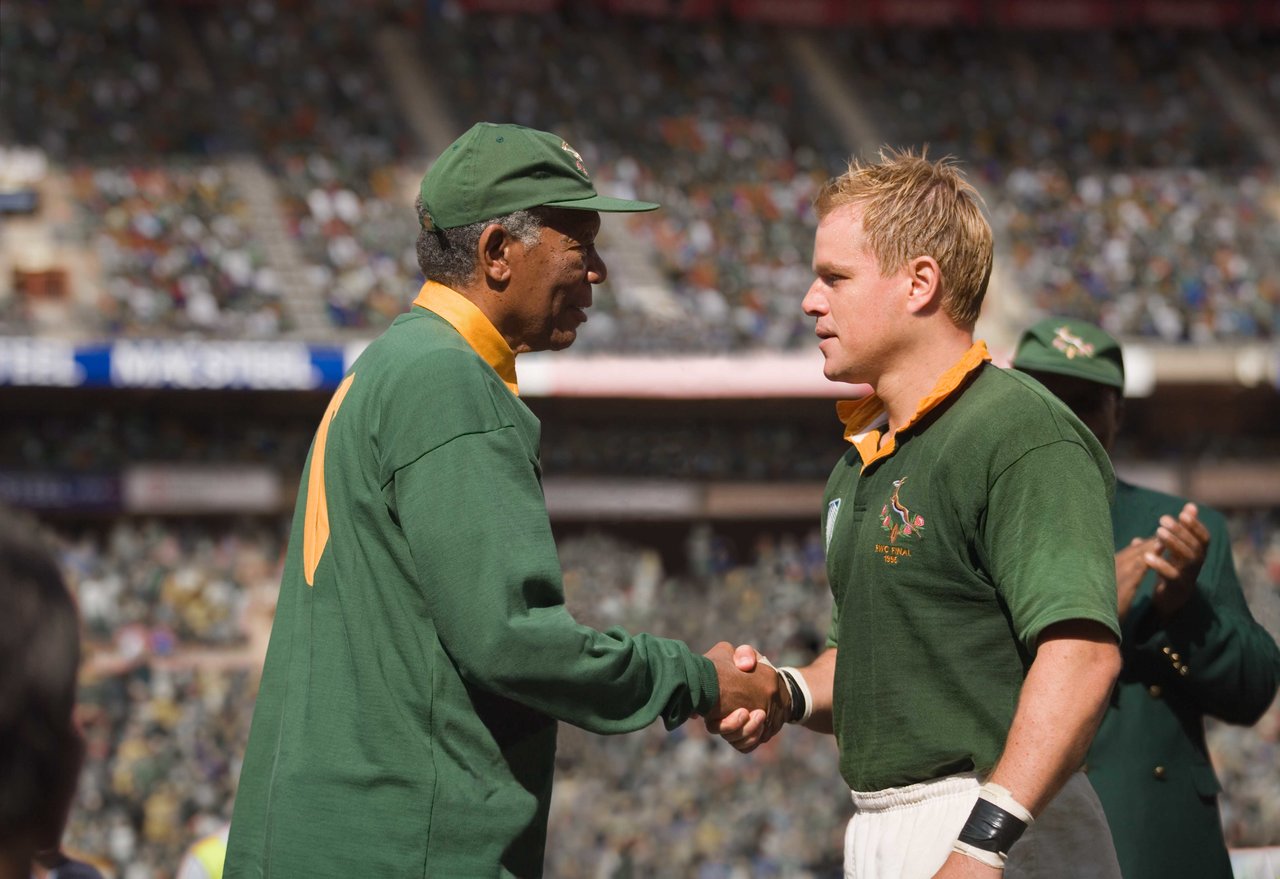
Naturally, South Africa has experienced conflict since the end of apartheid, with tensions between Black and white populations escalating. How did it rebuild itself into the attractive nation it is today? The film "Invictus" depicts a pivotal period in this transformation. Watching this film again after my trip to South Africa, I deeply felt that the national rugby team, the Springboks, lies at the origin of the country's current charm.
From the film "Invictus"
At the beginning of the film, which starts on February 11, 1990, the day of Mandela's release, a rugby coach from a predominantly white sport murmurs to his players, "Today is the beginning of this country's downfall." White people feared retribution from Black people, while Black people began to reject white culture and assert their own traditions strongly, leading to a crisis of civil war. Although institutional racial discrimination had ended, emotional divisions remained deep, making national reconciliation seem almost impossible.

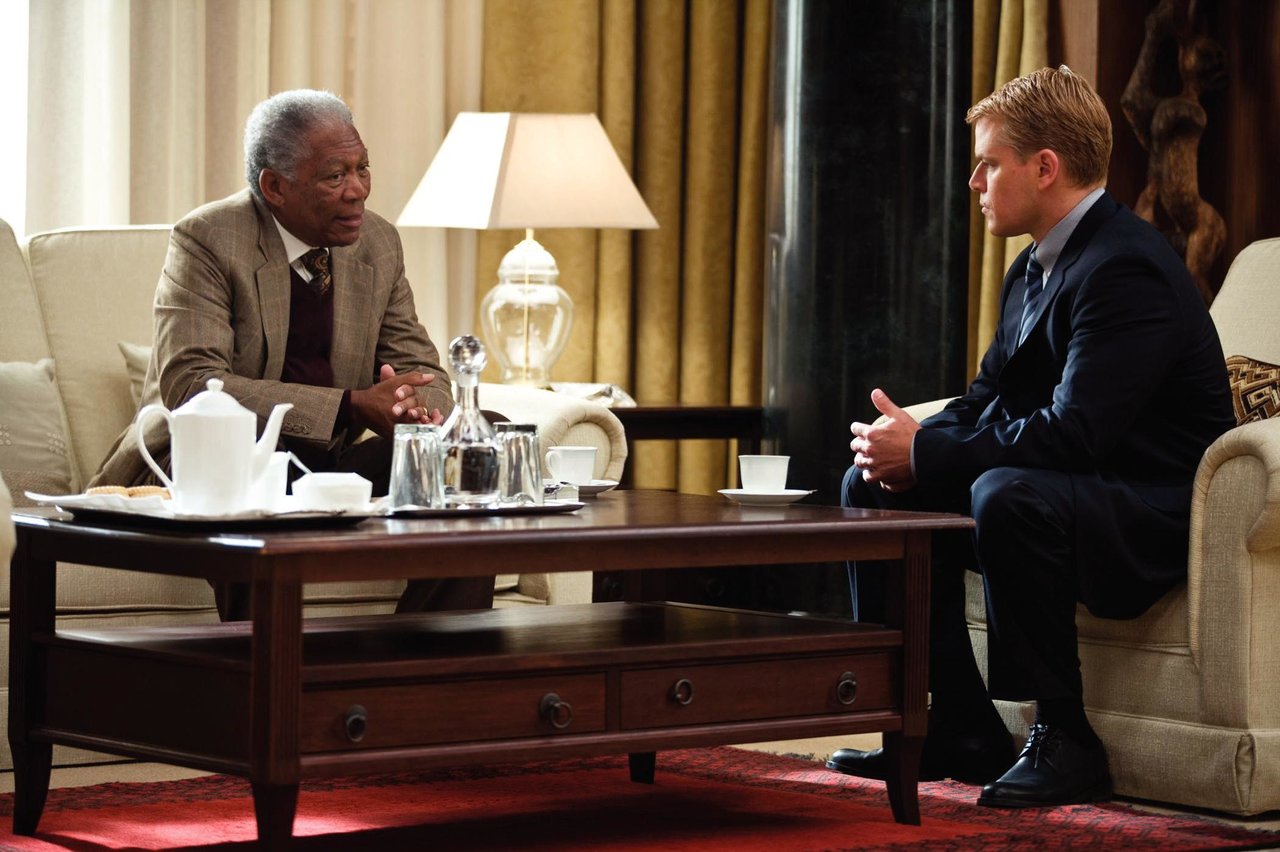
However, four years after his release, Mandela, having been elected president, addressed the nation: "In this beautiful country, the oppression of one person by another must not be repeated, nor must we suffer the humiliation of being the laughingstock of the world." "Forgiveness is the first step. Forgiveness leads to freedom." True to his declaration of moving forward, he courageously chose not to exclude white people, nor to reject their culture.

The national rugby team became a symbol of that policy. At the time, the Springboks, South Africa's national team, were disliked by Black people as a symbol of apartheid. When they played international matches, Black people would cheer for the opposing team. The National Sports Council considered changing the emblem, name, and even team colors, but it was Mandela who stopped them, saying, "We cannot do that now."
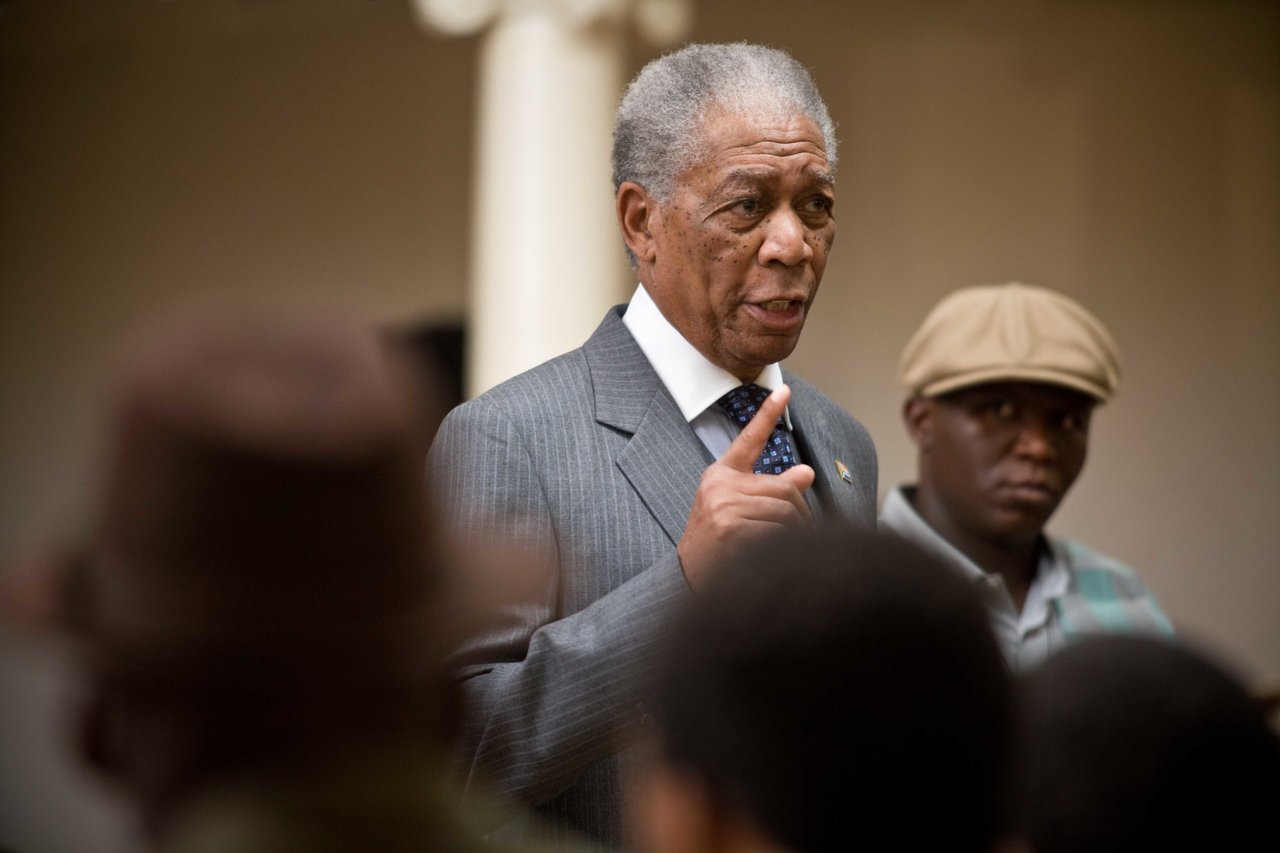
From the film "Invictus"
The Springboks of that era were a weak team, even called "South Africa's shame." Yet, they were treasured by white South Africans. Mandela inspired the captain, believing that if the team could become a source of national pride, victory was possible. With "ONE TEAM ONE NATION" as their slogan, he instilled the importance of unity in the nation. Their goal was set: to win the 1995 Rugby World Cup, to be held in South Africa a year later. How this plan unfolded is also a highlight of the film.
From the film "Invictus"
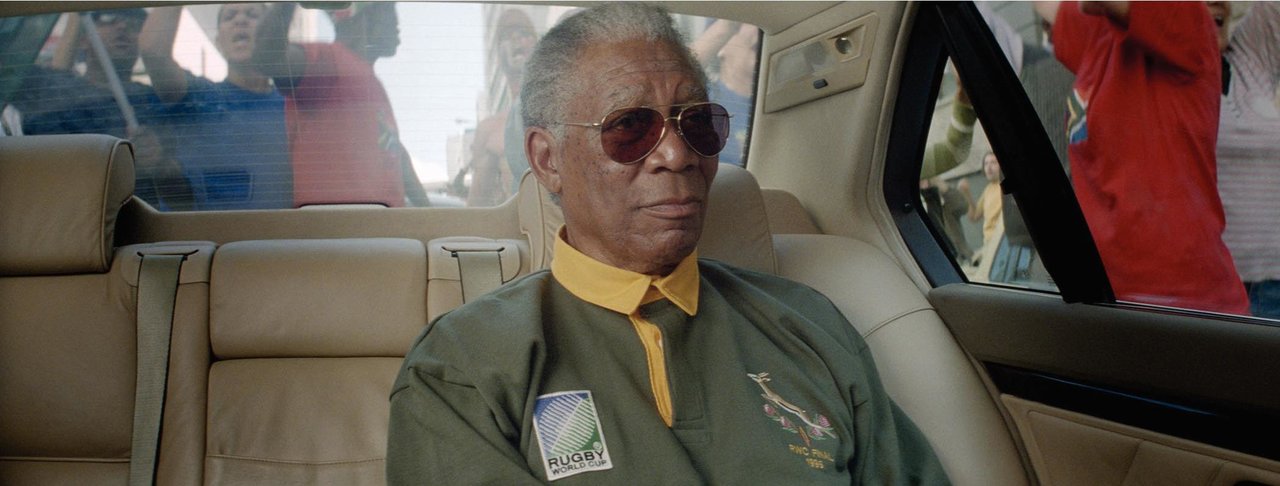
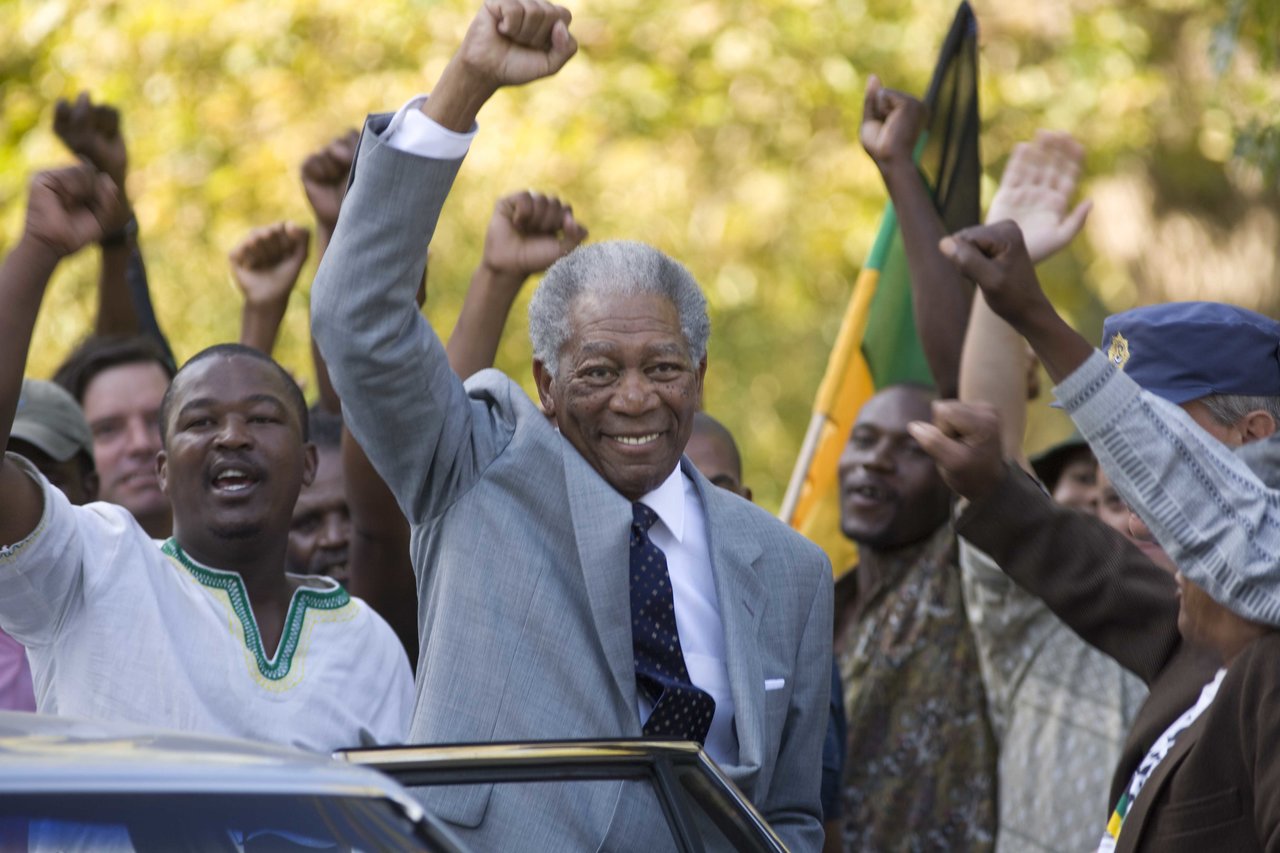
The subsequent success of the national team is well-known. The Springboks we saw in the Japan tournament can be said to embody the very "freedom" of South Africa. The national anthem, "Nkosi Sikelel' iAfrika" (God Bless Africa), sung in Japan, and the flags waved enthusiastically by everyone, all symbolize the spirit of the new South Africa—that is, the policy of racial reconciliation and cooperation. Considering that there was only one Black player on the team at the time, the fact that the national team now comprises members from multiple ethnic groups is proof that the country continues to uphold Mandela's legacy. Learning about the history depicted in "Invictus" will undoubtedly deepen your interest in this country.
From the film "Invictus"
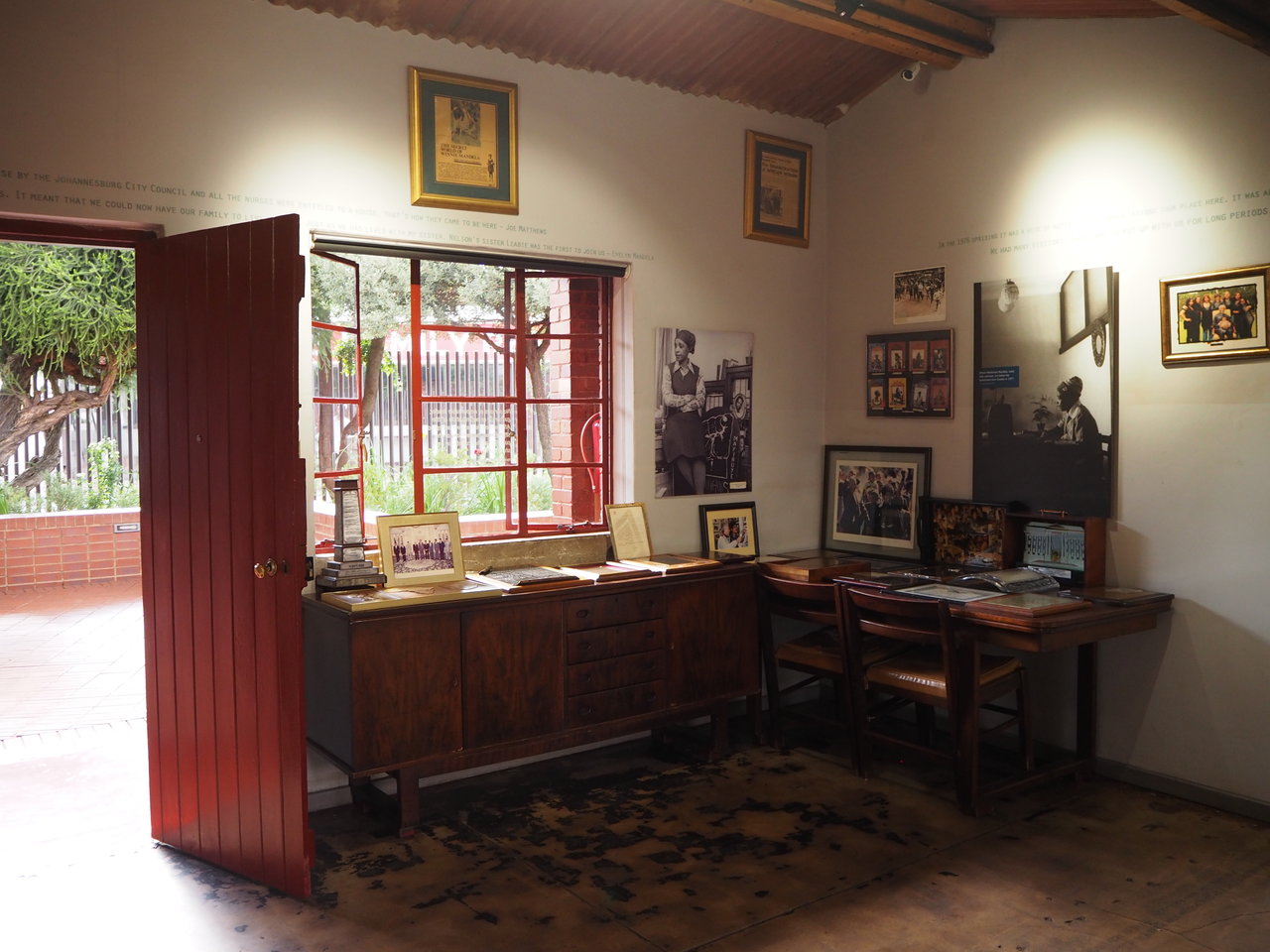
In Soweto, one of the segregated residential areas during apartheid, which is now a notable township representing South Africa (townships will be introduced in subsequent installments), one can feel this history and tradition. Johannesburg, the largest city in South Africa and a primary setting for the film, is of course a must-visit.

In this area, a district in the southwestern suburbs of Johannesburg, you should visit the Mandela House Museum, where you can tour the house where Mandela lived after his release, and the Hector Pieterson Memorial, named after a 13-year-old boy who died during the "Soweto Uprising." The Soweto Uprising, which began as a peaceful protest, is also considered an event that brought the reality of apartheid to widespread attention due to the violence directed at many unarmed children. It has been depicted in masterpieces such as "Cry Freedom" and "Sarafina!" as a catalyst for the end of apartheid.
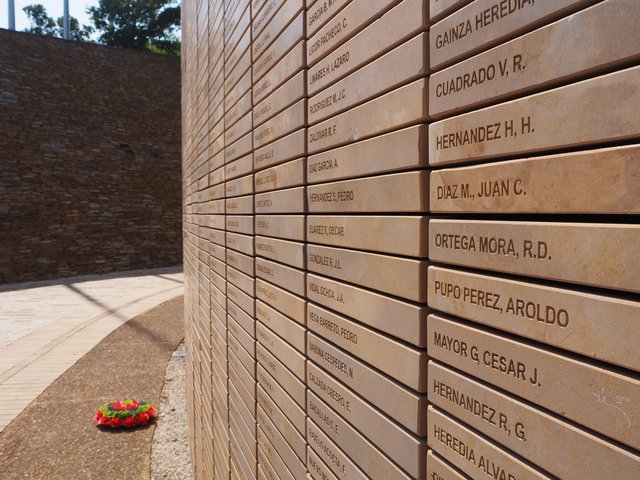
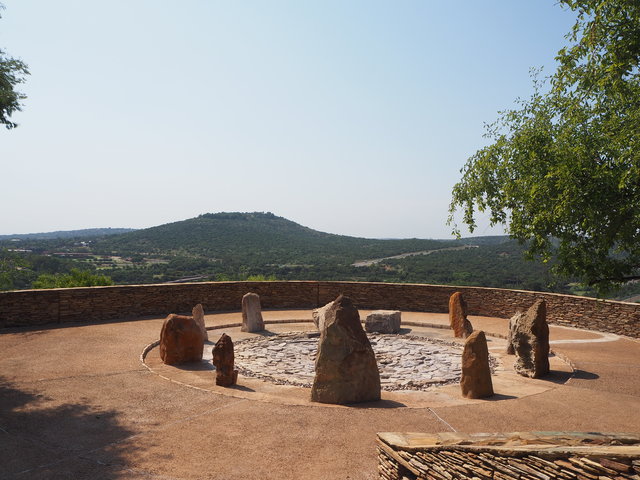
Furthermore, the City of Tshwane, which includes Pretoria, the administrative capital, is also accessible within about an hour's drive from central Johannesburg. This city is home to several memorial sites, built to remember a dark history, to commemorate those who fought for freedom, and as a pledge never to repeat past mistakes. Among them is Freedom Park, a memorial park created as a symbol of the struggle for freedom and human rights, and as a tribute to those who sacrificed their lives during that turbulent history. Tshwane, along with Johannesburg, is the heart of this country and a must-see for any traveler.
Meanwhile, Cape Town, which appears in the film as one of the tournament venues, is another city you should definitely visit. It's about a two-hour flight from Johannesburg. As a bustling economic center with a thriving tourism industry, it's a glamorous global resort town popular with tourists from Europe and America. It's said that Hollywood celebrities own luxurious villas in its beautiful coastal suburbs.

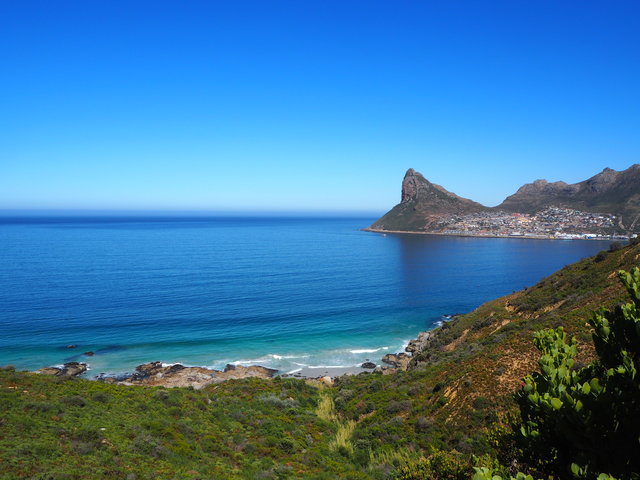
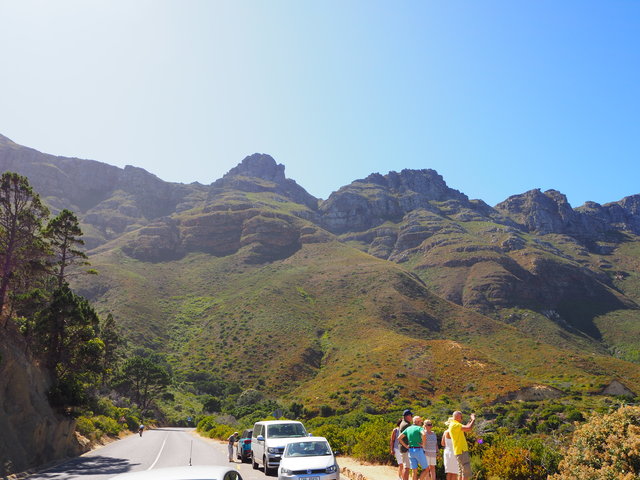
Upon visiting, you'll be captivated by the vibrant harbor, the city spreading around it, the majestic Table Mountain towering in the center, and the beautiful ocean. Even a short drive reveals dramatic changes in scenery, and the shifting colors of the sky, sea, and trees throughout the day are mesmerizing. Nature and people are closely connected, and it's easy to take a drive to Cape Point, where the Atlantic and Indian Oceans meet.
Robben Island, where Mandela was imprisoned, floats off the coast opposite Cape Town's harbor. You may recall from the film that the players visited this island.
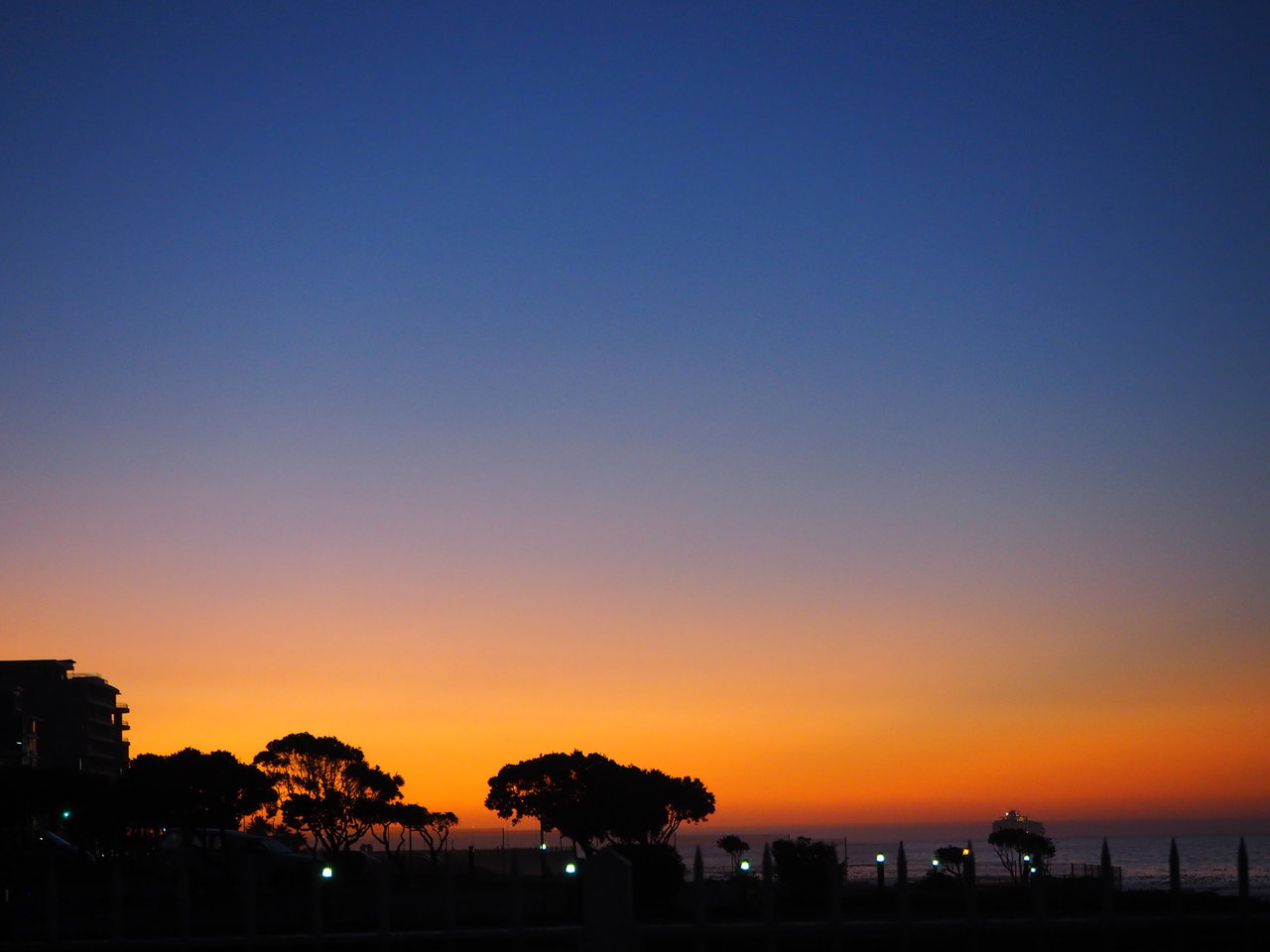
Robben Island lies beyond this beautiful seascape viewed from a seaside hotel.
Understanding the country's journey, as depicted in the film, will undoubtedly enhance your appreciation of South Africa's present-day charm. Knowing why Nelson Mandela remains a hero, and why people from diverse cultural backgrounds can take pride in their country as "ONE NATION," will make your journey even more profound.
From the film "Invictus"
Experiencing these unique traditions and cultures is an unparalleled joy for any traveler.
Beyond that, there are also pleasures such as enjoying wine tasting in wine regions, savoring dishes made with unique ingredients, being awestruck by the vast natural landscapes, and marveling at the wildlife that inhabits them.

South Africa is a gateway to a deeper African experience. Traveling here means embracing the romance of a bygone era when journeys to foreign lands were exclusive to the upper class and incredibly luxurious. It is a country where you can experience the fundamental joys of travel while enjoying the convenience and comfort of modern times. Above all, it is a place to feel a sense of awe for nature and a sense of hope for human coexistence.
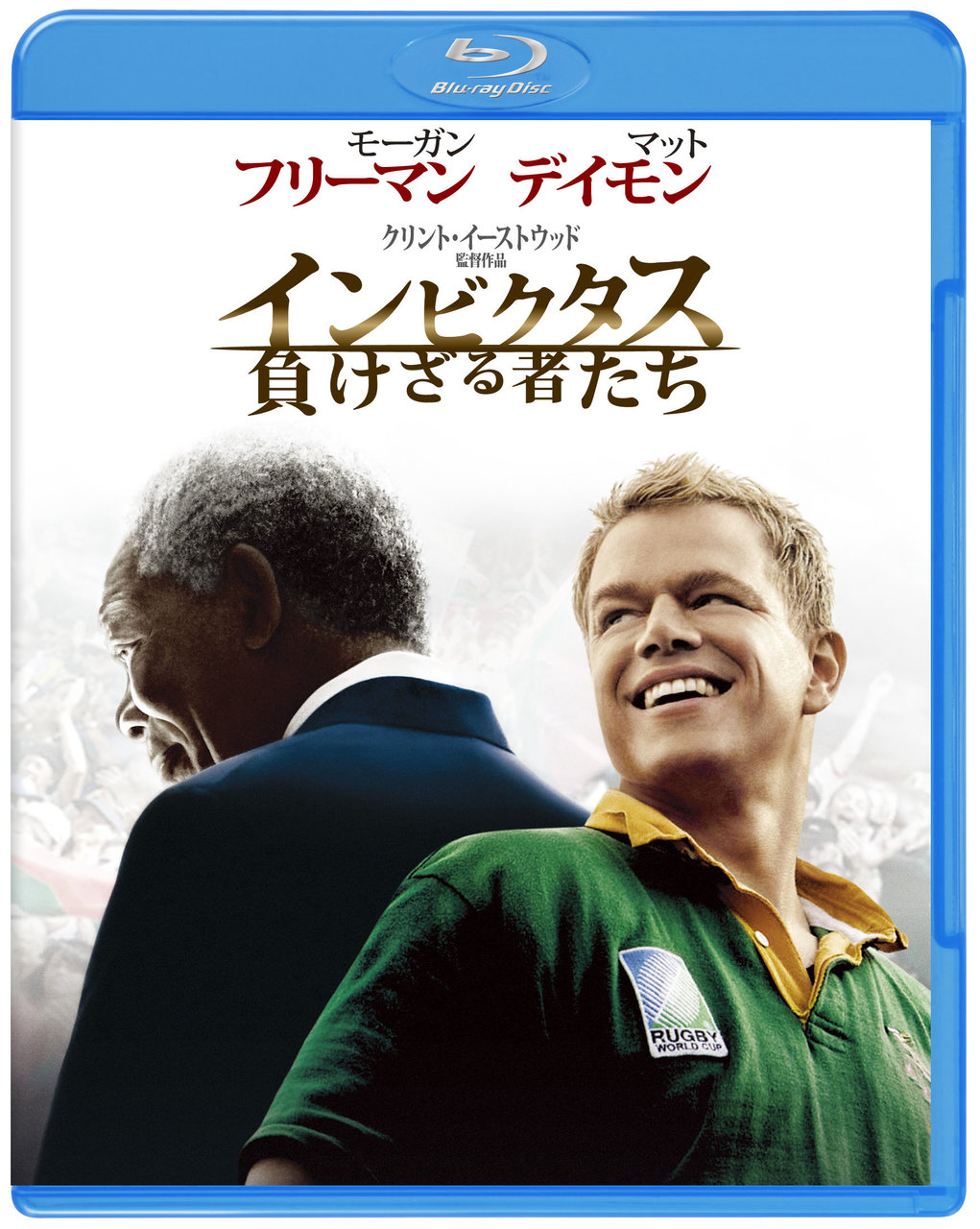
"Invictus"
Blu-ray ¥2,381 + tax / DVD ¥1,429 + tax
Warner Bros. Home Entertainment
Invictus © 2009 Warner Bros. Entertainment Inc. and Spyglass Entertainment Funding, LLC. Package Design & Supplementary Material Compilation © 2010 Warner Bros. Entertainment Inc. Distributed by Warner Home Video. All rights reserved.

Photo Gallery