Series: A Journey Through South Africa
Part 2: A Journey Through Johannesburg - 1. Nature, Culture, and More
With international travel, and even venturing outdoors, being difficult, we dream of the day when peace returns, and our thoughts drift to cherished destinations. This, too, can be a refined way for travel lovers to embrace 'STAY HOME.' Let us embark on a journey to the vast continent of Africa. The flight from Narita is approximately 18 hours. After a layover in Hong Kong, we arrive in Johannesburg. This is the largest economic city in the Republic of South Africa. It is also the country's largest city, home to approximately 3.9 million people from diverse ethnic backgrounds. It developed rapidly after gold was discovered and the gold rush began in 1886. Even today, it remains the center of finance and economy. It is bustling with people coming and going. Where people gather, entertainment and culture, such as music, theater, and art, are born and nurtured. What unique culture does Johannesburg reveal?
To Places Where You Can Feel South Africa
Johannesburg is not only an economic hub but also a cultural center. To experience this, visiting theaters and art museums would be a good choice. However, having come this far, many might wish to engage with living culture, where the pulse of the people can be felt, rather than established institutions. In that regard, the culture of everyday people found throughout the city is something to be enjoyed.
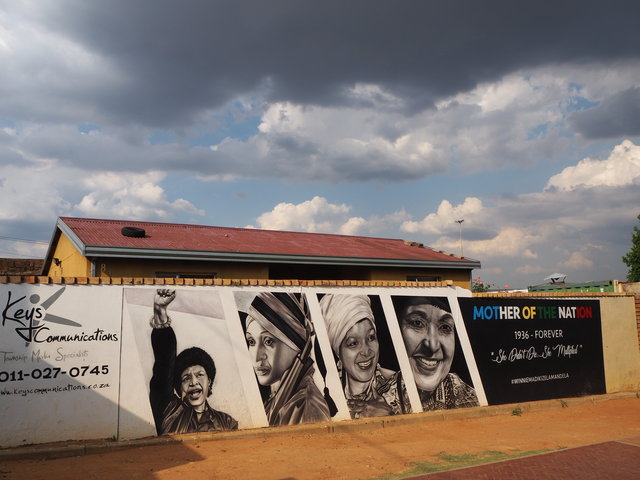
Street art can be enjoyed even while traveling by car. Colorful graffiti art adorns walls everywhere. Especially in the city center, you'll see more hand-drawn images than photographic signs, depicting social heroes like Nelson Mandela with political messages, or products from multinational corporations. Each discovery sparks joy, and the scenery from the car window becomes utterly captivating. It's like an open-air museum.
While the prevalence of hand-drawn signs might be due to economic reasons, gazing at the portraits that brilliantly capture likenesses, the uniquely decorated products, and the lettering, one cannot help but feel the human spirit and creativity of the African people.
To delve deeper into South African culture, a visit to the townships, where Black people were segregated during the apartheid era, is recommended.
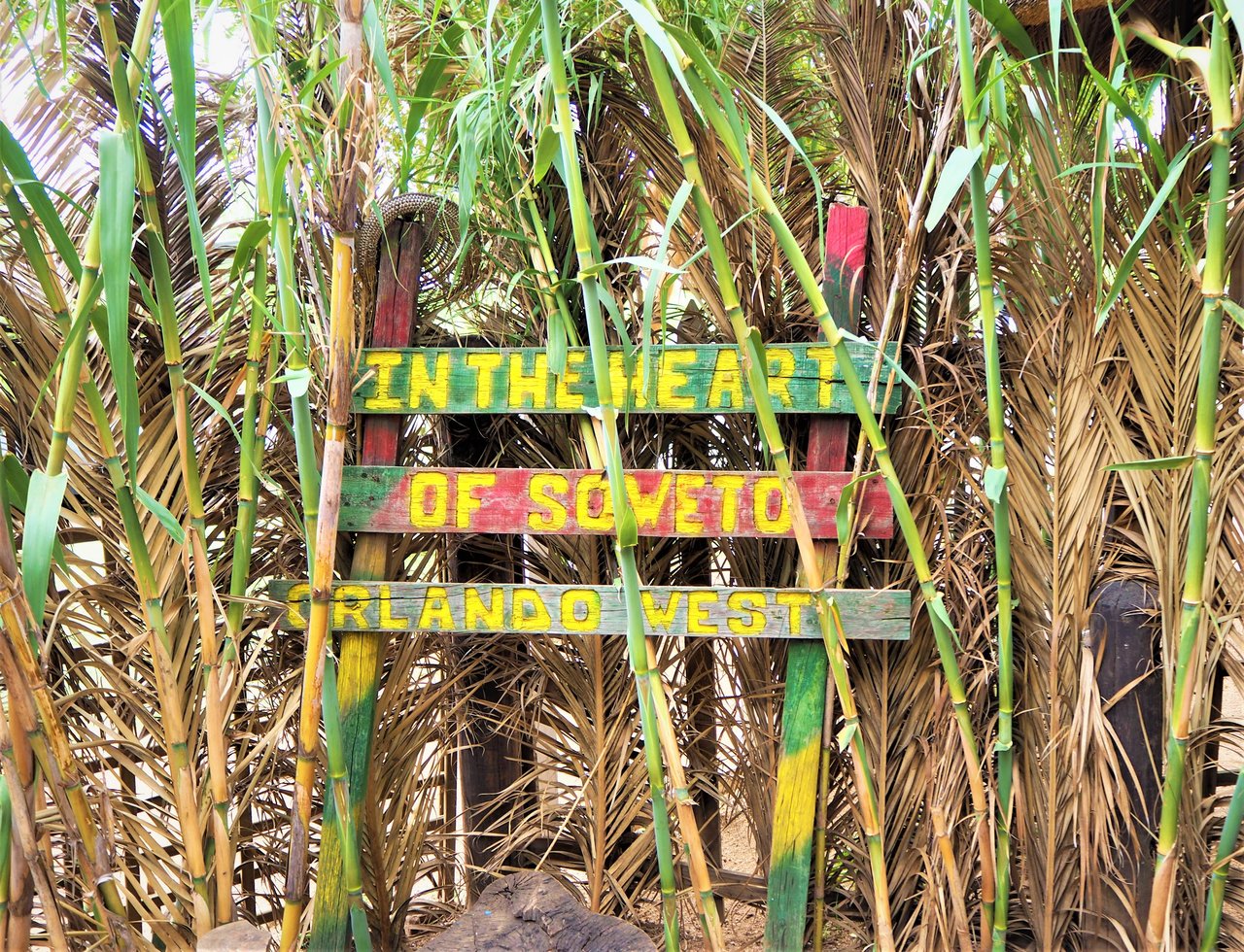
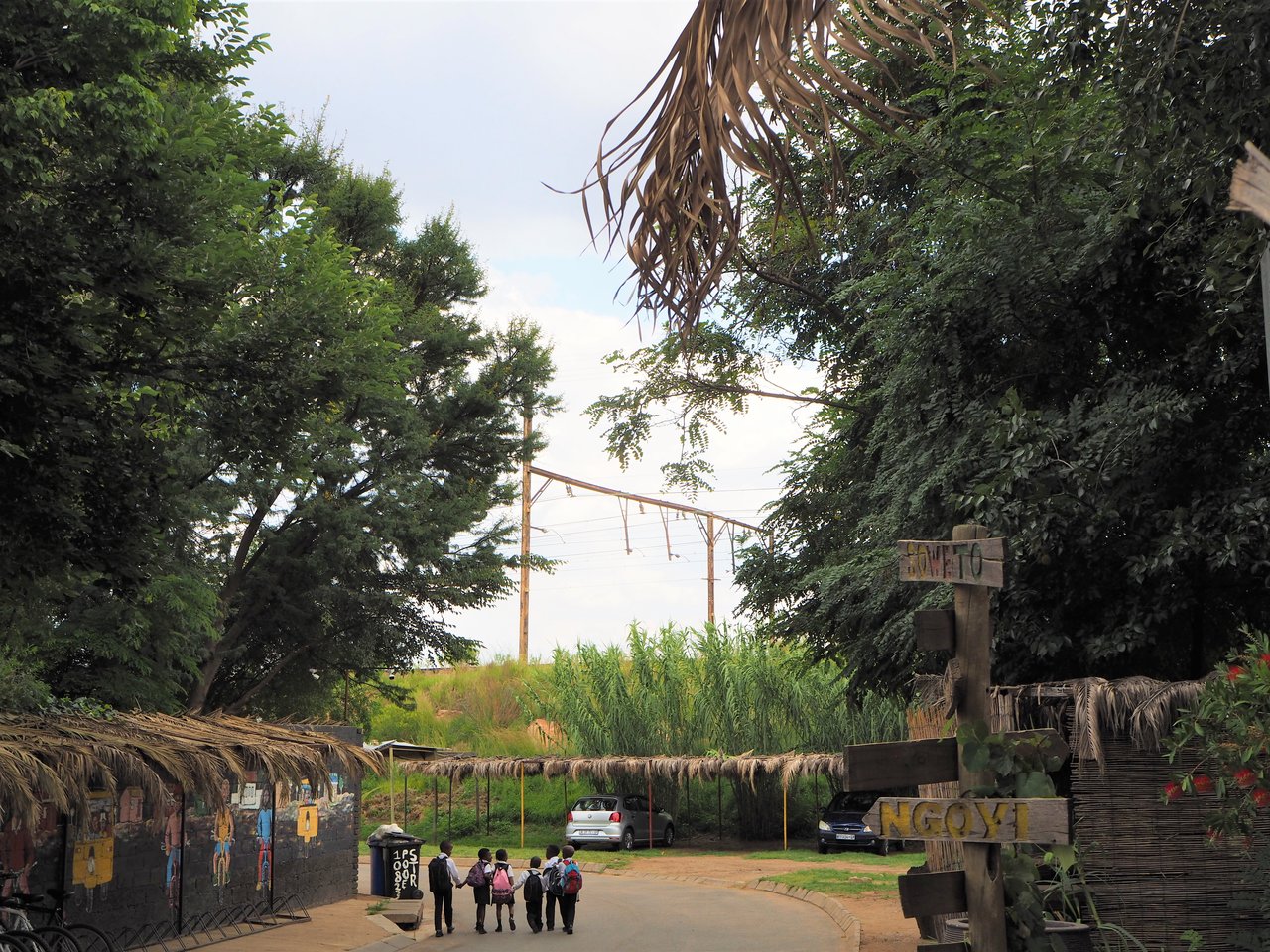
Soweto, a district gaining attention as a representative township of South Africa, is located southwest of Johannesburg, about an hour's drive from the city center.
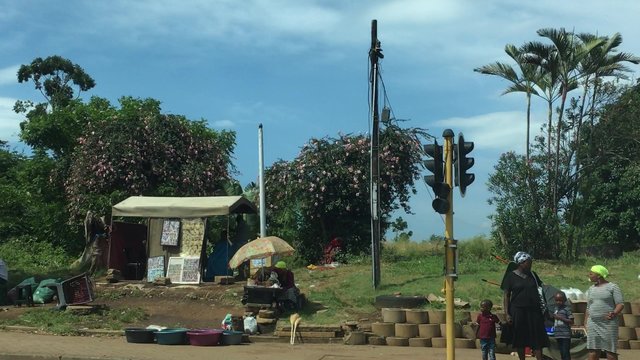
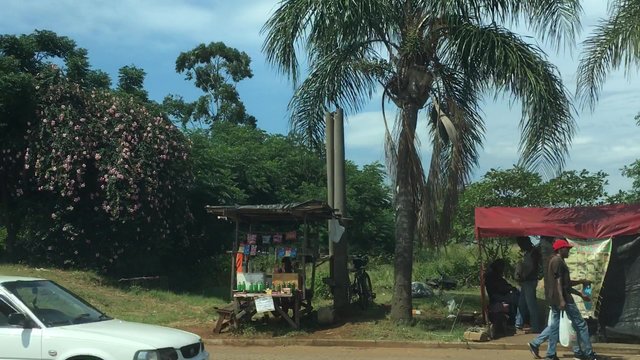
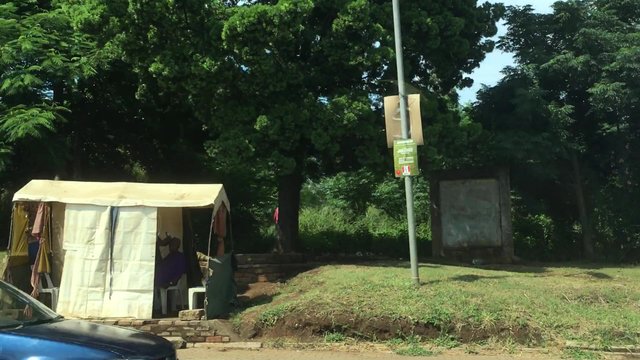
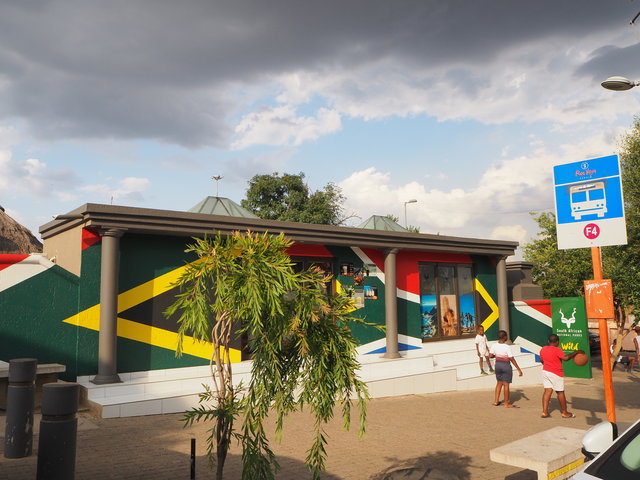
Its very formation is South African history itself, and today it is a precious place where visitors can directly experience the true essence of South Africa and its way of life, attracting many tourists. On street corners, wagons display essential goods like fruits and sundries, and open-air hair salons operate in very simple styles, showcasing diverse forms of commerce.
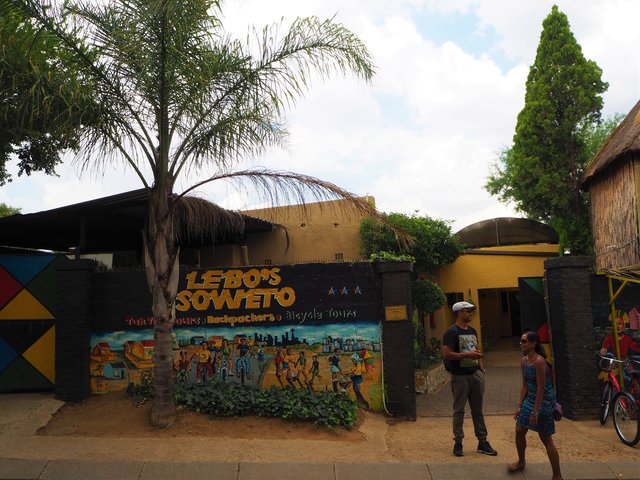
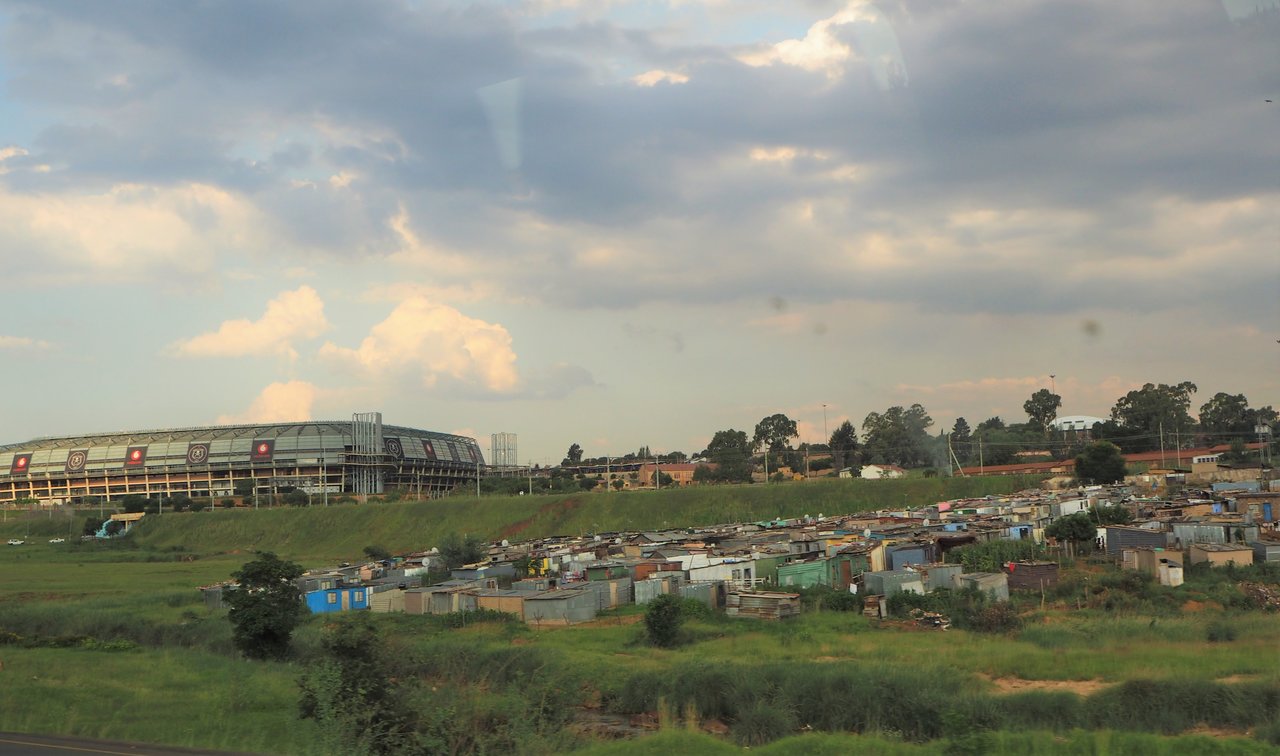
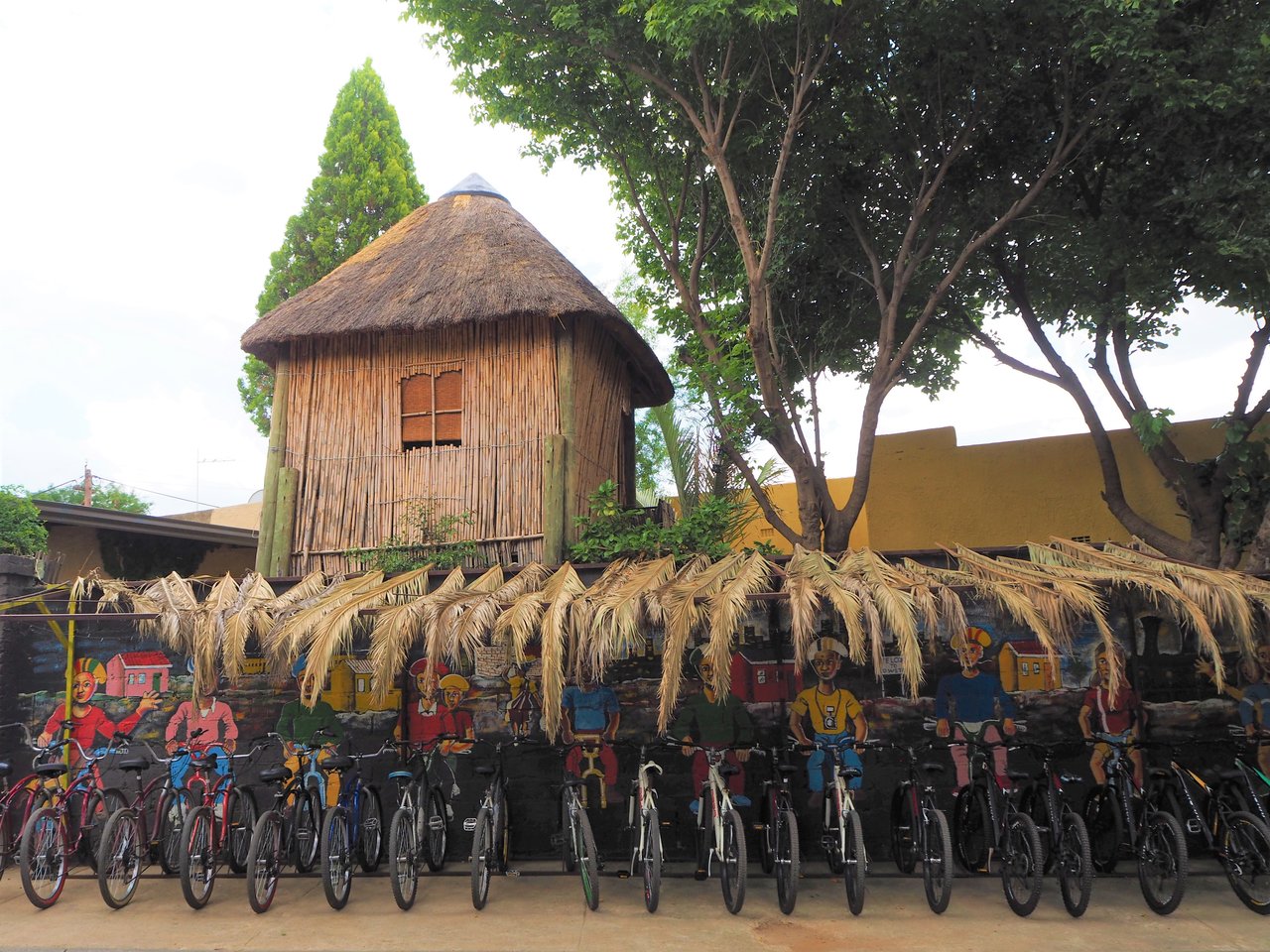
In areas where tin-roofed shacks crowd together, the landscape from the time when people were excluded from white residential areas due to apartheid policies remains vivid. However, the interiors can sometimes reveal a rich life, far beyond what their simple exteriors suggest. The presence of large satellite dishes on many homes indicates a modern lifestyle. Perhaps such unique contrasts are part of the South African character. Recently, staying in township accommodations, savoring traditional cuisine at local restaurants, and exploring the area by bicycle on cycling tours have also become popular.
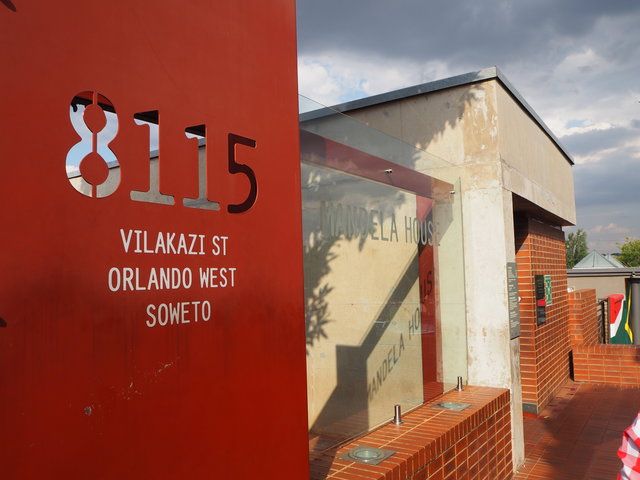
In some areas, modern residences line the streets. Vilakazi Street, undergoing rapid development, is a prime example. It is home to Mandela House, where Nelson Mandela lived with his family after his long imprisonment, now open as a museum. Furnishings, photographs, and decorative items remain as they were, offering a glimpse into their life. It is one of the highlights of a Johannesburg tour. Vilakazi Street, drawing many visitors due to the presence of Mandela House, has become one of the city's most popular spots in recent years, with numerous sophisticated restaurants and shops opening.
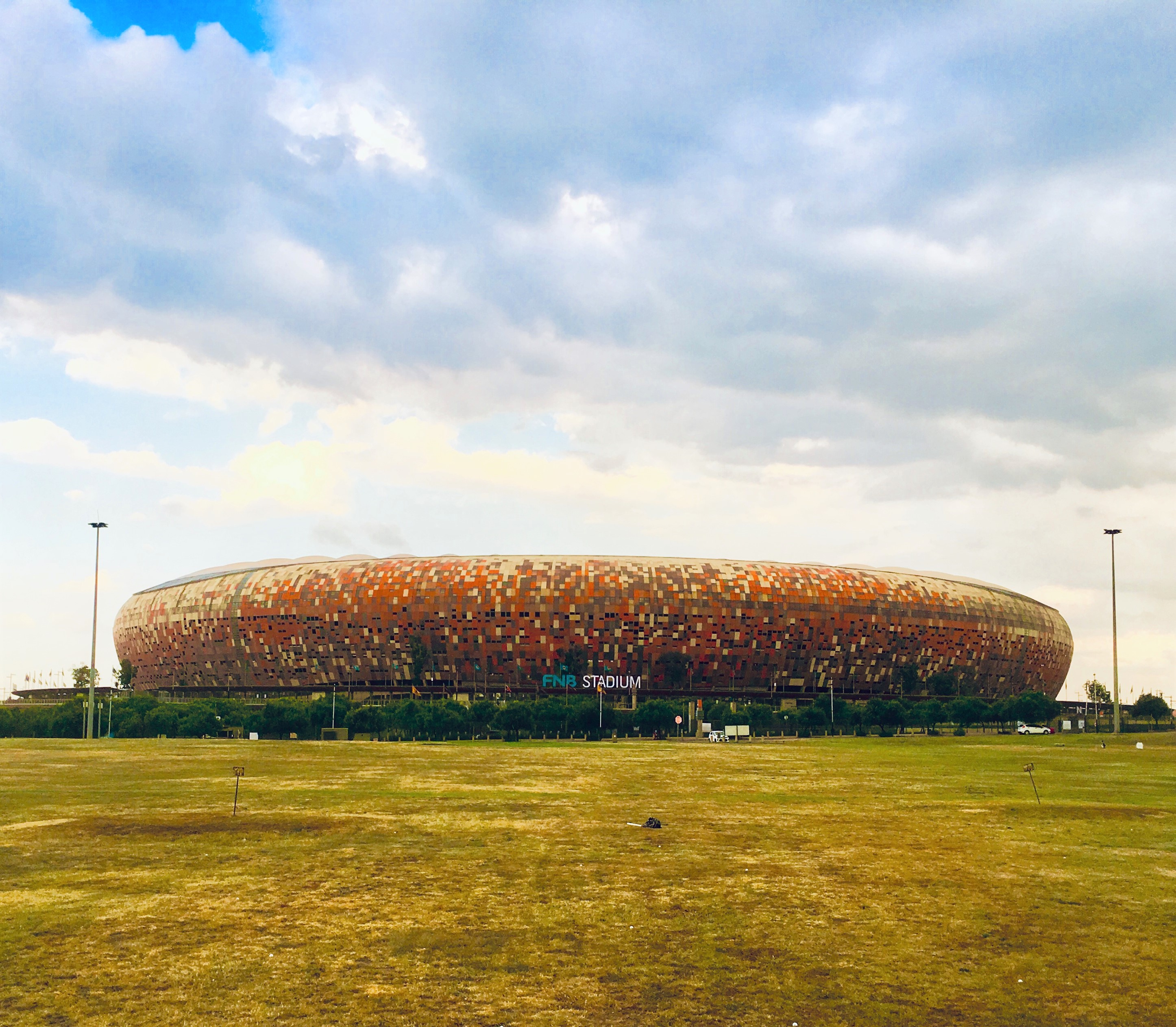
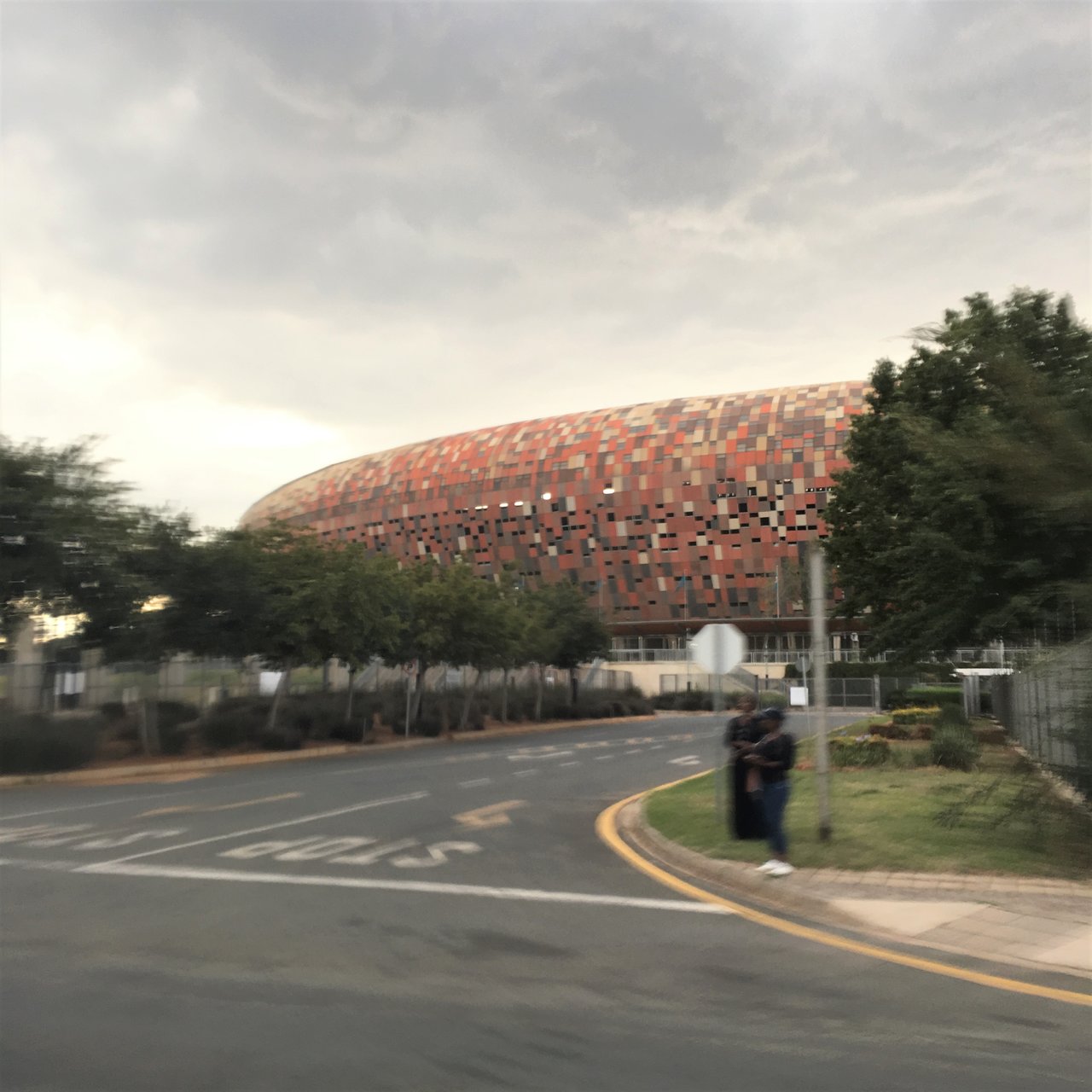
Near this township is Soccer City Stadium (FNB Stadium). This stadium hosted the opening and final matches of the 2010 FIFA World Cup, the first to be held on the African continent. The old stadium was built in 1987, and it was also a historic site where Mandela first appeared before the public in 1990, after his 27-year imprisonment. The current stadium was rebuilt on the same site about 20 years after its construction.
As if built with the hope of becoming a symbol of the new South Africa, its motif is the 'calabash,' a gourd native to Africa. Rounded forms are fitted with concrete panels in eight colors. The mosaic patterns they create may represent the diversity of Africa. In fact, Soccer City Stadium was also the venue for the public memorial service for former President Mandela, who passed away on December 5, 2013, held five days later. It is a landmark beloved by citizens. No, it is surely something more.
The Soweto experience, where one can enjoy history and culture in this way, can be said to be an entry point to understanding the city of Johannesburg, and by extension, South Africa.
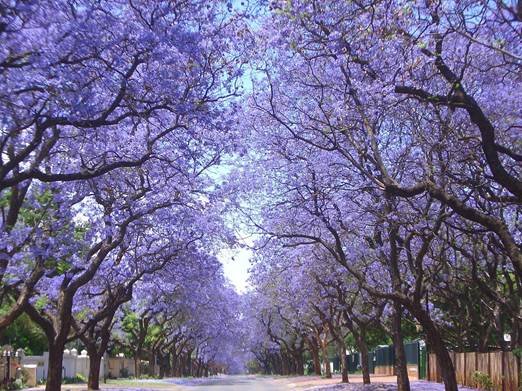
Tshwane, which encompasses the administrative capital Pretoria, is located about 50 km north of the Johannesburg city center, a drive of less than an hour. Pretoria is famous for its jacaranda trees, which bloom in a riot of purple from October to November, earning it the nickname 'Jacaranda City.' Originally brought from Brazil, approximately 70,000 trees are now planted throughout the city, painting the town in beautiful pale purple during the season. It is said to be particularly popular among Japanese people, who have a culture of appreciating cherry blossoms. Unfortunately, I couldn't see them on this trip, but I would love to time my next visit to see the flowers in full bloom. For those of us who have lost the opportunity to enjoy the full bloom of cherry blossoms, which we have always taken for granted, the chance to admire the jacarandas blooming in October still remains.
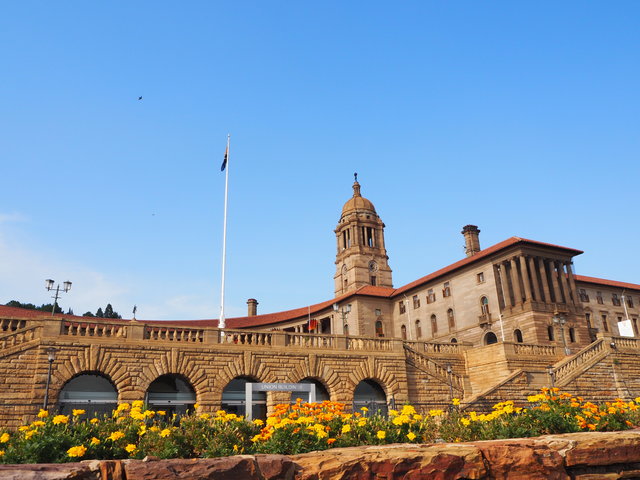
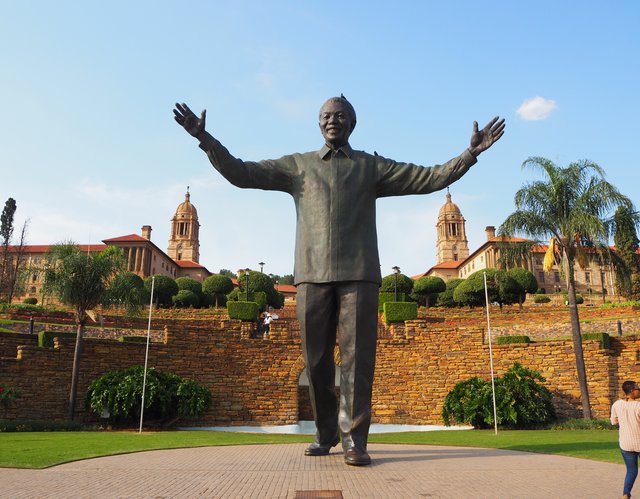
Furthermore, due to its long and complex history, old buildings that evoke the passage of time remain. Pretoria bears the strong influence of the colonial era, and exploring buildings that blend Art Deco with unique South African elements is another pleasure. Finding your favorites among the Union Buildings, where important government agencies are located; the Fort Klapperkop Heritage Site, commemorating the history of the Voortrekkers; Mahlamba Ndlopfu, the official residence of the South African President; the South African Reserve Bank; Loftus Versfeld Stadium; and the National Theatre of South Africa is a worthwhile pursuit.
-
![]()
Union Buildings
-
![]()
Union Buildings
Also,
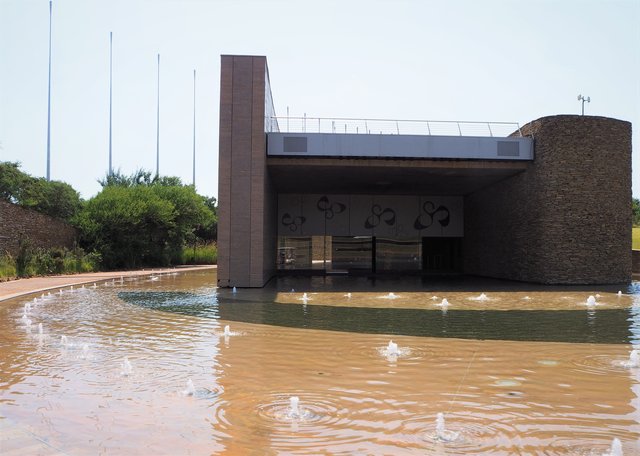
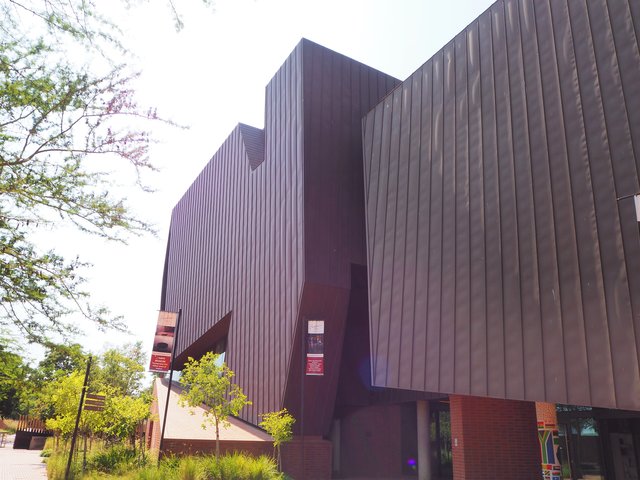
Part 1also introduced, the Freedom Park, built around the theme of 'The Road to Freedom,' would be of interest to architecture enthusiasts.
Atop the hill stands a simple, modern building, devoid of ornamentation, as if mourning the heroes, exuding a solemn atmosphere.
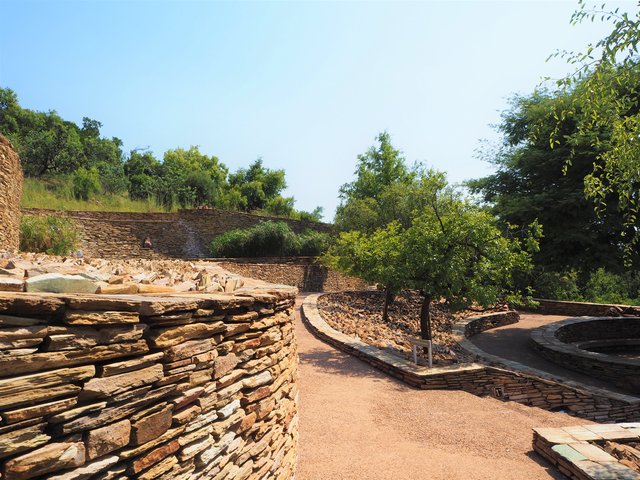
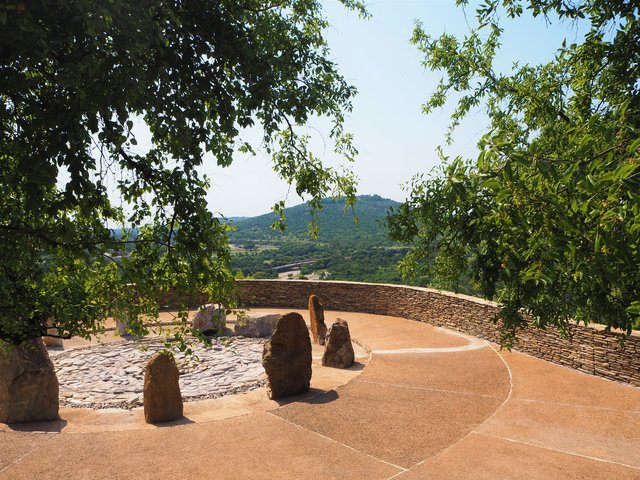
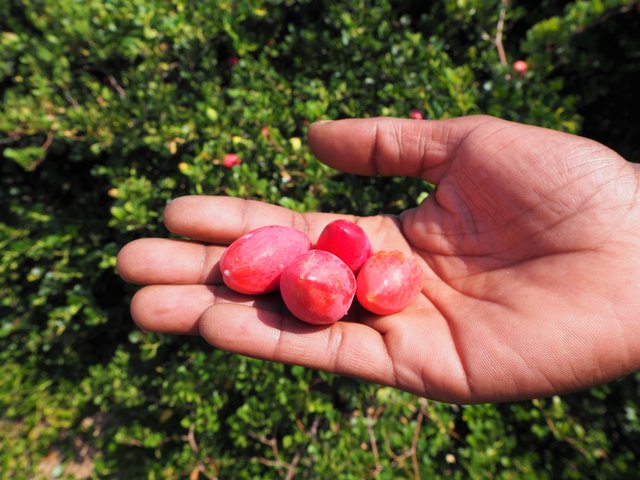
If you visit here to learn about history, don't forget to take a leisurely stroll. The park, which houses the //hapo Museum, where the path to peace in South Africa is clearly exhibited, features gardens with walls inscribed with the names of those who sacrificed their lives. While sorrowful, the indigenous plants grow vibrantly and beautifully.
It is a profoundly sacred place, quietly asserting a resolve not to forget the fact that the peaceful days we now enjoy came at the cost of many lives. Tshwane, along with Johannesburg, is the heart of this country. It is an unmissable destination for any journey.
We hope you will consider Johannesburg as your base for a journey to experience the history, culture, and nature of South Africa firsthand.
To be continued in Part 3: A Journey Through Johannesburg - 2. Culinary Delights