LOUNGE /
TRAVEL
April 21, 2020
Series: A Journey Through South Africa
Part 3: A Culinary Tour of Johannesburg
South African cuisine is exceptionally delicious. I'd heard this from acquaintances before my trip. Though I knew nothing specific about South African food, my expectations soared, and upon arrival, I found myself in a veritable paradise. I was astonished by the coffee served casually at the hotel and marveled at the rich flavors of the fruits and vegetables. A culinary experience far beyond my expectations awaited me. While in Japan, I hadn't fully appreciated the richness of South African food, but it's a land blessed with an abundance of diverse fruits and vegetables, as well as meat, seafood, and dairy. Furthermore, as a multi-ethnic nation, the interplay of diverse cultures has fostered a culinary powerhouse. Dreaming of the day I can travel freely, I find my thoughts drifting to the African continent.
Goddesses of Gastronomy: Preserving Tradition, Forging Innovation
My culinary journey in South Africa was truly enriched by encounters with wonderful female chefs. After arriving in Johannesburg, my first lunch was at "Lebo’s SOWETO," located in Soweto, South Africa's largest township. It's a popular spot for tourists, offering accommodation, meals, cycling tours, and cultural experiences.
(Also featured in Part 2).
There, I met Eunice Lakaleli Molefe, a researcher of South African food and hospitality, and the author of "SOUTH AFRICAN CULINARY HERITAGE." Driven by a desire to preserve her mother's cherished recipes and a mission to document traditional African cuisine, she authored the book. She also engages in activities where she shares cultural insights while serving dishes to guests.
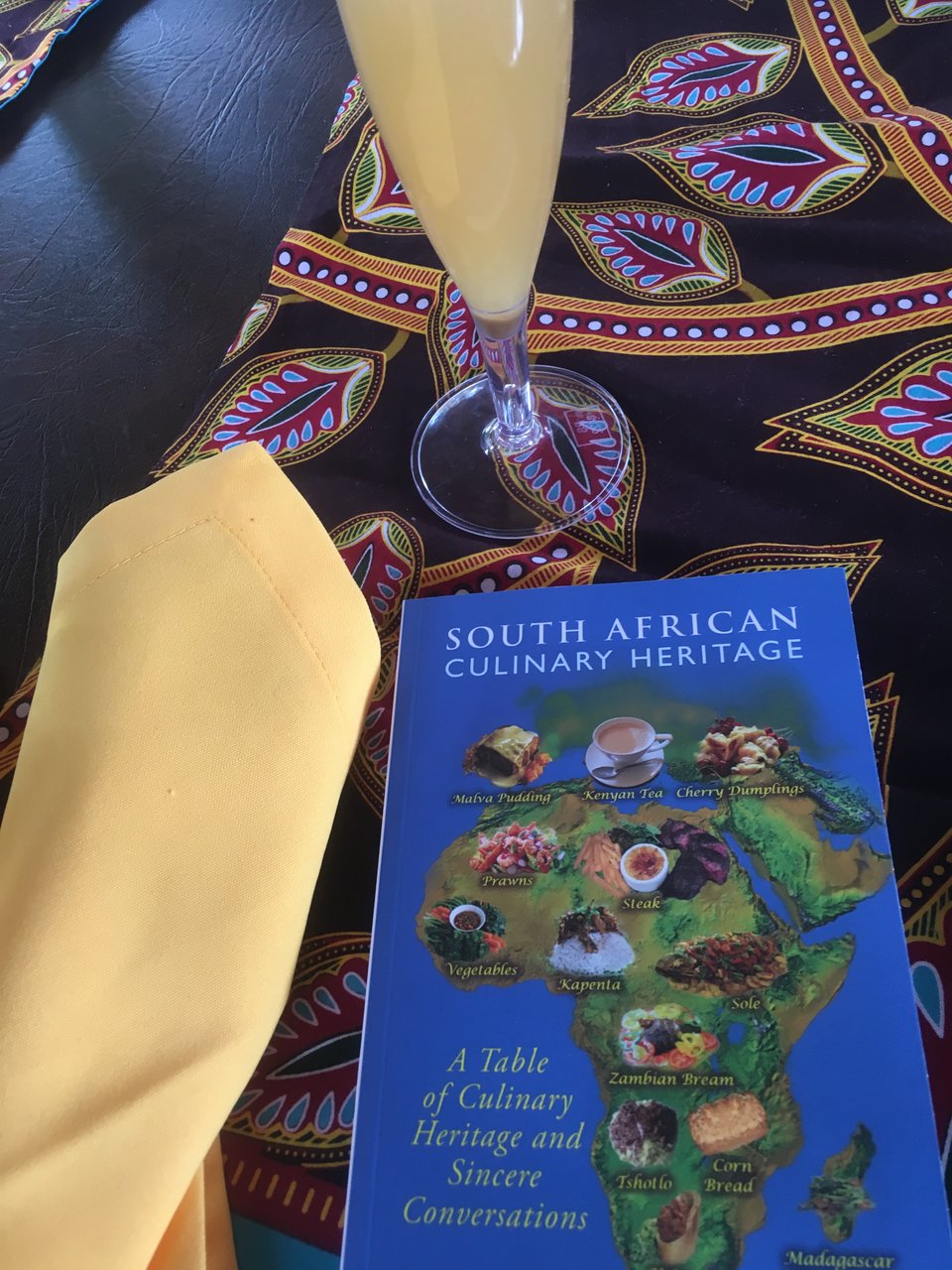
"I feel the importance of preserving age-old traditions."
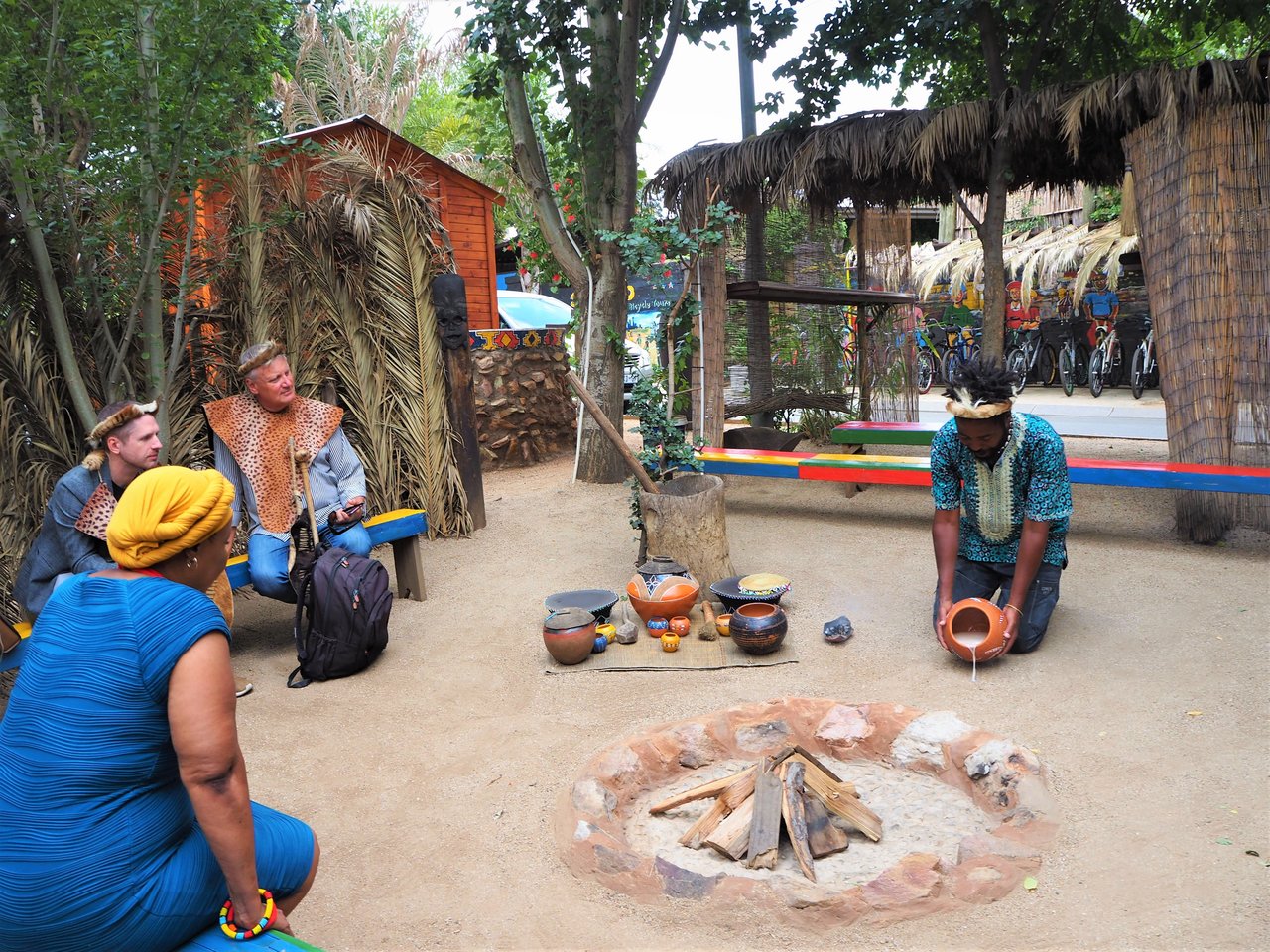
She then introduced me to the traditional ceremony, the "Circle of Community," which can be experienced at "Lebo’s SOWETO."
This is a cultural practice that quietly continued, unbroken, within Black communities even during the apartheid era. People of different generations gather under a tree to discuss and resolve community issues. The beverage served was homemade ginger beer, characterized by a fermented taste similar to Japanese doburoku. Sharing from the same vessel was a way to affirm their unity.
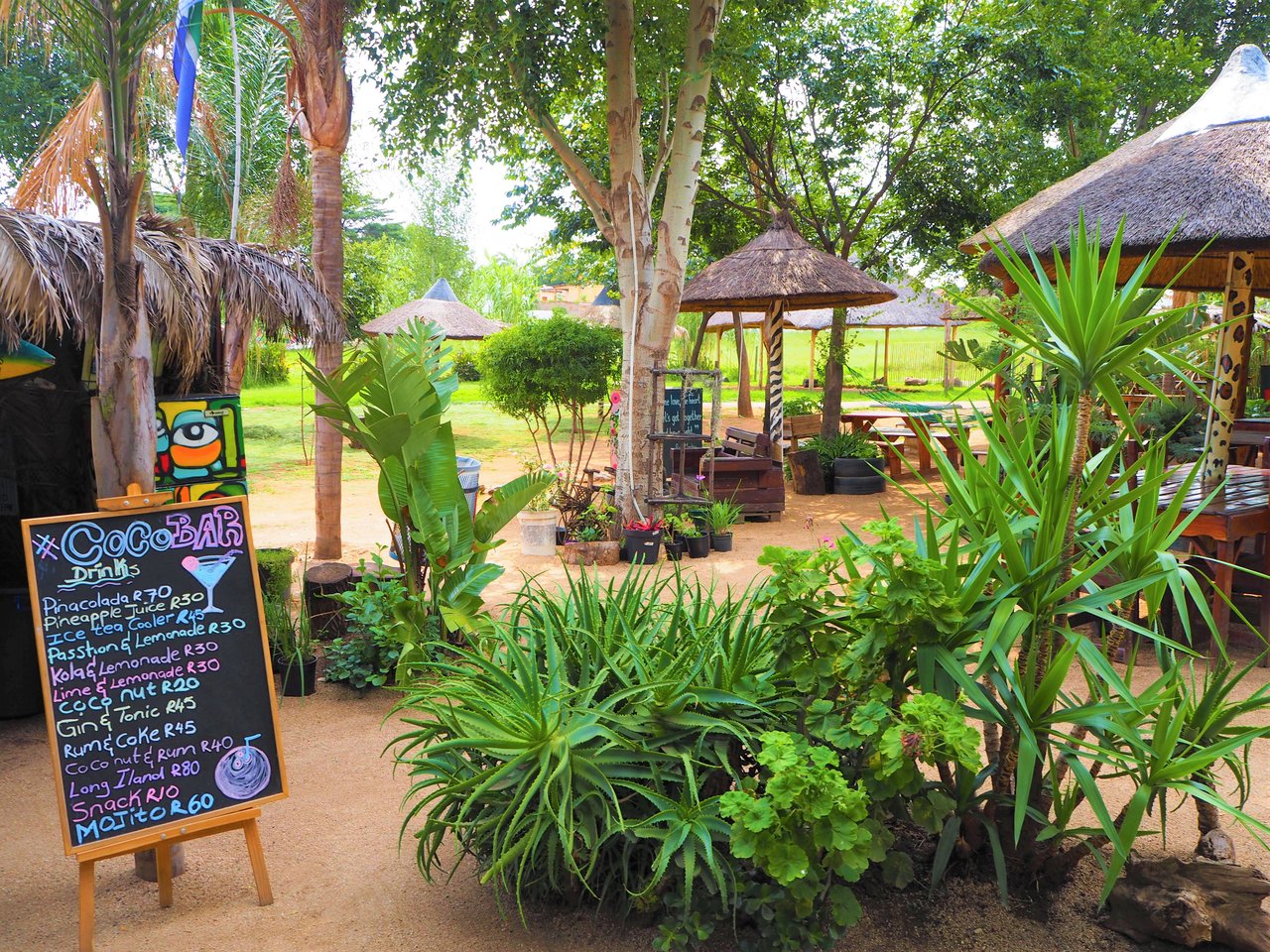
In an open-air restaurant on the same premises, affordable African food is served.
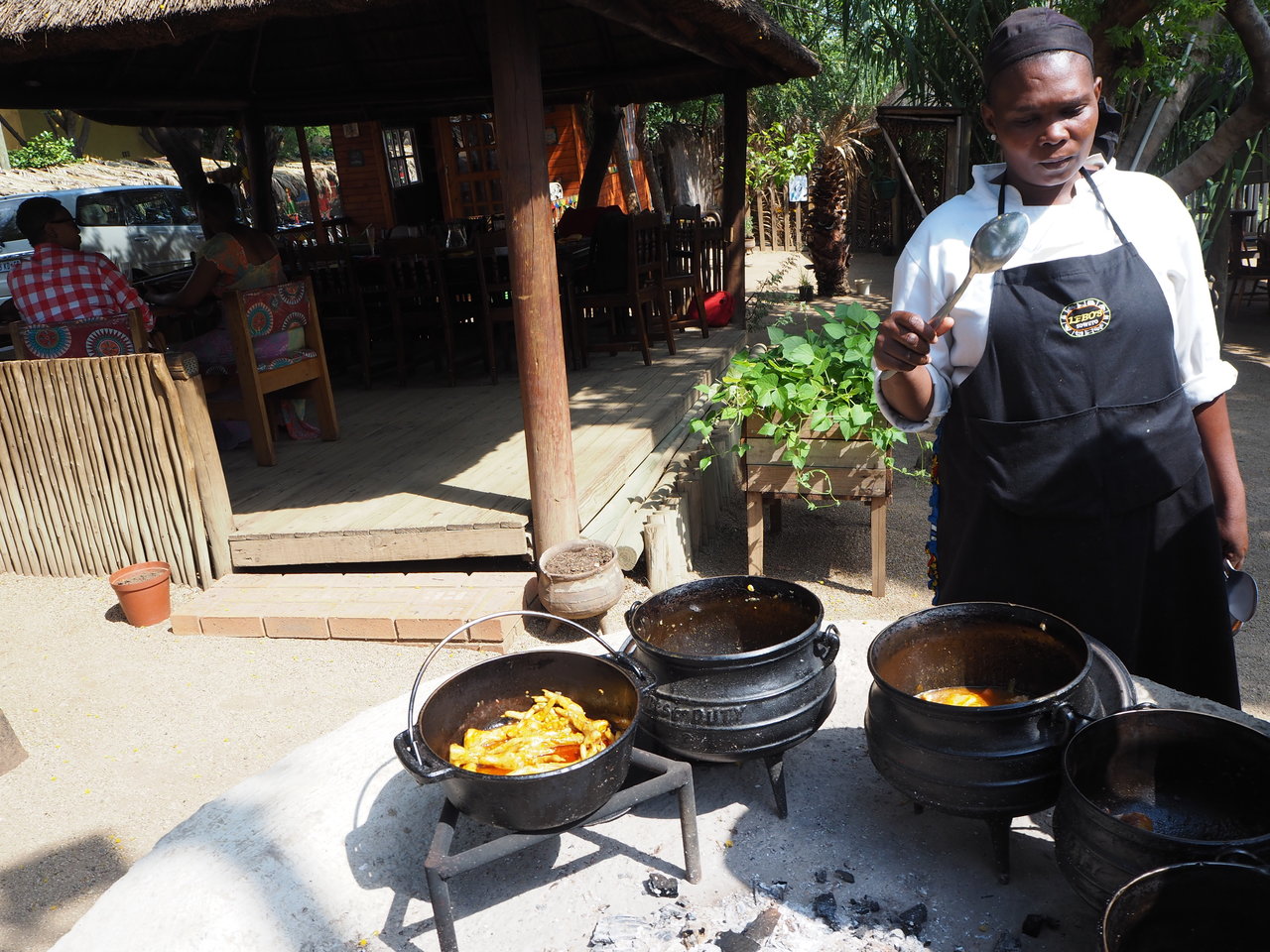
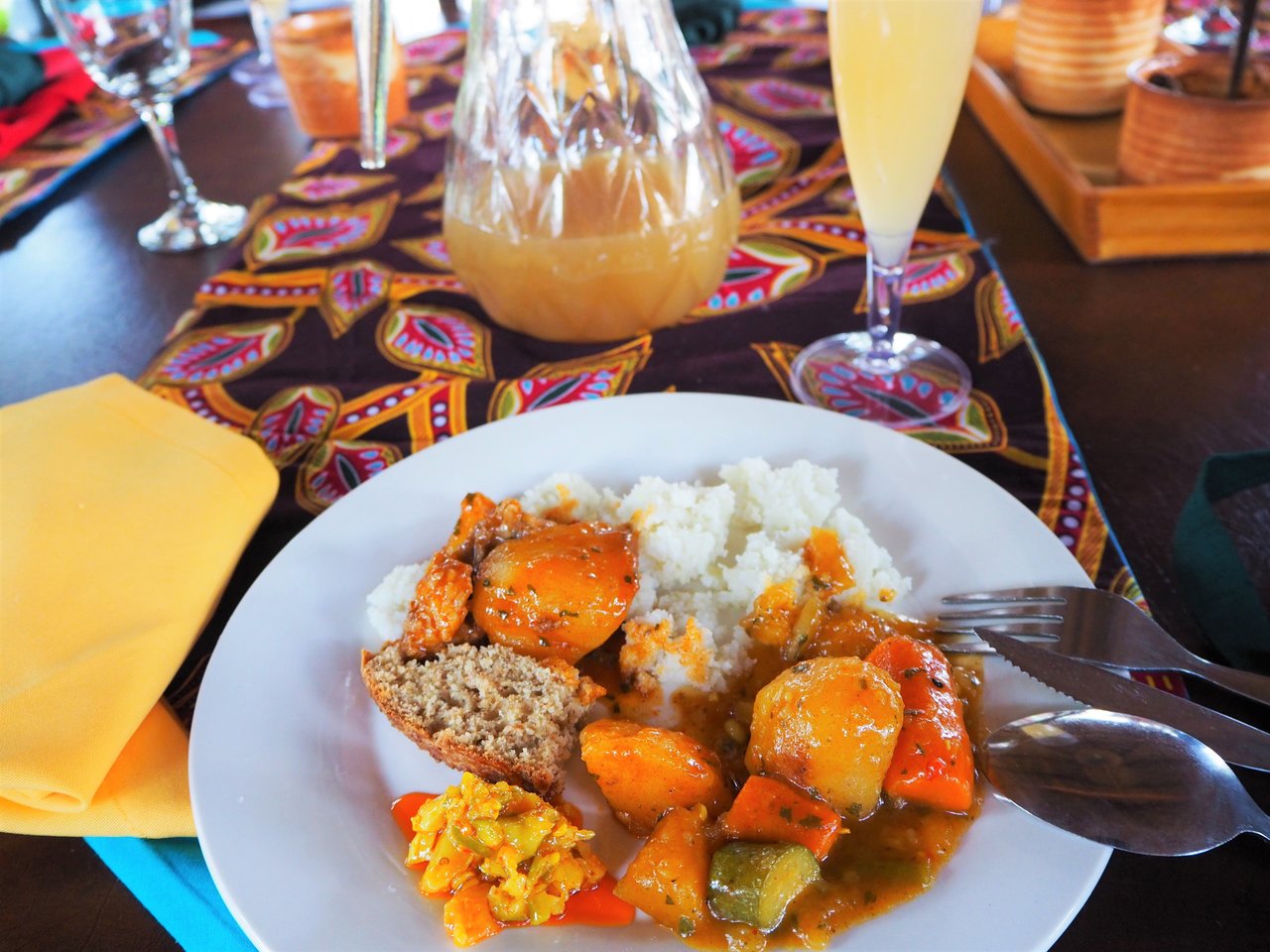
Recommended are 'pap,' a traditional staple made from cornmeal and hot water, and 'potjiekos,' a traditional stew of meat and vegetables. The latter is said to have originated from Dutch settlers in the 17th century. The original cooking method involves using a special three-legged pot and cooking directly over a fire. Ingredients are added sequentially and simmered slowly. The meat and vegetables become tender and soft, and the soup, infused with the umami and sweetness of the ingredients, is exquisite. Soaking the pap in the stew allows the rich flavors to spread through your mouth with every bite.
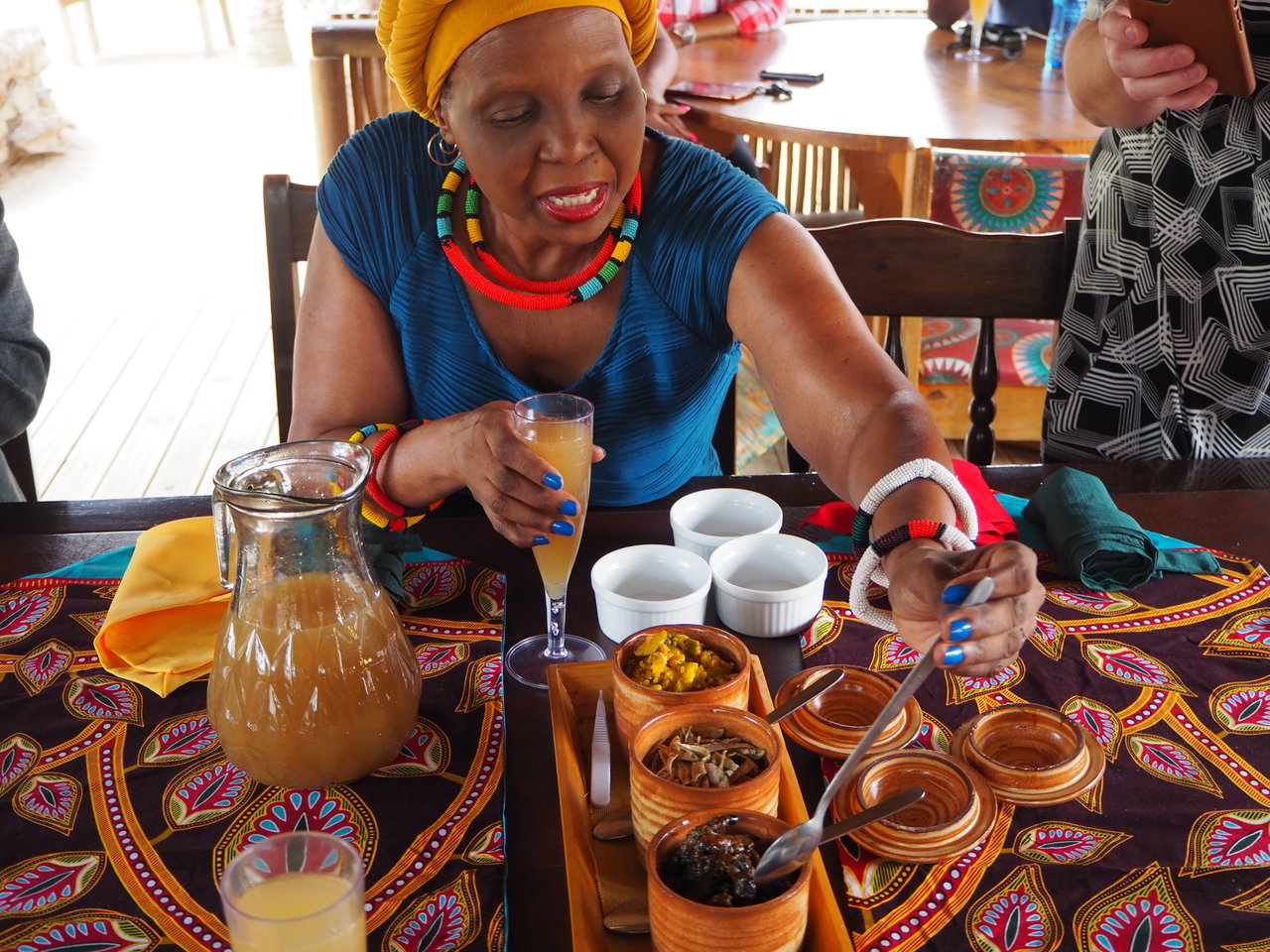
To accompany this meal, Eunice prepared side dishes like chutney, based on her mother's recipes, and a ginger drink. The spicy kick of ginger was a welcome refreshment for my dry throat. A side dish made with insects (moth larvae on this occasion), a valuable source of protein, is also a traditional part of the cuisine.
"The dishes eaten in South Africa are rooted in diverse cultures. That's why many restaurants feature African cuisine using original recipes. On the other hand, there weren't many places where you could eat what we traditionally ate for generations – the so-called traditional African dishes. These were passed down within families, and there were no recipe books at all."
So, by consulting her mother and collaborating with chefs, she embarked on writing a recipe book for authentic African cuisine. It took seven years to complete the book.
"I discussed the similarities and differences in cuisine between South Africa and neighboring African countries, and also touched upon the traditions and cultures passed down in African households. The recipes tell more than just the taste of the food. My mother and I were always talking while cooking together. One reader tearfully confided that she had similar experiences. It's then that I realize that memories, such as precious time spent with family and conversations with them, are revived along with the food."
For a special culinary experience, if you can gather about ten people, Eunice can arrange dining experiences, cooking classes, or cookouts (culinary picnics). These can also be booked through tour companies, so if you're interested in food culture, don't hesitate to inquire.
Meanwhile, there are also female chefs who have cultivated their sensibilities, nurtured by South Africa's diverse culture, and blossomed on the international stage. Chantel Dartnall is active at "The Orient Boutique Hotel," located within the Franklin Game Reserve, a suburb of Pretoria. She serves as the head chef at "Mosaic," the main dining room of this hotel run by her mother, Marie. With experience training at Michelin-starred restaurants in Europe, she is a chef of considerable talent, having won THE BEST FEMALE CHEF award and ranked 32nd in the 100 TOP CHEFS IN THE WORLD in 2019.
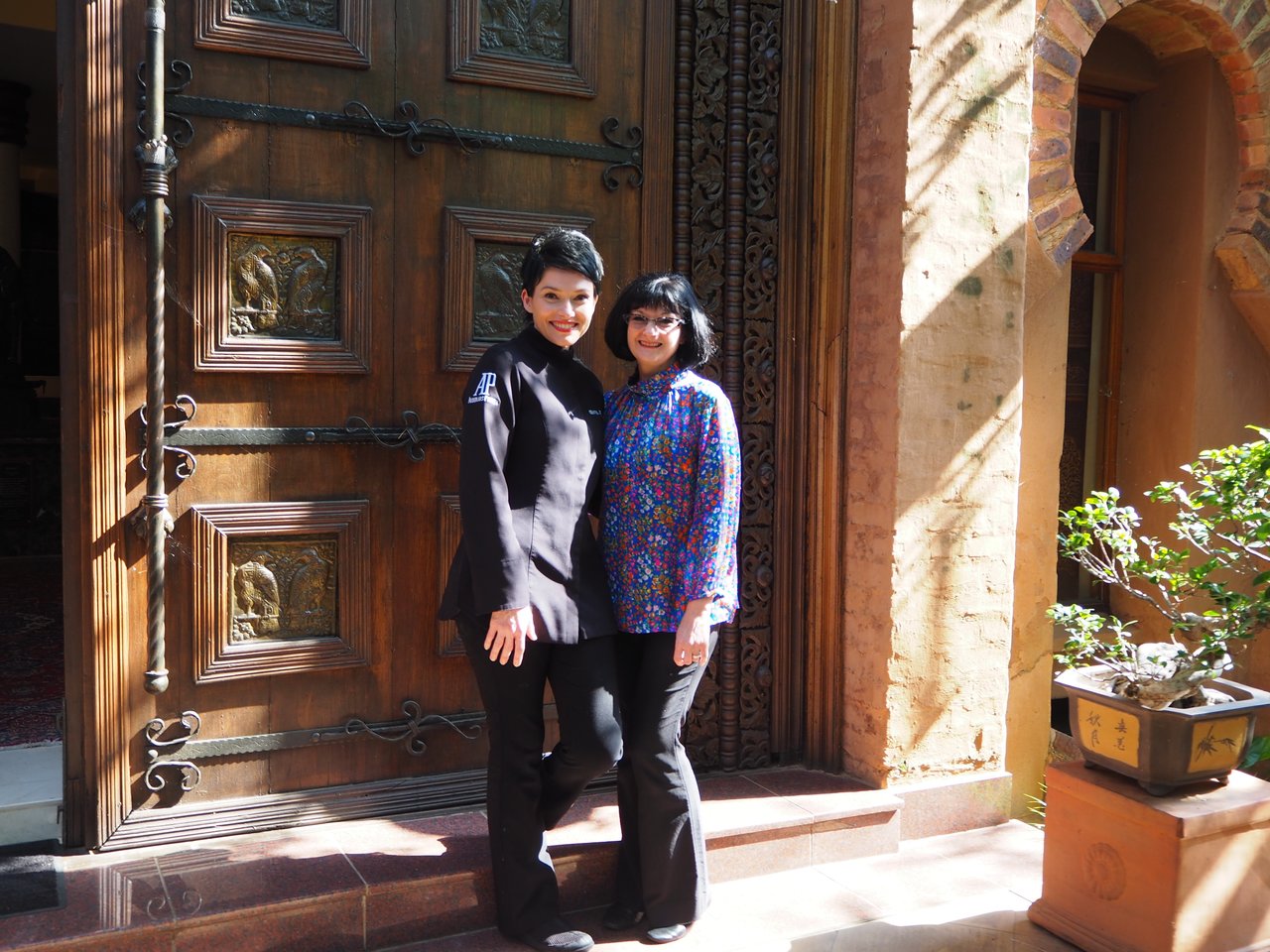
"Mosaic" is a fine-dining establishment that attracts gourmands who travel for an overnight stay, despite being located an hour outside Pretoria. I've heard that some Japanese expatriates visit here to reward themselves before returning home.
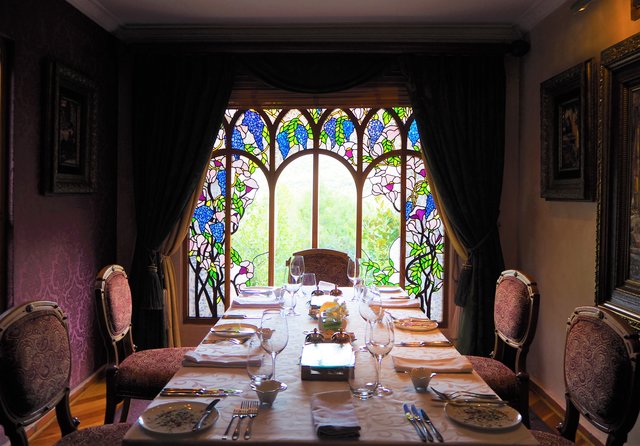
The hotel itself is in a Moorish style, recreating the culture of the spice route connecting Africa and India, while the restaurant's interior is in the Belle Époque style, which Chantel fell in love with in France, her second home.
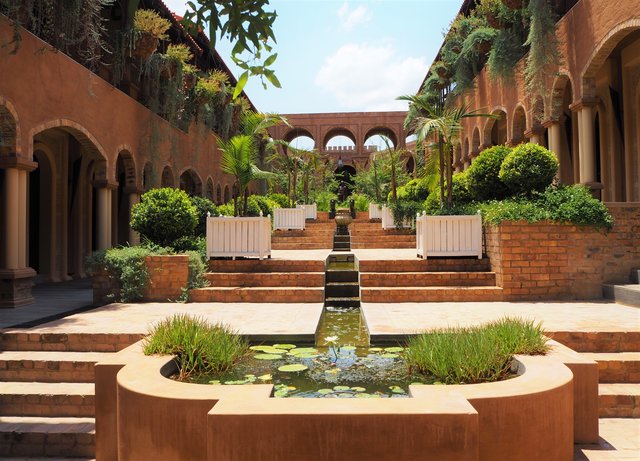
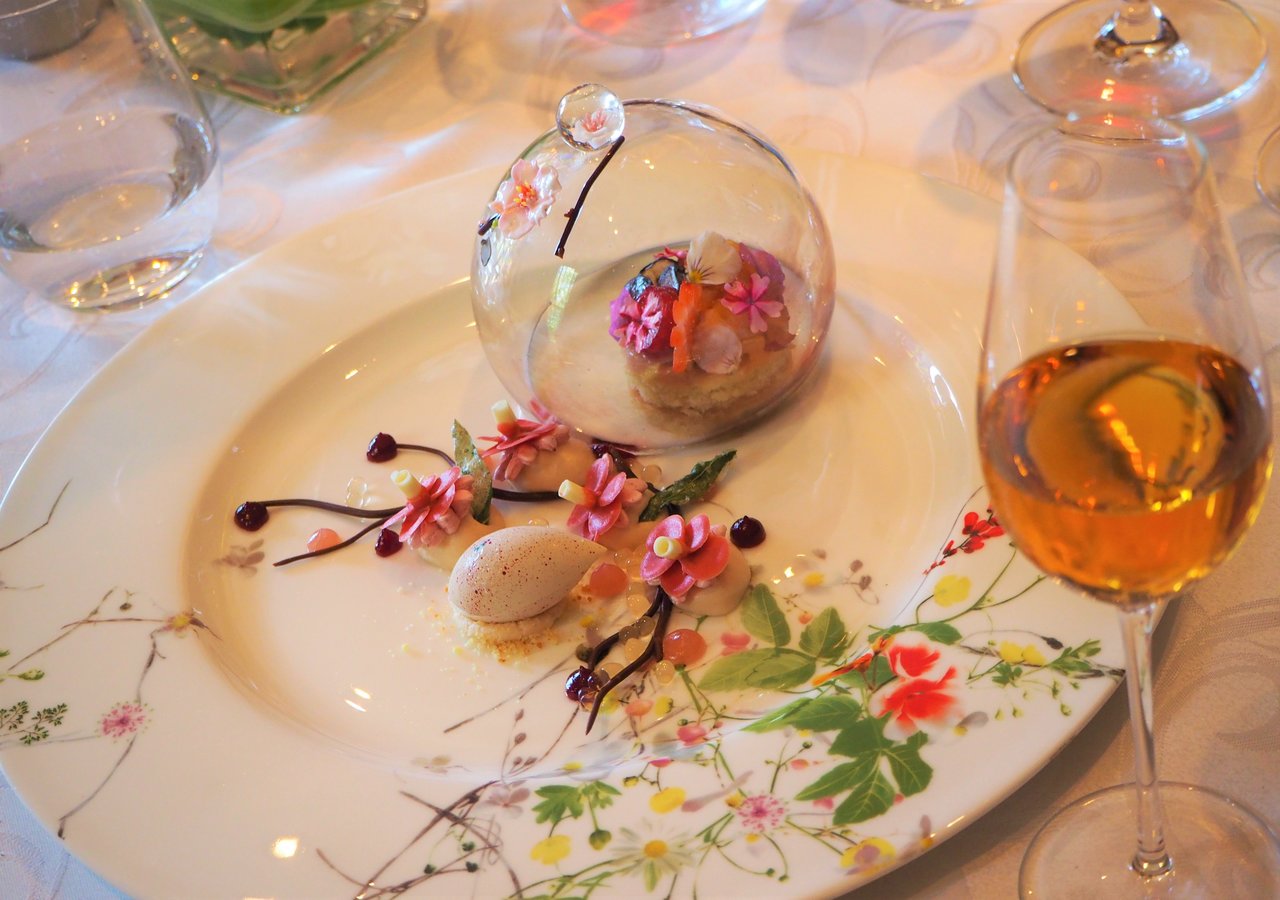
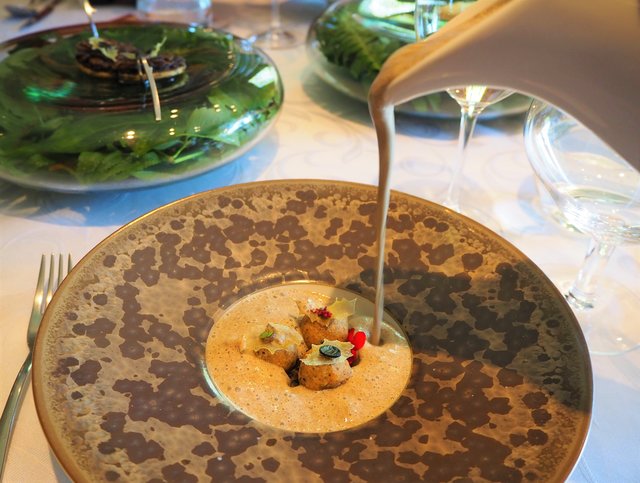
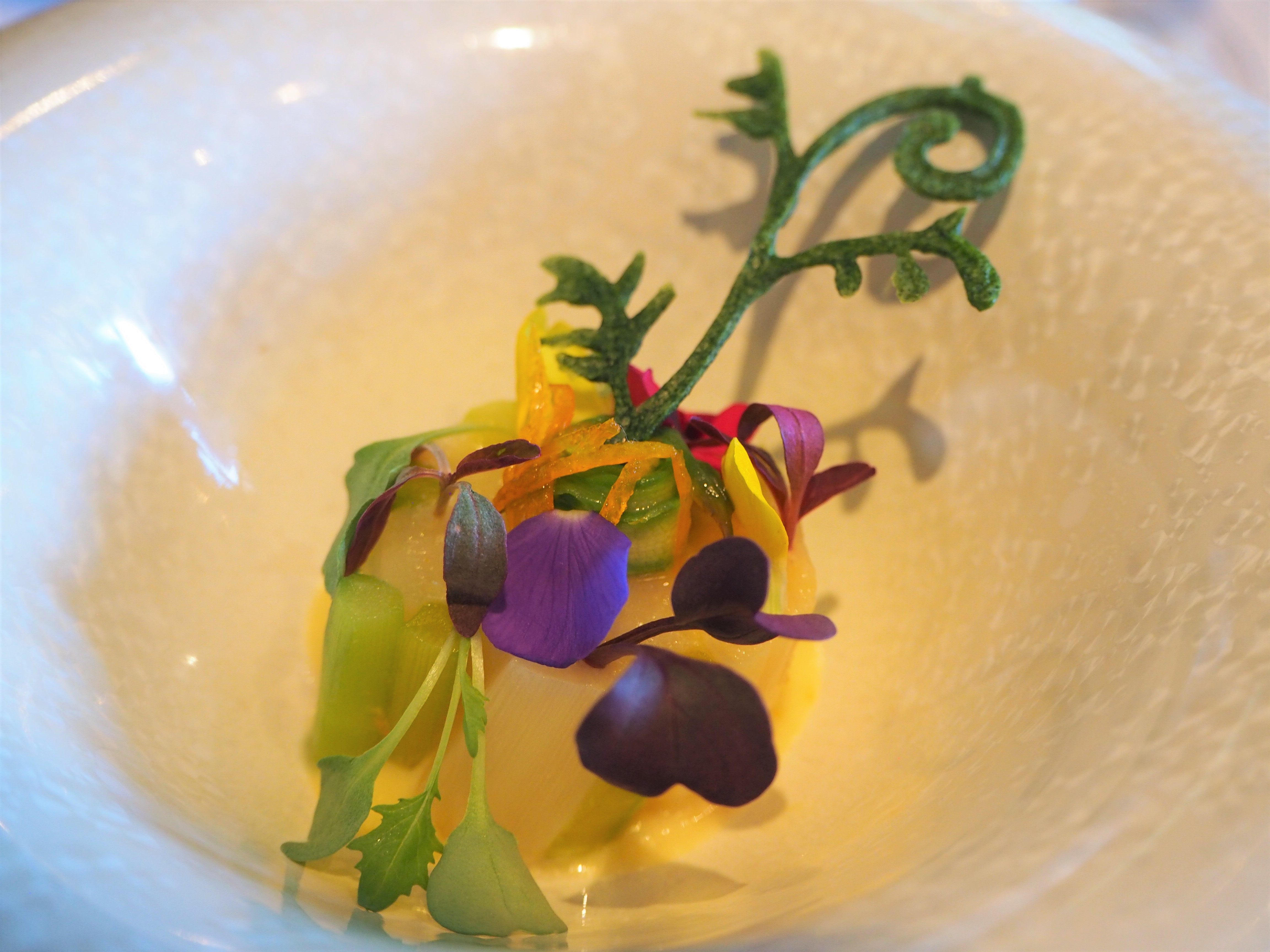
In this unique space, supported by two romantic aesthetics, guests can savor a variety of holistic creative dishes born from traditional French techniques and a deep respect for nature. The delicate yet powerful cherry blossom, a symbol of Japan's nature, brimming with the vitality of life, is one of the great sources of inspiration for her, who has traveled the world.
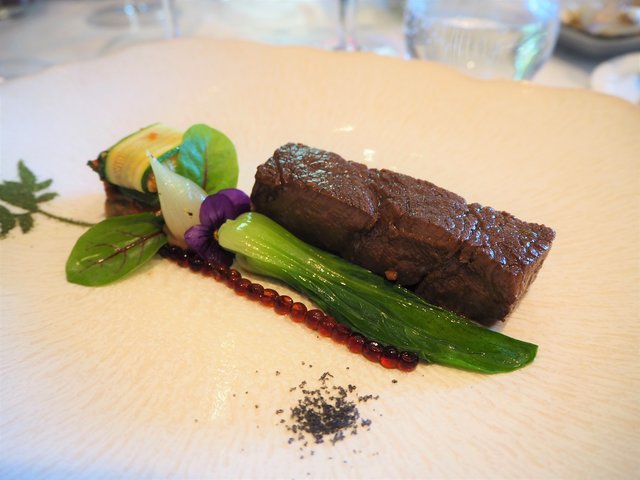
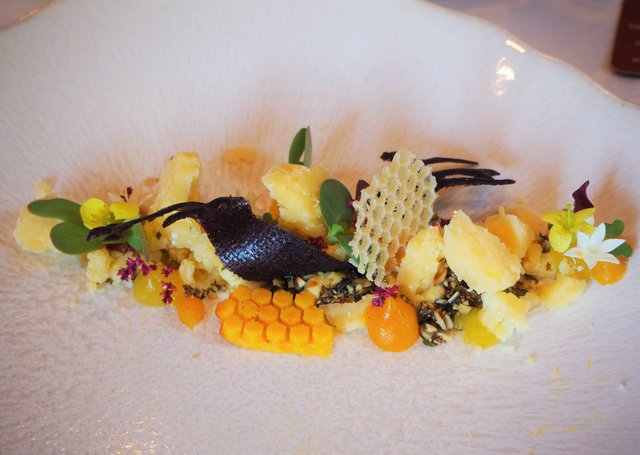
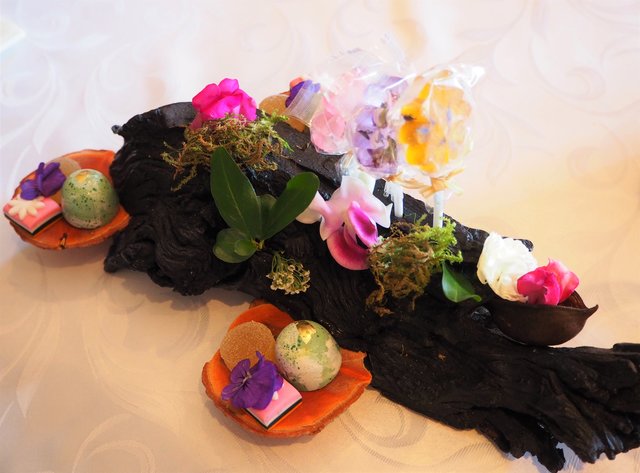
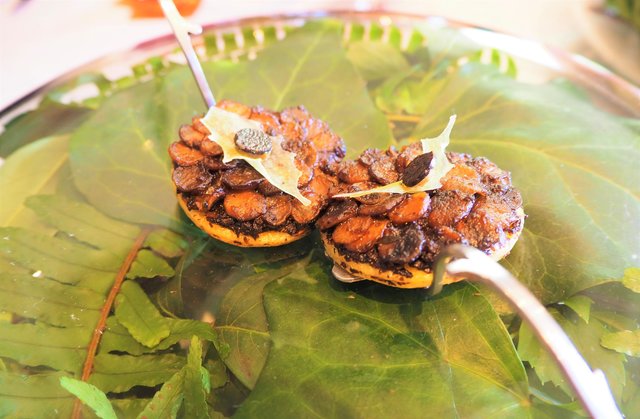
Her delicate sensibility, inspired by her love for cherry blossoms, results in a nine-course tasting menu that is as beautiful as art, filled with imagination and storytelling. With an adventurous spirit that embraces bold approaches to maximize the characteristics of each ingredient, she delights the guests' five senses.
"I am deeply moved that everyone makes the effort to come to this inconvenient, out-of-the-way location. What I want to offer is the ultimate dining experience. To achieve this, the 'stage' cannot be neglected. I have collaborated with several artists to prepare the finest tableware that complements the dishes."
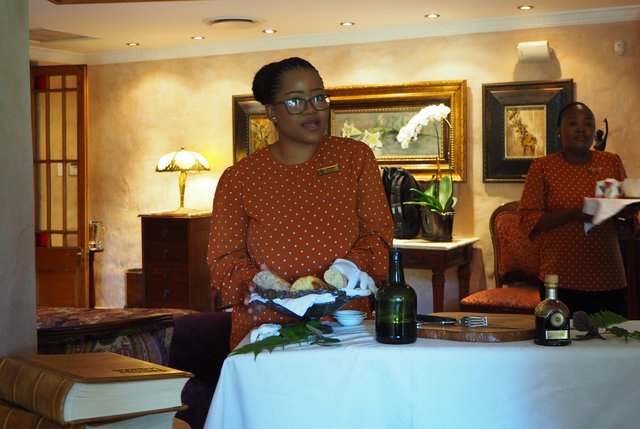
Chantel always prepares the dishes herself (a rarity among star chefs today) and, with a radiant smile, adds a sprinkle of spice by explaining the menu to the guests. The conversation flows endlessly, covering everything from the ingredients and inspirations to the world she aims to express and her passion for cooking. It feels as comfortable as being invited to a close friend's home. By not only savoring unique and sensational cuisine found nowhere else but also spending intimate time with the creator, the experience at "Mosaic" transforms into a sensory delight that transcends mere dinner.
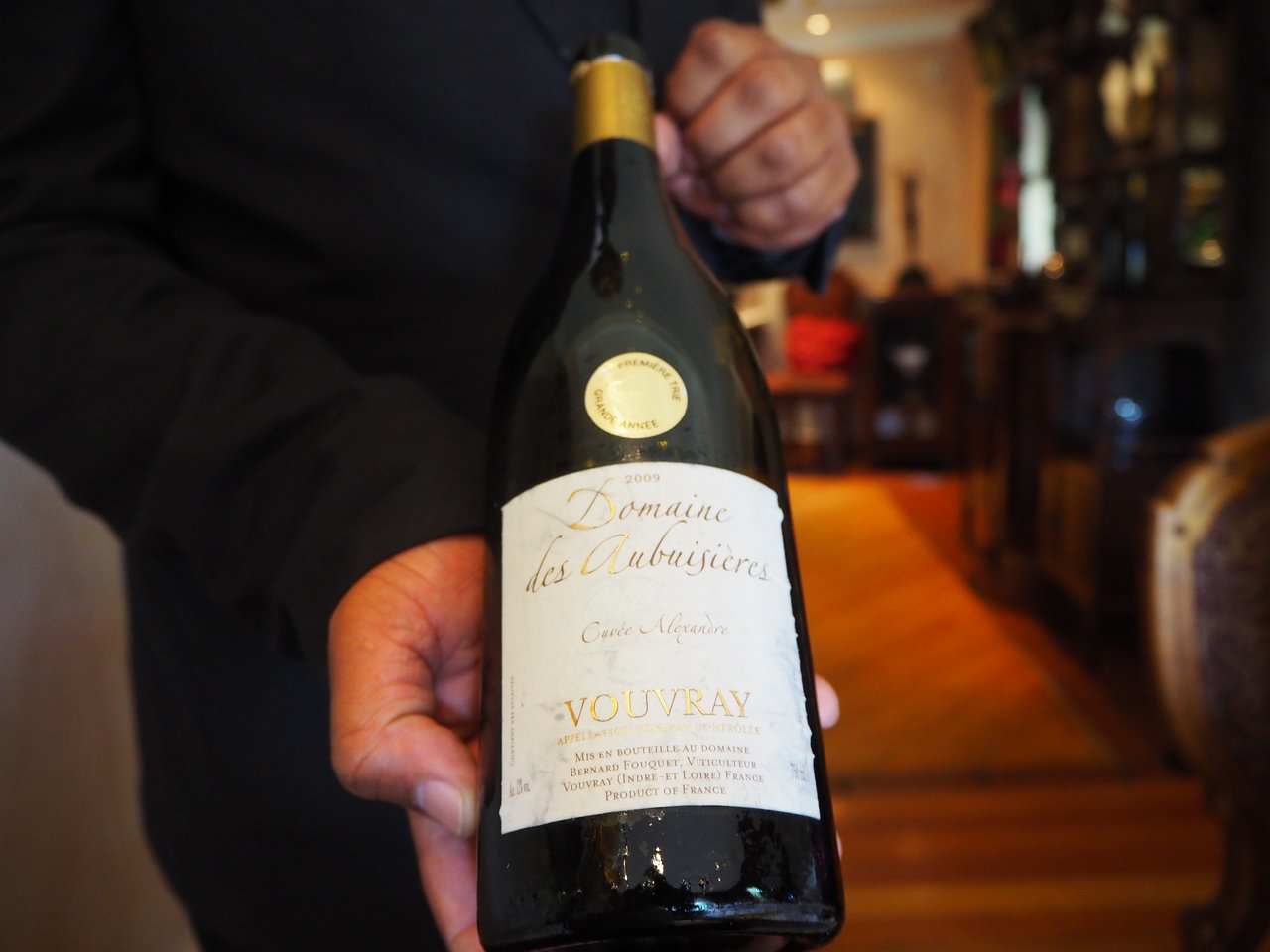
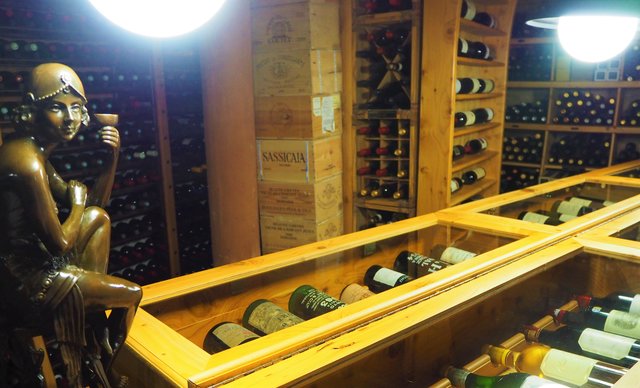
Furthermore, wine pairings deepen the flavors, leading to an even more vivid sensory experience. The wine list, compiled into several volumes as thick as dictionaries, is impressive. It has received the Grand Award, the highest honor from Wine Spectator magazine, which evaluates the cellars of restaurants worldwide, for two consecutive years in 2018 and 2019, making it the first on the African continent to receive this award. It has also won numerous other accolades, including The Best Wine List in the World at the World of Fine Wine “World’s Best Wine Lists Awards 2019,” making it a paradise for wine connoisseurs.
This was the pinnacle of South African culinary experiences, where environment, cuisine, wine, and service harmonized perfectly.
It would be worthwhile to venture here to indulge in the exotic atmosphere, the surrounding nature and wildlife, the art housed in the hotel's gallery, and the world-class cuisine and wine.
I will continue to encounter talented female chefs in South Africa. I plan to introduce them in the Cape Town edition.
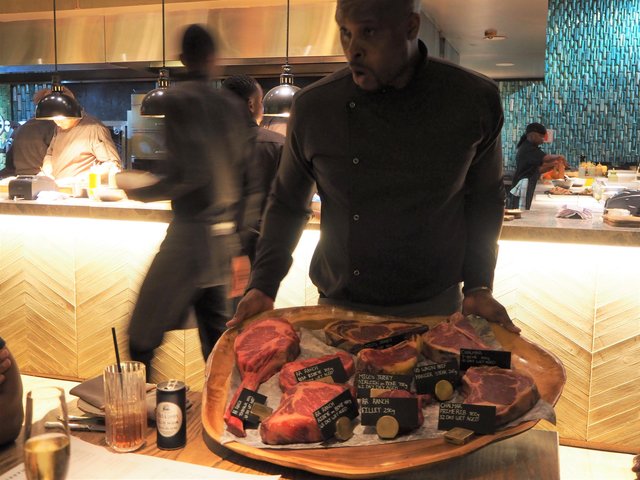
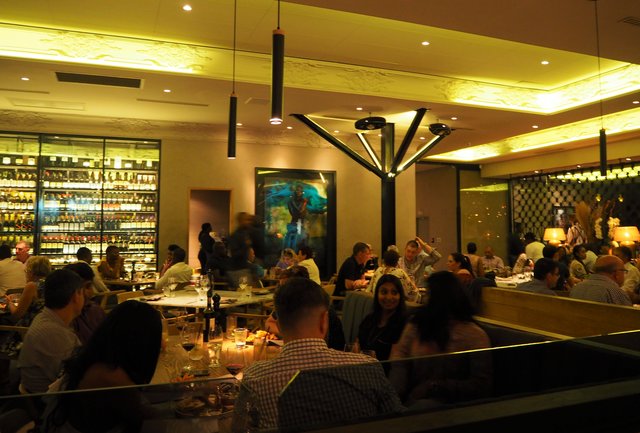
The dining scene in central Johannesburg is, of course, also vibrant. Recommended are the refined main dining room "Clico" at a boutique hotel, and "Marble," popular for its lively atmosphere and active live kitchen.
-
The lively interior of Marble.
-
At Marble, recommended meats served on large platters are explained to each table.
Since the restaurants I visited this time are all popular spots, it is recommended to research and make reservations in advance of your trip.
Next time, I will finally guide you on a safari, the true highlight of an African journey.