
December 17, 2021
Test drive of the Daihatsu Rocky / Toyota Raize, now with a high-quality, low-price hybrid model
DAIHATSU Rocky | DAIHATSU Rocky
TOYOTA Raize | TOYOTA Raize
Daihatsu Rocky / Toyota Raize: A Test Drive of the "Electrified" Models with 35% Improved Fuel Efficiency
These are sibling models to the Daihatsu Rocky and Toyota Raize, which debuted as compact SUVs in 2019. Combining SUV-like exteriors with the maneuverability of a 5-number size and a spacious interior, they quickly became popular, consistently ranking high in sales. Two years after their debut, this November sees a powertrain update to further enhance their competitiveness in this ever-growing category, finally introducing a hybrid option. Surprisingly, this initiative was led by Daihatsu, not Toyota, and the system is Daihatsu's first self-developed "series-type" full hybrid, named "e-SMART HYBRID." I participated in a test drive event held in Tokyo to evaluate its performance.
Text & Photographs by HARA Akira
A Series Hybrid Achieving Quality and Affordability
As mentioned, the e-SMART HYBRID system is a Daihatsu in-house development. While Toyota's hybrid systems have been supplied to Daihatsu vehicles in the past, this is the reverse. This marks the first time Toyota has received a hybrid system from another manufacturer.
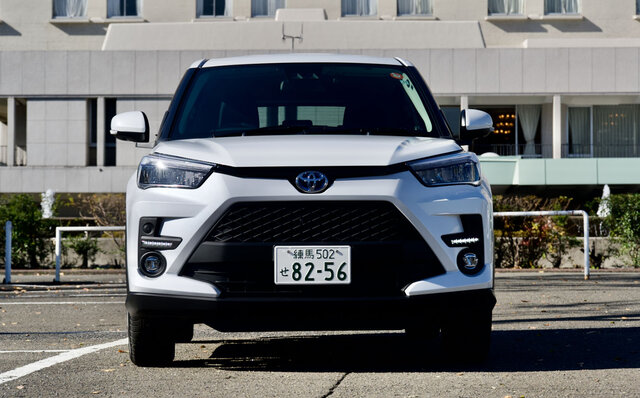
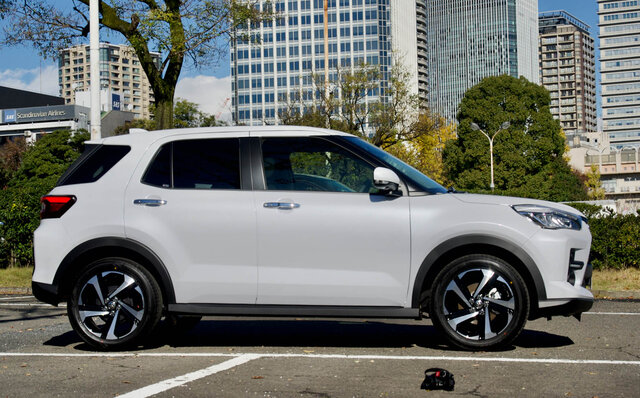
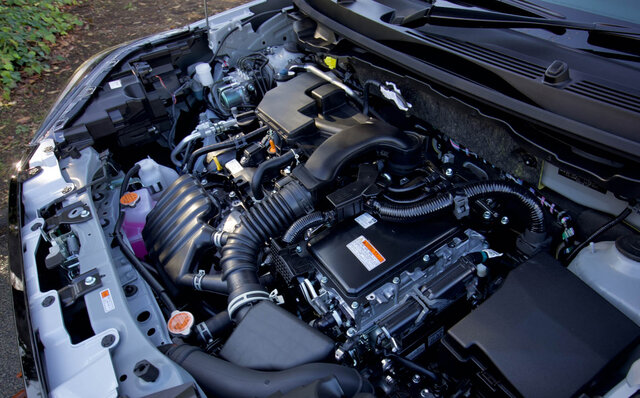
This system is distinct from Toyota's "series-parallel" method, which uses both engine and motor, and Honda's "parallel" method, where a motor supports the engine. It's intriguing that they've adopted a "series" approach, where the engine generates electricity to drive the motor.
This method shares the same concept as Nissan's popular "e-POWER," making it the second domestic adoption of such a system. For Toyota, this also means acquiring a new hybrid system.
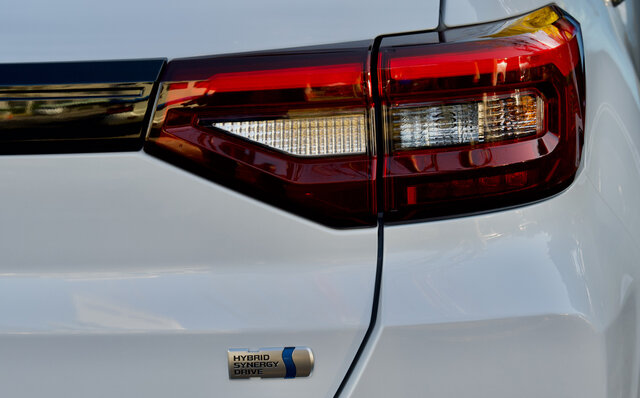

According to Toshihiro Nakaho, Chief Engineer at Daihatsu, who was in charge of development, adopting this system offers two key benefits: "By incorporating a simply constructed hybrid, we were able to create a vehicle that embodies Daihatsu's philosophy of quality and affordability. Furthermore, it allows us to build technical expertise for future implementation in kei cars."
The engine, dedicated to power generation, is a newly developed 1.2-liter, three-cylinder naturally aspirated unit called the "WA-VEX." It was designed with the strong hybrid system in mind, optimizing its characteristics for efficient power generation. "The maximum thermal efficiency reaches 40%," Nakaho stated.
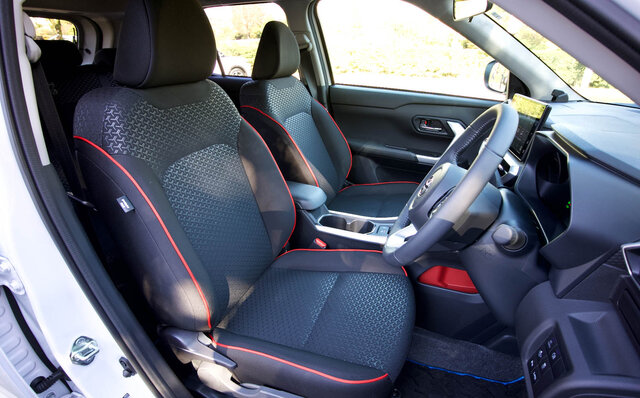
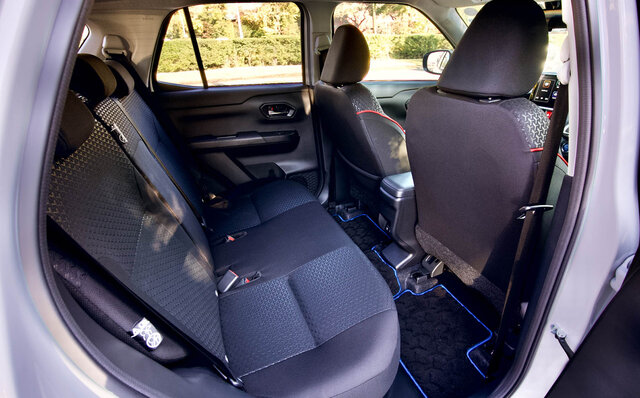

The motor and generator, arranged in parallel for compactness, transmit power. This is combined with a lightweight, high-energy-density 4.3Ah lithium-ion battery. Many components, including engine peripherals, the battery pack, and the power control unit (PCU), are sourced from Toyota, demonstrating a thorough approach to cost reduction.