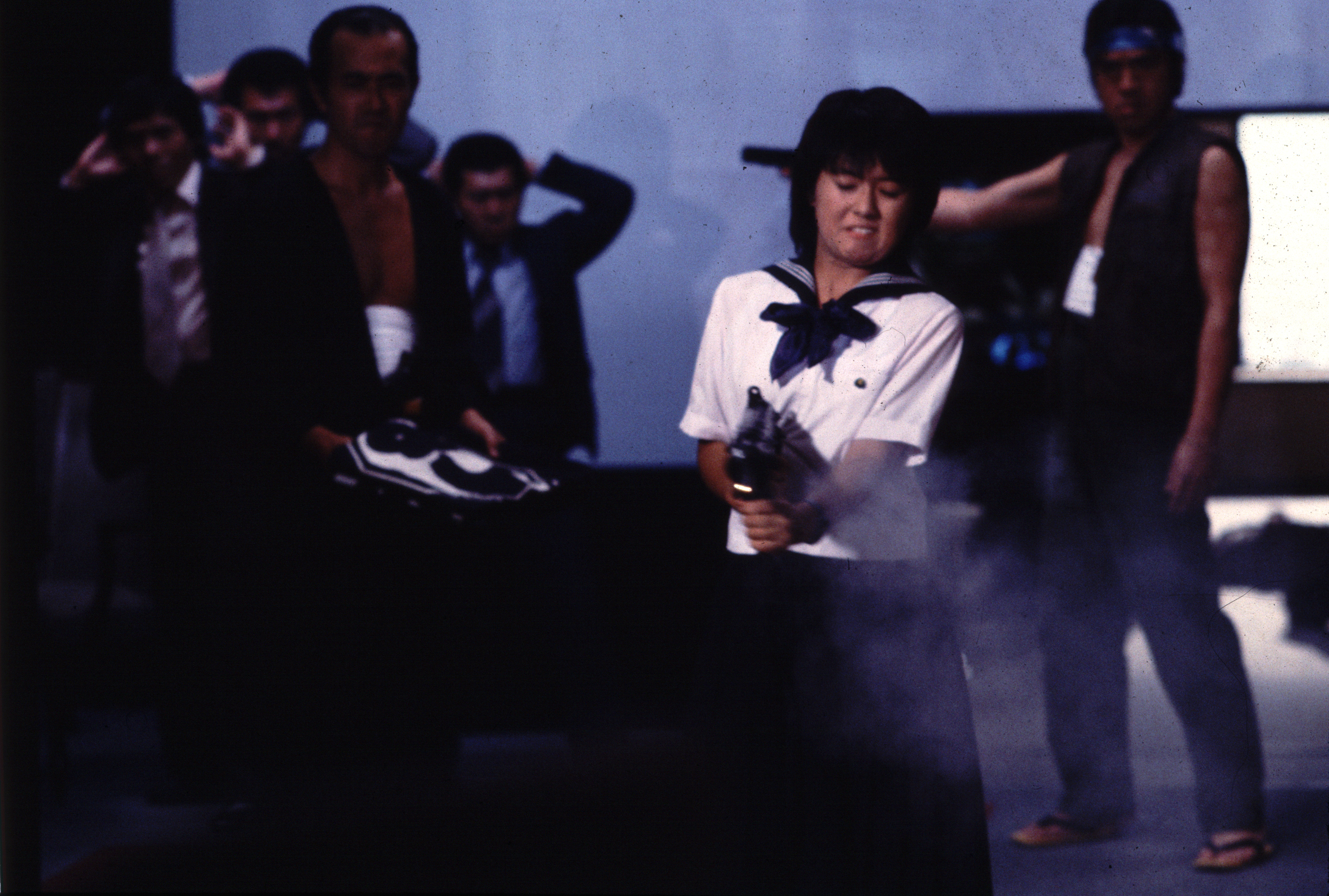
Sailor Suit and Machine Gun © KADOKAWA 1981
Series | Home Cinema Vol. 3: Rediscovering Kadokawa Films, the Grand Epics of the Showa Era (Part 2)
Cinema At Home
Part 3: Rediscovering Kadokawa Films, the Epics of the Showa Era (Part 2)
This was an era when the genre of TV drama spin-offs barely existed. Films were grand in scale, and the word "silver screen" still held vibrant meaning. That was the Showa era. Many Kadokawa films masterfully captured Japan during this period of economic growth, a time of mingled vulgarity, shadiness, and excitement. This was achieved despite the difficulty of reconciling entertainment with the grotesque. In their willingness to confront taboos and depict the dark underbelly of society and the hidden faces of humanity, they bear a striking resemblance to contemporary South Korean films like "Parasite." In the past, many rich and dramatic Japanese films were made. It was also an era when movie stars, living in a different world, were abundant in Japan.
Text by MAKIGUCHI June | Edit by ANDO Sara
The Era of Silver Screen Stars
For many OPENERS readers, perhaps the most memorable Kadokawa film star is Hiroko Yakushimaru, often called "the last movie actress."
Being close in age and appearing in many youth-oriented Kadokawa films, she was an idol to me. At the time, she was an almost mythical figure, perceived as a true movie actress—a rarity even then—because she prioritized her studies over her acting career and her primary stage was the screen, not television, beyond occasional dramas and commercials. While many TV idols and singers crossed over into film, she was in a class of her own.
Yakushimaru was cast as Yoriko Nagai in Kadokawa's third film, "Proof of the Wild," through an audition when she was in her first year of junior high school. In 1978, she made her debut, co-starring with Ken Takakura. This film was also the first Kadokawa film to top the Japanese annual box office charts. This marked the beginning of her stellar career, leading to numerous roles. Among them, during the "STAY HOME" period, the films I particularly enjoyed revisiting were "Sailor Suit and Machine Gun," which she herself eagerly wished to star in, and "W's Tragedy," where she played a rookie actress.
Being close in age and appearing in many youth-oriented Kadokawa films, she was an idol to me. At the time, she was an almost mythical figure, perceived as a true movie actress—a rarity even then—because she prioritized her studies over her acting career and her primary stage was the screen, not television, beyond occasional dramas and commercials. While many TV idols and singers crossed over into film, she was in a class of her own.
Yakushimaru was cast as Yoriko Nagai in Kadokawa's third film, "Proof of the Wild," through an audition when she was in her first year of junior high school. In 1978, she made her debut, co-starring with Ken Takakura. This film was also the first Kadokawa film to top the Japanese annual box office charts. This marked the beginning of her stellar career, leading to numerous roles. Among them, during the "STAY HOME" period, the films I particularly enjoyed revisiting were "Sailor Suit and Machine Gun," which she herself eagerly wished to star in, and "W's Tragedy," where she played a rookie actress.
-
![]()
"Proof of the Wild" © KADOKAWA 1977
-
![]()
"W's Tragedy" © KADOKAWA 1984
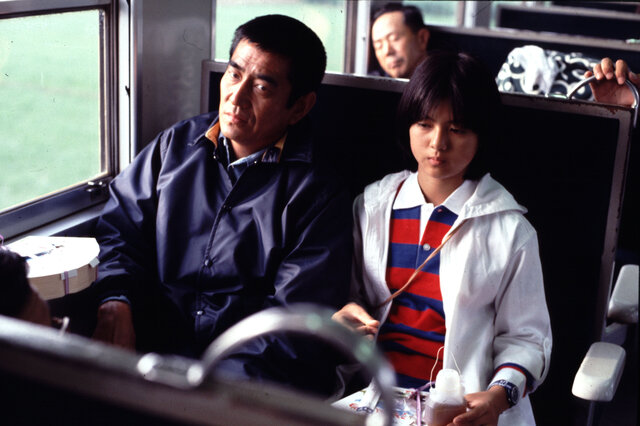
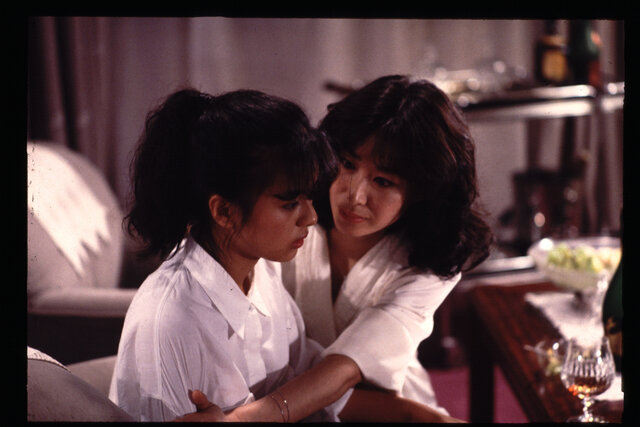
These two films, her breakthrough role that propelled her to stardom and her defining performances as an actress, were released three years apart (1981 and 1984). Naturally, one can appreciate her growth as a performer over this time. More fascinating, however, is the shared, almost eccentric, intensity of her presence in both roles, despite their vastly different characters.
In one, she plays a high school girl who suddenly becomes the head of a small yakuza organization after her father's death. In the other, she is a rising stage actress who shares a secret with a famous actress to advance her career. In both, she embodies the enigmatic nature of youth—a blend of boldness and vulnerability, the ordinary and the extraordinary, immaturity and maturity, idealism and calculation—all conveyed with a slightly dazed demeanor. Her ability to portray complex characters with such convincing coherence is captivating and holds the viewer's gaze.
Most importantly, she successfully integrated the heroine's transformation, which clearly occurred from the beginning to the end of the story, into her performance. This may be a testament to her own growth as an actress, as a woman, and as a person, alongside her roles and with each film.
In one, she plays a high school girl who suddenly becomes the head of a small yakuza organization after her father's death. In the other, she is a rising stage actress who shares a secret with a famous actress to advance her career. In both, she embodies the enigmatic nature of youth—a blend of boldness and vulnerability, the ordinary and the extraordinary, immaturity and maturity, idealism and calculation—all conveyed with a slightly dazed demeanor. Her ability to portray complex characters with such convincing coherence is captivating and holds the viewer's gaze.
Most importantly, she successfully integrated the heroine's transformation, which clearly occurred from the beginning to the end of the story, into her performance. This may be a testament to her own growth as an actress, as a woman, and as a person, alongside her roles and with each film.
Co-starring with Yakushimaru, hailed as "the last movie actress," in "Detective Story" was Yusaku Matsuda, another legend who brought prosperity to Kadokawa. While active on television, his grand scale and strong persona left a powerful impression as a movie star. His career coincided with works that delved into the human condition through the distortions of rapidly growing Japan and the grotesque darkness of society.
In the role of a detective in "Proof of the Human Condition," based on the novel by Seiichi Morimura, he guided the audience through the social chaos of the post-war period and the struggles of people trying to survive by concealing the darkness that arose from it.
In the role of a detective in "Proof of the Human Condition," based on the novel by Seiichi Morimura, he guided the audience through the social chaos of the post-war period and the struggles of people trying to survive by concealing the darkness that arose from it.
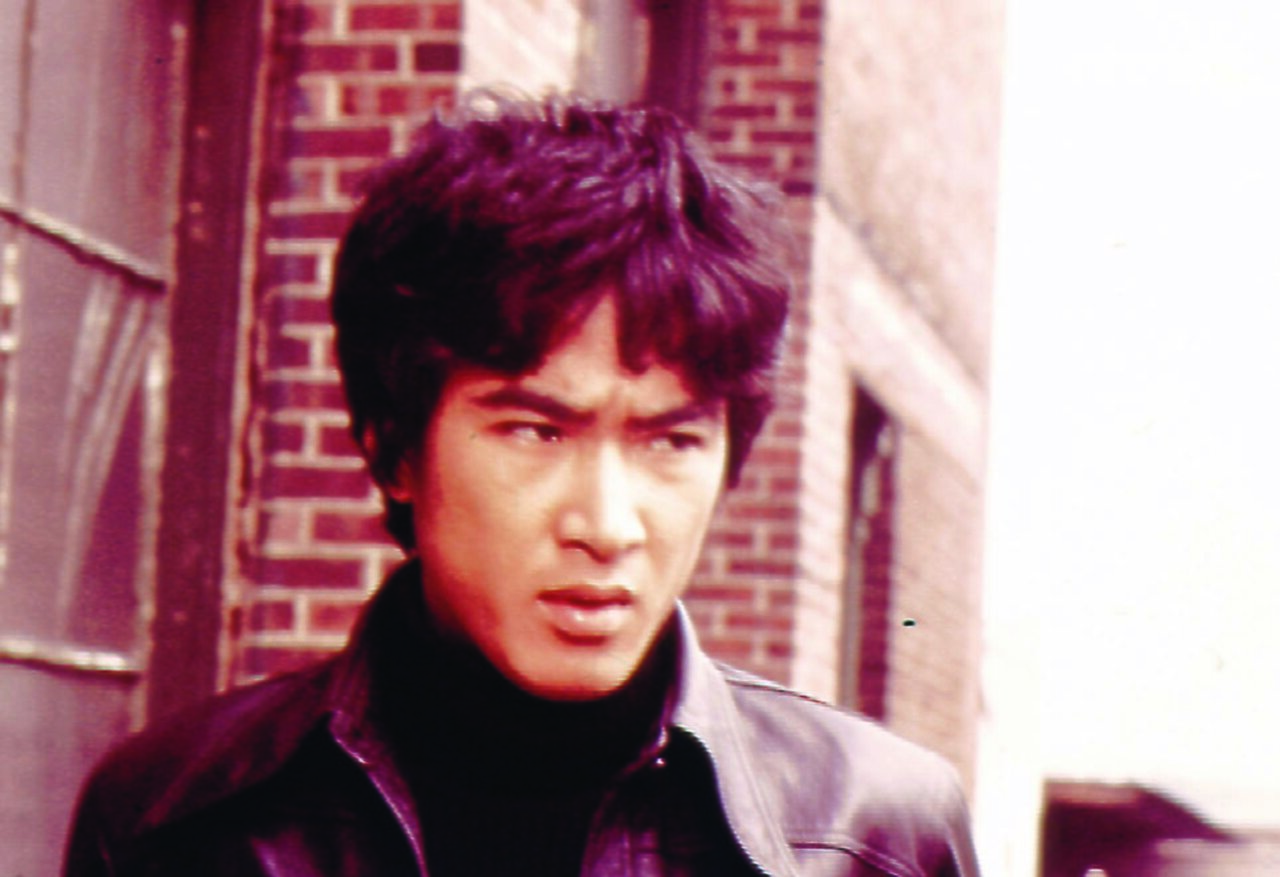
"Proof of the Human Condition" © KADOKAWA 1977
In "The Wolves," he masterfully depicted the sense of stagnation felt by many salarymen grappling with Japan's "growing pains" during the period of high economic growth. He projected immense, almost immoral and inappropriate, ambition onto a character with a dual nature. He played a diligent salaryman working for Towa Oil. However, upon learning of the secrets of the executives lining their own pockets, he spent years meticulously planning his own ascent, undergoing physical transformation while awaiting the opportune moment. Harboring both admiration and resentment towards the privileged class, he strategically aimed to join their ranks. Rather than punishing the strong who prey on the weak, his pursuit of their wealth and women was devoid of any moral or ethical considerations. What emerged from his calculating persona was pure instinct—the desire to take from others.
In reality, this film offers little in the way of psychological exploration, and the protagonist's motivations are not clearly defined. All that is visible is raw desire, making it difficult for the viewer to empathize with the main character. Nevertheless, considering the societal context in which the film was received, a simple dismissal would be unsophisticated.
The protagonist is the embodiment of the fantasies of men suffocating under economic growth, weary of living as cogs in the societal machine. Faced with an unbridgeable gap, he may have been a hero who swept away the profound sense of futility for salarymen resigned to their fate. Yusaku Matsuda, with his occasional defiant smile beneath a stoic expression, was the one who could embody the desires of the men of that era. The times perhaps called for a figure imbued with such an anarchic spirit.
In reality, this film offers little in the way of psychological exploration, and the protagonist's motivations are not clearly defined. All that is visible is raw desire, making it difficult for the viewer to empathize with the main character. Nevertheless, considering the societal context in which the film was received, a simple dismissal would be unsophisticated.
The protagonist is the embodiment of the fantasies of men suffocating under economic growth, weary of living as cogs in the societal machine. Faced with an unbridgeable gap, he may have been a hero who swept away the profound sense of futility for salarymen resigned to their fate. Yusaku Matsuda, with his occasional defiant smile beneath a stoic expression, was the one who could embody the desires of the men of that era. The times perhaps called for a figure imbued with such an anarchic spirit.
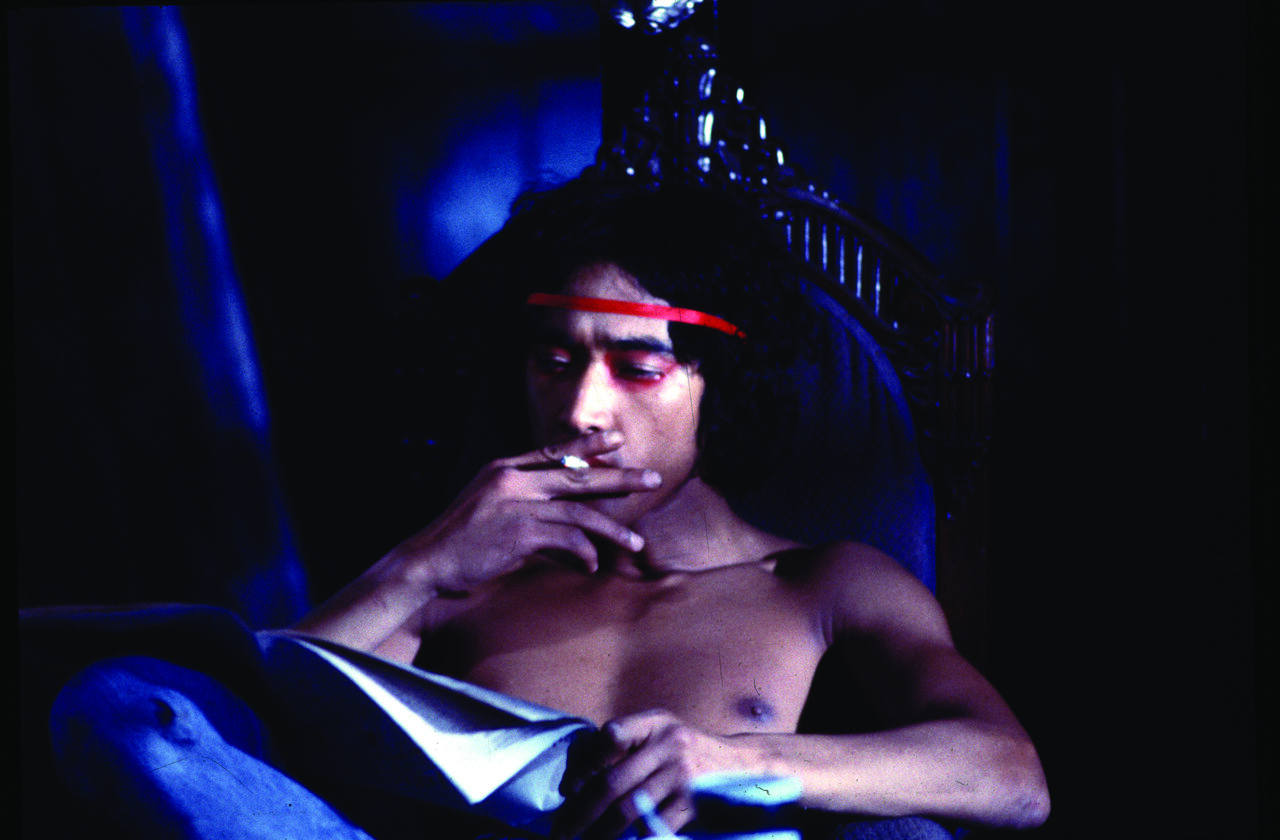
"The Wolves" © KADOKAWA 1979
Kadokawa Films nurtured these silver screen stars, keenly sensing the needs of the times. These films are a visual record of the Showa era. The landscapes captured in "Proof of the Human Condition" in Akasaka and Kojimachi, "The Wolves" around the Imperial Palace, Shinjuku in "Sailor Suit and Machine Gun," and Omotesando in "W's Tragedy" serve as valuable historical documents. Many will undoubtedly feel their hearts race at the nostalgic reunion with the streetscapes of the Showa era.
Revisited after many years, Kadokawa Films have proven to be a far more vivid reflection of the Showa era, a time when silver screen stars still reigned supreme. Whether you immerse yourself in fresh surprise or dwell in nostalgic longing, the lineup offers an abundance that cannot be fully covered here. They will surely provide companionship for the ongoing "STAY HOME" period.
Revisited after many years, Kadokawa Films have proven to be a far more vivid reflection of the Showa era, a time when silver screen stars still reigned supreme. Whether you immerse yourself in fresh surprise or dwell in nostalgic longing, the lineup offers an abundance that cannot be fully covered here. They will surely provide companionship for the ongoing "STAY HOME" period.
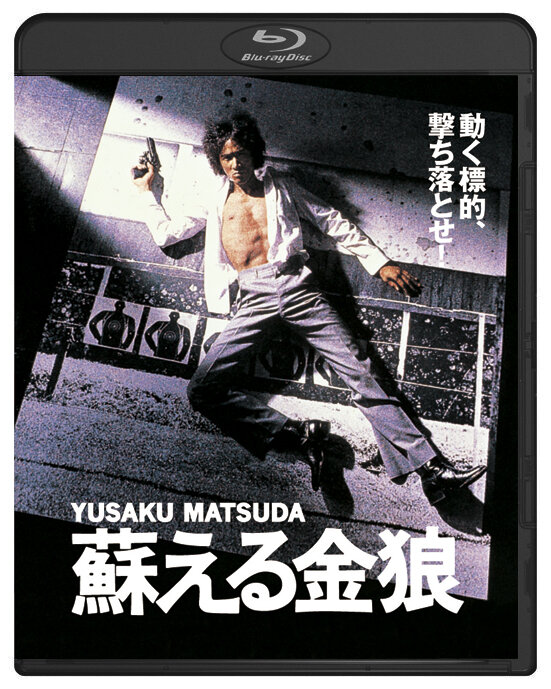
The Wolves | Kadokawa Film THE BEST
Price | Blu-ray ¥2,000 (excl. tax)
Distributor | KADOKAWA Corporation
Price | Blu-ray ¥2,000 (excl. tax)
Distributor | KADOKAWA Corporation
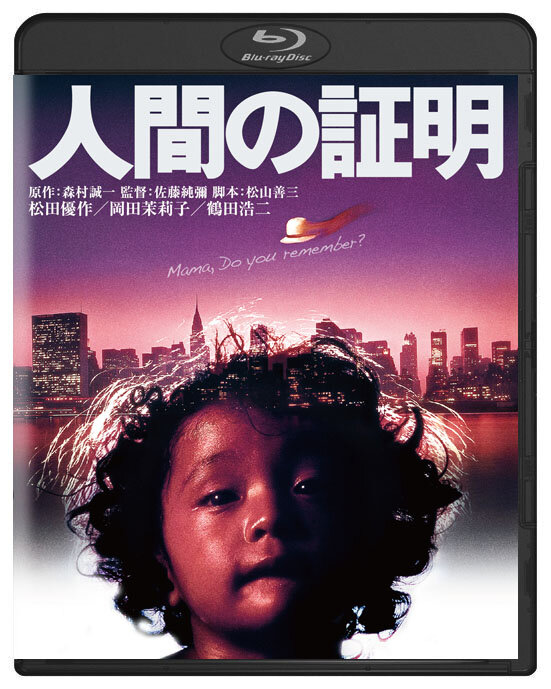
Proof of the Human Condition | Kadokawa Film THE BEST
Price | Blu-ray ¥2,000 (excl. tax)
Distributor | KADOKAWA Corporation
Price | Blu-ray ¥2,000 (excl. tax)
Distributor | KADOKAWA Corporation
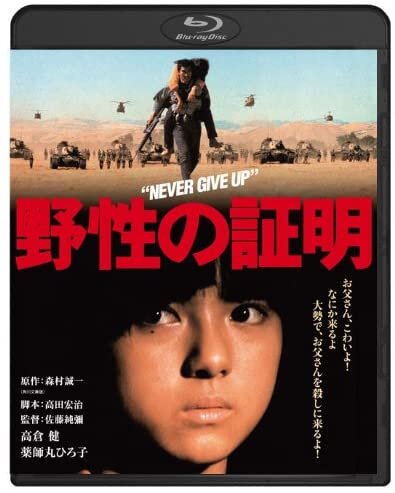
Proof of the Wild | Kadokawa Film THE BEST
Price | Blu-ray ¥2,000 (excl. tax)
Distributor | KADOKAWA Corporation
Price | Blu-ray ¥2,000 (excl. tax)
Distributor | KADOKAWA Corporation
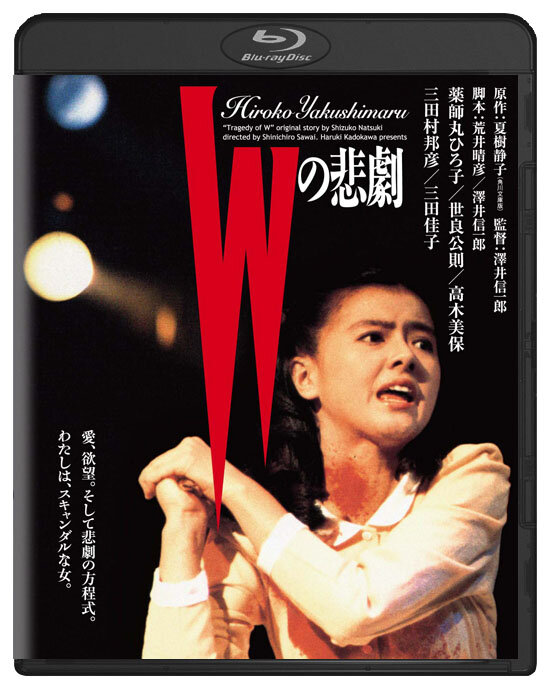
W's Tragedy | Kadokawa Film THE BEST
Price | Blu-ray ¥2,000 (excl. tax)
Distributor | KADOKAWA Corporation
Price | Blu-ray ¥2,000 (excl. tax)
Distributor | KADOKAWA Corporation
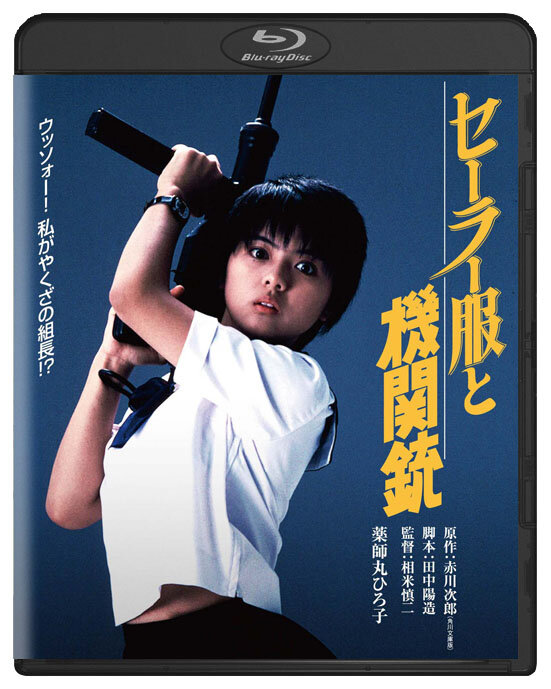
Sailor Suit and Machine Gun | Kadokawa Film THE BEST
Price | Blu-ray ¥2,000 (excl. tax)
Distributor | KADOKAWA Corporation
Price | Blu-ray ¥2,000 (excl. tax)
Distributor | KADOKAWA Corporation