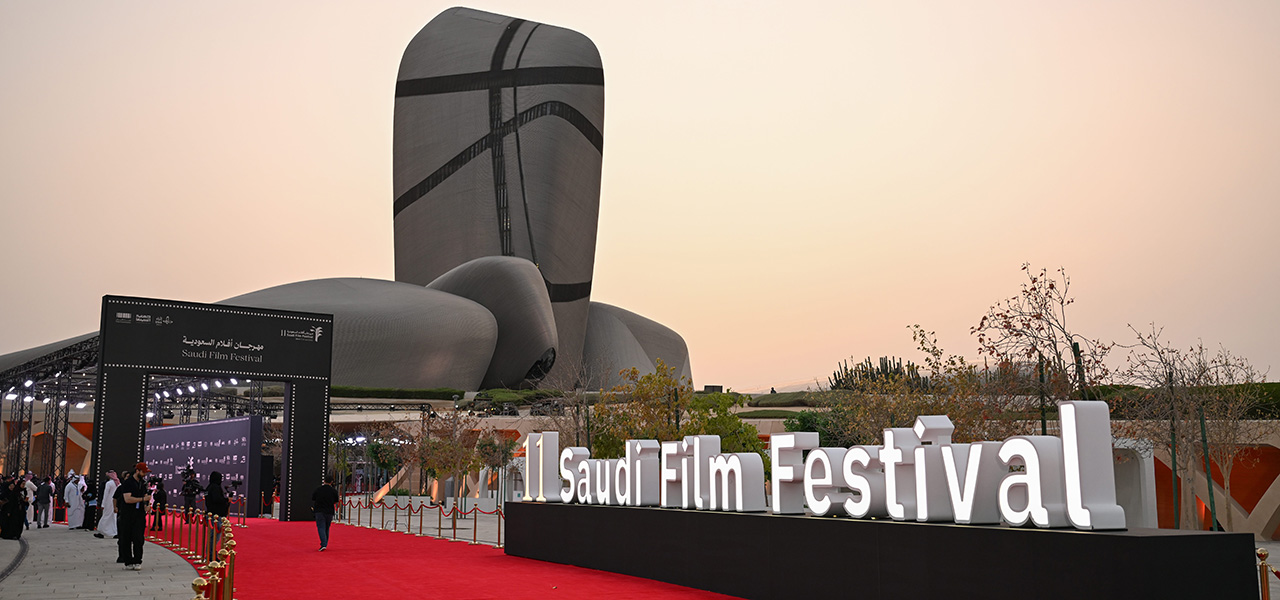
Saudi Arabia and Japan: A Stage Where Intersecting Film Cultures Elevate Each Other
MOVIE | Saudi Film Festival
The 11th Saudi Film Festival was held in Dhahran, an eastern Saudi city, from April 17 to 23, 2025. This festival aims to elevate the film culture of the Middle East. This year featured a "Spotlight on Japanese Cinema" program, a wonderful event that brings international distances closer.
Text by OPENERS
A Stage Where Eastern and Western Film Cultures Intersect
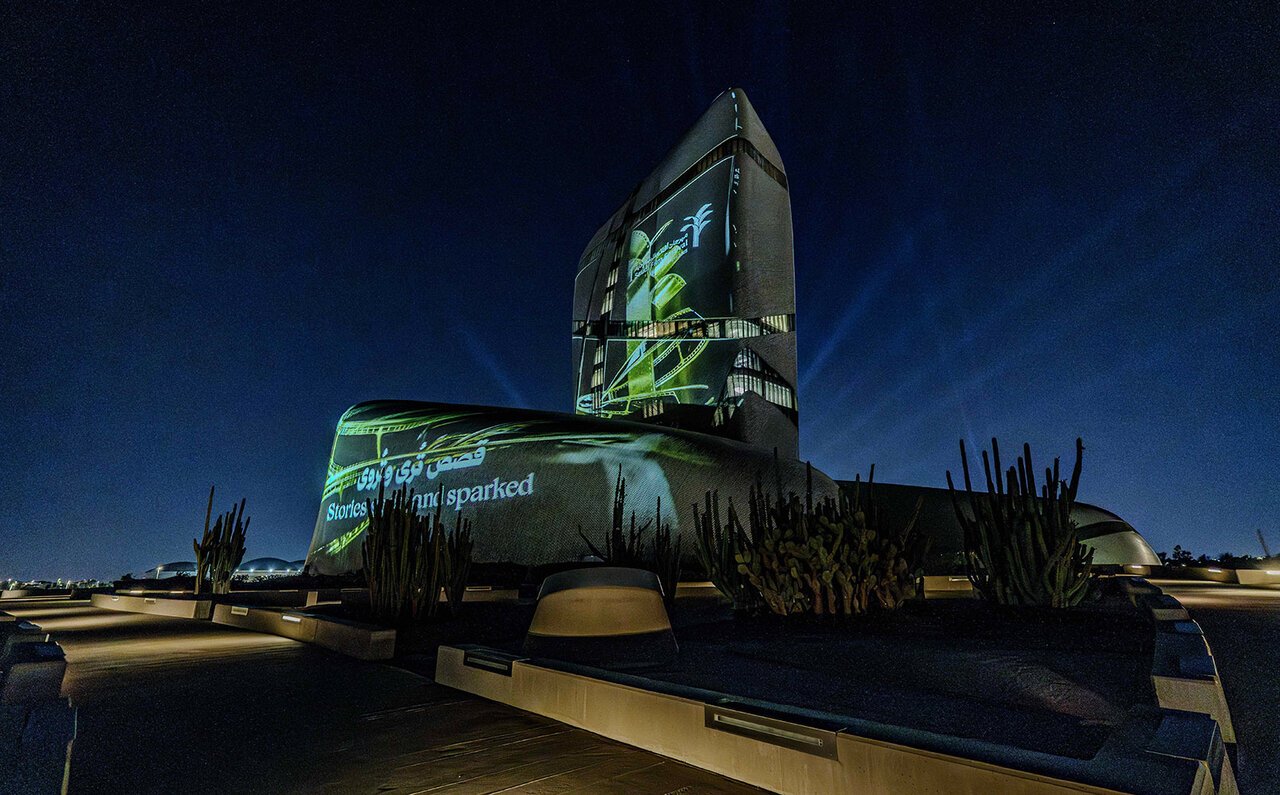
Established in 2008, the "Saudi Film Festival" is the most prestigious in Saudi Arabia. It is organized by the Saudi Film Council and operated in partnership with the King Abdulaziz Center for World Culture (Ithra), a leading cultural institution in the country.
This, the 11th edition, centered on the theme "Films of Identity," presenting a variety of programs that explore personal and societal identities through the medium of film.
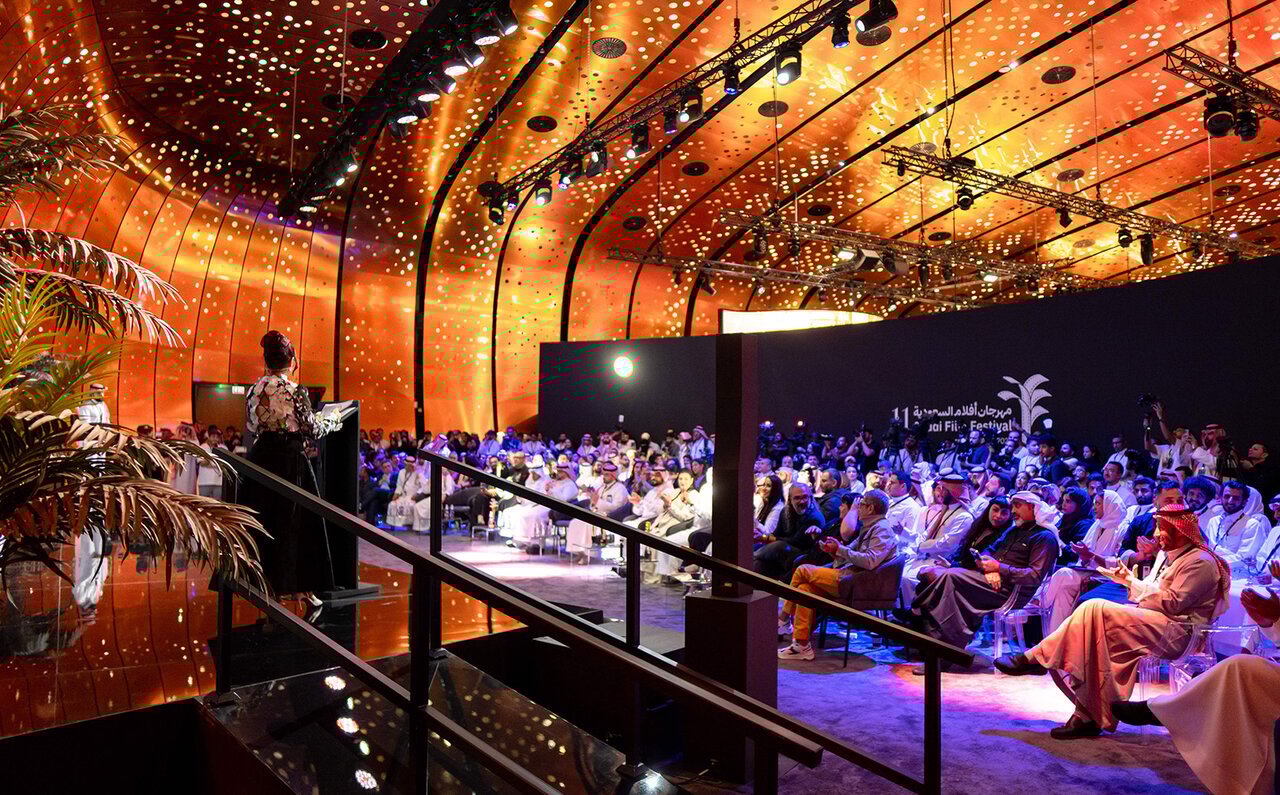
Among these, the "Spotlight on Japanese Cinema" program, realized through a collaboration with Japan's international short film festival, "Short Shorts Film Festival & Asia 2025," garnered particular attention. This program served as a focal point of the festival, symbolizing the power of film to foster cross-border dialogue and exchange.
Interest in Japanese cinema, especially animation, has been rapidly growing worldwide in recent years. Saudi Arabia is no exception, and this special feature showcased Japanese films across diverse genres and styles, not limited to animation. All screened works were making their Saudi debut, offering local audiences a valuable opportunity to experience the depth and diversity of Japanese cinema.
The lineup of screened films includes the following 8 works
• Masakazu Kaneko's "River Returns" (2024) - A film depicting the revitalization of a regional city caught between tradition and innovation.
• Ken Ochiai's "Ultraman Nexus" (2014) - A story set in Kyoto's Uzumasa, the heartland of Japanese filmmaking, portraying passion for cinema.
• Koji Yamamura's "Head" (2002) and "Very Short" (2024) - Internationally acclaimed animated works.
• Hiroyuki Nishiyama's "Blue and White" (2022) - A short film rich in visual poetry, inspired by traditional Japanese colors.
• Yohei Nagabe's "TOMA#2" (2023) - A work that questions human perception through experimental methods.
• Tomomi Muraguchi's "The New World" (2023) - A socially conscious film exploring identity in a post-pandemic society.
• Riisa Naka's "KABURAGI" (2024) - A new short film directed by acclaimed actress Riisa Naka.
• Ken Ochiai's "Ultraman Nexus" (2014) - A story set in Kyoto's Uzumasa, the heartland of Japanese filmmaking, portraying passion for cinema.
• Koji Yamamura's "Head" (2002) and "Very Short" (2024) - Internationally acclaimed animated works.
• Hiroyuki Nishiyama's "Blue and White" (2022) - A short film rich in visual poetry, inspired by traditional Japanese colors.
• Yohei Nagabe's "TOMA#2" (2023) - A work that questions human perception through experimental methods.
• Tomomi Muraguchi's "The New World" (2023) - A socially conscious film exploring identity in a post-pandemic society.
• Riisa Naka's "KABURAGI" (2024) - A new short film directed by acclaimed actress Riisa Naka.
This selection features notable works that portray various aspects of Japanese culture, societal issues, and human drama.
Within the festival, panel discussions, masterclasses, and cultural symposiums were also held over two days to delve deeper into Japanese cinema. These events went beyond mere film screenings, fostering deeper mutual understanding and creative dialogue between the film cultures of both nations, creating a remarkable experience.
The panel discussions featured internationally active Japanese film director Ken Ochiai, Academy Award-nominated animation artist Koji Yamamura, Zohra Ait El Jamali, head of Saudi Arabia's prominent film institution High Jamel Cinema, and well-known film critic Majed Z. Samman.
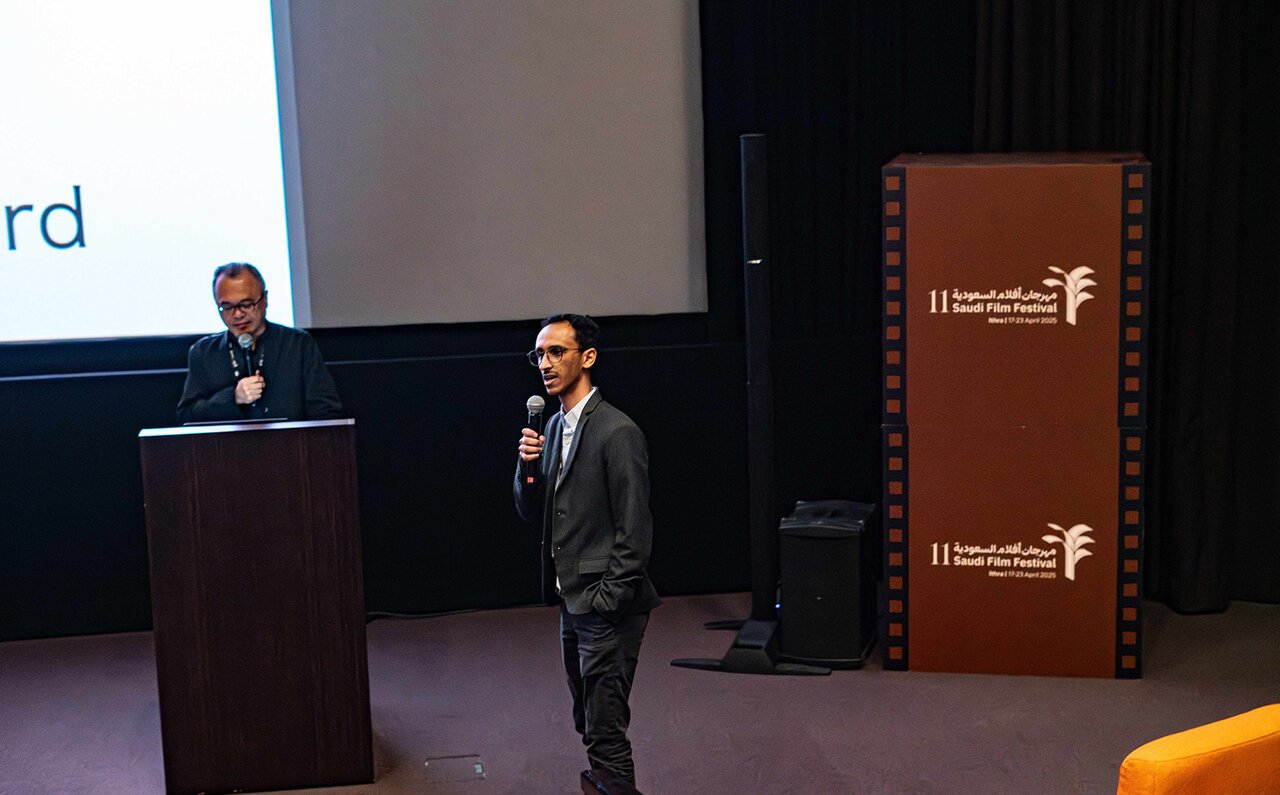
The discussion centered on commonalities in storytelling between Saudi Arabia and Japan. Both nations possess rich oral traditions and narrative cultures, and there was a passionate exchange of ideas regarding contemporary reinterpretations of these traditions and the potential of film as a visual language, fostering anticipation for future cultural development.
Regarding the significance of this feature, Director Yamamura commented, "Thanks to this event, I was able to meet actively working filmmakers and curators, which was a wonderful opportunity for me. I feel great potential for future collaborations between Japanese and Saudi creators."
Mansour Al-Badran, Vice President of the Saudi Film Festival, stated about this feature, "This is a wonderful example of collaboration achieved through culture. Attendees were able to experience the sophisticated storytelling of Japanese cinema. Through the interaction of numerous creative professionals, this program has opened new doors for creative collaboration between filmmakers from Japan and Saudi Arabia."
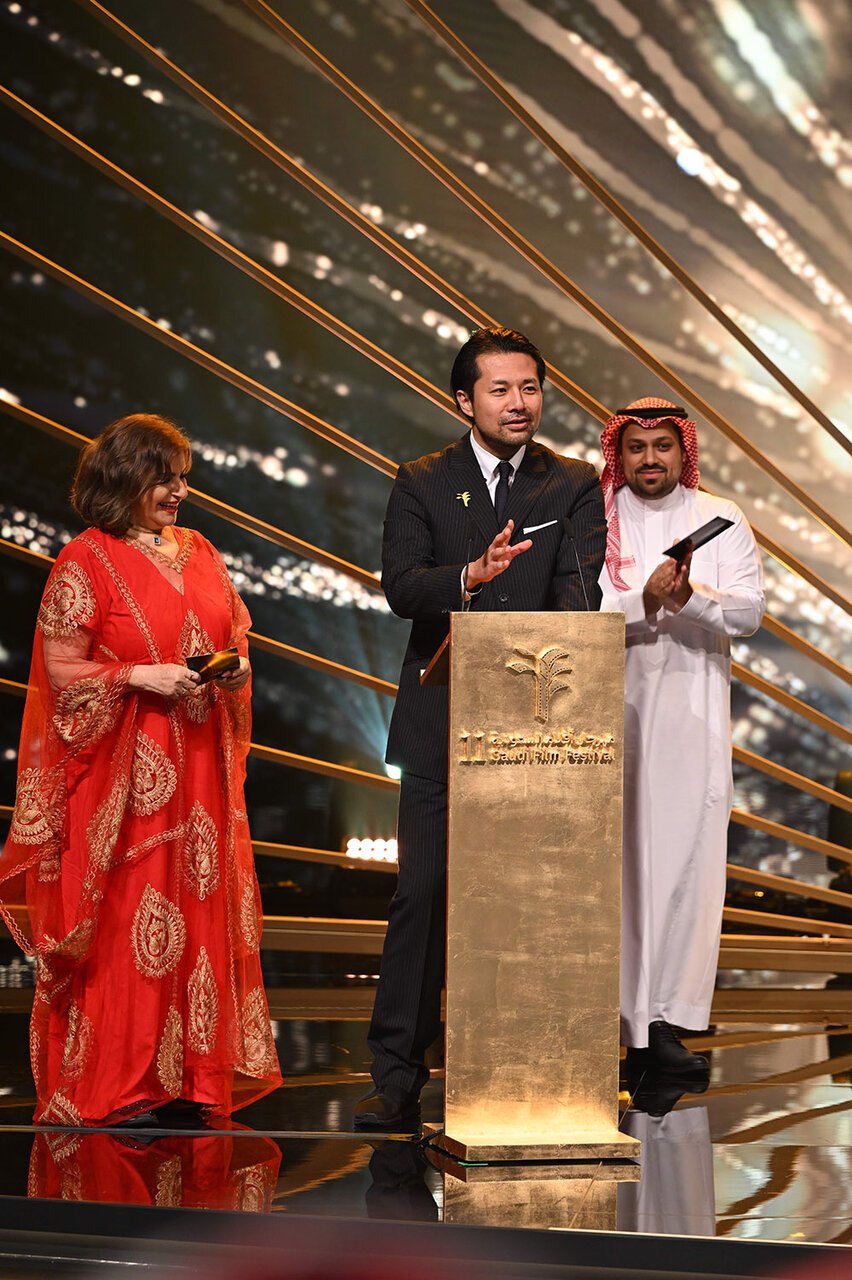
The formation of several co-production project concepts during the festival, leading to the establishment of cooperative relationships between filmmakers from both countries, can be considered a significant achievement. The production of "Desert Meets Ocean," a short film co-production project between young Saudi directors and Japanese animators, was announced. Aiming for completion in 2026, it will explore the theme of "desert and sea," symbolizing the geographical characteristics of both nations.
-

A'ad Kamel
-



Furthermore, at the Saudi Film Festival, "MY DRIVER AND I" by female director A'ad Kamel won the Best Film Award. This film, depicting the emotional connection between a girl from a wealthy family and her Indonesian driver, explores themes of building relationships that transcend class, culture, and language barriers. The jury praised it as "a masterpiece that expresses understanding and mutual respect between different cultures through superior visual language," positioning it as a symbolic work for the festival's main theme, "Films of Identity." It is one of the must-watch films.
In her acceptance speech, the director stated, "Understanding and empathy between people of different cultures is one of the most important values for our society. Film has the power to be that bridge." This statement resonated with the significance of the Japanese film feature.
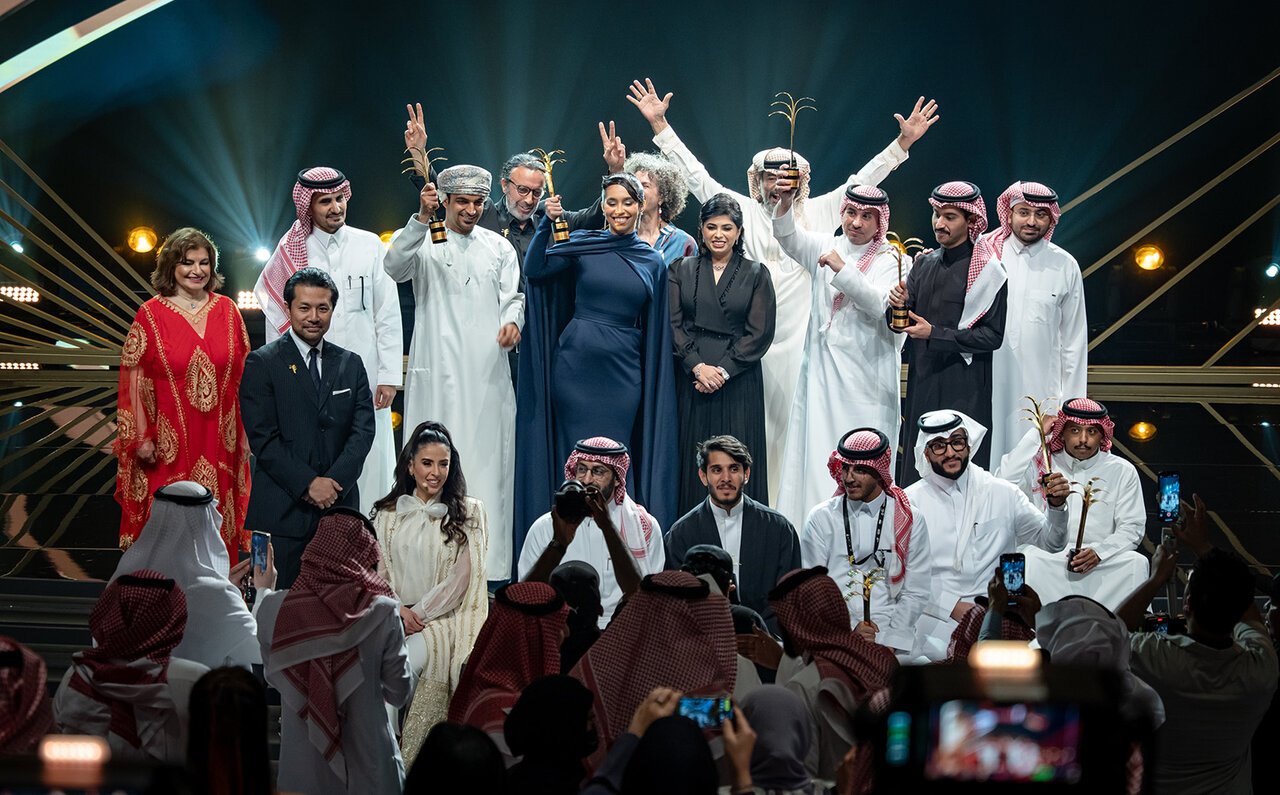
This "Spotlight on Japanese Cinema" feature transcended a mere film screening, becoming a platform that fostered dialogue and mutual understanding among people from different cultural backgrounds. It represents more than just an exchange within the film industry; it is a festival that connects hearts and minds across geographical and cultural divides, one that we hope will continue in the future.
Contact
King Abdulaziz Center for World Culture
https://www.ithra.com/en