Actress Saori Ito Stars in "Kaze no Majimu": Director Kaoru Haga and Producer Mikiyasu Sato on Their Lives and Creative Chemistry Intersecting After 20 Years
MOVIE | Kaze no Majimu
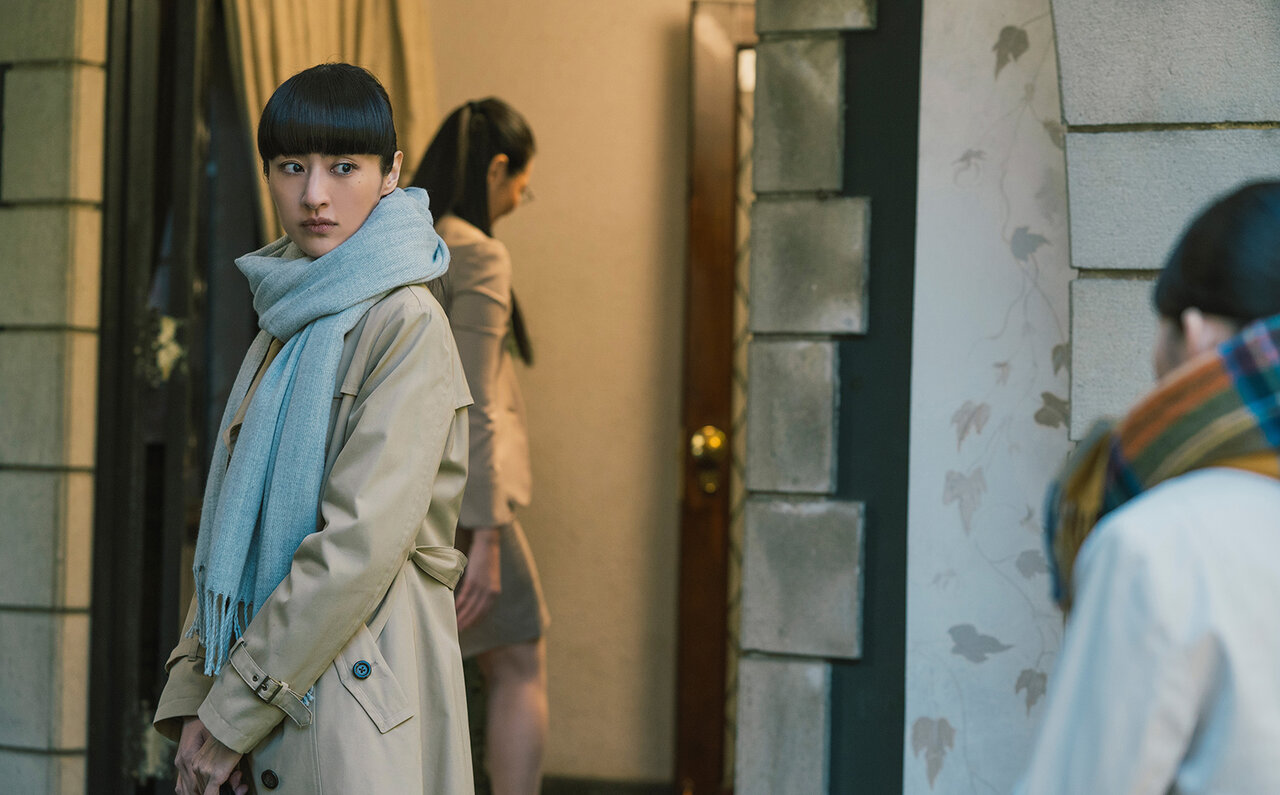
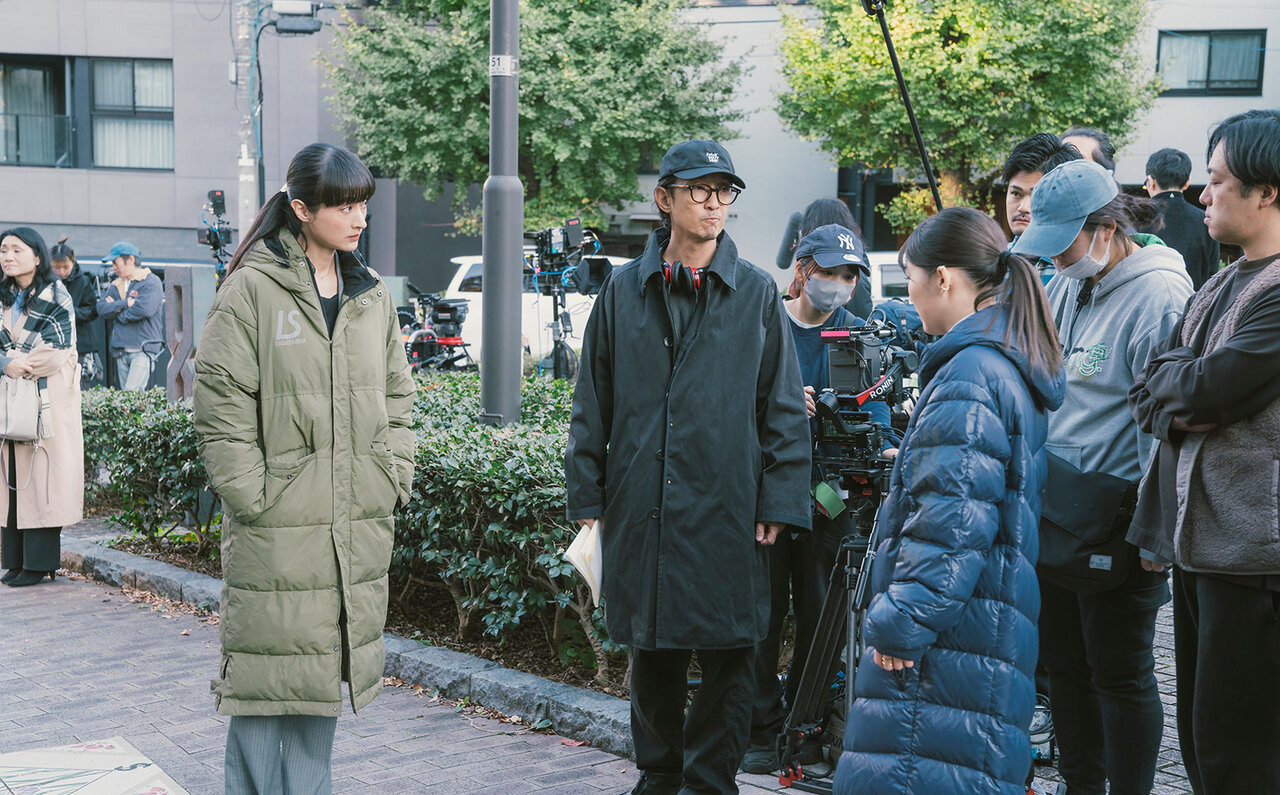
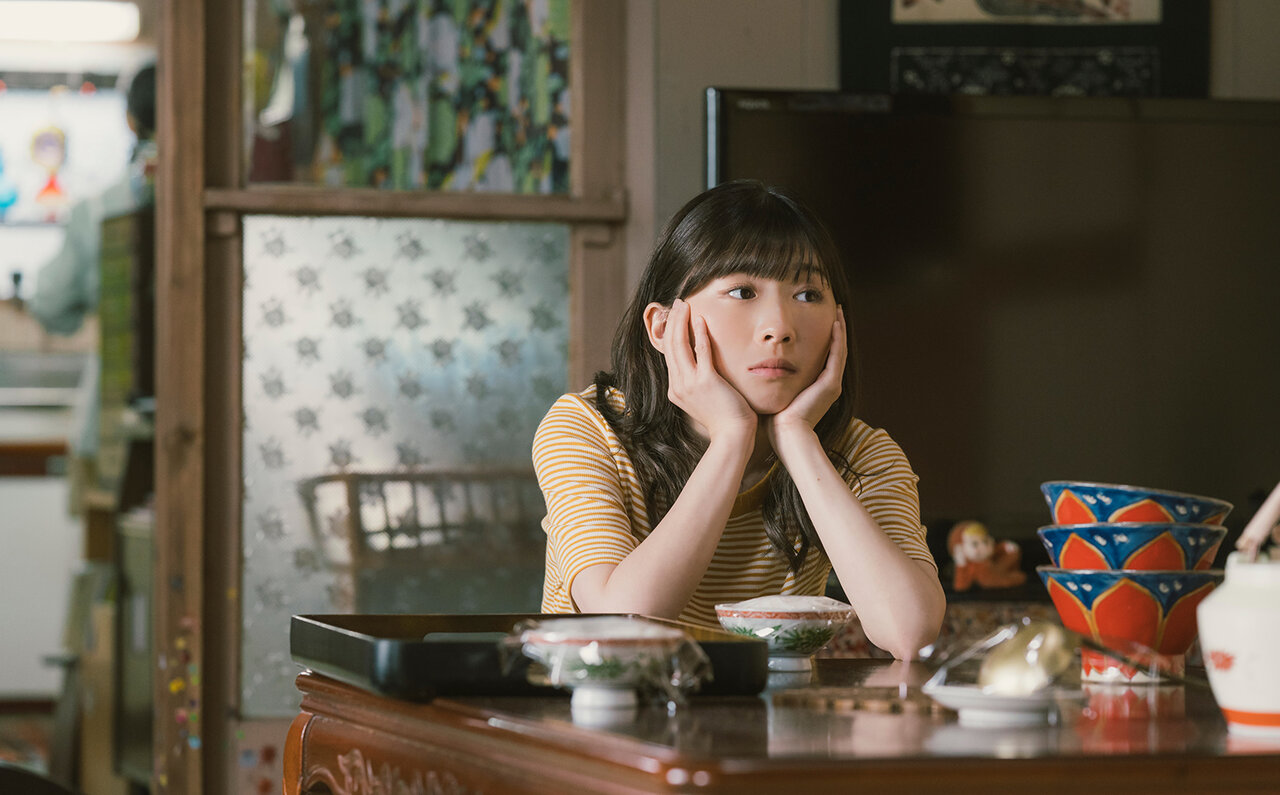
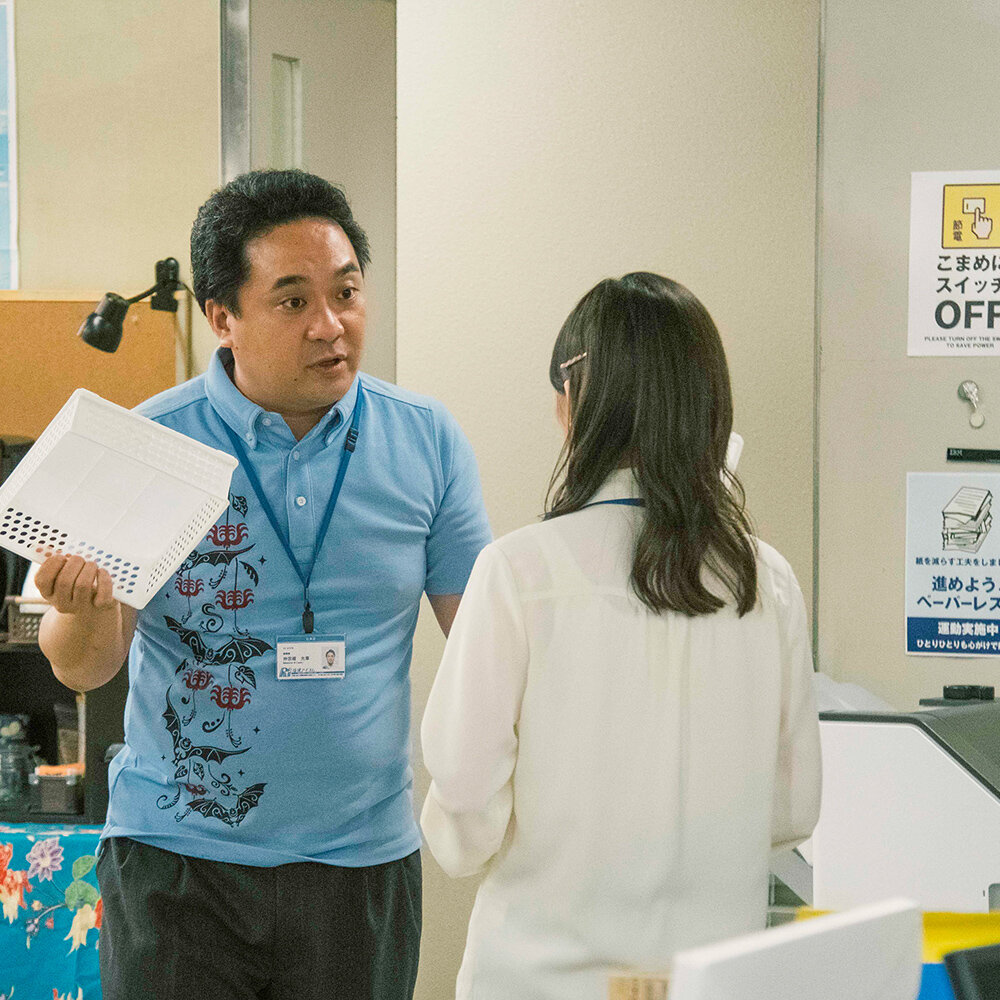
Hara Masaharu's "Kaze no Majimu" is adapted into a film. The story depicts the protagonist, Majimu Inaba, played by Saori Ito, striving to "make rum from Okinawan sugarcane" by utilizing an in-house venture competition. Kaoru Haga, a commercial director making his directorial debut with this film, and producer Mikiyasu Sato, who was his colleague at a commercial production company 20 years ago, reunited for this project after many years to bring it to completion. It will be released nationwide on September 12th. Was their reunion destined? They candidly shared their journeys, struggles, and joys.
Text and Photographs by KATO Junko
Sato"After the principal photography for 'Kaze no Majimu' wrapped, how many commercials have you made?"
Haga"About seven since then. Roughly one a month, I suppose."
Sato"That's amazing. On my end, the film 'Muyono Hito,' directed by Masaharu Hara, the author of 'Kaze no Majimu,' has been successfully completed."
Haga"With only six months between 'Kaze no Majimu's' completion and its release, I feel like I've been living without a moment's rest. My nerves have been on edge, and I'm exhausted."
"Of course, there's the excitement of having many people see it, isn't there?"
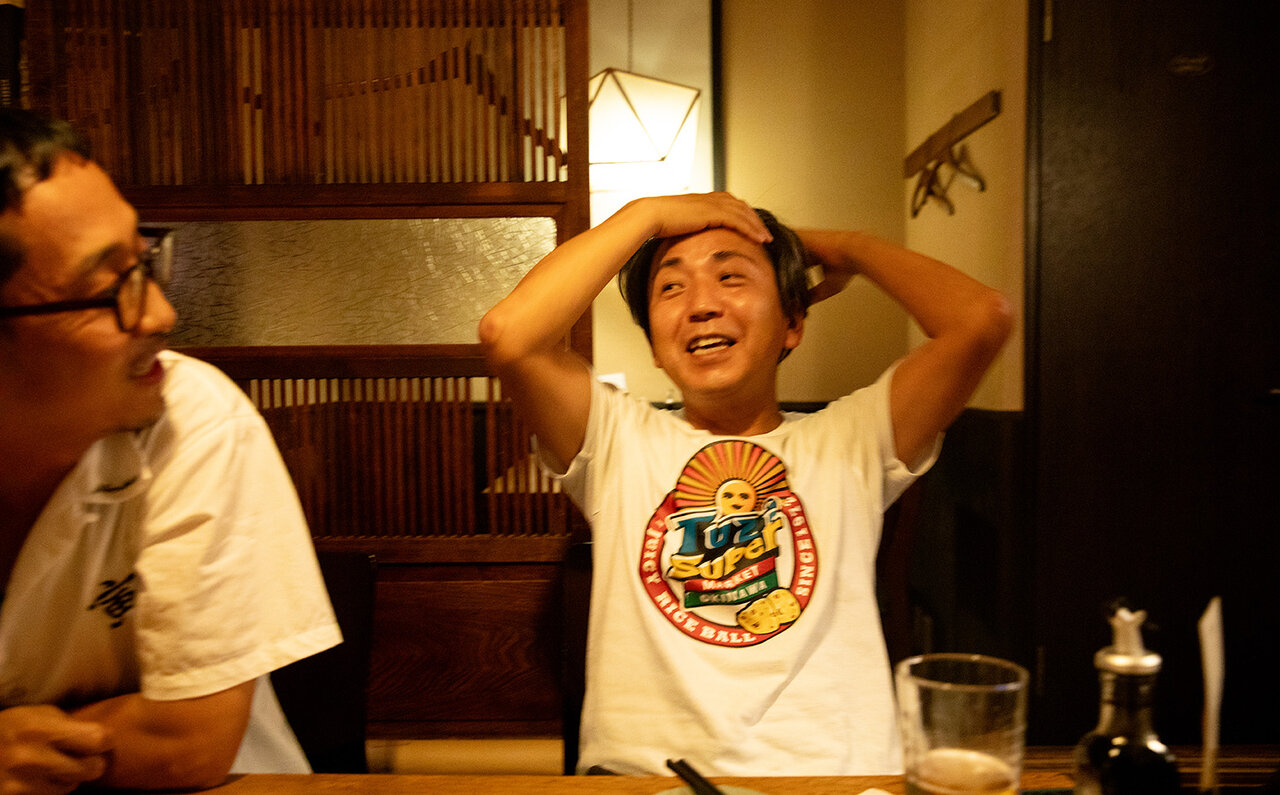
Haga"Certainly, there's excitement, but I'm also nervous that no one might show up. Will I ever get used to this feeling, senpai? (laughs) Like, 'Yay, I can't wait for the release date!'"
Sato"It's only been a few years since I became a producer myself (laughs), but perhaps you get used to it after making two or three films. A film is like one's own child, isn't it?"
"I always ask this at the beginning, but to help us understand your personality, could you please tell us your favorite color, your personality, and your preferred hairstyle?"
Haga"My favorite color changes daily, but lately, it's been purple! As for my hairstyle, I had long hair for 7 or 8 years, but I suddenly cut it short. I worried I'd become just another unremarkable middle-aged man with short hair, but perhaps bangs cut straight across give it a bit of character (laughs). My personality, as others tell me, is that I tend to go my own way. Sometimes that might be selfish, sometimes stubborn, but I don't particularly think I need to change it, nor can I (laughs)."
Sato"The color that lifts me up is orange. My personality is that of a natural-born mediator. I've been showing my forehead for the past five years."
Haga"(Quickly interjecting) You didn't deliberately show it just now, did you?"
Sato"No, no, I've been showing my forehead for five years! Someone advised me to look more confident (he tries to push his bangs up, but they fall back down)."
Haga"That's exactly it! It's the same Mikiyasu I've known for years (laughs). It's not showing that much."
(When referring to Producer Sato as Mikiyasu)
"Let's get to the main topic. Mr. Sato, could you tell us how you became involved in the film's production?"
Haga"About eight years ago, there was an attempt to make it into a film, but it didn't work out. Two years later, an investor named Michio笹oka stepped forward. He wanted to make a film that conveyed that 'if you work hard in society and at your company, you can achieve success and have a future.' From several proposed novels, he chose 'Kaze no Majimu,' which led to this realization. We, the founding members, started moving again, and when it came to choosing a producer, I thought of Sato, whom I had worked with at 'Pyramid Film' in the past. He had just founded his own film production company, 'Pot au Feu,' so he was the natural choice."
"Mr. Sato, who describes himself as a 'natural-born mediator.' What aspects of your involvement were helpful to Mr. Haga?"
Haga"I'm someone who wants to create something from scratch (0 to 1). From 1 to 5, the surrounding staff builds upon it. Mikiyasu was the one who paid the most attention to unifying everyone's disparate opinions, managing the budget, and schedules. For this project, we immediately agreed that the first thing to decide was the 'location.'"
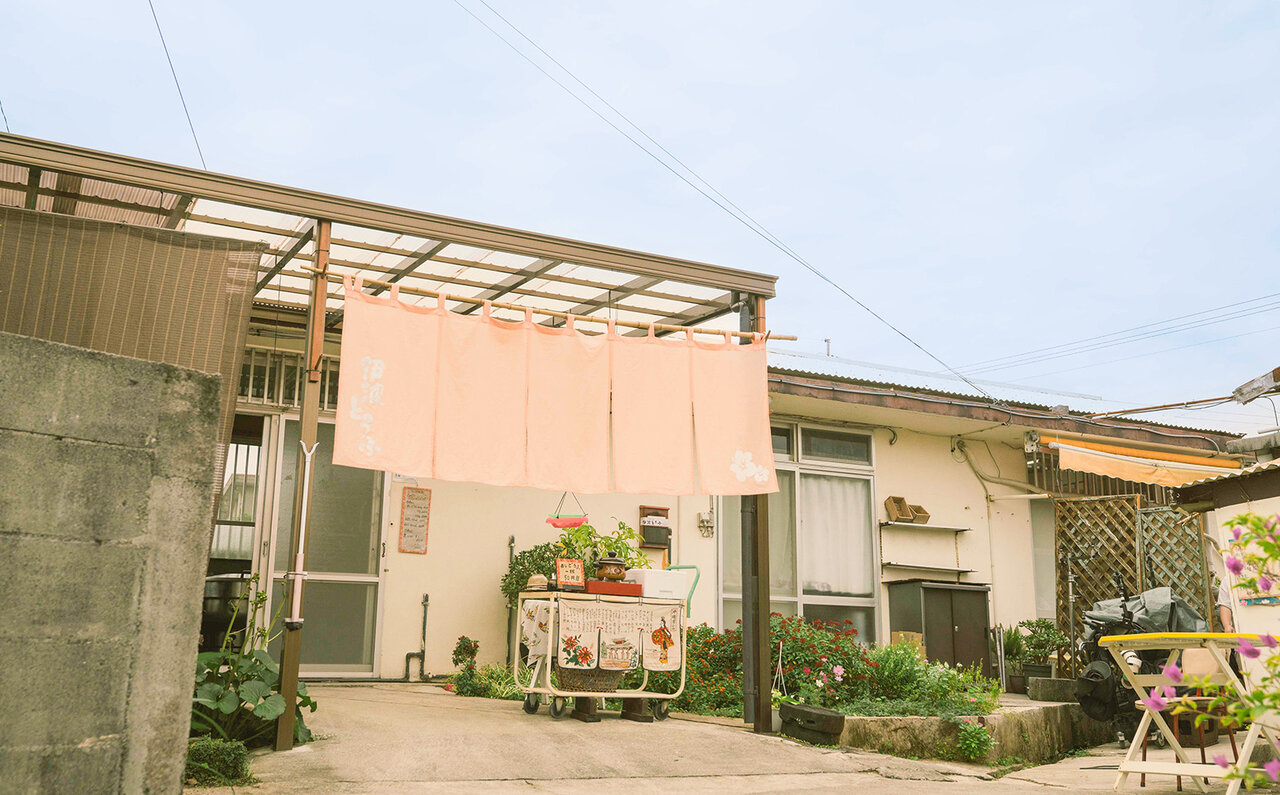
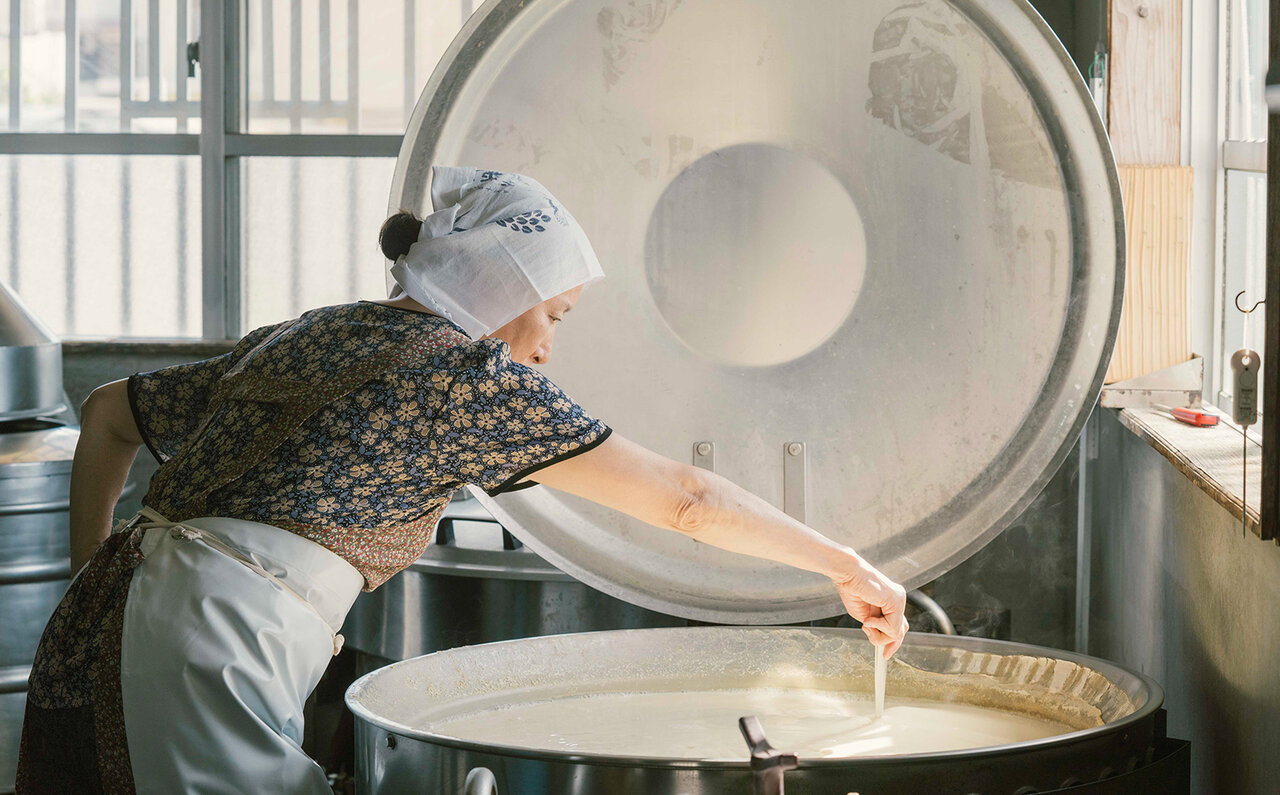
Sato"It was immediately clear to me that the 'tofu shop's house' was crucial for Haga. Setting aside art direction and costumes, the location was the priority this time. We were repeatedly rejected by the family running the tofu shop, where the protagonist, Majimu, lives with her grandmother, and we searched for many other places, but we couldn't give up on it (laughs)."
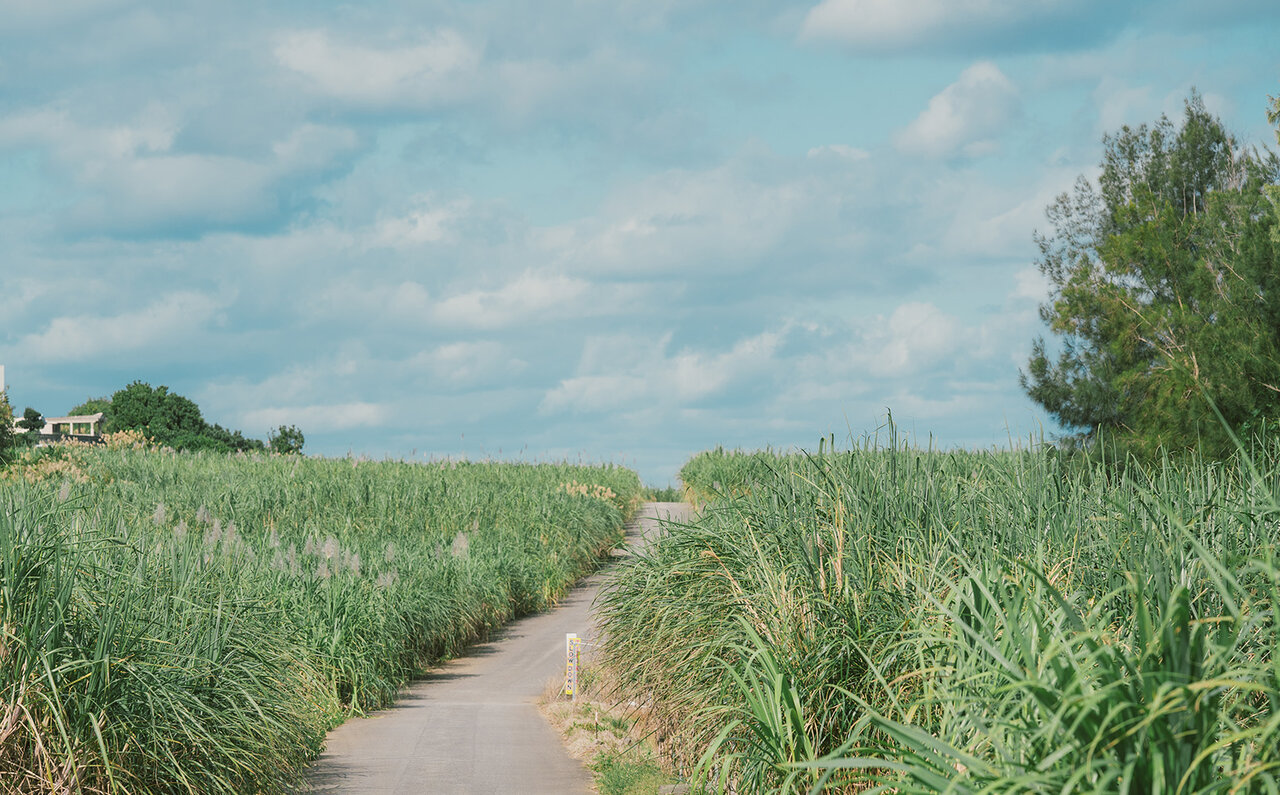
Haga"Right. If the location wasn't decided, nothing else in the story could move forward, so I personally used my own mileage and visited several times at my own expense (laughs). From the second visit, Mikiyasu joined me. We rented a car and visited numerous sugarcane fields, so I became very skilled at finding locations on Google Earth. I even taught the production staff who joined later how to do it before I left (laughs). I've also become quite familiar with Okinawa's geography."
"Ultimately, how was the tofu shop decided upon?"
Haga"Actually, we looked at several, but we ended up choosing the very first one we saw. It was so perfectly aligned with our image that even after numerous rejections, we kept visiting. Ten siblings from the family that runs the tofu shop gathered, and after many discussions, they finally gave us their consent. The main house, used for scenes where the family lives, was not normally used; it was only used during family gatherings like Obon and New Year. Conversely, precisely because it's used at those times, it's a place cherished by the entire family, including the Buddhist altar. I learned that in Okinawa, family matters are decided by the whole family, and I deeply felt their respect for tradition."
Sato"Our coordinator in Okinawa, Torikoshi-san, worked incredibly hard."
Haga"When I heard that the siblings cried after watching the family scenes in the main house for the film, I felt it was truly worth persevering until the end."
"From your perspective, Mr. Sato, how did you see Mr. Haga's first directorial work?"
Sato"I don't say this just because you're here, but I thought, 'He's truly remarkable.' There were so many decisions to make, including locations, direction, costumes, and props, but his instructions on what to decide and when to achieve the best outcome, which staff members to ask for what, and what to have them forget, were exquisite."
"It wasn't as if everything was decided immediately and went smoothly, was it?"
Haga"We were unsure how to portray the scene that would inspire Majimu to want to make rum, and we visited potential locations over and over again. We considered having her on the beach, feeling the wind, and suddenly thinking, 'Ah! I'll make rum!' We squeezed in time between shoots to go to the beach, sit there, and walk around. The staff patiently accompanied me, and I kept hesitating while conducting various experiments."
Sato"We were still agonizing over that scene the day before shooting, weren't we?"
Haga"Exactly. As we were passing by the restaurant where the wrap party was scheduled for the next day, I suddenly thought, 'Hmm? This place!?' I had considered the beach, but I had a persistent feeling that it wouldn't look natural in Okinawa and might come across as too much like a commercial. In the novel, she goes to the beach, sees a flyer, and gets inspired by the wind. But in the film, I wanted to emphasize stories rooted in the land, so I wanted to create a natural flow, not something contrived. After much deliberation on what it truly means to have a spontaneous idea, the scene where she makes her decision in front of that izakaya was born by chance."
Sato"We went to the restaurant and said, 'We'd like to book the wrap party for 7 PM tomorrow. And... could we possibly consult with you? Are you free before that?' (laughs)"
Haga"I was truly grateful that the staff patiently stayed with me until I was satisfied. I had never wavered this much before, so the moment principal photography wrapped after shooting Majimu's decision scene was particularly poignant."
Sato" 'Congratulations on wrapping up! The wrap party is here again in an hour!' (laughs)"
"It's quite a coincidence that the place where Director Haga made his decision and the moment Majimu decided on her dream are linked. Were there any other impromptu changes made on the spot?"
Sato"The location for the scene where Majimu and her supervisor, Keiko Itosu (Kavka Shishido), talk after meeting the brewer Akihiko Tokioka (Hidekazu Mashima) in Tokyo was also changed suddenly."
Haga"Right. Initially, we planned a bridge overlooking Roppongi Hills and Aoyama Cemetery, but the planning producer, Kanto-san, asked, 'Doesn't this just look like a trendy drama?' I agreed, so we searched extensively again and ended up shooting at an ordinary five-way intersection. We decided we didn't need the symbolic imagery of Tokyo's skyscrapers. When someone offers a reason for their suggestion, I take the time to listen and consider it."
Sato"I thought it was good to consider until you were satisfied, but from my position, I had to remind you, 'We need to decide by this date or we won't make it in time' (laughs)."
"As a director, your style of genuinely listening to others' opinions seems to have continued from your days as a commercial director."
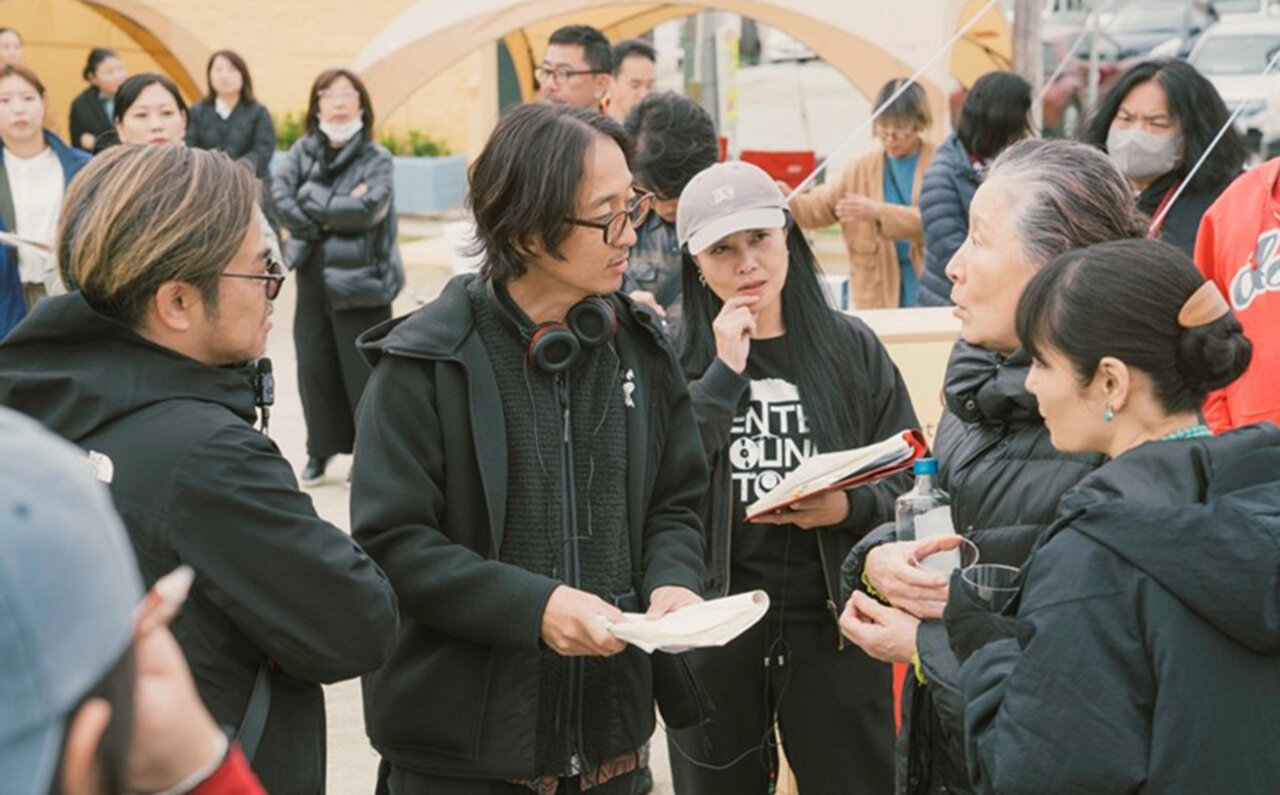
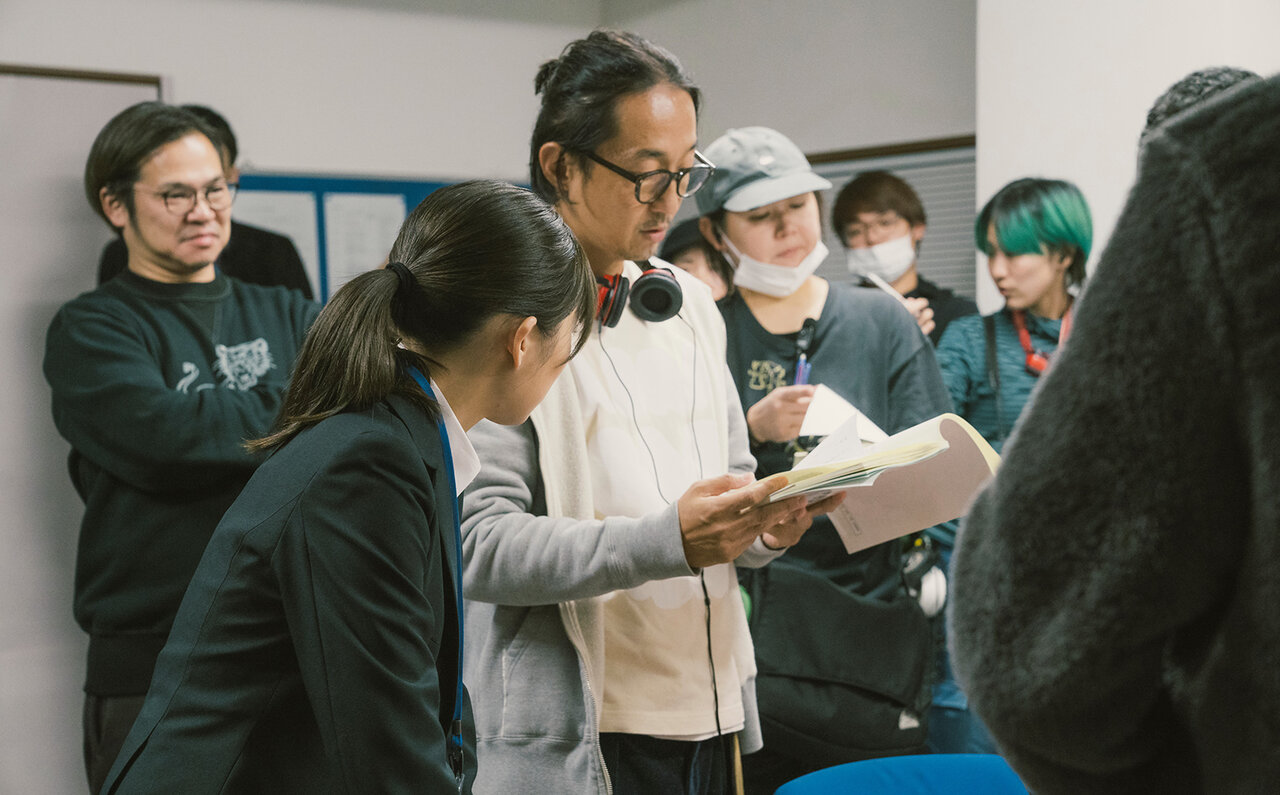
Haga"In my creative process, I place fairness at the core of my philosophy. I don't believe there's a hierarchy in where opinions come from. For example, a hair and makeup artist might say, 'Based on an experience I had recently, what about doing it this way?' That opinion might be excellent, so it's important to create an environment where various opinions can be expressed. Some directors might be the 'boss' type, demanding obedience without question, but my style is to have everyone use their minds, leverage their strengths, and create together. It hasn't changed much over the years."
Sato"That atmosphere permeated the set on this project, and everyone was exchanging ideas. What's remarkable about Haga is that he can honestly say, 'I don't know right now.'"
Haga"I'll clearly state, 'I tried option A and option B, and I'm currently undecided on which is better.' Then, the cinematographer or someone else might offer an idea like, 'What if you tried it this way?' We share the process of struggling and thinking together with our colleagues."
"Are there any efforts you make to facilitate this sharing?"
Haga"I always express when I'm unsure, without hiding it, and I always provide a reason, saying, 'Because...' For example, 'I've thought this far, and I'm struggling between these two options, because...' I never say 'This is absolutely the best,' and I try to avoid using the word 'absolute.' If the director dictates, it can create an atmosphere where others feel compelled to follow."
"You never use 'absolute'? (laughs)"
Haga"I don't know if I *never* use it, but I try to use it as little as possible (laughs). If I say 'absolute,' other opinions won't emerge. On my sets, everyone offers various opinions, which makes them feel comfortable expressing themselves, leading to a positive cycle. Ultimately, everyone is happier when they can voice their thoughts rather than holding them back!"
"Did working at the same company make things easier?"
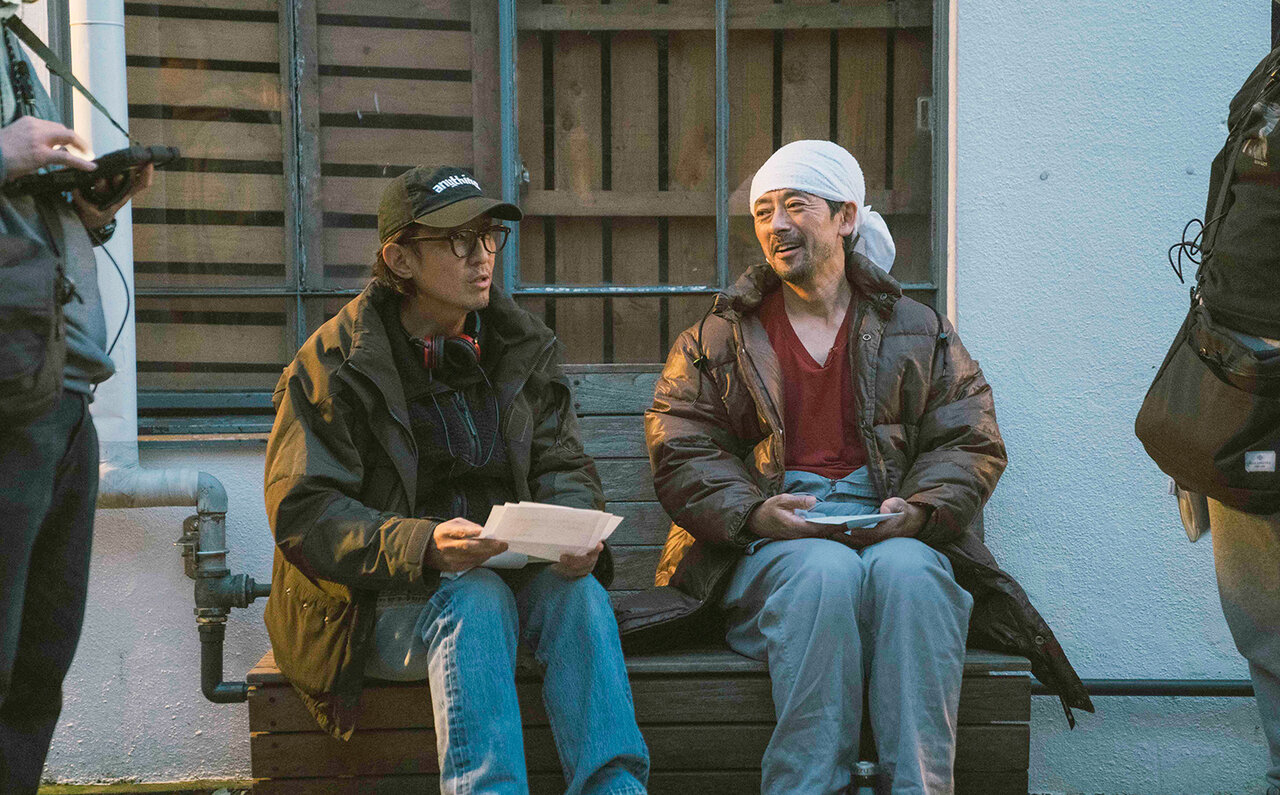
Haga"For me, it made many things easier. It was my first film set, and although it's the same visual industry as commercials, the way decisions were made and the rules were different, so he acted as an interpreter for me (laughs). When I was struggling with direction, as I mentioned earlier, he understood and provided support, acting as a liaison. He was a great help."
Sato"First of all, the language is different. A 'biuchi' (art direction meeting) in film is equivalent to an 'all-staff meeting' in commercials."
Haga"Exactly! I thought it was just about art direction, but then the hair and makeup artists, stylists, and all the staff were gathered..."
Sato"When deciding on the art, for a room shot, we discuss, 'We'll detail this side, but we don't need to build the opposite side.' Then it leads to the cinematographer's angle, like, 'We can't shoot that side,' and discussions about what to prepare and how to shoot it. This then leads to questions like, 'So, is this the same day setting?' 'Will we prepare the same clothes as the previous day?' 'Will the hairstyle be the same?' It becomes a discussion that affects all staff. That's what we call an all-staff meeting in commercials (laughs)."
Haga"Right. So, if I didn't clearly state my thoughts on the spot, I would confuse the assistant directors who were meticulously planning the shooting order efficiently. They consider everything, including continuity in costumes and hairstyles. If I said something carelessly here, I could lose the trust of the entire staff, so his assistance and interpretation from the beginning were invaluable. Thank you (laughs)."
Sato"People who grew up in filmmaking from the start might not even understand what someone from a different field doesn't understand. Since I also came from the advertising industry to film, I could anticipate where they might have difficulties and communicated that. I struggled myself at first."
Haga"And the thing I'm most grateful to Mikiyasu for is bringing in Sagae-san for art direction. The art direction for commercials and films is completely different in terms of scale and approach. Sagae-san not only understood my sensibilities but also incorporated her own original ideas. Along with Tokuda-san for decorations and Watanabe-san for props, being able to trust them was one of the factors contributing to the success of the visual creation for this film."
Sato"The house where Majimu lives also felt very real."
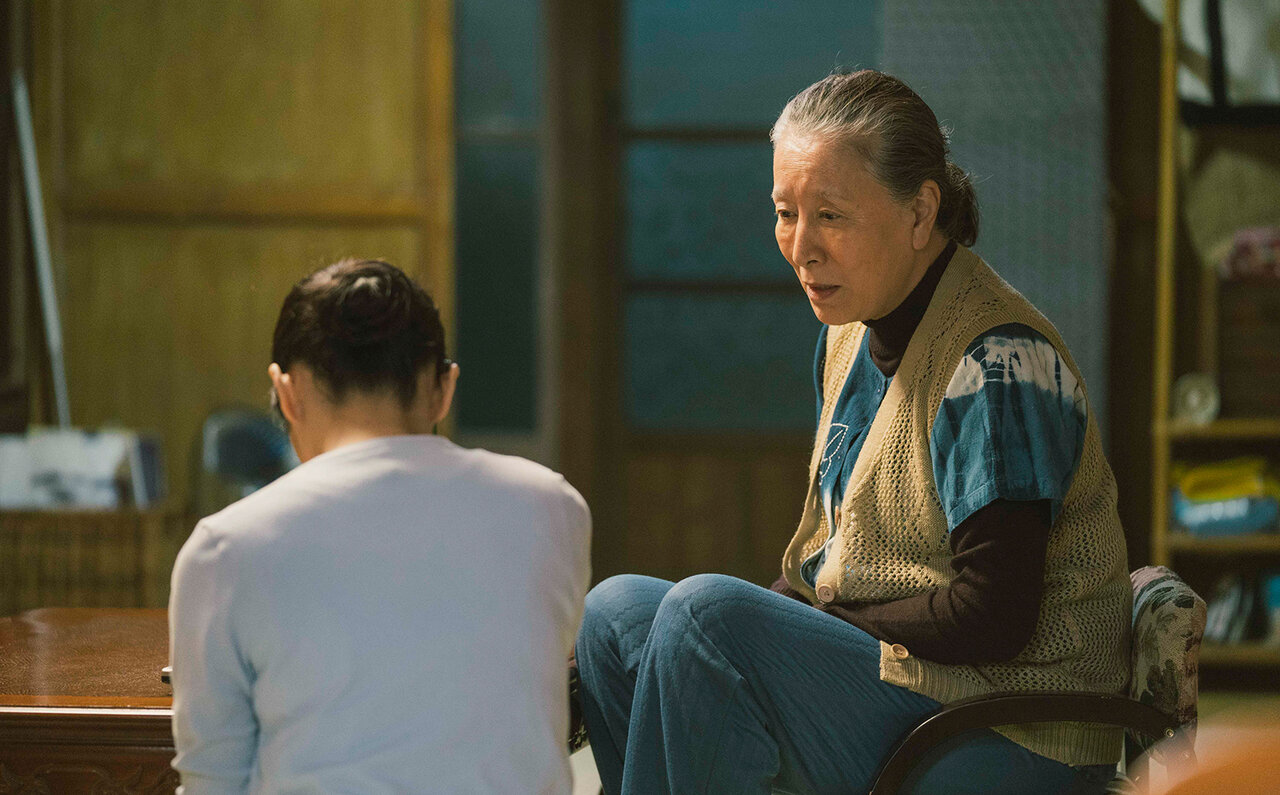
Haga"Majimu's house is set up as a place where three women live together happily. They considered the flow of daily life – whose zone was which, where mother would do her makeup, where grandmother would choose her clothes – and meticulously crafted the walls and other details. They really put a lot of effort into it."
"The colorful accessories and decorations in the car driven by Ippei (Yuichiro Nakachi), Majimu's junior in high school, were also charming. It reminded me of Mr. Haga's signature commercial style."
Haga"Ippei is set up as someone influenced by America, but his home decorations follow his wife, Shiho (Shiho Nakari), who prefers a natural style. However, the car is entirely 'Ippei's room,' so we wanted to convey his admiration for America."
"The detailed character settings for each person are fascinating."
"Beyond the framework of former colleagues from the same company, as you worked together, were there moments when you felt you were getting accustomed to the film set?"
Haga"The preparation and shooting took about three months, but it was really only at the very end. Just when I felt I was starting to get the hang of it, it was already over (laughs)."
Sato"But there was definitely a turning point with that scene, wasn't there?"
Haga"I was contemplating where to place the moment Majimu resolves to 'definitely make Okinawan rum.' If she didn't make the decision in a particular place, her expression would change, so we even considered shooting a version where she didn't decide... We prepared for both option A and option B. When I directed Ito-san, she said, 'I am living as Majimu, a single person. I don't have two choices like 'if this happens, I'll do that.' I am simply following the flow of emotion down one path.' It felt like being struck by lightning, and it was a moment of true realization."
Sato"In the advertising industry, a commercial director shoots both option A and option B to increase the probability and then works with clients and agencies to make the optimal choice, right?"
Haga"Exactly. That day, I stayed up all night reviewing scenes that had multiple possibilities, and one by one, I chose them, turning countless branching paths into a single road. The next morning, when I consulted with Saori-san about my new approach, she said, 'If that's the case, I can proceed as Majimu without any discomfort.' Although Saori-san is much younger than me, as a first-time film director, I learned a great deal from her."
Sato"From around this point, I thought, 'He's really become a director now' (laughs)."
The Director's New Experience: "When I captured a beautiful shot far beyond my calculations, I felt immense happiness."
Haga"At the beginning of filming, I thought I would just push forward according to the blueprint (laughs). But film is completely different. While sharing thoughts with the actors, asking 'What do you think about this?' and drawing out their best performances – that's what film is. For example, in a commercial, it ends in 30 seconds, but in a film, a line delivered after 30 seconds of silence can be incredibly powerful. When I captured a shot that exceeded my imagination, I had to think about the next step on the spot. I felt that time was like a jazz session. I had planned the cutting techniques beforehand, but because I captured a captivating expression, I chose to make it a single long take, and the blueprint had to change, in a good way. I gradually realized that the director's role is to discern and choose in each moment."
"So, you've become a good jazz performer."
Haga"Yes (laughs). At first, I intended to build a 10-story tall building, but in the end, it became a wide, single-story house, which was amusingly different from the blueprint. I realized that as long as the form is visually appealing and effectively conveys the intended message, any form is fine (laughs)."
"Speaking of the blueprint, the scene where Majimu's mother, Sayoko (Yasuko Tomita), and grandmother, Kamaru (Atsuko Takahata), sing while thinking of Majimu was originally placed earlier in the script but was edited towards the end. Was that also a decision made on set?"
Haga"Actually, that's one of my favorite scenes. I wanted to depict the feeling of the mother and grandmother, who had watched Majimu work hard for so long, finally reaching a point where they could accept letting her pursue her dream freely, so I moved it to the latter half. That scene, in a good way, betrayed the blueprint. My intention was for it to be a scene of their resolve to support Majimu, but with Takahata-san's timing, she also expressed the love of a mother worried about her own daughter, Sayoko. It ended up being a scene where they cared for each other, which was an oversight on my part as the designer. Of course, if she were truly living there, not just as an actress, she would worry about her daughter more than anyone. I was struck by the realization, 'That's natural.' In commercials, such interactions and long pauses would be cut short, so I wouldn't have noticed this."
"Did you also think, 'Filmmaking is great too'?"
Haga"Yes, because it creates unexpected and wonderful blueprints that far exceed my imagination."
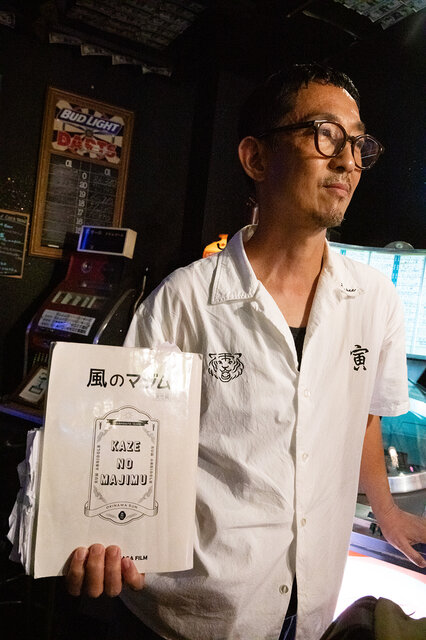
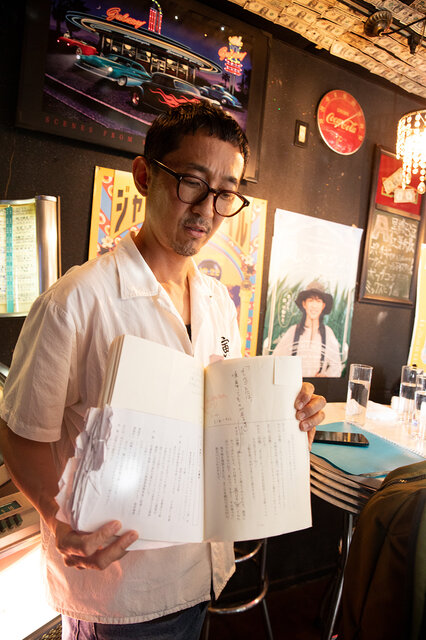
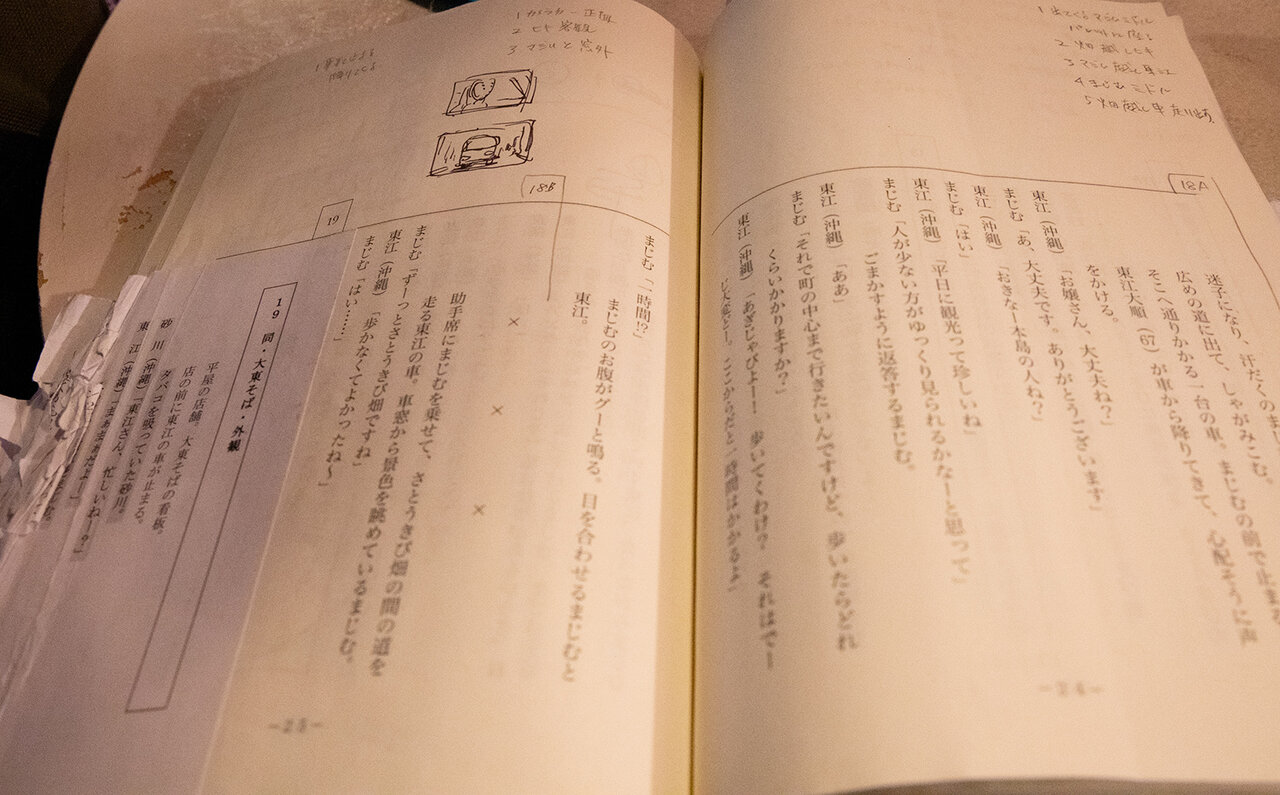
At the beginning of filming, storyboards were used for shot breakdowns. As his ability to visualize scenes without them grew, the number of sketches decreased in the latter half. The sticky notes indicate "off-dialogue" (conversations before and after the main lines). While ad-libs are sometimes used in standard Japanese dialogue, here, with Okinawan dialect, there are numerous sticky notes for off-dialogue.
"Mr. Sato, what is your favorite scene?"
Sato"For me, it's when Majimu's supervisor, Nakasone (Ichiro Hashimoto), says, 'Not having sweets is like not having water at a rest stop.' He's an unpleasant boss, but Hashimoto-san's portrayal made him such a charming character! It's wonderful."
"Finally, please share your heartfelt message to everyone."
Haga"We are currently in a 'windy era,' and this film is part of that. Just as wind blows through and affects things, when people move, they bring about change in their surroundings. Majimu is a person of the wind, but conversely, there are people like the grandmother, who are rooted in one place like the earth. It's good that there are all kinds of people. Success doesn't come solely from 'working hard'; 'sincerity' can also bring happiness to the world, and it's okay to be yourself. I would be happy if people felt, even a little, that the world is surprisingly kind."
Sato"This film falls into the category of 'workplace dramas,' but it's not simply Majimu's individual success story. My theme was to depict how one's passionate aspirations spread and are supported by family and those around them, without being preachy. If the viewers feel a sense of warmth after watching it, that would be the greatest reward."
"Thank you for spending so much time with us."
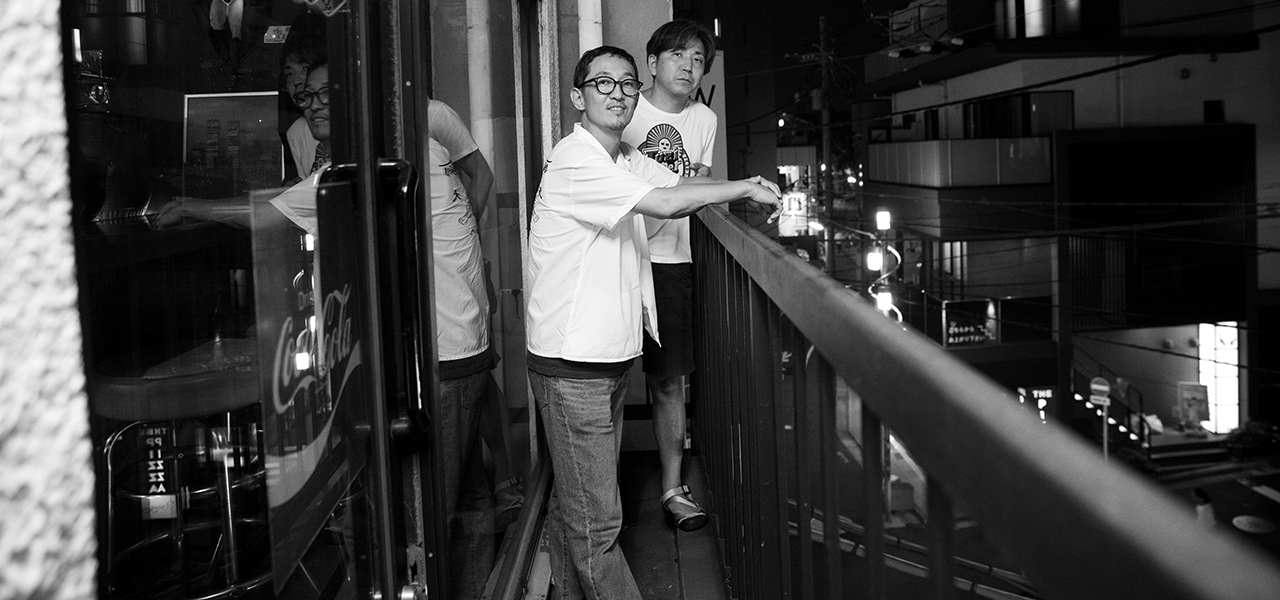
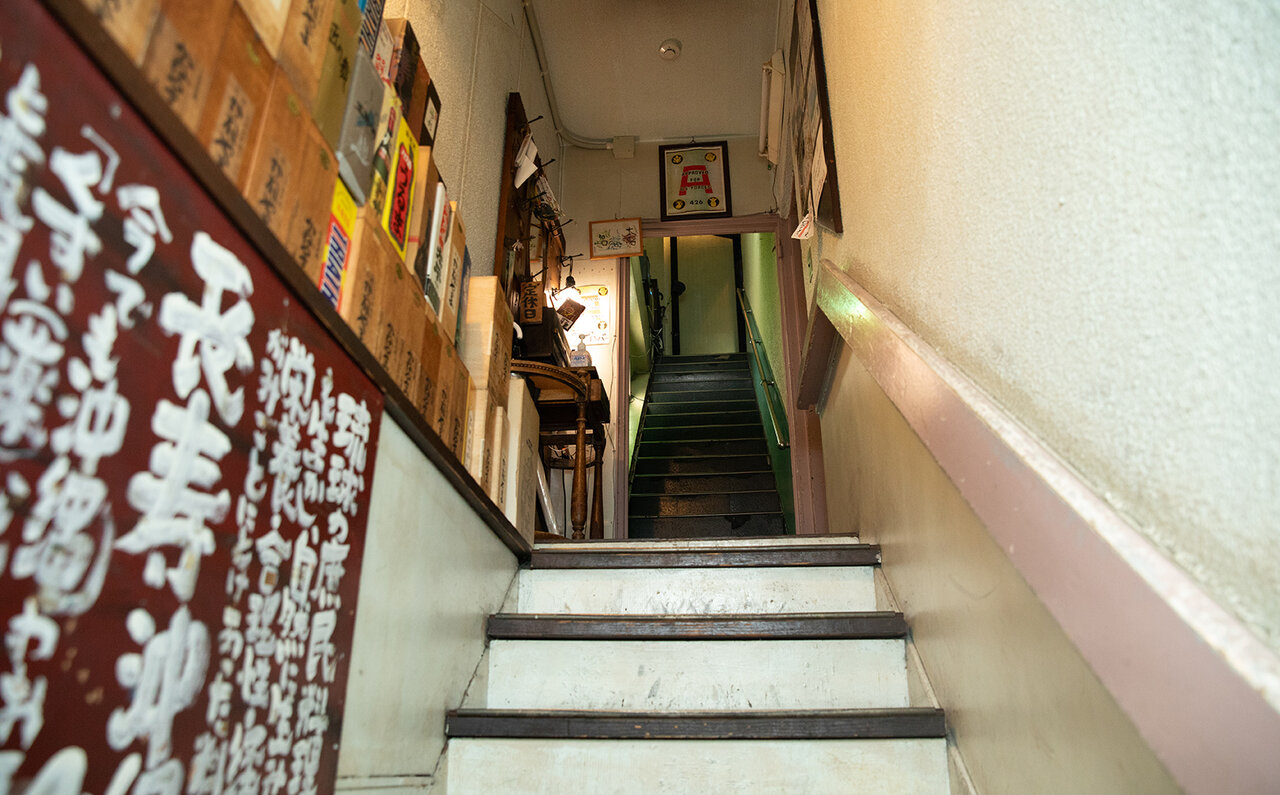
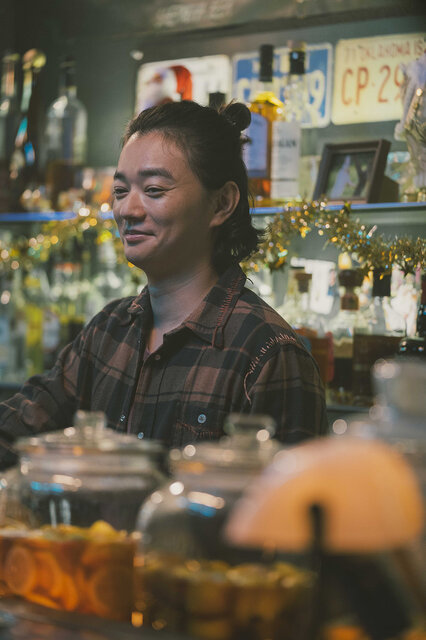
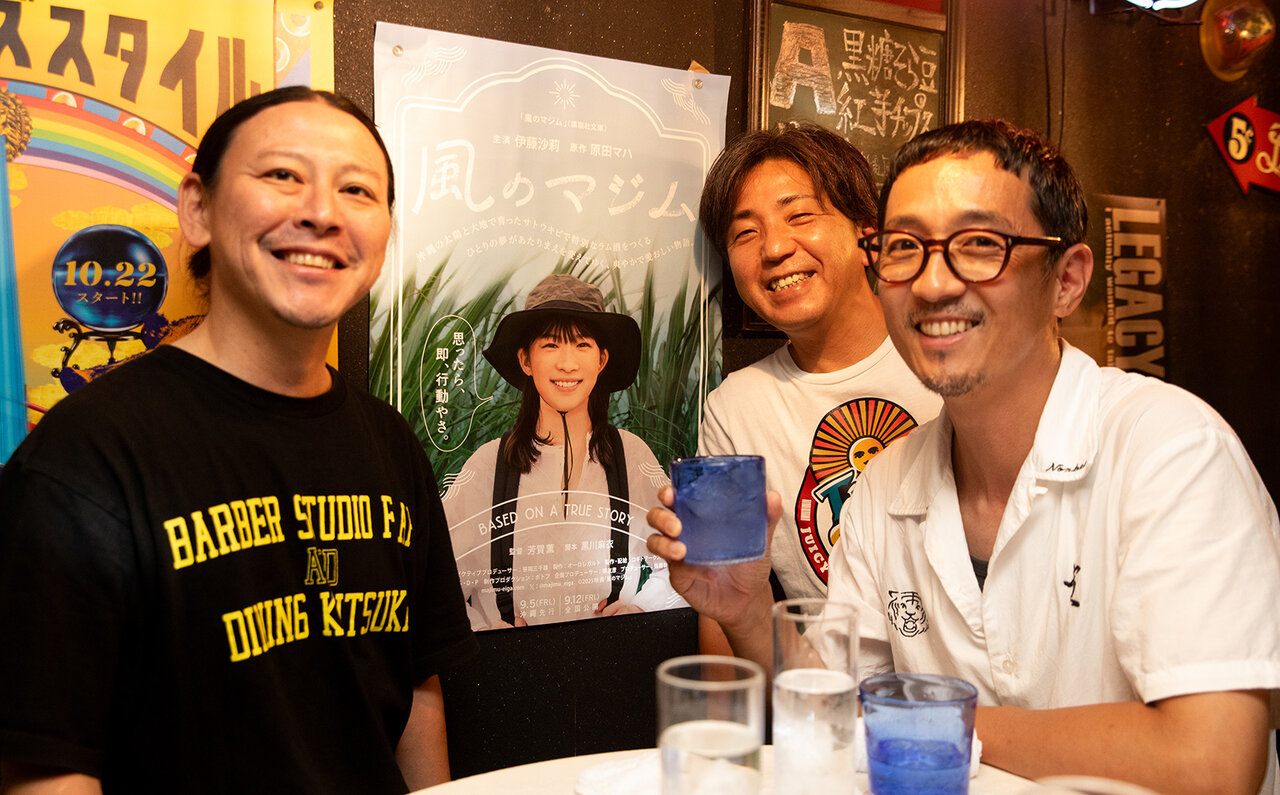
Feeling a bit tired from the serious discussion, we'll conclude with a special segment: the top 5 most interesting answers. Moving to "A Sign Bar No. 2," the setting for Goro's bar, the conversation shifts to a slightly more relaxed tone...
Special Chat: "Top 5 Things That Made Me Go 'Wow!'" - A Personal Investigation
5th Place: "What is your favorite part of the creative process?"
Haga"Everything!"
Sato"Editing!"
Haga finds all stages, from planning to shooting and editing, difficult but loves them all. Sato, on the other hand, enjoys editing the most, stating, "From my position, I observe the performances from a slight distance on set, so I can offer opinions from that perspective. Editing is fascinating."
4th Place: "What have you spontaneously come up with and achieved, like Majimu?"
Haga"Director's Farm."
Sato"Founding a company—Pot au Feu Inc."
In 2006, Haga created the "Director's Farm" system. At a time when young people who hadn't graduated from prestigious universities were unlikely to be hired as directors at production companies, he established a place where aspiring creators could train. While the young people weren't paid, they gained opportunities to participate in planning and directing on live projects. Clients, in turn, benefited from fresh talent and ideas at a lower cost—a win-win system that produced many popular creators.
Before establishing Pot au Feu Inc. in 2016, Sato, working as a line producer (primarily managing budgets and schedules until completion) on a project-by-project basis, often encountered projects where the initial plans simply didn't fit the schedule or budget. Based on this experience, he founded the company with the aim of reducing financial risks and improving quality by being involved from the project development stage.
3rd Place: "What impressed you about Saori Ito?"
Haga"The acting scene in the bar when her colleague, Fumie, says, 'Majimu, you were a career woman, weren't you?' and Majimu replies, 'Huh? No, that's not it.'"
Haga was captivated by Ito's performance, which conveyed Majimu's genuine desire to make rum and share it with everyone, not to climb the corporate ladder. He was impressed by how she fully embodied Majimu's personality and captured the subtle nuances.
Sato"A 'people-pleasing' ghost. I was simply in awe of her high communication skills."
2nd Place: "Why did you ask Naotaro Moriyama to perform the theme song?"
Haga"Mr. Moriyama saved me."
Haga found solace in Moriyama's "Nippon Hyakka" (a YouTube channel where he sings his favorite songs in his favorite places with just a guitar) during the pandemic when the world felt down. He felt a message of happiness not just from striving hard, but also from considering others and nature. Since Moriyama's songs resonated with the film's theme of "30% effort, 70% sincerity" to bring happiness to the world, Haga felt he was the only one who could do it and poured his heart into a letter. His passionate plea was heard, resulting in a rhythmic and nostalgically beautiful song.
As the lyrics of the theme song "Ano Yo de Ne" suggest, perhaps writing letters occasionally is a good idea.
1st Place: "Who in the film most resembles you?"
Haga"Tokioka."
Sato"Toei-san (Katsuhiro Higo)."
Sato"I'm Goro, aren't I?"
A murmur goes through the group.
Haga"Are you saying that yourself? (laughs) You're the second male lead character, though?"
Sato"Not visually, but internally. The stance of thoroughly supporting others. Ah, but Higo-san might be similar too. 'If asked, I guess I have no choice,' he says."
"Let's go with Higo-san."
Haga"I don't see myself in anyone. I'm different from everyone."
Sato"Not Sena-ha-san either?"
Haga"Surprisingly, I might be like Tokioka (laughs)."
Sato"I knew you'd say that."
Haga"If left to my own devices, I tend to spout logical arguments."
Sato" 'Minami Daito Island!? Where is that?' (laughs)"
Haga"Can I be that sarcastic? I've become influenced by Tokyo, sophisticated and rational."
Sato"Is there anyone you'd like to be like?"
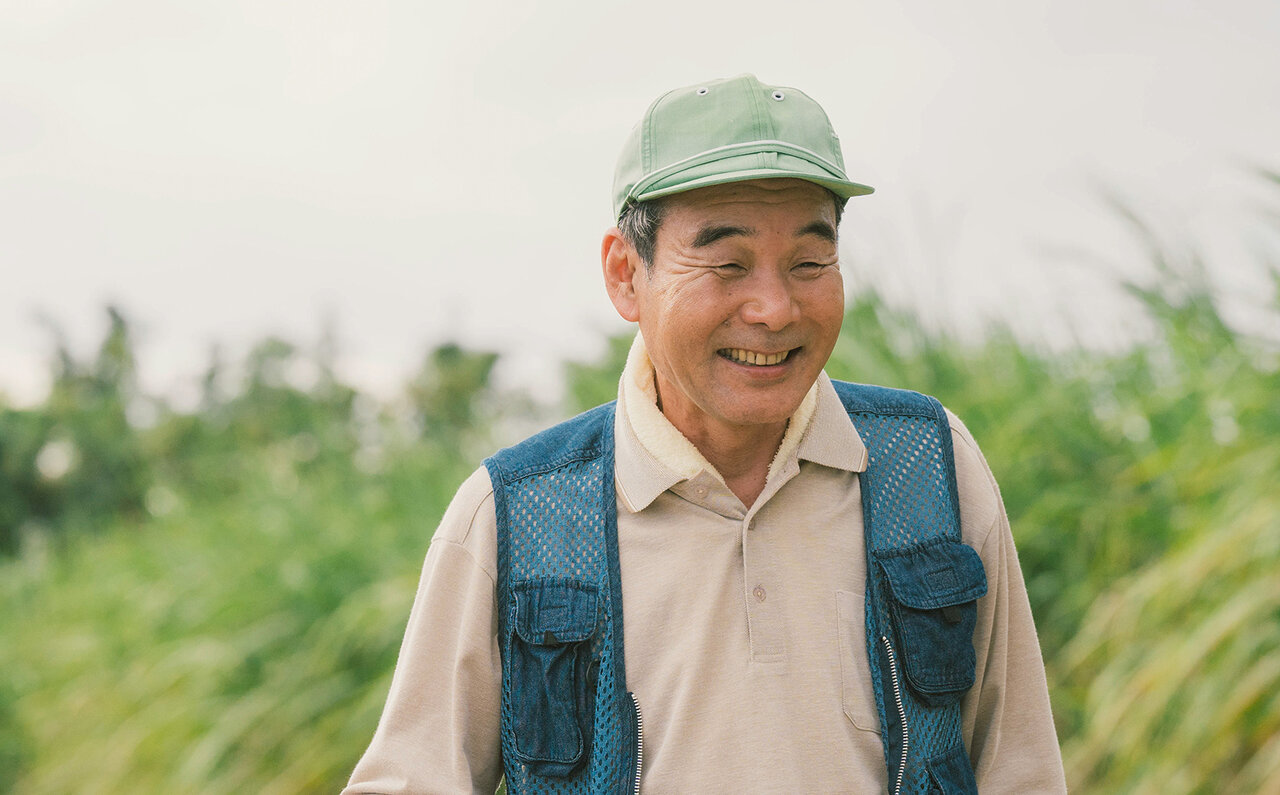
Haga"I respect the grandmother. She has her own firm beliefs, but she doesn't impose them on others. Her diligent approach to work reminds me of my parents and grandparents, and it's a way of life I aspire to."
Sato"If I'm not careful, I might accidentally become Tokioka."
Haga"That's dangerous (laughs). But from a certain perspective, Tokioka is saying the right things. He's not trying to deceive Majimu; he's simply judging based on his professional pride whether something is possible or not. It's just his perspective within his own world."
Sato"When working in society, we tend to rely too much on rationality and logic."
Haga"Including myself, it would be good if everyone realized they might be becoming like that."
Haga and Sato"Ultimately, the person who is most like Goro is the manager of A Sign Bar No. 2 (laughs)."
Everyone nods deeply, swallowing their thoughts along with the awamori. As those who have shared meals from the same pot, the conversation continues, and the night deepens...
In their twenties, Sato joined a location coordination company in the commercial industry, marking his entry into the world of visuals. Meanwhile, Haga, after graduating from art university and visiting major film companies, was told he'd need "10 years of groundwork." Not wanting to spend his most creative twenties in that way, he turned towards the commercial industry, which he admired, led by Kazumi Kurigami.
A few years later, their paths crossed, and they met at "Pyramid Film." They parted ways, only to reunite 20 years later on the stage of "film." Haga, one of the few directors who didn't shout during the intense shoots of their past, fulfilled his dream of becoming a film director after 30 years. Sato, who had always been a mediator between people, had established his own company.
I, the writer, was also one of those who worked frantically at the same company (and was quite pushed around). This interview, which began with the theme of examining the films of my seniors from the perspective of a former colleague, revealed that my seniors, meeting again after 20 years, still showed me the same passion for their dreams as they did back then. Perhaps passion keeps people from fading?
"Kaze no Majimu" is a human and warm film, filled with their personalities, to be watched without prejudice. Every character possesses a pure heart. If you watch it with an understanding of their personalities, it will deepen your appreciation and add a delightful new flavor (a personal wish).
Finally, I will conclude with the words spoken by Mother (Yasuko Tomita) and Grandmother (Atsuko Takahata) to Majimu, which resonated most with me and inspired me to live a life worthy of them from now on.
"There's a proper order to things, isn't there?" — Sayoko Inaba
"If you get the most important thing wrong, you're done for!" — Kamaru Inaba
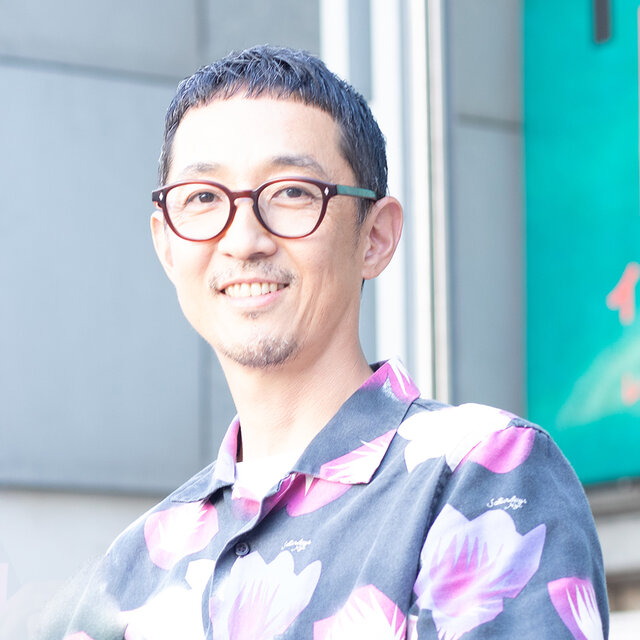
Kaoru Haga
Born in 1973 in Tokyo. Graduated from Musashino Art University, Faculty of Art and Design, Department of Visual Arts. His representative commercial works include the "Lemongra" series starring Hiroshi Abe as the shop owner, the "Meiji Yasuda Life" series where Kankuro Kudo and Tori Matsuzaka play brothers, the "JR SKISKI" commercial series that garnered attention with its copy "Ask the snow for the answer" and featured Suzu Hirose and Junro Murakami, and the "TOWN WORK" commercials depicting the working lives of Haruna Kawaguchi, Ryunosuke Kamiki, Fumino Kimura, Kei Tanaka, and others. Beyond commercial direction, he has also worked on numerous projects beyond conventional boundaries, such as Ken Hirai's "POP STAR" music video, short TV dramas, and stage direction.
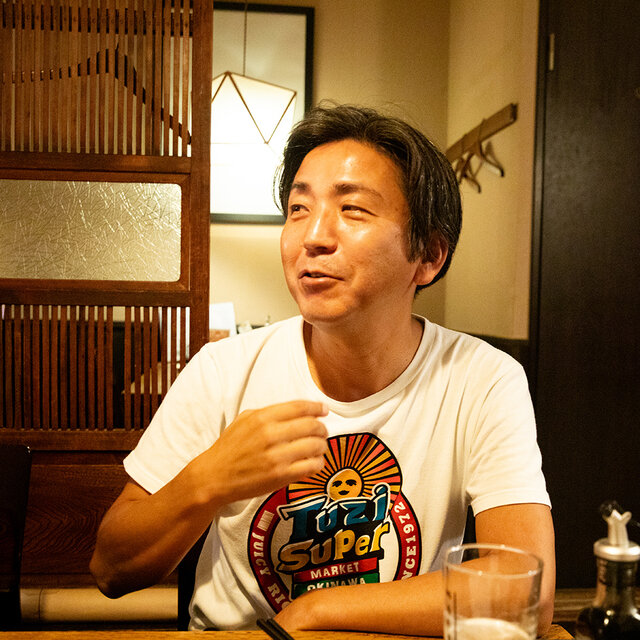
Mikiyasu Sato
He has been involved in numerous film and drama productions and established Pot au Feu Inc. in 2016. His major works include "Matomo Janai no wa Kimi mo Issho" (21/Director: Koji Maeda), NETFLIX's "First Love" (21/Director: Yuri Kanchiku), and "Futsu no Kodomo" (25/Director: Miho Oh). His upcoming film, "Muyono Hito," is written and directed by Masaharu Harada.
Film Information
Film "Kaze no Majimu"
"I want to make rum from Okinawan sugarcane"—Majimu Inaba (Saori Ito), a contract employee who has lived an ordinary life, challenges an in-house venture competition to realize her dream of creating pure Okinawan rum. Supported by her family, including her grandmother, Kamaru Inaba (Atsuko Takahata), who has run a tofu shop for many years, and her mother, Sayoko Inaba (Yasuko Tomita), Majimu strives to achieve her goal, involving her company colleague, Fumi (Fumi Onodera), the manager of her favorite bar, Goro Goto (Shota Sometani), and the people of Minami Daito Island. "Majimu" means "sincerity" in Okinawan. This "sincerity" not only permeates the film but also reaches the viewers, bringing a gentle breeze to their hearts.
Director: Kaoru Haga / Screenplay: Mai Kurokawa / Starring: Saori Ito / Shota Sometani / Gen / Kavka Shishido / Ichiro Hashimoto / Fumi Onodera / Yuichiro Nakachi / Mone Shimoji / Hiroki Kawata / Hidekazu Mashima / Katsuhiro Higo / Kenichi Takito / Yasuko Tomita / Atsuko Takahata
Original Story: Masaharu Harada
Production: Aurore Gault
Production and Distribution: Cogitoworks
Co-Distribution: S.D.P
Production Company: Pot au Feu
Theme Song: Naotaro Moriyama "Ano Yo de Ne"