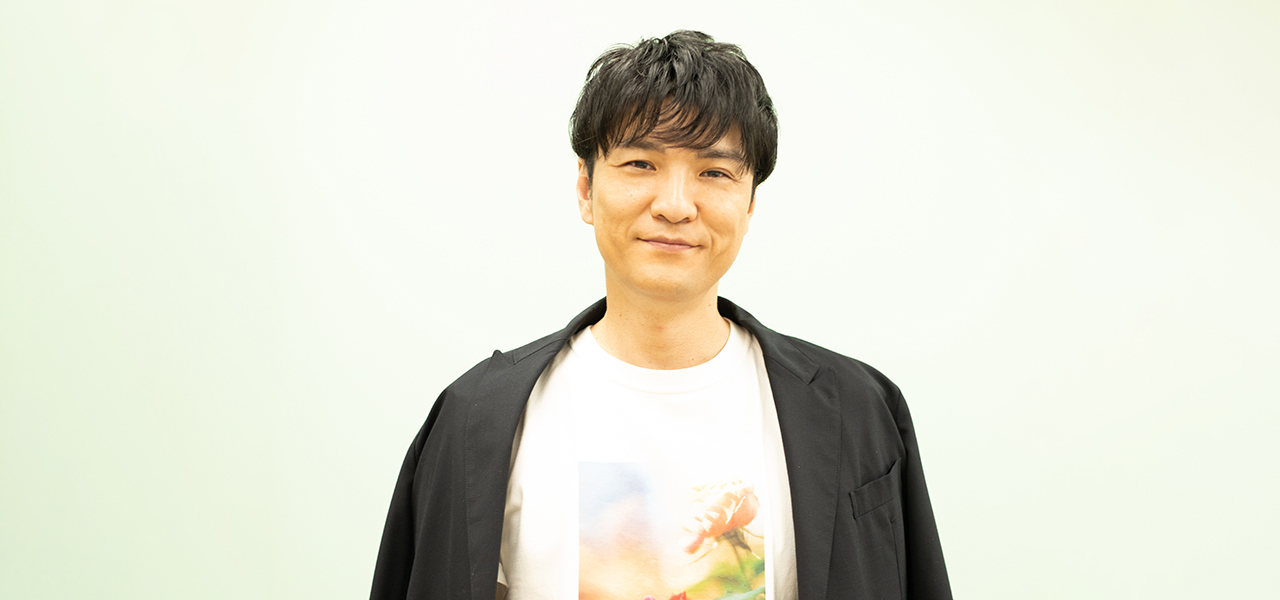
Naotaro Moriyama, Who Performed the Theme Song for "Kaze no Majimu," Discusses the Film's Wavelength, Melody, and His Sixth Sense
MOVIE | MAJIMU OF THE WIND
Harada Maha's "Majimu of the Wind" is adapted into a film. The story depicts the protagonist Majimu Inaha, played by Sai Ito, striving to "create rum from Okinawan sugarcane" by utilizing an in-house venture competition. Naotaro Moriyama, who performed the theme song, praised the film, saying, "I couldn't stop crying. It's a film that, in a way, illuminates the present world and offers salvation." He shared his heartfelt thoughts with us.
Text and Photographs by KATO Junko
That there are people who can create such a sincere and pure story in this era
— First, could you tell us your favorite color, hairstyle, and your personality?
Moriyama"My favorite color is beige, and I like a Japanese-style hairstyle. My personality is delicate."
— Was there a deciding factor in taking on this job?
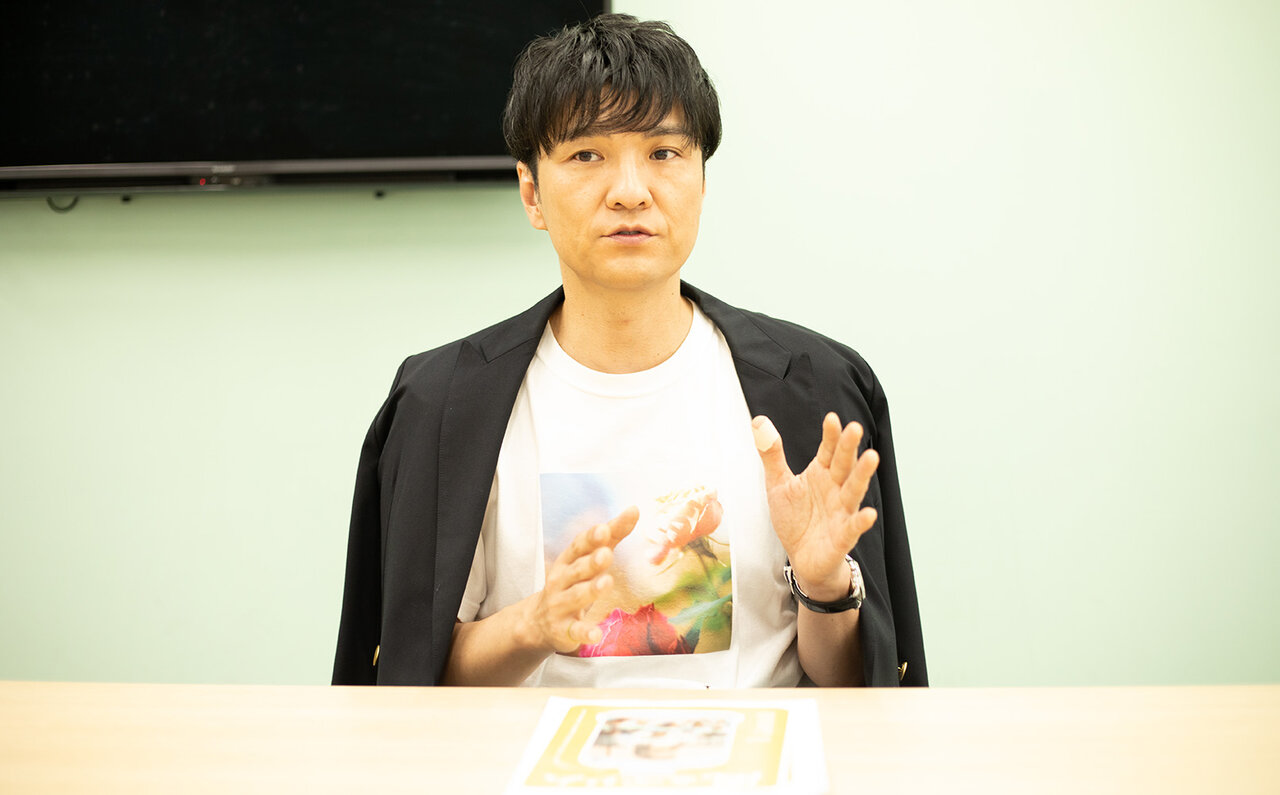
Moriyama"I believe my music falls into a niche genre, and my way of working is also unique. Therefore, I was very grateful to be specifically requested, and I felt there must be a significant reason for choosing me for the theme song. When I first met the director and producer, I could sense their sincere and meticulous approach to creating the work, so I decided to find ways to contribute to making this film even better."
— The director mentioned being moved because it far exceeded his expectations...
Moriyama"I'm happy to hear that. I vividly remember the very first meeting, where they said, 'This isn't just a theme song. The song itself is meant to be integrated into the story and daily life, so we need it before principal photography begins.' That was unusual; normally, we create music after seeing the completed work or script. So, although I didn't fully grasp the meaning of their words, I was overwhelmed by their immense confidence, which matched their statement (laughs). Their strong vision of the song becoming part of the film's narrative drew me in with its directness."
— Were you asked from the beginning to create two songs: one for the film's score and one for the ending?
Moriyama"No, it was different. Initially, there wasn't a clear indication that the theme song itself would be sung within the film, but I was told they envisioned the music playing a role in the narrative. Furthermore, the director had a firm conviction that everyone should imagine the song and feel it deeply while acting before principal photography began. I'm not sure if they had such successful experiences before, but I had never encountered people who approached filmmaking with such strong conviction, which really piqued my sense of challenge!"
— Then, how did the two versions of "Ano Yo de Ne" come about, and why were they divided into two albums?
Moriyama"It's a bit complex. One of the two albums is 'Yuzuriha,' an ambient and instrumental world. The other is completely different, 'Yeeeehaaaaw,' a lively album with a country and western feel, centered around a bluegrass ensemble. Originally, 'Ano Yo de Ne' was only intended for the more subdued 'Yuzuriha.' As I learned more about the film's content, I felt the theme was 'the story of Majimu and her grandmother,' so the title 'Ano Yo de Ne' felt fitting. However, the director and producers seemed to have a more positive and encompassing image. I worried that a simple, stripped-down arrangement like a solo performance might clash with a story that ends on a positive note. That's when I remembered that when this song was first created, it was a very pop song, a blend of street performers and country western. So, by making the song the same with different starting points and styles for the two albums, it would convey my intention that 'these two albums are actually one.' It made me reflect on the origin of my songwriting through this film. The two songs naturally came about from that process."
— So, "Ano Yo de Ne" wasn't written from scratch but emerged naturally?
Moriyama"Yes. Writing from scratch usually involves watching the film, reading the book, and creating for that specific purpose. I'm not very good at that; when I try to fit myself into a mold, I end up being confined. Therefore, I was very pleased with the impression that something was created that slightly deviated from and exceeded the director's expectations (as I mentioned earlier). This is because, at the same time, the director was creating a film with similar universal sentiments, and I was creating a musical work, and our paths crossing felt like a serendipitous encounter. To the audience, it might feel like this theme song was written specifically for this film, but it's a strange outcome where something I created like a rough sketch, without anyone commissioning it, later led to the feeling, 'Huh? Was this song meant for this film?' When you've been active for a long time, such connections tend to happen."
— Life is interesting, isn't it? How was the title "Ano Yo de Ne" decided?
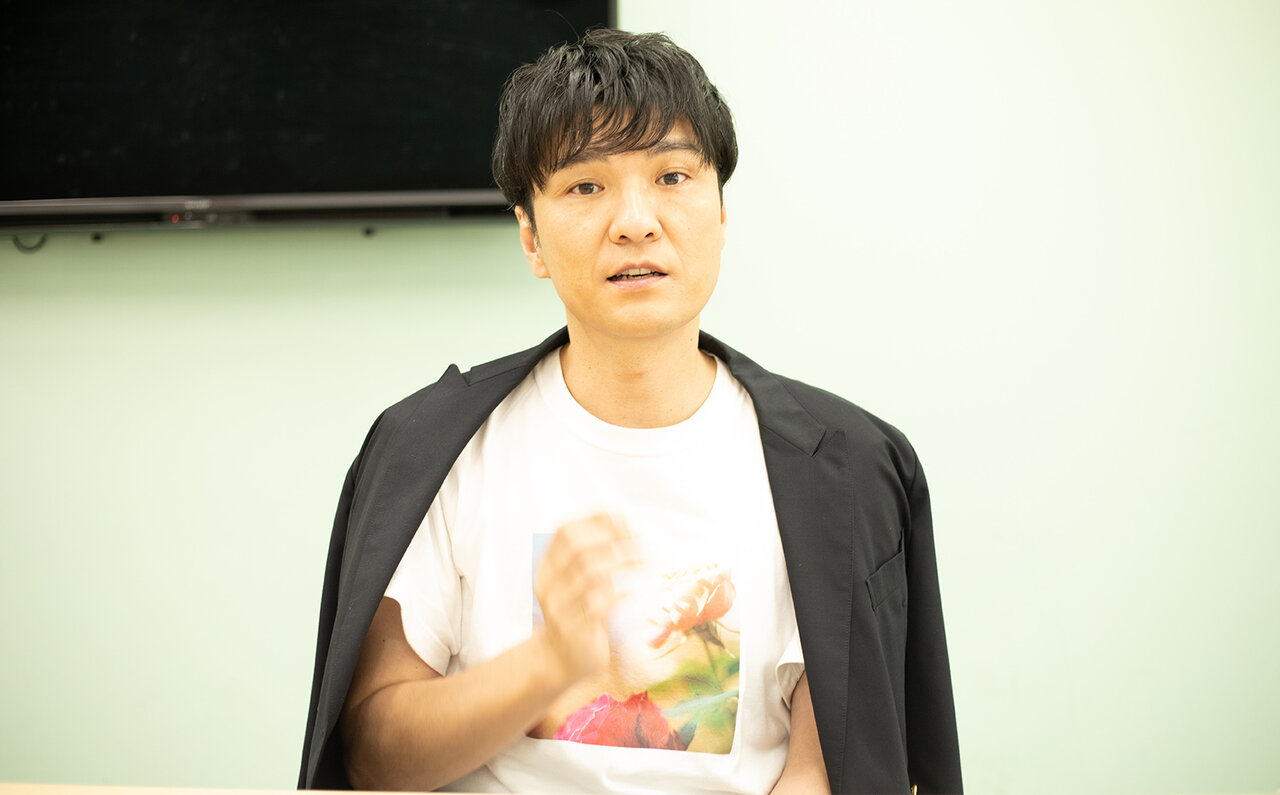
Moriyama"Honestly, just between us, they initially asked me to change the title. I actually thought it was a bit too much of a leap, as the film's theme is simpler. But knowing that there are various people and different interpretations, and even though I worried I might cause trouble, I felt I could take responsibility as a creator this time. I carefully explained the imagery of the song connecting three generations—Majimu, her mother, and her grandmother—with a single baton, and they eventually agreed. That process was also very significant and important to me for this song."
— How are lyrics that touch the heart, like "Daphne whose tears have dried" and "Cicada chorus echoing in the spirit," created?
"You know (laughs). I don't read books much, and I'm not very eloquent. The music comes first, and I simply gather the words that I hear from within the melody of that song. I don't have much of a message myself; I create quite intuitively. This is getting very spiritual, but (laughs). I don't experience the sensation of 'poetry descending' as people often say. Instead, it's like, 'I just noticed something that was there all along' when a song is created. That's why the title 'Ano Yo de Ne' didn't come to me until the very end. While I was making it, thinking about its seven-five syllable structure and its sing-song quality, the idea of saying, 'Let's meet by the tobacco shop, past the post office, in the afterlife,' just popped into my head, something like that (laughs). It relates to the story of them opposing the title, but death is often perceived as negative or frightening because it's unknown, right? But we don't know until we die, and perhaps it might be more comfortable than the world we live in now. When I could imagine that feeling, I think the perspective of our current existence might change slightly. With that in mind, the phrase 'Ano Yo de Ne' probably came out naturally."
— So, it is descending upon you, isn't it? (laughs)
Moriyama"(Laughs). When I feel a particular phrase is a bit of a habit, I do ponder and delve deeper into it, of course."
— The opening lyrics truly resonated with me. Since I'm not good with words, I followed the lyrics and wrote a letter, and when even that was difficult, I prayed (laughs). Especially the part 'At the village shrine...' sounded like 'chinsha' (to me), and I imagined a place for appeasing spirits, a quiet forest, or a shrine, and my imagination ran wild, taking me to another world...
(Opening lyrics)
If words fail, embrace me
If we're apart, write me a letter
A red dragonfly perched on my shoulder
If there's no ink, use blank paper
Thoughts that bleed into the void
If a letter is impossible, let us pray
The stone pavement of the village shrine
If words fail, embrace me
If we're apart, write me a letter
A red dragonfly perched on my shoulder
If there's no ink, use blank paper
Thoughts that bleed into the void
If a letter is impossible, let us pray
The stone pavement of the village shrine
Moriyama"Thank you. The overarching concept is a mother singing about her lost daughter, but it's actually about herself having been separated and having died. So, in either case, a sense of appeasement flows through this song, which might be why it sounds that way. This film is Majimu's story, but personally, I feel it's the grandmother's story, and it's from her perspective. That's why, when the grandmother's health declined in the film, I worried, 'Oh no, did my words carry too much weight?' but thankfully she was alive (laughs)."
(The film's producer, Tomohiko Seki, who was present, interjected)
Seki"Hearing that, I remembered Hiromi Mandai, the president of Sai Ito's agency. She's very famous in the industry and beloved by everyone, but she passed away before the film was completed. (It's not that she attracted this outcome, but) Mandai-san gave us various advice during the scriptwriting phase and on set, and we worked together towards its completion. She was the one person we most wanted to see it. We included Mandai-san's name in the end credits, and as the theme song 'Ano Yo de Ne' played, I felt happy thinking she would be able to see it from the afterlife. I felt a sense of happiness."
Moriyama"I heard she was very fond of Sai-san as well, so it must be a work with deep meaning for her too."
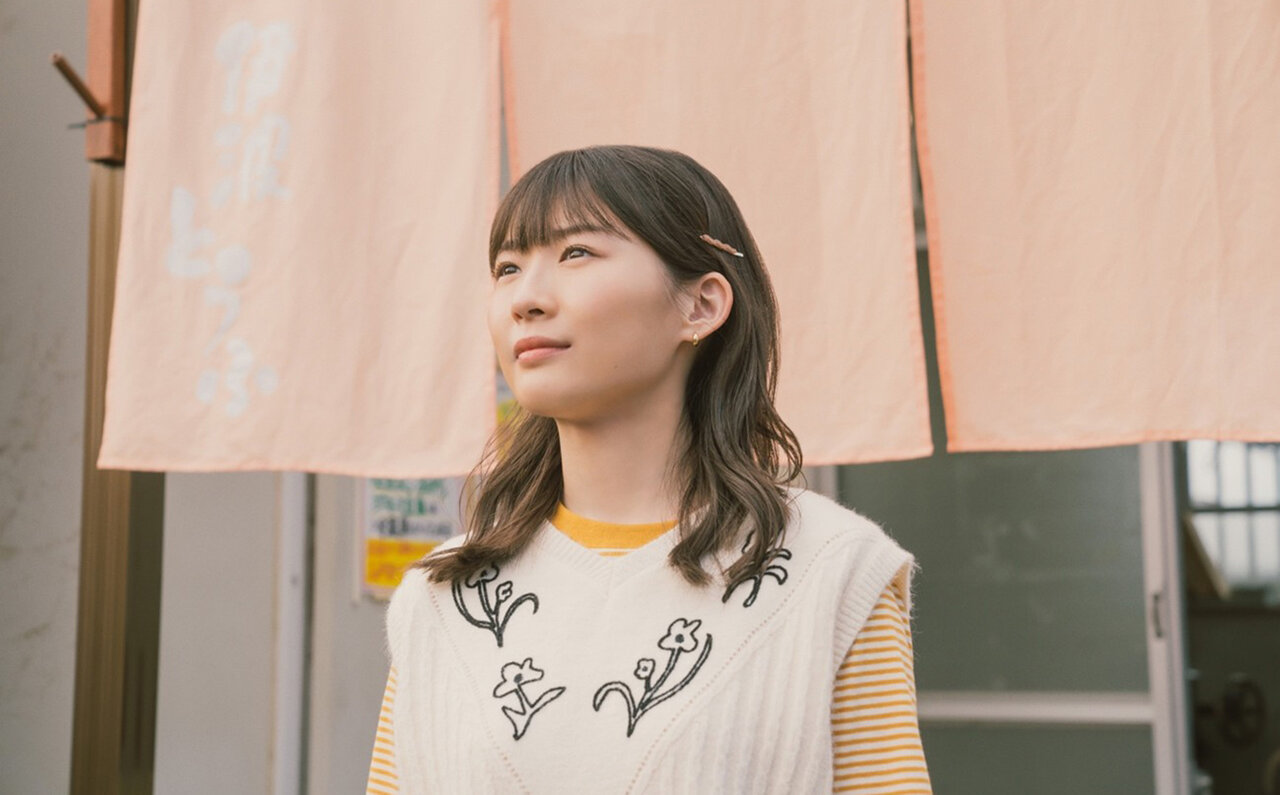
— Please tell us your impressions of the film.
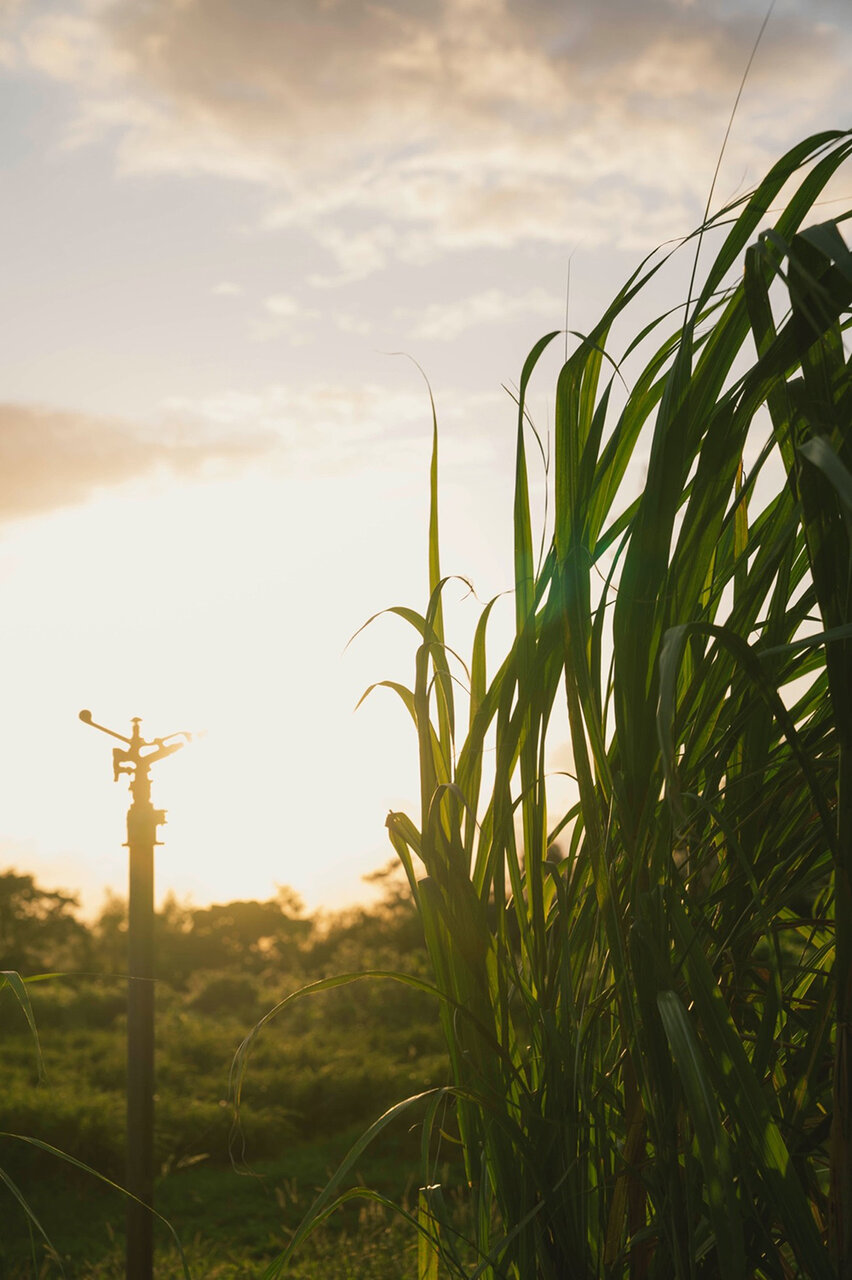
Moriyama"First and foremost, I suddenly had an intense craving for rum! It was also the height of summer, which probably contributed. Majimu's presentation was incredibly persuasive. Speaking about the film as a whole, it offered a sense of salvation, making me realize that people can still create such sincere and pure stories in this era. It's difficult to make a positive film based on a true story, yet it clearly depicted the human drive to live and the grandmother's passion for making tofu, which Majimu inherits through rum, albeit in a different form. Japanese people creating something original using Japanese wisdom and their own land. Even though rum is a foreign liquor, it's rooted in the land and has value, ultimately creating new assets—that feels very Japanese. The story is grounded in the sincerity that Maha Harada, the original author, espouses, and the work itself feels incredibly relevant to the present day."
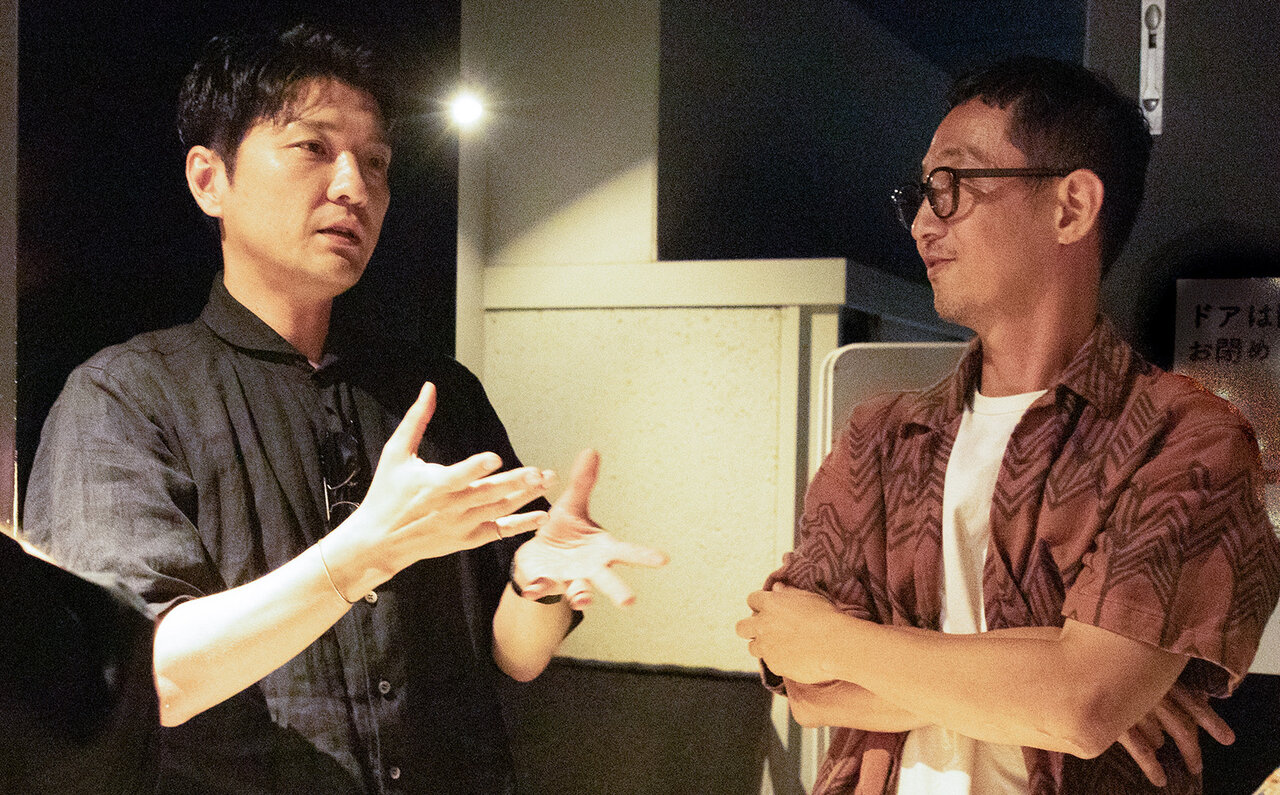
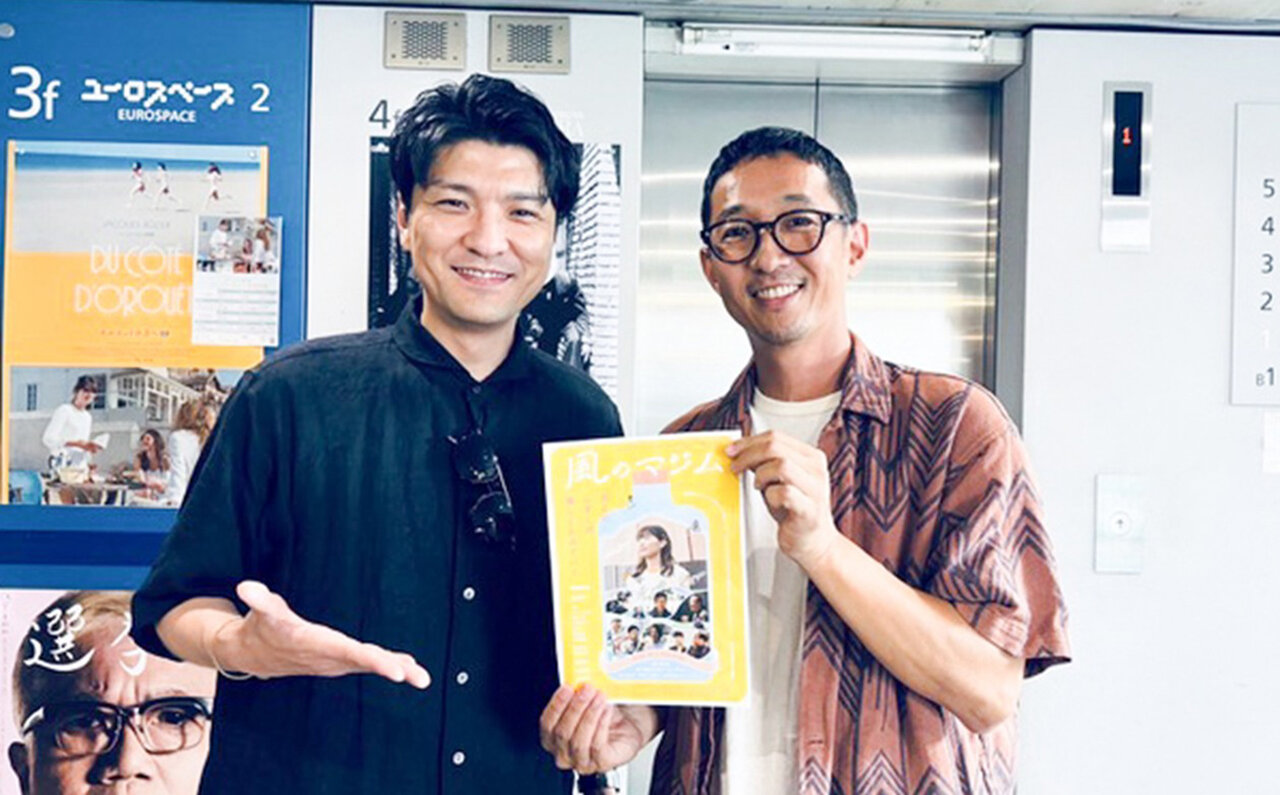
After the preview screening, Moriyama expressed his deep emotion to director Kaoru Haga.
— There were also scenes scattered throughout that evoked a sense of the Japanese spirit...
Moriyama"Exactly! It depicted the good old Japanese family structure prominently. At first, it felt a bit embarrassing, but then I thought, 'Yes, this is where we come from.' It deeply resonated with our roots. Even though Ren Takada, who composed the score, and I knew the script and visuals, there was a scene that made us cry uncontrollably (laughs). Two grown men sobbing, it was quite embarrassing."
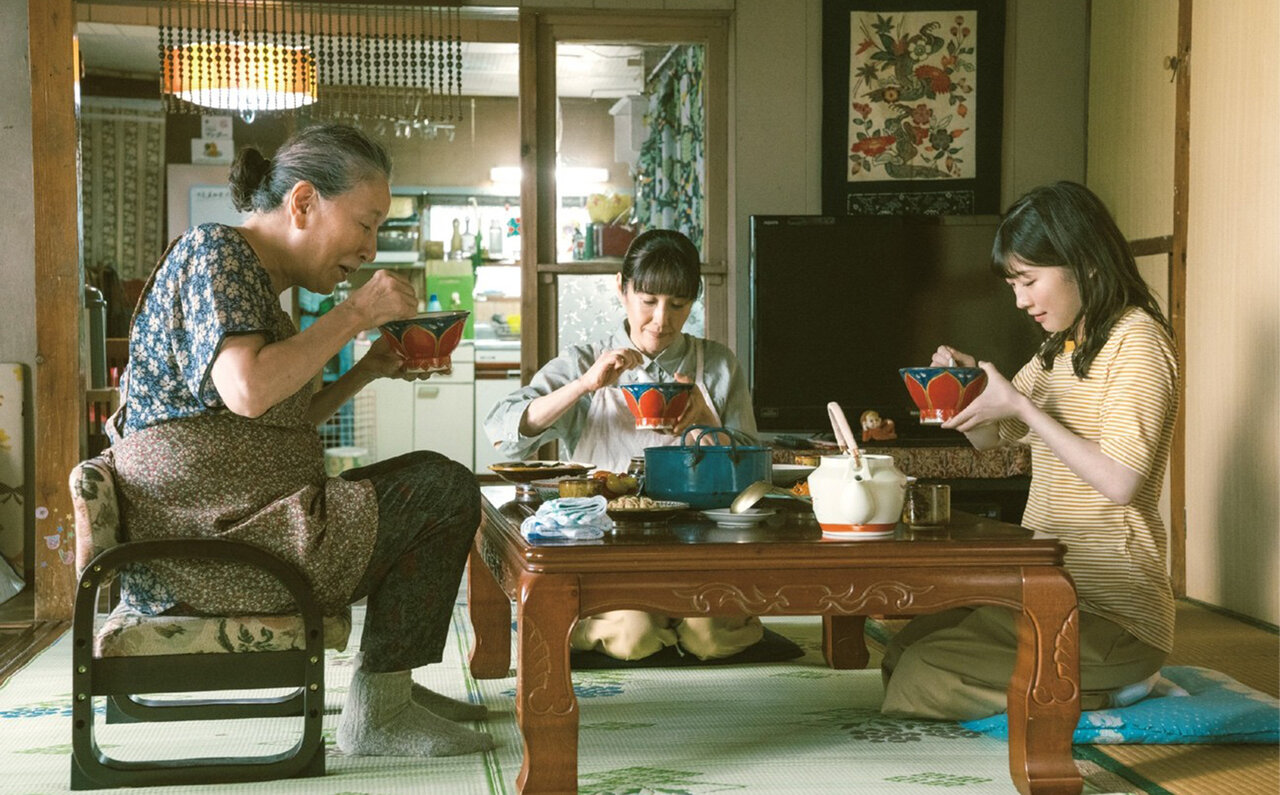
— The characters were also very charming, weren't they?
Moriyama"I was particularly struck by the immense depth and capacity of Sai-chan, who portrayed that role so fully."
— Nowadays, aren't there very few pure and ordinary children like Majimu? Everyone is drawn to them and comes to love them. Were there any other characters you empathized with?
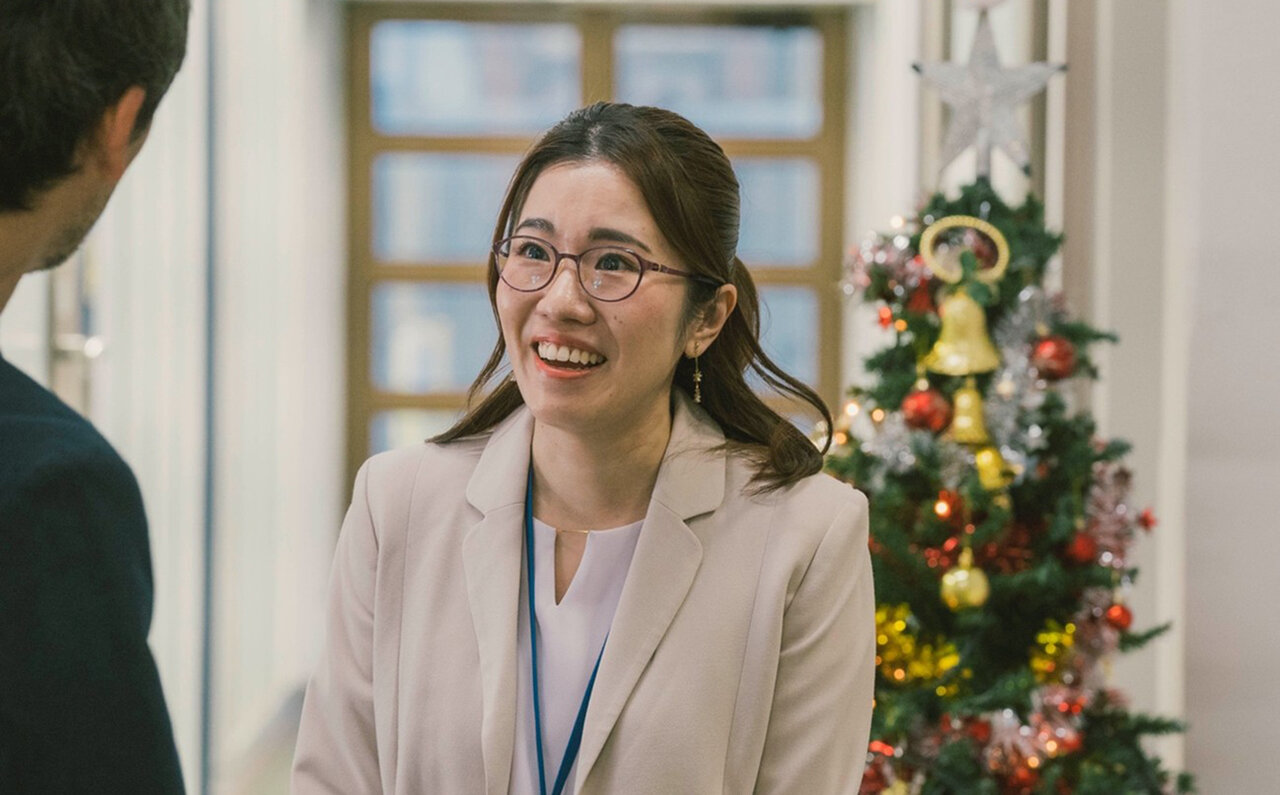
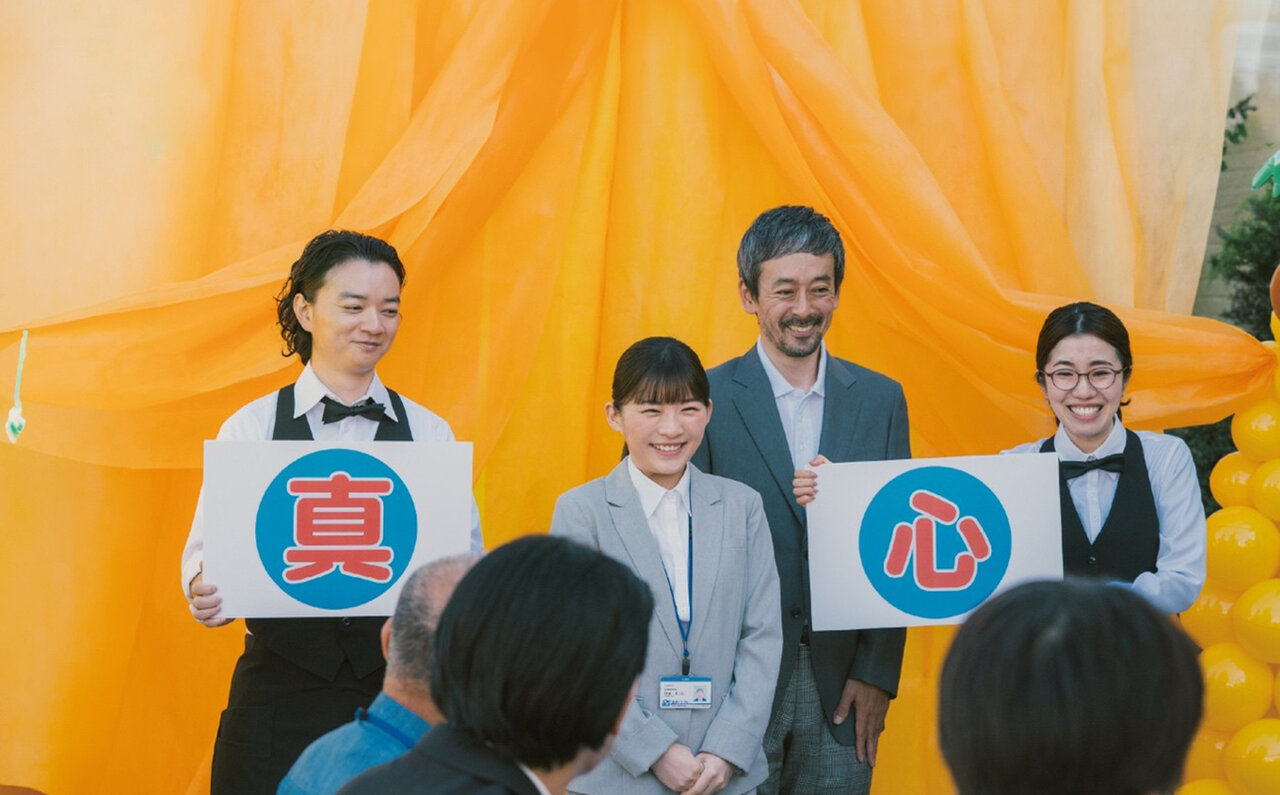
Moriyama"Many characters reflected aspects of myself, so I found myself relating to them. Among the many endearing characters, the one who made me laugh the most was Zuru Onodera, who played Majimu's colleague, Fumie Chinen. It was a very challenging role, but her presence brought a sense of nostalgic comedy, and she was truly wonderful. Kenichi Takito as Senaha and Shota Sometani as Goro were also excellent, but she stood out remarkably. I believe the film would be entirely different with or without Fumie! The final presentation, despite being a bright scene, made me cry uncontrollably. I guess I was really tired (laughs). But speaking of being tired, perhaps everyone is exhausted, uncertain about the future, and anxious about global affairs. Because we're tired, when that handmade presentation unfolded, Goro and Fumie helping out—that truly made me cry buckets (laughs)."
— Regarding the albums, was there something you wanted to express by releasing two simultaneously?
Moriyama"During my previous tour, 'Wonderful World,' I performed 100 shows in three formats—solo, band with a bluegrass ensemble, and full band—divided into the first, middle, and final parts. I found great appeal in the contrast and emotional depth of expressing different facets of myself simultaneously without changing the season. In this case, there are aspects of myself that cannot be expressed solely through bluegrass, just as there are parts of me that cannot be conveyed solely through the ambient world of 'Yuzuriha,' the world of darkness. This suggests that perhaps the answer lies somewhere between these two works. Could presenting both simultaneously be a unique way for me to convey the same message? I thought releasing two albums would mean twice the work, but it turned out to be four times the effort (laughs). I will be embarking on a tour that follows these two distinct worlds. After that, who knows what will happen? I don't see the point in doing things that are somewhat predictable. Once I've seen it through, I feel I'll have no regrets..."
— These two albums began with the stage, but were they created with a specific scene in mind?
Moriyama"Yes. I always imagine the setting where each song, including 'Ano Yo de Ne,' will be sung, and I work backward from that imagined stage. If we were moving from the future to the past, rather than the past to the future, it would be like verifying an answer. So, when asked if I have a specific message to convey, I don't really have one. This journey, which I don't fully understand myself and cannot easily articulate in words, is about finding that answer. Ultimately, through 'music,' I want to share a boundless time with everyone. Music and stage performance are merely tools for that purpose."

— Thank you for sharing these important thoughts.
After watching the film "Majimu of the Wind," the melody of "Ano Yo de Ne" has been constantly on my mind. As I walked through the streets humming it, the world suddenly seemed to change color, and a gentle feeling slowly permeated my heart. The smiles of people working hard with pure hearts, and the voices of their companions supporting them with equal passion, lingered long after the viewing. I quickly found a shop, savored it with rum, and let it flow gently into my heart. I wondered when I last ran headlong like Majimu, and if I could still run like that, my heart warmed.

This world is not entirely without hope; I glimpsed a message from the future in this boundless time. How about enjoying it on a long autumn evening, after overcoming the harsh summer? I hope a gentle chain reaction spreads...
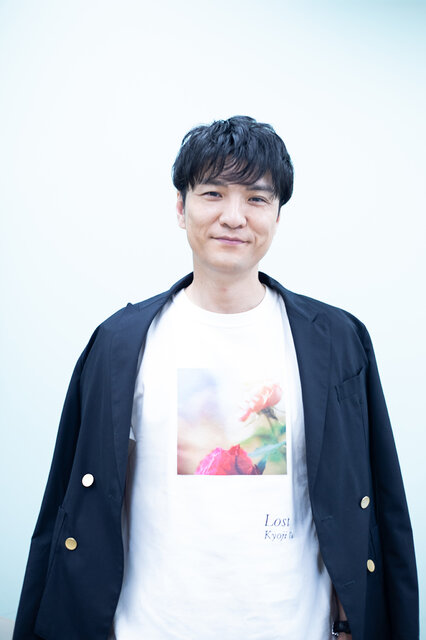
Naotaro Moriyama
Born April 23, 1976, in Tokyo, folk singer. Made his major debut in October 2002 with the mini-album "Dry Songs Are Just Right for Fish Food." Since then, his songs with a unique worldview and one-of-a-kind voice have garnered support from a wide range of generations, and he continues to release music and perform live regularly. In 2025, he will participate in numerous music festivals. Ahead of his festival appearances, three highly anticipated new songs by his bluegrass band, "Ano Umi ni Kakaru Niji wo Kimi wa Mita ka," "Bye Bye," and "Ano Yo de Ne," are currently available for streaming. Furthermore, on October 17th, he will simultaneously release two concept albums, "Yuzuriha" and "Yeeeehaaaaw." From October 17th through 2026, he will embark on a nationwide tour, Naotaro Moriyama Two Jobs Tour 2025-26 "Ano Yo de Ne" ~"Yuzuriha" and "Yeeeehaaaaw!"~, which will intertwine two different stage worlds, literally walking a tightrope. He will present two contrasting tours simultaneously: the "Yuzuriha" tour, featuring serene and ambient melodies, and the "Yeeeehaaaaw!" tour, characterized by its acoustic and dynamic energy.
[Album Information]
Concept Albums "Yuzuriha" and "Yeeeehaaaaw"
Simultaneous Release: Friday, October 17, 2025
Born April 23, 1976, in Tokyo, folk singer. Made his major debut in October 2002 with the mini-album "Dry Songs Are Just Right for Fish Food." Since then, his songs with a unique worldview and one-of-a-kind voice have garnered support from a wide range of generations, and he continues to release music and perform live regularly. In 2025, he will participate in numerous music festivals. Ahead of his festival appearances, three highly anticipated new songs by his bluegrass band, "Ano Umi ni Kakaru Niji wo Kimi wa Mita ka," "Bye Bye," and "Ano Yo de Ne," are currently available for streaming. Furthermore, on October 17th, he will simultaneously release two concept albums, "Yuzuriha" and "Yeeeehaaaaw." From October 17th through 2026, he will embark on a nationwide tour, Naotaro Moriyama Two Jobs Tour 2025-26 "Ano Yo de Ne" ~"Yuzuriha" and "Yeeeehaaaaw!"~, which will intertwine two different stage worlds, literally walking a tightrope. He will present two contrasting tours simultaneously: the "Yuzuriha" tour, featuring serene and ambient melodies, and the "Yeeeehaaaaw!" tour, characterized by its acoustic and dynamic energy.
[Album Information]
Concept Albums "Yuzuriha" and "Yeeeehaaaaw"
Simultaneous Release: Friday, October 17, 2025
[Film Information]
Film "Majimu of the Wind"
"I want to create rum from Okinawan sugarcane"—Majimu Inaha (Sai Ito), a contract employee who has lived an ordinary life, challenges an in-house venture competition to realize her dream of making pure Okinawan rum. Supported by her family, including her grandmother, Kamaru Inaha (Atsuko Takahata), who has run a tofu shop for many years, and her mother, Sayoko Inaha (Yasuko Tomita), Majimu strives to achieve her goal, involving her company colleague Fumie Chinen (Zuru Onodera), the owner of her favorite bar, Goro Gotoda (Shota Sometani), and the people of Minamidaito Island.
"Majimu" means "sincerity" in Okinawan. This sincerity not only resonates within the film but also reaches the viewers, bringing a gentle breeze that comfortably passes through their hearts.
Director: Kaoru Haga / Screenplay: Mai Kurokawa / Starring: Sai Ito / Shota Sometani / Naoki San / Shishido Kavka / Ichiro Hashimoto / Zuru Onodera / Nakachi / Mone Shimoji / Hiroki Kawata / Hidekazu Mashima / Katsuhiro Higo / Kenichi Takito / Yasuko Tomita / Atsuko Takahata
Original Work: Maha Harada
Distribution: Cogito Works / S.D.P
Theme Song: Naotaro Moriyama "Ano Yo de Ne"
Film "Majimu of the Wind"
"I want to create rum from Okinawan sugarcane"—Majimu Inaha (Sai Ito), a contract employee who has lived an ordinary life, challenges an in-house venture competition to realize her dream of making pure Okinawan rum. Supported by her family, including her grandmother, Kamaru Inaha (Atsuko Takahata), who has run a tofu shop for many years, and her mother, Sayoko Inaha (Yasuko Tomita), Majimu strives to achieve her goal, involving her company colleague Fumie Chinen (Zuru Onodera), the owner of her favorite bar, Goro Gotoda (Shota Sometani), and the people of Minamidaito Island.
"Majimu" means "sincerity" in Okinawan. This sincerity not only resonates within the film but also reaches the viewers, bringing a gentle breeze that comfortably passes through their hearts.
Director: Kaoru Haga / Screenplay: Mai Kurokawa / Starring: Sai Ito / Shota Sometani / Naoki San / Shishido Kavka / Ichiro Hashimoto / Zuru Onodera / Nakachi / Mone Shimoji / Hiroki Kawata / Hidekazu Mashima / Katsuhiro Higo / Kenichi Takito / Yasuko Tomita / Atsuko Takahata
Original Work: Maha Harada
Distribution: Cogito Works / S.D.P
Theme Song: Naotaro Moriyama "Ano Yo de Ne"
Contact Information
Majimu of the Wind
https://majimu-eiga.com/