April 6, 2015
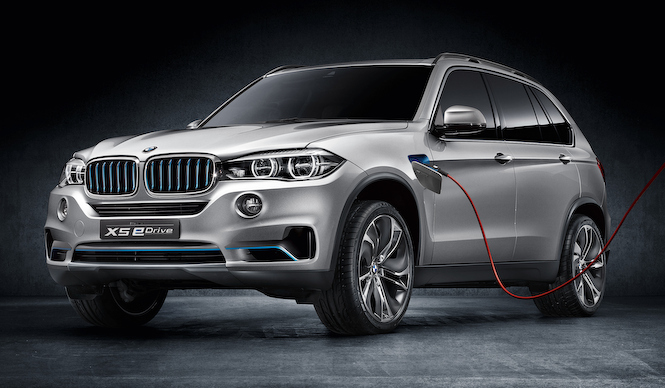
BMW Unveils Plug-in Hybrid Concept Based on the X5
BMW Concept X5 eDrive
BMW Unveils Plug-in Hybrid Concept Based on X5
BMW's plug-in hybrid boasts an all-electric, zero-emission range of approximately 30 km (19 miles) and a top speed of 120 km/h (74 mph). Let's explore the second-generation hybrid strategy from one of the world's leading engine manufacturers.
Text by SAKURAI Kenichi
BMW's Hybrid Evolves into Plug-in
At the upcomingFrankfurt Motor Show 2013in September, BMW will announce the BMW "Concept X5 eDrive," a plug-in hybrid model based on theX5. This marks BMW's second plug-in hybrid vehicle, following the 2012 announcement of theBMW Concept Active Tourer, and is part of BMW's sustainable strategy focused on zero- to low-emission mobility, as seen with the introduction of the"i" series.
The eDrive system in the new BMW plug-in hybrid combines a 4-cylinder BMW TwinPower Turbo engine with a 70 kW/95 hp electric motor and a high-voltage lithium-ion battery. It can be charged from standard German power outlets and public charging stations.
The battery, integrated without compromising luggage space, offers a modest capacity but enables approximately 30 km (19 miles) of all-electric driving, or EV mode. In pure EV zero-emission operation, it achieves a top speed of 120 km/h (74 mph), with the electric motor also functioning as an engine boost system during acceleration.
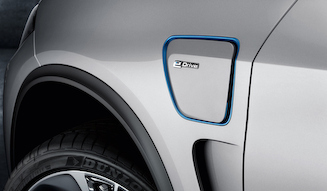
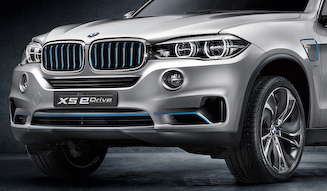
The combined power of the engine and motor allows the BMW Concept X5 eDrive to accelerate from a standstill to 100 km/h (62 mph) in under 7.0 seconds. The average fuel consumption in the EU test cycle is reported as 3.8 liters per 100 km (approximately 26.3 km/l), with CO2 emissions below 90 g/km.
BMW ConnectedDrive supports the efficient use of this eDrive system. The cockpit display continuously shows the vehicle's EV driving range, and the navigation system indicates the location of public charging stations. It also provides information on the required charging time based on battery consumption.
ActiveHybrid X6BMW's approach to hybrids is not merely about fuel efficiency, but also about enhancing performance and driving pleasure, as seen with theActiveHybrid 5andActiveHybrid 3's EV driving capabilities, which were limited to 60-75 km/h. The 30 km range for this plug-in hybrid might seem modest, but it's possible to extend the EV range by adding optional batteries. BMW's decision not to increase the default weight for the sake of achieving longer catalog range demonstrates their characteristic pragmatism.