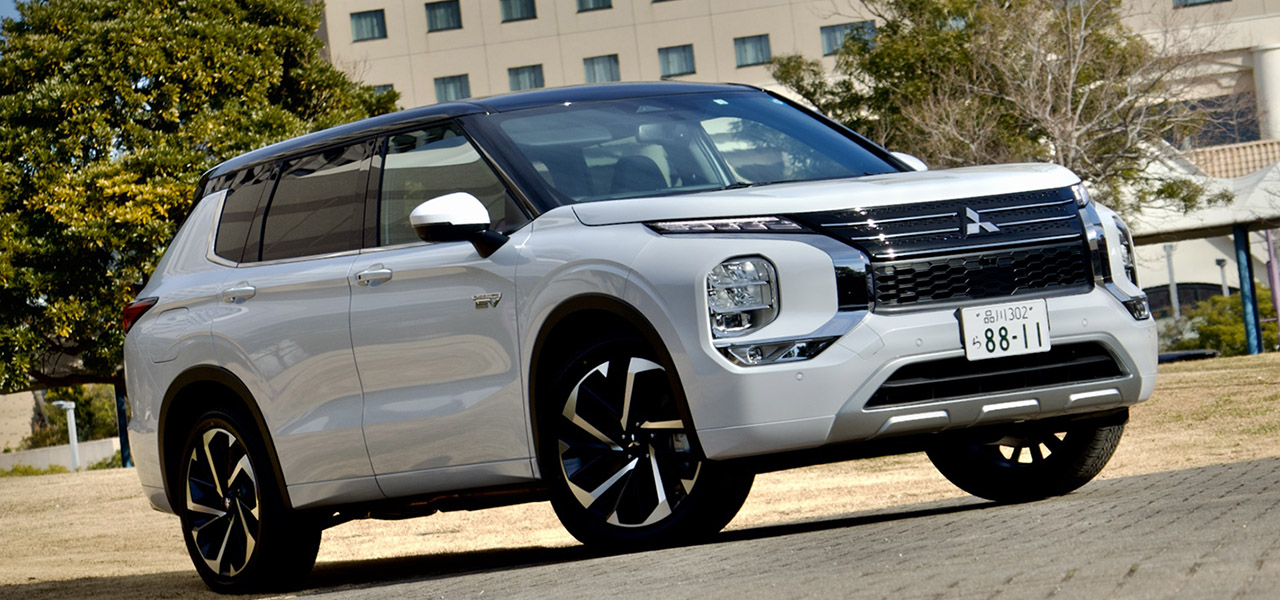
February 15, 2022
Test Drive: The New Mitsubishi Outlander PHEV, a Flagship SUV That Excels in Both Performance and Design
PHEV System with Significantly Increased Output
The new model is equipped with a PHEV powertrain featuring an improved 2.4-liter four-cylinder gasoline engine (maximum output: 98kW/5,000rpm, maximum torque: 195Nm/4,300rpm), combined with front and rear electric motors producing 85kW/255Nm and 100kW/195Nm respectively. With a substantial increase of 4kW in engine output and 25kW/30kW in motor output, expectations for its performance are high.
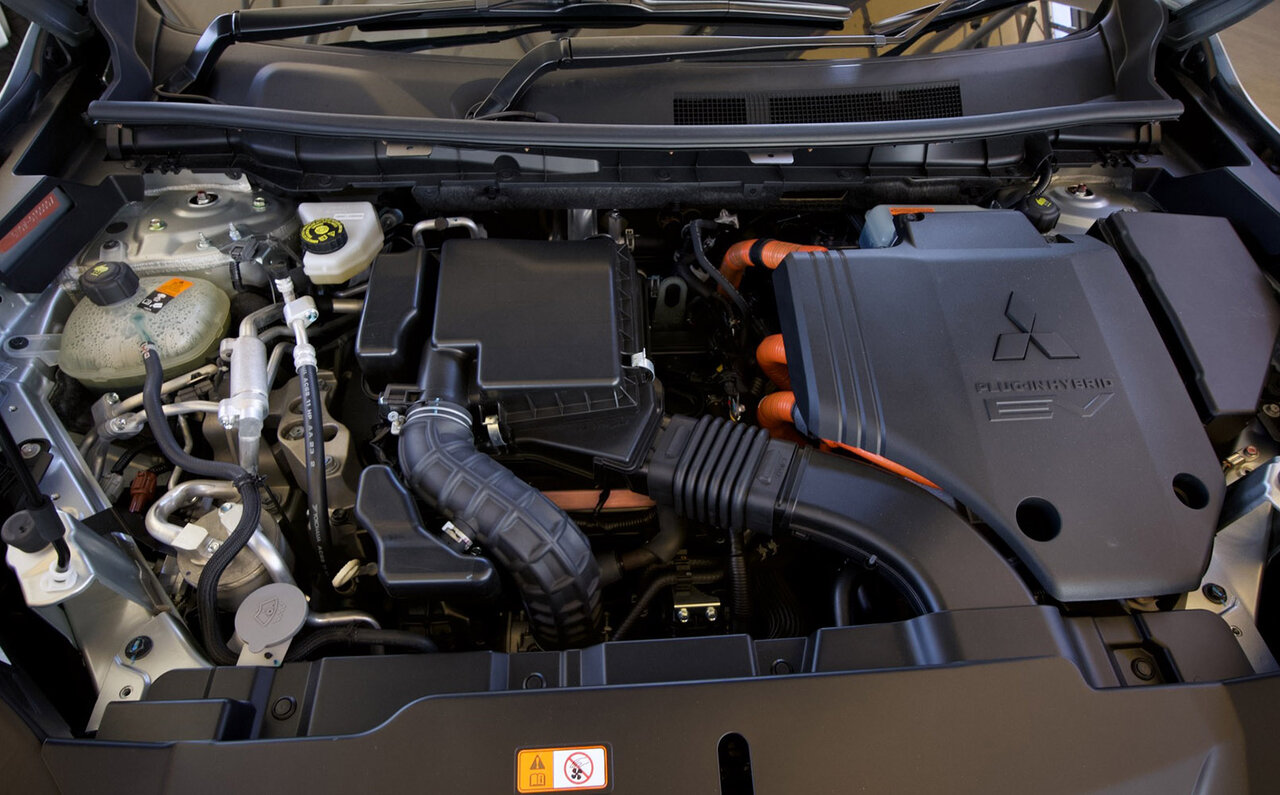
Furthermore, the drive battery capacity has been increased from 13.8kWh to 20kWh, extending the EV cruising range from around 60km in the previous model to over 80km (83km for P and G grades, 87km for M). The gasoline tank capacity has also grown from 45 liters to 56 liters, enabling a total cruising range of 1,000km. Naturally, it can run on gasoline, so there's no concern about running out of charge.
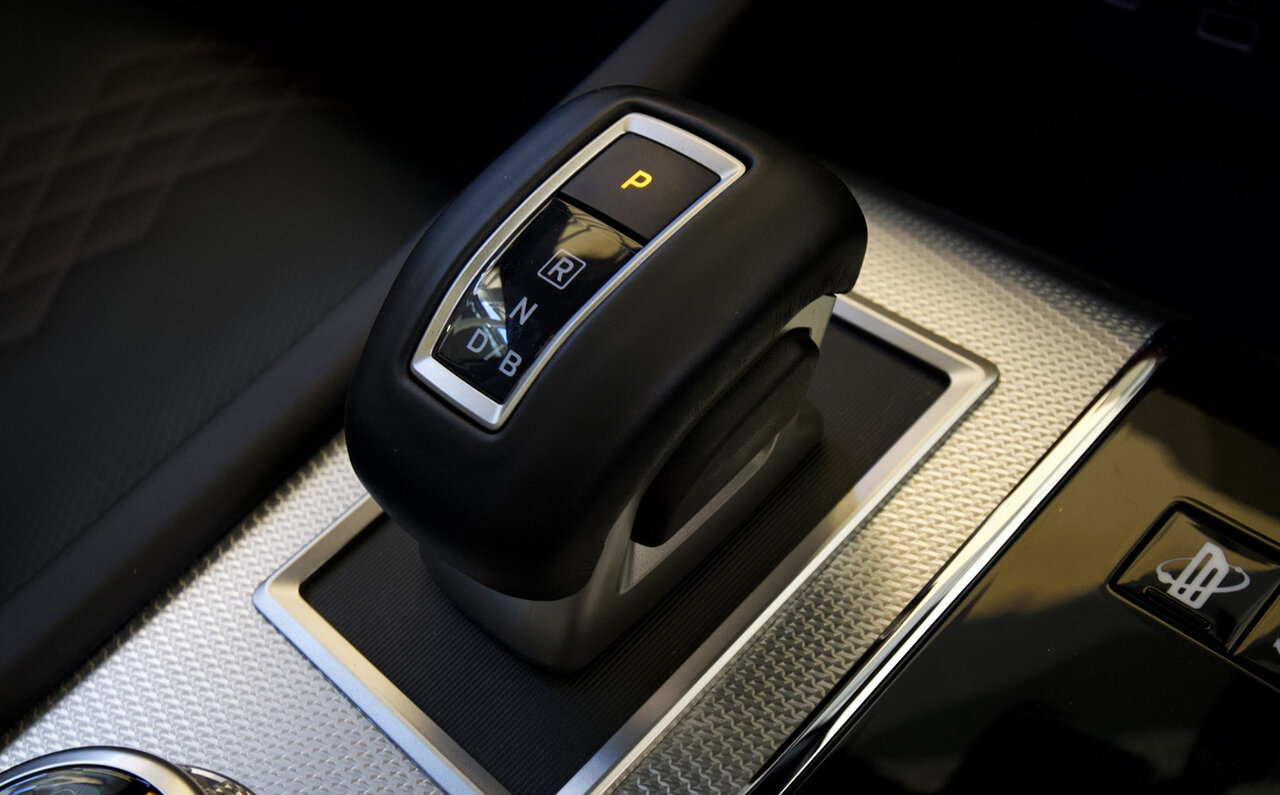
With the easy-to-grip, mouse-like shift lever, I put the car in drive and headed into the city. Checking the display, the remaining EV range was 10km. After driving on electric power for a while, Mitsubishi suggests switching to "Charge" mode to recharge the battery using the engine. There are four driving modes: "Normal," which automatically adjusts settings based on conditions; "EV," for electric-only driving; "Save," to maintain battery level; and "Charge."
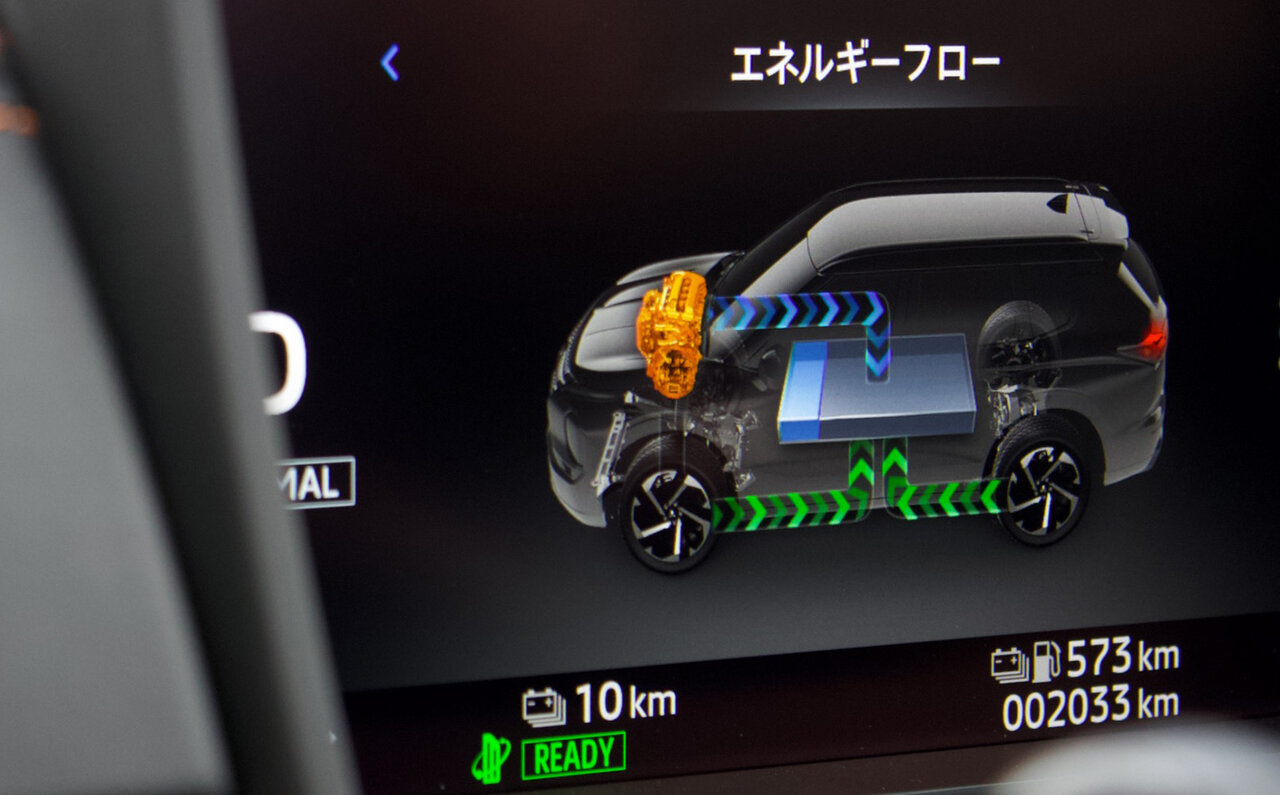
Additionally, regenerative braking can be adjusted using the paddles on the steering wheel, offering levels B0 to B5. Pressing the "Innovative Pedal" button next to the shift lever enables one-pedal driving.
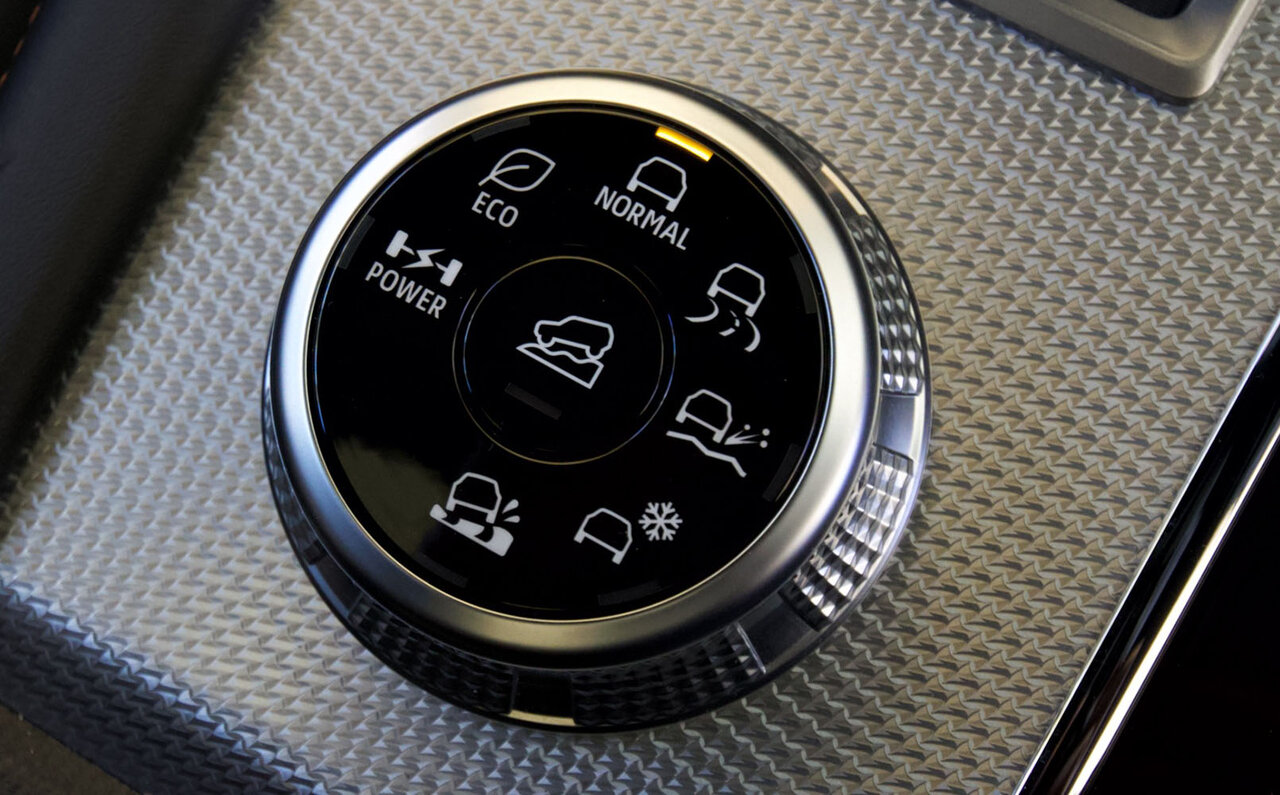
Below the shift lever is the S-AWC (Super All-Wheel Control) drive mode selector, a Mitsubishi specialty that optimizes the distribution of driving force and braking to all four wheels. You can choose from seven modes: "NORMAL" for a balance of performance and economy, "ECO" for efficiency, "POWER" for maximum acceleration, "TARMAC" with increased rear-wheel bias, "GRAVEL" for unpaved roads, "SNOW" for snowy conditions, and "MUD" for muddy terrain. Selecting the appropriate mode maximizes the performance of the twin-motor 4WD system.