Choosing a Car in the Age of SDGs: What Does Sustainable Car Ownership Mean Going Forward?
What Does Sustainable Car Ownership Mean Going Forward?
With global warming demanding urgent action and regulations on greenhouse gas emissions tightening, particularly in Europe and the US, the shift towards eco-friendly cars like EVs, PHEVs, and hybrids is becoming increasingly pronounced. In this era, what kind of car should a car enthusiast drive? Kazuhiro Nanyo explains.
Greenhouse Gas Emission Regulations
In the post-COVID era, there's a growing consensus that personal cars, rather than car-sharing services, are being re-evaluated as a means of transportation. Reports suggest that the spread of COVID-19 in New York was linked to the use of public transport like subways. Similarly, drive-through PCR testing has proven effective in countries like South Korea. This has led to a renewed focus on the utility of cars as private spaces that allow for social distancing and as a means of personal mobility, even in urban areas.
The keywords "sustainability" and "sustainable" were clearly defined in their contemporary 21st-century sense at the UN Summit in 2005, attended by 191 countries. The direction of developing while preventing global warming, viewing the economy, society, and environment as inseparable rather than independent, has been shared among 196 countries through the Kyoto Protocol adopted in 1997 and the Paris Agreement in 2016. However, as is well known, countries are not marching in step regarding goal setting and implementation. The US, for example, has announced its withdrawal from the agreement, yet states and corporations continue to drive its framework, resulting in a patchwork of responses.
The automotive market, considered a durable consumer good with a significant environmental impact, has seen virtually zero growth in major developed regions like Japan, the US, and Europe for the past few years. In EU countries and Japan, measures are in place, to varying degrees, to offer incentives or impose heavy charges on new and used car registrations based on greenhouse gas emissions. Meanwhile, in California, USA, there are also usage incentives, such as opening dedicated carpool lanes, previously reserved for public transport like buses and HOVs (High-Occupancy Vehicles), to pure EVs. In essence, these are strategies to encourage users to switch to "eco-cars."
Another set of measures targets car manufacturers. In addition to revisions of the CAFE (Corporate Average Fuel Economy) regulations, which have been in place since the 1970s, quota regulations requiring a certain percentage of sales to be eco-cars have been introduced.
California's program to promote the adoption of low-emission vehicles initially involved simply imposing a few percent of ZEV (Zero Emission Vehicle) sales quotas on manufacturers, increasing them annually in the early 1990s. However, it has now evolved into a credit scoring system where selling one ZEV counts as equivalent to several vehicles. This change was prompted by the slow progress in pure EV adoption in the early 2000s, which raised concerns about the effectiveness of the regulations, and the subsequent rise in popularity of hybrid cars, which, while not fully ZEVs, have lower emissions.
In other words, for both governments and manufacturers, decarbonized vehicles are now counted not by the number of units, but by credit scores. Manufacturers must either pay a fine of $5,000 per negative credit or purchase credits from other companies if their score is below neutral (±0 credits), based on their total sales and ZEV ratio from the previous year.
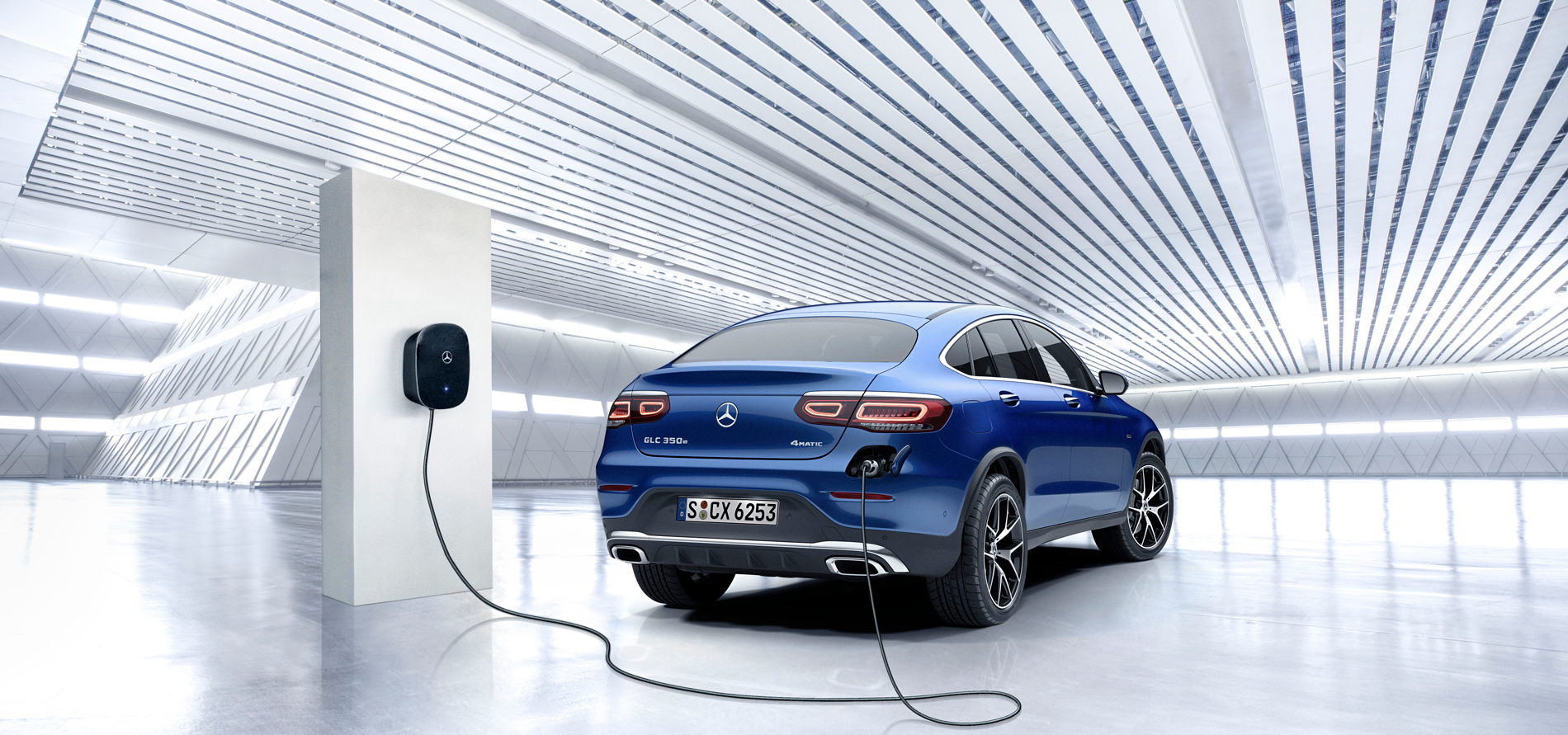
Today, even with PHEVs (Plug-in Hybrid Cars), a longer electric-only range results in higher credit counts. For BEVs (Battery Electric Vehicles), higher efficiency, meaning longer driving range and shorter charging times, leads to more credits.
For car manufacturers with a certain sales volume, the required credits, set at 4.5% of total sales in 2018, will rise to 22% by 2025. Regarding the current standard for greenhouse gas emissions from internal combustion engine new cars under California's regulations, the calculation is complex, involving various factors and coefficients for smog gases, and uses imperial units like miles and gallons. Furthermore, the offset amount in credit scores depends on the driving range and charging efficiency of PHEVs and BEVs sold, making the neutral point relative and difficult to pinpoint for each manufacturer.
Nevertheless, a rough estimate suggests that the target greenhouse gas emission for internal combustion engine vehicles is currently around 128g/km, with a direction towards reducing this to approximately 70% of that, or 89g/km, by 2025. Each BEV is expected to be worth about 3-4 credits, and FCVs (Fuel Cell Vehicles) using hydrogen are estimated at 9 credits. One credit is projected to trade at $3,000-$4,000.
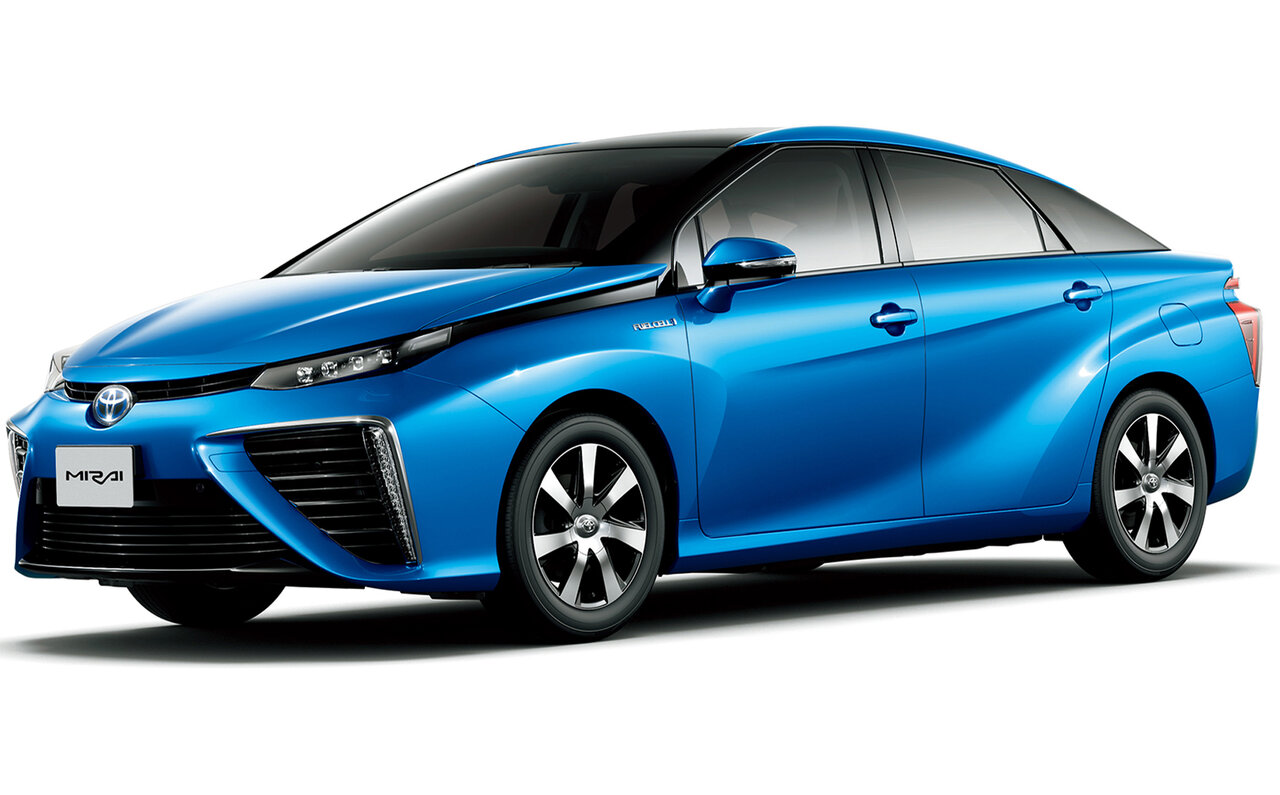
This background explains why Tesla tends to increase driving range by using larger batteries, and why Toyota and Honda are promoting FCVs. However, in recent years, metrics like Well-to-Wheel or Life Cycle Assessment have emerged, which consider environmental impact not just over the product's lifespan but also from energy extraction to consumption. This necessitates using energy sources that have lower greenhouse gas emissions during their production process.
Future Growth of the EV Market
Within the United States, the states of Colorado, Connecticut, Massachusetts, Maryland, Maine, New Jersey, New York, Oregon, Rhode Island, Vermont, and Washington have decided to adopt California's greenhouse gas emission regulations. Canada, following Quebec, has also signed a memorandum of understanding with the Canadian government to prepare measures equivalent to California's greenhouse gas regulations. California estimates that by 2025, ZEV sales will account for 15% of the state's total vehicle sales, not as a regulation but as a target.
Europe shares the principle of promoting decarbonization by electrifying driving itself, with different forms of CAFE regulations in place. Commonly referred to as "CAFE 2020 Automobile," fines and credit trading will commence from next year, 2021, based on sales volume and ZEV ratio in 2020.
The neutral threshold in Europe is CO2 emissions of 95g/km, with a fine of 95 Euros for every 1g/km exceeding this limit for registered vehicles. In essence, manufacturers are required to offset sales of models exceeding 95g/km of CO2 emissions with sales of models below this threshold.
However, a temporary easing has been granted for 2020 sales, where only 95% of the average emissions of sold vehicles are counted, leading to a slight confusion with the repeated number '95'. Additionally, vehicles with emissions below 50g/km, i.e., highly efficient PHEVs and BEVs, are subject to a "super credit" multiplier. For 2020 sales, they count as 2 vehicles, 1.67 for 2021, and 1.33 for 2022, effectively reducing the average emissions.
The impact of the new regulations is immediate. In the European market, new SUV registrations accelerated at the end of 2019, and in January 2020 alone, before the effects of COVID-19 became apparent, the market share for both BEVs and PHEVs quadrupled compared to previous periods. In France, in particular, the combined sales share of BEVs and PHEVs surged from the previous 2.7% to 11%. The combined share of BEVs and PHEVs in Europe has so far remained around 7%, and the focus is not only on how this will increase from 2020 onwards but also on the pace of this growth.
Choosing a Car in the Age of Sustainability
While it's true that gas emissions decrease with the degree of electrification of the powertrain—hybrid > PHEV (Plug-in Hybrid) > BEV (Battery Electric Vehicle)—users face challenges in infrastructure such as charging station availability and power supply, daily usability differences between refueling and charging, and even changes in pricing structures. These factors make it difficult to predict the product itself and the costs of ownership and usage.
While cost-performance is often the primary criterion for car selection, it poses a problem when considering sustainable mobility. Purely electric BEVs are still expensive, and despite their increasing availability, the model choices remain limited. Furthermore, in addition to infrastructure issues, there are concerns about battery lifespan, warranties, and recyclability.
PHEVs, which partially switch to electric power from traditional gasoline or diesel engines, are also gaining traction. However, like EVs, the issue of battery recycling remains. In essence, a "clean car that is affordable and easy to use" has yet to emerge, and users are forced to adapt to changes in usability.
Therefore, what is currently happening in car markets worldwide is not simply a boom in EVs or a demonization of diesel. The principle of driving a car—which requires some form of power source—is shifting towards using electric motors in congested areas and highly efficient internal combustion engines like diesel for long distances. However, most drivers' needs fall somewhere in between, and gasoline and hybrid vehicles suffice.
In essence, choosing a car today is akin to selecting a size when buying clothes; it involves deciding on the degree of electrification, from 100% (BEV) to 0% (engine car), based on usage and driving style. This is not solely for reasons like acceleration or fuel efficiency. When factors like body shape and size are considered alongside the power source, SUVs, which are currently popular, tend to be the globally preferred choice due to their broad appeal.
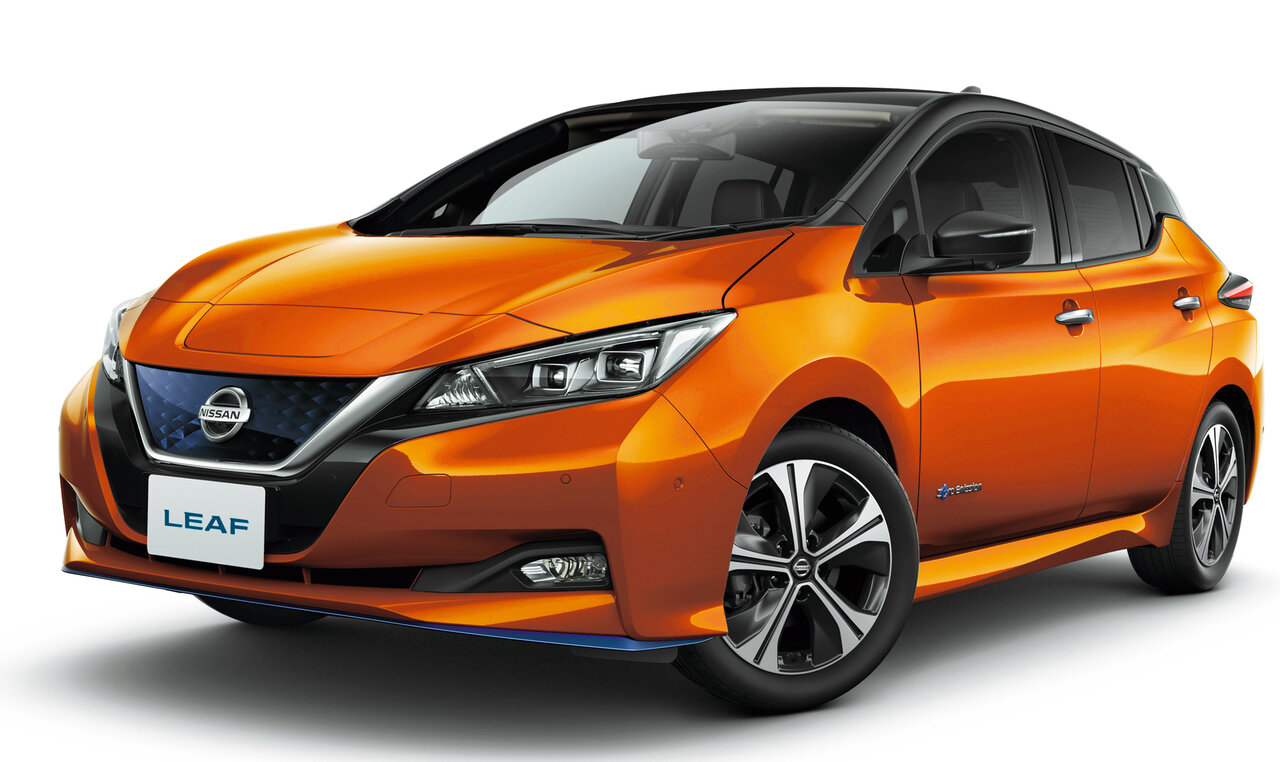
The decision of whether to electrify, and to what extent, should align with your usage environment and driving habits. If you have the budget and time, a BEV is the best option. It is undoubtedly the cleanest car in terms of combating global warming, and its quietness and smoothness while driving are unparalleled by internal combustion engines.
However, you may encounter uncertainties on the road, such as queues at rapid charging stations. Battery lifespan is dependent on the manufacturer and dealer, but some offer capacity warranty programs or, like Tesla, unlimited mileage warranties.
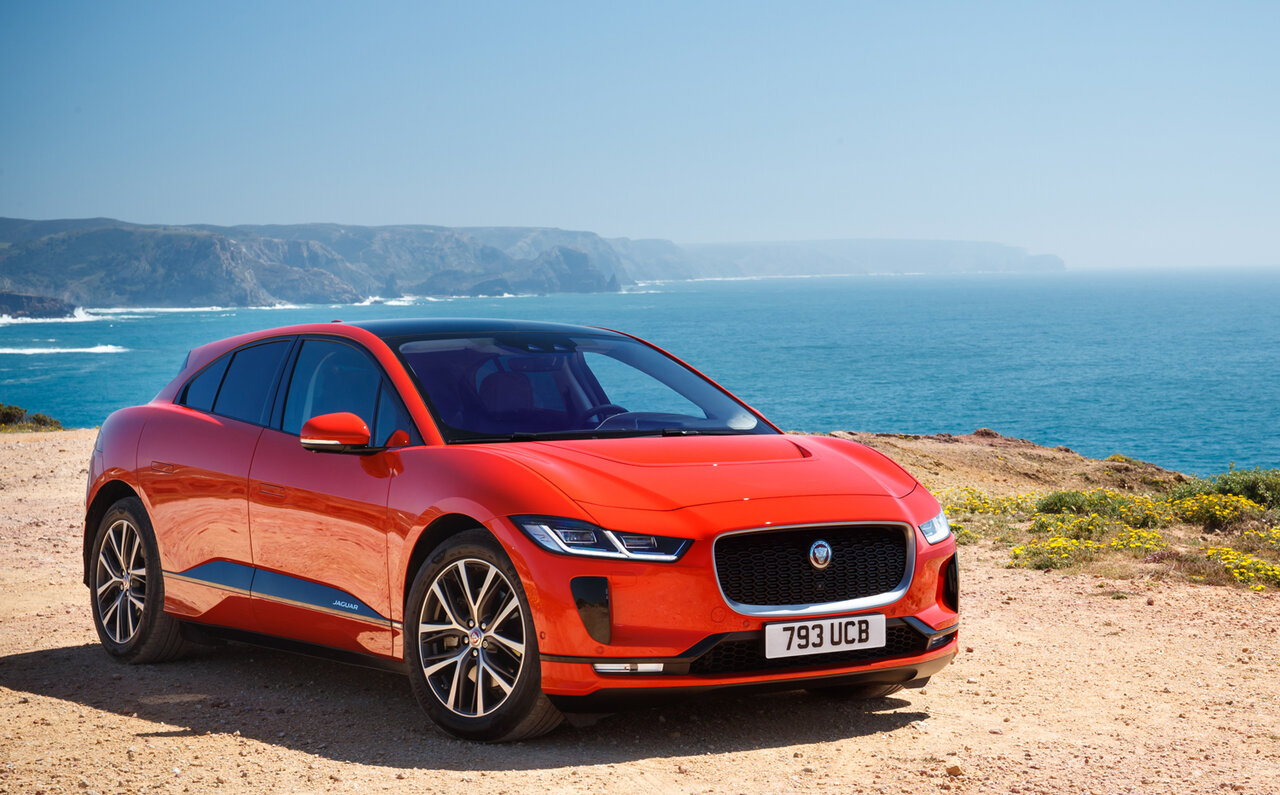
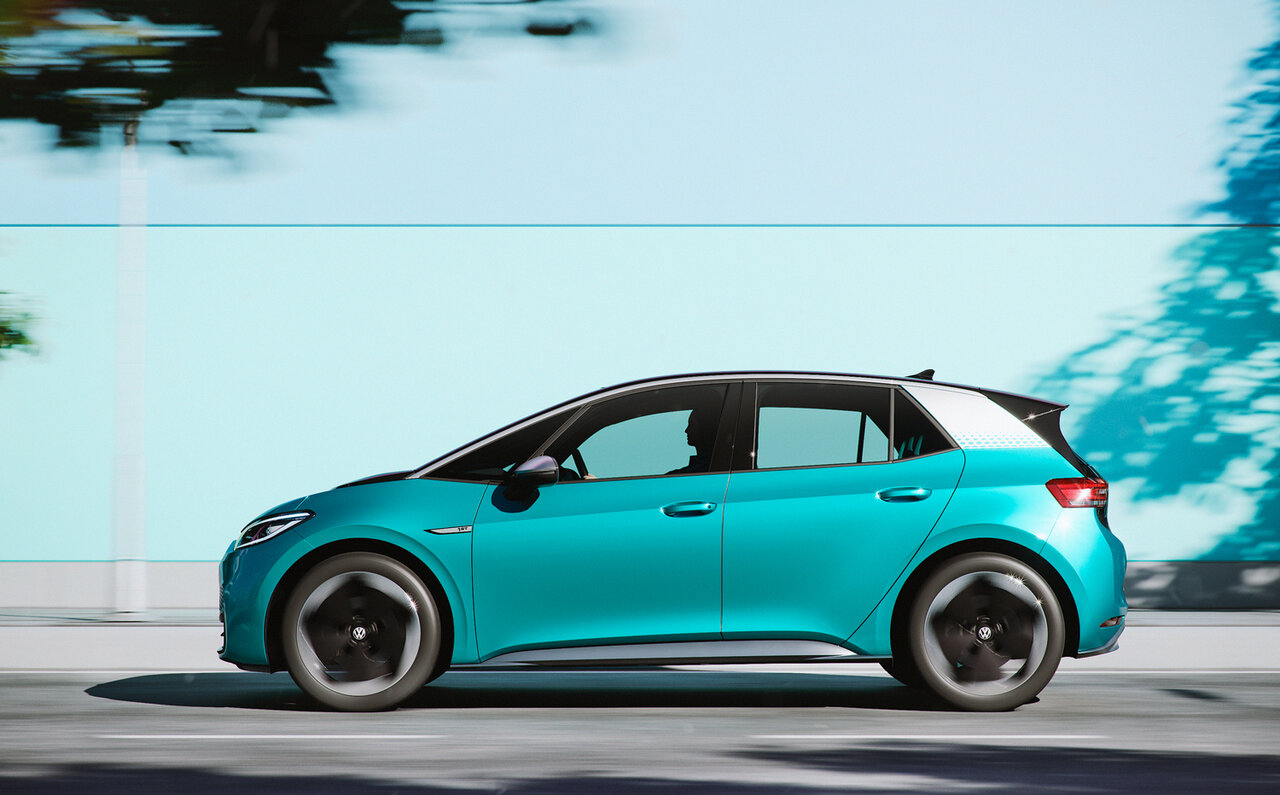
Last year, the Jaguar I-PACE winning European Car of the Year garnered attention. This year, the Volkswagen ID.3, a BEV comparable in size to the Golf, is scheduled for commercial release. Furthermore, the Peugeot 208 and 2008, compact B-segment models, have undergone redesigns and their electric versions, the e-208 and e-2008, have already been launched in Europe, with deliveries commencing despite delays due to COVID-19.
Optimal Powertrains by User Type
If you drive around 10,000 km annually, live in a detached house, and can install a 200V home charger, consider switching to a PHEV. Many European manufacturers' PHEVs do not support rapid charging at external stations, based on the philosophy that rapid charging spots should be prioritized for BEVs, which are solely reliant on electricity (making them more vulnerable).
Slowly filling the battery cells with a standard charge is less impactful on battery lifespan. If you leave home with a full charge, you can cover a significant portion of your daily driving on electric power, reducing the need for refueling. For those whose weekday commutes are mainly local, who frequently take longer trips but prefer trains or planes for distances over 300 km, and find compact cars too small, a PHEV is a suitable option.
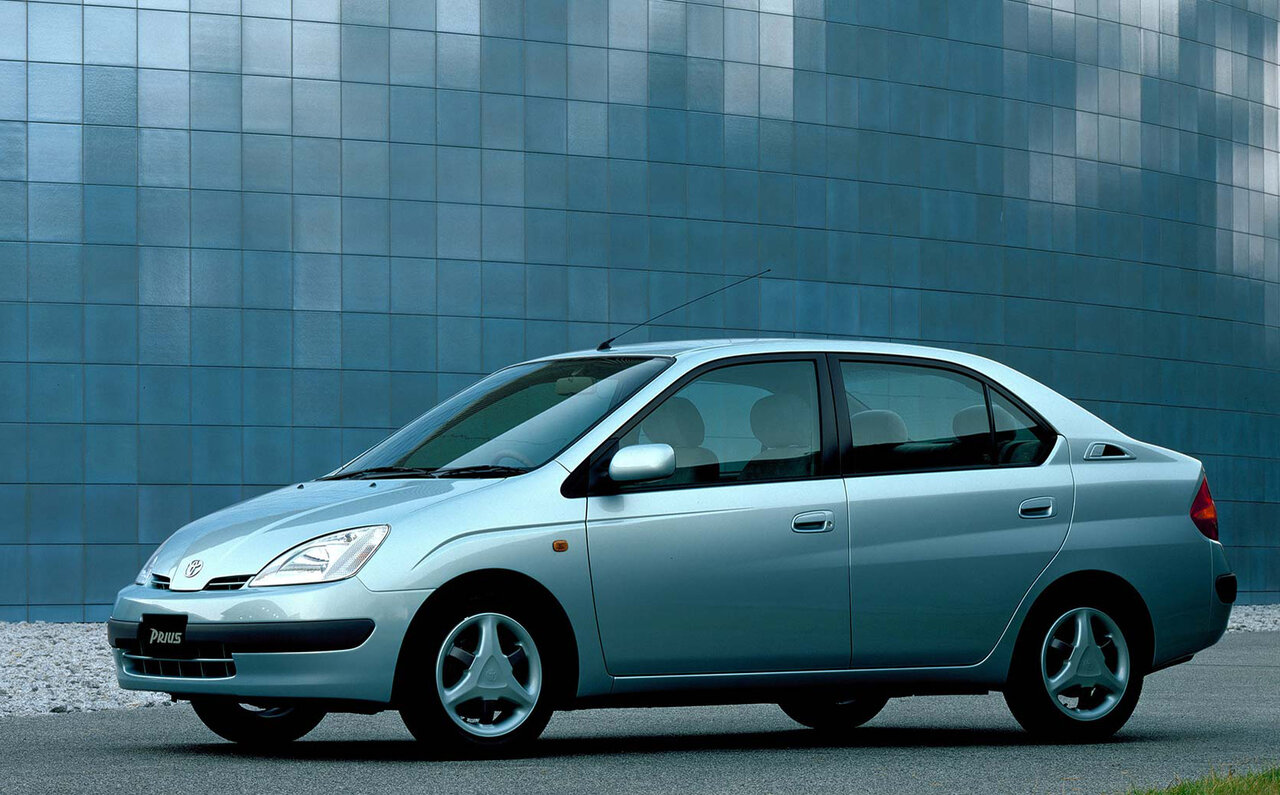
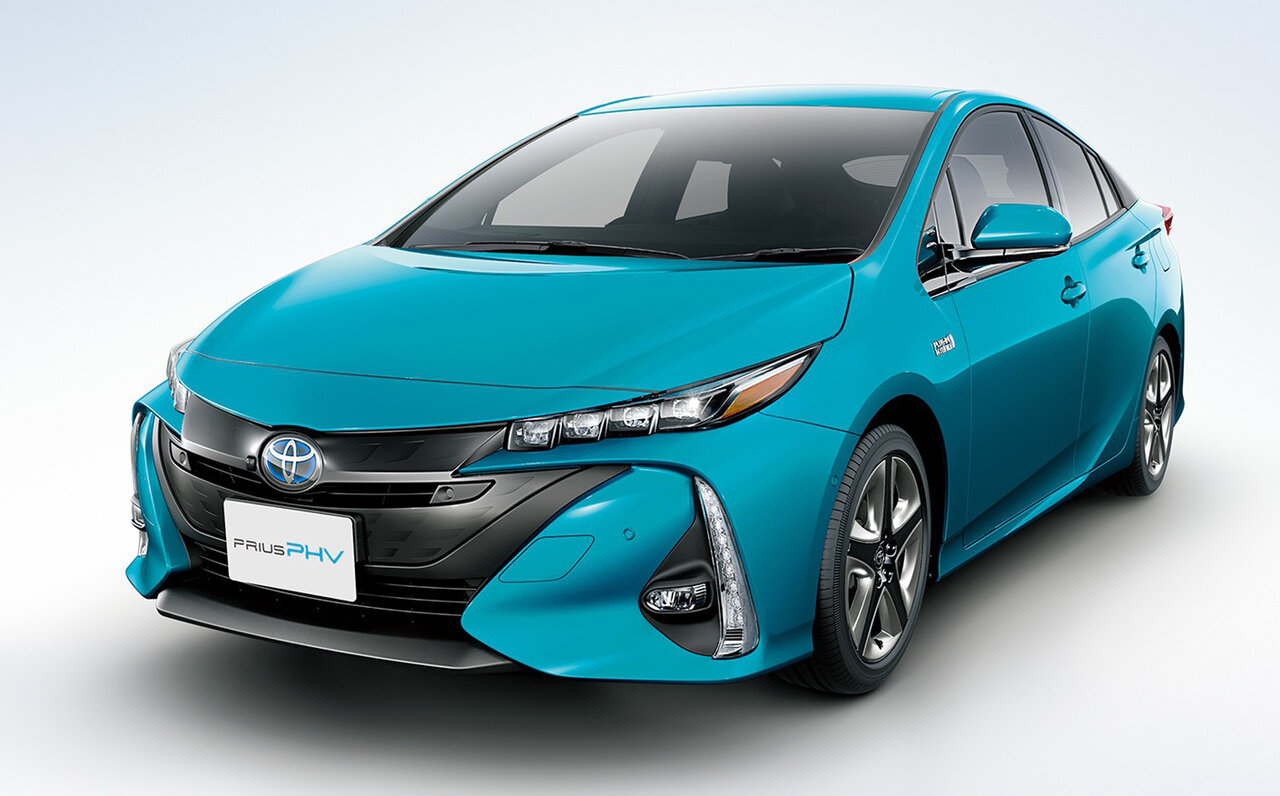
While the options for PHEVs outside of larger D-segment vehicles seem limited to models like the Volkswagen Golf GTE and Toyota Prius PHV, the BMW 225xe Active Tourer should not be overlooked. Its rear-wheel motor provides BMW's characteristic power and surprising speed during electric driving, and its practical packaging is also commendable.
Conversely, for users who rarely drive on weekdays but frequently take long trips on weekends for leisure or visiting family, or whose daily commute is long and accumulates significant mileage, diesel might be the more advantageous choice.
Even if the electricity costs for BEVs are lower than fuel costs, smaller diesel vehicles are more likely to recoup their initial investment. More importantly, like PHEVs, you don't have to worry about running out of charge during weekend outings. For families with young children, the need to rely on rapid charging stations for BEVs can be a risk factor.
Among current diesel units, the Peugeot-Citroën's latest 1.5-liter turbo diesel, the HDi130, offers the most balanced performance. Its exceptional agility and torque make it unparalleled in the diesel category.
For those who prefer powerful performance, options include Mazda's Skyactiv-D models, or Volvo's XC60, V60, and V90CC with the D4 engine, or the XC90 with the D5. With Volvo's optional "Polestar Package," torque can be increased by approximately 15% over the standard output.
This leaves gasoline engine cars. While they may concede to BEVs in terms of smoothness when accelerating and quietness on highways, they cannot compete with PHEVs or even standard hybrids in fuel efficiency. Nowadays, idling stop systems are standard, and mild-hybrid gasoline cars that use a 48V micro-motor to assist acceleration from a standstill, even for a short duration, are becoming more common.
This mechanism assists the internal combustion engine in overcoming its weakness: generating kinetic energy from a standstill. It is particularly effective in reducing greenhouse gas emissions for larger sedans, estates, and SUVs. However, the primary reasons for choosing a gasoline engine are its driving characteristics, owing to its relatively light weight, the dramatic feel of its engine rotation, and its reliability, stemming from being the oldest power source, which ensures ease of maintenance and affordable repair parts.
In other words, while gasoline engines are indeed the most versatile and safe option compared to other powertrains, they are recommended for those who have a vague idea of their driving habits or are still undecided.
Incidentally, even in the European market, where vehicles are used more extensively than in Japan and are subjected to heavy use, the average lifespan of new cars now exceeds 10 years. Some cars continue to be used as used cars for even longer periods, and they may be exported to developing countries to fulfill a second or third life cycle.
Considering this, simpler cars may be more sustainable than those with the latest and most complex mechanisms. As explained at the beginning, the internationally understood definition of "sustainability" involves addressing global development with the premise that the economy, society, and environment are inseparable, not standalone entities.