Toyota Mirai Undergoes Full Model Change to Second Generation | TOYOTA
TOYOTA MIRAI | The Toyota Mirai
Mirai Undergoes Full Model Change to Second Generation
Toyota has launched a full model change of its FCV (Fuel Cell Vehicle), the Mirai.
Cleans the Air as it Drives: "Minus Emission"
Six years after the launch of the first generation in 2014, the second-generation Mirai has been released. The Mirai runs on hydrogen, which can be produced from various energy sources and contributes to global environmental and energy security. It is zero-emission, boasts a short refueling time, and achieves a driving range of up to approximately 850 km, about 30% more than before.
In the drivetrain, a smaller, higher-output FC stack is placed under the hood, with the motor and drive battery in the rear. Improvements to the placement of the FC system, including the hydrogen tanks, have achieved a 50:50 front-rear weight distribution.
Furthermore, the platform, based on the "GA-L" for FR luxury cars, has been revised in the rear and other areas to enhance body rigidity. Toyota claims that in addition to high quietness without engine vibration or noise, drivers can experience the unique acceleration of an FCV, with torque available the moment the accelerator pedal is pressed.
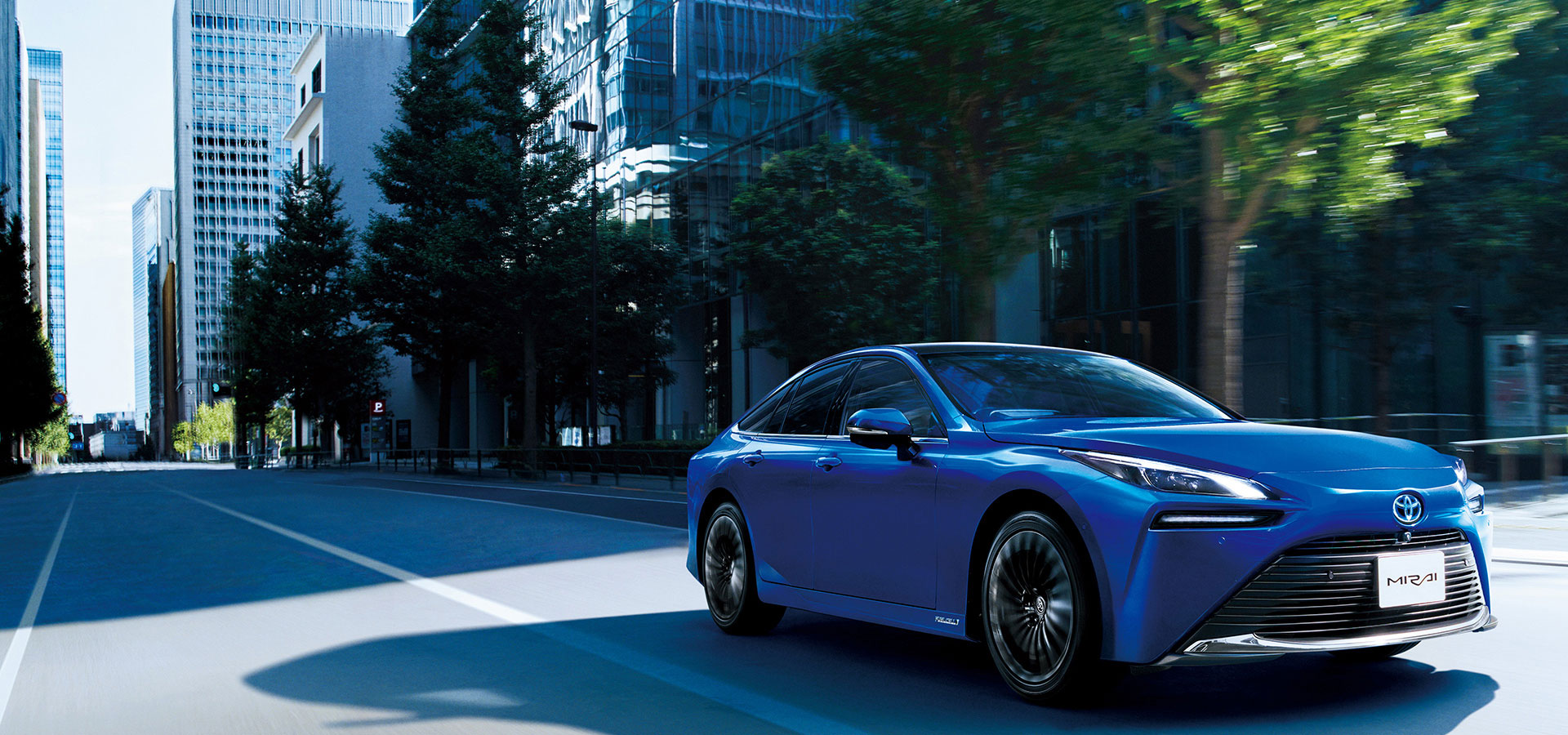
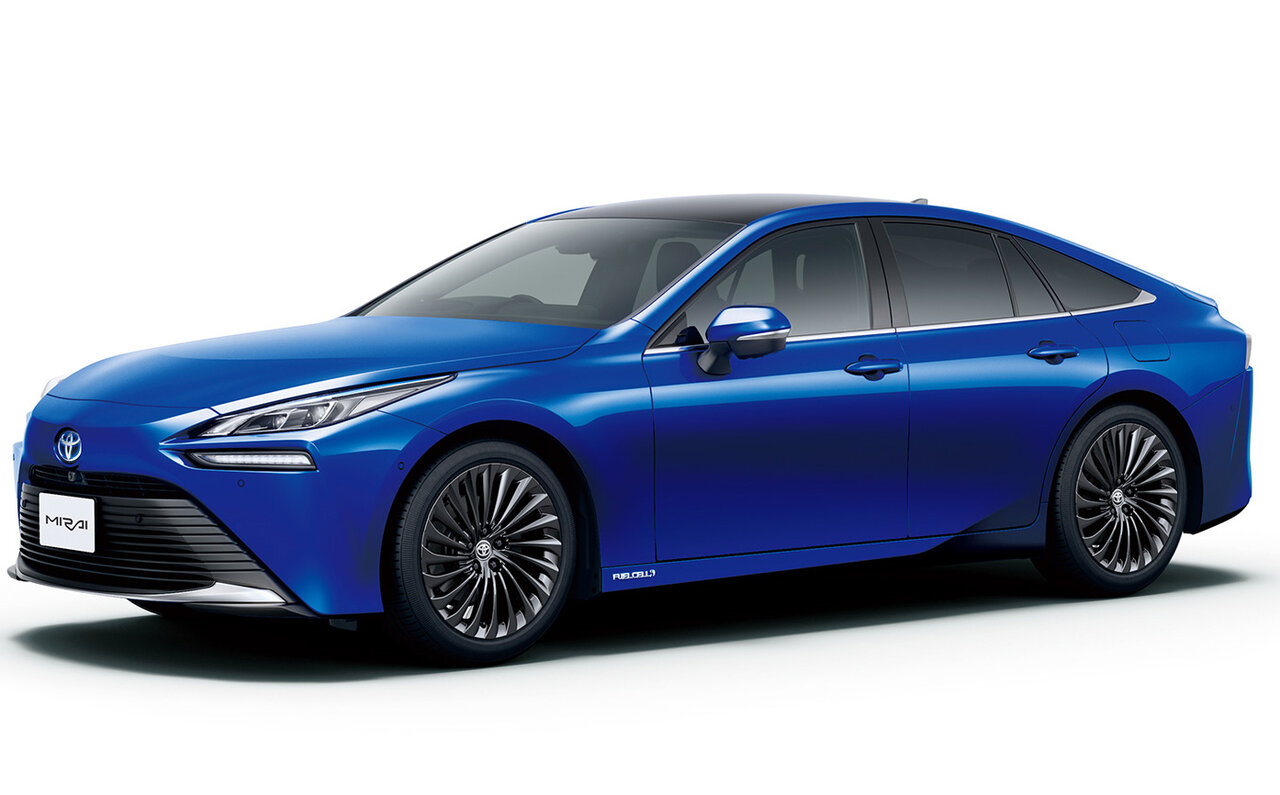
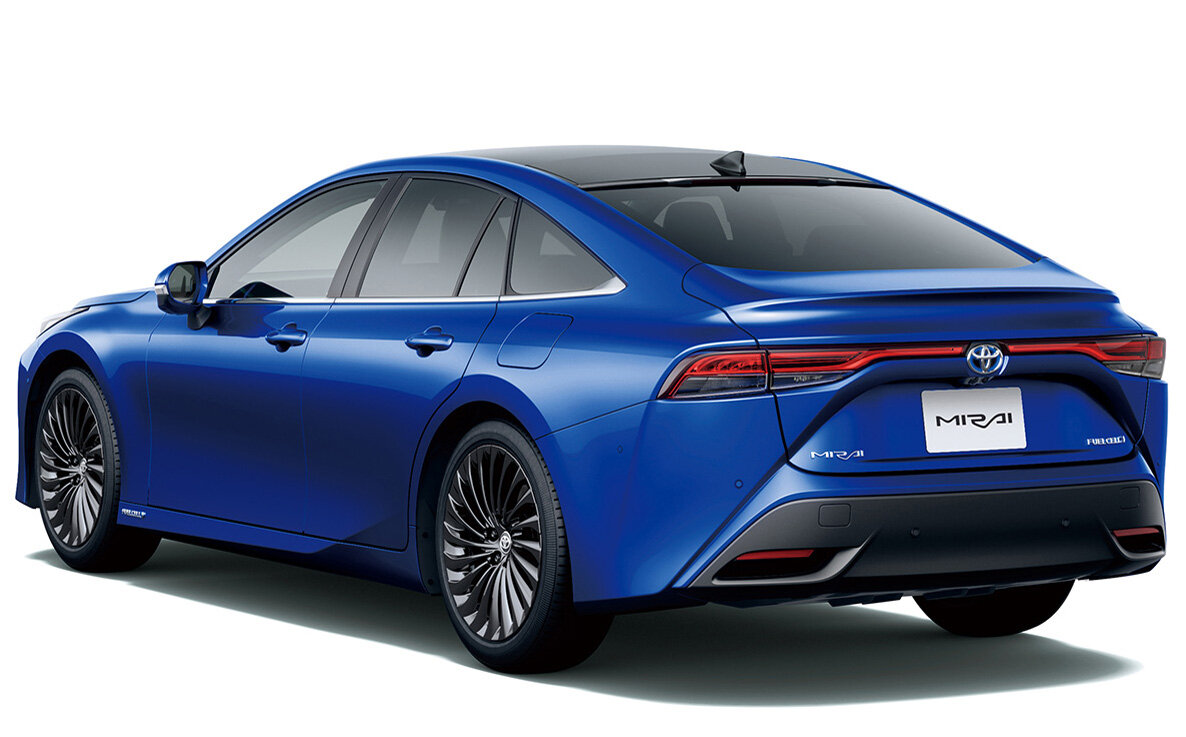
The styling evokes a sense of speed, unconstrained by its identity as an eco-car.
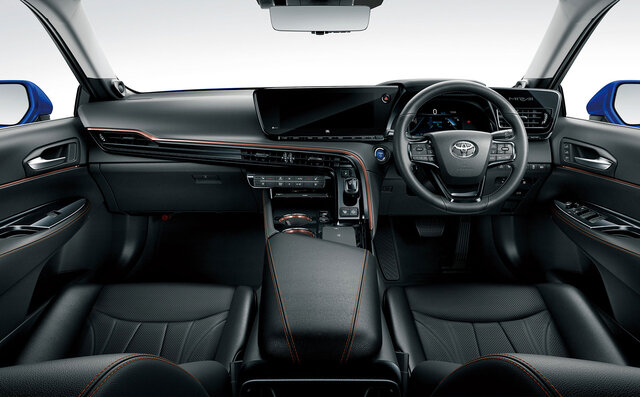
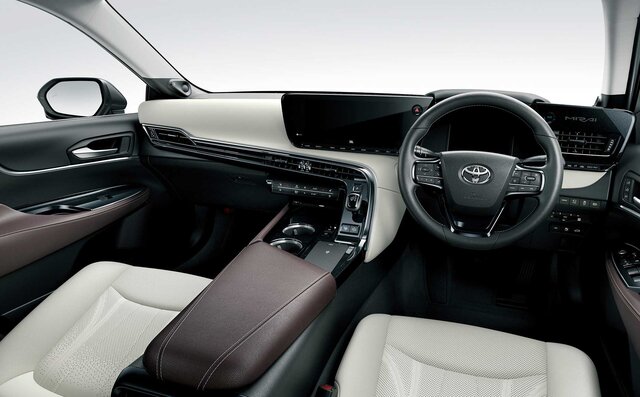
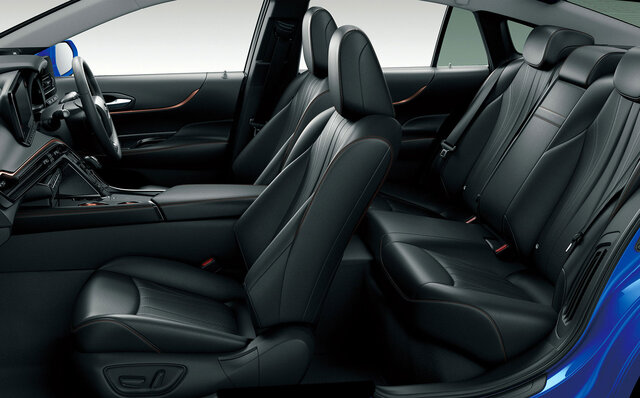
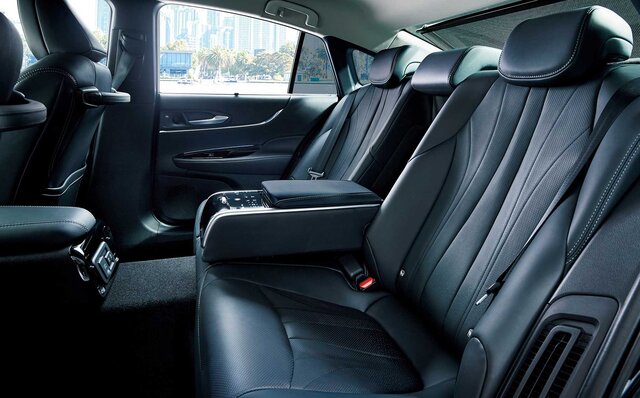
The interior is equipped with two outlets for electrical appliances. Additionally, by connecting an optional external power supply unit for emergency use, a high-output electric current can be supplied to homes and appliances, capable of powering an average household for approximately four days.
The Mirai also features an air purification system that cleans the air drawn in and expelled during driving, leveraging the unique characteristics of an FCV. The air cleaner element (dust filter) captures fine particles down to PM2.5 levels, while a chemical filter removes harmful substances and suppresses PM2.5 formation. This results in "minus emissions," cleaning the air as it drives.
For safety features, "Toyota Safety Sense" is adopted. In addition to advanced pre-crash safety and radar cruise control, it includes an emergency response system that gradually decelerates the vehicle and supports a safe stop if the driver is unable to operate the vehicle due to sudden illness while Lane Tracing Assist is active.
Furthermore, a model equipped with "Advanced Drive," which allows the in-car system to appropriately recognize, judge, and assist driving operations according to actual traffic conditions under driver supervision, enabling lane and inter-vehicle distance maintenance, branching, and lane changes, is scheduled for release in 2021.
Prices range from 7.1 million to 8.05 million yen, with eligibility for subsidies such as the Clean Energy Vehicle Introduction Business Subsidy.