July 26, 2022
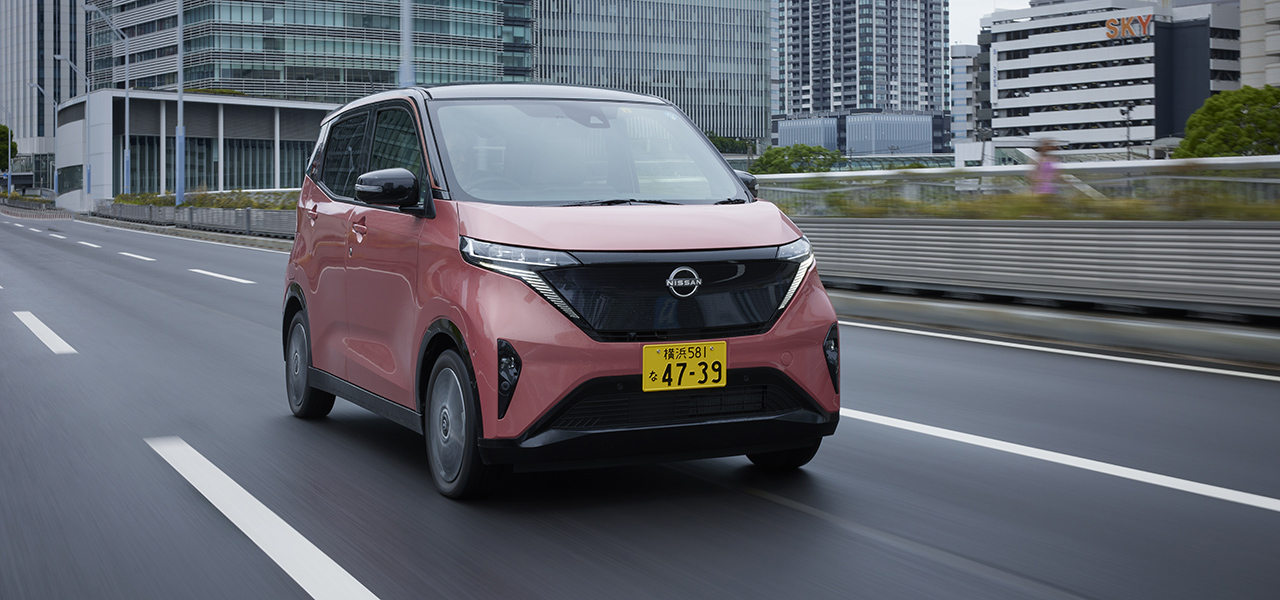
Test drive of the Nissan Sakura, a BEV kei car — A capable performer that even large car users will want to recommend | NISSAN
Interior Reminiscent of the Ariya
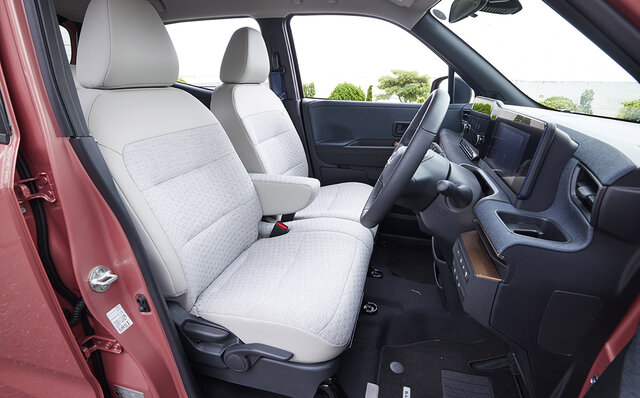
The interior packaging is also excellent. For instance, the driver is positioned further back from the windshield, with ample headroom and space between the side windows. This creates a sense of spaciousness and, by distancing occupants from noise sources, likely reduces auditory fatigue.
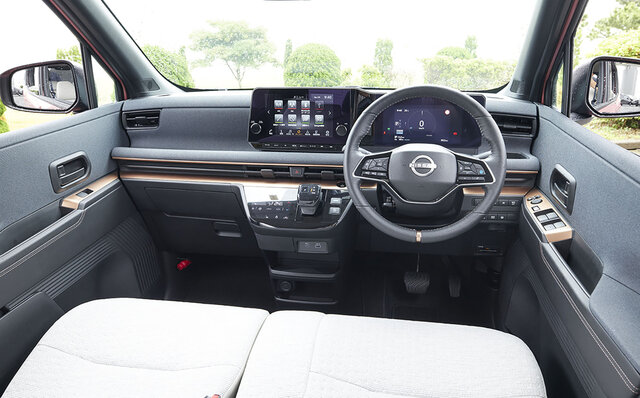
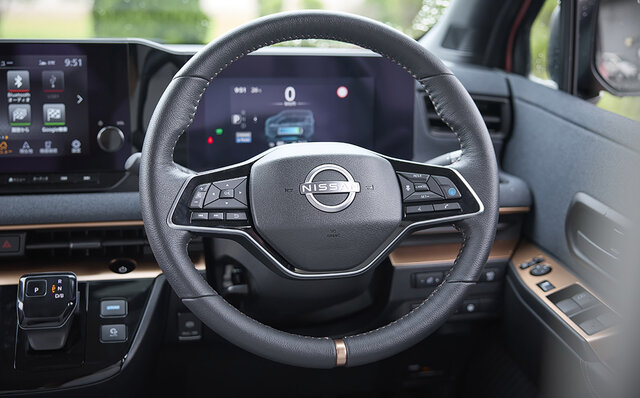

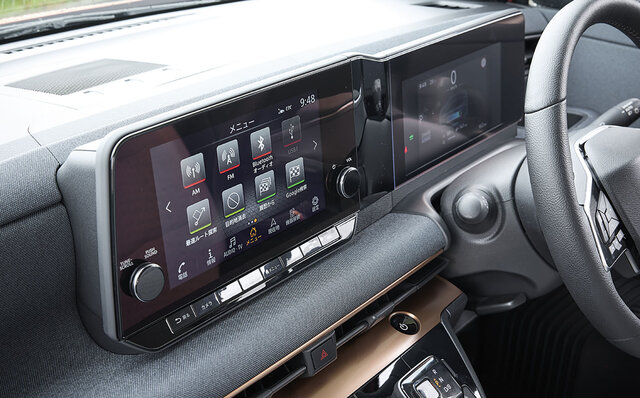
The interior design evokes the Ariya. Fabric-like materials are used on the dashboard, complemented by 7-inch and 9-inch displays. The horizontal orientation of the displays is intended for ease of use, and I found the warmth of the fabric to be a fitting addition to the car's ambiance.
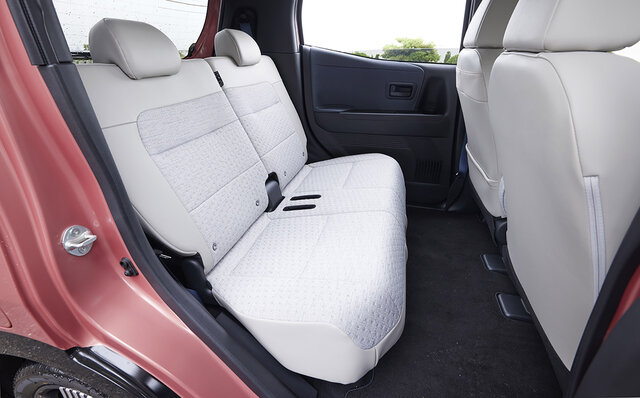
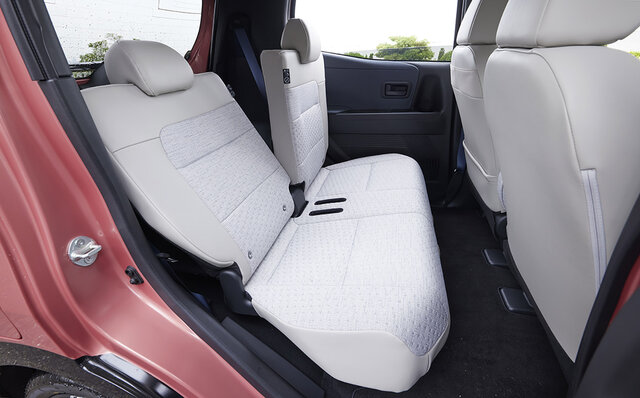
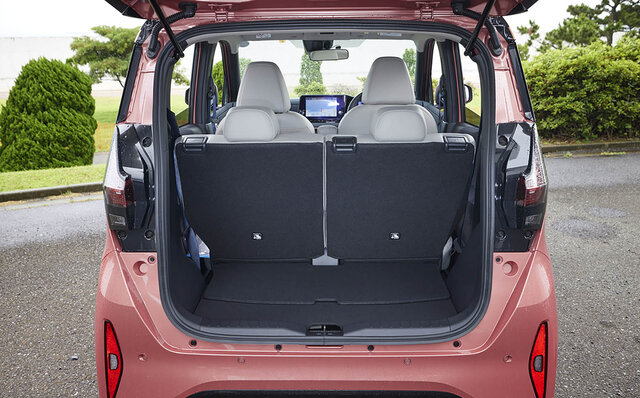
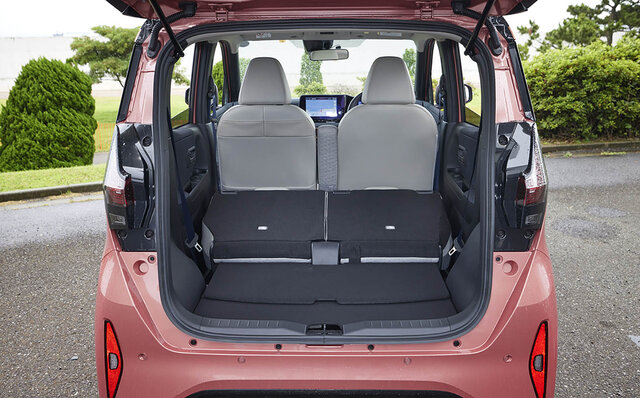
The rear seats are also spacious. While the cargo space is limited, sliding the rear seats forward creates ample legroom. Furthermore, the adjustable backrest angle is likely to be appreciated by users. Many thoughtful details have been incorporated.
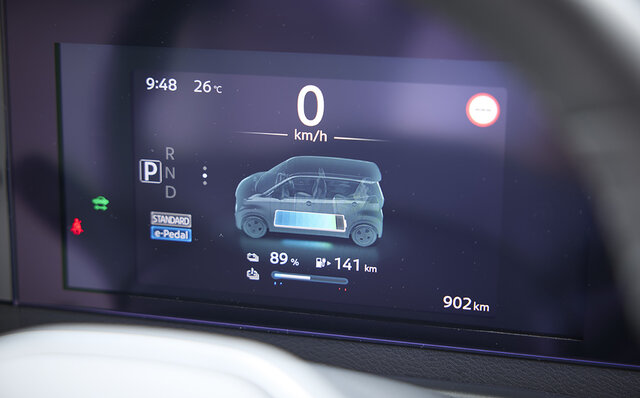

The absence of a 4WD option is, admittedly, a disappointment. Nissan promotes the advantages of electric motors with precise torque control in their 4WD models like the Note, Aura, and Kicks (which is indeed true from experience), so it seems fitting that the Sakura would also offer a 4WD variant.
With higher-tier BEV models like the Ariya and Leaf in its lineup, does Nissan need to position the Sakura as a lower-tier vehicle? I understand that its appeal as a Kei car, due to its low running costs, is significant.

However, I believe it would be a shame if potential customers were to shy away from it simply because it's a Kei car. It seems like it would be fun to own as a second car, perhaps alongside a future X-Trail or the new Fairlady Z, and it's certainly practical enough to be a primary vehicle.
A full charge takes approximately 8 hours. Charging overnight at home is not only more economical in terms of electricity costs but also better for battery longevity than rapid charging.
Pricing starts at ¥2,333,100 for the "S" grade, followed by the "X" at ¥2,399,100 and the "G" at ¥2,940,300. Nissan estimates the Clean Energy Vehicle Introduction Promotion Subsidy to be ¥550,000, which would bring the price of the base grade (primarily for corporate use) to approximately ¥1,780,000. However, for regular personal use, I would recommend the "X" or "G" grades.
NISSAN SAKURA
- Body Size: Length 3,395 x Width 1,475 x Height 1,655mm
- Wheelbase: 2,495mm
- Vehicle Weight: 1,070kg (X) | 1,080kg (G)
- Motor: AC Synchronous Motor
- Maximum Output: 47kW (95ps) / 2,302-10,455rpm
- Maximum Torque: 195Nm / 0-2,302rpm
- Drive Battery: Lithium-ion battery
- Total Voltage: 350V
- Total Capacity: 20kWh
- Driving Range per Charge (WLTC Mode): 180km
- Front Suspension: MacPherson strut
- Rear Suspension: Torque-arm type 3-link
- Front Brakes: Ventilated discs
- Rear Brakes: Drums
- Tires: 155/65R14
- Seating Capacity: 3 people
- Price: ¥2,333,100 - ¥2,940,300
Inquiries
Nissan Customer Service Center
Tel. 0120-315-232 (9:00-17:00, excluding Dec 31 - Jan 2)
http://www.nissan.co.jp/