July 26, 2022
Test drive of the Nissan Sakura, a BEV kei car — A capable performer that even large car users will want to recommend | NISSAN
NISSAN SAKURA
Test Drive: Nissan Sakura
The Nissan Sakura, a Kei car BEV (Battery Electric Vehicle), has become a hot topic, reportedly receiving 11,000 orders in just three weeks after its announcement. Motor journalist Fumio Ogawa has test-driven the highly anticipated vehicle and reports on its performance.
Text by Fumio Ogawa | Photographs by Hirohiko Mochizuki
Smooth Acceleration Means It No Longer Feels Like Driving a Kei Car
For urban dwellers, a compact car is an ideal partner. Back in the 1960s, affluent Londoners also embraced the Mini, alongside Rolls-Royces and Rovers. The Nissan Sakura, an EV Kei car launched by Nissan Motor Corporation on May 20, 2022, is a capable vehicle that we would recommend even to owners of larger cars.
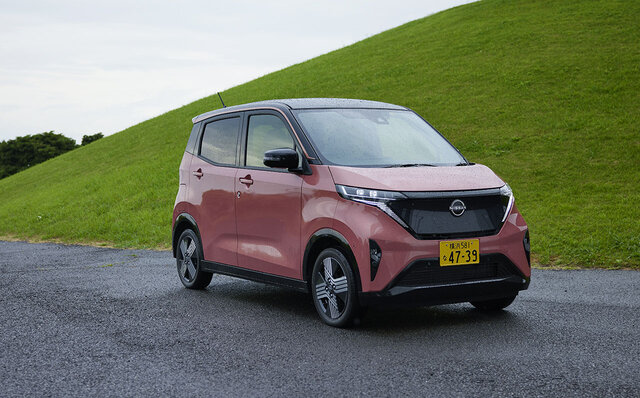
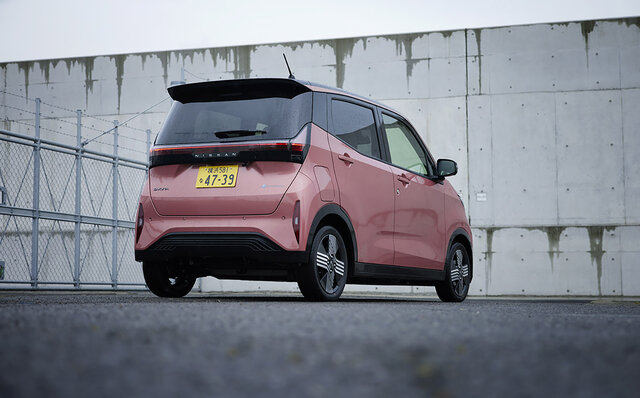
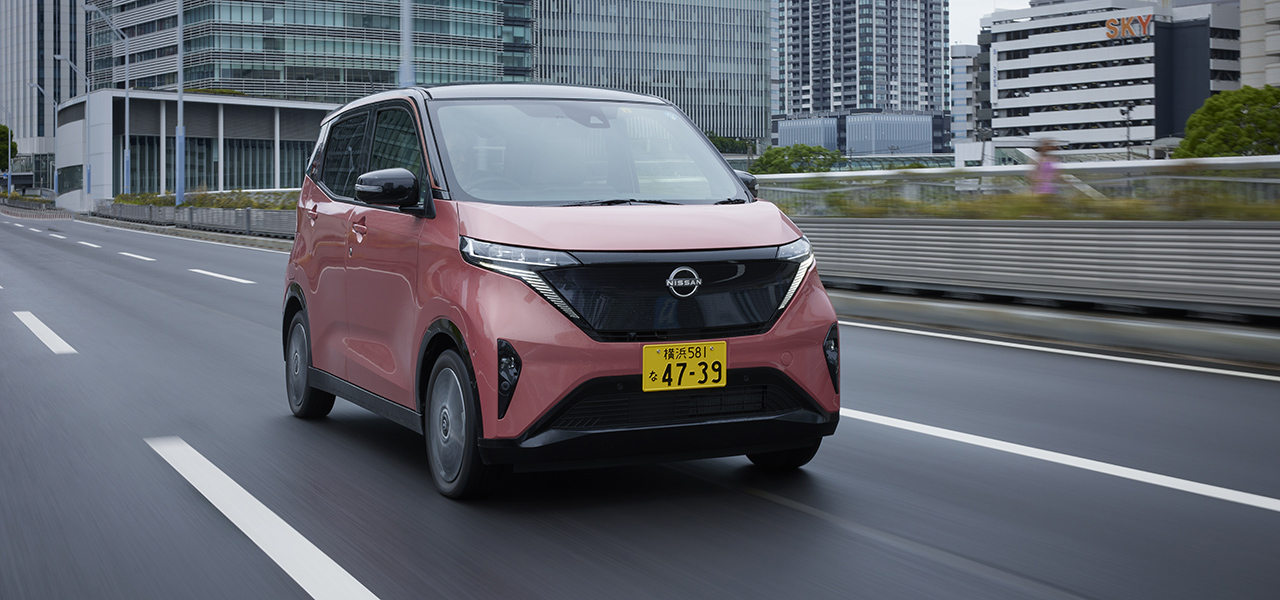
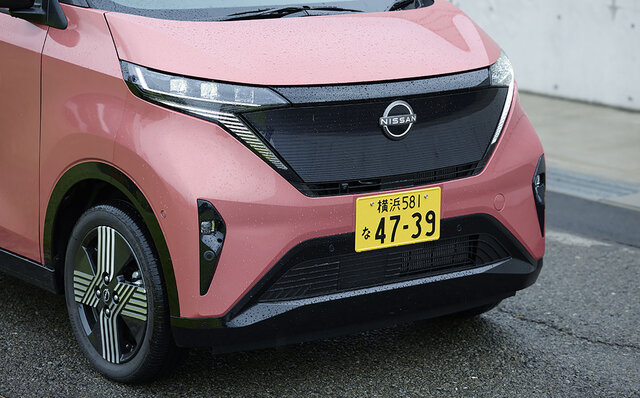
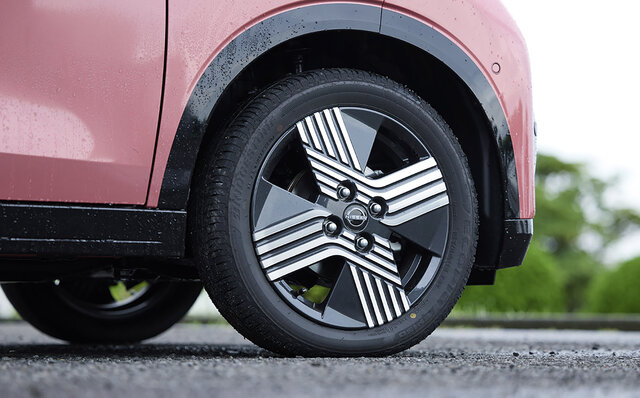
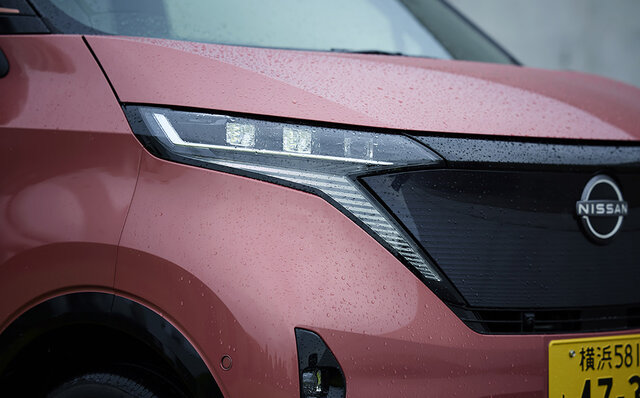
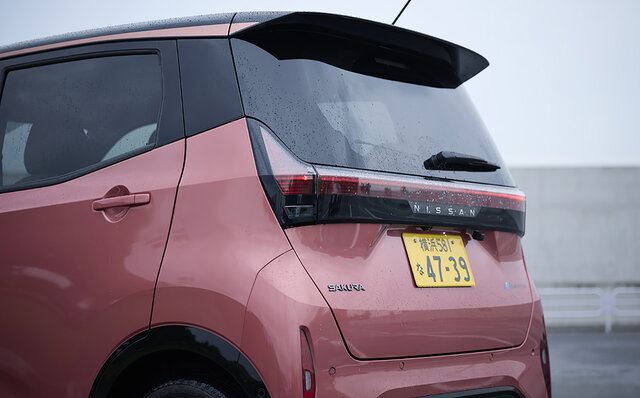
Nissan Motor Corporation touts the Sakura in its press release as a "game-changer that will alter the common sense of the Japanese automotive market." Indeed, it offers ample power, a stylish design, and a refined interior finish.
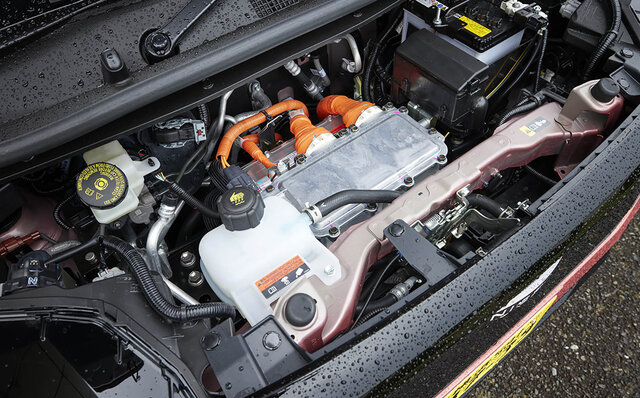
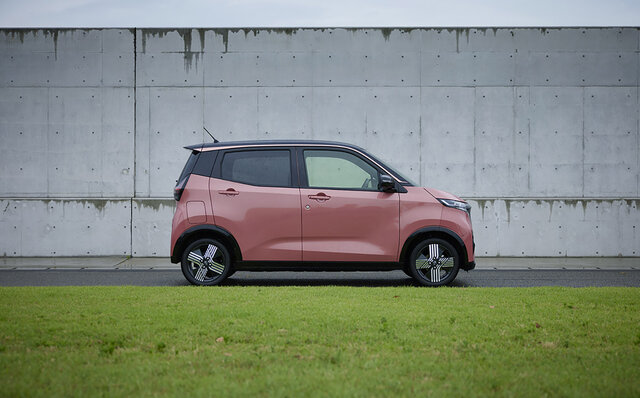
The body, measuring 3,395mm in length, 1,475mm in width, and 1,655mm in height, houses a single motor producing 47kW of maximum output and 195Nm of maximum torque, driving the front wheels. Powered by a 20kWh battery, it boasts a driving range of up to 180km (WLTC).
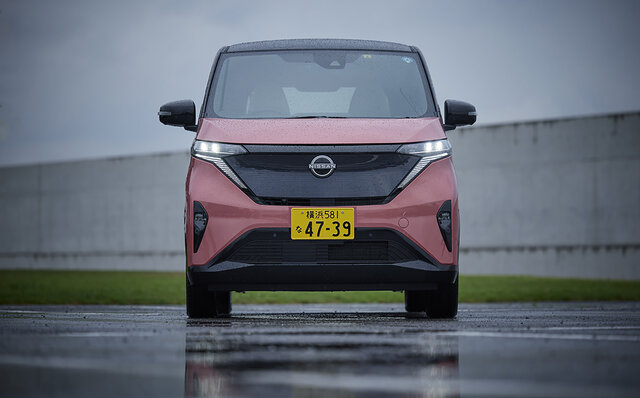
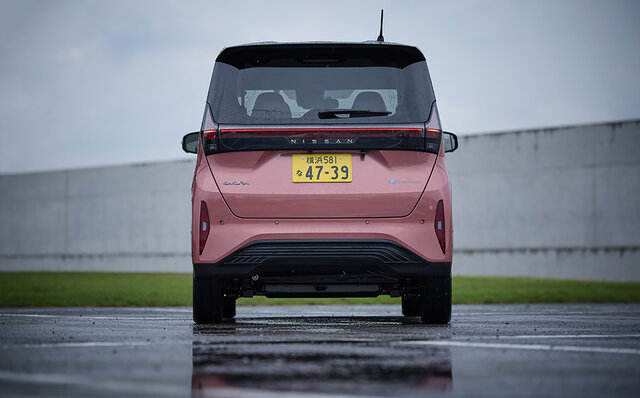
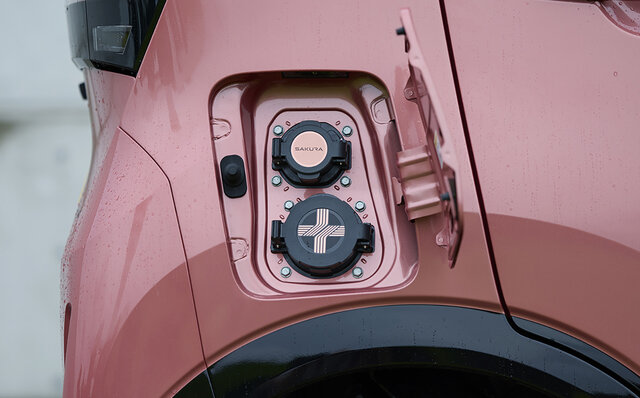
The body dimensions are similar to the Nissan Days and Mitsubishi eK Wagon, which share the same platform, but the Sakura is about 200kg heavier. Nevertheless, according to the developers, the 195Nm of torque relative to the vehicle's weight of 1070-1080kg is sufficient for brisk driving.
This impression held true in practice. The model I drove was the top-tier "G" grade. The smooth acceleration from a standstill would be a great boon to those dissatisfied with the sluggish performance of conventional gasoline-powered Kei cars at startup.
It is equipped with a drive mode selector that allows switching between "Eco," "Standard," and "Sport." This alters the acceleration characteristics. In Sport mode, a slight press of the accelerator pedal results in acceleration so strong it pushes the occupants' heads back.
Conversely, Eco mode is pleasant, especially when combined with "e-Pedal Step." Activating this feature via a button engages strong regenerative braking, causing the vehicle to decelerate as you lift your foot off the accelerator. This allows for one-pedal driving, though not to a complete stop.
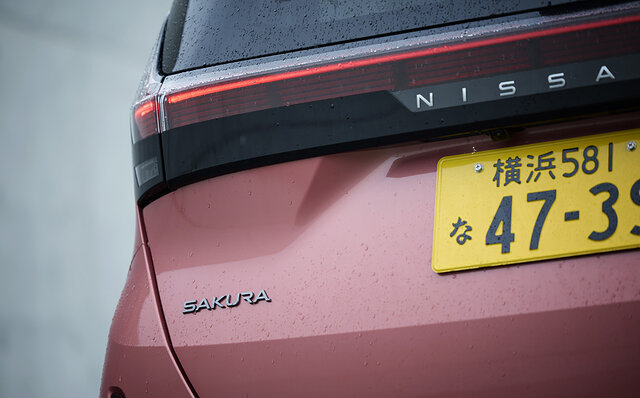
In Sport mode, however, the deceleration when lifting off the accelerator pedal feels too strong, like being forcefully pushed back. In contrast, Eco or Standard modes provide a comfortable deceleration without jarring the occupants.
Even on the highway, merging and overtaking are smooth. It truly no longer feels like driving a Kei car. As mentioned earlier, the slightly heavier curb weight contributes to a comfortable ride by increasing the sprung mass. Regardless of road conditions, it doesn't bounce, allowing occupants to maintain a consistently flat posture.