July 29, 2021
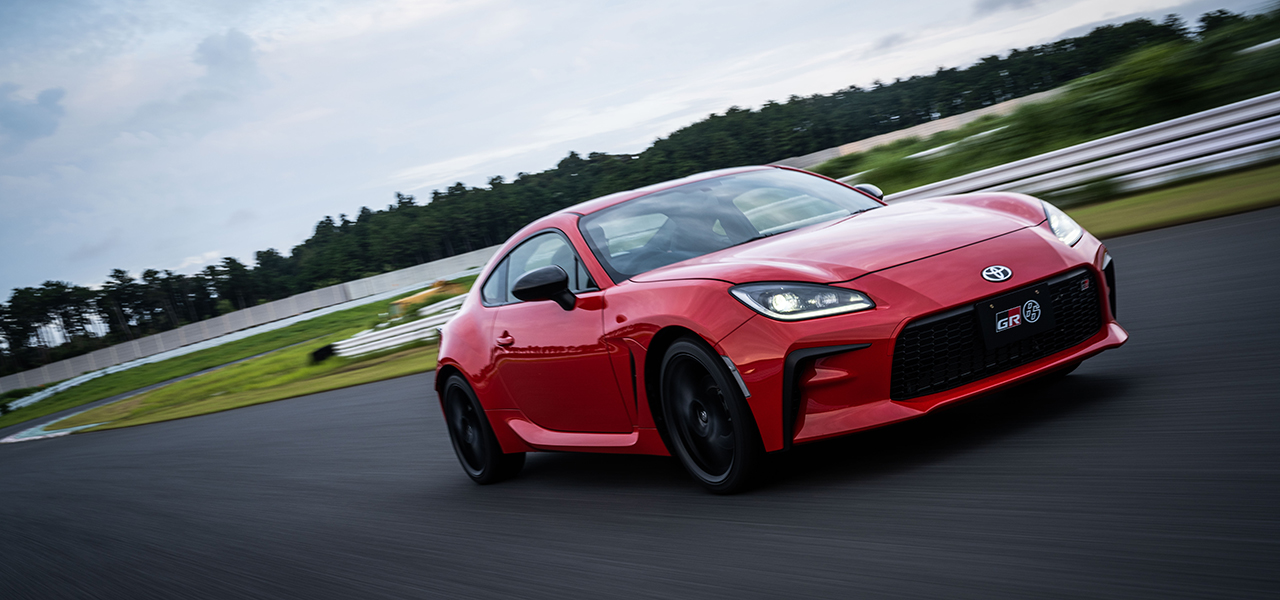
Evolving into Sports Cars with Distinct Tastes: Test Drive of the New Toyota 86 & Subaru BRZ (Prototype)
The 2.4-liter Engine is Exhilarating Like a Race Car
When driving, the initial acceleration was surprisingly brisk. It leaped forward with great agility. The engine revs smoothly above 5,000 rpm, and the engine's immediate response to even the slightest press of the accelerator pedal felt like that of a race car. Driving with the revs up was incredibly exhilarating and provided a blissful experience.
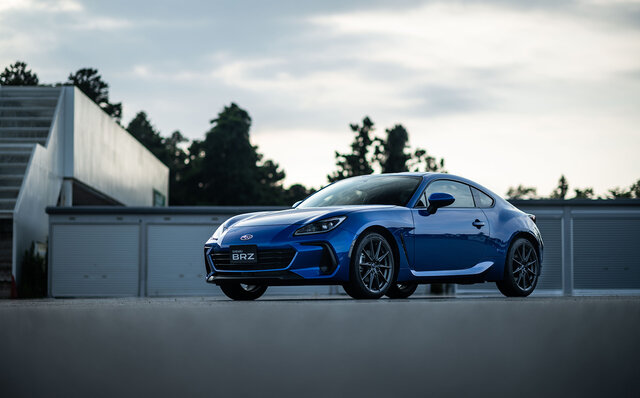
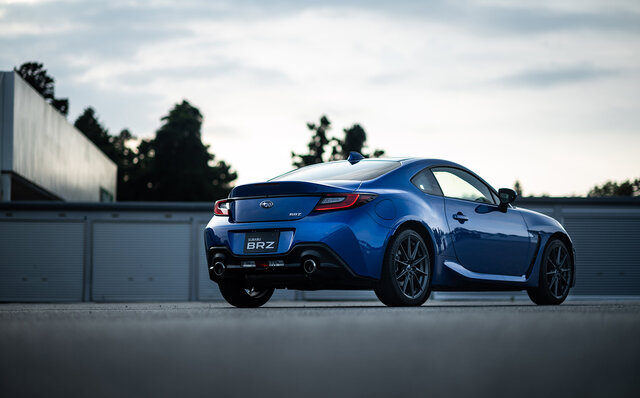
The development targets are 173kW (235ps) maximum output at 7,000rpm and 250Nm maximum torque at 3,700rpm. The current model had 152kW at 7,000rpm and 212Nm at 6,400–6,800rpm. It's a high-revving engine. The feeling is excellent.
The steering wheel has a high sense of rigidity, and the chassis responds quickly. It glides effortlessly even on roads with a series of tight curves. Body roll is suppressed, and the excellent drivetrain, including the newly enlarged 2.4-liter four-cylinder engine, is something adults should definitely experience.
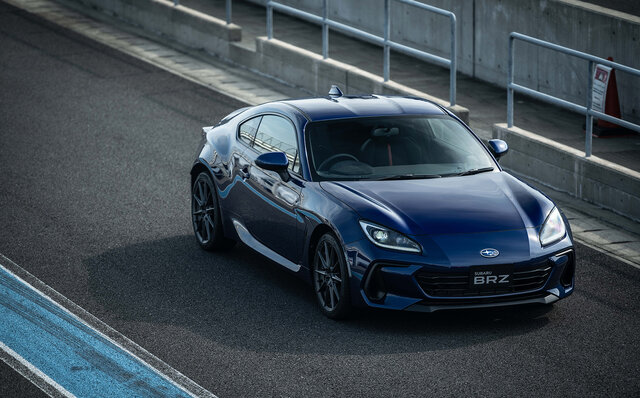
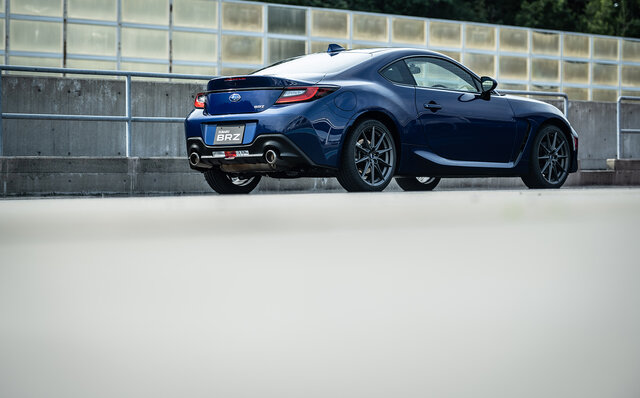
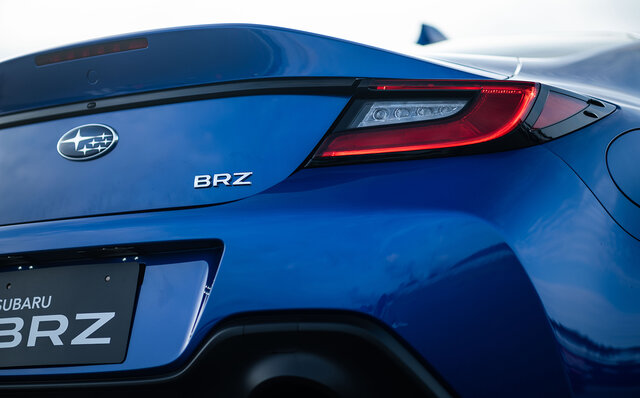
Indeed, the market for this car is "like a camel with two humps," says Fujiwara of Toyota GR. "One zone with many users is in their 20s. Those in their 30s and 40s might move to minivans due to family responsibilities, and they return in their 50s."
The driving performance is attributed to the body structure, which actively incorporates a grid structure. It is said that the "lateral bending rigidity" in the front has improved by 60%, and the "torsional rigidity of the car body" by 50%. "Improving the rigidity of each part of the body was a long-cherished goal of the development team," says Ryutaro Hayashi of Subaru, who was in charge of the car's drivability.
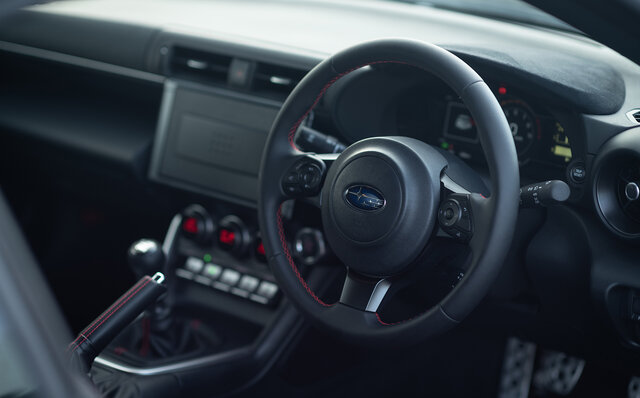
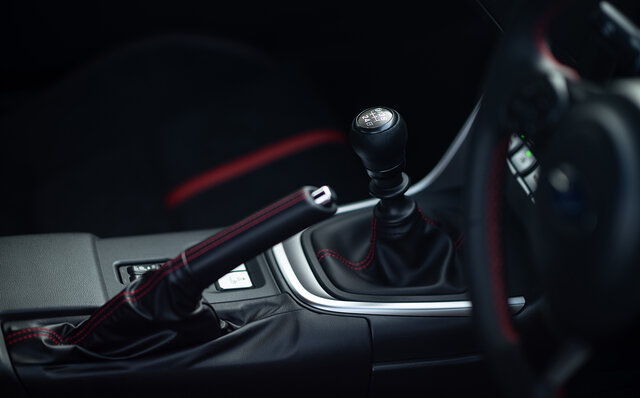
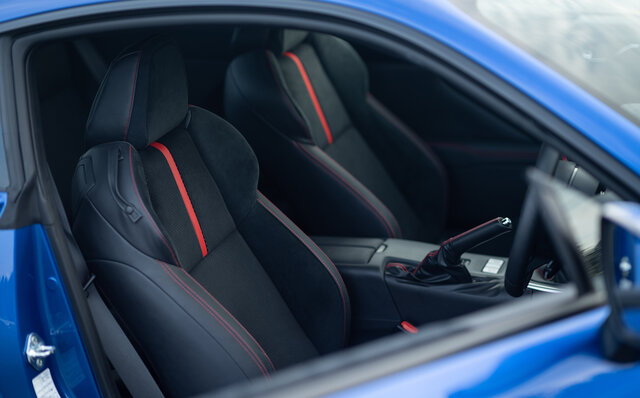
Nevertheless, the differences in their approaches to sports car development are reflected in the 86 and BRZ.