A Japanese Take on EVs, Different from German Rivals—First Drive of the Lexus UX300e | LEXUS
LEXUS UX300e | Lexus UX300e
A Japanese Take on EVs, Different from German Rivals—First Drive of the Lexus UX300e
The "UX300e," launched in October 2020, is the electric vehicle version of the Lexus "UX," a popular compact SUV with a strong personal feel. Fumio Ogawa, a motor journalist, test-drove this model, which is also Lexus's first mass-produced EV.
A Driving Experience Distinct from German EVs
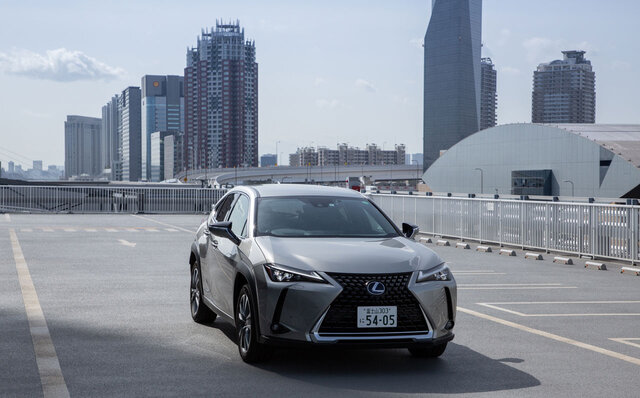
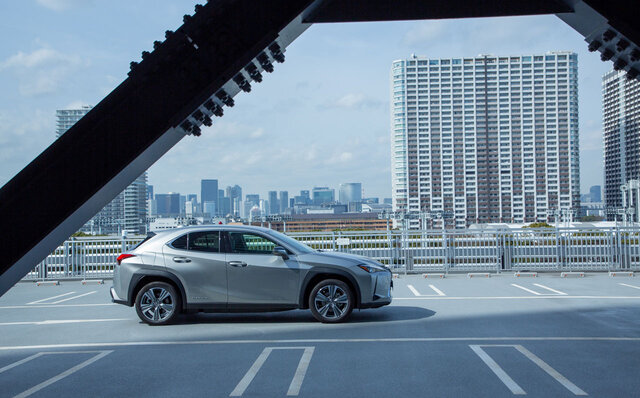
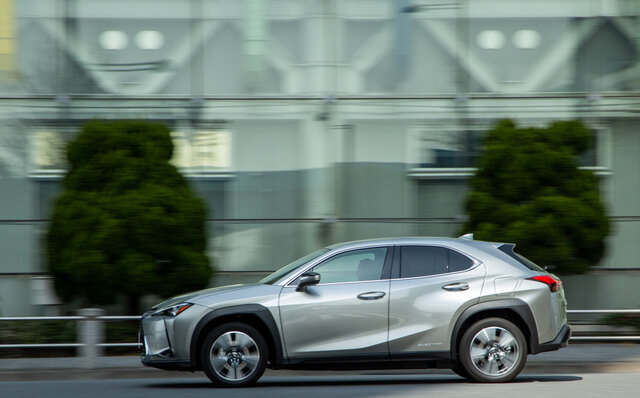
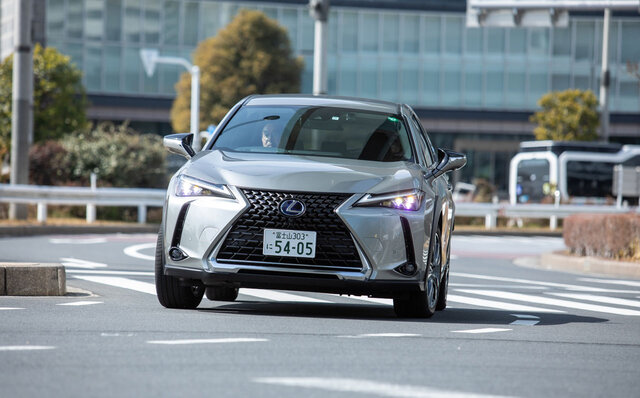
Lexus's first mass-produced EV arrives as the compact SUV "Lexus UX300e." With dimensions of 4.5 meters in length and 1.5 meters in height, it's easy to handle even in urban environments. Its smooth ride and surprisingly sporty handling go beyond the trend of EVs, making it a stylish model that's also fun to drive.
The UX300e was released in 2020. Initial production was limited to 135 units due to parts supply issues, and production for sales from February 2021 onwards began in April, suggesting that widespread adoption may take some time. Pure EVs also face challenges after purchase, such as charging infrastructure, so it's not just about selling them. It's likely best to see a gradual increase.
As you know, pure EVs are becoming more common these days. We often see reports online, in newspapers, and on television proclaiming the dawn of the pure EV era. However, simply choosing an EV based on this trend is not enough. It must be worth buying. In this regard, the UX300e is exceptionally well-executed.
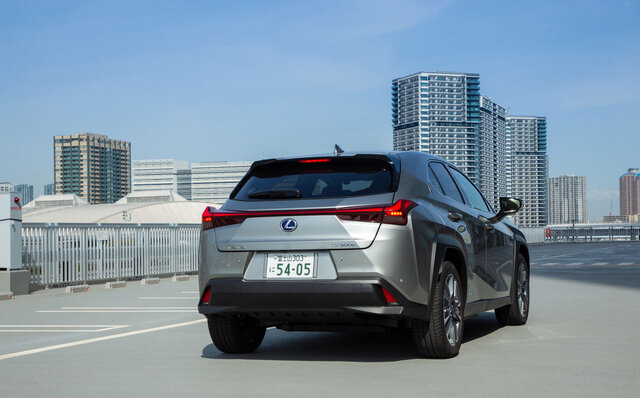
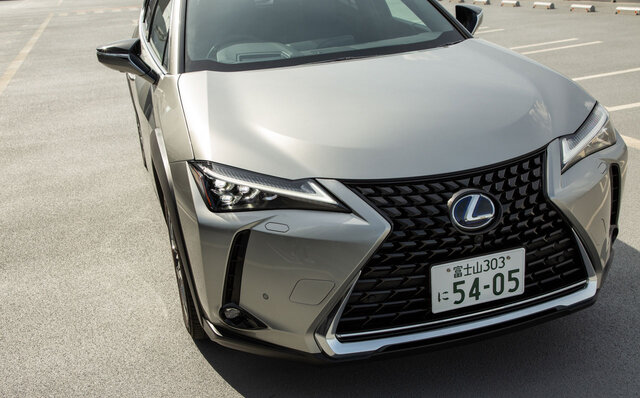
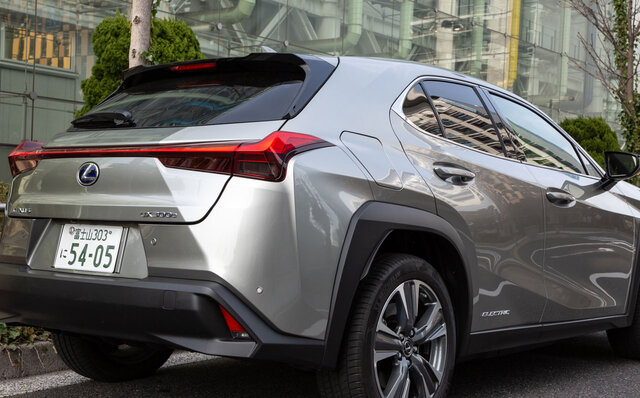
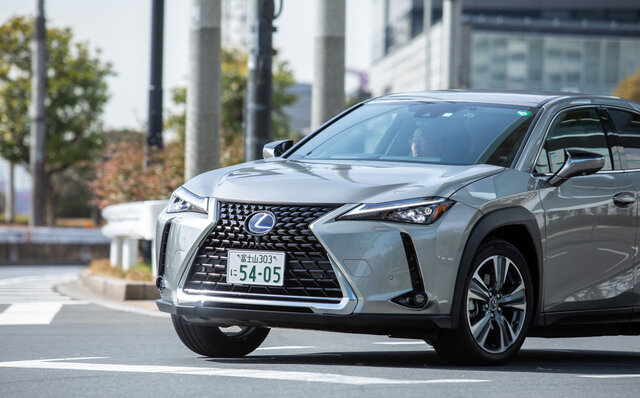
The styling is almost identical to the conventional UX series. That is, while it's slightly taller, the steeply raked rear hatch gives it a coupe-like impression, emphasizing the front seats. This remains the same for the EV. In fact, the driving enjoyment has been enhanced, and if the UX series aims to be a SUV with a strong personal feel, this is a more fitting execution of its original concept.
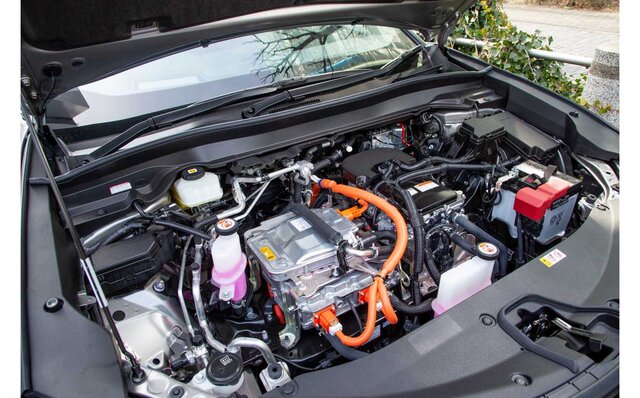
After all, the powertrain, consisting of a large battery and electric motor, is entirely different from a conventional gasoline engine car. Lexus engineers focused on leveraging the advantages of electric vehicles by increasing body rigidity, optimizing front-rear weight distribution, and lightening the front and rear ends of the body to enhance the sense of unity between the driver and the car.
I believe the results are evident. It drives exceptionally smoothly. While I don't know how many people have experienced a pure EV, compared to the strong sense of power felt in the Audi e-tron, Porsche Taycan, and Mercedes-Benz EQC, the UX300e's natural feel is striking.
The drive battery capacity is 54.4 kWh, which is by no means small. While not as large as the German cars mentioned above, it's comparable to the Nissan Leaf (40 kWh to 62 kWh) and significantly larger than the Mazda MX-30 EV model (35.5 kWh). Regarding this capacity choice, Lexus public relations stated, "The UX was originally conceived for urban driving, so we decided on this capacity considering the balance of price and performance for a vehicle primarily used in the city."
LEXUS UX300e | Lexus UX300e
The Natural Handling of an EV is its Appeal
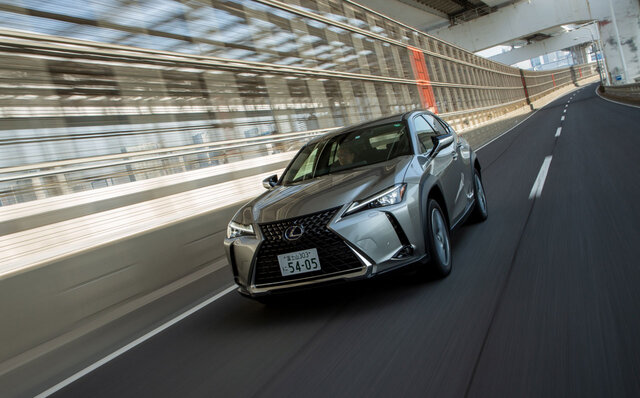
What one expects from an EV varies from person to person. One reason to recommend the UX300e is the even more natural handling it offers compared to gasoline or hybrid vehicles. It starts smoothly and accelerates powerfully. It also corners well, with the car moving naturally in the direction the driver intends.
In the UX300e, which drives the front wheels with its motor, the power delivery can be controlled more precisely than with an engine. Furthermore, by skillfully combining steering and brake control, a comfortable and effortless driving experience has been created. Lexus calls this "clean handling performance." In other words, it's the ease of a new era.
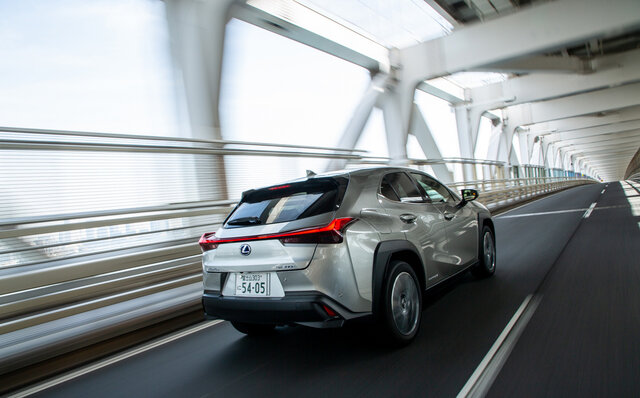
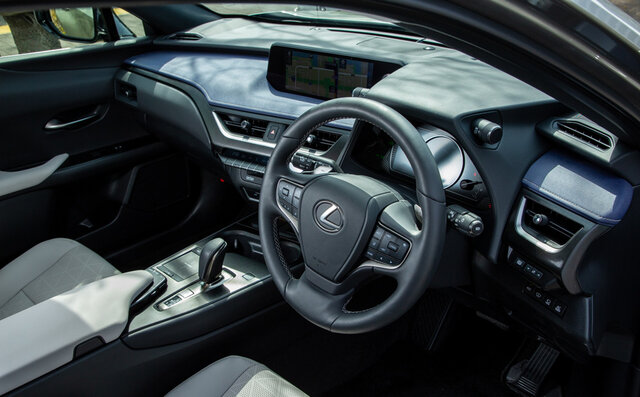
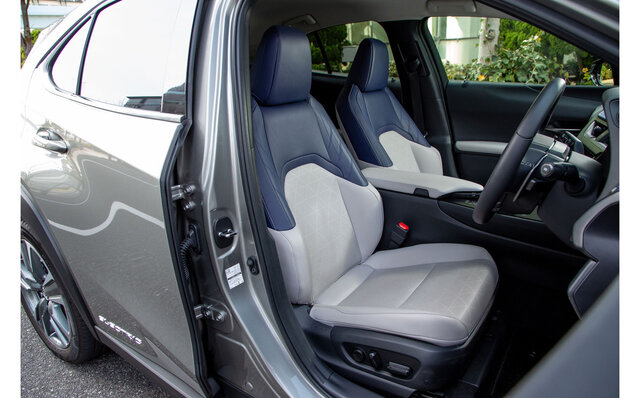
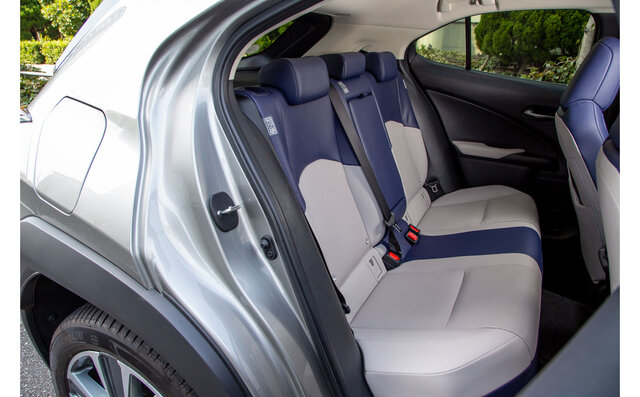
Lexus developers also state that enhancing cabin comfort was a key objective. Indeed, the ride quality during high-speed cruising is technically described as a "flat ride," meaning occupants' heads and bodies are not unnecessarily jostled. Furthermore, extensive sound insulation measures have been implemented throughout the body, including the windshield.
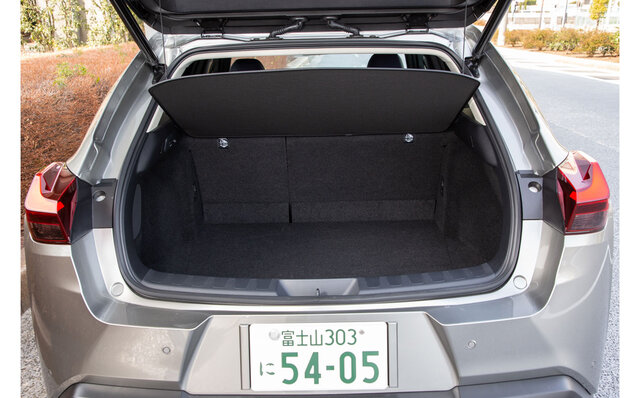
The fact that the trunk floor in the UX300e is now flat is a small but noteworthy improvement in practical usability. The UX series, with its compact exterior dimensions, couldn't offer a large trunk capacity to begin with, and the uneven floor shape due to the fuel tank and battery further limited its utility. The UX300e has tidied this up. The actual capacity has increased from about 220 liters to 310 liters.
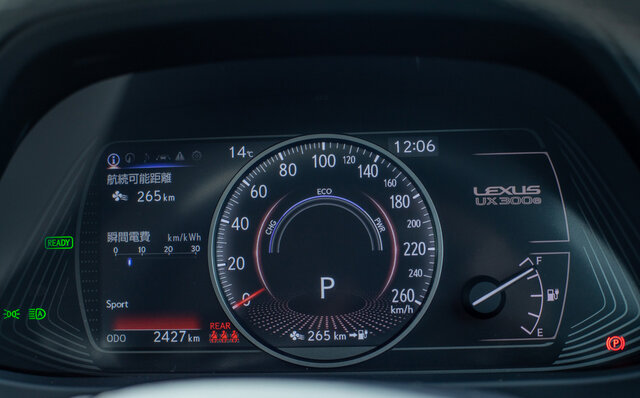
The cruising range is 367 km in WLTC mode, which reflects real-world conditions. This figure decreases with air conditioning use or rapid acceleration. Even so, it approaches 300 km, suggesting that those who drive shorter distances might only need to charge once a week. In such cases, charging at a dealership could be an option. Of course, considering battery longevity, slow charging over time is preferable.
The UX300e is available in two grades: "version C" (5.8 million yen) and "version L" (6.35 million yen). Pure EVs are eligible for subsidies from the Ministry of the Environment, Ministry of Economy, Trade and Industry, and local governments. If you have charging facilities nearby, it's worth considering a test drive. It's a car that clearly shows the current state of Japanese EVs, which don't pursue novelty for its own sake like German cars.
Contact Information
Lexus Information Desk
Tel. 0800-500-5577 (9:00-18:00, open 365 days a year)
https://lexus.jp/