October 6, 2021
A dramatic evolution of the "Land Cruiser"—a test drive of the new Toyota Land Cruiser | TOYOTA
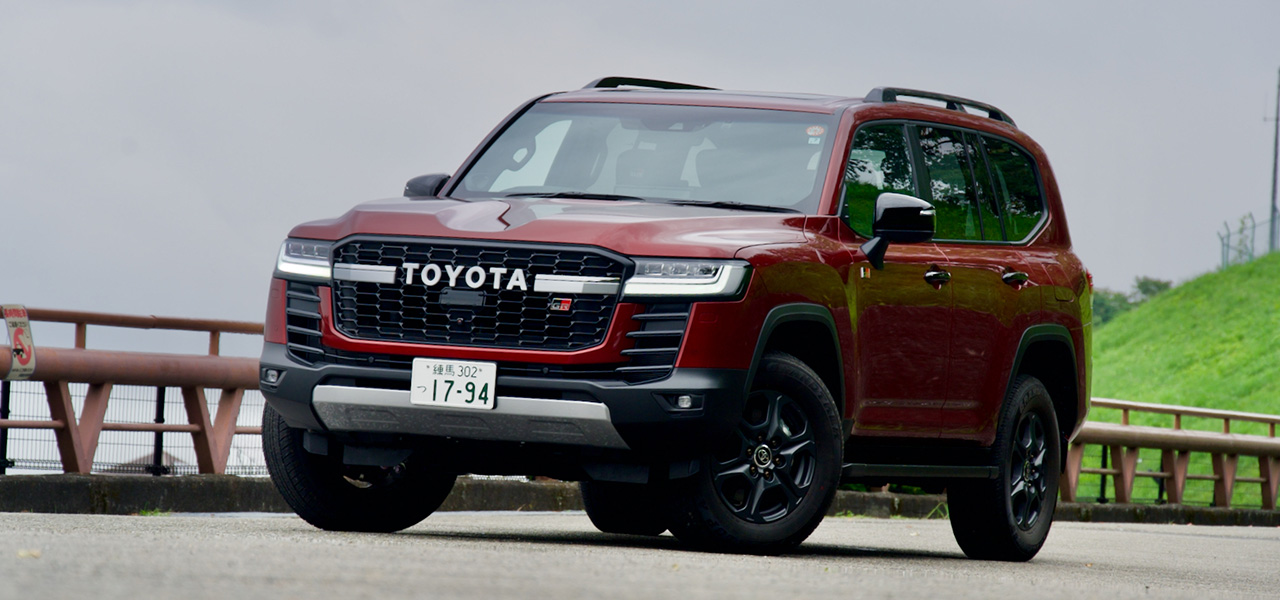
TOYOTA LandCruiser GR SPORT
TOYOTA LandCruiser ZX
A Dramatic Evolution of the "Land Cruiser"
"A partner that can go anywhere and return alive." This is the appeal of Toyota's authentic cross-country vehicle, the Land Cruiser (hereafter referred to as the "Lankuru"). We test-drove the new 300 series, which has undergone a full model change for the first time in 14 years since the 200 series, which was categorized as a station wagon, and examined the extent of its evolution.
Text & Photographs by HARA Akira
Roots in Military Vehicles
The roots of the Land Cruiser trace back 70 years to 1951, with the development of the Toyota Jeep "BJ" model, aimed at supplying the then National Police Reserve (the predecessor to the Ground Self-Defense Force). It was a four-wheel-drive vehicle equipped with a powerful 3.4-liter inline-6 gasoline engine, capable of climbing to the 6th station of Mt. Fuji (while the US military Jeep could only reach the 5th). However, it lost out to the Mitsubishi Jeep, which shared parts compatibility with US military vehicles.
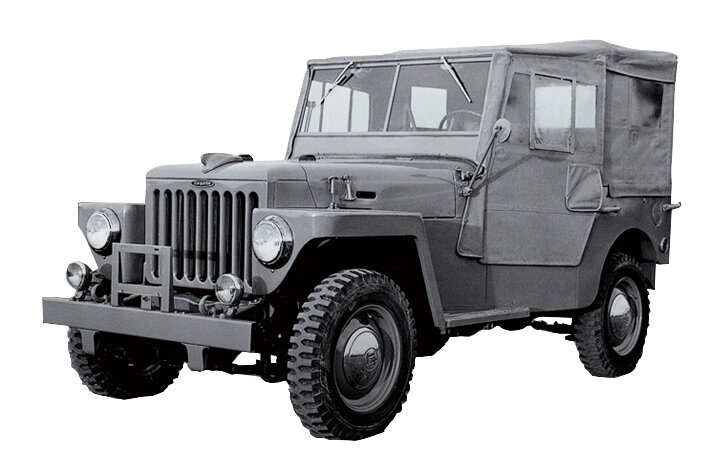
The BJ model, ancestor of the Land Cruiser
Fueled by that regret, the vehicle name was changed to "Land Cruiser" in '54, and its history began. Today, 70 years after its birth, the Land Cruiser lineup consists of three main branches: the "70 series" heavy-duty, a direct descendant of the BJ series (available only in overseas markets); the "Prado series" light-duty, suitable for everyday use; and the flagship "station wagon series," to which the new 300 series belongs.
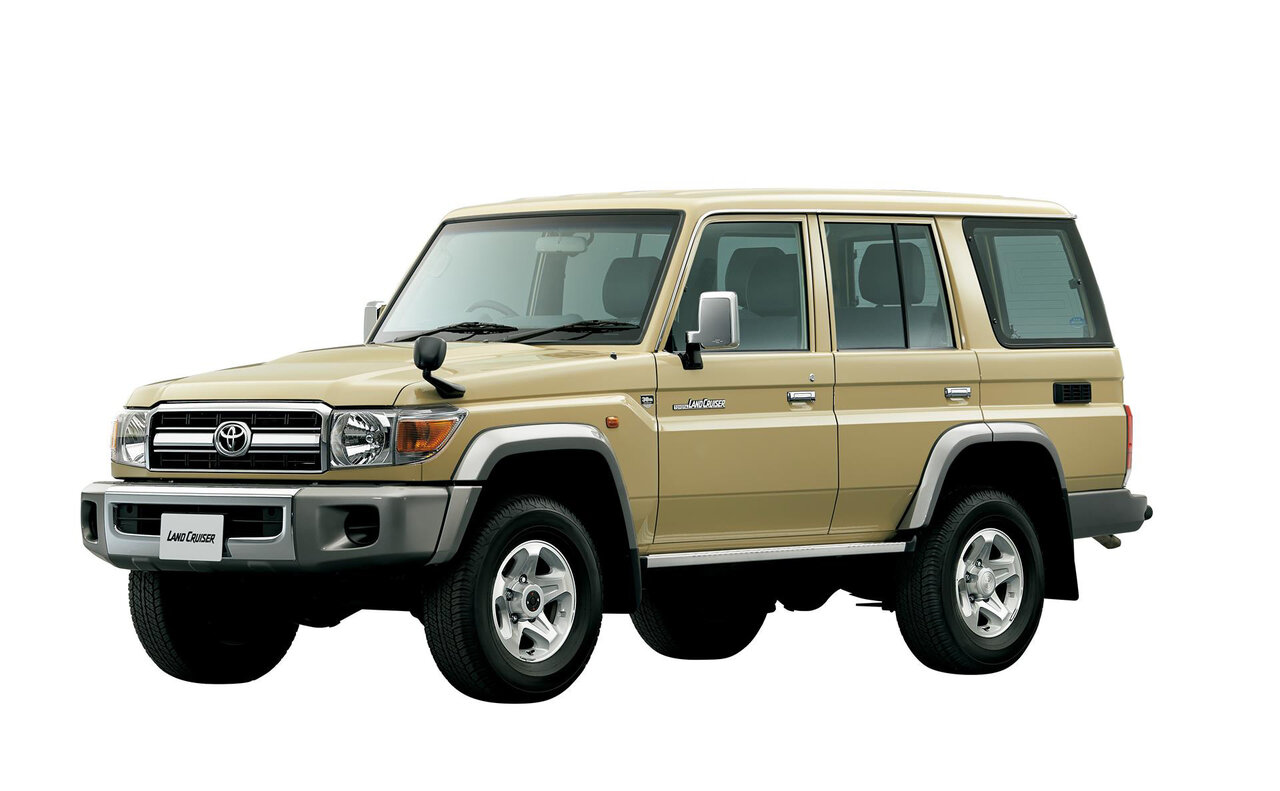
The heavy-duty 70 series
The new 300 series is constructed with maximum emphasis on durability off-road and ease of repair and parts availability, featuring a traditional ladder frame chassis with a mounted body, a rigid rear suspension, and a pure engine (diesel and gasoline) powertrain without electrical assistance like hybrid systems.
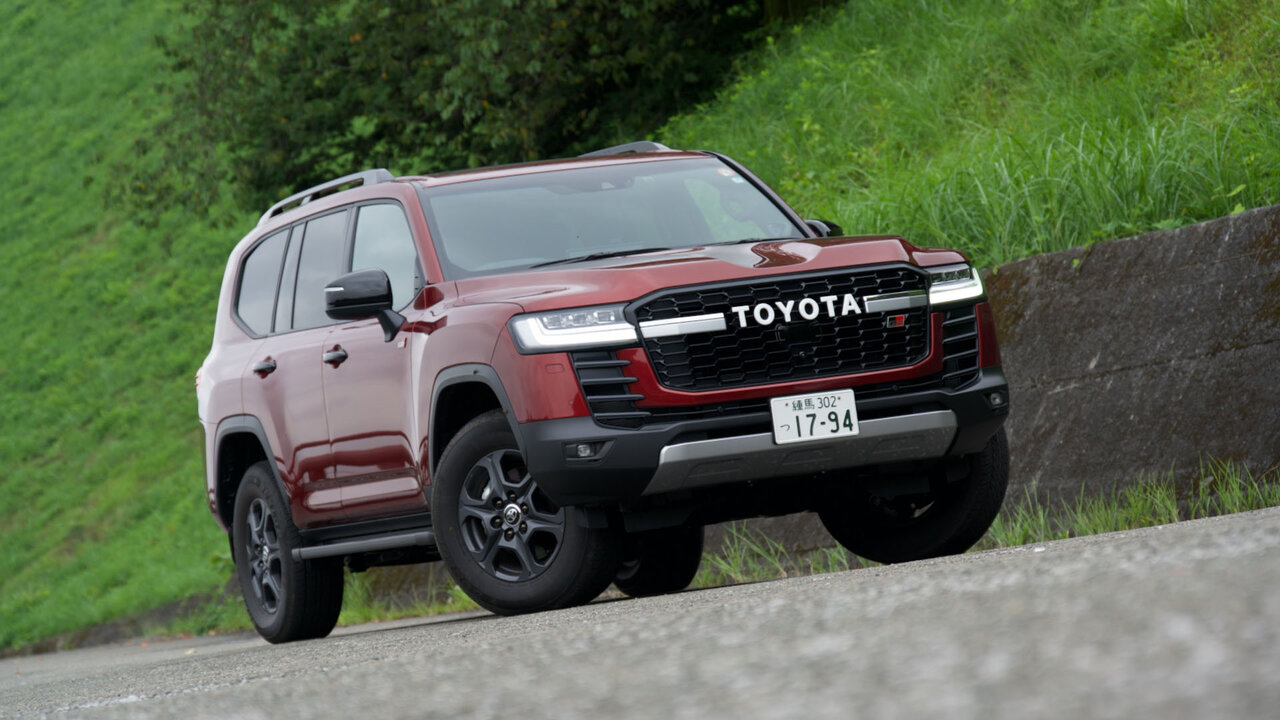
The new Land Cruiser, fully redesigned for the first time in 14 years. Pictured is the GR Sport.
However, the chassis adopts the lightweight and highly rigid GA-F platform, incorporating the TNGA philosophy. The roof, hood, and all doors are made of aluminum. By moving the engine mounting position 70mm backward and 28mm lower, the vehicle is 200kg lighter than its predecessor, with a lower center of gravity and improved front-rear balance. The body dimensions are full-size: 4,985mm long, 1,980mm wide, and 1,925mm high.