December 18, 2019
The Answer: Reverso, Born from the Need for a Dress Watch in a Small Size | JAEGER-LECOULTRE
Presented by JAEGER-LECOULTREJAEGER-LECOULTRE | Jaeger-LeCoultre
The Answer: Reverso, Born from the Need for a Dress Watch in a Small Size | JAEGER-LECOULTRE
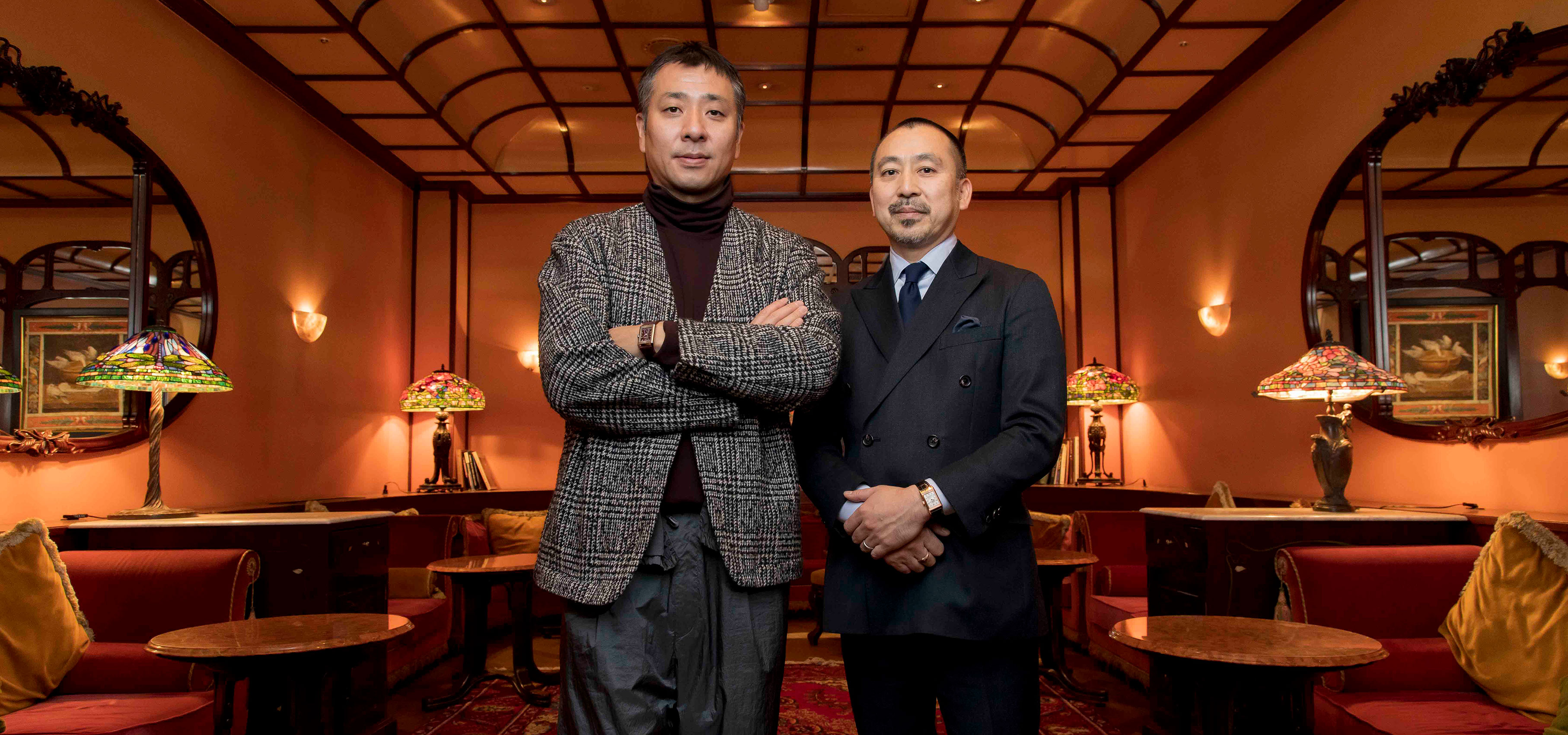
Founded in 1833, Jaeger-LeCoultre is a brand that was the first Swiss watch manufacturer to become a manufacture, producing over 1,200 calibers to date. Among its long history, the "Reverso" collection stands out for its enduring appeal. And OPENERS is paying close attention to the "Reverso" as a realistic choice that fits modern lifestyles. What is the stylistic charm of this "Reverso"? Daisuke Obana, designer of N.HOOLYWOOD, who is a self-proclaimed watch enthusiast, and Hiroyuki Matsumoto, the representative of this magazine, who has always stated he wants to own a "Reverso" someday, discussed it.
Photographs by OHTAKI Kaku | Text by KOIZUMI Yoko | Edit by TSUCHIDA Takashi
An "Unchanging" Stance. That is the Splendid Dignity of the "Reverso"
Hiroyuki Matsumoto (hereinafter, Matsumoto)Recently, smaller watches have been gaining attention, with more people choosing boy-sized or (smaller) vintage models. What are your thoughts on smaller watches, Obana-san?
Daisuke Obana (hereinafter, Obana)My wrists aren't particularly thick, so I'm not a fan of the "big and thick" models. That's why the vintage divers I collect and the watches I own are relatively small.
MatsumotoThe Jaeger-LeCoultre "Reverso" I'm wearing now is from a collection that offers relatively smaller sizes among the current models.
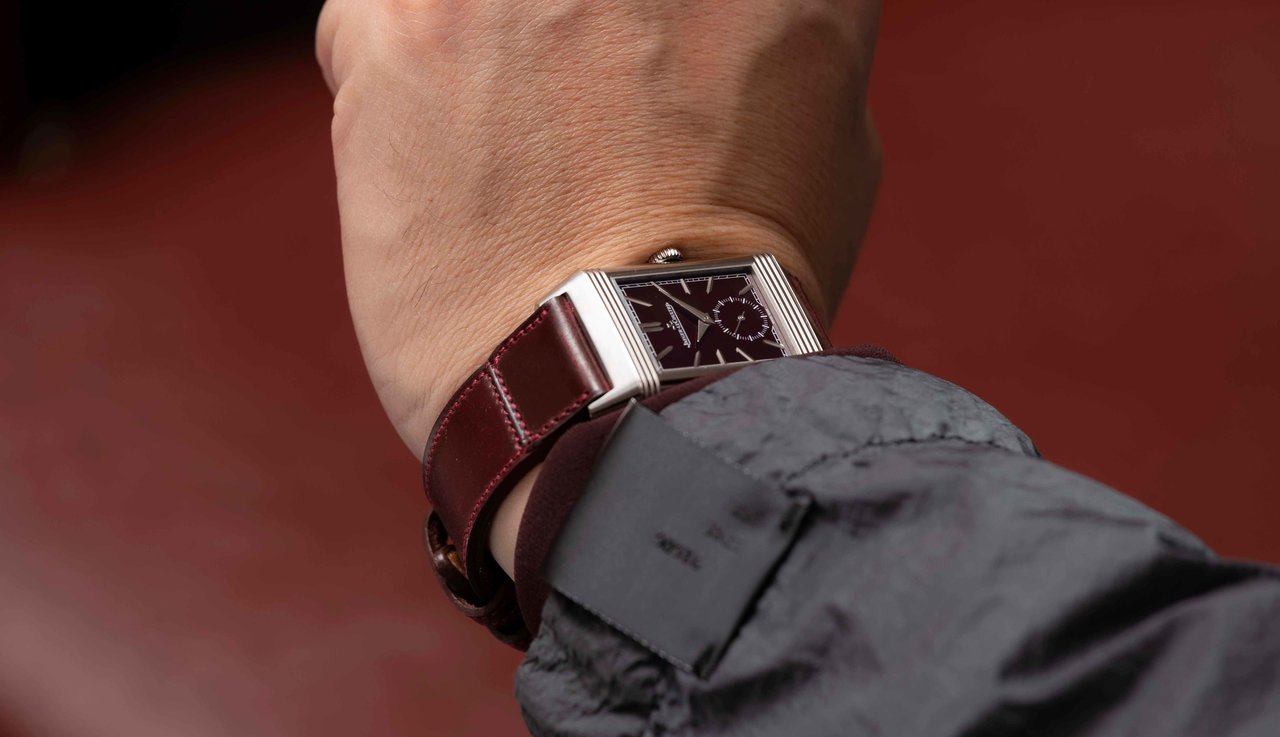
ObanaThis size feels just right for me. With round watches, if they're too small, they tend to have a distinctly feminine feel, making them difficult to wear. But this square case has a great sense of proportion.
MatsumotoI can see why it's popular with women who prefer slightly larger watches.
Perhaps because you've designed watches yourself, Obana-san, but every time I see you, I feel you're very mindful of the balance between your style and your watch.
Perhaps because you've designed watches yourself, Obana-san, but every time I see you, I feel you're very mindful of the balance between your style and your watch.
ObanaWatches are no longer just for telling time. Since I don't wear jewelry like rings or bracelets, I feel that my watch is the only thing that expresses the TPO within my outfit for the day.
MatsumotoWhen do you choose a square-cased watch among your collection?
ObanaI generally don't wear ties, so I tend to choose a square-cased watch when I want to dress up.
It's true that nowadays, younger people are choosing elegant, formal square-cased models over sporty ones. The trend is to pair dressy watches with relaxed vintage clothing. With that in mind, the "Reverso" is also an option for them.
It's true that nowadays, younger people are choosing elegant, formal square-cased models over sporty ones. The trend is to pair dressy watches with relaxed vintage clothing. With that in mind, the "Reverso" is also an option for them.
MatsumotoJaeger-LeCoultre was founded in 1833, but back then, it was still the era of pocket watches. In the 1910s and 1920s, various manufacturers began making wristwatches, and the "Reverso" was born in 1931. The case shape, the gadroon decoration (the lines at the top and bottom), and the design of the indices and numerals have remained virtually unchanged since then.
-
![]()
The first "Reverso," released in 1931.
-
![]()
An advertisement visual from 1932.
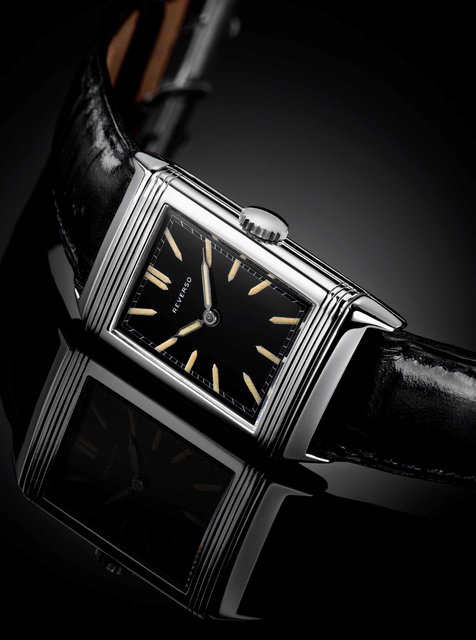
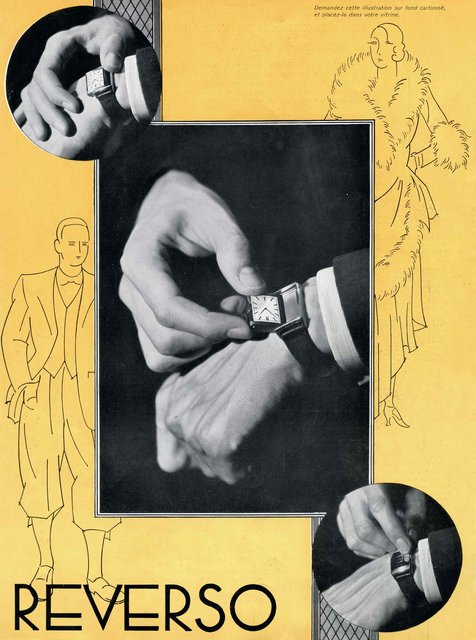
ObanaEven now, the design has an Art Deco feel, doesn't it? Wait, so it's been maintaining this style for over 80 years? That's incredible! It never had a pop phase in between?
MatsumotoJaeger-LeCoultre, specifically, never went pop (laughs). It's amazing how they've stayed true to their unique style and persevered for so long.
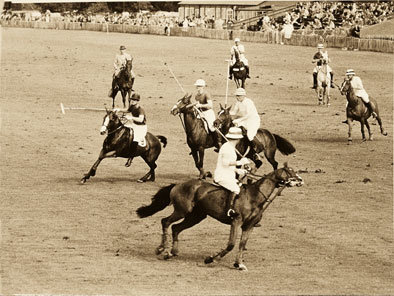
The "Reverso" has an elegant design, but its origins are in sports watches.
British officers stationed in India ordered a watch that wouldn't break during matches. The watch crystals of that era weren't as strong as they are today and would easily crack under impact. So, the idea was conceived to reverse the case during play to protect it.
British officers stationed in India ordered a watch that wouldn't break during matches. The watch crystals of that era weren't as strong as they are today and would easily crack under impact. So, the idea was conceived to reverse the case during play to protect it.
Later, initials were engraved on the smooth caseback, followed by words and pictures, leading to personalization. Furthermore, the caseback was also made into a watch, creating a dual-time function.
ObanaThe basic model is a two-hand manual wind, right? And then it evolved into a dual-time. That's fascinating!
Here is the "Reverso" worn by Obana-san
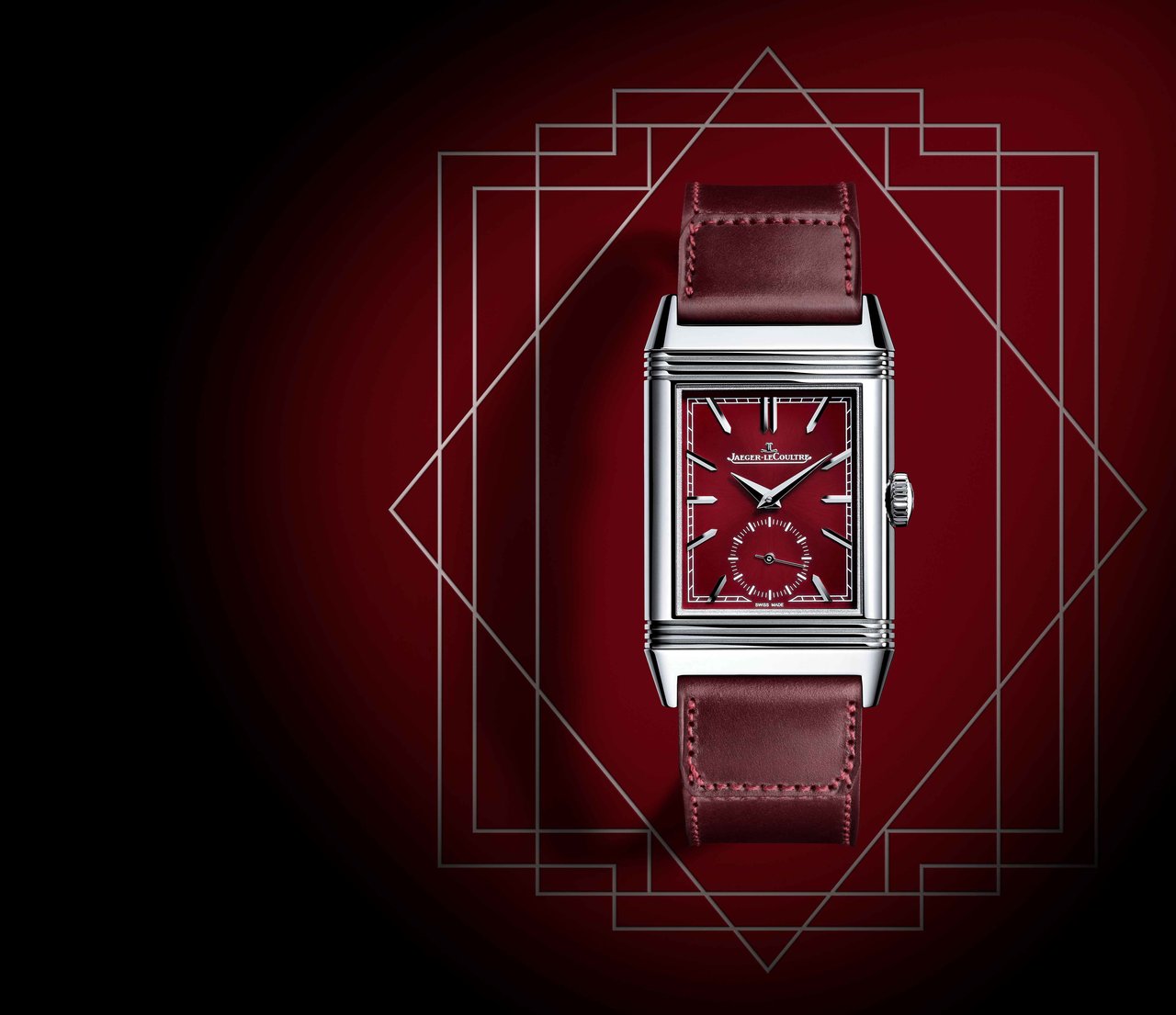
Reverso Tribute Small Seconds
This model pays homage to the original released in 1931 with its bar indices. It enhances the geometric impression and retains a strong Art Deco atmosphere. While the burgundy color might seem advanced at first glance, it pairs well with closing color codes and has a surprisingly wide range of applications. Of course, coordinating it with colors, as Obana-san has done, is a foolproof approach.
Ref. | Q397846J
Movement | Manual-winding (Cal.822/2)
Dial | Burgundy Red
Case Material | SS
Case Size | 45.6 x 27.4mm
Case Thickness | 8.5mm
Strap Material | Calf leather (Fagliano Collection)
Water Resistance | 3 bar
Price | ¥808,000 (excluding tax)
Movement | Manual-winding (Cal.822/2)
Dial | Burgundy Red
Case Material | SS
Case Size | 45.6 x 27.4mm
Case Thickness | 8.5mm
Strap Material | Calf leather (Fagliano Collection)
Water Resistance | 3 bar
Price | ¥808,000 (excluding tax)
JAEGER-LECOULTRE | Jaeger-LeCoultre
The Answer: Reverso, Born from the Need for a Dress Watch in a Small Size | JAEGER-LECOULTRE (2)
ObanaHowever, the 'click-click' sensation when reversing the case is quite satisfying. I can't help but touch it. I've only been wearing it for less than 30 minutes, and I'm already hooked (laughs).
MatsumotoIf you were to engrave something on the back, what would you choose?
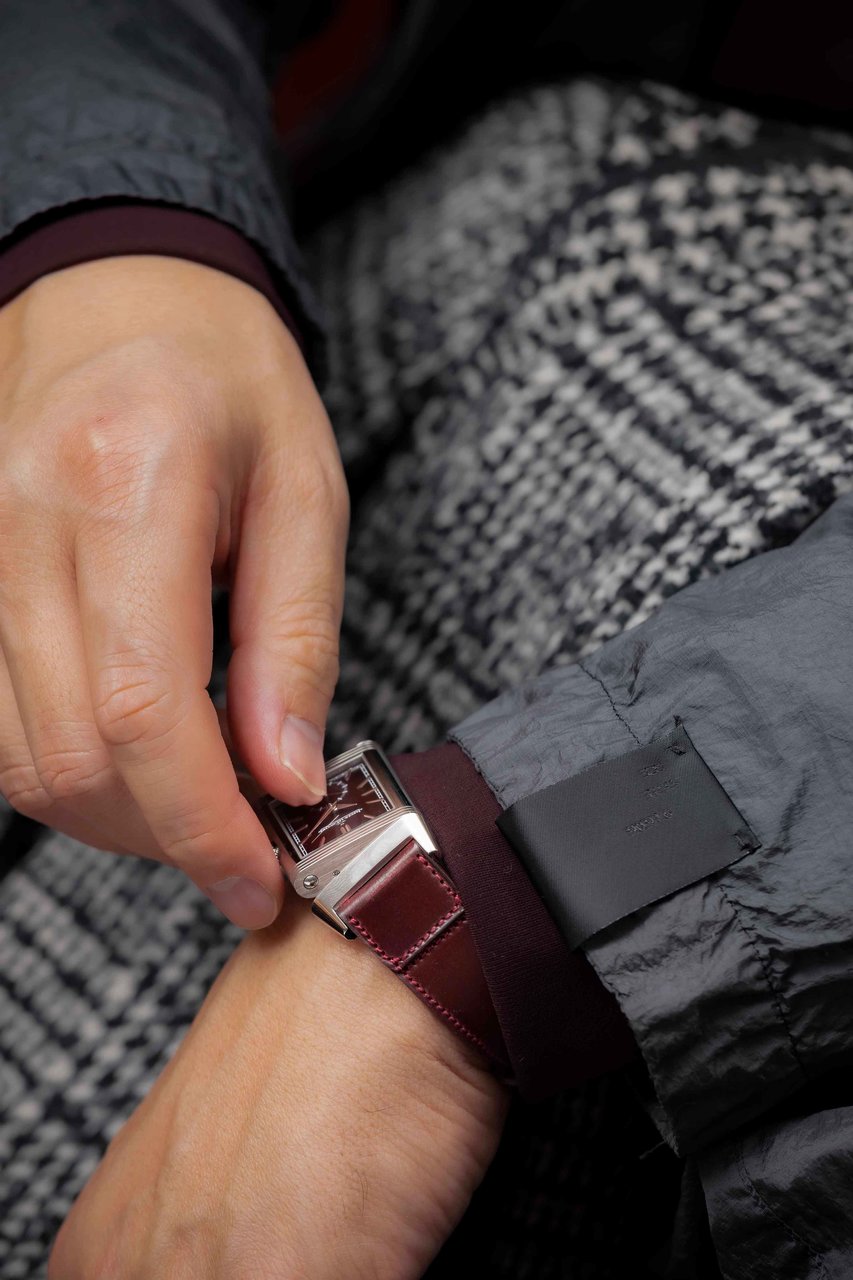
ObanaI like items that mark the passage of time like this, so I do think about it. However, I feel that if I were to engrave something too organic onto the "Reverso's" design, it would become a different watch. So, if I were to engrave something, it would be initials or a message.
MatsumotoMost of the watches you own are manual-wind, aren't they, Obana-san?
ObanaThat's true, but lately, automatic winding is just easier, so I find myself reaching for those (laughs).
For manual-wind watches, I prefer simpler mechanisms. With vintage watches that have day-date functions, you might have to wind them for a whole month at a time, which can be quite a hassle to set correctly.
Does the "Reverso" come with an automatic movement?
For manual-wind watches, I prefer simpler mechanisms. With vintage watches that have day-date functions, you might have to wind them for a whole month at a time, which can be quite a hassle to set correctly.
Does the "Reverso" come with an automatic movement?
MatsumotoThis is another anecdote that speaks to Jaeger-LeCoultre's unique path: they did have automatic winding models. However, enthusiasts overwhelmingly preferred manual-wind "Reversos," so the automatic versions were removed from the lineup. They were only manufactured for about two years, starting in 2016.
ObanaOh! If I were looking to make an investment, that would be the one (laughs).
MatsumotoHaha, you think so. But we probably won't live to see the price appreciate (laughs).
ObanaBut for a brand of this caliber to remove a product from its lineup once it's been released is quite a story in itself.
Honestly, I wasn't very familiar with the history or lineup of the "Reverso," but when you wear it, you realize it's a high-caliber watch. The curve of the lugs changes subtly with the size, the lines are beautiful, and the dial finishing is exquisite.
Honestly, I wasn't very familiar with the history or lineup of the "Reverso," but when you wear it, you realize it's a high-caliber watch. The curve of the lugs changes subtly with the size, the lines are beautiful, and the dial finishing is exquisite.
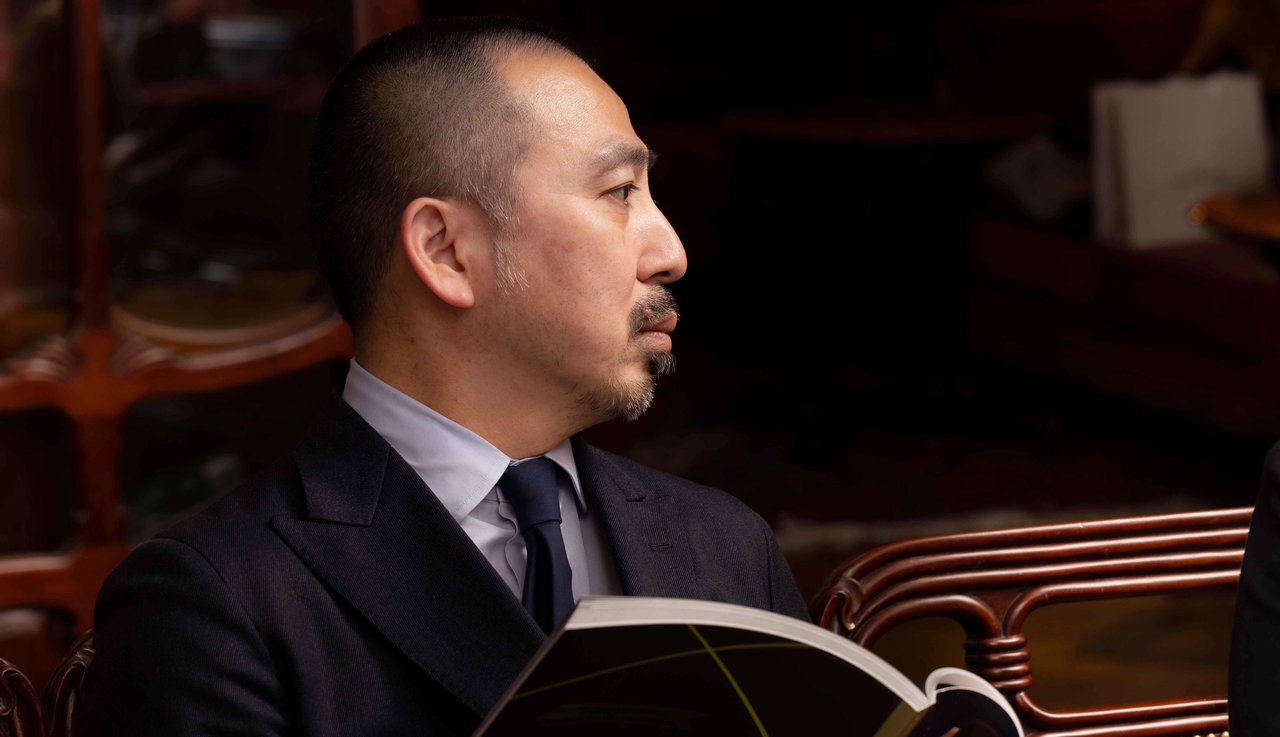
MatsumotoJaeger-LeCoultre is one of my favorite watch brands. I discovered it about 20 years ago, and it has a deep history and has always exuded a superior sense of refinement, which remains unchanged. Its reputation for high accuracy also remains the same.
ObanaAre the stainless steel two-hand models in the 600,000 yen range? And are there dual-time models under 1 million yen? That's surprising. I thought they were much more expensive! In that case, they offer excellent value for money.
MatsumotoExactly. The true value is something that only those in the know appreciate.
ObanaI think one of the criteria for adults is a watch that doesn't cause embarrassment when worn, and this is a watch that discerning people will recognize as such.
In today's automotive and watch industries, branding often changes as ownership shifts. However, when a watch like the "Reverso" is made with such a steadfast approach, it deeply appeals to the human desire for ownership.
In today's automotive and watch industries, branding often changes as ownership shifts. However, when a watch like the "Reverso" is made with such a steadfast approach, it deeply appeals to the human desire for ownership.
MatsumotoIt's not driven by marketing. The rounded sides of the square case, the gadroon decoration – at first glance, it appears to be a very gentle watch, but its unchanging nature is remarkable.
When it was first released, it was likely a well-designed model based on Art Deco, but viewed today, it also carries nuances of contemporary art. I want many people to understand that a style that feels so natural even in today's world was created over 80 years ago and has endured.
When it was first released, it was likely a well-designed model based on Art Deco, but viewed today, it also carries nuances of contemporary art. I want many people to understand that a style that feels so natural even in today's world was created over 80 years ago and has endured.

ObanaN.HOOLYWOOD has a suit line called COMPILE, and every time I face that line, I'm confronted with the question, "What is a suit?" This is because dress codes are becoming less defined, and it's an era where one can do excellent work without a tie, collar, or even a pocket square.
MatsumotoNevertheless, if we were to prioritize only high functionality for convenience, it would cease to be fashion wear and become sportswear.
ObanaExactly. In times like these, I believe that what gives formal style its persuasiveness is the wearer's commitment to their possessions, and whether the items themselves are crafted with such dedication.
In that regard, I'm drawn to the "unchanging" stance of the "Reverso." It's elegant, and it offers many elements to discuss regarding its history and watchmaking. In that sense, it feels like a good fit for me. (End)
In that regard, I'm drawn to the "unchanging" stance of the "Reverso." It's elegant, and it offers many elements to discuss regarding its history and watchmaking. In that sense, it feels like a good fit for me. (End)
Summary of the Discussion
The square case has a great sense of proportion.
I choose a square-cased watch when I want to dress up.
The "Reverso" still carries an Art Deco atmosphere in its design.
It has maintained this style for over 80 years.
It's elegant, but originally a sports watch.
The sensation of reversing the case is satisfying.
When worn, it's clear it's a high-caliber watch.
It has a deep history and exudes a superior sense of refinement.
It's a watch that discerning people will recognize.
It's not driven by marketing.
Its meticulously crafted construction lends persuasiveness to formal style.
I'm drawn to the "unchanging" stance of the "Reverso."
The square case has a great sense of proportion.
I choose a square-cased watch when I want to dress up.
The "Reverso" still carries an Art Deco atmosphere in its design.
It has maintained this style for over 80 years.
It's elegant, but originally a sports watch.
The sensation of reversing the case is satisfying.
When worn, it's clear it's a high-caliber watch.
It has a deep history and exudes a superior sense of refinement.
It's a watch that discerning people will recognize.
It's not driven by marketing.
Its meticulously crafted construction lends persuasiveness to formal style.
I'm drawn to the "unchanging" stance of the "Reverso."
Here is the "Reverso" worn by OPENERS representative Matsumoto
1PAGE
1PAGE
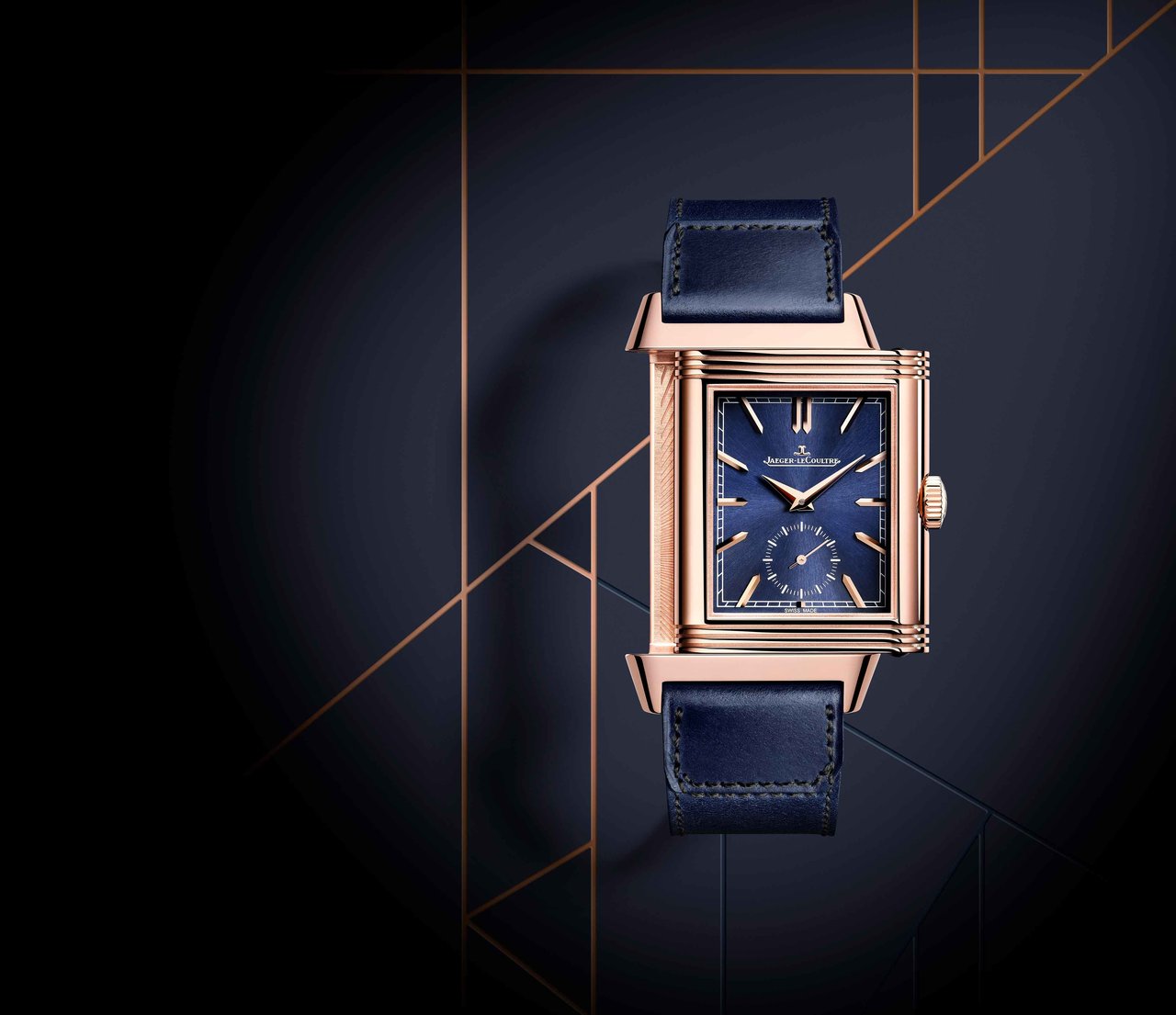
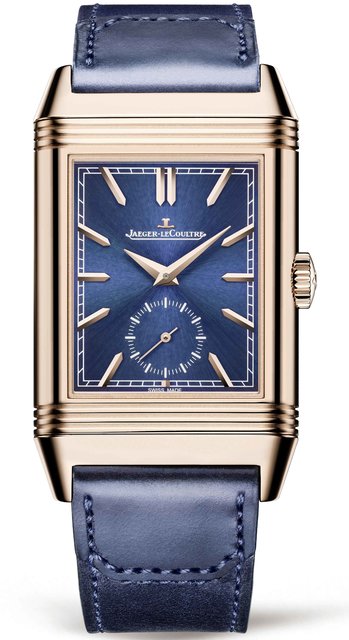
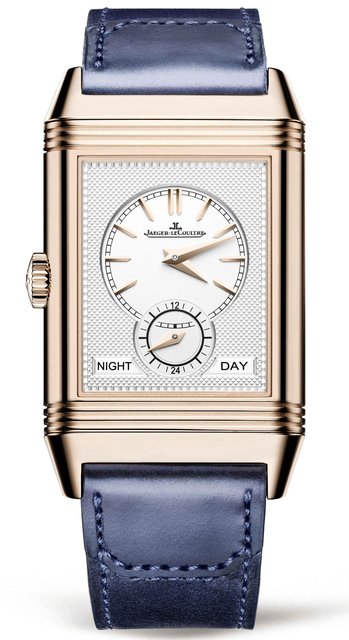
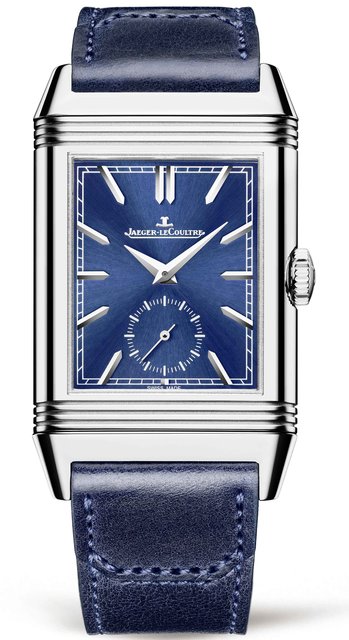
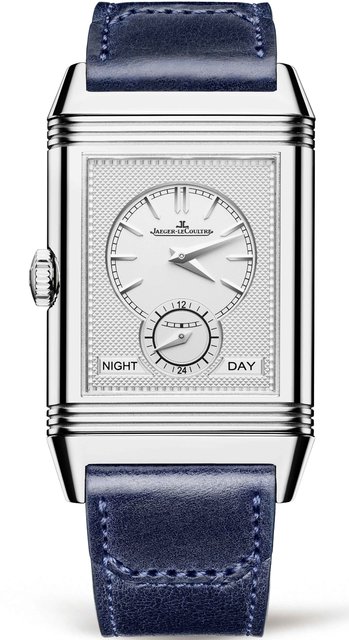
Reverso Tribute Duoface
The front features a design reminiscent of the original model released in 1931. The back, on the other hand, showcases a different personality with its refined and three-dimensional design, skillfully employing guilloché. The 6 o'clock position on the front has a small seconds subdial. On the back, the 6 o'clock position features a needle-type 24-hour display (functioning as a day/night indicator). The interchangeable strap system allows for easy strap changes, enabling you to enjoy various looks with a single watch.
The front features a design reminiscent of the original model released in 1931. The back, on the other hand, showcases a different personality with its refined and three-dimensional design, skillfully employing guilloché. The 6 o'clock position on the front has a small seconds subdial. On the back, the 6 o'clock position features a needle-type 24-hour display (functioning as a day/night indicator). The interchangeable strap system allows for easy strap changes, enabling you to enjoy various looks with a single watch.
Ref. | Q398258J
Movement | Manual-winding (Cal.854A/2)
Dial | Blue sunray finish (front), Silver guilloché finish (back)
Case Material | 18KPG
Case Size | 47 x 28.3mm
Case Thickness | 10.3mm
Strap Material | Cordovan leather (Casa Fagliano)
Water Resistance | 3 bar
Price | ¥2,272,000 (excluding tax)
Limited Edition | Boutique exclusive
Movement | Manual-winding (Cal.854A/2)
Dial | Blue sunray finish (front), Silver guilloché finish (back)
Case Material | 18KPG
Case Size | 47 x 28.3mm
Case Thickness | 10.3mm
Strap Material | Cordovan leather (Casa Fagliano)
Water Resistance | 3 bar
Price | ¥2,272,000 (excluding tax)
Limited Edition | Boutique exclusive
2PAGE
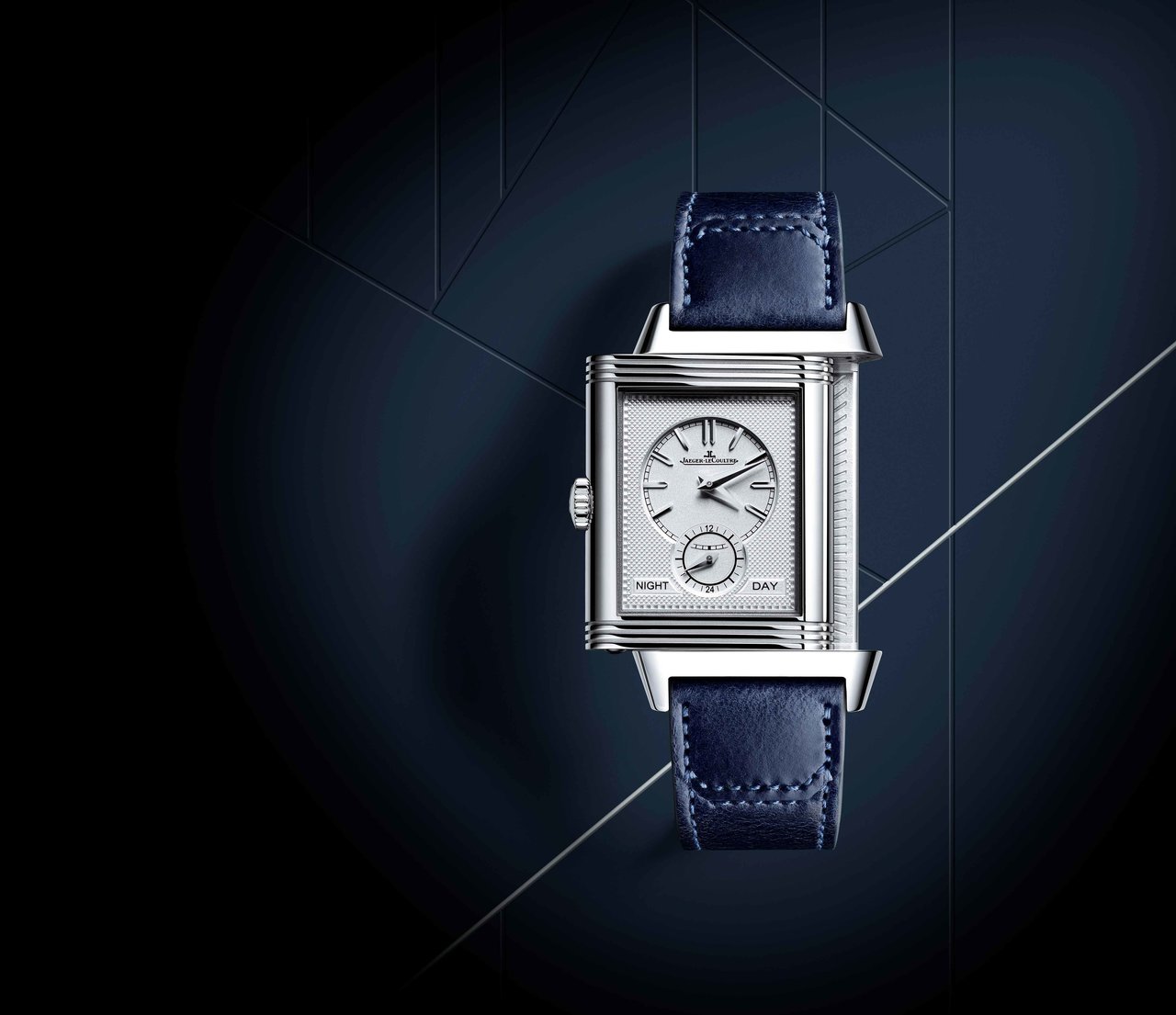
Reverso Tribute Duoface
This version features a stainless steel case, further emphasizing the refreshing blue and exuding a superior sense of refinement.
Ref. | Q3988482
Movement | Manual-winding (Cal.854A/2)
Dial | Blue lacquer sunray finish (front), Silver guilloché finish (back)
Case Material | SS
Case Size | 47 x 28.3mm
Case Thickness | 10.3mm
Strap Material | Calf leather (Fagliano Collection)
Water Resistance | 3 bar
Price | ¥1,068,000 (excluding tax)
This version features a stainless steel case, further emphasizing the refreshing blue and exuding a superior sense of refinement.
Ref. | Q3988482
Movement | Manual-winding (Cal.854A/2)
Dial | Blue lacquer sunray finish (front), Silver guilloché finish (back)
Case Material | SS
Case Size | 47 x 28.3mm
Case Thickness | 10.3mm
Strap Material | Calf leather (Fagliano Collection)
Water Resistance | 3 bar
Price | ¥1,068,000 (excluding tax)
Inquiries
Jaeger-LeCoultre
Tel. 0120-79-1833
http://www.jaeger-lecoultre.com
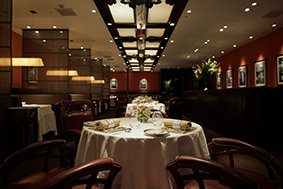
This discussion was made possible with the cooperation of "Maison Paul Bocuse."
Address | 17-16 Sarugaku-cho, Shibuya-ku, Tokyo, Daikanyama Forum B1F
Phone | 03-5458-6324
URL | https://www.hiramatsurestaurant.jp/paulbocuse-maison/
Address | 17-16 Sarugaku-cho, Shibuya-ku, Tokyo, Daikanyama Forum B1F
Phone | 03-5458-6324
URL | https://www.hiramatsurestaurant.jp/paulbocuse-maison/