To 'know' is to savor! Hoshino Resorts RISONNARE NASU | TRAVEL
TRAVEL | HOSHINO RESORTS RISONNARE NASU
To Meet This Dish, We Journeyed to HOSHINO RESORTS RISONNARE NASU (2)
An Unforgettable Taste: The Main Dish, "Aged Beef Bistecca"
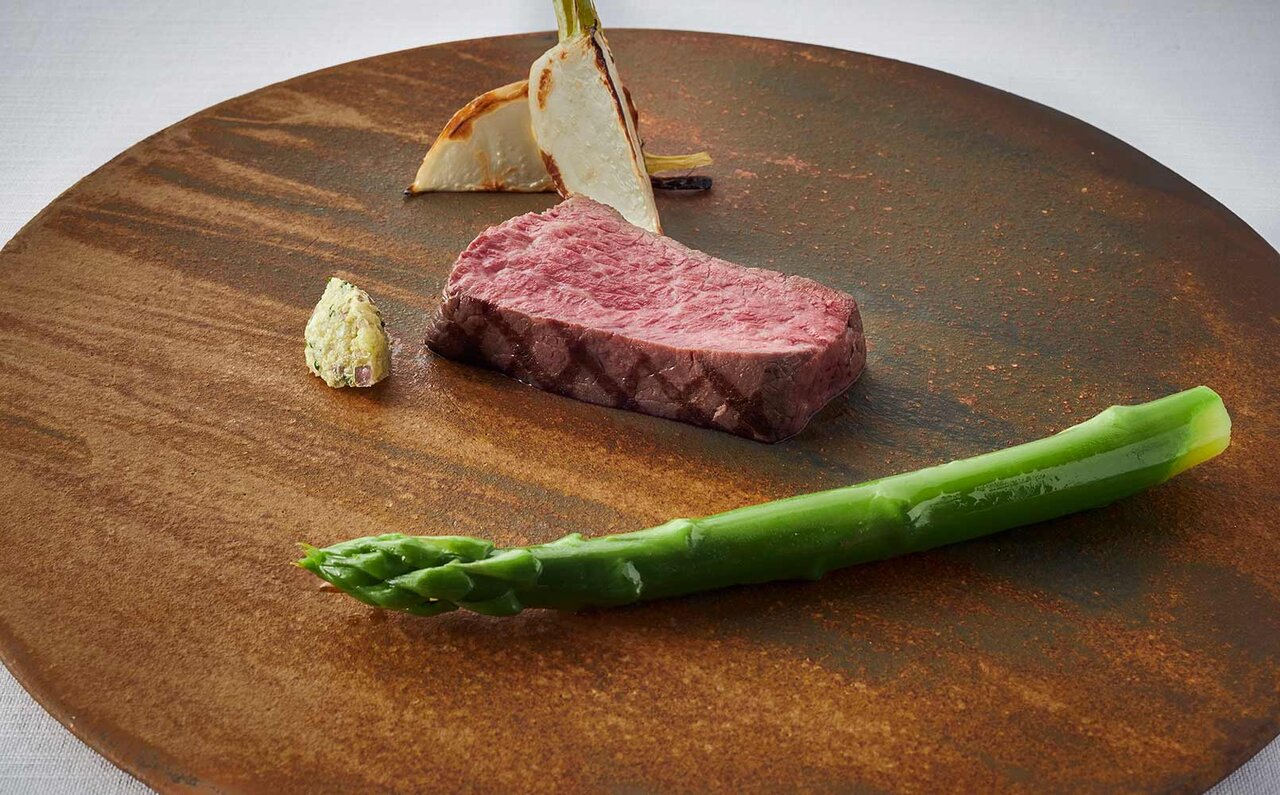
I can't forget the main dish, "Aged Beef Bistecca," a take on Florence's specialty dish, made with Kirifuri Kogen beef. I was already quite full, and had decided to share my portion with my companion... but the moment I took a bite, I regretted my decision. The meat, coated in Scotch whisky and aged with white mold, possessed an alluring umami that transcended mere deliciousness, reaching a realm of "What on earth is this?!" It made my breath catch. "The meat's umami is concentrated, imbued with the aroma of aging; it's truly delicious meat," said Chef Kinoshita. A wasabi purée is served as an accent, but there is no sauce. The more you chew, the more the umami intensifies, making it best enjoyed without sauce. It also paired impeccably with the aged Chianti Classico from 1998, which had a comparable depth of flavor.
Aged Beef Bistecca
The meat, coated in Scotch whisky and aged with white mold, possessed an alluring umami that transcended mere deliciousness, reaching a realm of "What on earth is this?!" It made my breath catch. "The meat's umami is concentrated, imbued with the aroma of aging; it's truly delicious meat," said Chef Kinoshita. A wasabi purée is served as an accent, but there is no sauce. The more you chew, the more the umami intensifies, making it best enjoyed without sauce.
It also paired impeccably with the aged Chianti Classico from 1998, which had a comparable depth of flavor.
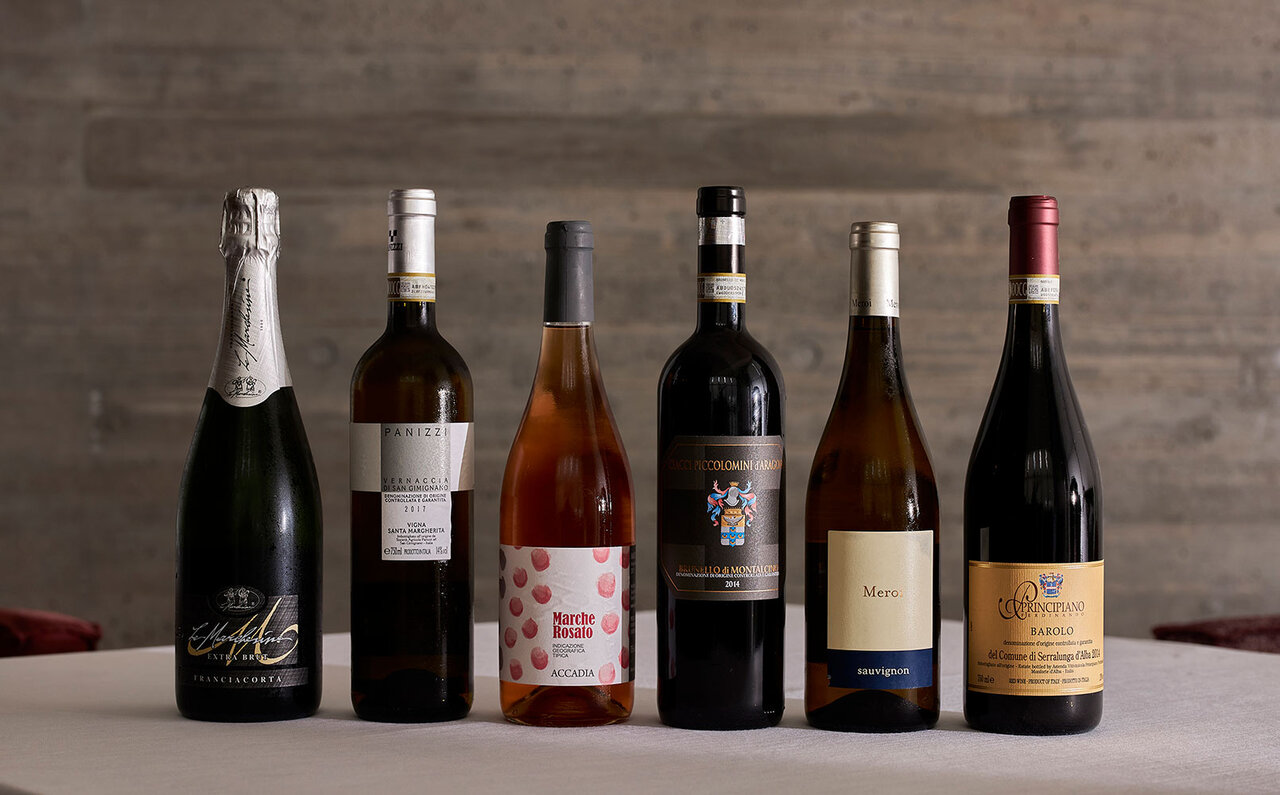
This is the lineup of pairing wines. Starting with Spumante, it progresses through white, rosé, and red in a classic style. OTTO SETTE NASU features a selection of high-performance wines, primarily from Italy.
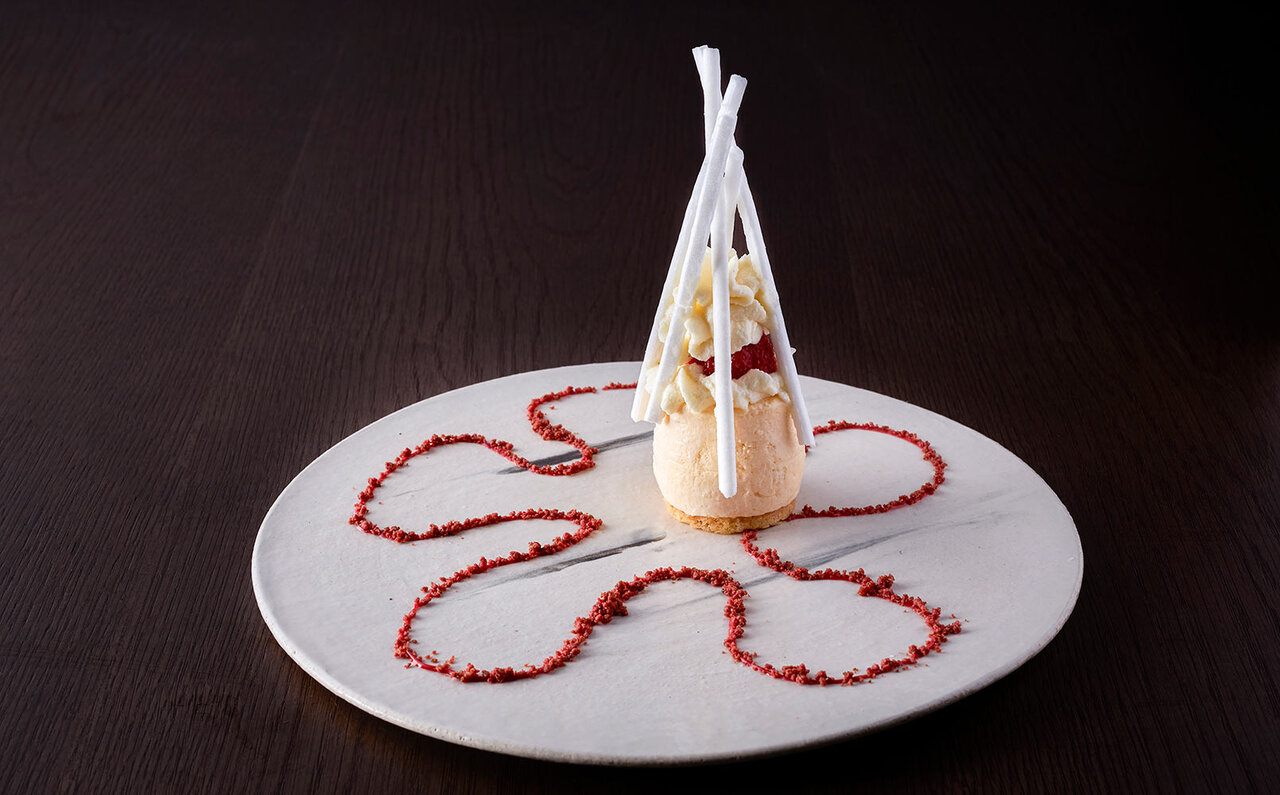
Strawberry and Mascarpone Composizione
For dessert, it was "Strawberry and Mascarpone Composizione." It is recommended to break it apart and mix it with the vanilla ganache cream, the stick-shaped meringue, and the strawberry sauce, which is artfully arranged like a strawberry flower pattern.
It was almost too beautiful to disturb, but I bravely mixed it all up. According to the staff, strawberries, a specialty of Tochigi Prefecture, are often used for desserts. Incidentally, local dairy products were used for the primo dolce.
Since being appointed head chef of "OTTO SETTE NASU" for the opening of "RISONNARE NASU," Chef Kinoshita has spent his days "searching for ingredients from scratch. I had to find them myself to procure them. I scoured the area for local ingredients." Initially, he was unsure if people would take him seriously, but the people of Nasu were warm and welcoming, with many saying, "Let's work together, leave it to us." There are many producers with a strong commitment, and he wants to "revitalize the Nasu region together."
The cuisine at "OTTO SETTE NASU" seems poised for even greater evolution.
Reference | Menu (September 1 - November 30)
Colorful small appetizers
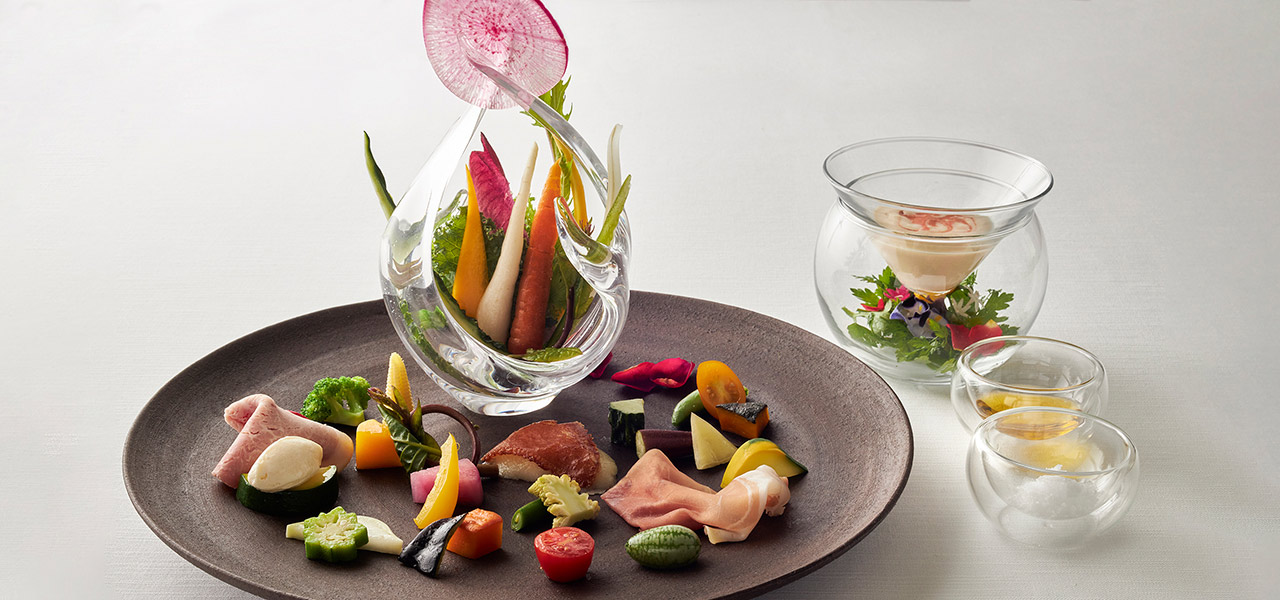
Agri Garden Pinzimonio
Mushroom Zuppa
Wild Boar and Porcini Mushroom Tagliatelle alla Frattagghione
Swordfish herb-crusted, with tripe stewed in tomato sauce
Aged Beef Bistecca
Seasonal Fruit with Yogurt Espuma
Strawberry and Mascarpone Composizione
Breakfast at "SHAKI SHAKI"
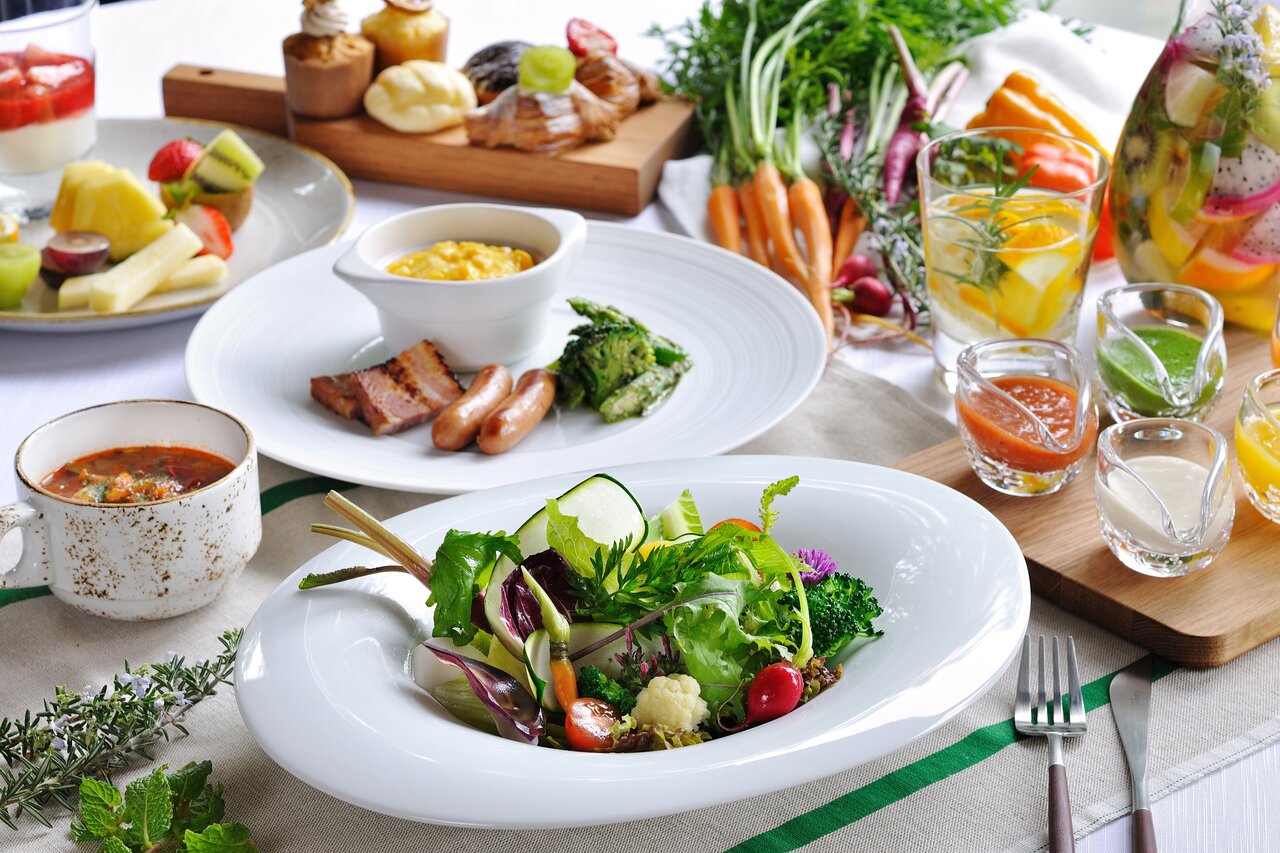
The next morning, we had breakfast at another restaurant, "SHAKI SHAKI." This is a buffet-style restaurant. Despite the pandemic, they have resumed operations with thorough safety measures, wanting guests to enjoy the pleasure of choosing their own food, just as they like it.
Staff recommendations include "Forest Milk" from Nasu Highlands and the visually appealing "Colorful Vegetable Slices." The selection of vegetable dishes is extensive, featuring "Hearty Vegetable Medley" and the Italian regional dish "Bollito Misto." Power surged through me after a hearty vegetable-filled breakfast; now, let's head out for some farm work.
Or so I'd like to say, but first, let me introduce the facilities.
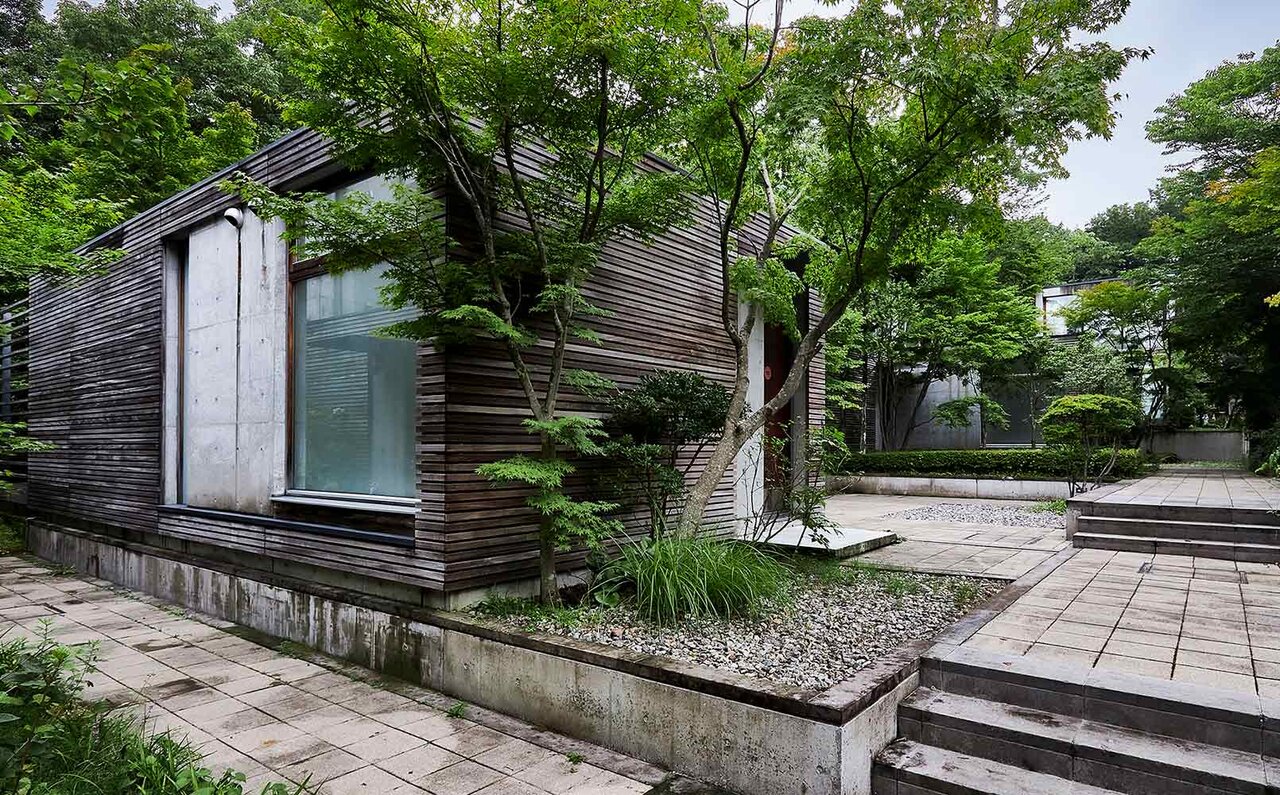
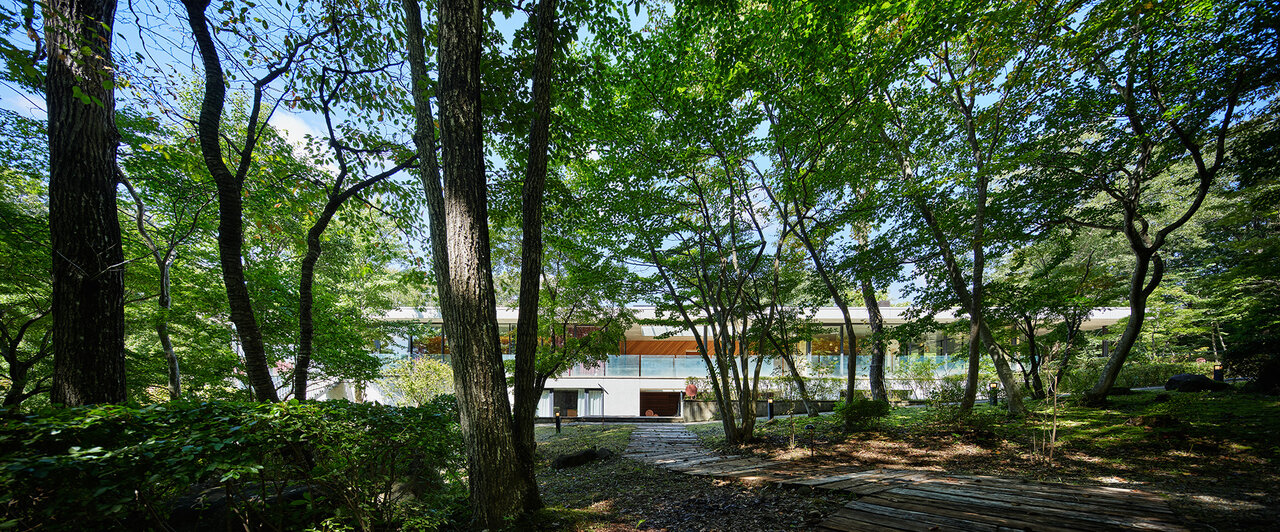
Exterior of guest rooms
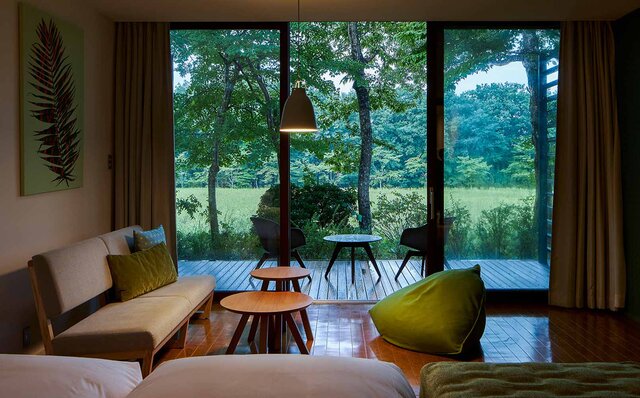
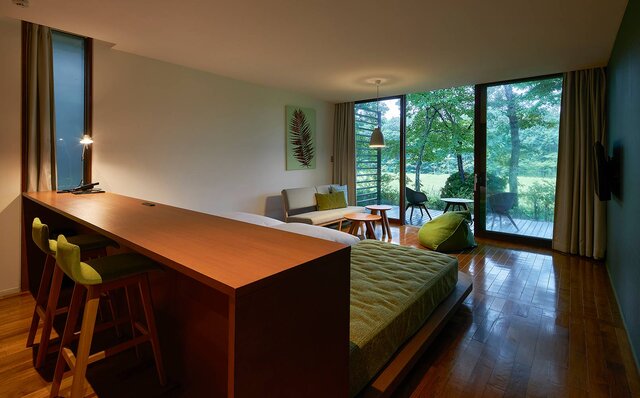
With its vast grounds, the resort has only 43 guest rooms. The renovation of the rooms was handled by the architectural unit "Klein Dytham architecture." The main building, accessed via a forest promenade, is characterized by impressive floor-to-ceiling windows that offer views of the surrounding scenery, like a living painting.
Guest room
Guest room
For example, how about a room with a view of the rice paddies? The outdoor terrace extending from the living room is perfect for forest bathing. You can truly feel the staff's desire for guests to "connect with nature even in their rooms." I imagine working here would be incredibly productive.
Now, let's return to the topic of farm experiences.
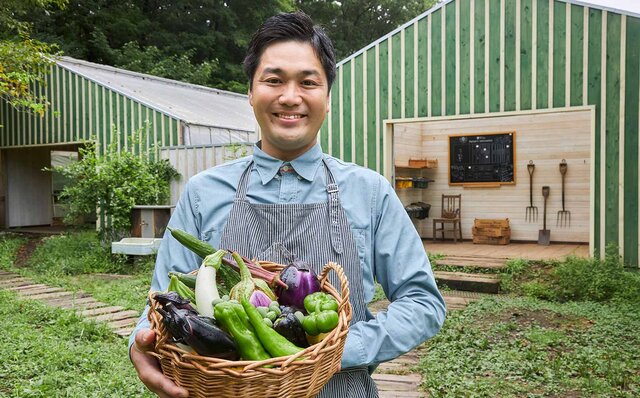
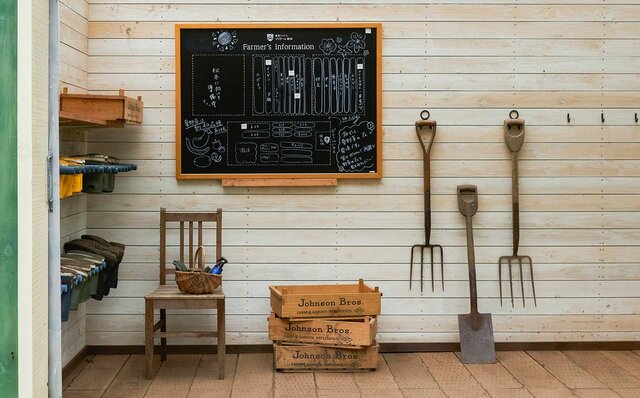
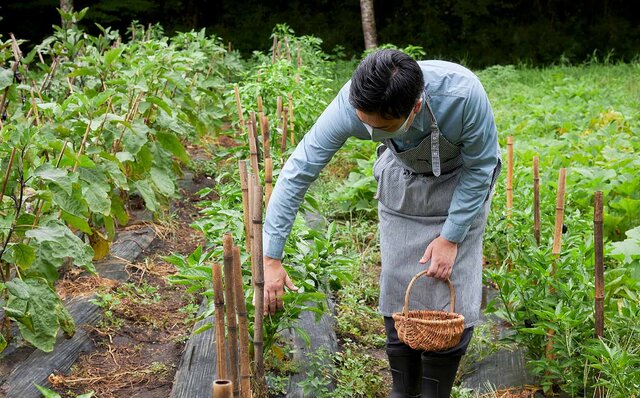
"RISONNARE NASU," which advocates "Agri-tourism Resort," offers various activities. A must-participate for all ages is the free "Farmer's Lesson." Under the guidance of local farmers, guests help with farm work in the "Agri Garden," where vegetables are grown without pesticides, and in the "Greenhouse."
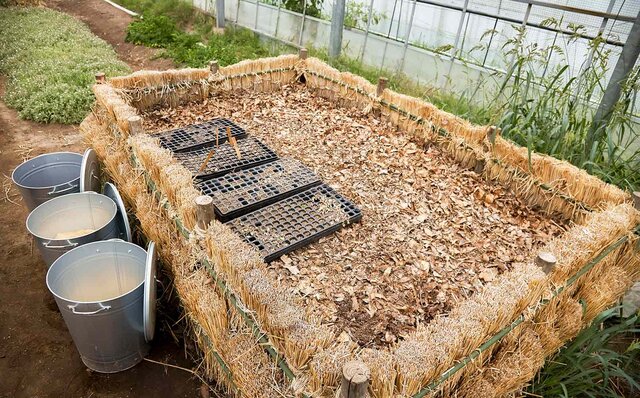
The tasks vary daily, including sowing seeds, raising seedlings, planting rice, harvesting rice, and preparing compost. On some days, you might even be entrusted with operating a tiller!
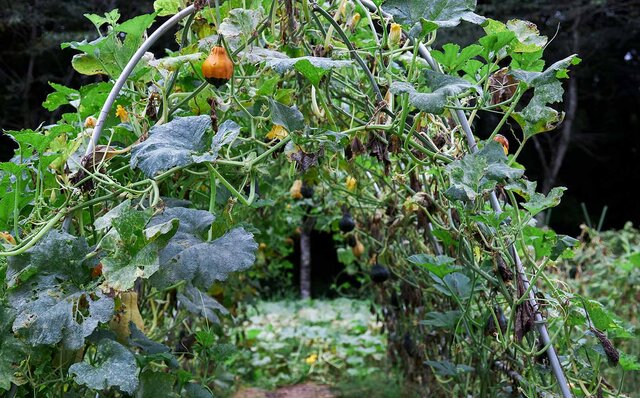
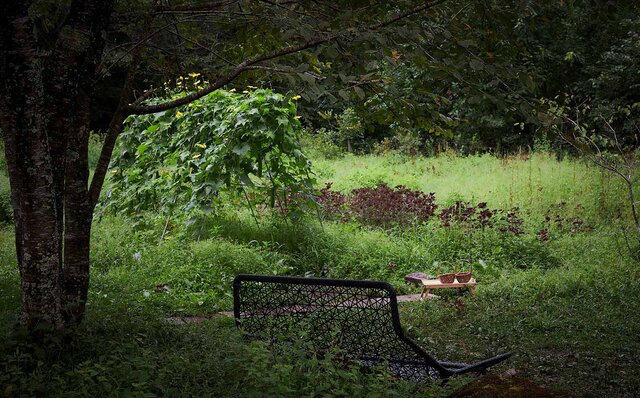
In the fields at "RISONNARE NASU," farming methods are practiced that mimic natural environments. The secret to growing delicious vegetables, they say, is to let them grow strong naturally, without pesticides or chemical fertilizers, without watering, and without weeding. Engaging in farm work while hearing about this philosophy truly ignites one's enthusiasm.
In the fields at "RISONNARE NASU," farming methods are practiced that mimic natural environments. The secret to growing delicious vegetables, they say, is to let them grow strong naturally, without pesticides or chemical fertilizers, without watering, and without weeding. Engaging in farm work while hearing about this philosophy truly ignites one's enthusiasm.
In the fields at "RISONNARE NASU," farming methods are practiced that mimic natural environments. The secret to growing delicious vegetables, they say, is to let them grow strong naturally, without pesticides or chemical fertilizers, without watering, and without weeding. Engaging in farm work while hearing about this philosophy truly ignites one's enthusiasm.
In the fields at "RISONNARE NASU," farming methods are practiced that mimic natural environments. The secret to growing delicious vegetables, they say, is to let them grow strong naturally, without pesticides or chemical fertilizers, without watering, and without weeding. Engaging in farm work while hearing about this philosophy truly ignites one's enthusiasm.
In the fields at "RISONNARE NASU," farming methods are practiced that mimic natural environments. The secret to growing delicious vegetables, they say, is to let them grow strong naturally, without pesticides or chemical fertilizers, without watering, and without weeding. Engaging in farm work while hearing about this philosophy truly ignites one's enthusiasm.
In the fields at "RISONNARE NASU," farming methods are practiced that mimic natural environments. The secret to growing delicious vegetables, they say, is to let them grow strong naturally, without pesticides or chemical fertilizers, without watering, and without weeding. Engaging in farm work while hearing about this philosophy truly ignites one's enthusiasm.
Most importantly, it's fascinating to see with your own eyes how the vegetables you ate the previous night and this morning were grown and how they are developing. It's like "Table to Farm," rather than "Farm to Table."
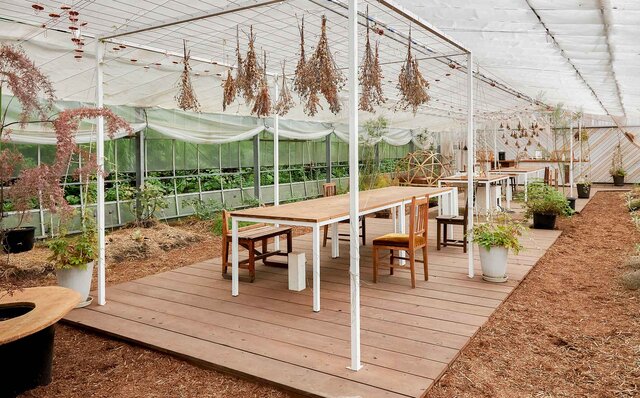
Adjacent to the fields, another "Greenhouse" is a space adorned with dried flowers, evoking the world of the nostalgic "Olive Girl" (do you know it?) or perhaps "Anne of Green Gables." A rustic table is placed in the center, and here, guests can enjoy free seasonal activities such as "Original Herbal Tea Making" and "Himmeli Making," a traditional Finnish decoration where straw is threaded to create three-dimensional ornaments. The dome-shaped sofa bed, lined with holy basil, is also a perfect photo spot.
POKO POKO
POKO POKO
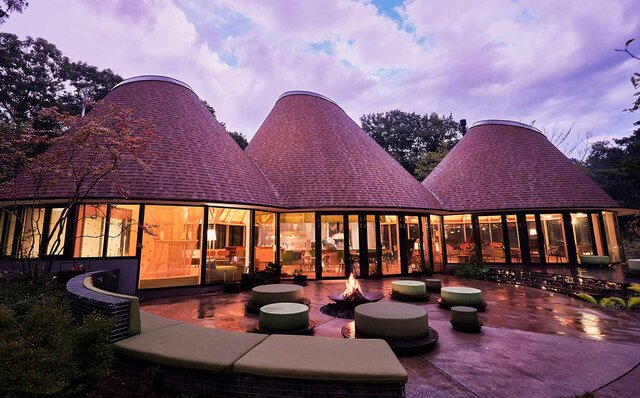
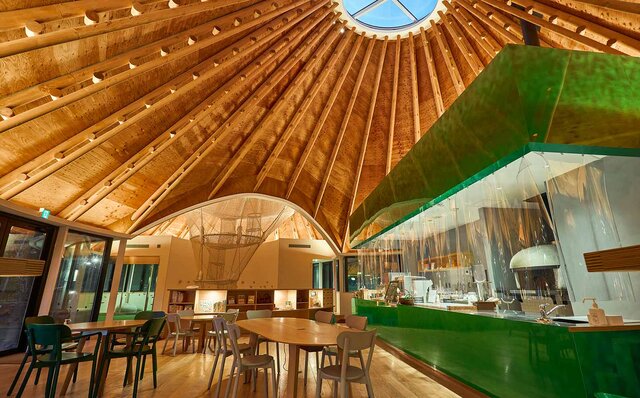
Speaking of photo spots, the iconic landmark of "RISONNARE NASU" is "POKO POKO." Located midway between the main and別館 buildings, it is recognizable by its distinctive bumpy roofs, designed to resemble Mount Nasu. The design and architecture were also by "Klein Dytham architecture." This facility combines a Books & Cafe with a children's play area and serves as the venue for booking activities. Activities such as "Forest Crafts," using fallen leaves from the forest, and "Forest Treasure Hunt," collecting forest treasures like acorn shells and pinecones eaten by squirrels, are also available. Each offers a unique experience only possible in Nasu.
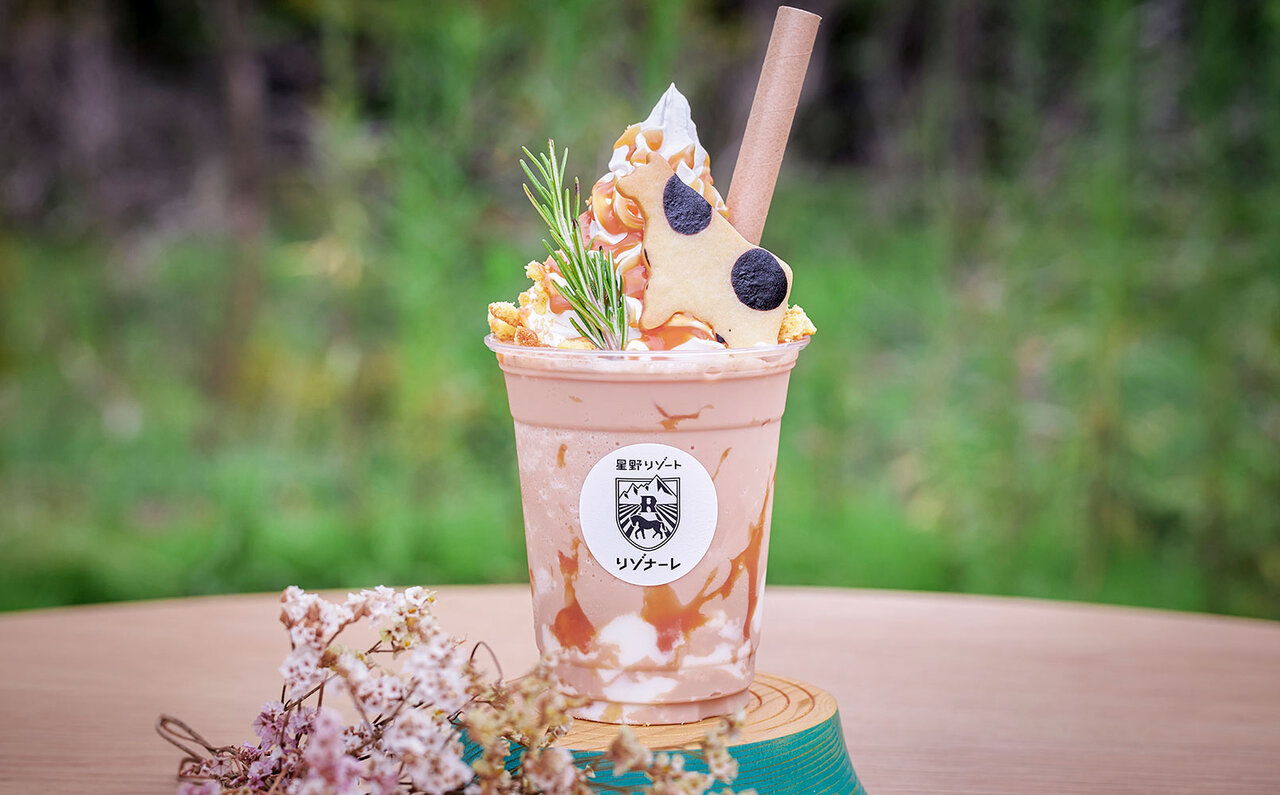
"Save the Farm Milk Jam Frappé" ¥900 (excluding tax). The caramel-colored part is milk jam. The base frappé is also generously infused with milk jam. The milk jam is similar to a refined, sweet condensed milk. It's exceptionally delicious, so it's a must-try for those with a sweet tooth!
At "POKO POKO," we enjoyed the "Save the Farm Milk Jam Frappé." This frappé uses "Milk Jam," created by Noriyuki Hamada, the head chef of "HOSHINOYA TOKYO," utilizing milk from "Shinrin no Bokujo" (Forest Farm) in Nasu Town, Tochigi Prefecture, which lost its market due to the pandemic. It is currently still sold at "POKO POKO." Additionally, a dessert using this milk jam was introduced in the dinner menu at "HOSHINOYA TOKYO" this autumn.
Sweet Potato Mission
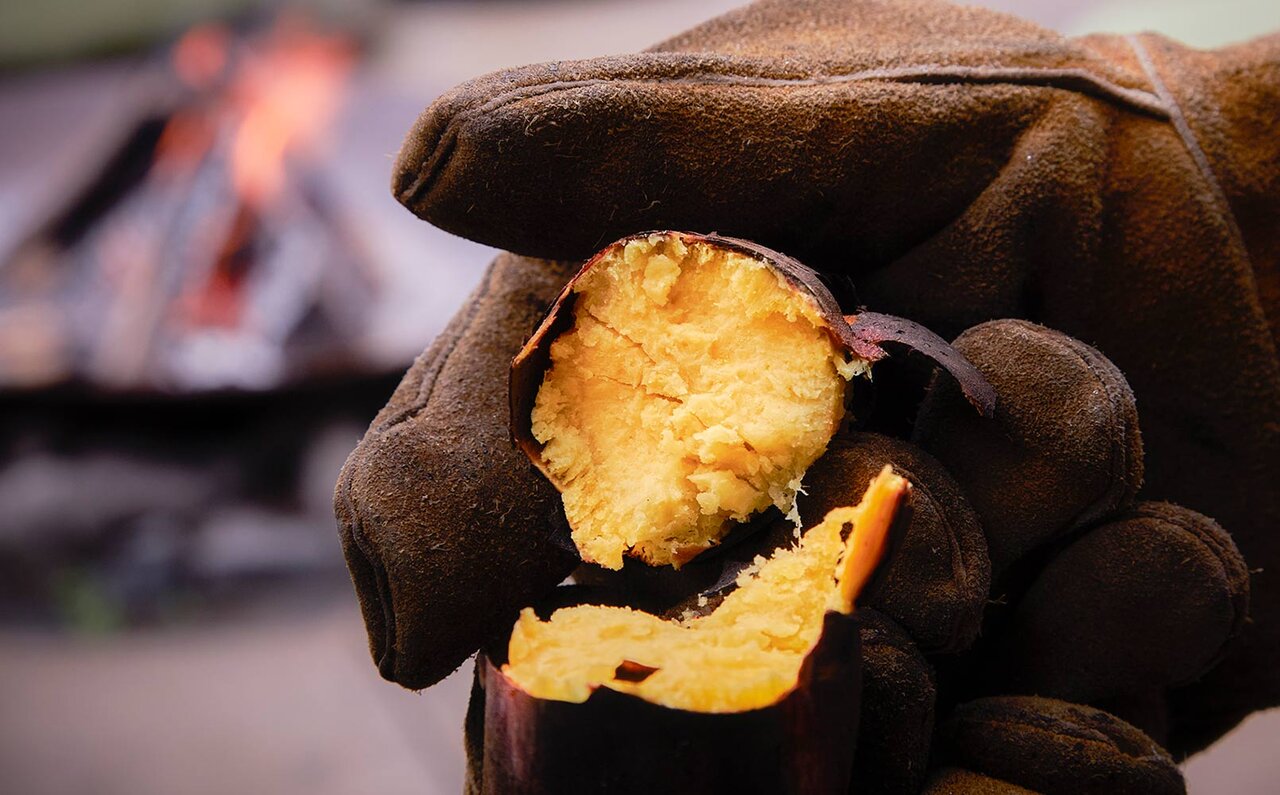
In the center of the outdoor amphitheater-like space stands a fir tree, which promises a real Christmas tree during the holiday season. At the bonfire area, you can try the classic bonfire activity: roasting marshmallows. From autumn through winter, the "Sweet Potato Mission" is held, where collecting a bag full of fallen leaves earns you a free roasted sweet potato. The collected leaves are then used as compost. Delicious roasted sweet potatoes are offered as a reward for helping with farm work.
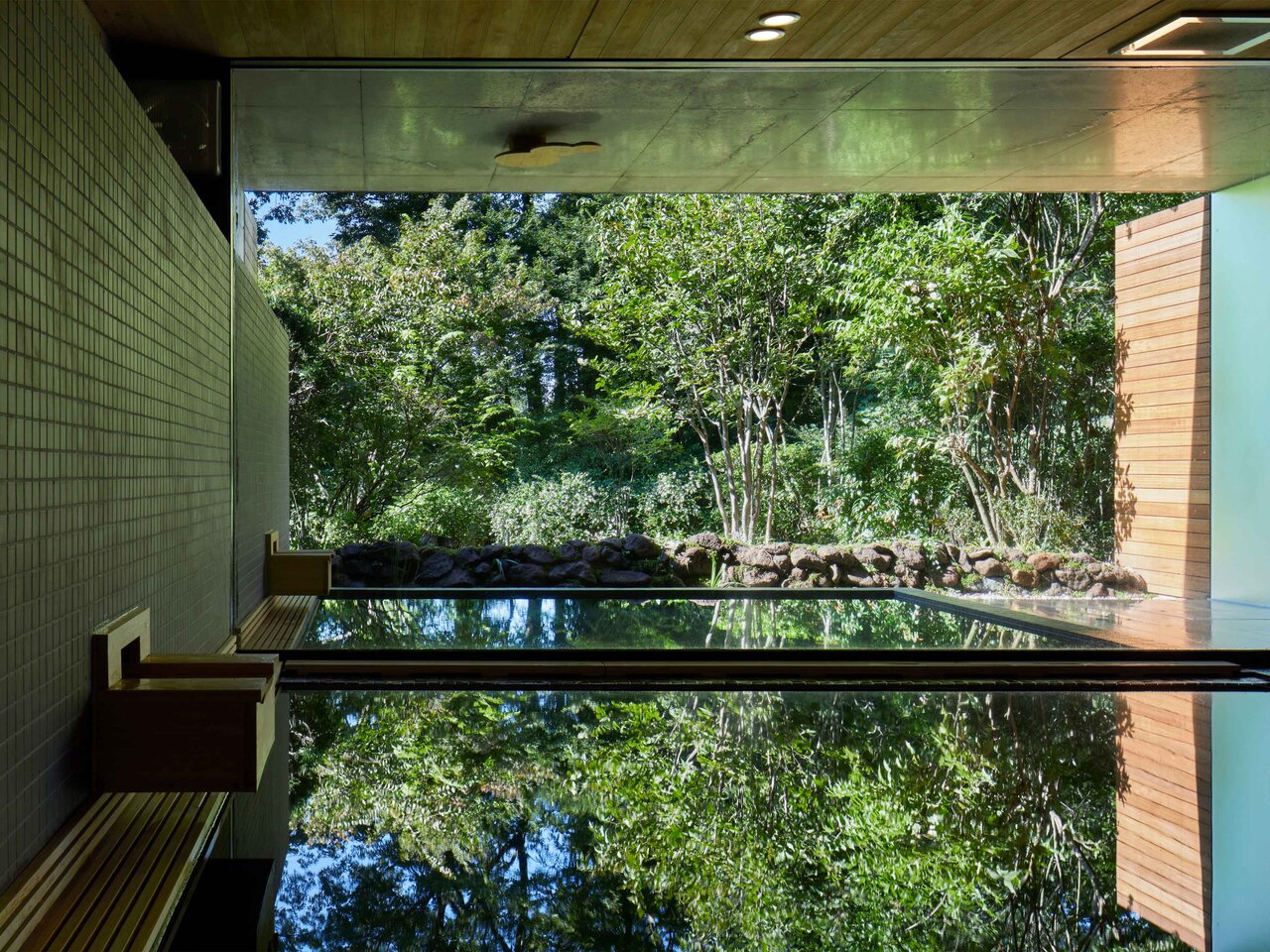
Large public bath
After all the activity, it's time for a hot spring bath. Nasu Onsen, a hot spring originating from Mount Chausu, one of the Nasu mountain range, has a history dating back over 1000 years. Its gentle waters warm the body thoroughly. Yes, RISONNARE NASU also features a large public bath with hot spring water.
The pastoral scenery, reminiscent of Japan's original landscape, is beautiful, and the air is so fresh! When was the last time I took such a deep breath? Enjoying agriculture as an activity while staying in comfort at a resort—why not release the stress accumulated from the pandemic in such a special place? Your body and mind will surely rejoice, exclaiming, "This is what I've been waiting for!" You'll be able to savor delicious vegetables to your heart's content!
Public facilities | POKO POKO, Agri Garden, Lounge, Shop, Large public bath
Check-in / Check-out | 15:00 / 12:00
Room rates | From ¥21,000 per room per night (excluding tax and service charge, breakfast included)
Access | Approximately 40 minutes by free shuttle bus from JR Tohoku Shinkansen Nasushiobara Station, approximately 20 minutes by car from Nasu IC on the Tohoku Expressway