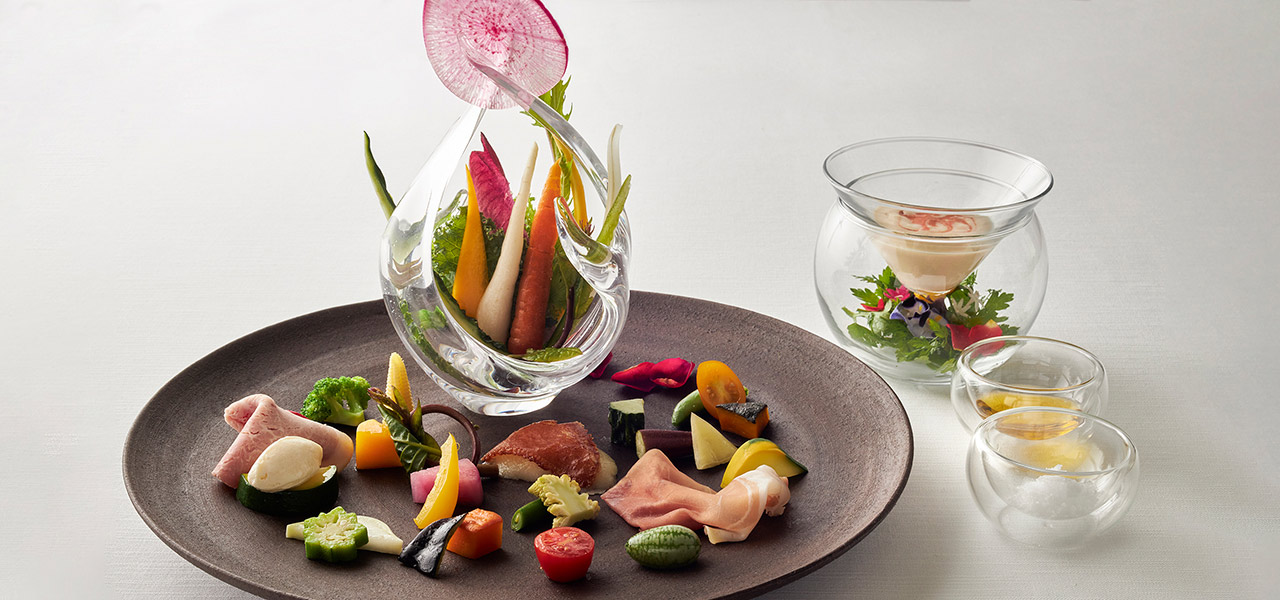
The farm's pinzimonio (Italian stick salad)
To 'know' is to savor! Hoshino Resorts RISONNARE NASU | TRAVEL
TRAVEL | HOSHINO RESORTS RISONNARE NASU
To Meet This Dish, We Journeyed to HOSHINO RESORTS RISONNARE NASU (1)
The "Go To Travel" campaign, a government-backed initiative to stimulate tourism, is quite the topic of conversation. While everyone may have their own opinions, there's no denying that travel is currently incredibly affordable. After a period of unprecedented restrictions on our movements, what kind of journey do you desire now? Though no one asked, I'll enthusiastically answer: I long for a relaxing escape amidst nature... but I also want a refined room and exquisite cuisine... It might sound like the musings of a pampered city dweller, but it's truly how I feel.
Photographs by OHTAKI Kaku | Text by HASEGAWA Aya | Edit by TSUCHIDA Takashi
Delicious to taste, enlightening to hear. Savoring the terroir of Nasu Highlands
And so, we ventured to "HOSHINO RESORTS RISONNARE NASU" (hereafter "RISONNARE NASU"), located at the foot of Mount Nasu in northern Tochigi Prefecture. Opened in November 2019, it is Japan's first accommodation facility to advocate a new style of travel that fuses agriculture and resort: "Agri-tourism Resort."
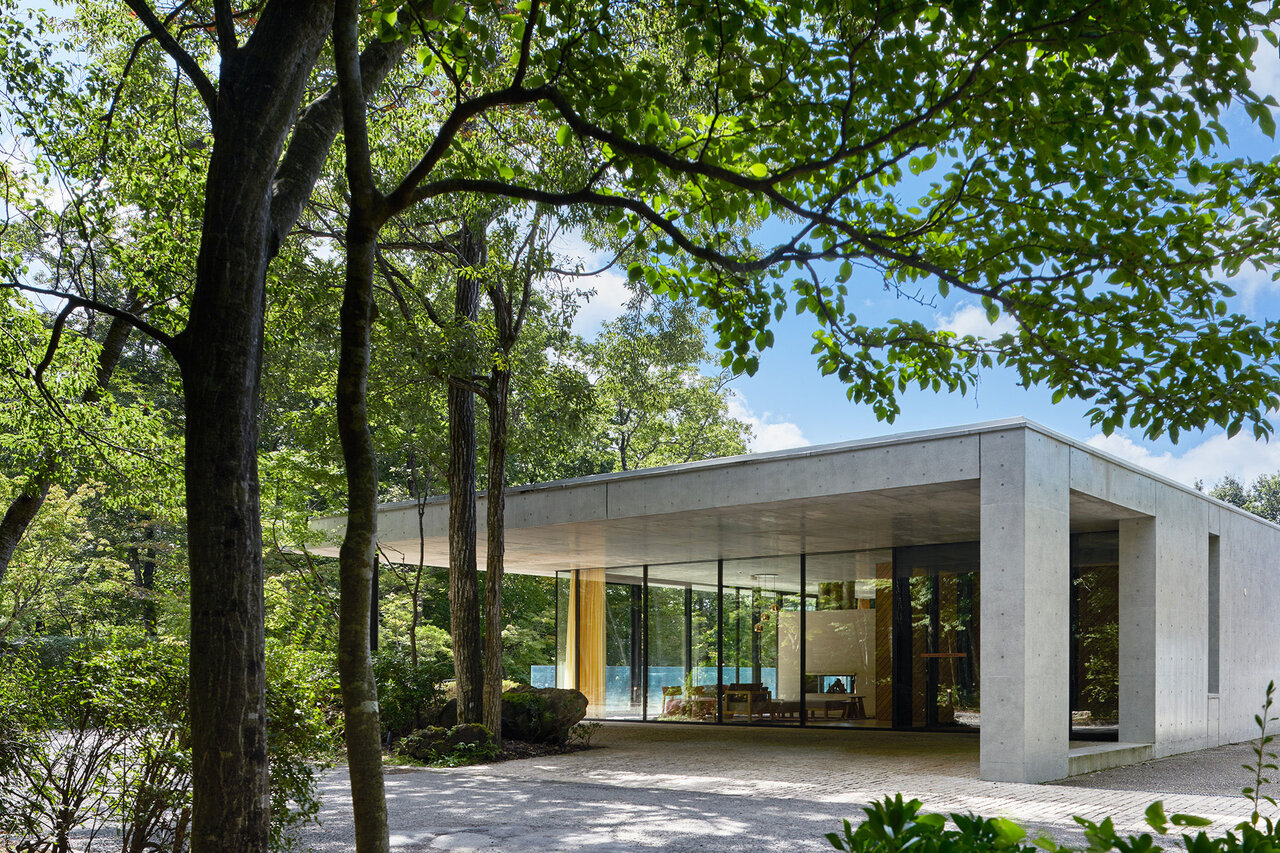
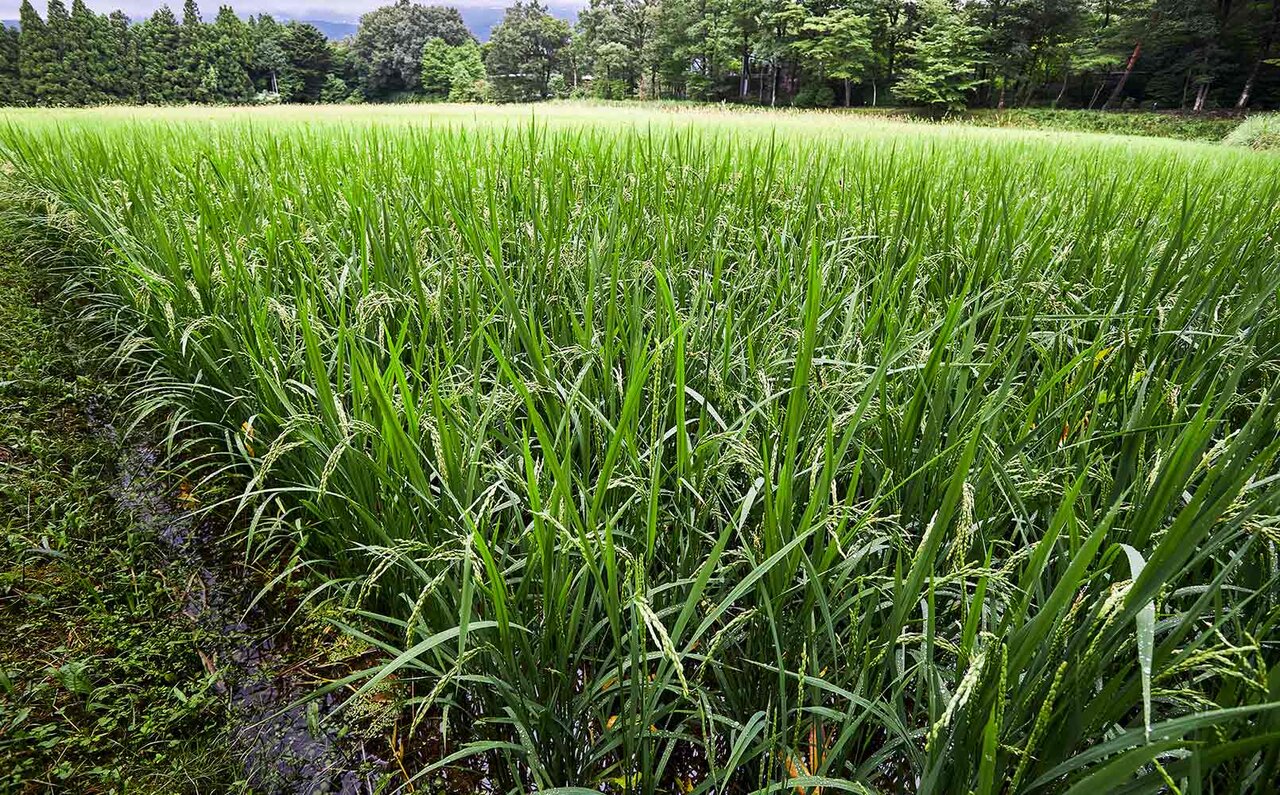
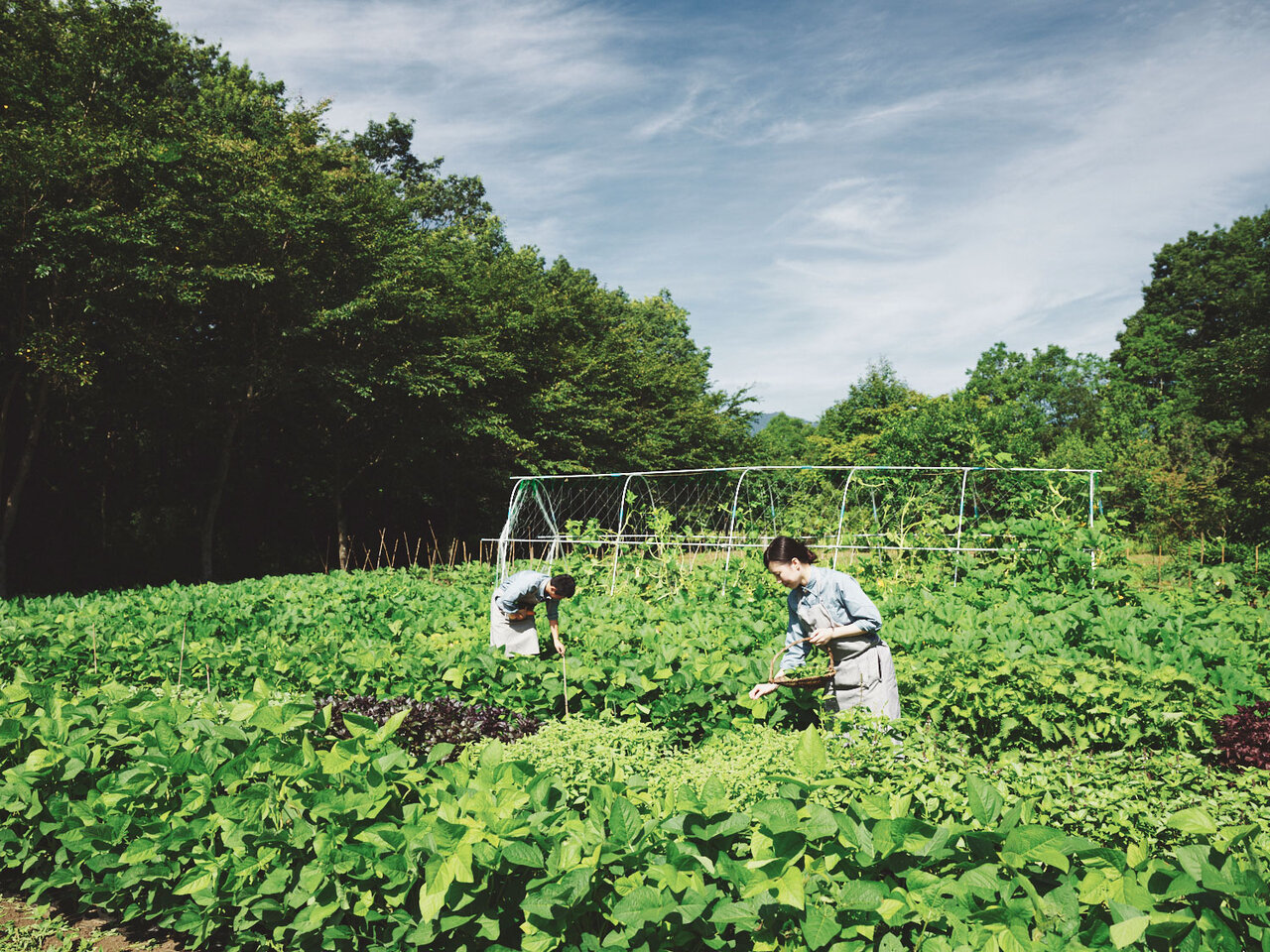
Spanning 42,000 tsubo (approximately 3 times the size of the Tokyo Dome), the vast grounds feature fields called "Agri Gardens" and greenhouses. Rice paddies are also adjacent (the paddies are owned by local farmers, but resort staff are involved in planting and harvesting, and have been trying rice cultivation since last year), allowing guests to enjoy agricultural experiences and other activities while immersing themselves in the unique nature of Nasu.
Although I will introduce them in more detail later, the "Agri Gardens" and "Greenhouse" currently cultivate approximately 80 types of vegetables and 100 types of herbs annually. The cultivation of such a wide variety of crops is partly due to the location at the foot of the mountain, with its many slopes, being suitable for multi-variety, small-lot cultivation, and partly to the intention of allowing guests to enjoy diversity by growing numerous vegetables.
Wow, this promises to be delicious.
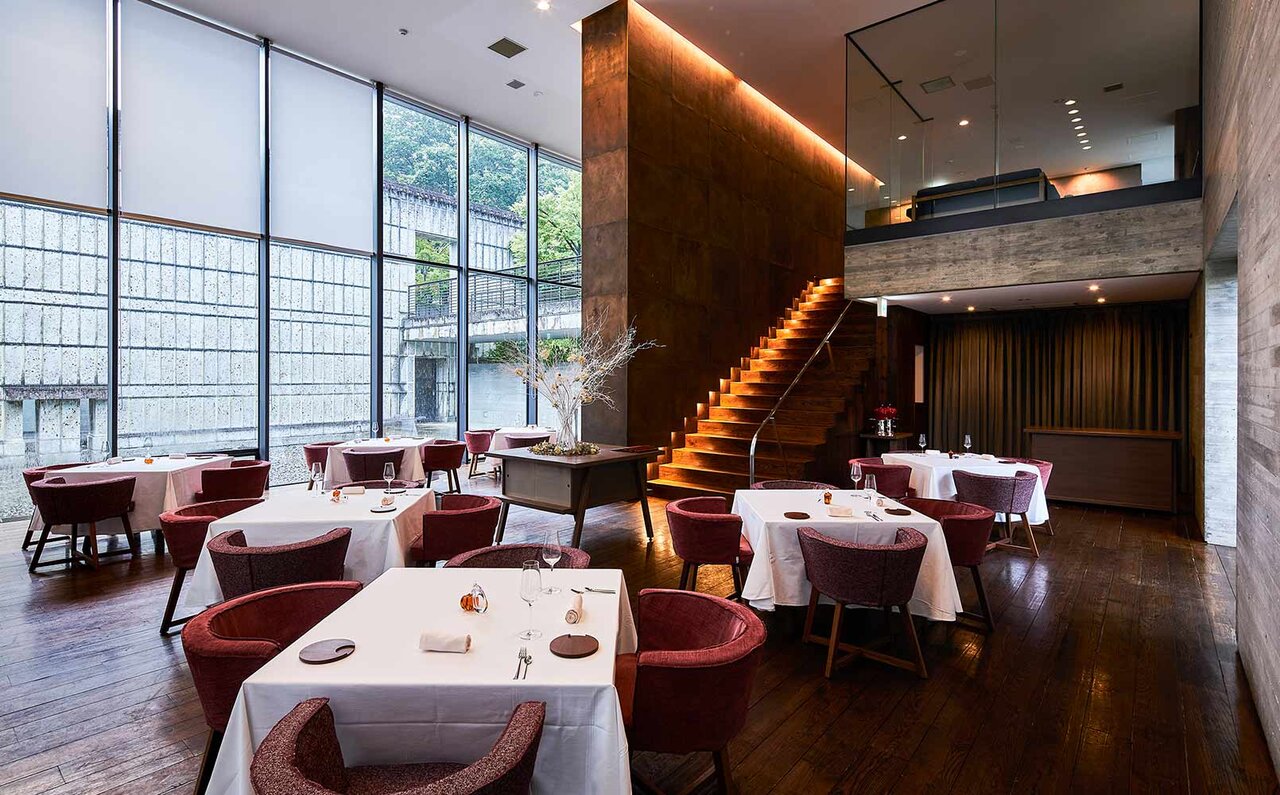
OTTO SETTE NASU
The main dining room, "OTTO SETTE NASU," was located at the very back of the facility. The approach through the forest heightened the anticipation. With a high ceiling and large windows looking out onto the encroaching greenery, it exuded the ambiance of a highland resort restaurant. Glasswork motifs of vegetables adorned the tables.
My "let's eat something delicious" mode was at its peak. At "OTTO SETTE NASU," you can savor creative cuisine that uses local ingredients unique to Nasu, prepared using Tuscan Italian cooking methods, from a region at a similar latitude. The menu is a single omakase course.
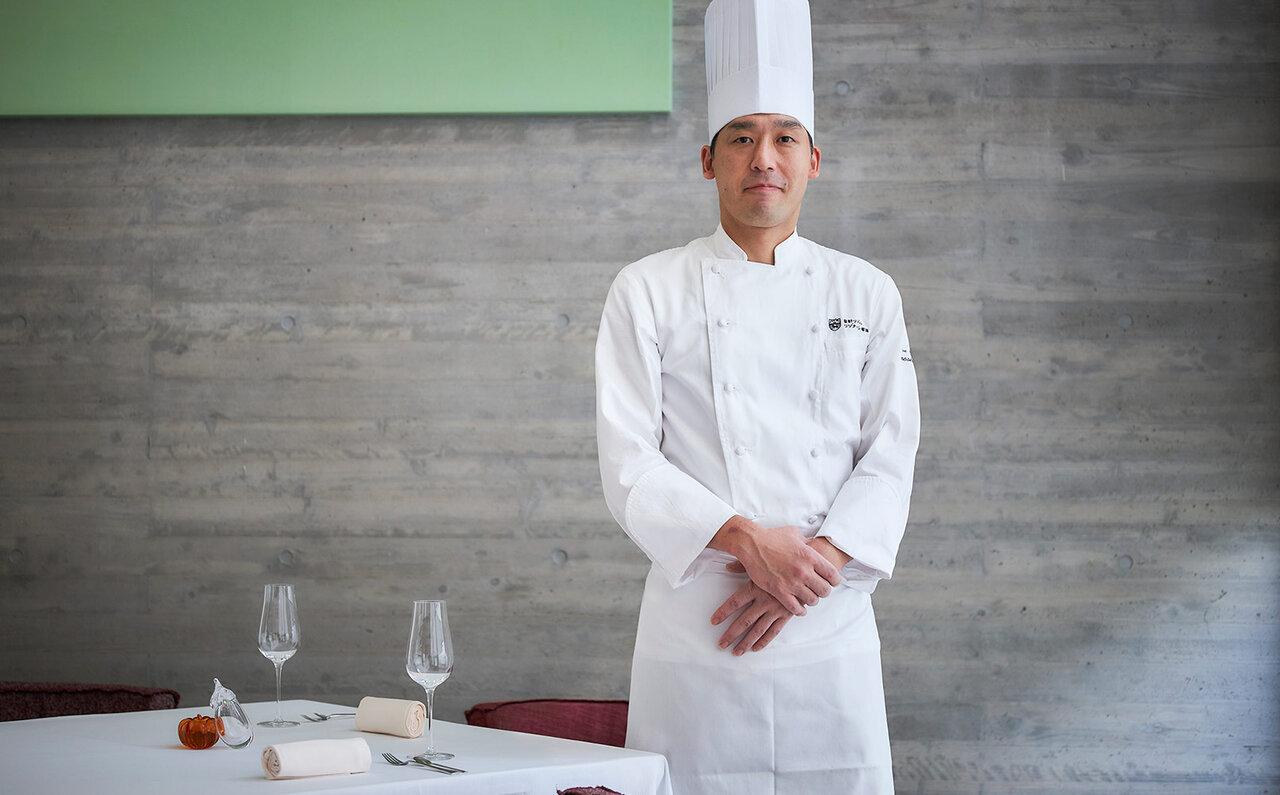
Chef Takeshi Kinoshita of OTTO SETTE NASU
Chef Kinoshita hails from Otaru City, Hokkaido. He began his culinary career at a local sushi restaurant, then worked at kaiseki restaurants before joining Hoshino Resorts in 2014. He trained in Italian cuisine for approximately five years under Shigeru Masai, the executive chef of HOSHINO RESORTS RISONNARE YATSUDATAKE.
When asked if he had any reservations about transitioning from Japanese to Italian cuisine, he replied, "The focus on bringing out the ingredients' natural flavors is the same. Many dishes are simply heated and seasoned with salt, so I didn't feel any particular resistance." There might indeed be common ground between Italian and Japanese cuisine.
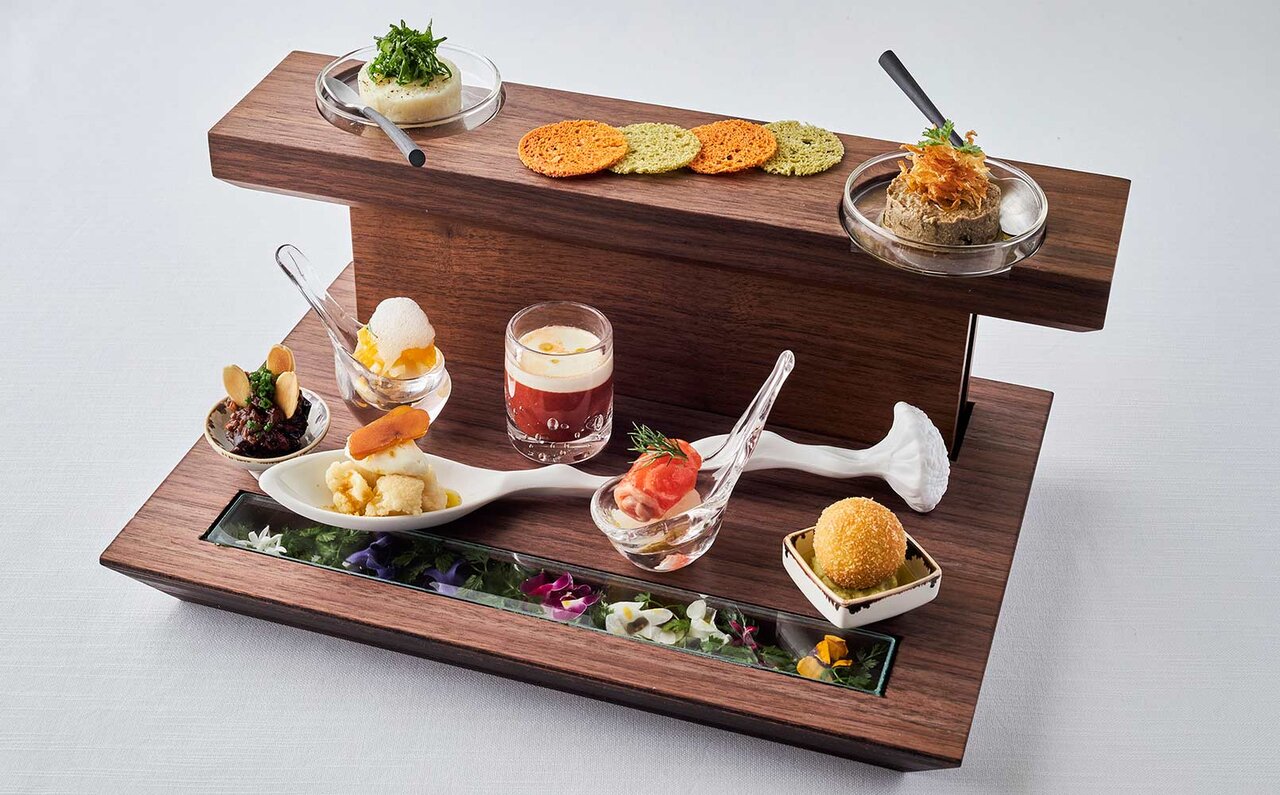
Colorful small appetizers
And so, the first course, "Colorful small appetizers," delivered an immediate knockout punch. These small appetizers, featuring local ingredients primarily vegetables prepared in traditional Tuscan style, each possessed a powerful individuality. While each dish asserted its own prominence, they didn't clash; instead, they seemed to embody a spirit of mutual respect and a shared aspiration for the pinnacle of culinary excellence.
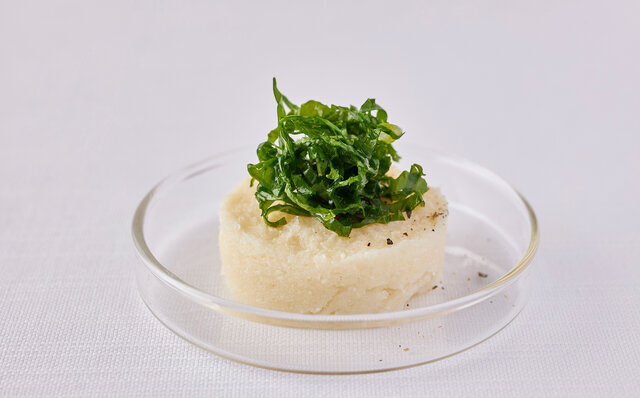
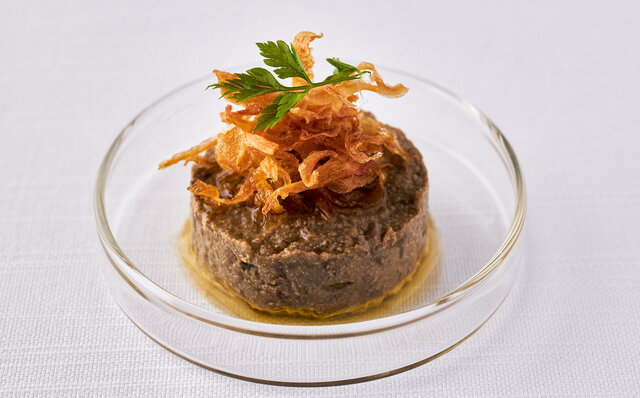
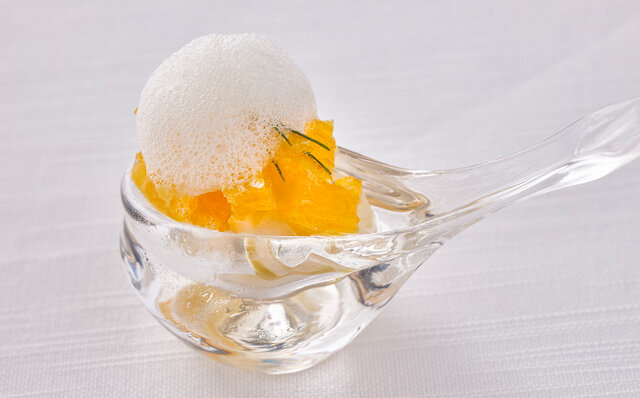
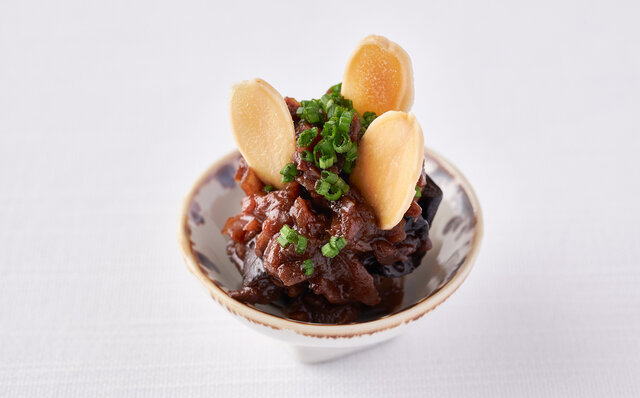
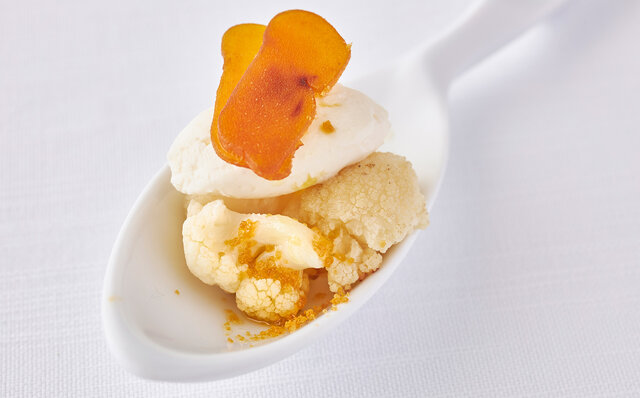
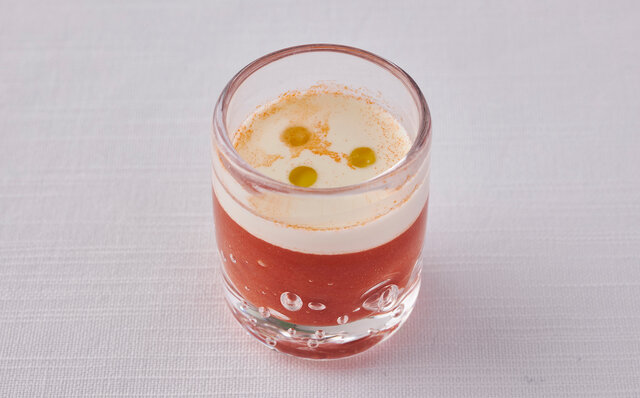
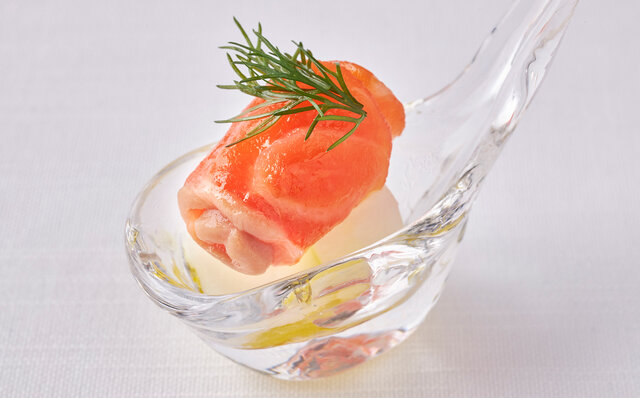
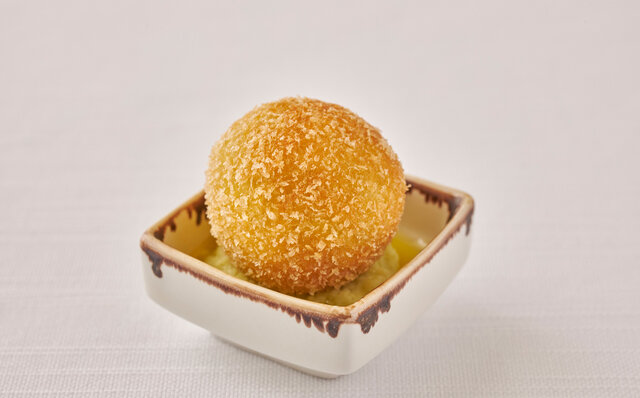
I savored each dish slowly, cherishing the happiness it brought. And I realized that every single one was something I had never tasted before, and each was prepared with meticulous care.
They mentioned that they had custom-made the unique tableware for these appetizers to allow guests to "enjoy a small presentation as the start of the course, and to feel both Tuscany and Nasu." For other dishes, they use pottery from the surrounding regions, such as Taita-shikki, Mashiko ware from Tochigi, and Kasama ware from Ibaraki, adding to the visual enjoyment.
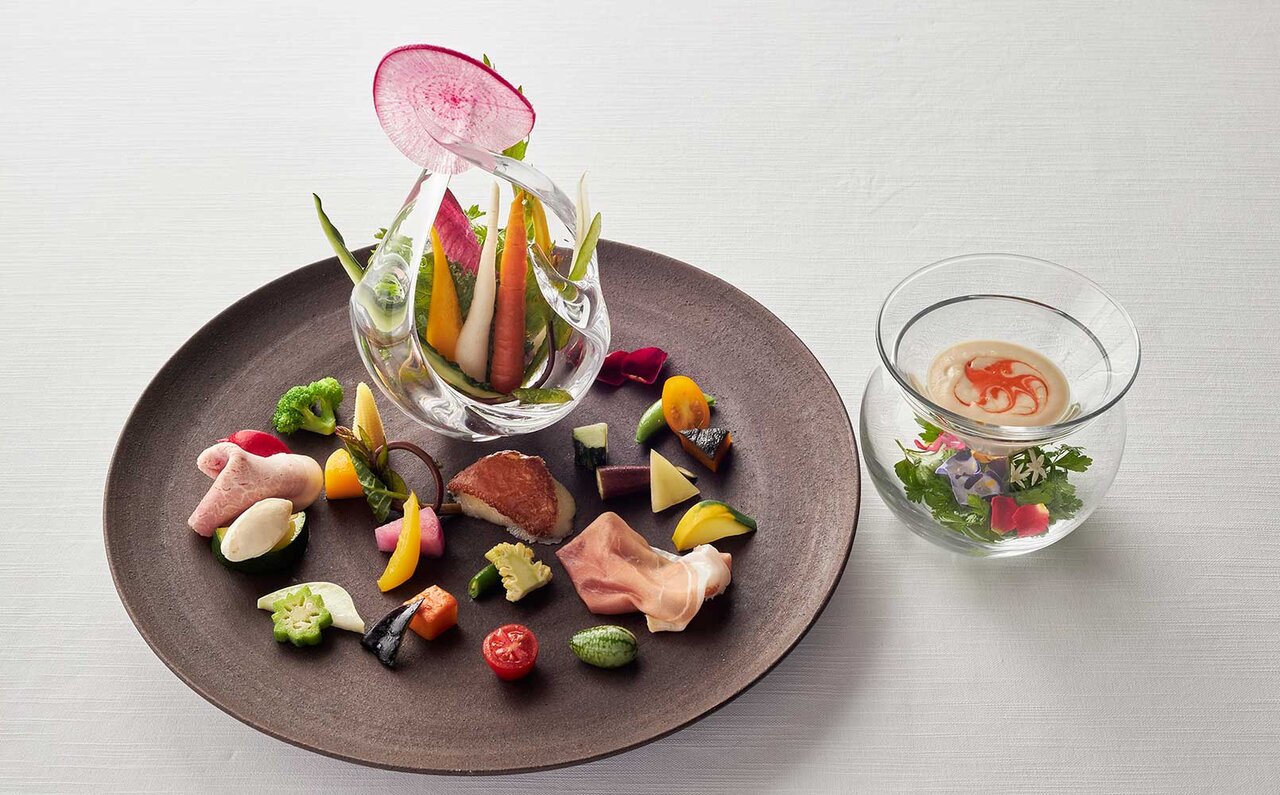
Agri Garden Pinzimonio (Italian stick salad)
Next came the "Agri Garden Pinzimonio (Italian stick salad)." This artfully arranged dish features 30 types of vegetables, along with freshly cut prosciutto and grilled Caciocavallo cheese. It can truly be called the resort's signature dish.
The staff advised, "Please enjoy the vegetables in the glass container by hand, as if harvesting them." It is served with an anchovy and bell pepper bagna fredda sauce (a cold version of bagna cauda sauce), but the vibrant, crisp local vegetables are delicious even on their own. Salt and olive oil are also provided, and the fun lies in deciding how to best enjoy them.
Depending on the harvest, herbs and vegetables grown in the resort's "Agri Gardens" are also used. On this day, black peppers like 'Hamakuro Pi' (black pepper), micro cucumbers resembling small watermelons, red okra, the disc-shaped UFO zucchini, Star of David squash, and broccoli rabe were brought from the "Agri Gardens" to "OTTO SETTE NASU."
Some were served raw, others lightly blanched—this meticulously prepared salad, with each ingredient's characteristics maximized through its cooking method and seasoning, was the epitome of luxury. Diners, too, felt inspired to savor every bite to its fullest.
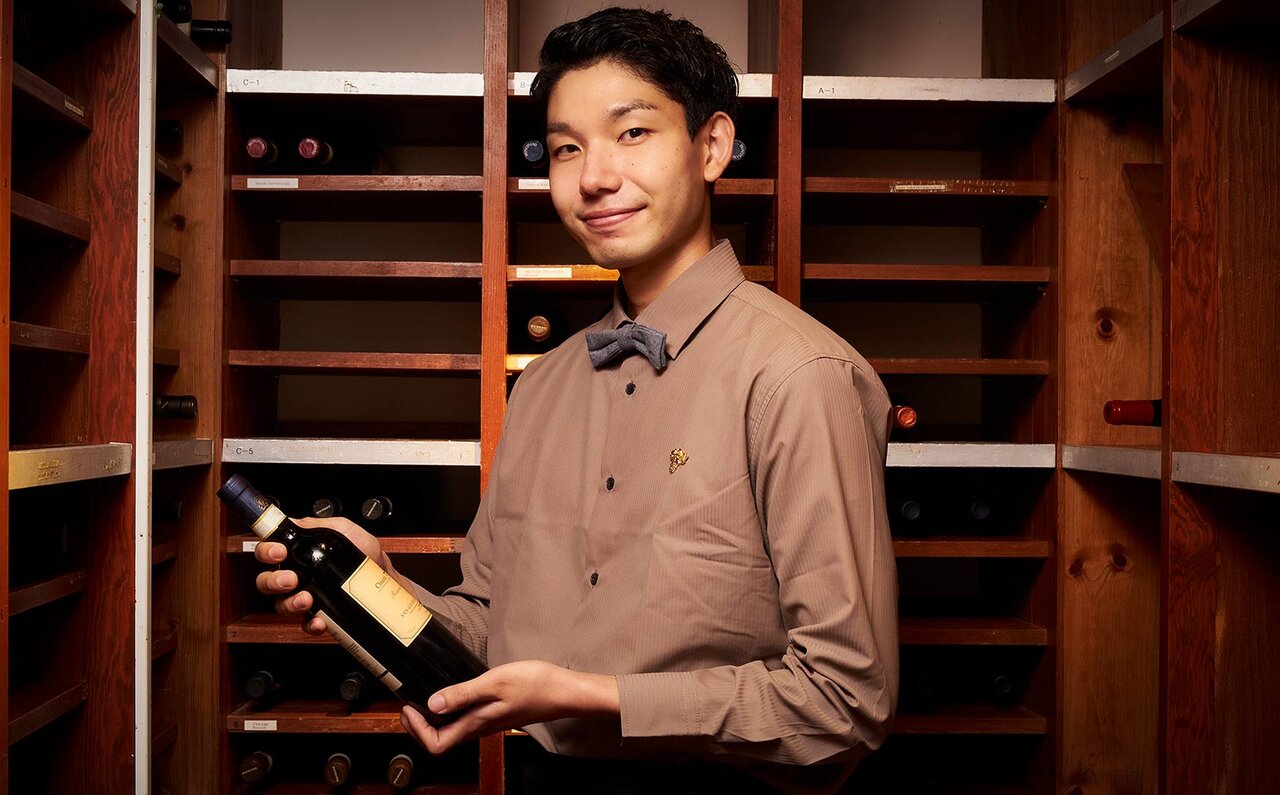
Daisuke Itabashi, Sommelier at OTTO SETTE NASU
And the prosciutto and cheese were equally impressive, elevating the vegetables' flavors with their umami and saltiness. They paired wonderfully with the fruity rosé wine from the Marche region, suggested by sommelier Daisuke Itabashi.
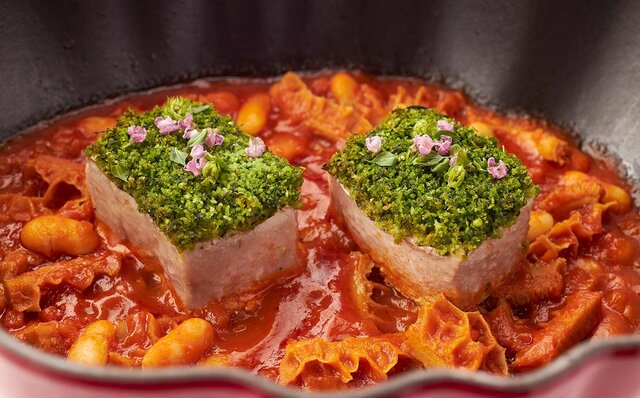
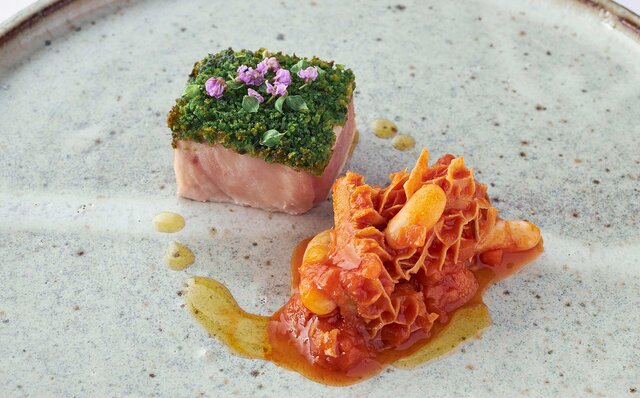
The fish dish, "Swordfish herb-crusted, with tripe stewed in tomato sauce," was served in an enamel pot and portioned out by the staff in front of the guests. It was my first time experiencing swordfish and tripe stew together. Yet, it was truly exceptional. The chef's sensibility, honed through Japanese cuisine, shone through in the deliberate choice to cook the swordfish rare, even though it could be eaten raw. The white beans stewed in tomato were tender and fluffy, and a deep green forest of herb crust spread over the swordfish. Indeed, a robust Sauvignon Blanc paired perfectly and flowed effortlessly.
The white beans stewed in tomato were tender and fluffy, and a deep green forest of herb crust spread over the swordfish. Indeed, a robust Sauvignon Blanc paired perfectly and flowed effortlessly.