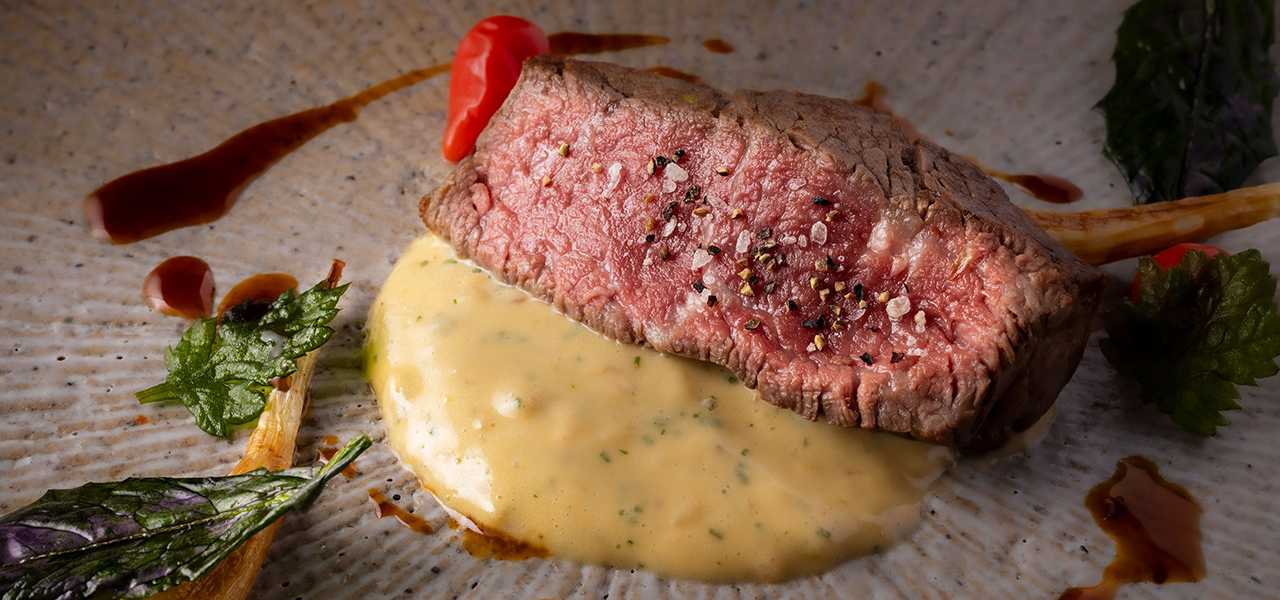
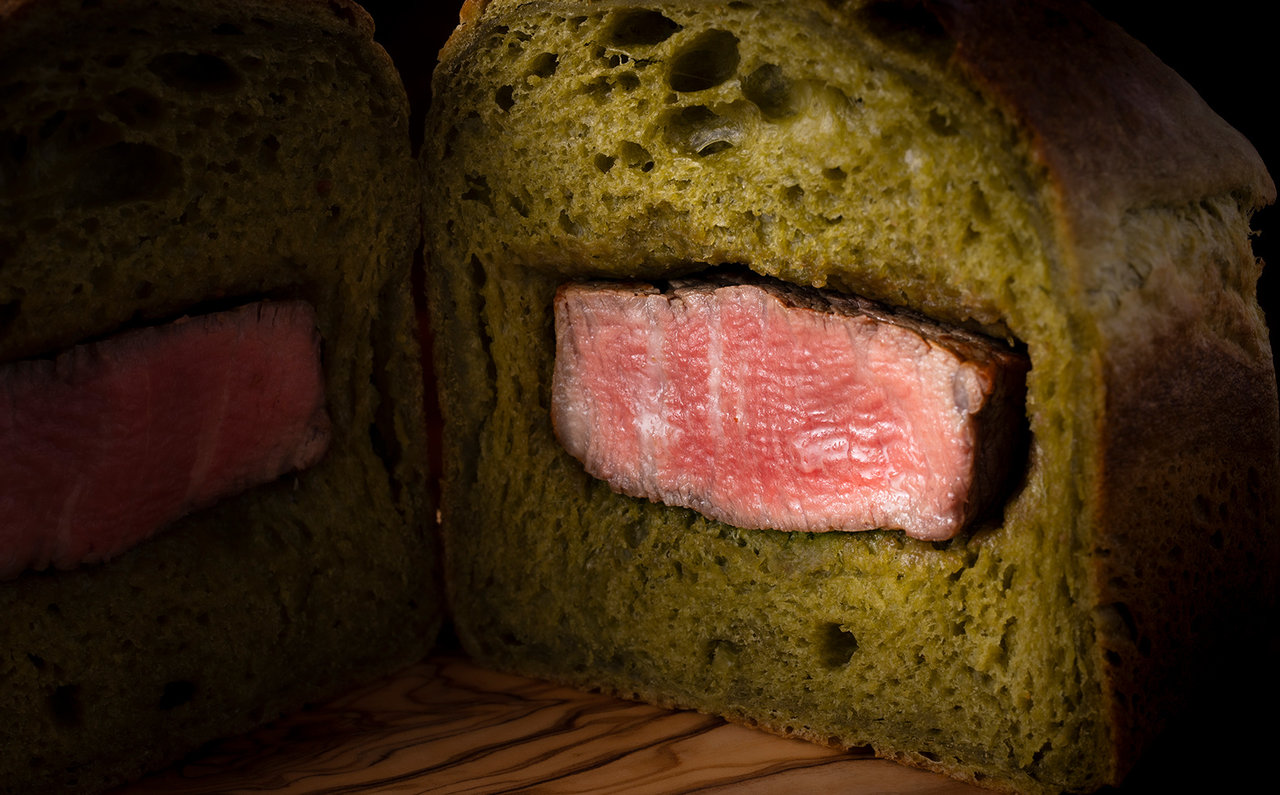
Beef fillet baked in a bread crust, with mugwort béarnaise
To Know Is To Savor! HOSHINOYA Taketomi Island | TRAVEL
TRAVEL|Hoshinoya Taketomi Island
To This Dish, We Journey to Hoshinoya Taketomi Island (1)
By the way, do you know where Taketomi Island is located? Rising from coral reefs, Taketomi Island is 400 kilometers further southwest from the main island of Okinawa. Approximately 360 people live on this small island, with a circumference of about 9 kilometers (as of November 2019). It takes about 3 hours by direct flight from Haneda Airport to Ishigaki Island, which serves as Taketomi Island's gateway. From Ishigaki Airport, it's about a 25-minute drive to the ferry terminal, and then a little over 10 minutes by ferry. Yes, it's quite a distance.
Photographs by OHTAKI Kaku|Text by HASEGAWA Aya|Edit by TSUCHIDA Takashi
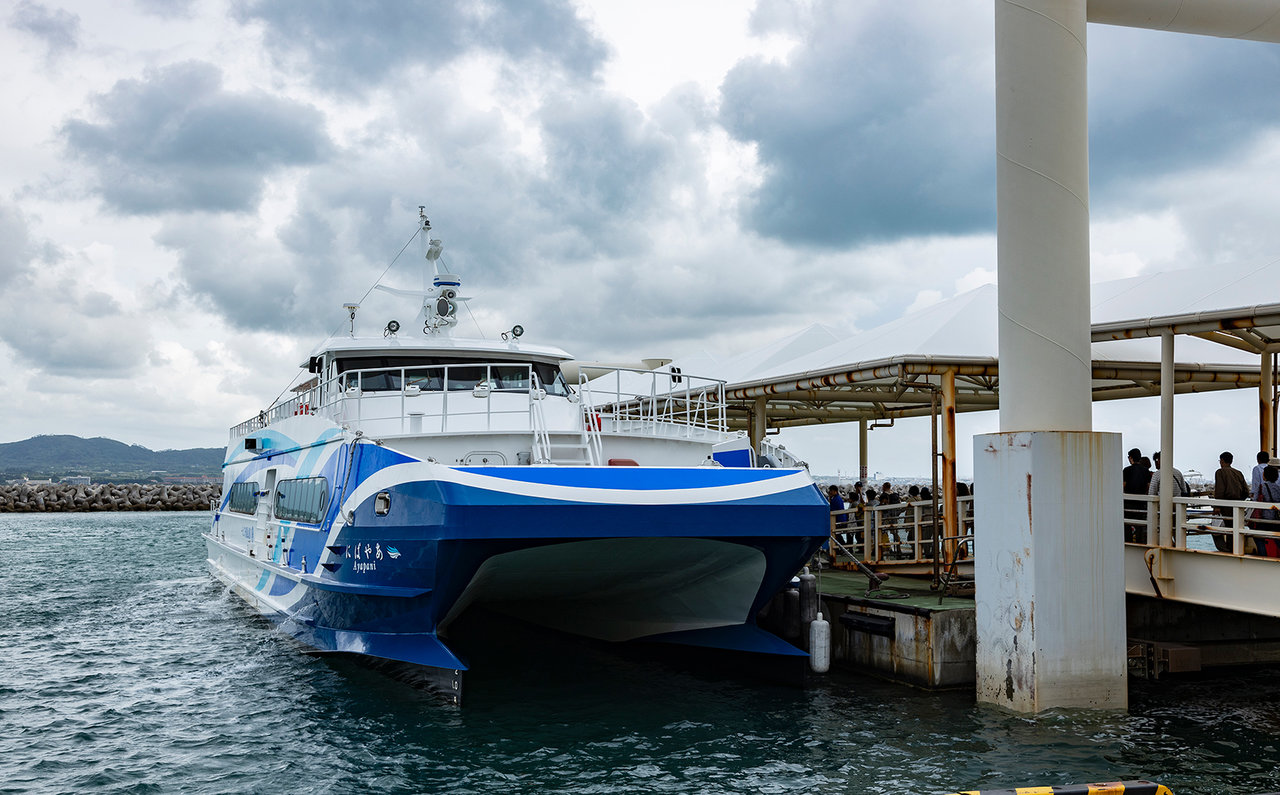
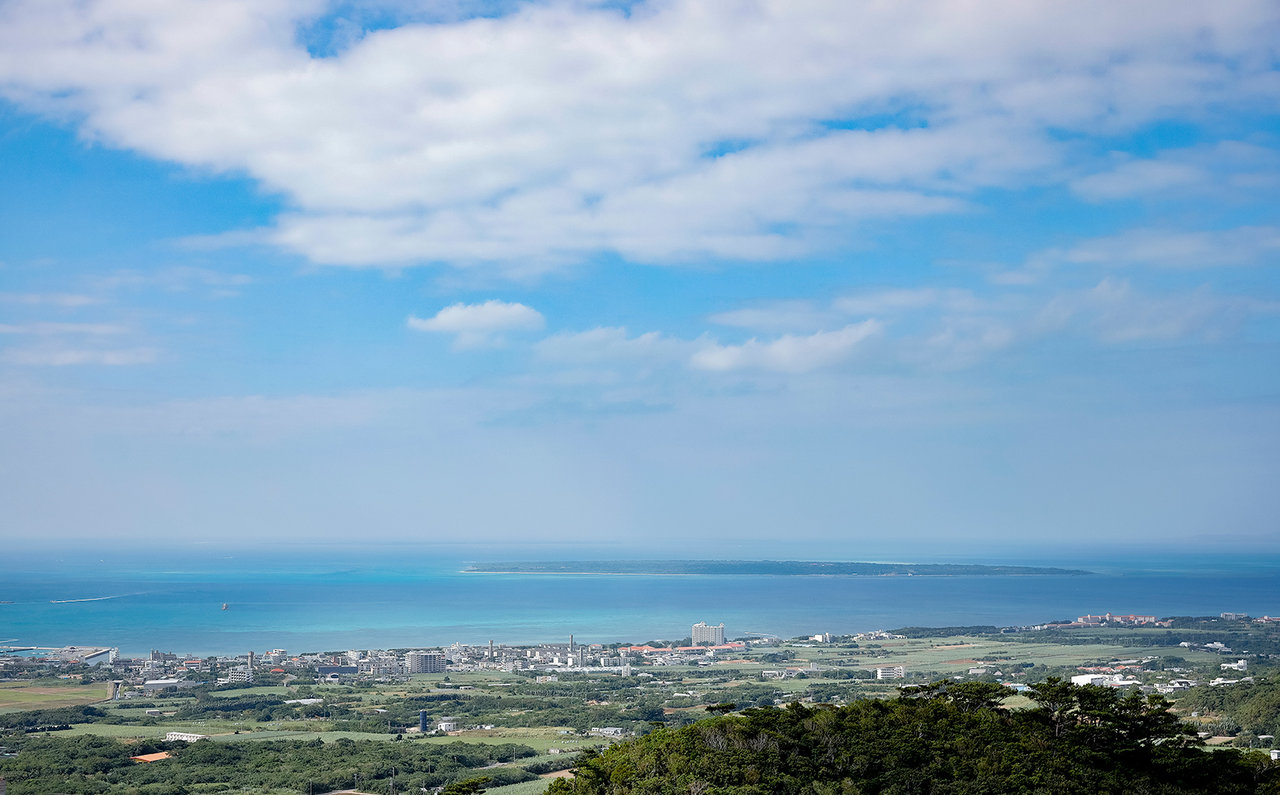
Taketomi Island has no mountains or rivers, and because no sediment flows into the sea, the ocean remains pristine.
Connecting by Plane and Boat, Far, Far Away...
That said, if you take the direct flight departing from Haneda early in the morning, you can arrive at Ishigaki Island by noon. And so, we landed on Taketomi Island in the early afternoon. Not even a minute after the hotel's pick-up car started driving, photographer Kaku Ohtaki remarked, "It feels more remote than a nearby foreign city." Outside the window, the landscape, which can be called the original scenery of Okinawa, unfolded. And the cobalt blue sea, known as "Taketomi Blue," was breathtaking. The profound island atmosphere here is different from that of the main island of Okinawa or Ishigaki Island.
The purpose of this trip was to savor the dinner course of "Island Terroir," a winter-limited culinary concept offered by Hoshinoya Taketomi Island since the winter of 2018. It is for this course that we have traveled 2,000 kilometers from Tokyo to this very Taketomi Island.
"Terroir" is a concept born in France, derived from the French word "Terre," meaning earth. It refers to the climate, soil, land, topography, history, and people that influence the cultivation of agricultural products such as wine, coffee, and tea. On Taketomi Island, with an average annual temperature of 24 degrees Celsius, ingredients grown in the island's distinctive terroir reach their peak season mainly in winter. In its second year this winter, the hotel has created a French course using ingredients from Taketomi Island's unique terroir, with a focus on "Nuchigusa" (life grass), a unique island herb that has supported the health of islanders for generations.
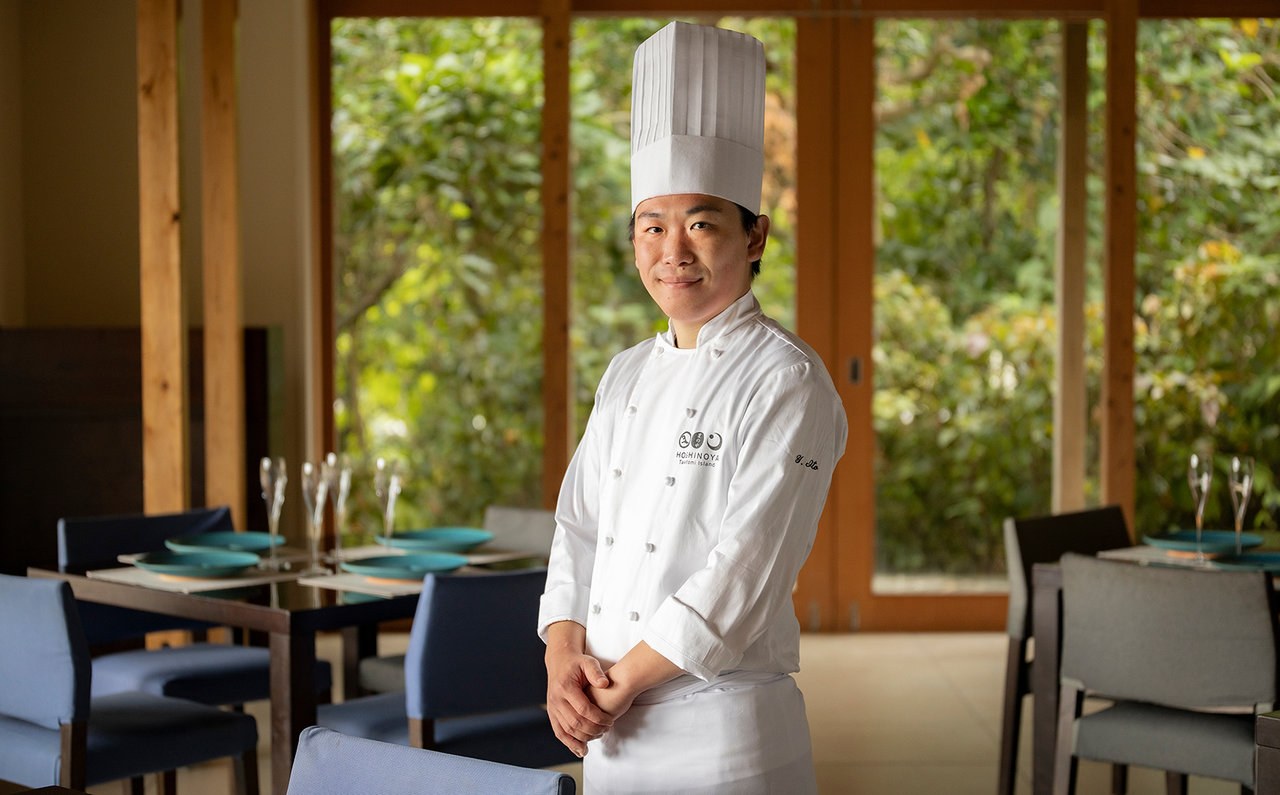
Hoshinoya Taketomi Island Head Chef, Yasuhiro Ito
"Island ingredients have a sense of strength and simplicity. Even the same vegetables have a different water content compared to those from mainland Japan," says Yasuhiro Ito, the young head chef of Hoshinoya Taketomi Island, who began working on Okinawa's remote islands three and a half years ago and became head chef a year ago.
Wait, Okinawan ingredients, especially vegetables, have a rather strong character. Do they really pair well with French cuisine?
Ito-san dispelled such amateur doubts with refreshing clarity. According to Ito-san, "Many ingredients from southern islands are light and pair well with French cooking methods. French techniques can enhance the appeal of island ingredients." Such confident words! For a foodie's journey, "something you can only taste here" is a must, and it seems we're in for a rare treat.
This winter's "Island Terroir" dinner course features a total of nine dishes. It makes ample use of Taketomi Island's pride: kuruma prawns, sweet potatoes, and the winter theme, "Nuchigusa." The seawater temperature on Taketomi Island, with its small annual temperature fluctuations, is ideal for bringing out the sweetness of kuruma prawns, and the island actively engages in their aquaculture. Furthermore, Taketomi Island, formed by the uplift of coral reefs, lacks mountains and rivers, creating an environment where it's difficult for crops to grow. However, agriculture has been practiced using precious soil. Among these, sweet potatoes were the staple food for the islanders.
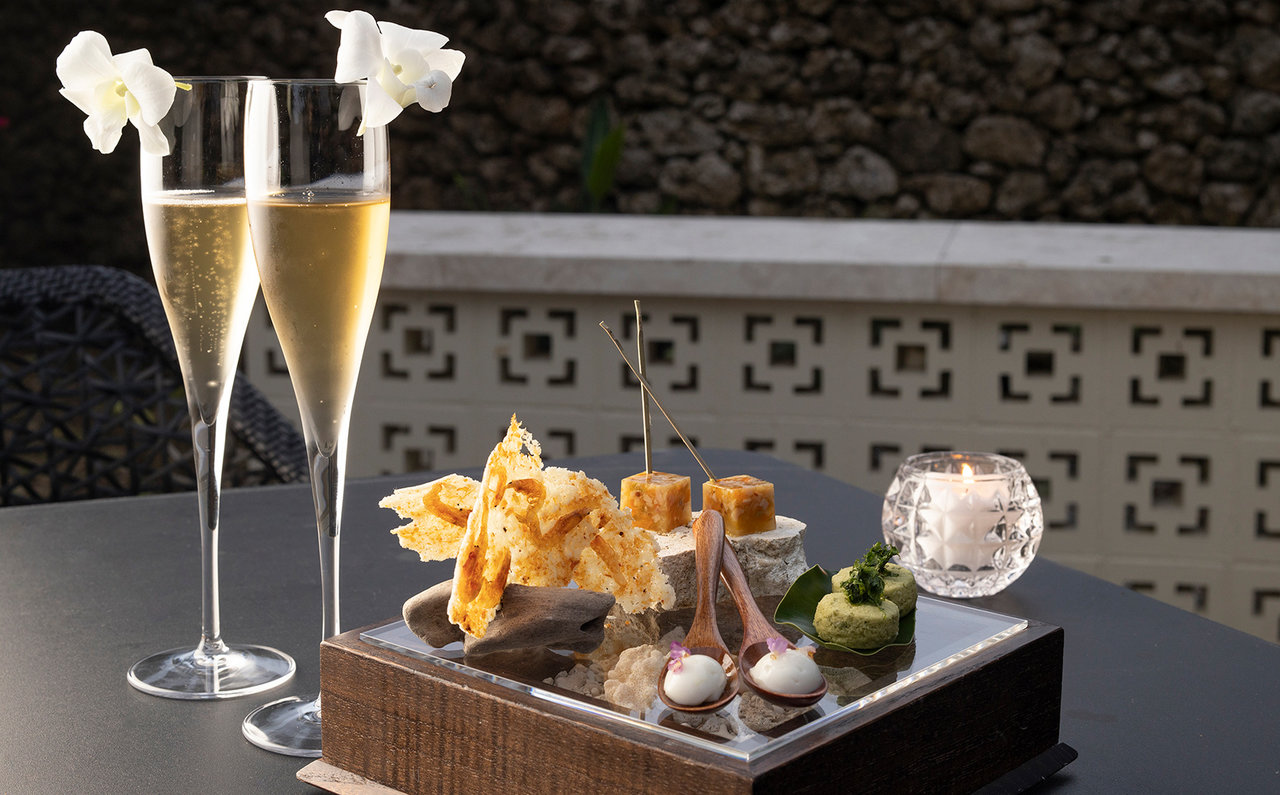
Island Breeze Aperitif
The course begins with the "Island Breeze Aperitif" on the outdoor "Wind Terrace," where guests can enjoy aperitifs and amuse-bouches while feeling the southern island breeze. Afterward, we move to the restaurant for the main course.
Gazami Crab and Island Tofu Coupe
Kuruma Prawn Coral Grill with Nuchigusa Sauce
Foie Gras and Kubushimi (Squid) Poêlé with Cuttlefish Ink Risotto
Akane Sweet Potato Prepared Three Ways
Kuruma Prawn Poêlé and its Bisque with Carrot Cream
Beef Fillet en Croûte with Nuchigusa Béarnaise
A Feast of Okinawan Ingredients Created Through a French Lens
Kuruma Prawn Coral Grill with Nuchigusa Sauce
Foie Gras and Kubushimi (Squid) Poêlé with Cuttlefish Ink Risotto
Akane Sweet Potato Prepared Three Ways
Kuruma Prawn Poêlé and its Bisque with Carrot Cream
Beef Fillet en Croûte with Nuchigusa Béarnaise
A Feast of Okinawan Ingredients Created Through a French Lens
And so, one surprising dish after another appeared, eliciting exclamations of "Who would have thought!" The meal continued with desserts: "Akane Sweet Potato Tart" and "Mango Baba with Awamori Aroma."
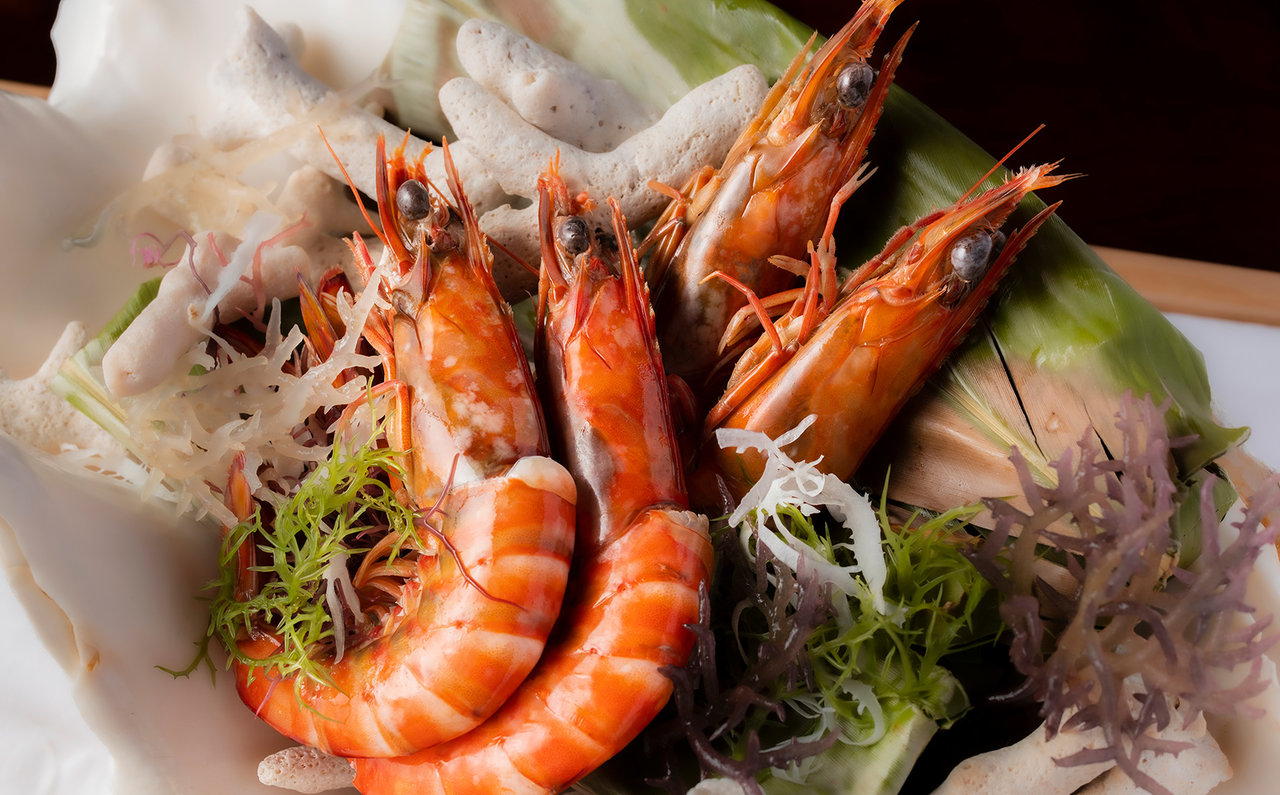
"Kuruma Prawn Coral Grill with Nuchigusa Sauce." Eating the kuruma prawn with your hands was a unique experience. The umami was directly conveyed.
Let's highlight a few dishes and describe them in detail. The "Kuruma Prawn Coral Grill with Nuchigusa Sauce" features Taketomi Island's prized kuruma prawns, steamed and grilled on heated coral. The visual impact is quite striking.
"The kuruma prawns, raised in Taketomi Island's pristine waters, are rich in minerals and free of off-flavors. This dish was conceived with the idea of serving them at their sweetest, semi-raw state," explains Ito-san. The kuruma prawns, infused with the aroma of shekwasha, exuded both sensuality and elegance. It's recommended to enjoy them plain first, and then with the Nuchigusa sauce made from long-life grass, shekwasha, and nam pla.
"The kuruma prawns, raised in Taketomi Island's pristine waters, are rich in minerals and free of off-flavors. This dish was conceived with the idea of serving them at their sweetest, semi-raw state," explains Ito-san. The kuruma prawns, infused with the aroma of shekwasha, exuded both sensuality and elegance. It's recommended to enjoy them plain first, and then with the Nuchigusa sauce made from long-life grass, shekwasha, and nam pla.
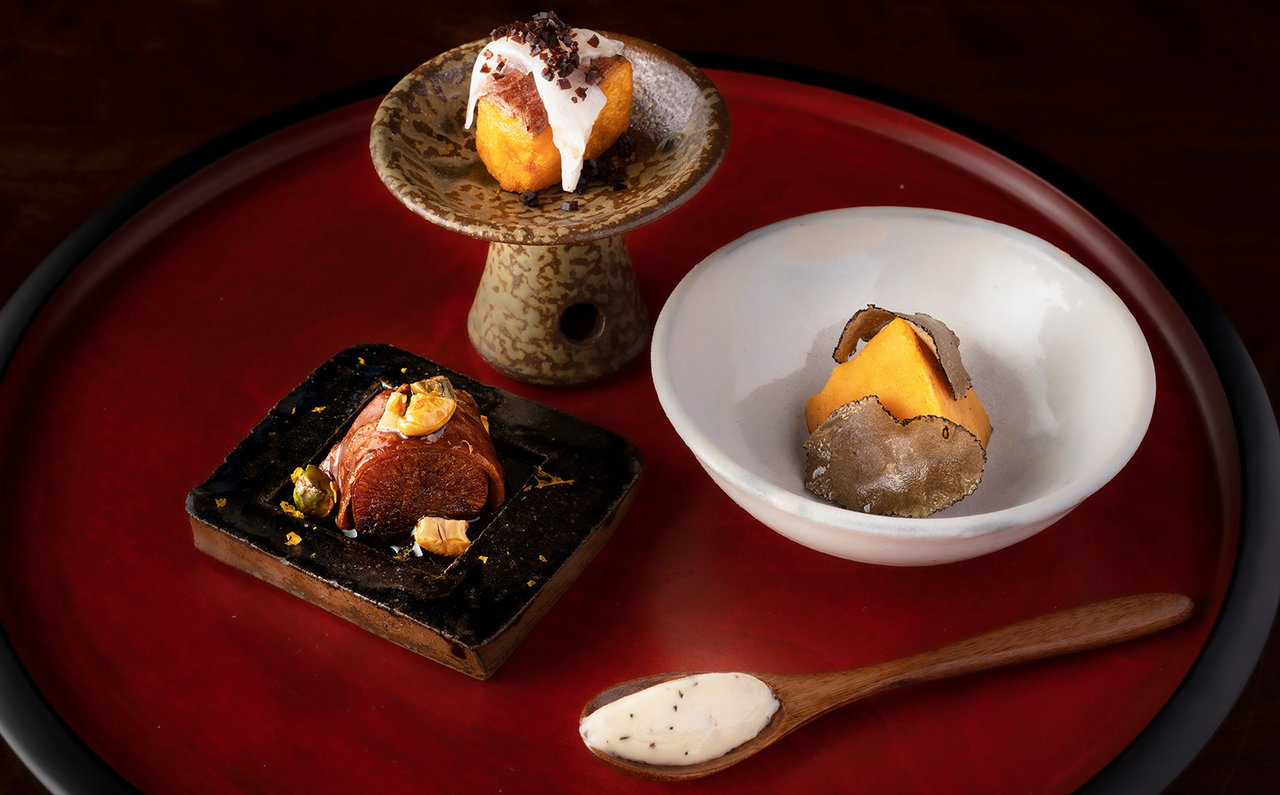
"Akane Sweet Potato Prepared Three Ways." Akane sweet potato is gaining attention as a famous Okinawan product, following Beni sweet potato.
The "Akane Sweet Potato Prepared Three Ways" is a dish where the orange akane sweet potato is savored in three preparations: roasted, fried (frit), and steamed (vapeur). The roasted version, with its nutty aroma, was "accented with orange zest" (Ito-san, hereafter). The steamed version, "rich like pumpkin," highlighted the sweet potato's natural, gentle sweetness. The accompanying truffle butter and balsamic solids were also memorable. It's delicious on its own, or you can enjoy variations with the condiments. The versatility of the sweet potato deserves applause.
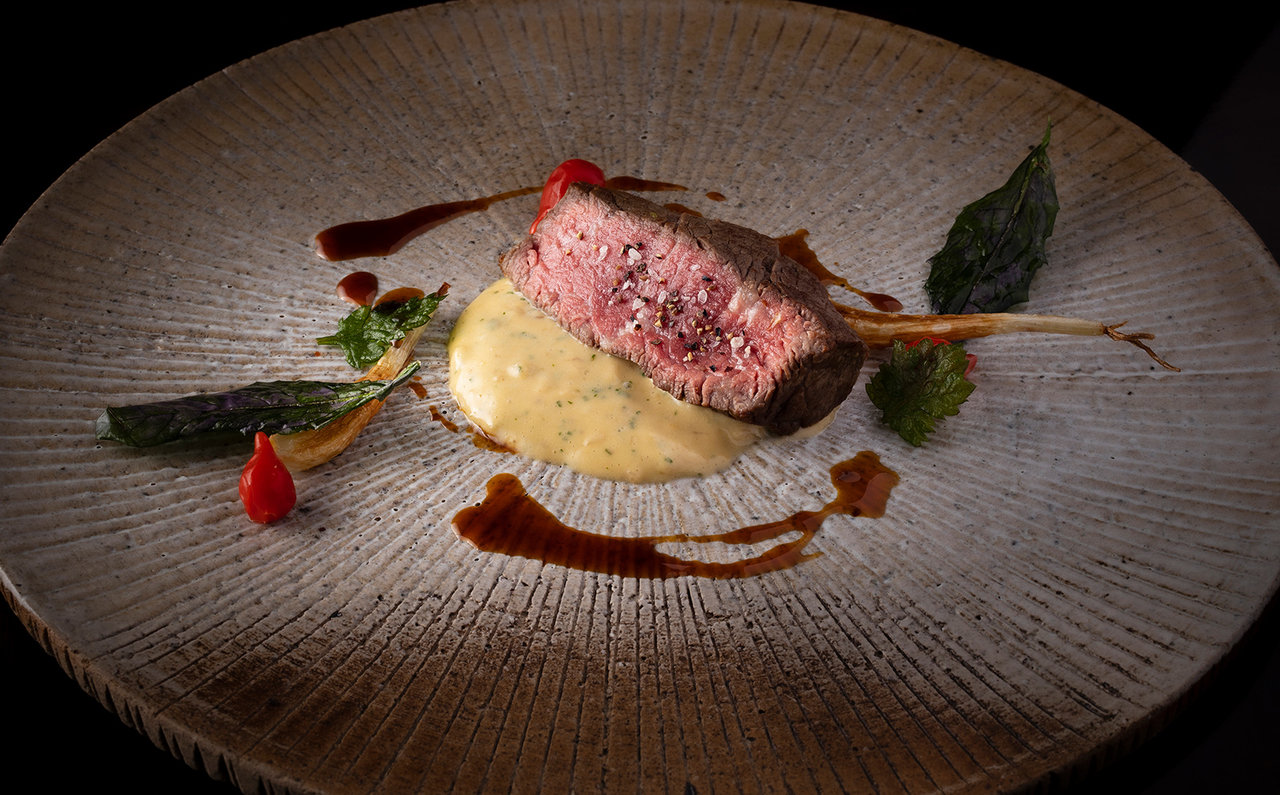
Beef Fillet en Croûte with Nuchigusa Béarnaise
The "Beef Fillet en Croûte with Nuchigusa Béarnaise" is the main dish, inspired by the French classic beef en croûte. "After searing the beef fillet to perfection without stressing the meat, it is wrapped in bread kneaded with Nuchigusa, such as long-life grass and fuchiba (mugwort) that grow wild on Taketomi Island, and then slow-baked at a low temperature." This slow cooking process through the bread tenderizes the meat and allows the aroma of the Nuchigusa to infuse it. The fillet itself is, of course, exquisite, but the Nuchigusa bread soaked in the meat juices was also incredibly delicious – an excellent supporting player. "Nuchigusa is not typically used as a main ingredient, but I wanted to showcase its full potential," Ito-san expressed, and this dish truly conveyed his passion.
TRAVEL|Hoshinoya Taketomi Island
To This Dish, We Journey to Hoshinoya Taketomi Island (2)
The Next Day, a Breakfast Abundant in Fresh Vegetables!
Breakfast also enthusiastically features Nuchigusa. Born from the desire to "find ways for guests to enjoy plenty of Nuchigusa," the "Harusā Breakfast" was created. This breakfast menu, starring a salad and poached eggs made with an abundance of Nuchigusa that are in season during winter, such as island carrots, long-life grass, handama, and bitter melon, is visually stunning.
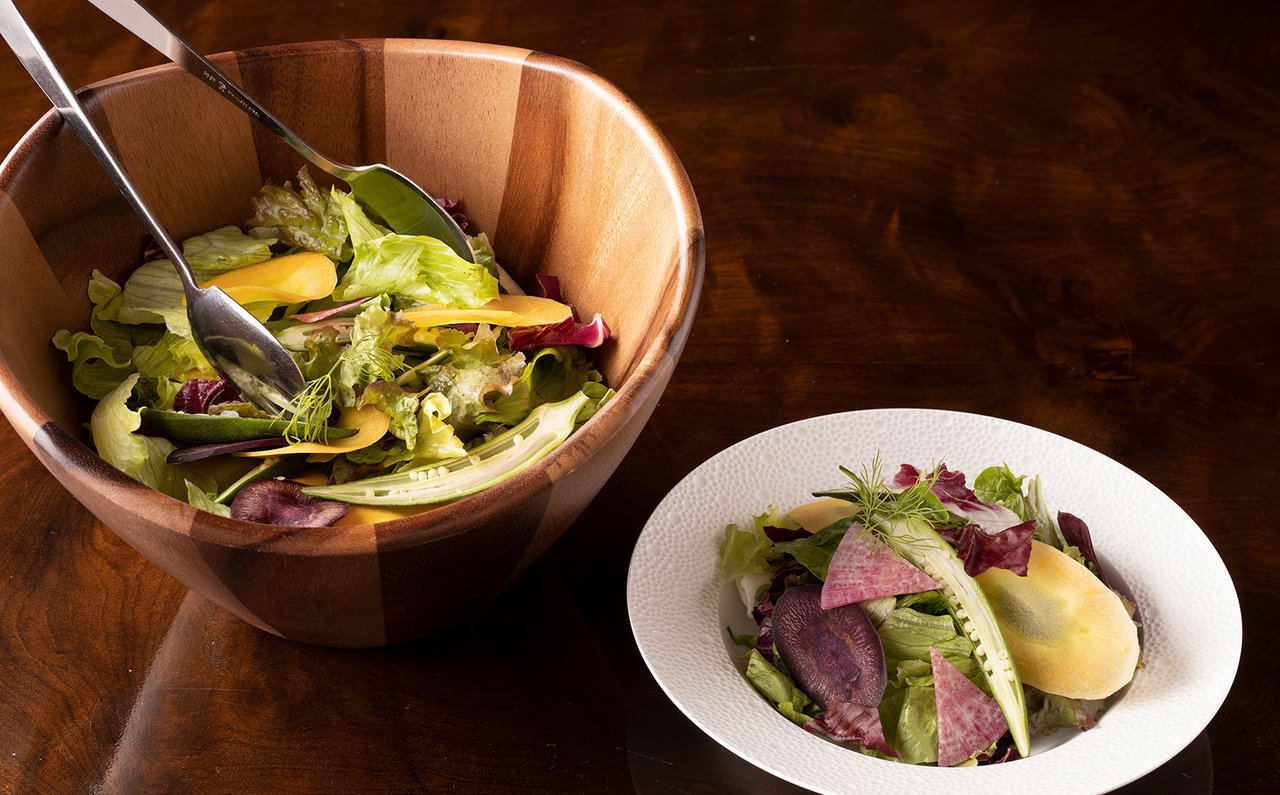
And with this menu, you can enjoy as much salad as you like. They will keep piling it on until you say stop. The seasonal vegetables grown on the island are full of vitality, and you could eat them forever. There are three types of dressings (turmeric, long-life grass, and French dressing). You simply have to try them all. I felt invigorated as I ate. Could it be the power of Nuchigusa?
"Cuisine is an entertainment that engages all five senses. We want our guests, who have traveled so far, to not only experience dishes that can only be tasted here, but also to feel the atmosphere unique to this small island and the space of Hoshinoya Taketomi Island itself."
From each dish to the staff's service and the restaurant's ambiance, we felt this sentiment everywhere during our stay. We were completely captivated by Taketomi Island.
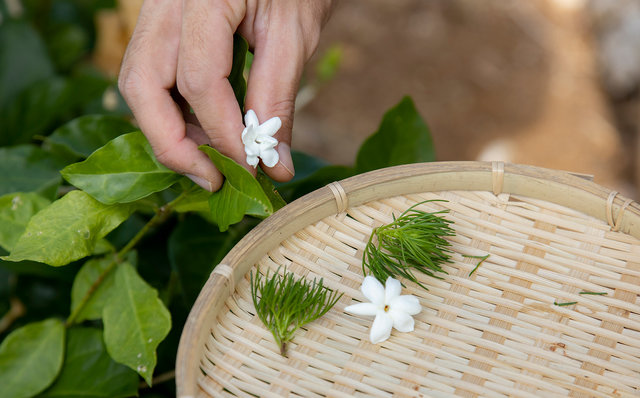
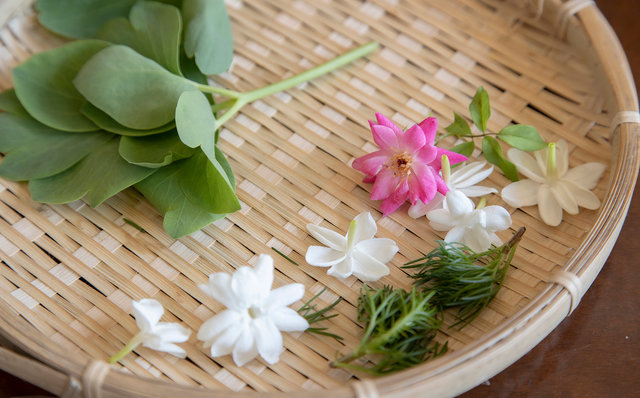
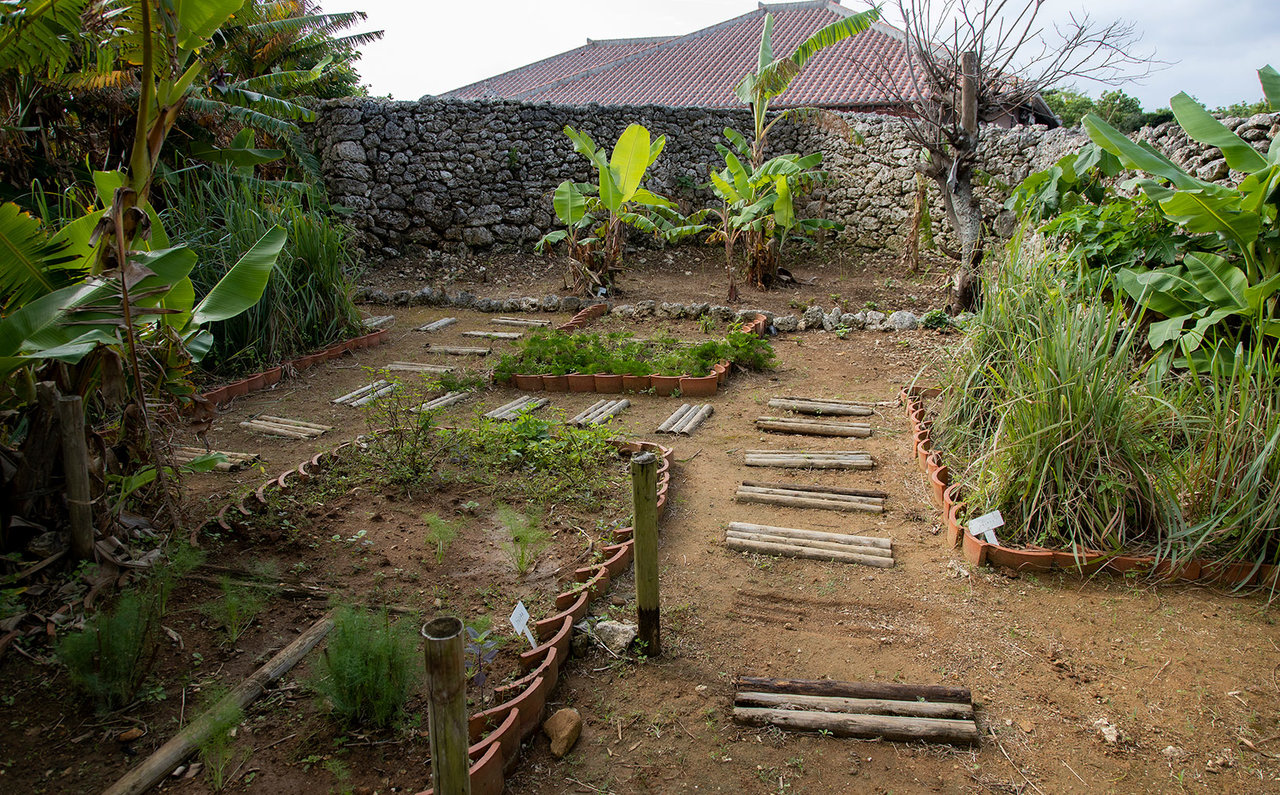
Hoshinoya Taketomi Island's fields. They cultivate herbs suitable for this land, such as lemongrass and rosemary, alongside local wild grasses like Nuchigusa, Fuchiba, and Nigana.
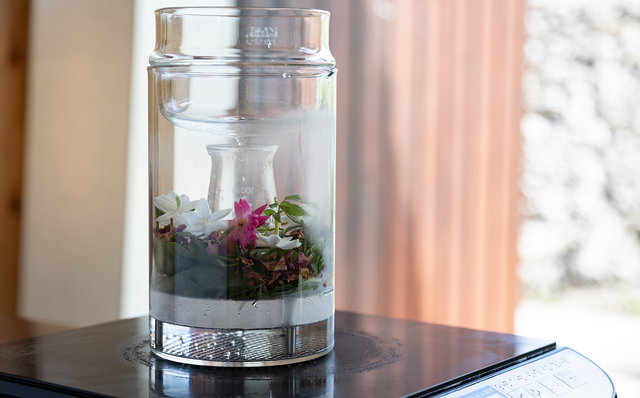
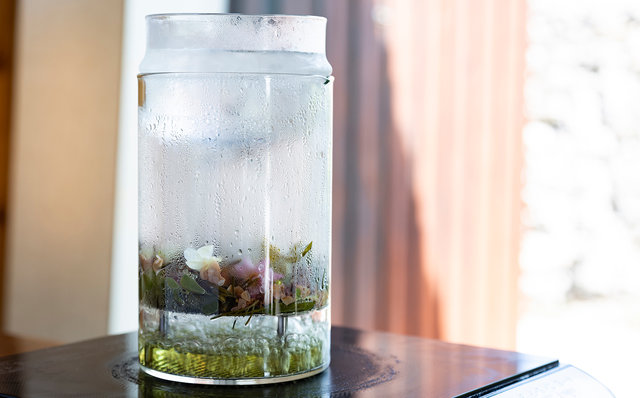
The emphasis on Nuchigusa at Hoshinoya Taketomi Island doesn't stop at "food." Hoshino Resorts' initiatives are always thorough. This winter, they launched a program to create "Nuchigusa Water," a distilled water that captures the aroma of Nuchigusa. Using Nuchigusa harvested from the facility's "Nuchigusa Fields," such as Fuchiba and Holy Basil, guests can create their own distilled water. While not Nuchigusa, using strongly aromatic rosemary is also recommended, and it indeed worked wonders. The finished "Nuchigusa Water" can be used to spray on bedding and clothing. It tests your Nuchigusa selection skills, which is part of the fun. Gathering Nuchigusa while sniffing the aromas and asking, "What kind of Nuchigusa is this?" and "How is it usually used?" becomes a wonderful travel memory.
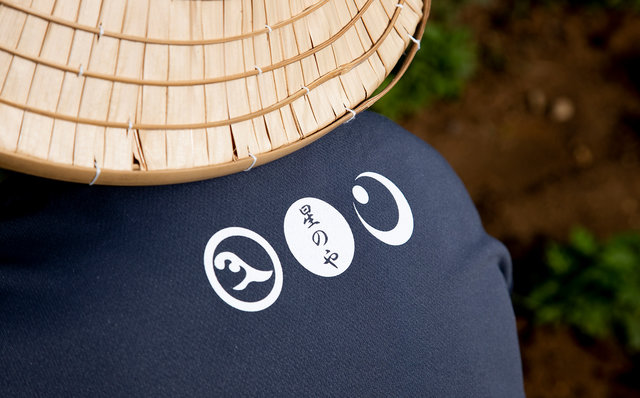
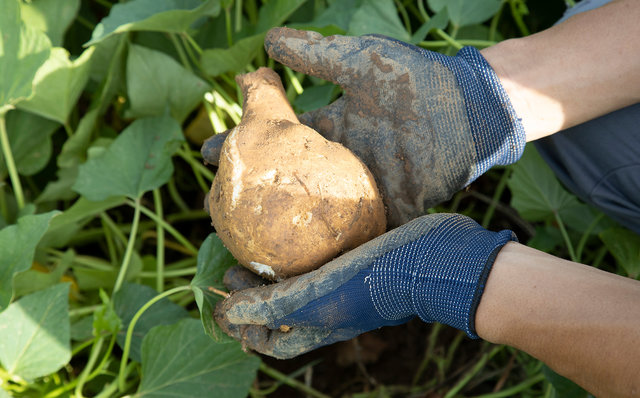
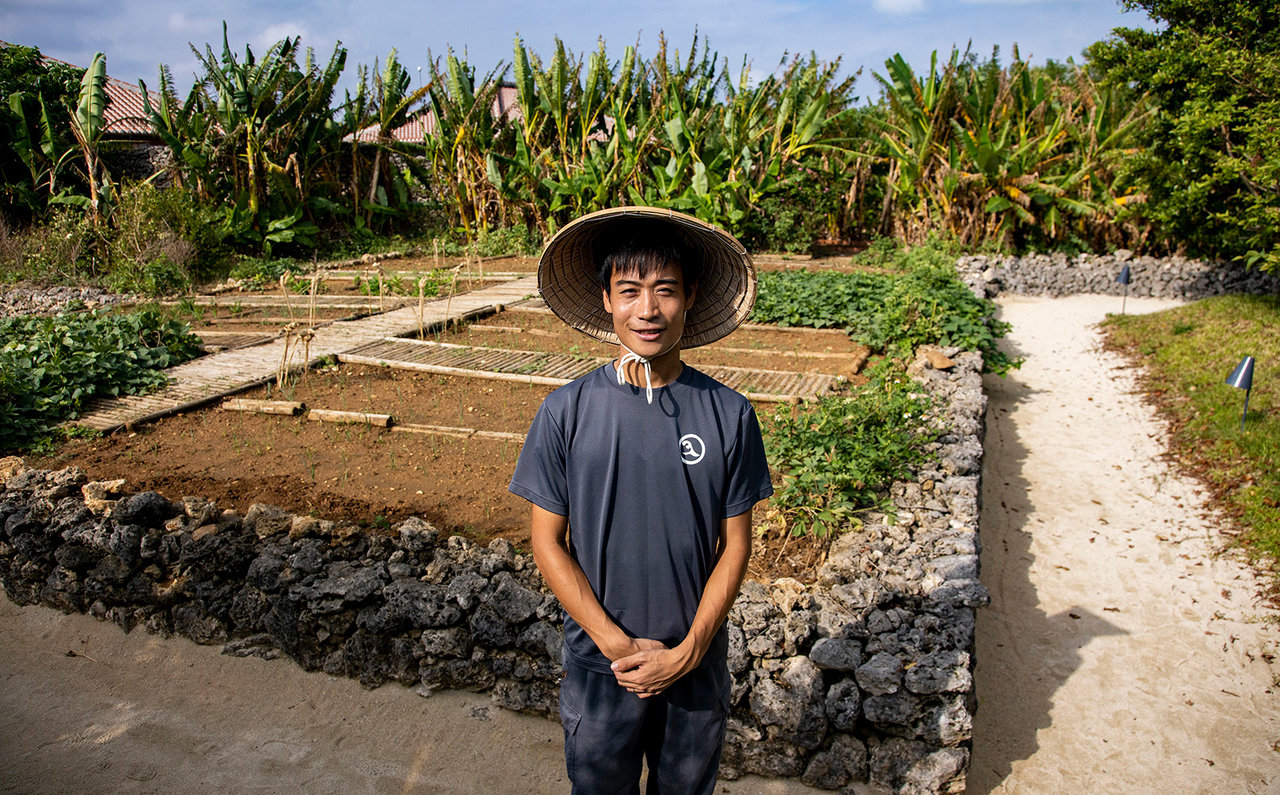
Staff member Hayato Koyama. In Taketomi Island, where prayers for a bountiful harvest are offered during the island's largest festival, the "Tanetori Matsuri" in autumn, it is said that the sweet potatoes planted in autumn and harvested in winter are the most delicious.
For those who thought, "What is a 'Nuchigusa Field'?" apologies. Hoshinoya Taketomi Island began a project in 2017 to inherit the island's farmlands. Island agriculture faces the significant problem of a lack of successors. In this context, staff member Hayato Koyama apprenticed himself to Ryuichi Maemoto, a local farmer who cultivates crops. Under Maemoto-san's guidance, they have created fields within the facility and are working to inherit the island's farmlands. Koyama-san stated firmly, "My goal is to contribute to the inheritance of the island's Nuchigusa culture by collecting all 54 types of Nuchigusa traditionally found on the island over three years."
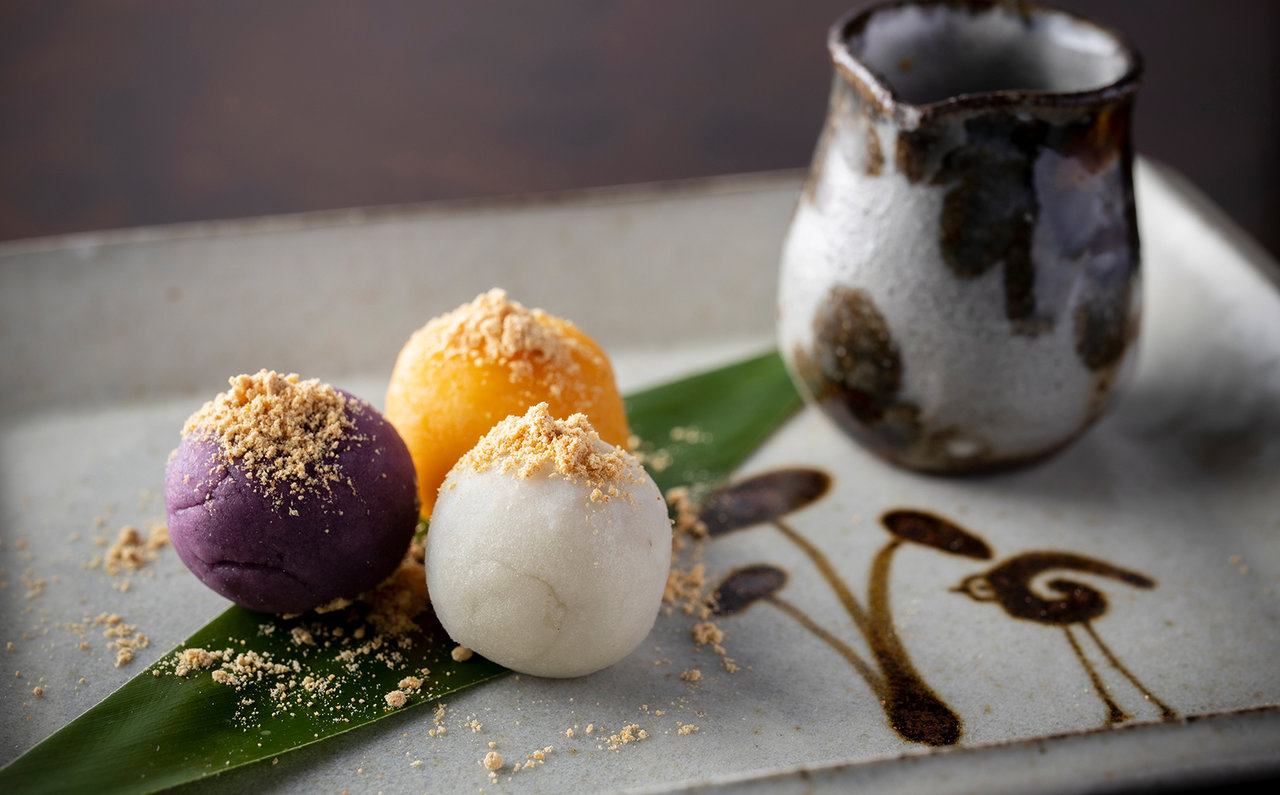
Afternoon Snack: "Island Moment"
The ingredients from the facility's fields are sometimes used in the sweets offered during the afternoon snack time, "Island Moment." For example, "Nnui," which once supported the lives of the islanders as a staple food, is made into dumplings using sweet potatoes grown in the facility's fields, from seed potatoes of three varieties (white, orange, and purple) that Maemoto-san had self-collected. The difference in ingredients is directly conveyed.
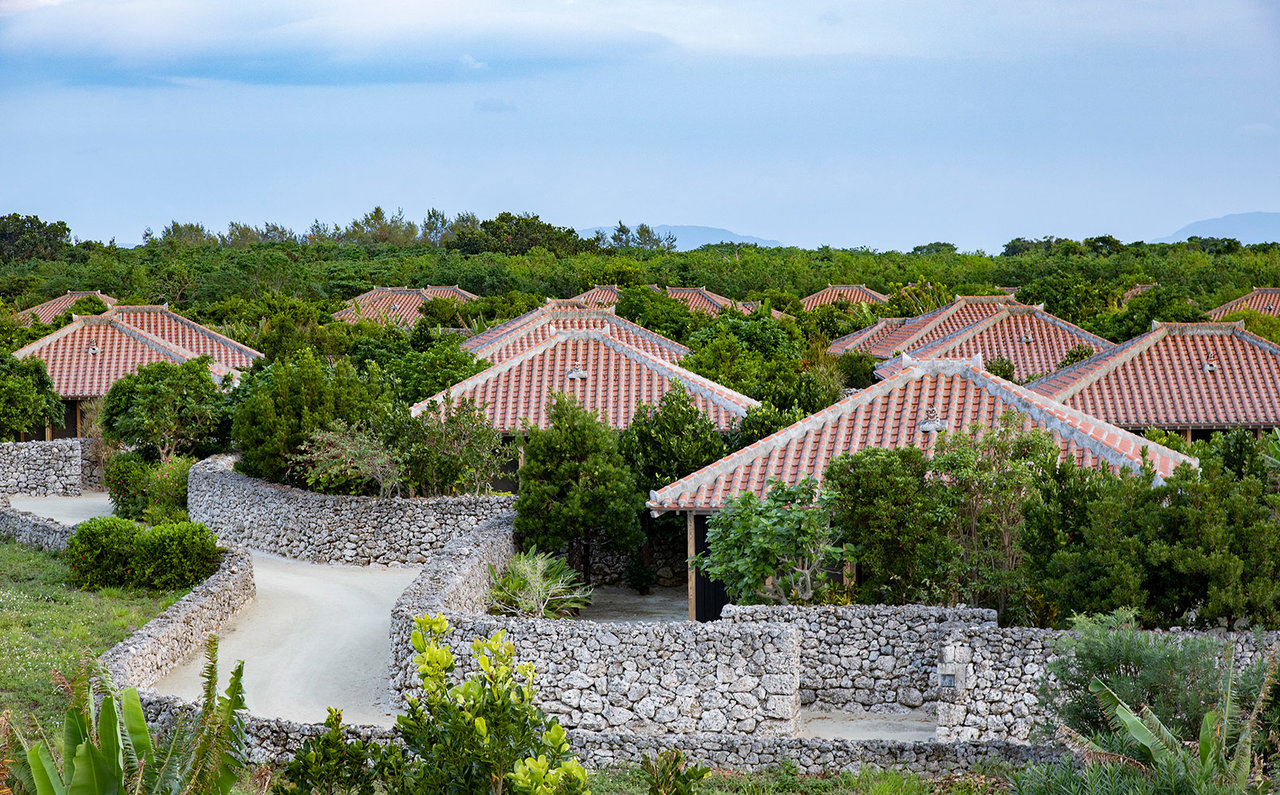
Taketomi Island has the "Taketomi Island Charter," which enshrines the spirit of valuing the island's traditional culture, including the five basic principles established in 1986 to protect the island: "Do not sell," "Do not pollute," "Do not disturb," "Do not destroy," and "Do utilize." Within Hoshinoya Taketomi Island's approximately 20,000 tsubo (about 66,000 square meters) site, in accordance with the "Taketomi Island Landscape Formation Manual," just like the houses on the island, there are detached guest rooms, white sand paths, pools, and observation decks built in respect of tradition, forming a small village.
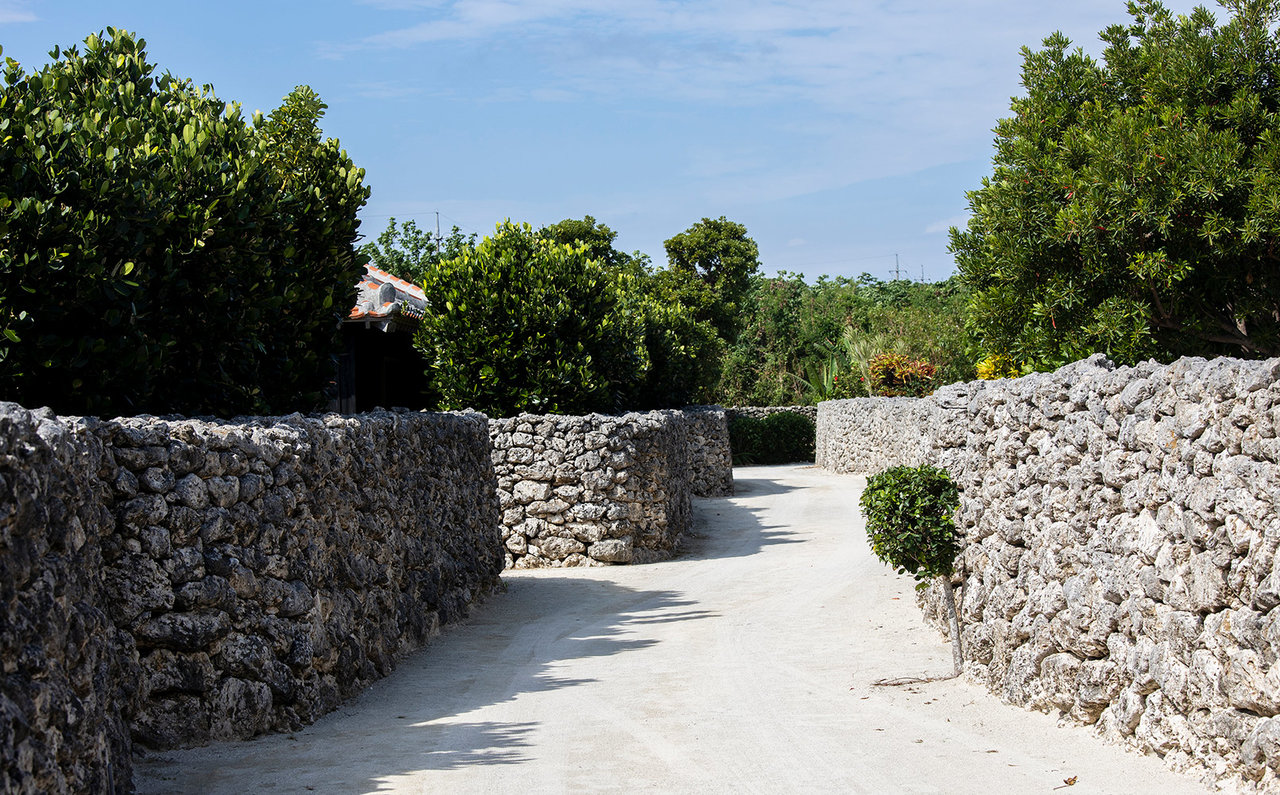
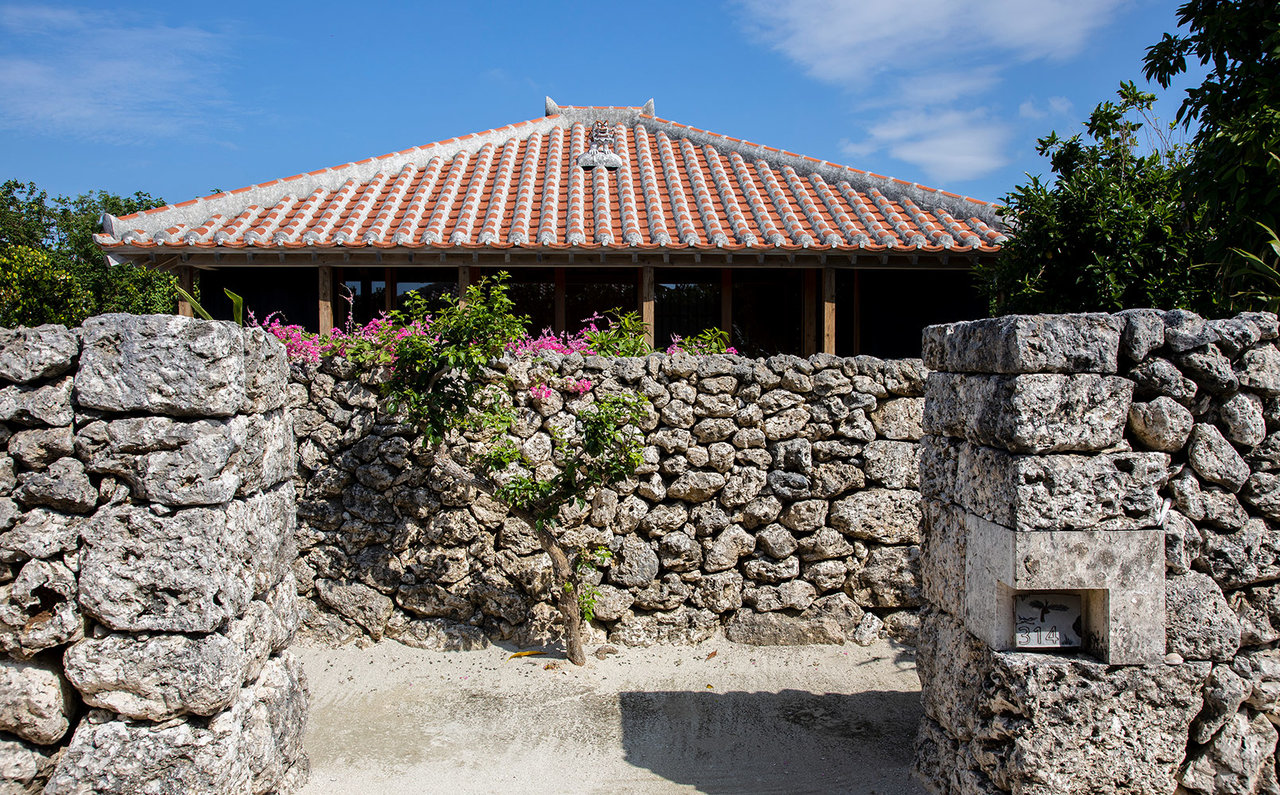
Finally, let us reintroduce the facility, "Hoshinoya Taketomi Island." Opened in 2012 on the eastern side of the island, Hoshinoya Taketomi Island is a resort built in respect of Taketomi Island's traditional culture, located about a 7-minute drive from the port. Spread across approximately 20,000 tsubo (about 66,000 square meters), it comprises 48 detached guest rooms (villas) with Ryukyu red tile roofs, pools, an observation deck, paths of coral fragments known as "white sand," and stone walls made of stacked Ryukyu limestone (gukku), forming a small village. The roofs of each guest room, designed to allow wind to enter and facing south, were adorned with guardian Shisa lions. The rock wall (hinpun) in front of the guest rooms not only serves as a screen but also has a meaning of warding off evil spirits.
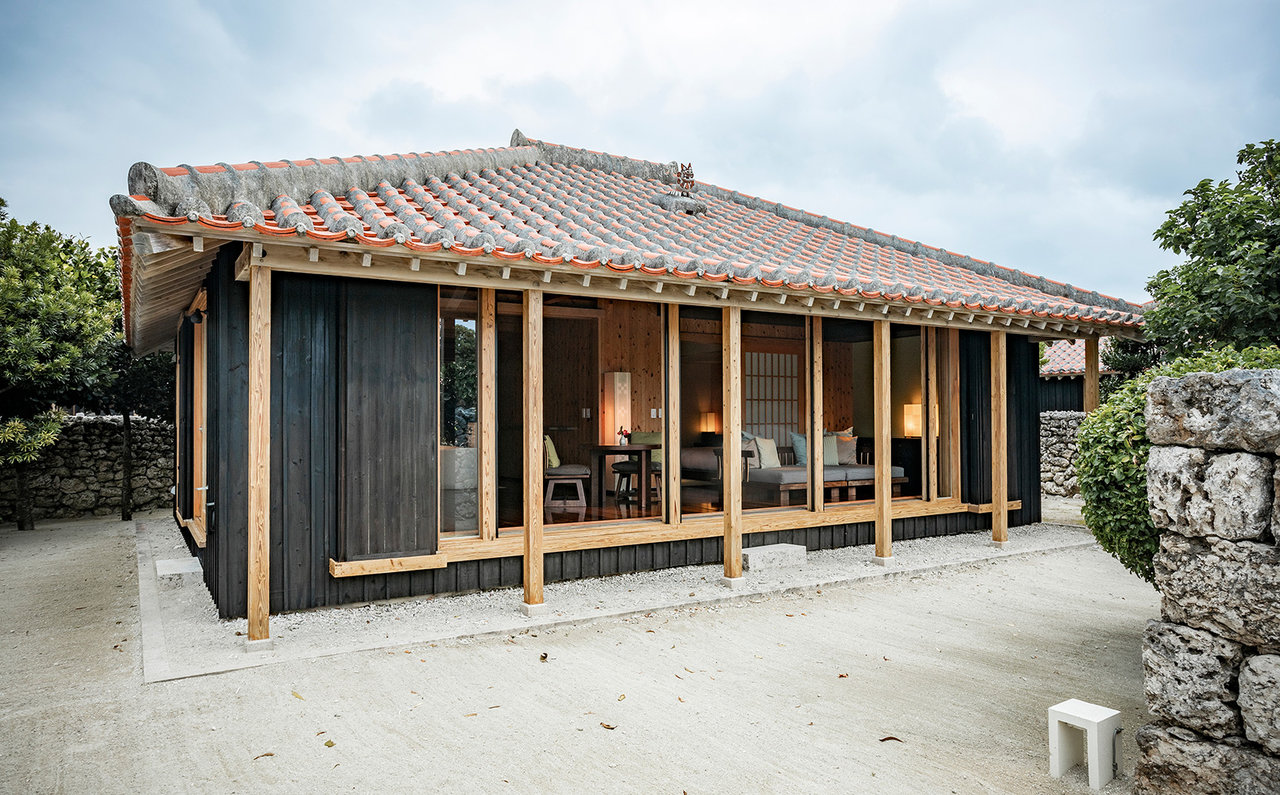
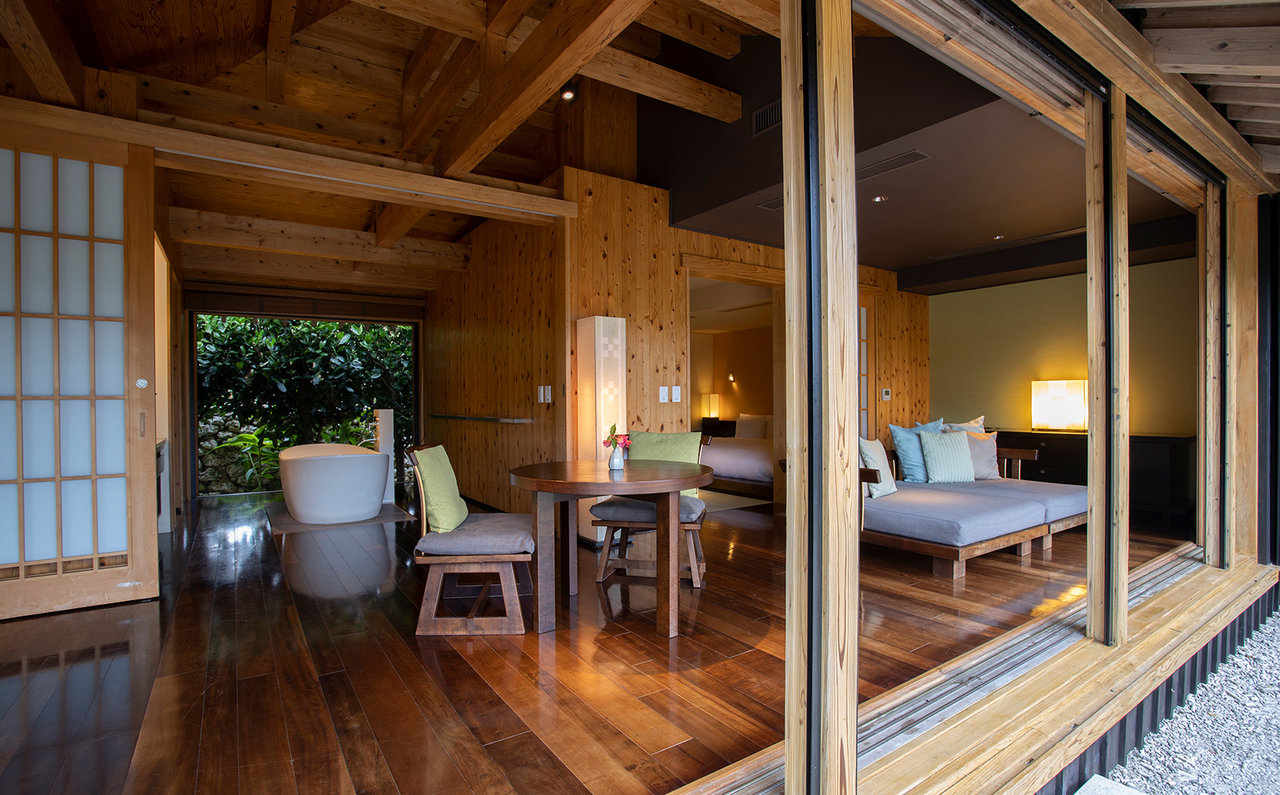
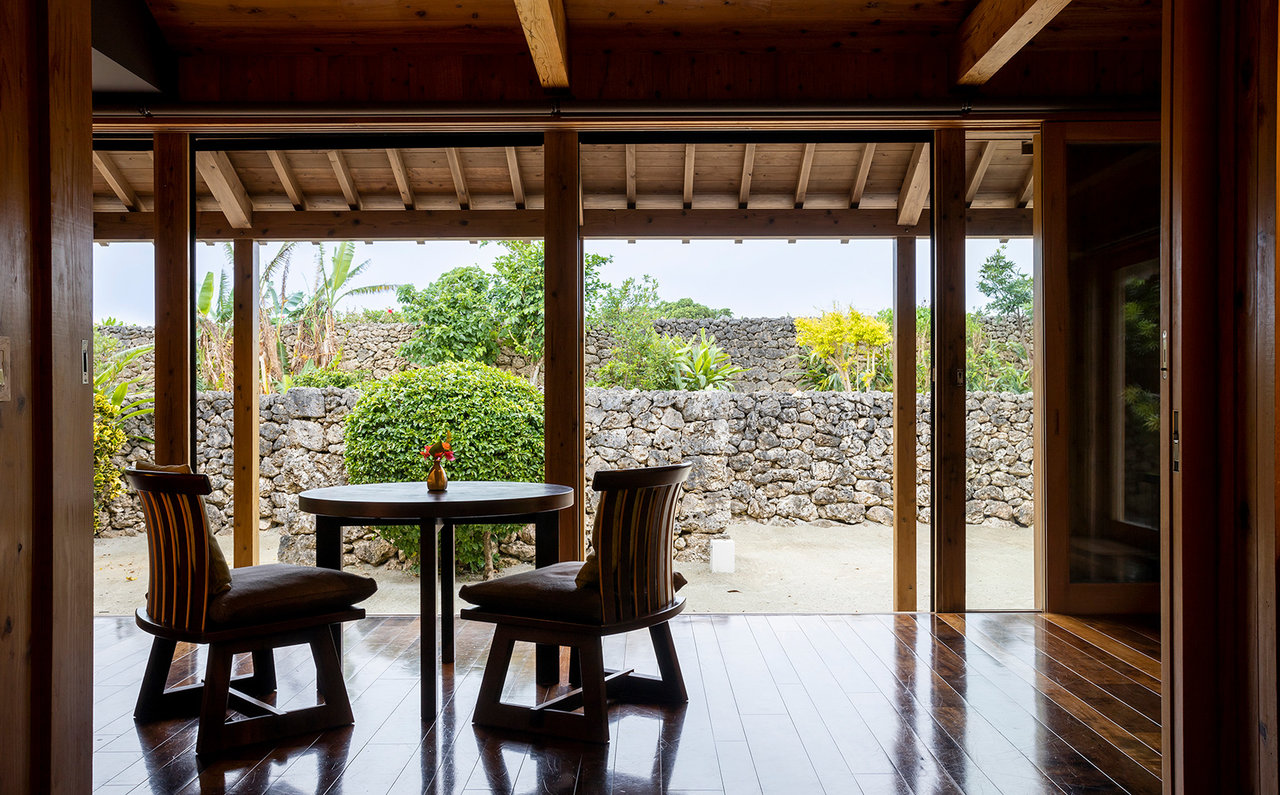
The guest rooms also feature touches that pay homage to Taketomi Island's traditional culture. The key to each room comes with a gecko-shaped keychain made from "Sōshiju" (Acacia confusa) trees grown on Ishigaki Island. The balm made from shekwasha, provided as an amenity, is an original creation of the resort. My personal favorite is the bathtub placed prominently in the center of the room. It's designed so you can gaze at the garden while soaking in it. Bathing while feeling the breeze passing through the room from the veranda is pure bliss. I never tired of it, no matter how many times I used it.
The "Yuntaku Lounge" next to the restaurant is a communal space available 24 hours a day. This lounge, which also houses a library, a self-service drink corner, and a souvenir shop, offers free cocktails made with "Awamori," a Okinawan distilled spirit, every day from 8 PM to 9 PM. The Awamori cocktails, mixed with original syrups and diluted with soda or water, are appealing because you can adjust the taste yourself.
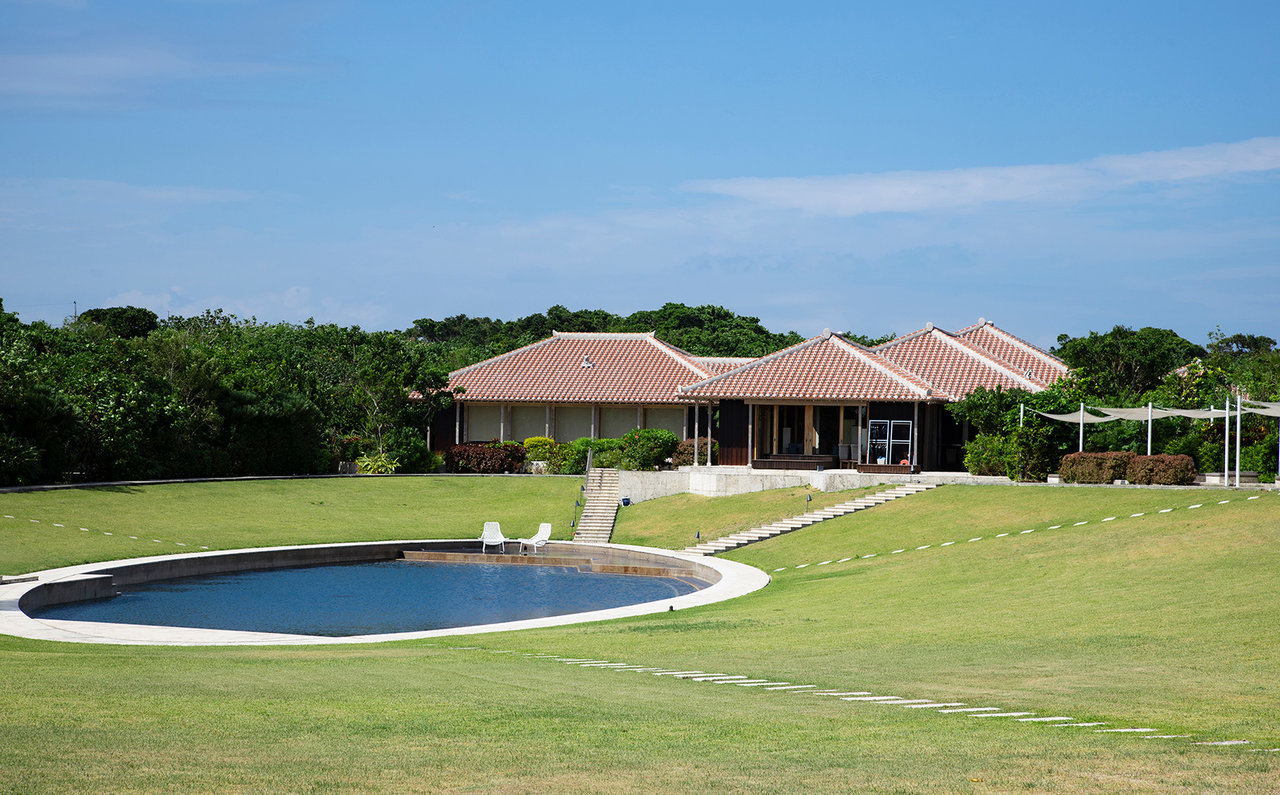
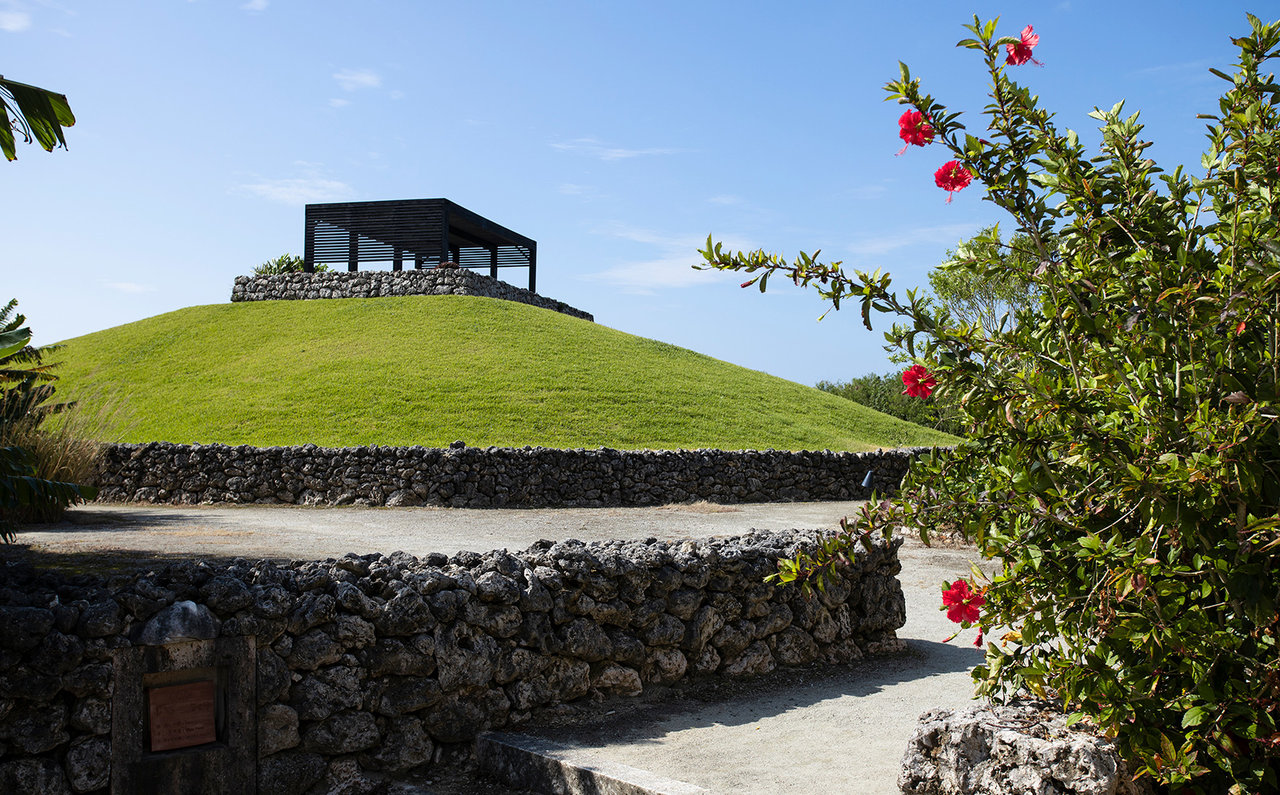
Hoshinoya Taketomi Island is designed to resemble a village, so the pool is intentionally not visible from the observation deck.
The outdoor pool in front of the "Yuntaku Lounge" is an impressive 46 meters long and is one of the resort's symbols. Another symbolic feature is the observation deck, offering a panoramic view of the entire resort. Oh, and don't forget to bring the map you received at check-in when exploring the "village." The buildings all look similar, so it's easy to get lost – in fact, I did get lost (laughs). But once you get a little accustomed, you might enjoy searching for the "hidden Shisa lions." Three of the Shisa lions on the roofs of the guest rooms have different designs from the others, making them rare characters. Searching for these unique Shisa lions – one with a "windmill" symbolizing longevity, one with a "broom" for warding off evil, and one with a "ball" for marital bliss – like a treasure hunt is also a delightful pastime.
Hoshinoya Taketomi Island allows you to experience the energy of the land, the history, the culture, and what the islanders have so carefully preserved from various perspectives. As you reluctantly leave the resort, you'll surely realize that you've become more knowledgeable about Taketomi Island and have grown to love it even more than when you arrived. And then, it occurred to me: perhaps this is the ultimate resort that is deeply rooted in and coexists with its region.
Recalling the blissful island time I experienced there, I find myself smiling contentedly.
Hoshinoya Taketomi Island
Address: Taketomi 1955, Taketomi Town, Yaeyama District, Okinawa Prefecture
Access: Approximately 7 minutes by car from Taketomi Port (free shuttle bus available)
Number of Rooms: 48 (Check-in 3:00 PM, Check-out 12:00 PM)
Rates: From 75,000 JPY per night (per room, excluding tax and service charge, meals not included)
Address: Taketomi 1955, Taketomi Town, Yaeyama District, Okinawa Prefecture
Access: Approximately 7 minutes by car from Taketomi Port (free shuttle bus available)
Number of Rooms: 48 (Check-in 3:00 PM, Check-out 12:00 PM)
Rates: From 75,000 JPY per night (per room, excluding tax and service charge, meals not included)
Inquiries
Hoshinoya Reservations
Phone: 0570-073-066
URL:https://hoshinoya.com/