Japan's iconic peak, climbed via the Fujinomiya route. History felt firsthand. | TRAVEL
LOUNGE / TRAVEL
August 31, 2023

Japan's iconic peak, climbed via the Fujinomiya route. History felt firsthand. | TRAVEL

TRAVEL | Ascend Japan's Icon via the Fujinomiya Route. Experience History Firsthand.

The History of Climbing and the Background of Faith
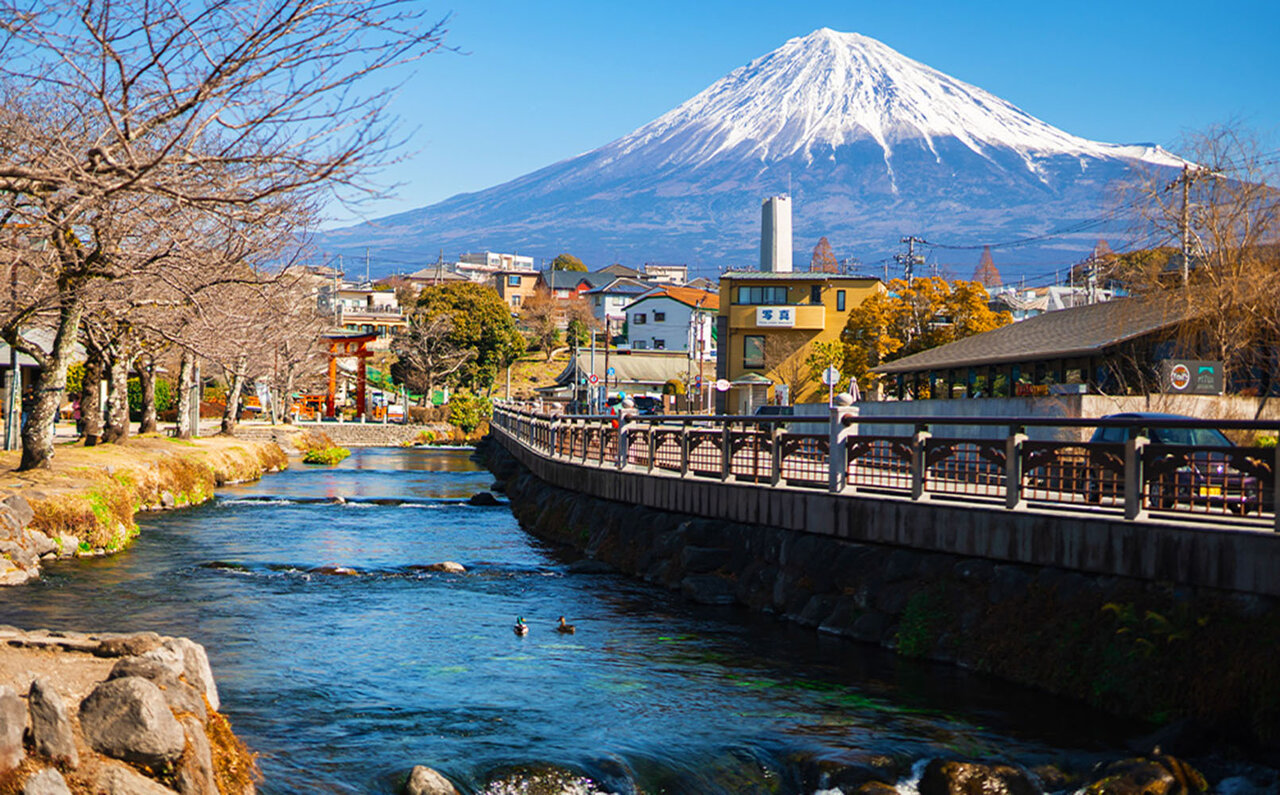
In two previous articles, OPENERS has introduced the charms of Mt. Fuji and Fujinomiya City at its base.
First articleWe explored the hidden charms below the 5th station and the grandeur of nature.
Second articleWe delved into the historical background of Fujinomiya City.

In this third installment, we aim to conquer Mt. Fuji, Japan's symbol standing at 3,776m, via the Fujinomiya route.

Fujisan Hongu Sengen Taisha Shrine
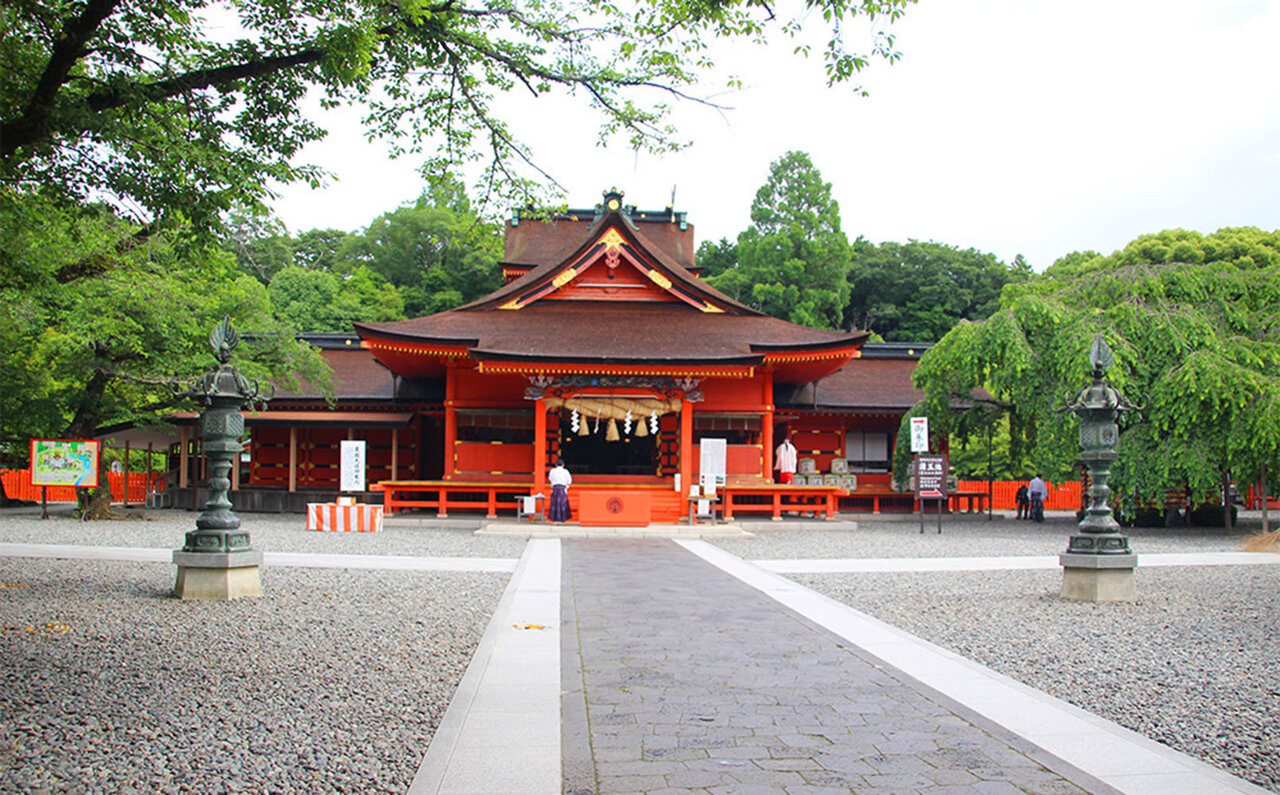
Are you familiar with Sengen Taisha shrines, whose main shrine is located at the foot of Mt. Fuji?
In fact, the Fujinomiya route of Mt. Fuji, approximately 1.2 million tsubo (about 4 million square meters) from the 8th station upwards, is part of the inner shrine grounds of Fujisan Hongu Sengen Taisha Shrine.
It is the head shrine of approximately 1,300 Sengen shrines nationwide and a component part of the World Cultural Heritage site of Mt. Fuji.
Its origin lies in its establishment to appease Mt. Fuji, and from around the 9th century, it garnered faith from many samurai.
Tokugawa Ieyasu, in particular, provided significant patronage, constructing and donating the current shrine buildings. This led to permission to enshrine the area from the 8th station of Mt. Fuji upwards as the sacred object, a role it has maintained to this day.

Mt. Fuji Worship: Passed Down Through Ages

The history of climbing and worshipping Mt. Fuji dates back to ancient times. Until around the 11th century, Mt. Fuji was not an object of ascent but primarily an object of worship.
Although not confirmed, there is a legend that Prince Shōtoku climbed it.
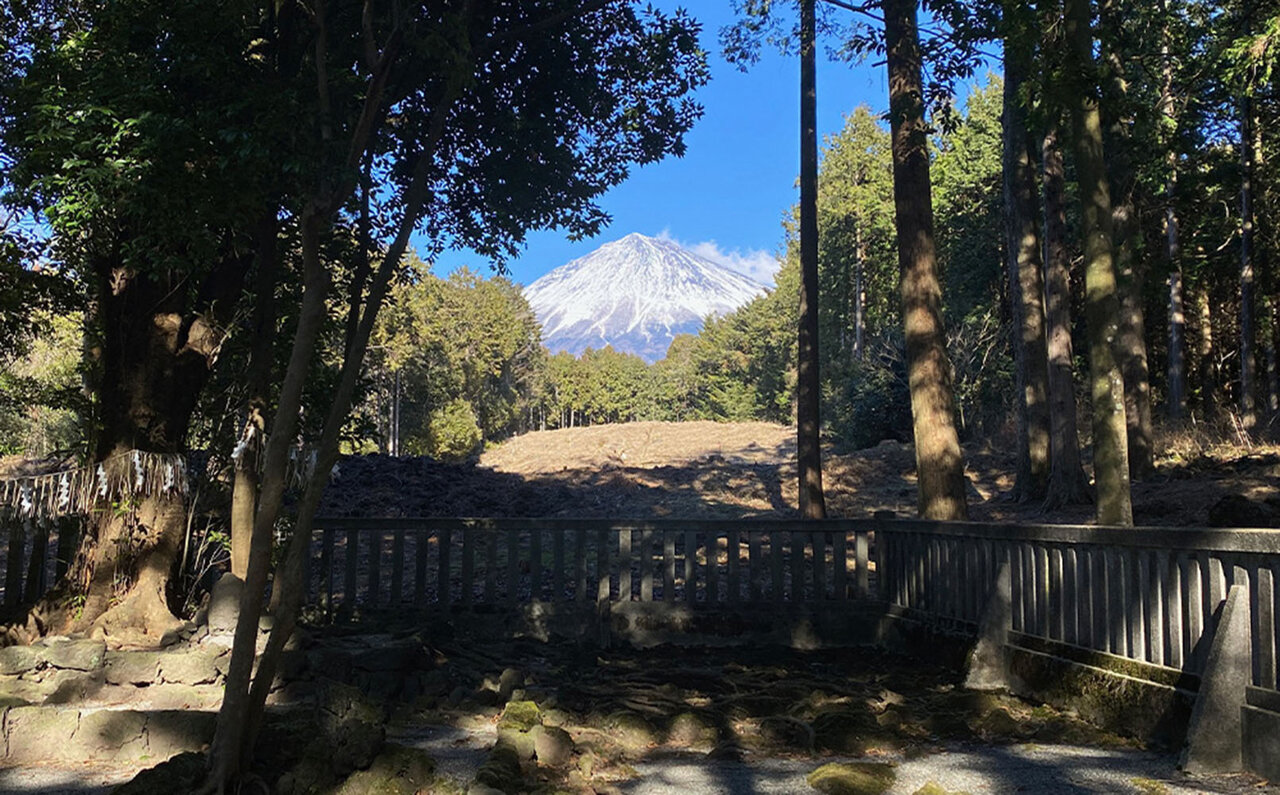
Pilgrimages began in the late Heian period, and by the Kamakura period, the four major climbing routes that continue to this day were established.
Around the Edo period, folk beliefs known as Fuji-kō permeated among the common people, and worship through actual ascent became widespread.
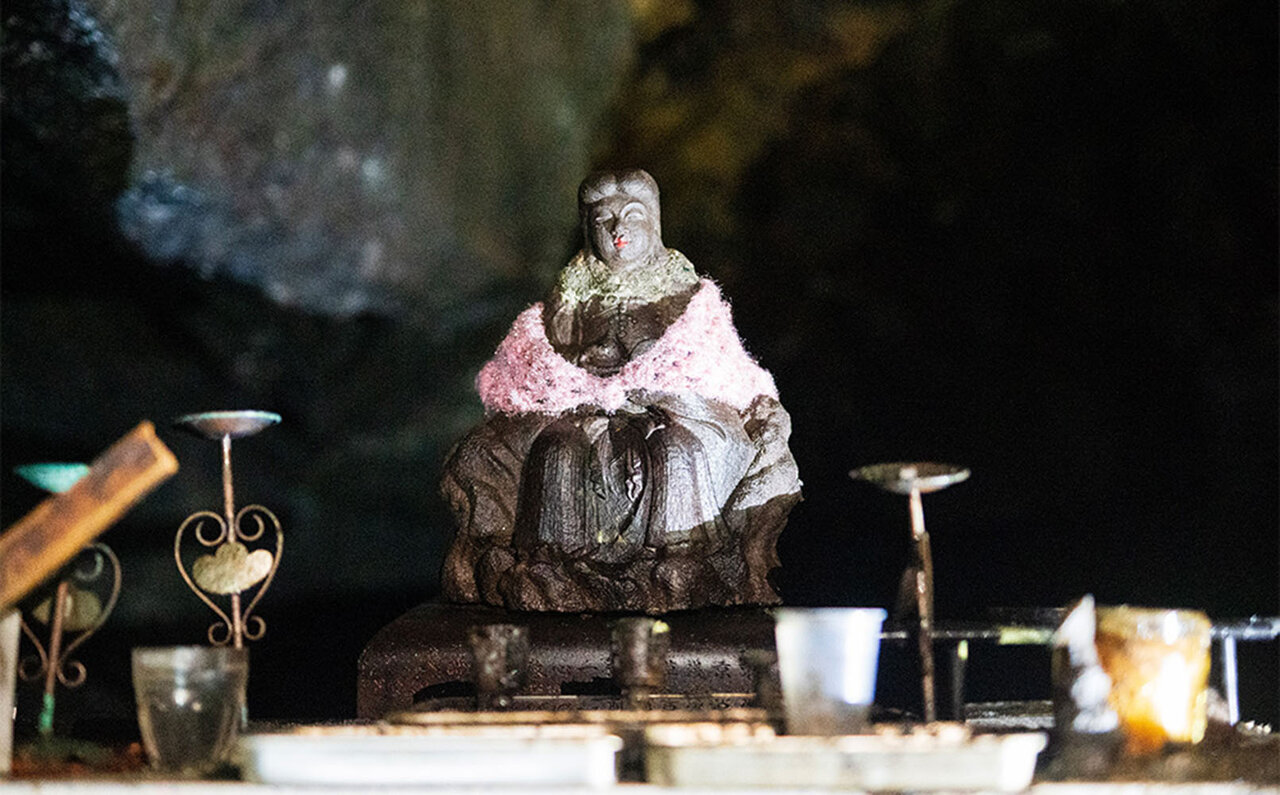
The Fujinomiya route, which we are climbing this time, is called the "Ōmiya-Murayama-guchi Trail" from the 6th station onwards and is registered as a World Cultural Heritage site as a component of Mt. Fuji.
It was once used for Shugendō ascetic training, and its historical significance as an object of worship was recognized.
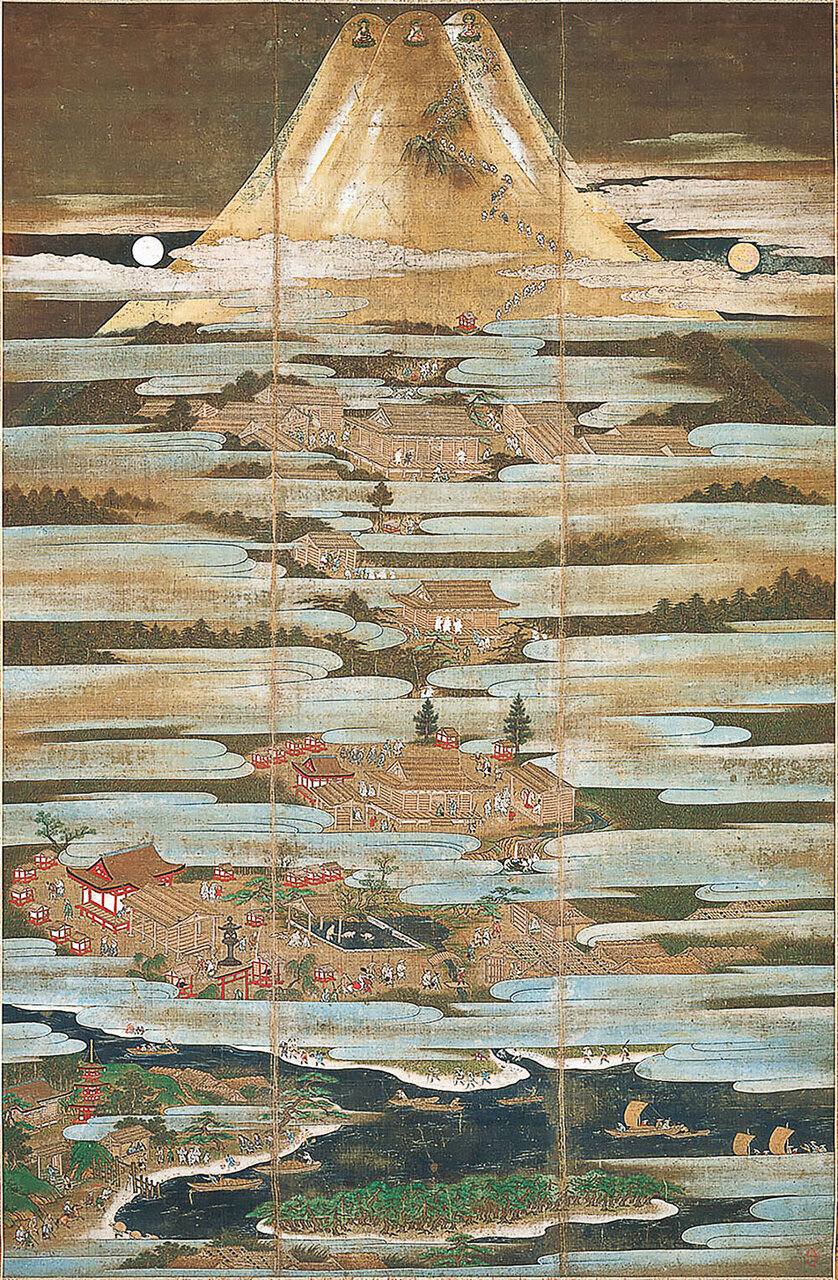
Silk Painting of Fuji Mandala
This is the "Silk Painting of Fuji Mandala," believed to have been painted by the artist Kano Motonobu II in the late Muromachi period.
It is the oldest existing silk mandala painting in Japan and was designated an Important Cultural Property on June 11, 1977.
It depicts the pilgrimage scenes of the Muromachi period, showing a line of people heading towards three Buddhas majestically standing at the summit of Mt. Fuji.
It is currently preserved at Fujisan Hongu Sengen Taisha Shrine.

Understanding Mt. Fuji's Divisions

Most people have likely heard the term "station" (合目, gōme) when referring to Mt. Fuji.
While it varies by route, the Fujinomiya route is divided as follows:
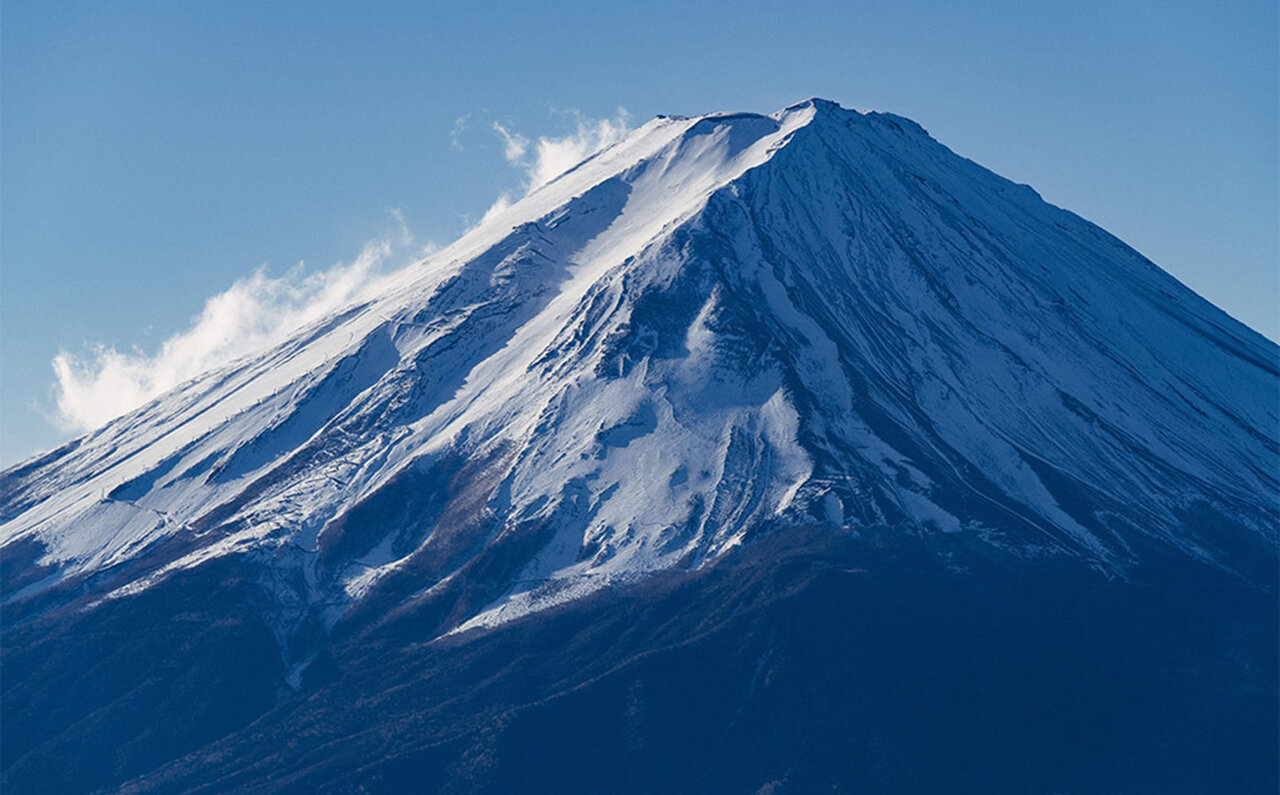
Divisions on the Fujinomiya Route:
New 5th Station (2,400m)
6th Station (2,490m)
New 7th Station (2,780m)
Original 7th Station (3,010m)
8th Station (3,250m)
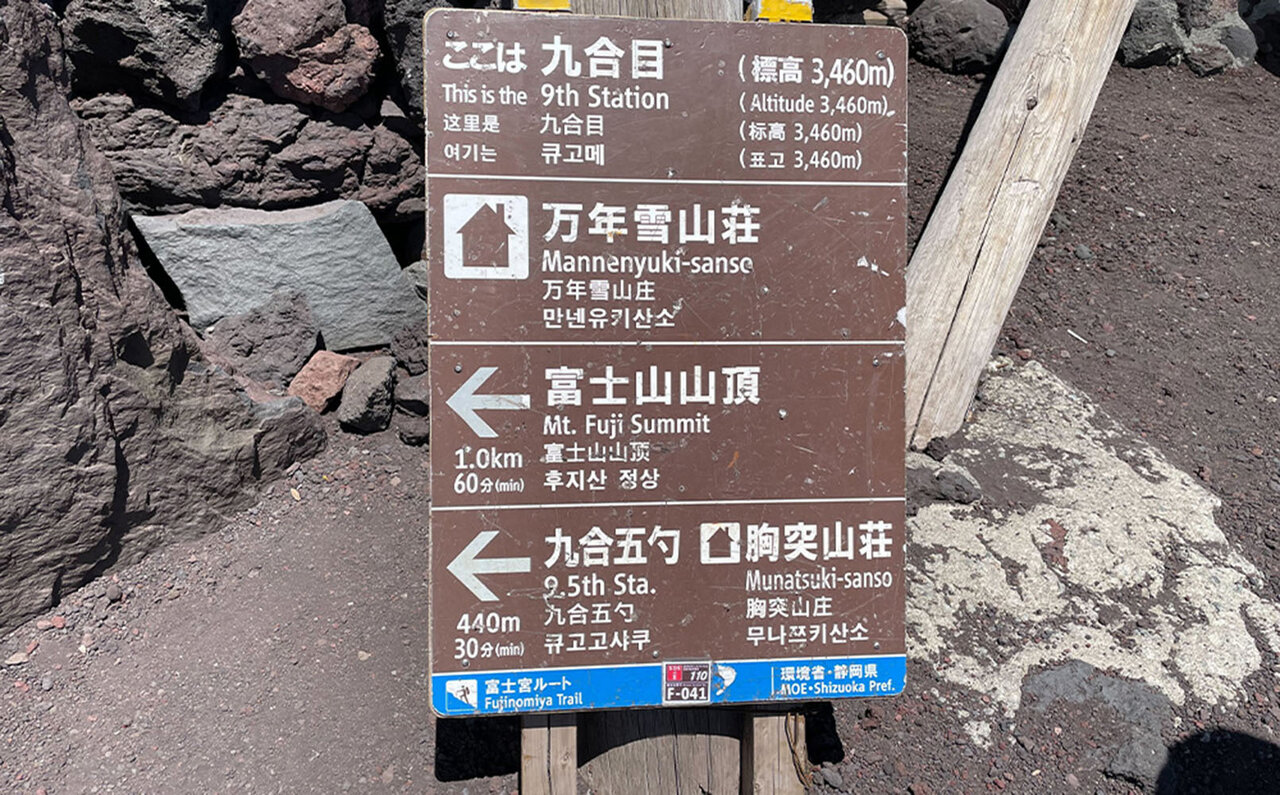
9th Station (3,460m)
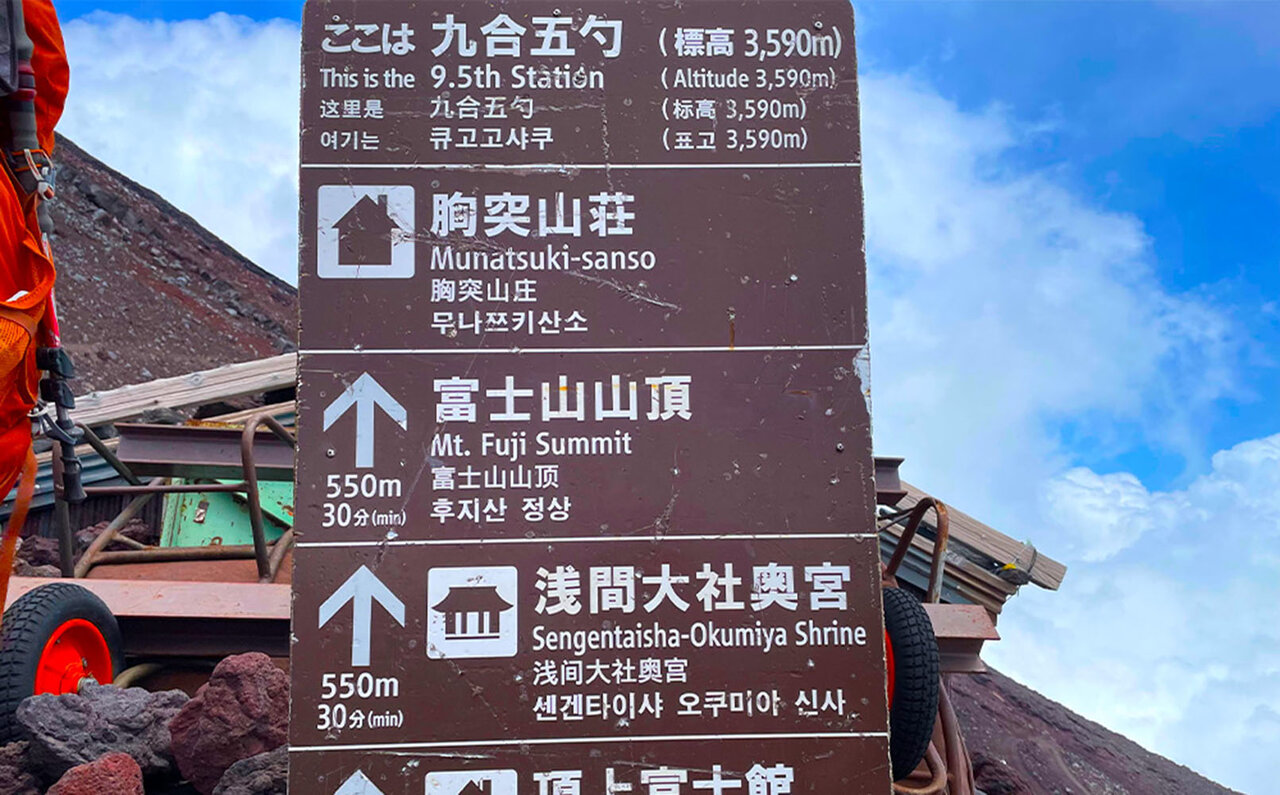
9.5th Station (3,590m)
Summit (3,776m)
These are primarily divided by the locations of mountain huts, where one can stay overnight or purchase water and provisions.

Let's Aim for the Summit of Mt. Fuji

This time, we will attempt to reach the summit from Mt. Fuji's 5th station.
With a breathtaking sea of clouds spreading out before us, as if gazing upon heaven, we acclimatized for about an hour before beginning our ascent.
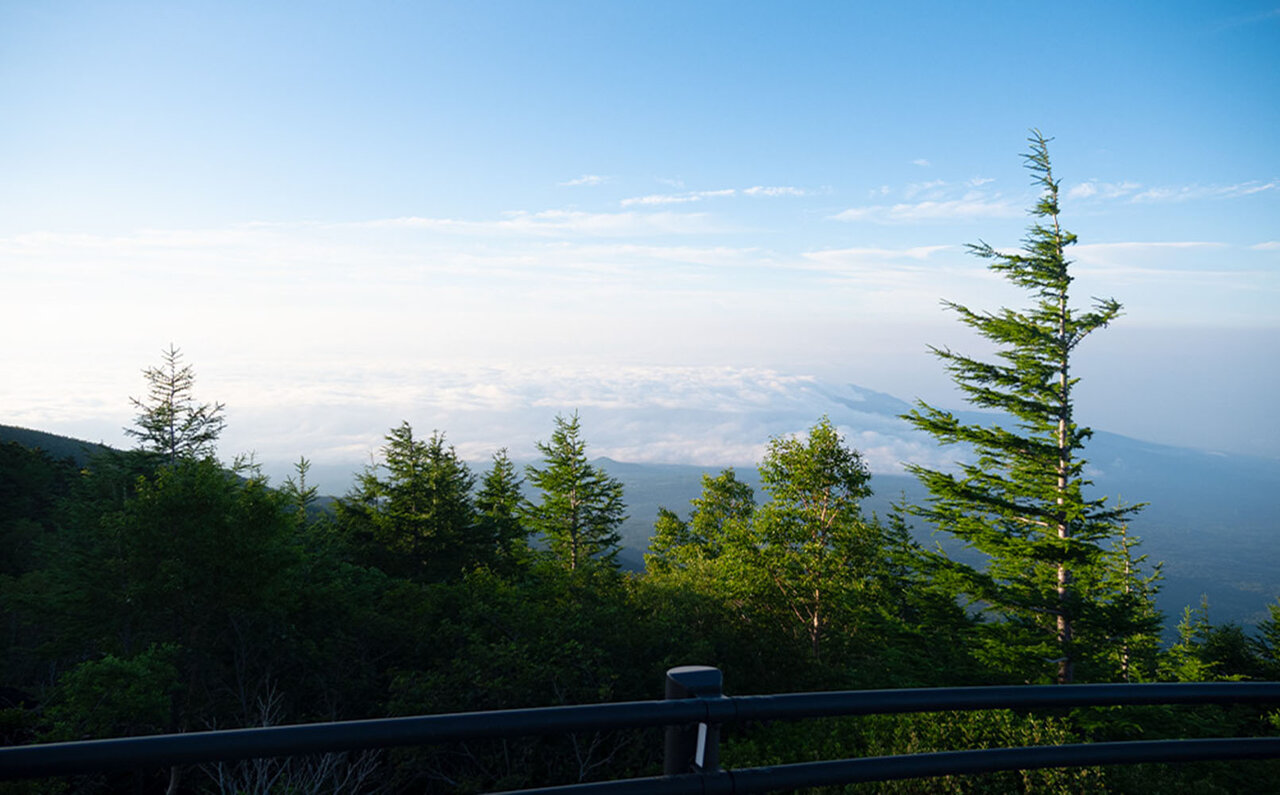
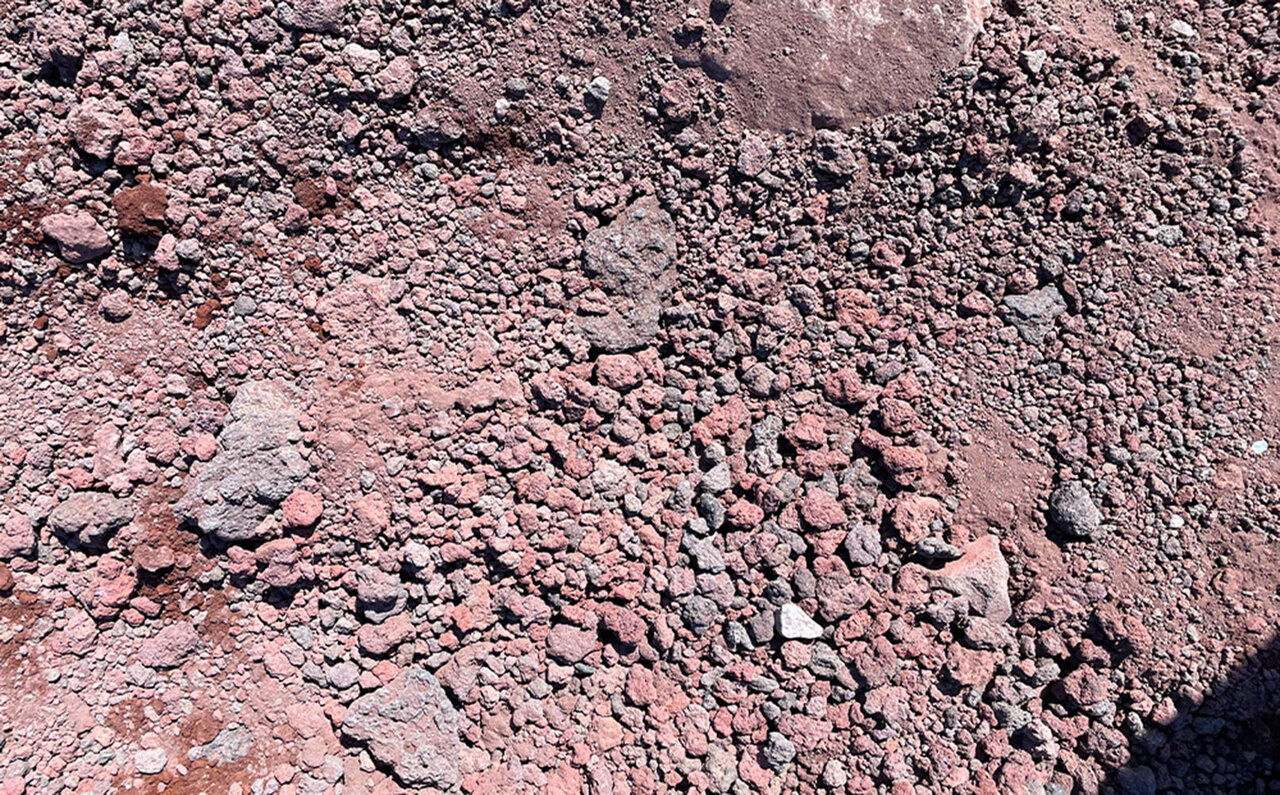
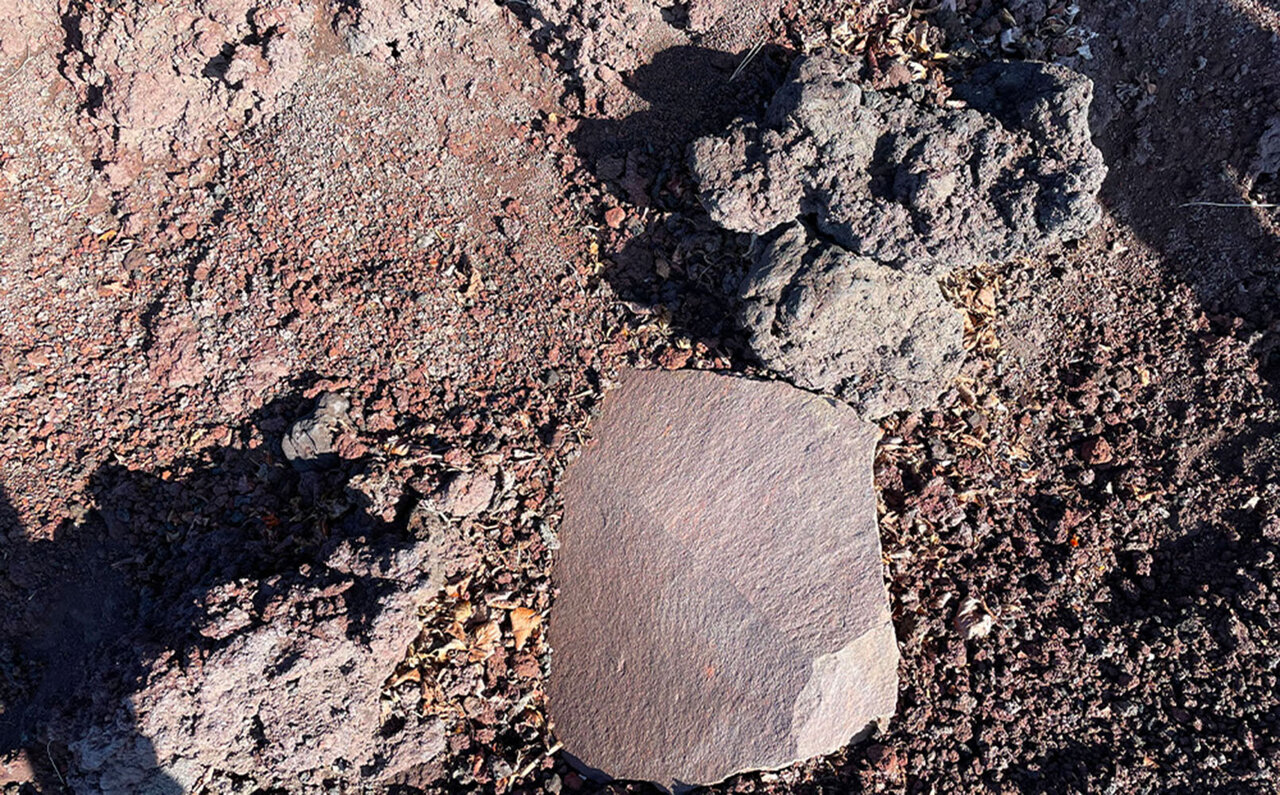
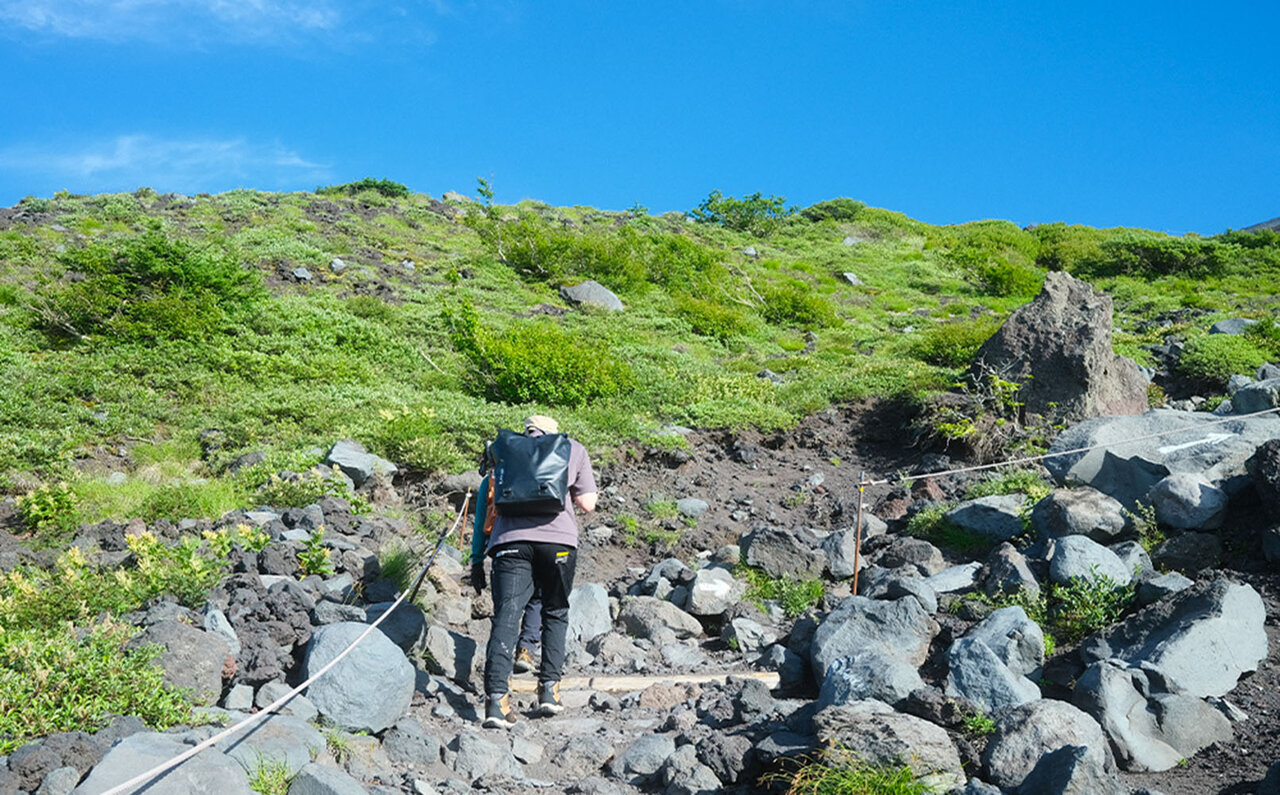
The trail is densely covered with lava spewed from Mt. Fuji's eruption 20,000 years ago, making for an unstable footing.
Along the trail, you can also see smooth stones and rocks, which, unlike the lava mentioned earlier, are said to have emerged from an eruption 15,000 years ago.
We were struck by Mt. Fuji's existence spanning millennia, far beyond human lifespans, and felt a profound sense of connection to its enduring presence alongside the Japanese people.

Arrival at the 6th Station Hut

Approximately 40 minutes have passed since departure. We arrived at the mountain hut at the 6th station, at an altitude of 2,490m.
The elevation difference from the 5th station is minimal, and the scenery changes little.
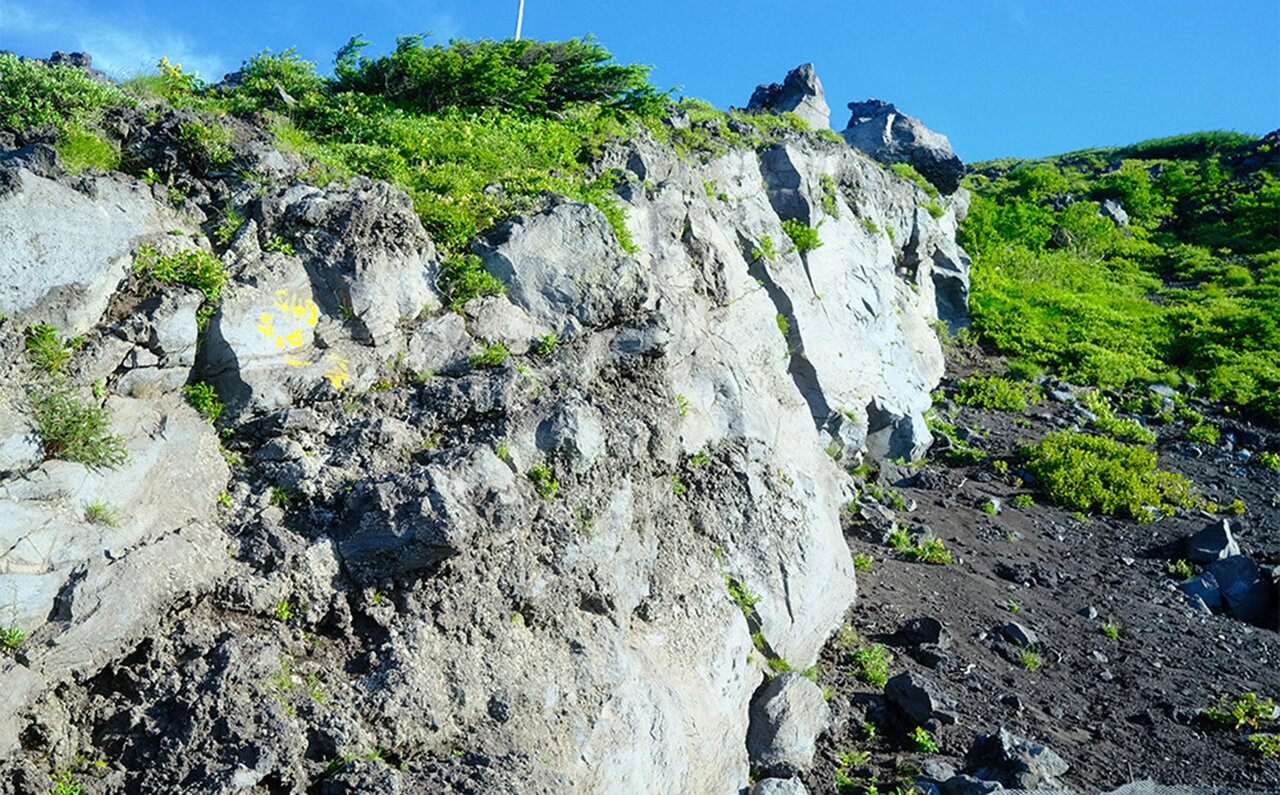
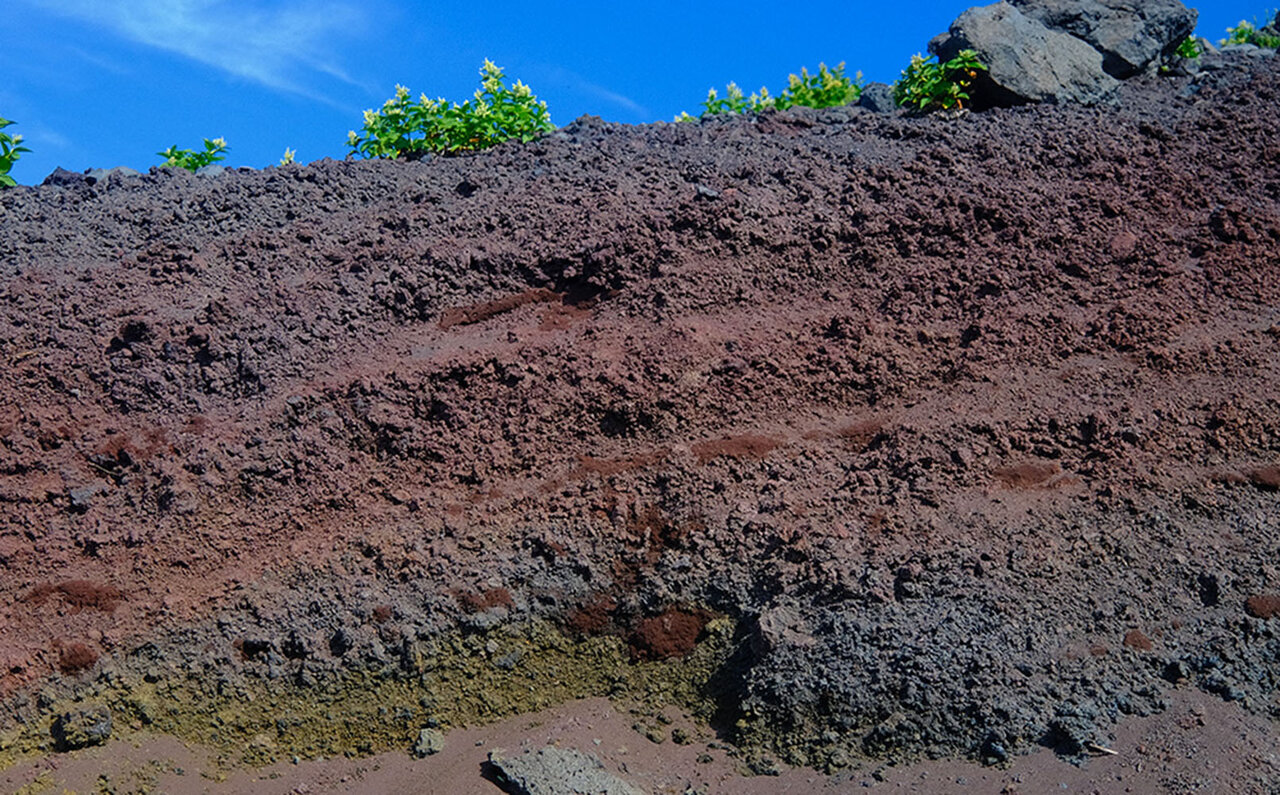
Along the way, exposed geological strata, a testament to Mt. Fuji's volcanic history, were visible.
It is said that during the eruption that formed these strata, a hydrogen explosion occurred, turning the soil into clay and causing the lowest layer to turn green.
Arrival at the New 7th Station Hut
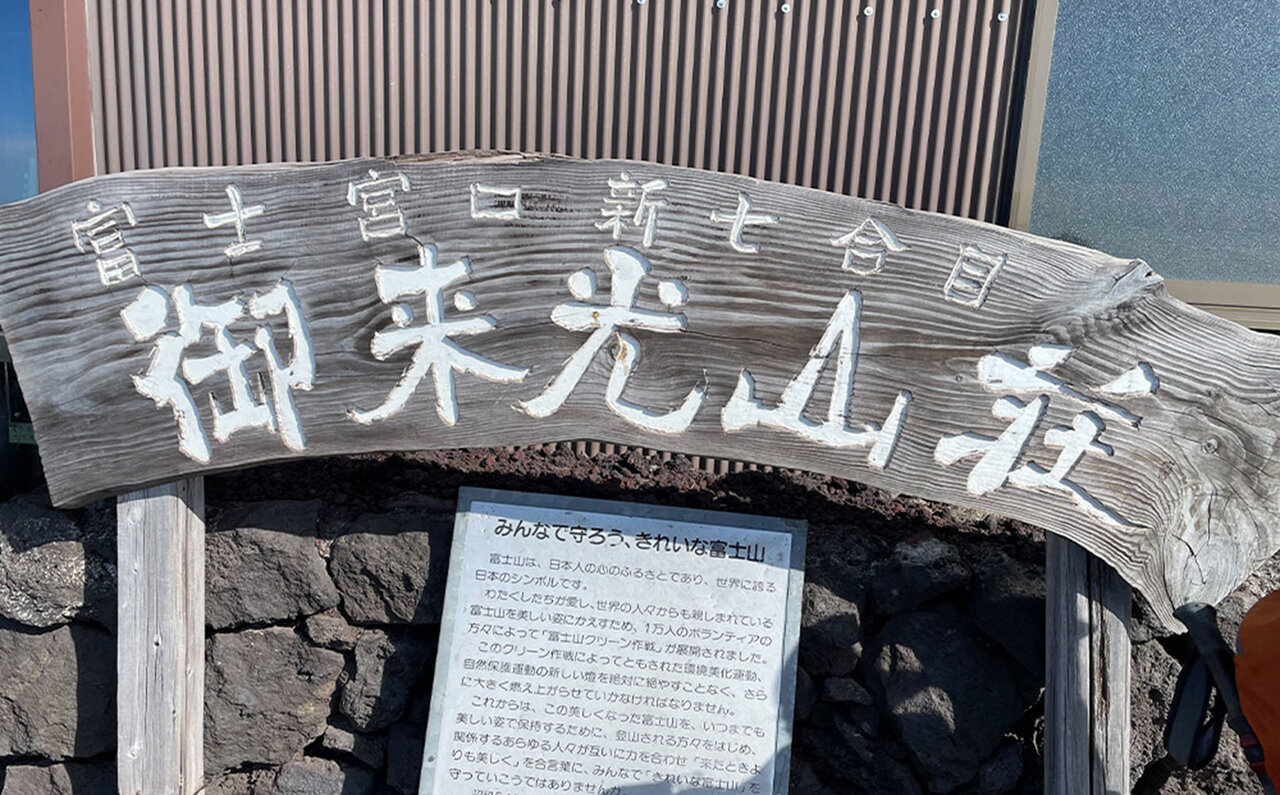
We reached the New 7th Station at an altitude of 2,780m.
Beyond the New 7th Station, the surrounding landscape began to change noticeably.
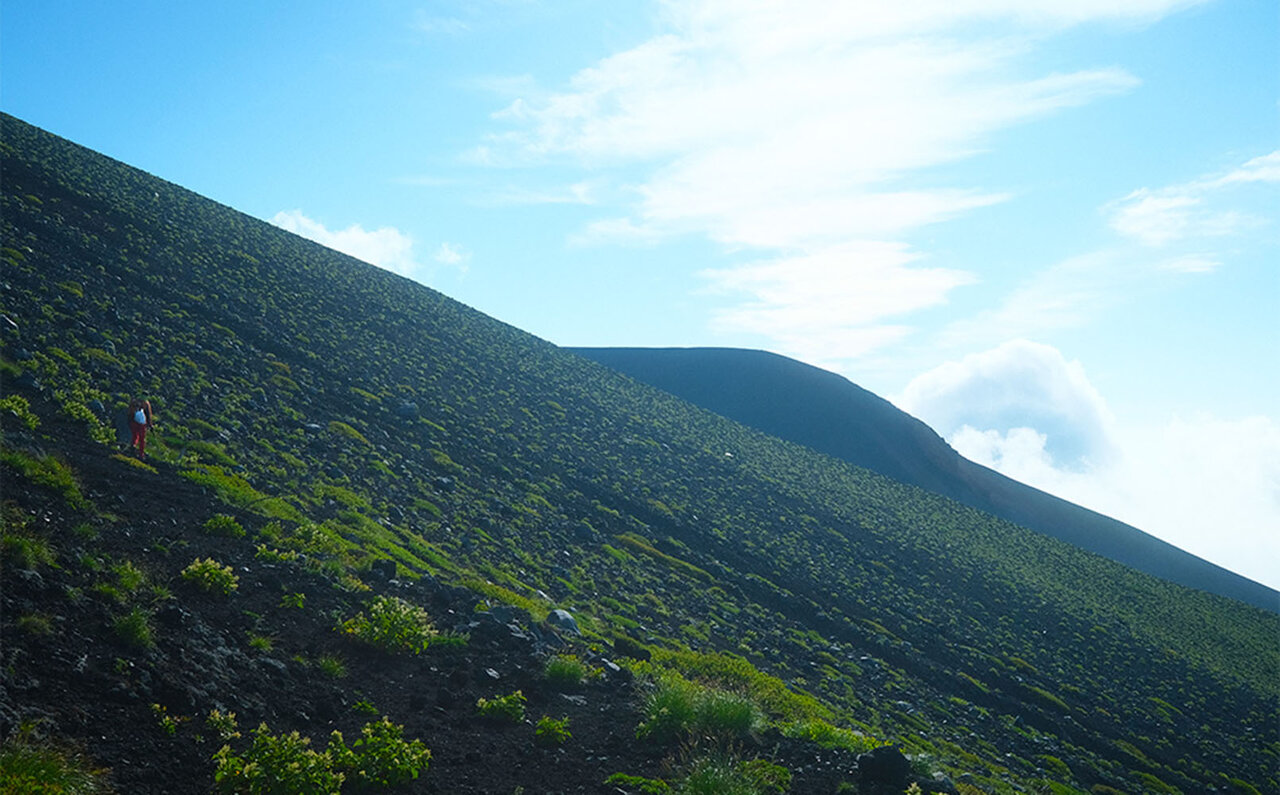
Until now, trees barely reaching human height were sporadically visible, but above the 7th station, they disappear entirely as they cannot adapt to the environment.
Instead, the Ondeta, a type of plant from the Polygonum family, similar to the "tade" in the proverb "Tade kuu mushi mo sukizuki" (There's no accounting for taste), grows in abundance.

Arrival at the Original 7th Station Hut
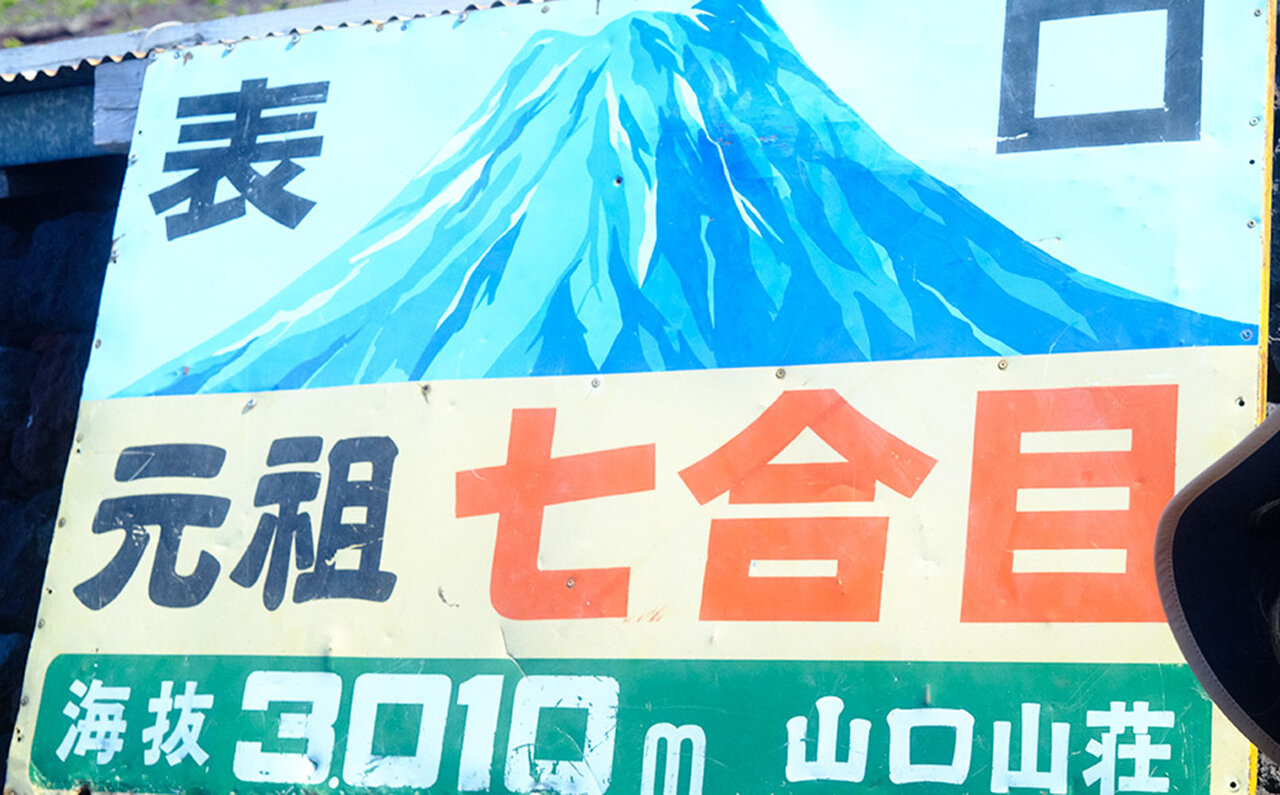
We arrived at the Original 7th Station, at an altitude of 3,010m.
Above 3,000m, the air becomes even thinner, making altitude sickness more likely.
From here, breathing techniques are said to be crucial. By consciously exhaling all the air from your lungs rather than just inhaling, you can take in sufficient oxygen.
The trail from the Original 7th Station to the 8th Station is rocky, requiring hikers to place the soles of their boots flat on the rock surfaces.

Arrival at the 8th Station Hut

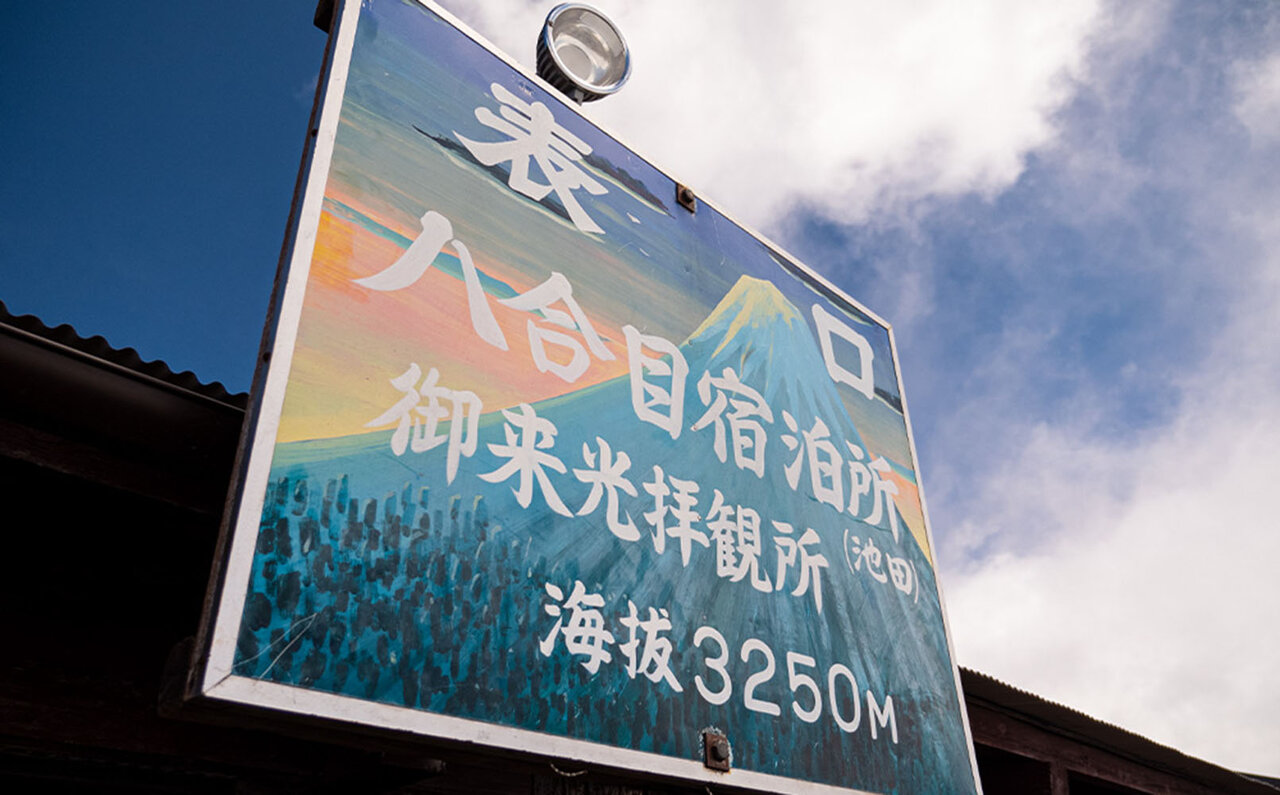
We reached the 8th Station at an altitude of 3,250m.
At the 8th station, it is possible to witness the sunrise, and many people choose to stay overnight at the 8th station hut to see it before descending.
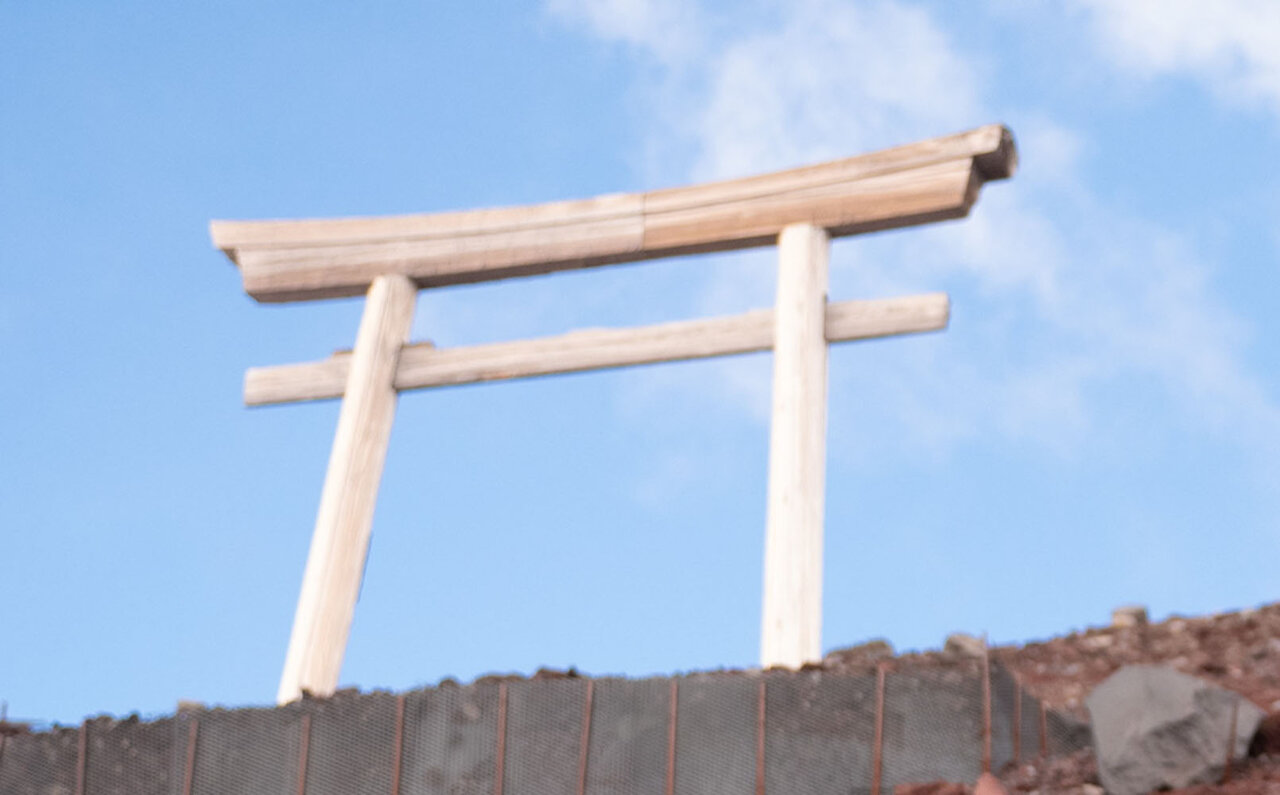
On the path from the 8th to the 9th station, a torii gate marks the entrance to the inner shrine grounds of Fujisan Hongu Sengen Taisha Shrine, with many coins inserted into it.
Some of these coins are noticeably dented, likely from being struck by stones carried by the wind.
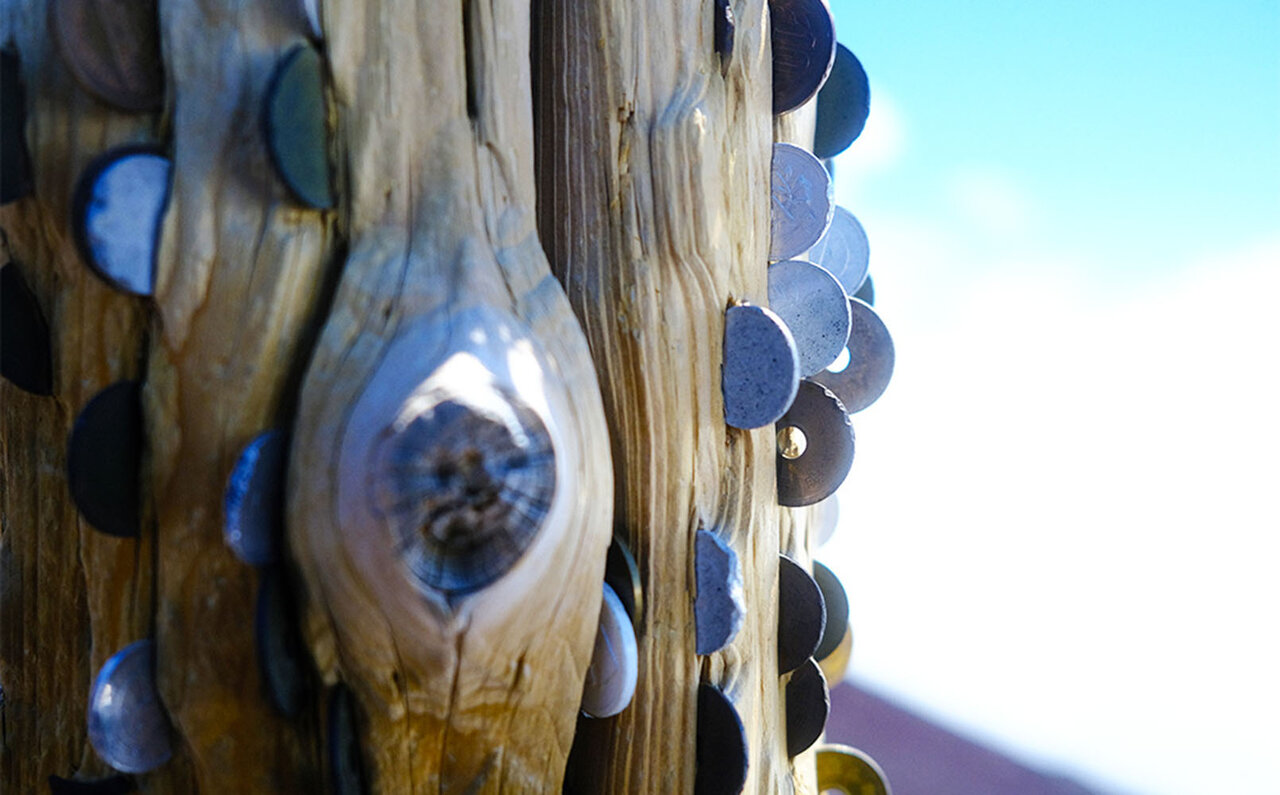
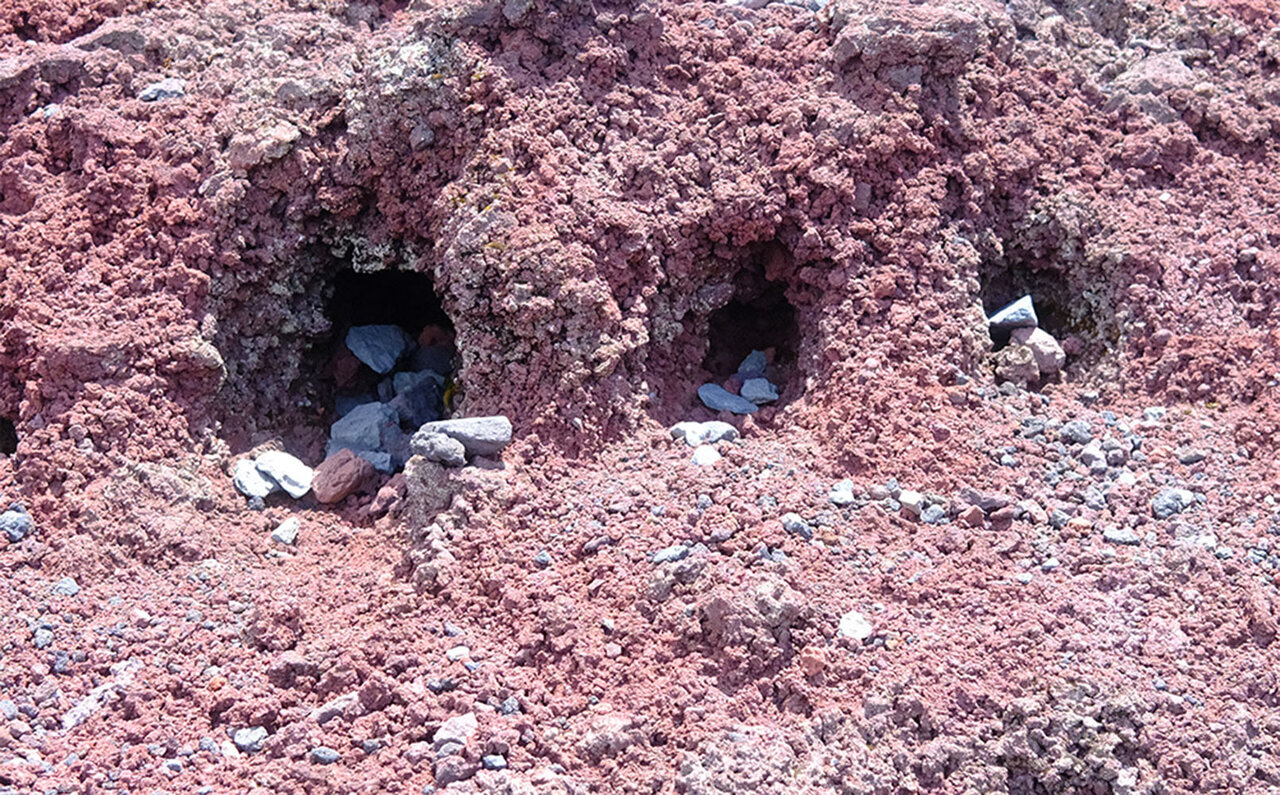
Along the path, there are also signs of holes dug into the ground, believed to have been part of ascetic practices.

Arrival at the 9th Station Hut

We arrived at the 9th Station, at an altitude of 3,460m.
Only the 9.5th station and the summit remain.
Here, we observed patches of snow that had not melted, known as "perennial snow" (mannenyuki).
Despite the snowmelt season, these patches persist through the year, accumulating in slopes and valleys without fully melting.
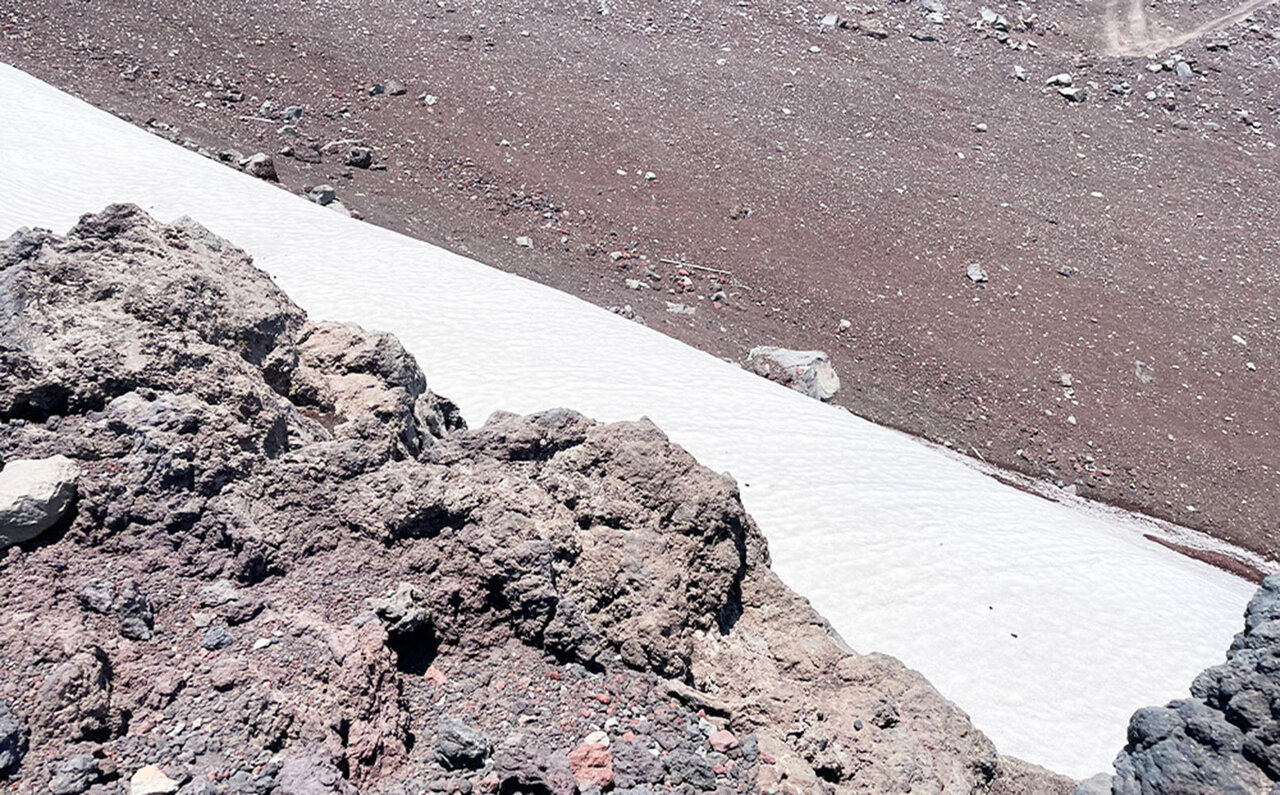
No vegetation grows in this area. The landscape, consisting only of unmelted snow and lava, felt almost as if it rejected life.

Arrival at the 9.5th Station Hut

We reached the 9.5th Station at an altitude of 3,590m.
The summit is just 180 meters away in a straight line.
The air is extremely thin; even conversing while walking causes breathlessness.
Furthermore, according to our guide, the path from the 9.5th station to the summit is the steepest and most challenging part of the climb.
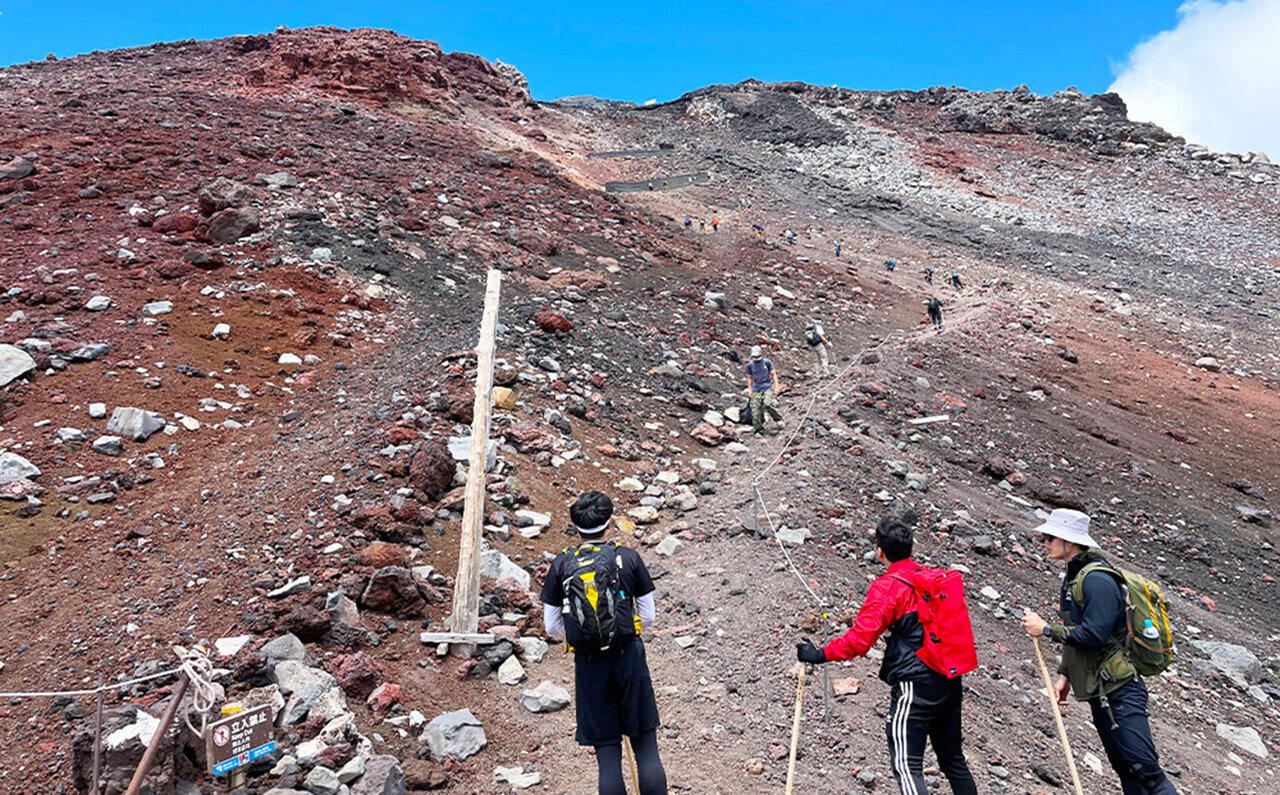
The path continues with a wall-like incline, as if presenting a final trial to climbers who are physically and mentally exhausted.
With the risk of falling, we must remain focused as we aim for the summit.

Finally, We Reached the Summit of Mt. Fuji
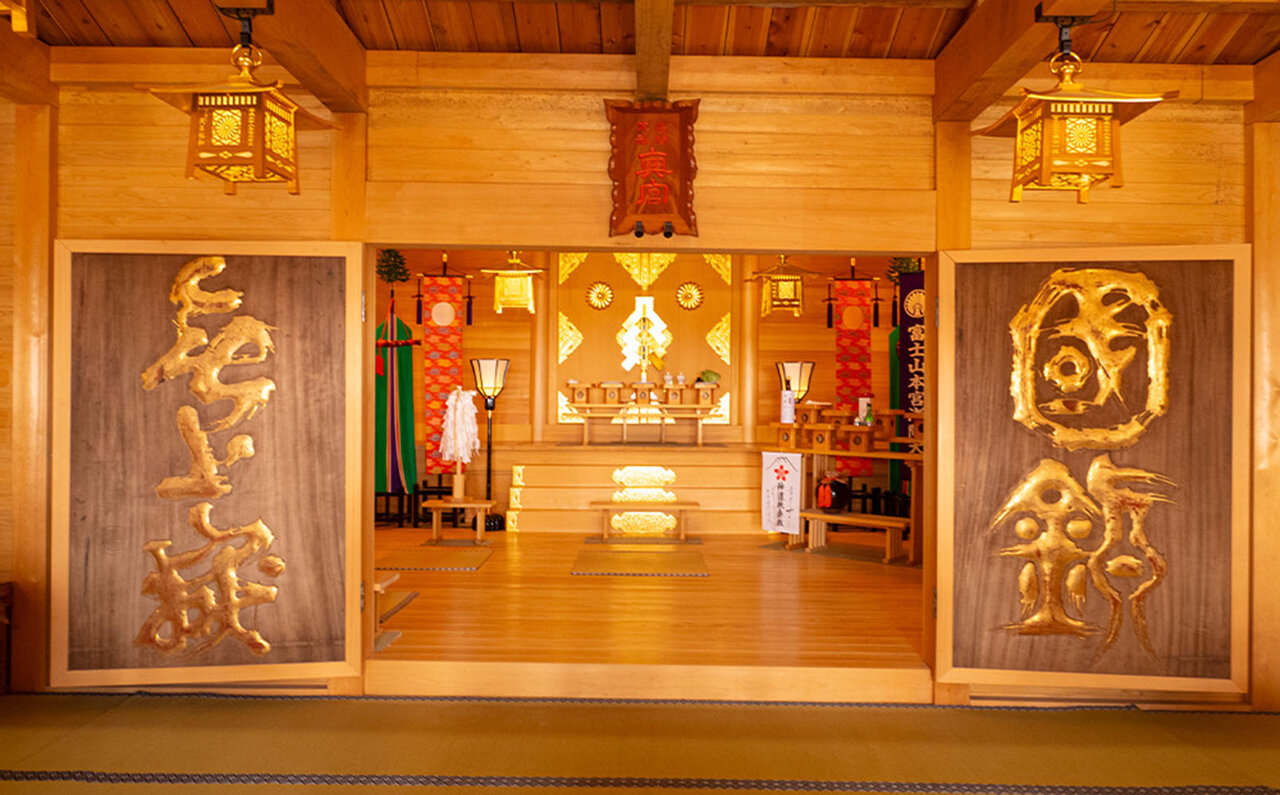
Approximately 7 hours after departure, we arrived near the summit at an altitude of 3,776m.
Beyond the climb, the inner shrine of Fujisan Hongu Sengen Taisha Shrine appears.
The golden shrine buildings, in stark contrast to the scenery during the climb, exuded a warmth that seemed to welcome us.
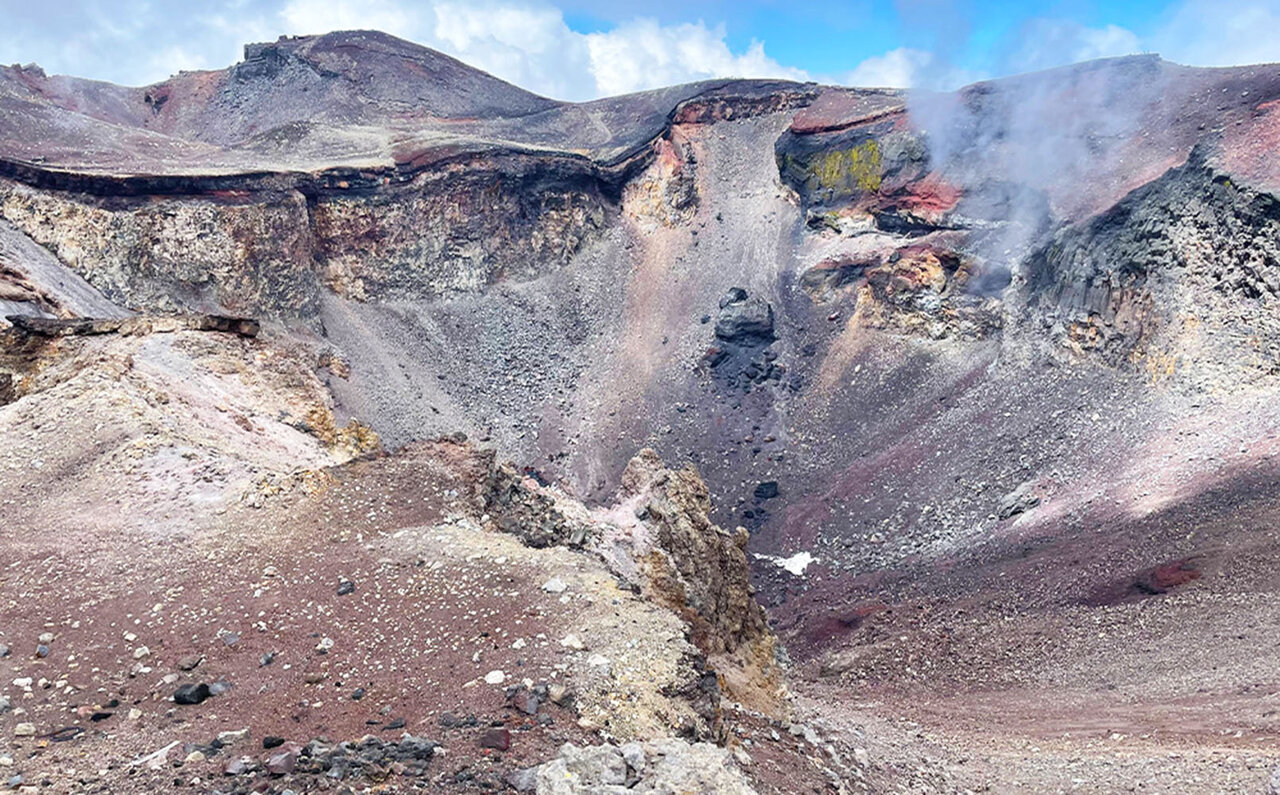
From the summit, you can also overlook Mt. Fuji's crater. As you know, Mt. Fuji is an active volcano with a magma chamber located 20km beneath the surface.
The scale of the crater and the majesty of Mt. Fuji, as seen with the naked eye, can only be truly appreciated by those who have made the ascent; words and text alone cannot fully convey it.
There are eight peaks at the summit of Mt. Fuji, collectively known as the Eight Sacred Peaks (Hasshinpō).
These "sacred sites of worship at the summit" are registered as part of the World Cultural Heritage site "Mount Fuji - Object of Worship and Source of Artistic Inspiration."
And the highest point is Kengamine (Sword Peak).
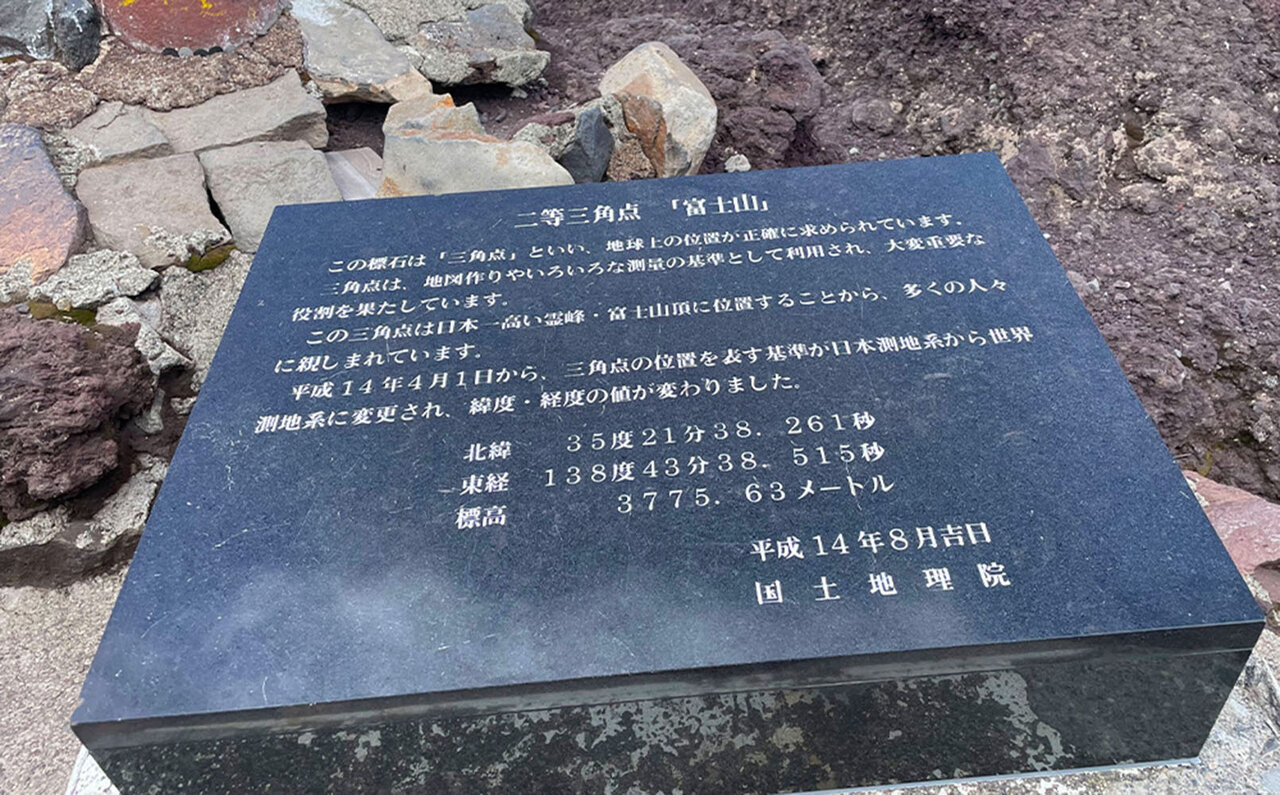
At 3,776m, it is the closest place to the sky in Japan.
From here, you can take in a panoramic view of the summit, crater, and the Eight Sacred Peaks of Mt. Fuji, a revered peak that Japan proudly presents to the world.
The goal we had been looking up at throughout the climb was now before us, creating a sense of wonder and a growing feeling of accomplishment.
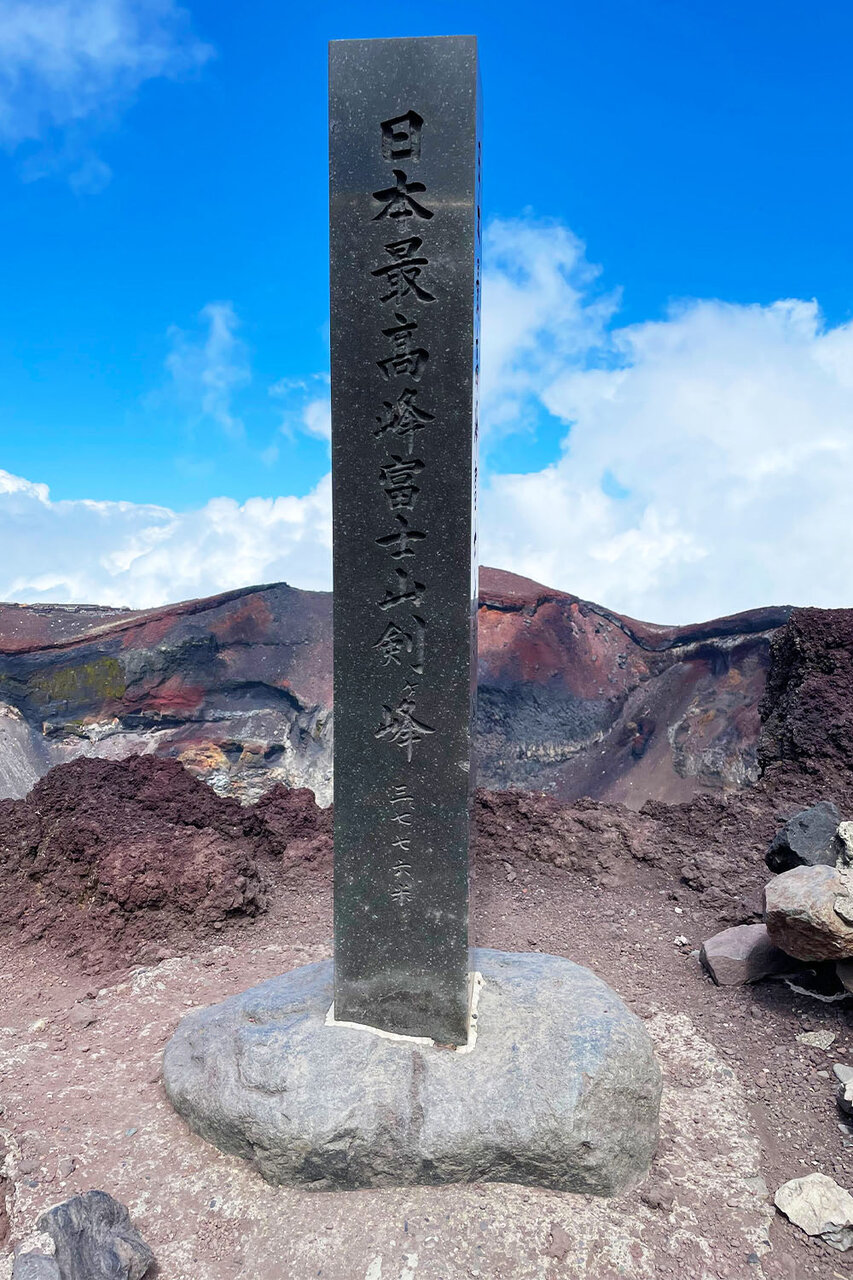
It felt as though Mt. Fuji acknowledged the steady, step-by-step efforts we had made, reinforcing the importance of perseverance.
The history and grandeur of Mt. Fuji delivered an impact that made our everyday worries about work and relationships seem trivial.
We realized that for centuries, it has continued to inspire awe in those who have reached the summit, offering not only solace for troubles but also the potential to change one's perspective on life.
The experience of retracing the story and history woven between Mt. Fuji and the Japanese people is a unique charm that can only be felt through the act of climbing.

To Fujinomiya, at the Foot of Mt. Fuji

How did Mt. Fuji and Fujinomiya, which we have introduced over three articles, appear to you?
Of course, there is Mt. Fuji itself, and the magnificent nature that surrounds it.
Cultural structures, historical backgrounds, and compelling stories.
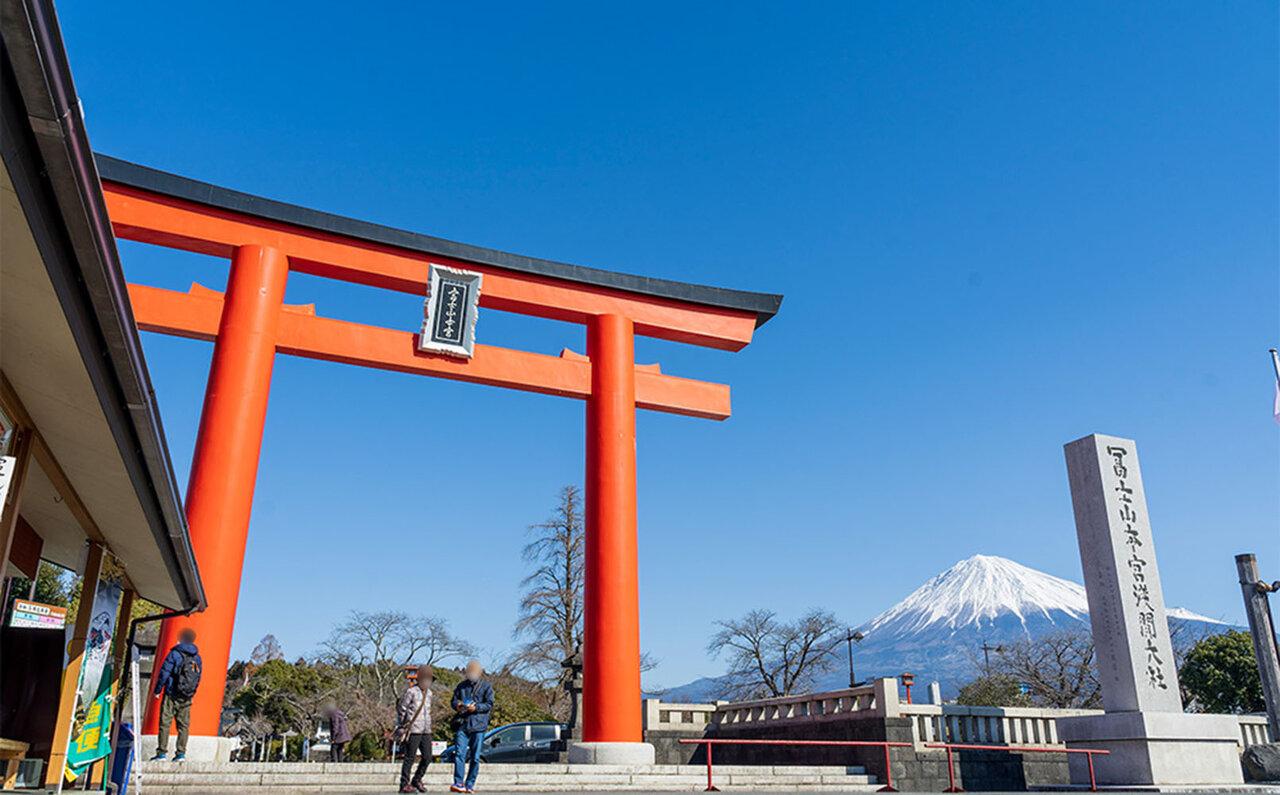
And Mt. Fuji, which continues to preside as the center of all these elements.
Yet, Mt. Fuji can only be climbed for two months of the year, from early July to early September.
This revered peak, Japan's pride, is likely always waiting for you.
Why not experience the greatness of Mt. Fuji for yourself?
Provided by: Fujinomiya City Mt. Fuji World Heritage Division
Inquiries

Fujinomiya City Mt. Fuji World Heritage Division
Tel. 0544-22-1111
http://www.city.fujinomiya.lg.jp/

Photo Gallery