The ultimate pilgrimage. Timeless history and nature, felt firsthand | TRAVEL
TRAVEL | The Ultimate Pilgrimage. Timeless History and Nature, Felt Firsthand
The Ultimate Pilgrimage. Timeless History and Nature, Felt Firsthand
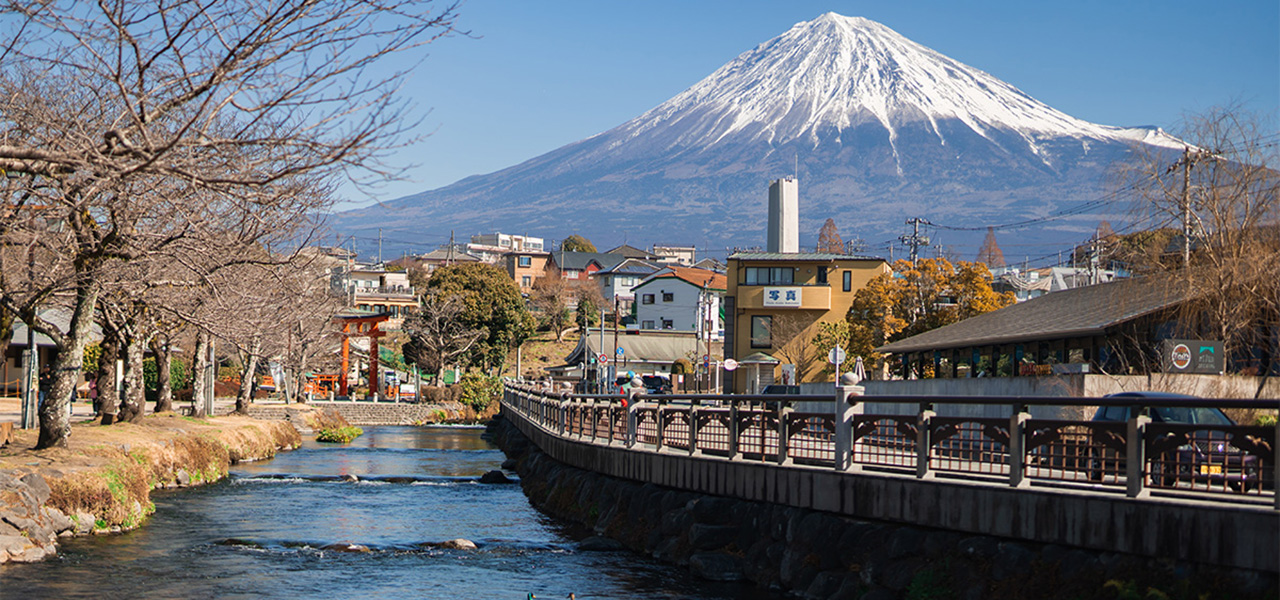
Mount Fuji, a symbol of Japan, is also an object of worship and a source of artistic inspiration. Did you know that Fujinomiya City, located at its foot, is a place where you can truly feel nature and history firsthand? This time, we introduce spots to explore the history of Fujinomiya City.
The Kamakura Course: History Drawn by Mount Fuji
Fujinomiya City is famous as the place where Minamoto no Yoritomo conducted a *makigari* (group hunt) during the Kamakura period. A *makigari* was a hunting event held as military training. It was a method of hunting where warriors would drive prey from all directions and shoot it with bows.
Fujisan Hongu Sengen Taisha Shrine
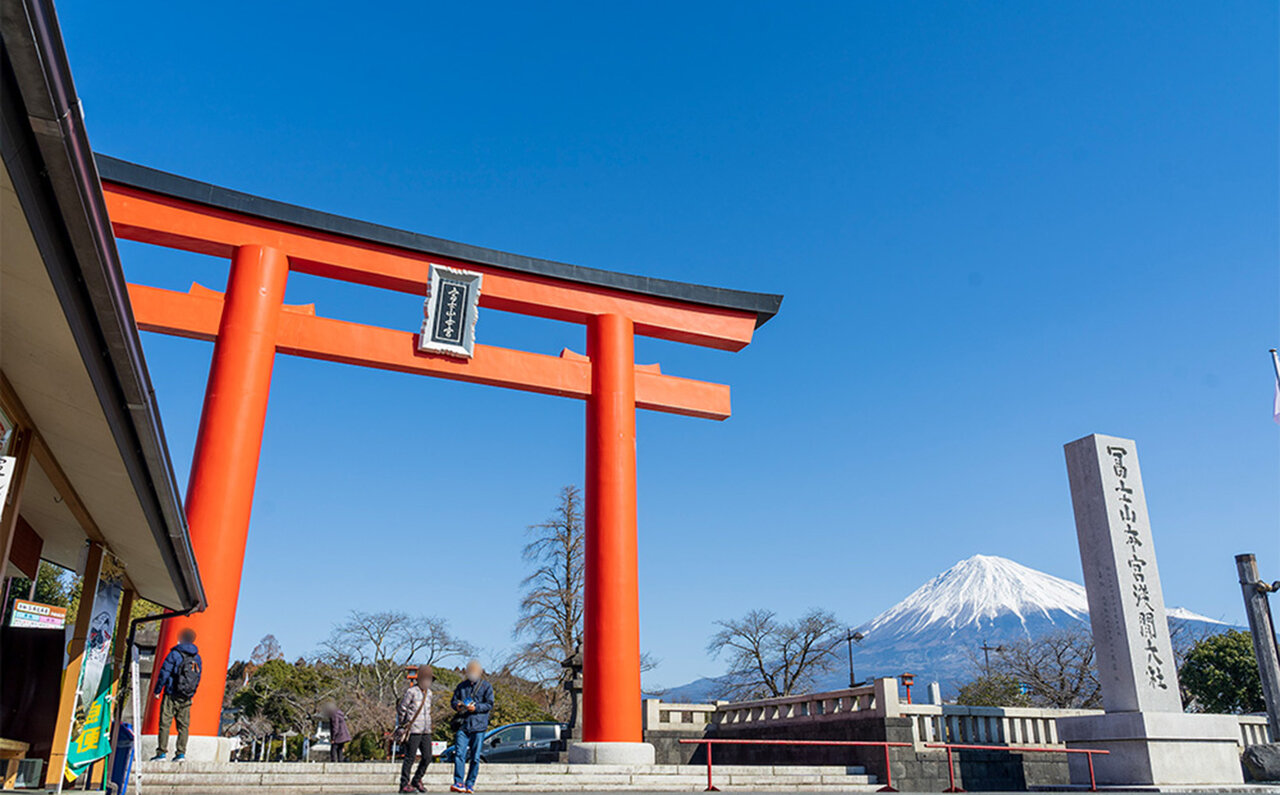
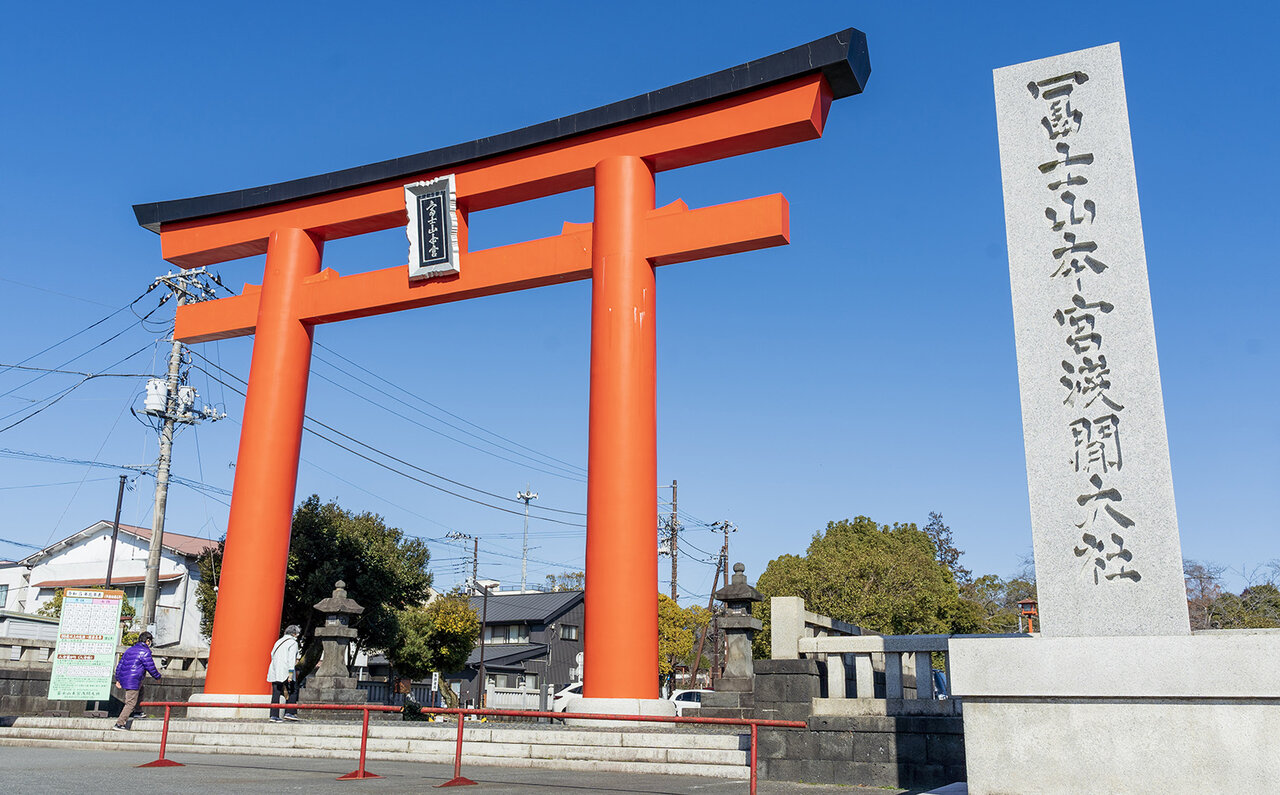
Fujisan Hongu Sengen Taisha Shrine is the head shrine of approximately 1,300 Sengen shrines nationwide and is one of the component parts proving the value of the World Cultural Heritage site "Mount Fuji - Object of Worship and Source of Artistic Inspiration."
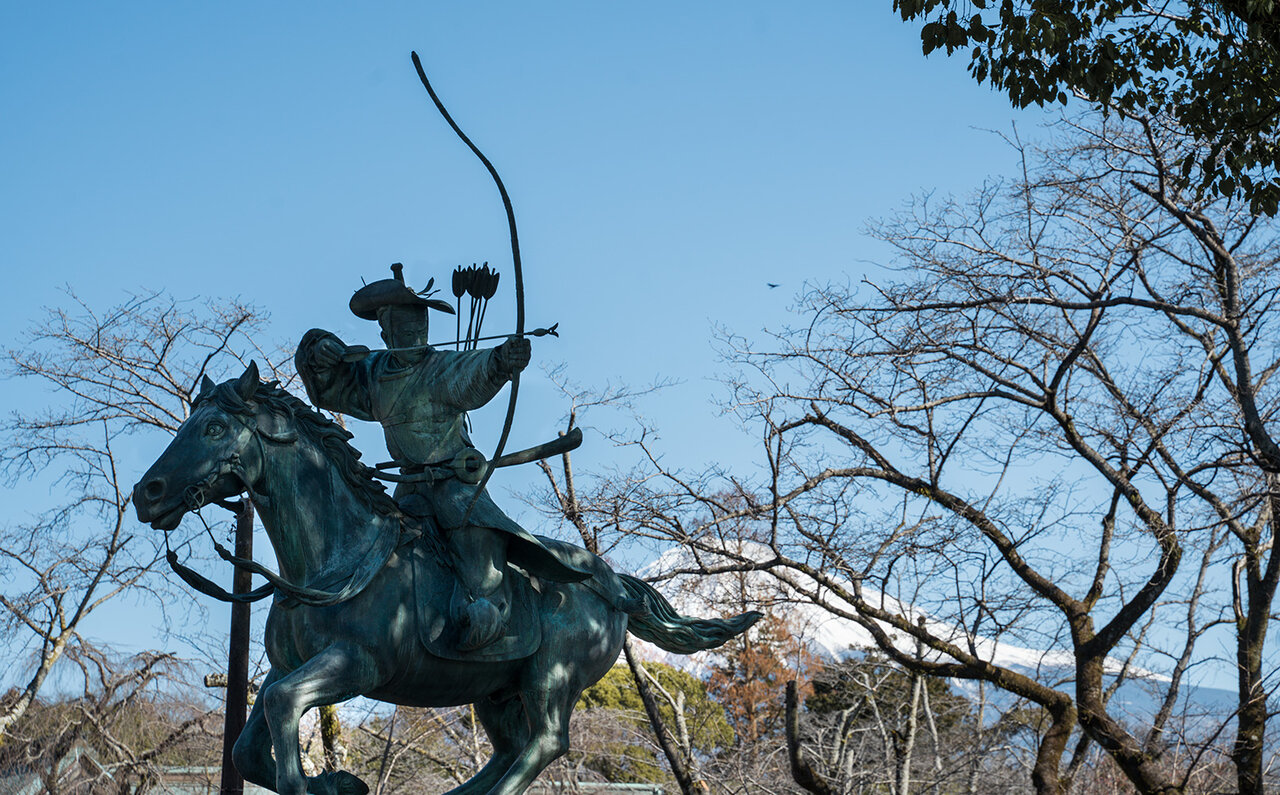
During the Fuji *makigari*, Minamoto no Yoritomo dedicated *yabusame* (equestrian archery) here. This marked the beginning of the *yabusame* festival, which has been held every May since then.
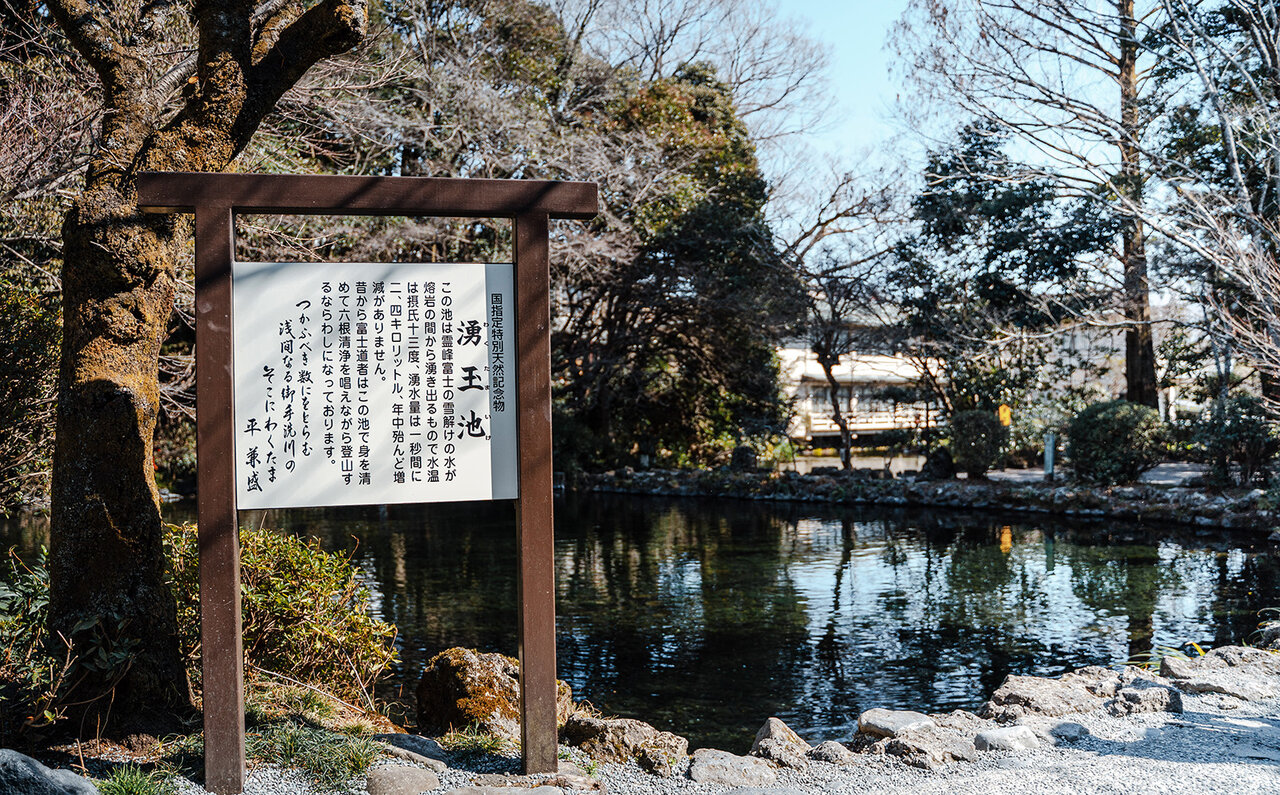
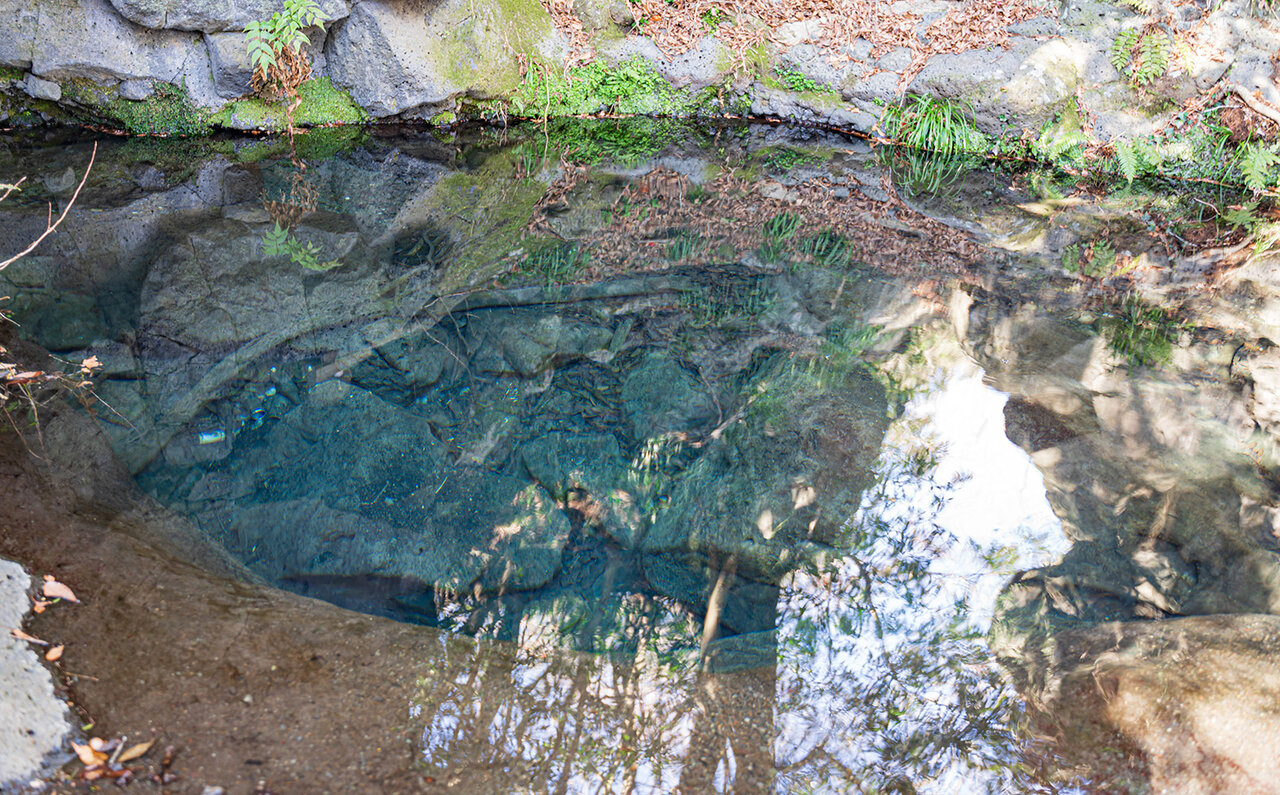
Within the shrine grounds is a pond called Wakutamaike. This is where spring water, filtered over approximately 20 years as it passes through the strata formed by Mount Fuji's eruptions, collects. The water temperature is said to remain stable at around 14°C throughout the year. It has also been used as a place for purification rituals (*misogi*) since the Heian period, and water equivalent to 1,800 2-liter PET bottles flows out every second.
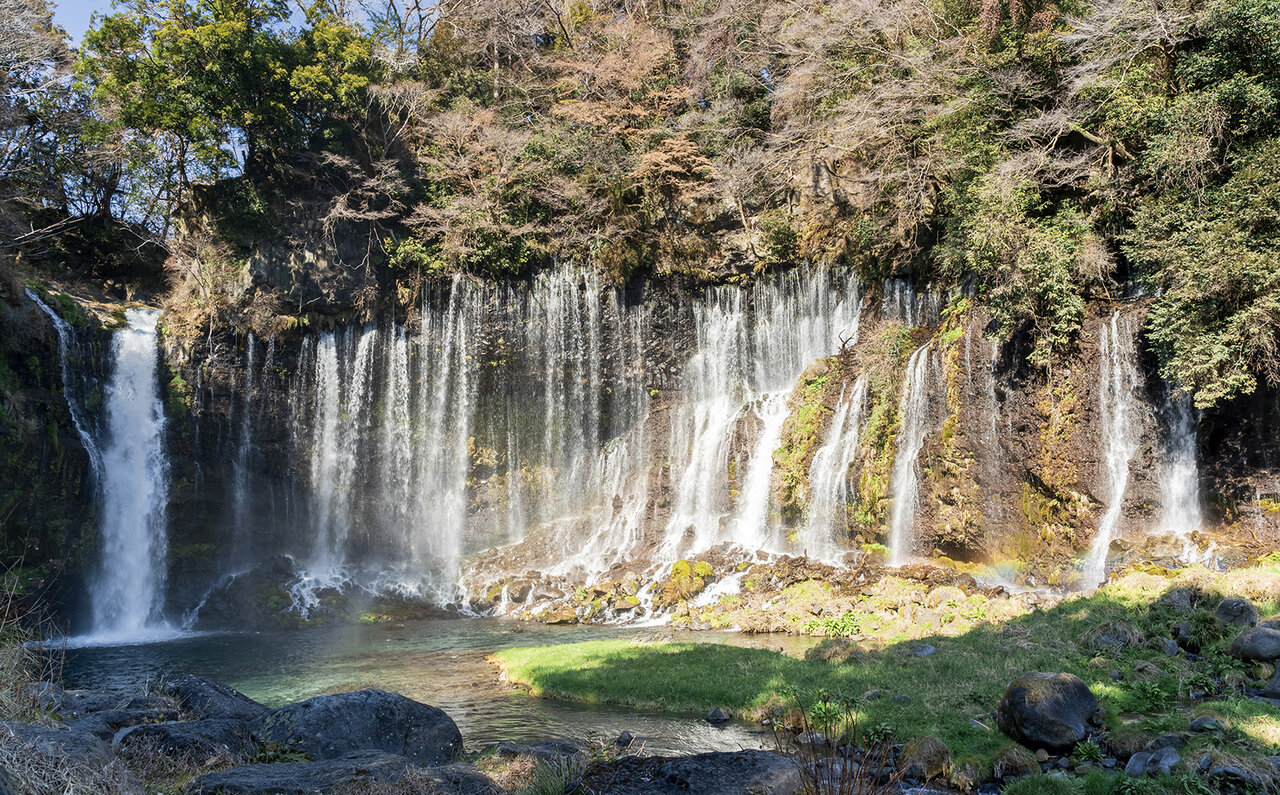
Shiraito Falls is a famous waterfall that Fujinomiya City is proud of. Unlike typical waterfalls where river water cascades down a cliff, this one is formed by snowmelt from Mount Fuji seeping out from the boundaries of the rock strata.
It is said that when Minamoto no Yoritomo visited Shiraito Falls during the Fuji *makigari*, he was so moved by its beauty that he composed the following waka poem: "Above this, what princess might reside? Shiraito Falls, where the silk thread unwinds."
This is a spot called Obinmizu. It is said that Minamoto no Yoritomo stopped here during the Fuji *makigari*. The name comes from an anecdote where, because the water's surface was so still it acted like a mirror, it was used to fix stray hairs.
Are you familiar with the "Revenge of the Soga Brothers," one of Japan's three great vendettas?
As explained at the beginning, Minamoto no Yoritomo conducted a *makigari* at the foot of Mount Fuji. It was during this time that the elder brother, Soga Juro Sukenari, and the younger brother, Soga Goro Tokimune, avenged their father by killing Kudo Suketsune.
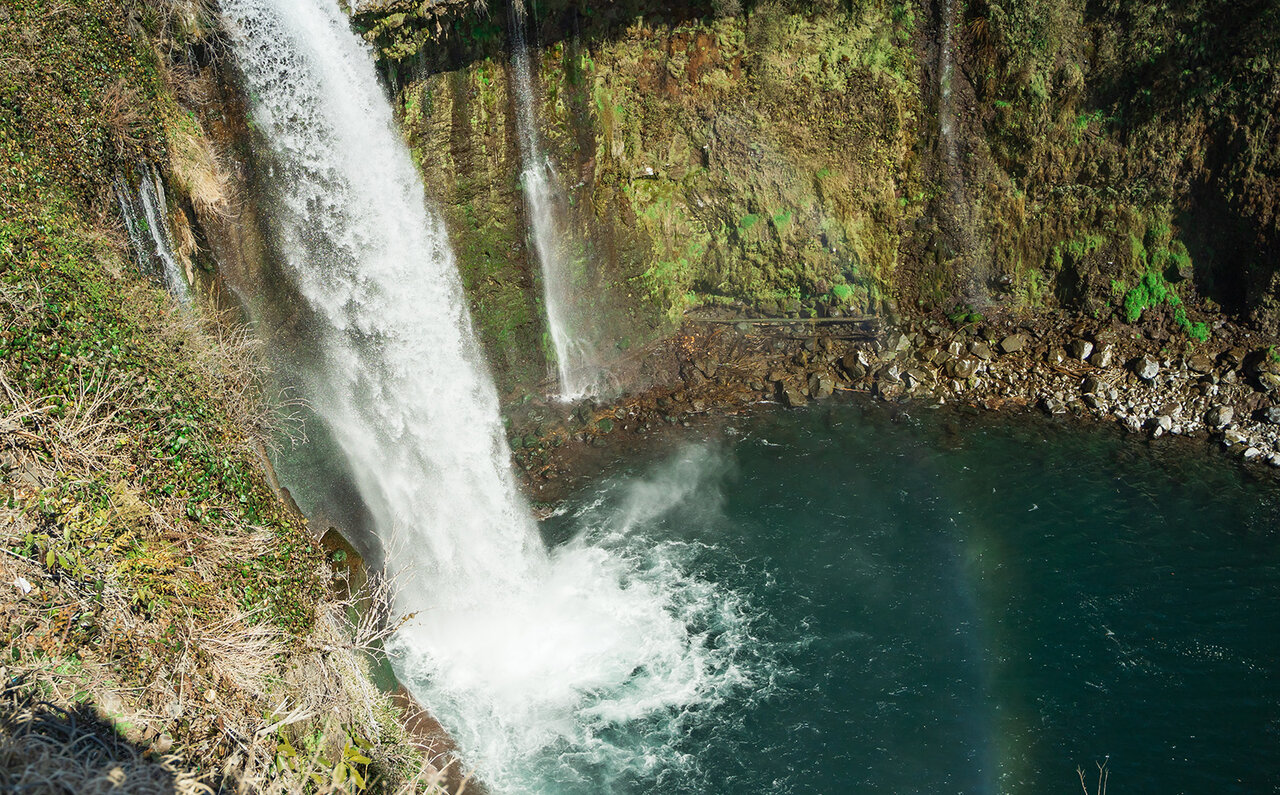
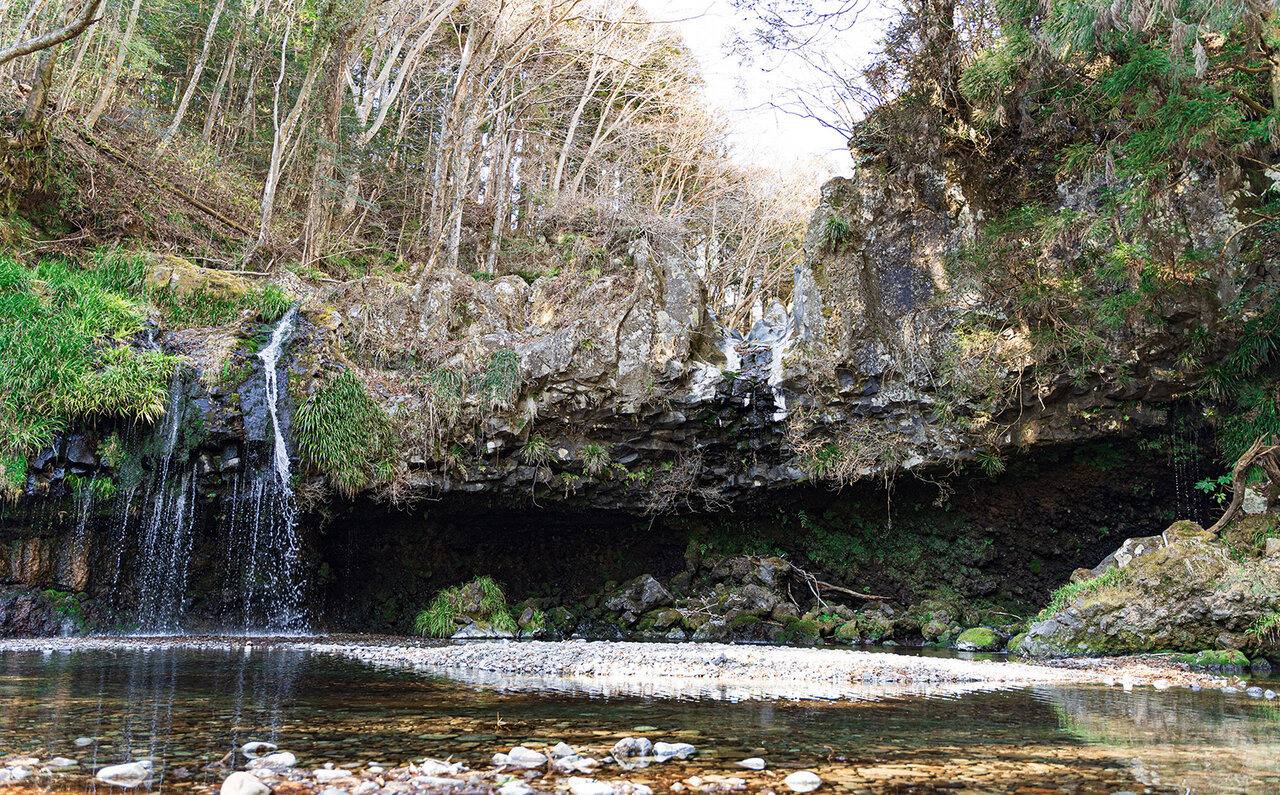
The area around Otonedome Falls is known as the stage for the revenge of the Soga brothers, and the tale continues to be told to this day. Furthermore, the story of the "Revenge of the Soga Brothers" gained immense popularity through *ningyo joruri* (puppet theater) and kabuki around the Edo period, leading to a surge in its recognition.
The origin of the name Otonedome Falls is as follows: The Soga brothers were secretly discussing the assassination of Kudo Suketsune on a rocky area (the Soga Brothers' Hidden Rocks).
However, their voices were drowned out by the sound of the waterfall, hindering their discussion. When the brothers lamented this, the waterfall's roar suddenly ceased, allowing them to confer. Once their discussion concluded, the waterfall's roar resumed.
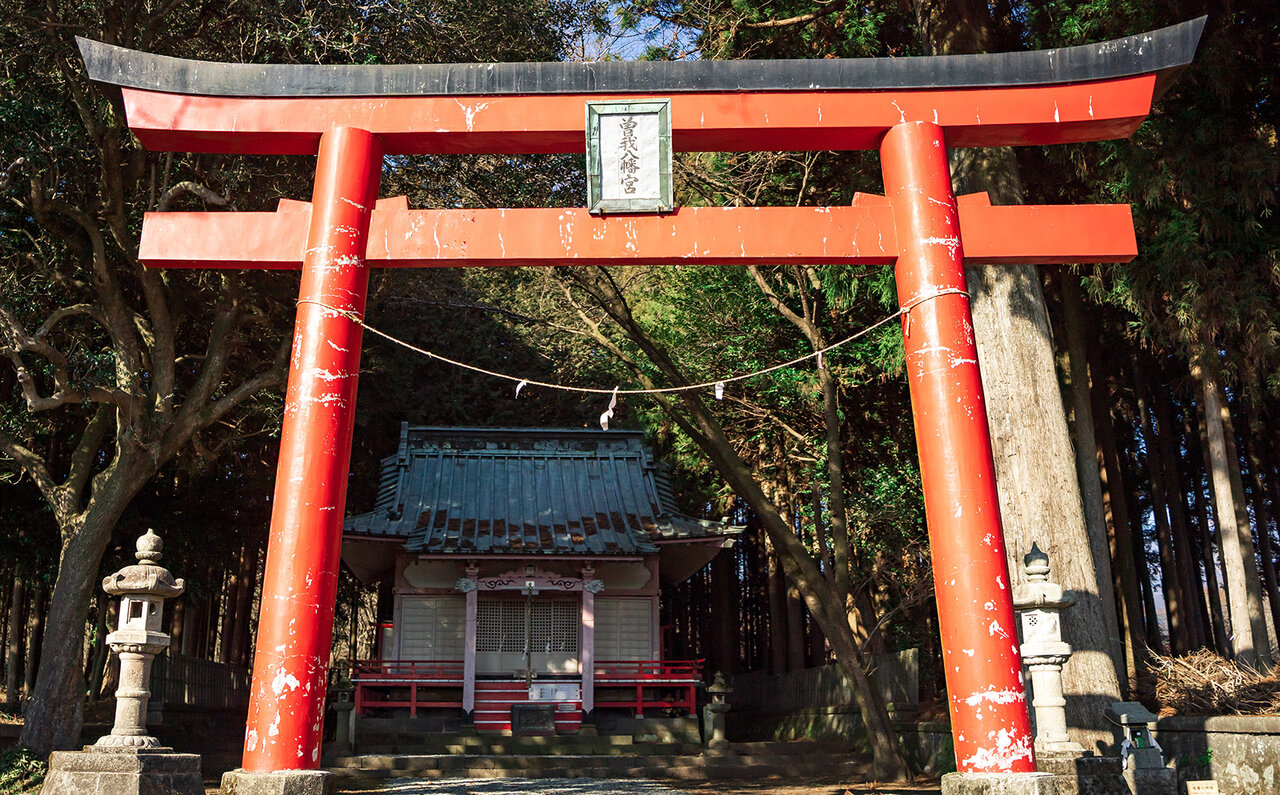
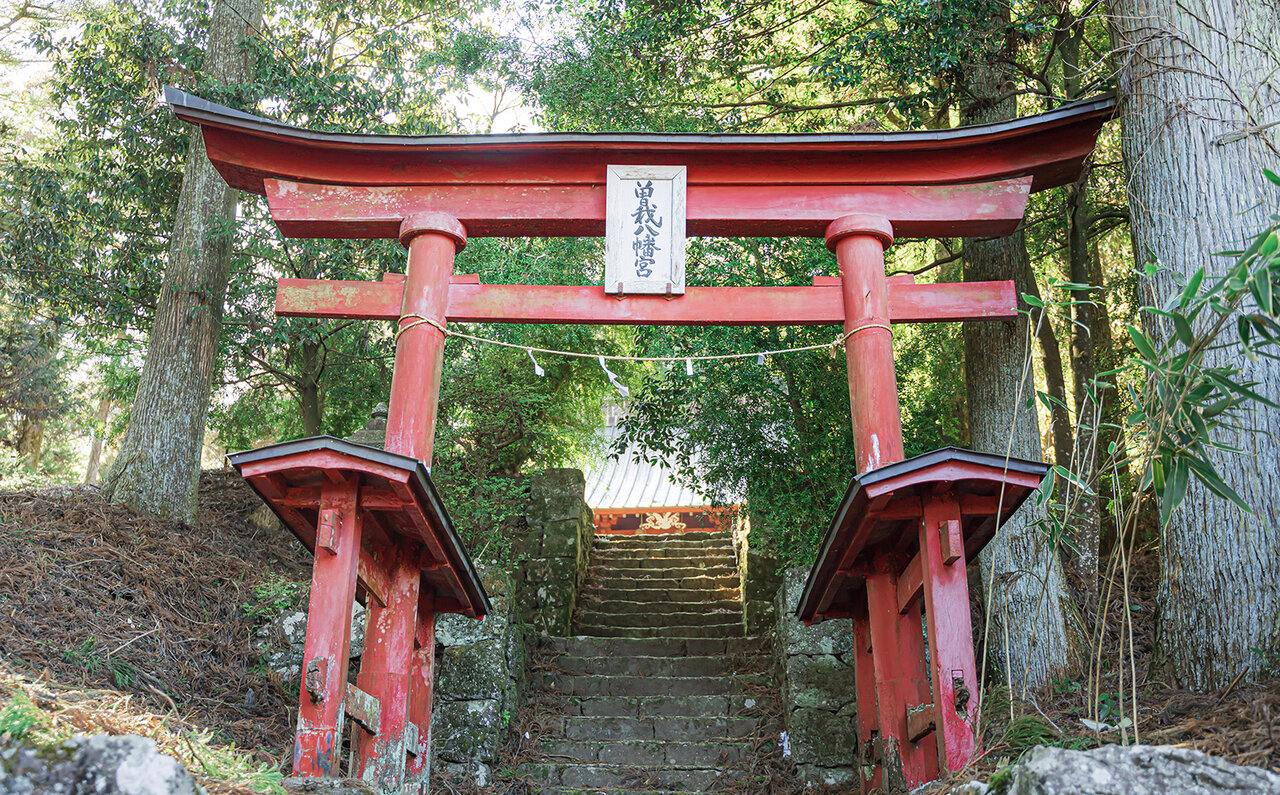
After the Soga brothers avenged their father, Minamoto no Yoritomo, deeply moved by their filial piety, ordered Hatakeyama Shigetada to have the local residents enshrine the brothers. This is said to be the origin of the shrine.
Washitaka Hachimangu Shrine
During the Soga brothers' vendetta, the elder brother, Soga Juro Sukenari, died in the fight, and the younger brother, Soga Goro Tokimune, was captured. Subsequently, Soga Goro Tokimune was executed. It is said that eagles and hawks then pecked at the brothers' corpses and dropped pieces of their flesh in this area, giving it its name.
The term "Jinba" means "a place where a camp is set up," and it is said to have been named because Minamoto no Yoritomo set up camp nearby during the *makigari*.
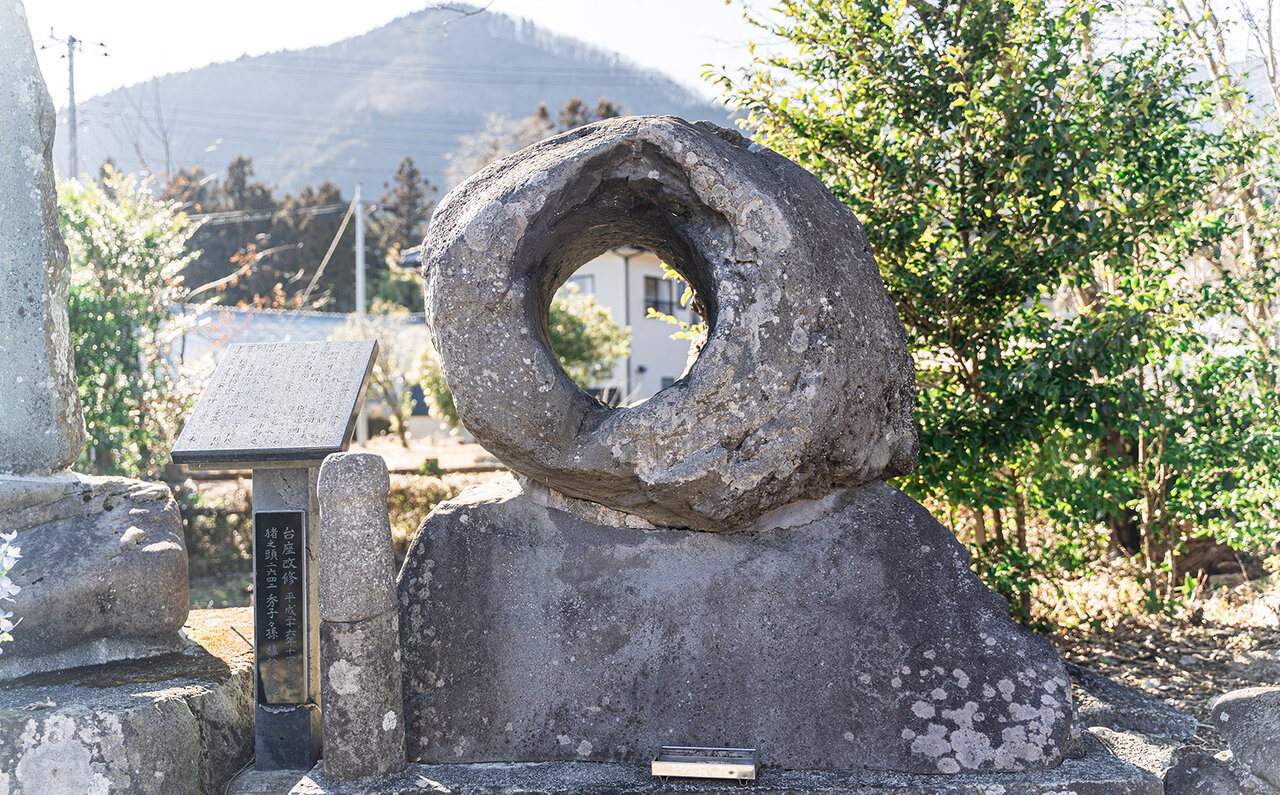
Additionally, an anecdote about a "drum stone" remains here. One night, a sound like a drum echoed, and Minamoto no Yoritomo, suspecting something, ordered his retainers to investigate. They discovered a stone with a hollow center at the bottom of the waterfall.
Stones with this shape are called lava tree molds (*yoganjukei*). During Mount Fuji's eruption, lava flowed out and engulfed trees. The lava cooled and solidified around the trees, which then burned away to ash, leaving these forms.
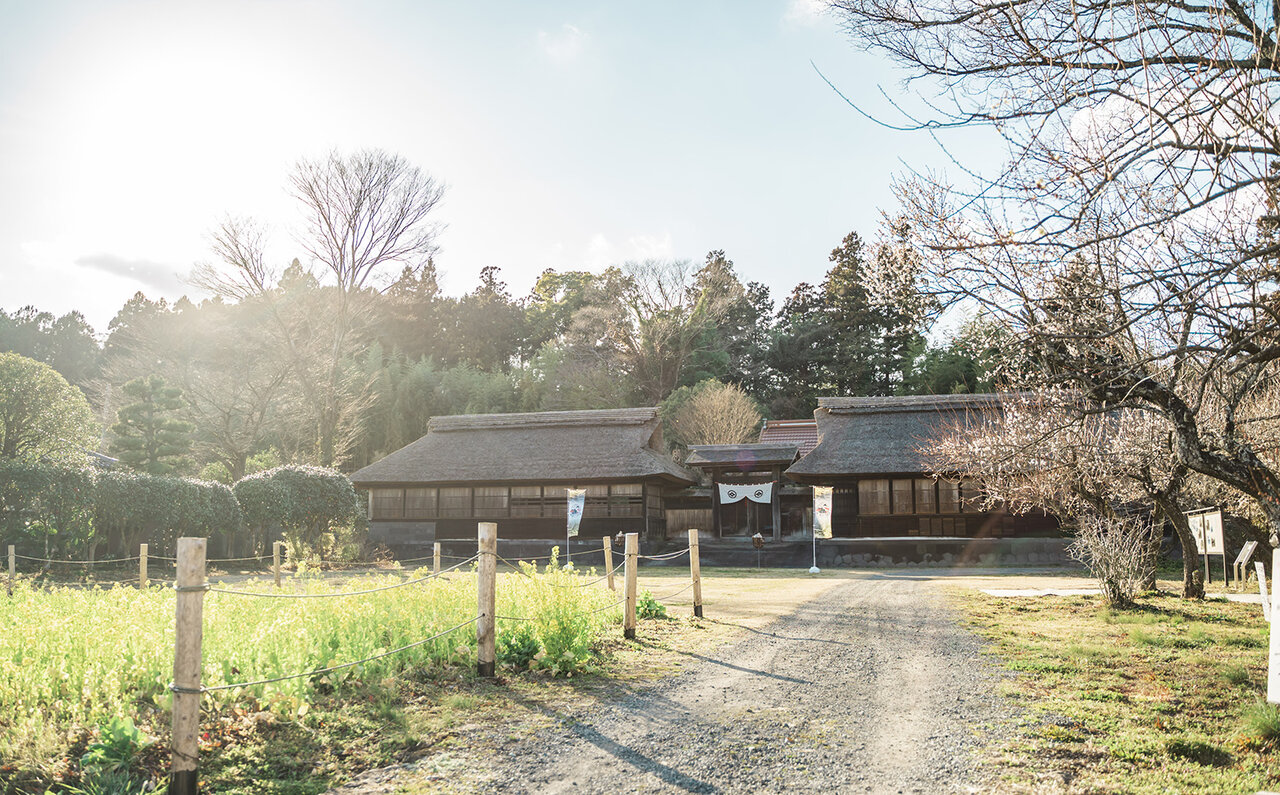
Kariyado no Gebazakura and Ide Family Residence
Minamoto no Yoritomo is said to have set up camp here during the *makigari*.
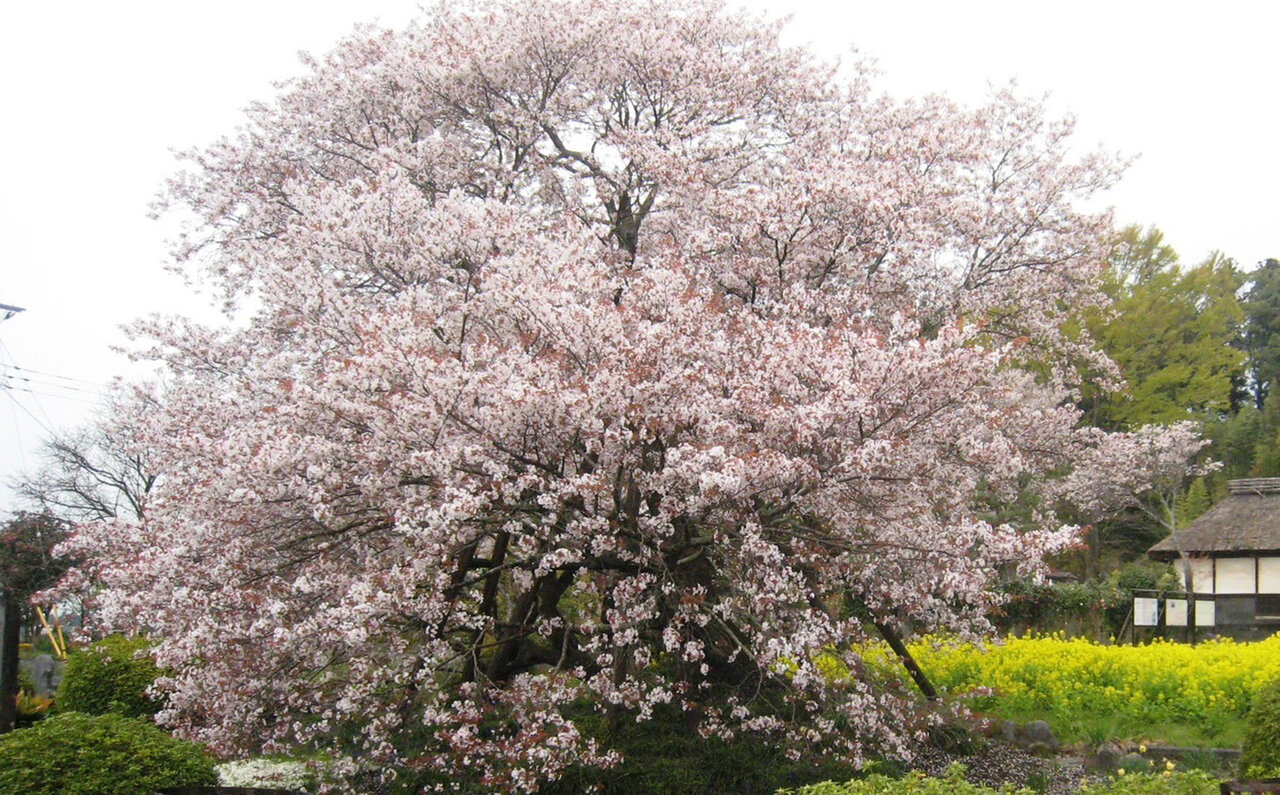
The cherry tree planted on the grounds is the Kariyado no Gebazakura, one of Japan's five great cherry trees. Its name originates from the spot where Minamoto no Yoritomo is said to have dismounted his horse during the Fuji *makigari*. It is also known as "Komadome no Sakura" (Horse-Tying Cherry Tree) due to the anecdote that he tied his horse to its branches. As it has long been known as a famous cherry blossom spot, many great figures, haiku poets, and painters have visited and created works inspired by it. Even Yoshinobu Tokugawa, the last shogun, composed a haiku about this cherry tree.
The Sengoku Course: Fujinomiya City, Visited by Great Generals Like Tokugawa Ieyasu
The courses introduced so far primarily feature spots from the Kamakura period. Time then moved forward to the Sengoku period. From the mid-1400s to the early 1600s, Fujinomiya City was a region where the three powers of the Takeda, Imagawa, and Hojo clans vied for control.
Fujisan Hongu Sengen Taisha Shrine has a deep connection with Tokugawa Ieyasu.
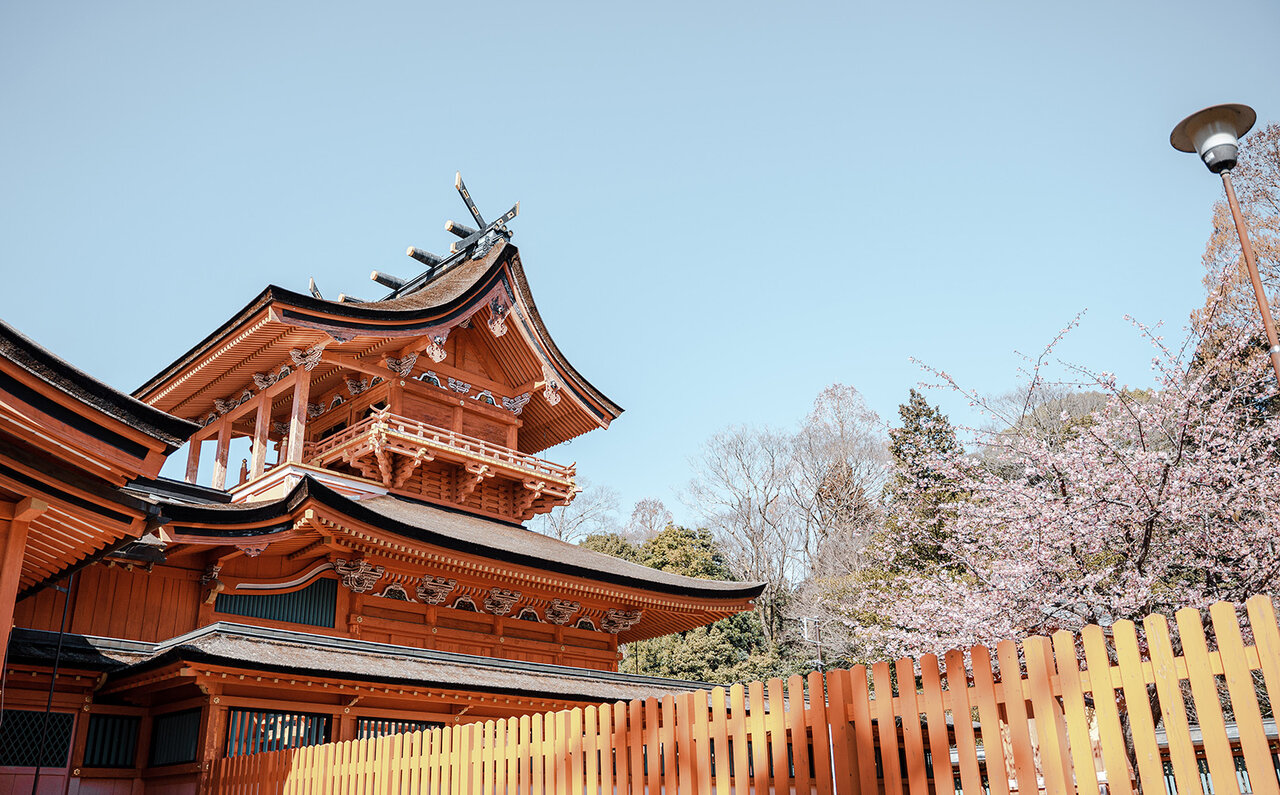
After his victory in the decisive Battle of Sekigahara in 1600, Tokugawa Ieyasu is said to have donated the main shrine building, the oratory, and the tower gate as a token of gratitude. For this reason, the imperial crest, the Tokugawa crest, and the Toyotomi crest are adorned on the main shrine building and other structures.
Furthermore, in 1779, the Tokugawa shogunate designated the area from the 8th station of Mount Fuji upwards as part of the grounds of Fujisan Hongu Sengen Taisha Shrine. This arrangement remains unchanged to this day. Although there were subsequent twists and turns, it continues to be the property of Fujisan Hongu Sengen Taisha Shrine.
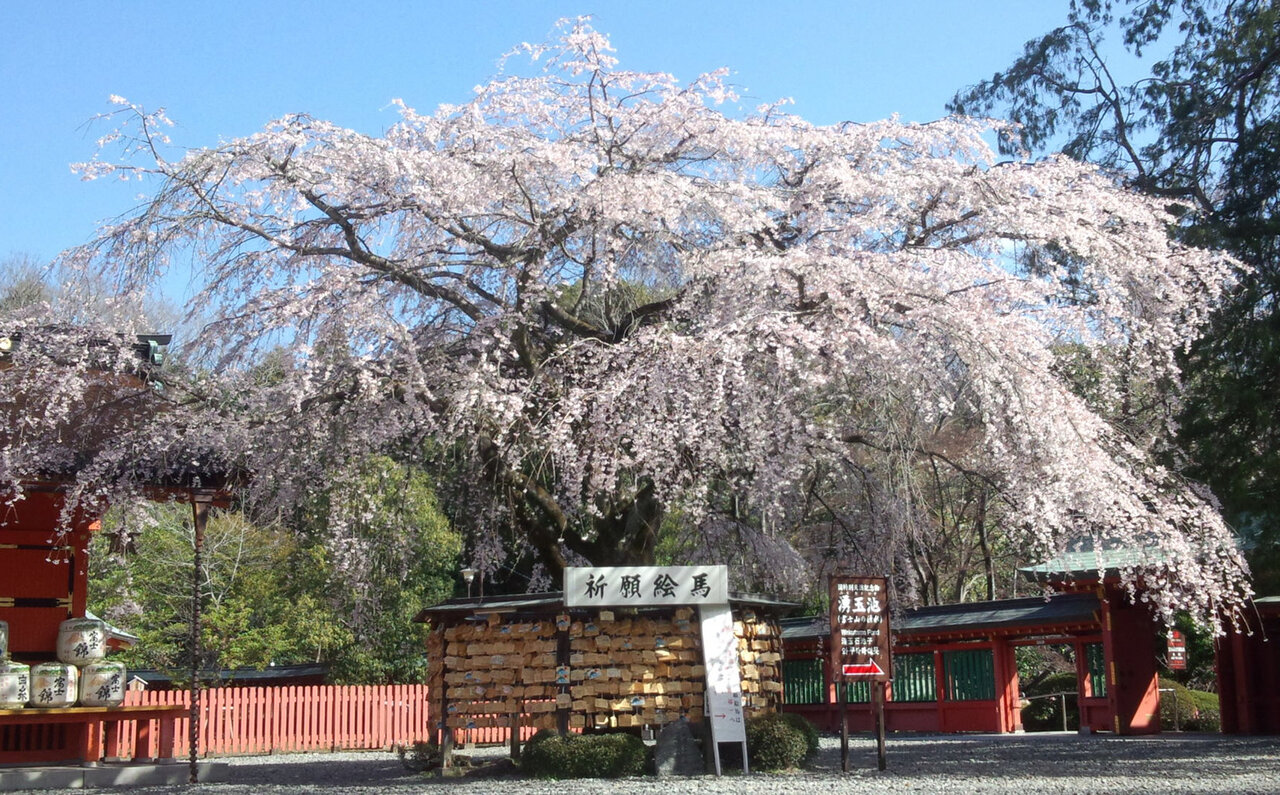
In addition to Tokugawa Ieyasu, the shrine also has ties to Takeda Shingen. The weeping cherry tree within the grounds is said to have been donated by Lord Shingen and is affectionately known as "Shingen Cherry Tree" (the current tree is the second generation).
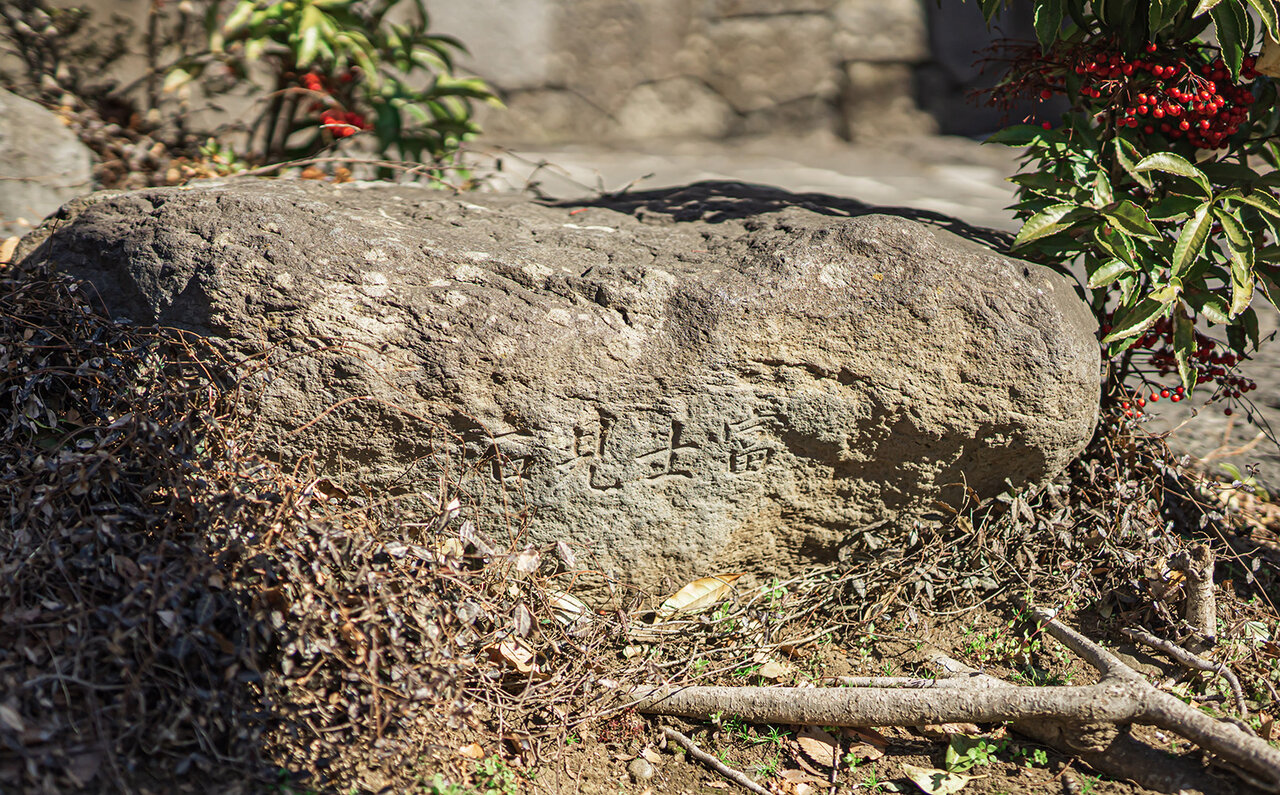
Just a short distance from Fujisan Hongu Sengen Taisha Shrine is a spot called Fujimi Stone. In 1582, Oda Nobunaga, after defeating the Takeda clan, returned triumphantly from Kai Province. It is said that he visited this place and gazed at Mount Fuji while sitting on this stone.
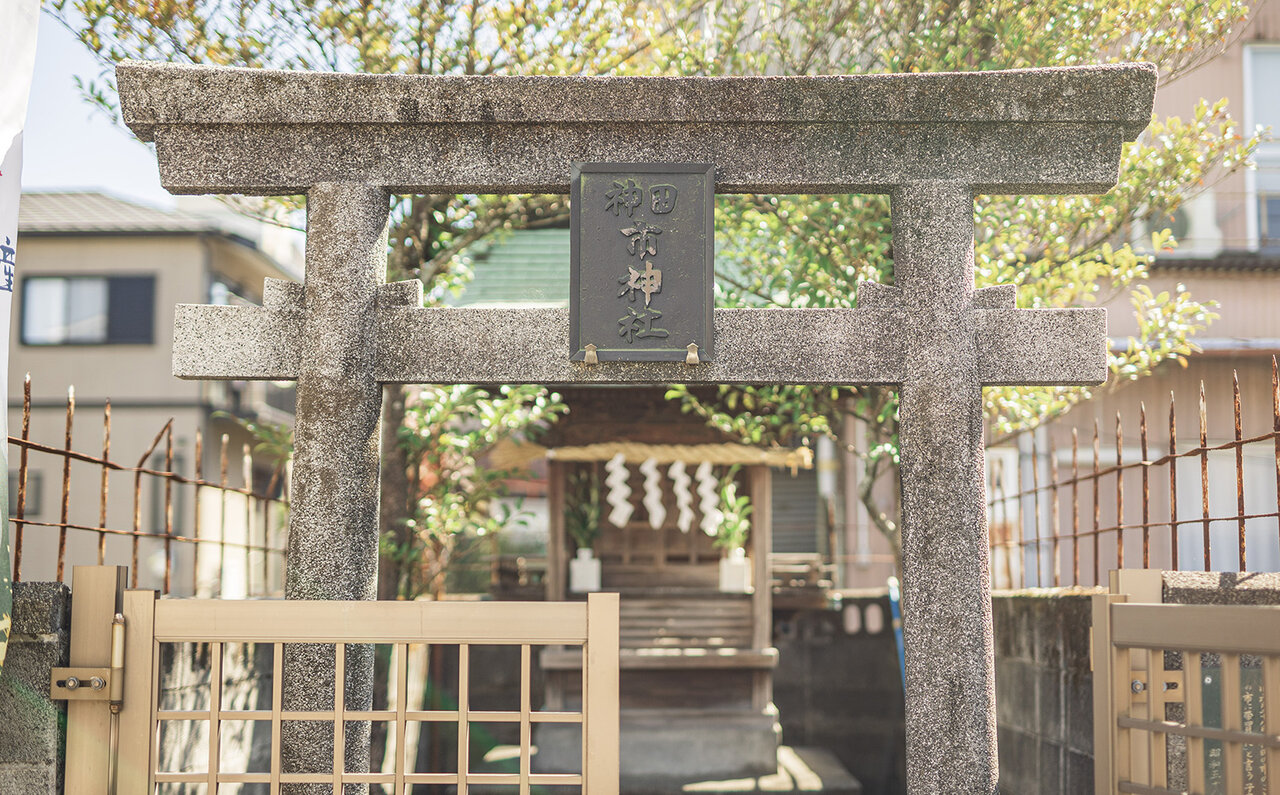
Kandaichi Shrine is dedicated to the god of commerce, known as "Ichi-gami-san." During the Sengoku period, markets were held near Sengen Taisha Shrine. The Imagawa clan, which controlled the region, issued a free market decree (commonly known as the "Fujinomiya Omiya Rakuichi" decree) to the chief priest of Sengen Taisha to ensure peace in the market. It is possible that a shrine dedicated to the god of commerce was also enshrined here, similar to this shrine.
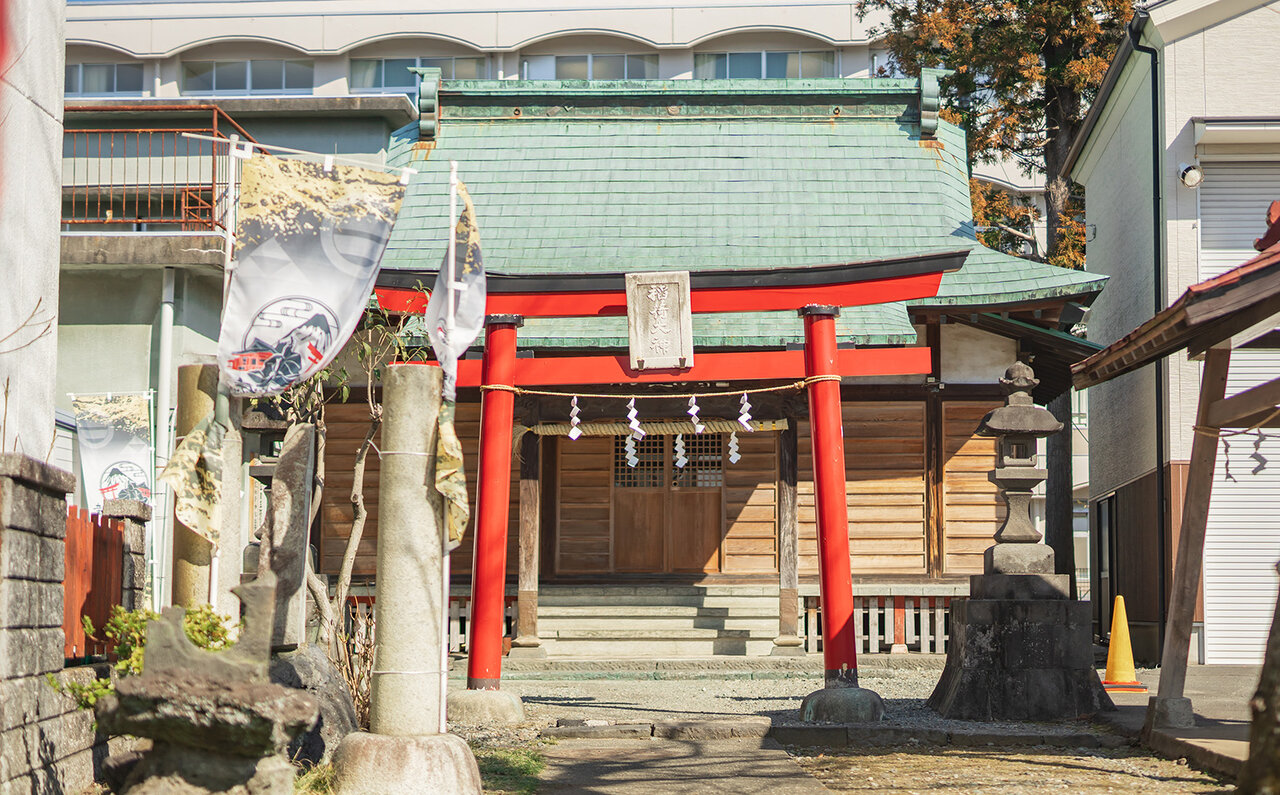
Kandakurayashiki Inari Shrine
The shrine was named Kandakurayashiki Inari Shrine because storehouses for the annual tribute rice and provisions of Omiya Castle were located in this area at the time. It enshrines the god of business prosperity.
During the Sengoku period, there was a castle called Omiya Castle in the vicinity, which served as the base for the Fuji clan, the chief priests of Sengen Taisha. When the Takeda clan attacked the Imagawa clan, the Fuji clan fortified themselves in Omiya Castle and fought on the Imagawa side. However, they surrendered and the castle was opened after an attack personally led by Shingen. Subsequently, the castle was expanded and rebuilt by the Takeda clan, but it was burned down during subsequent battles and no longer exists today.
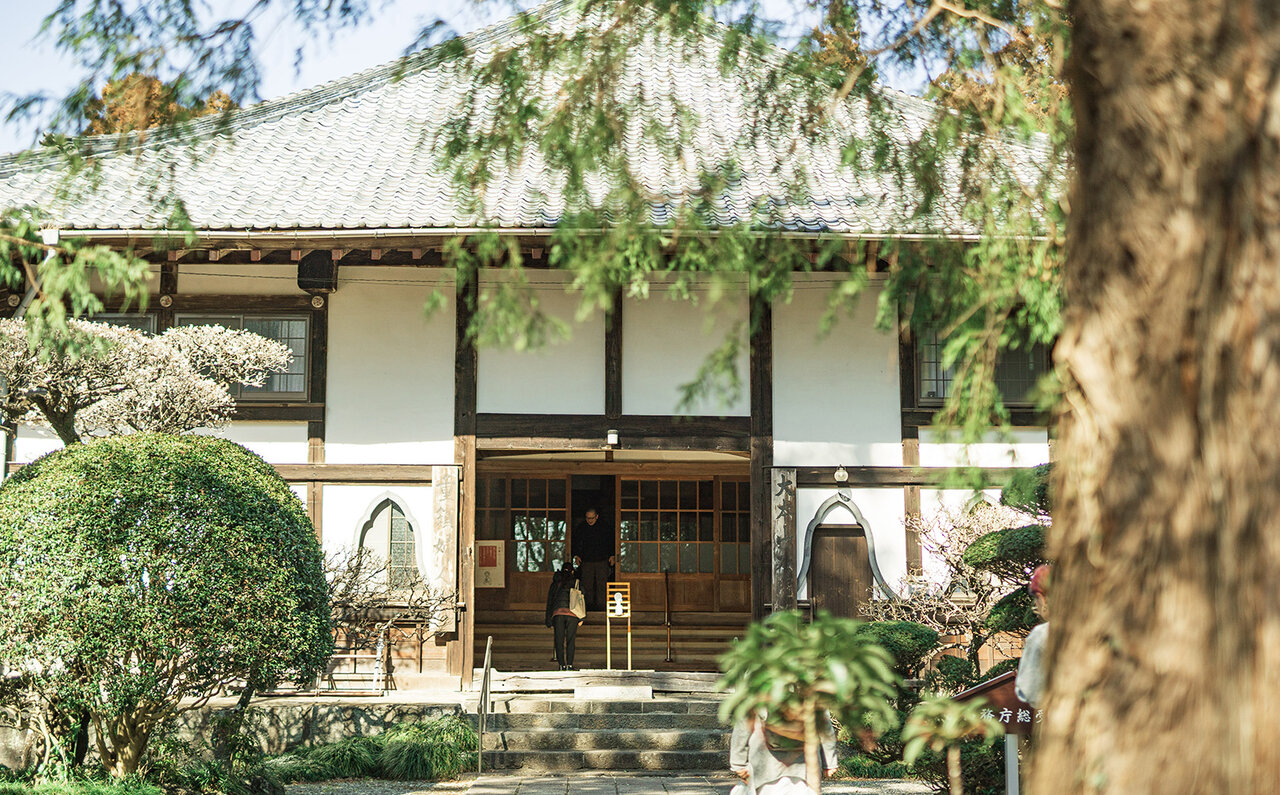
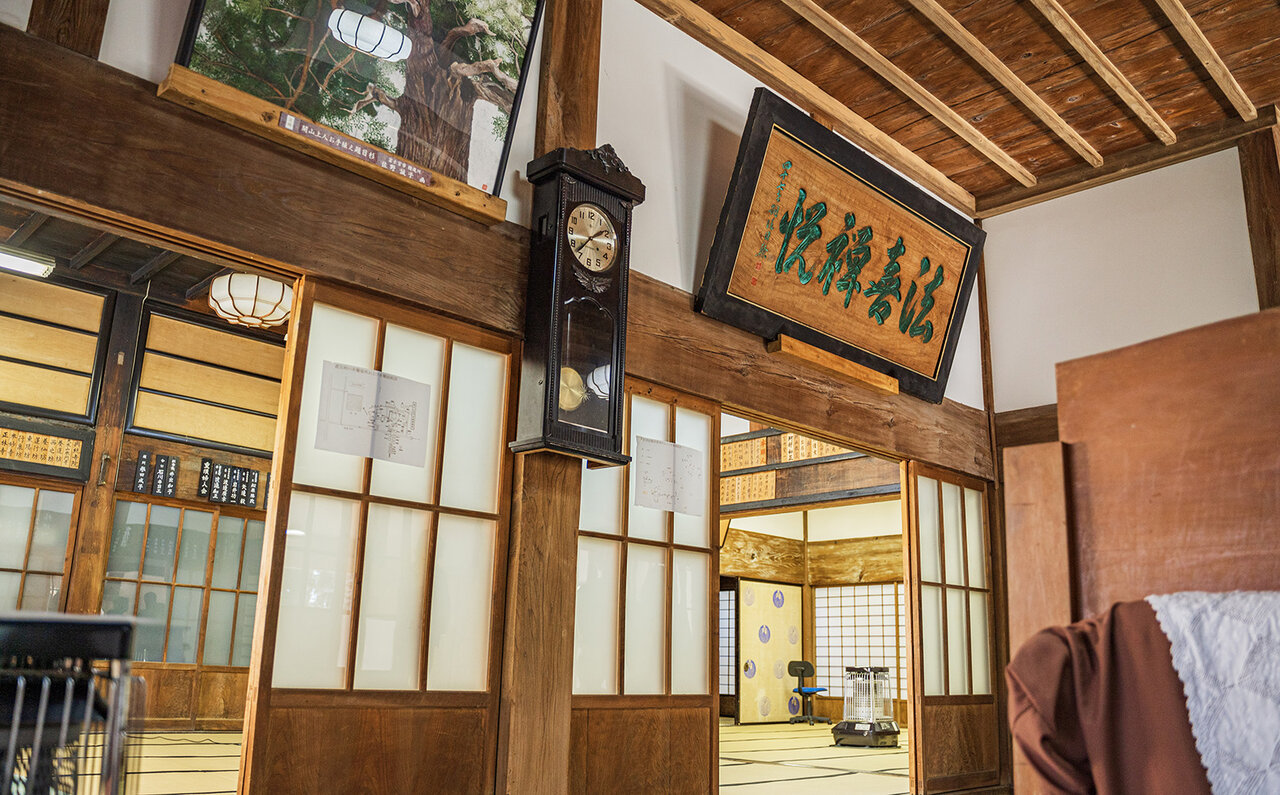
Located in Kitayama, Fujinomiya City, this is one of the seven great head temples of the Nichiren sect. It was founded in 1298 by Nikko Shonin, a direct disciple of Nichiren Daishonin.
It is also said that Tokugawa Ieyasu stopped here when fighting against the Takeda clan. The abbot at the time was the 88-year-old Abbot Nisshu.
Tokugawa Ieyasu, finding the abbot's age and name very auspicious, is said to have asked if he could receive a protective charm.
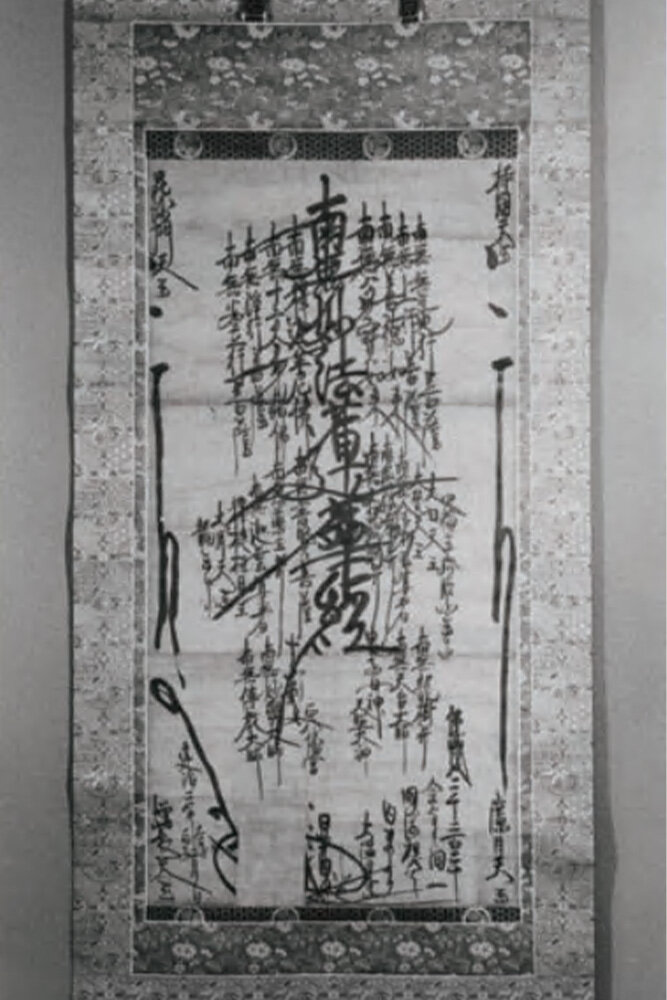
At that time, he was given a mandala written by Nichiren Daishonin as a protective charm.
It is said that when Tokugawa Ieyasu carried the received mandala tied to a pole and displayed it on the battlefield, a bullet from the Takeda army struck it, changing its trajectory and saving his life.
Due to this anecdote, it is now called the "Teppo Mandala" (Gun Mandala) and is strictly preserved in the treasure house to this day.
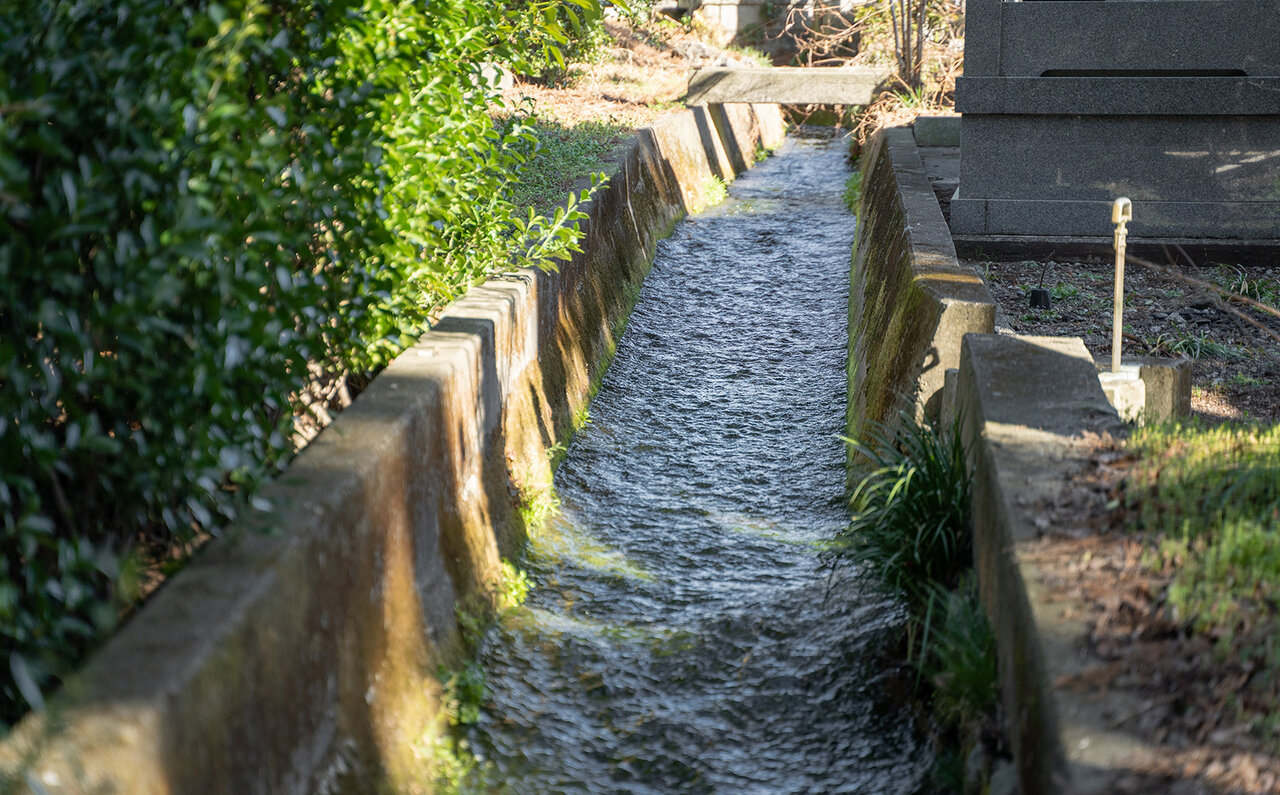
In return for this mandala, Tokugawa Ieyasu asked Nisshu what he desired. Nisshu requested the construction of an irrigation channel to solve the water shortage in the surrounding area. Ieyasu then ordered his retainers to build the waterway, which is now called "Kitayama Waterway" and still exists today.
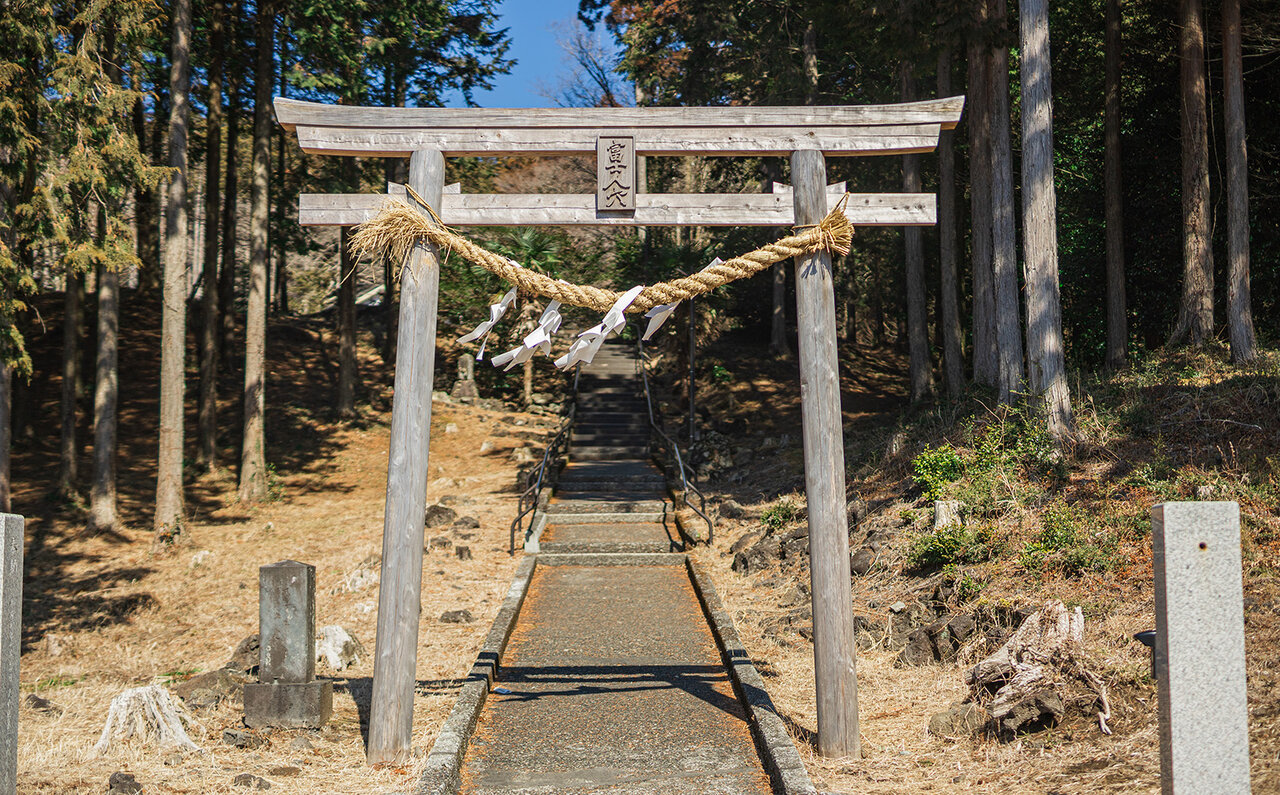
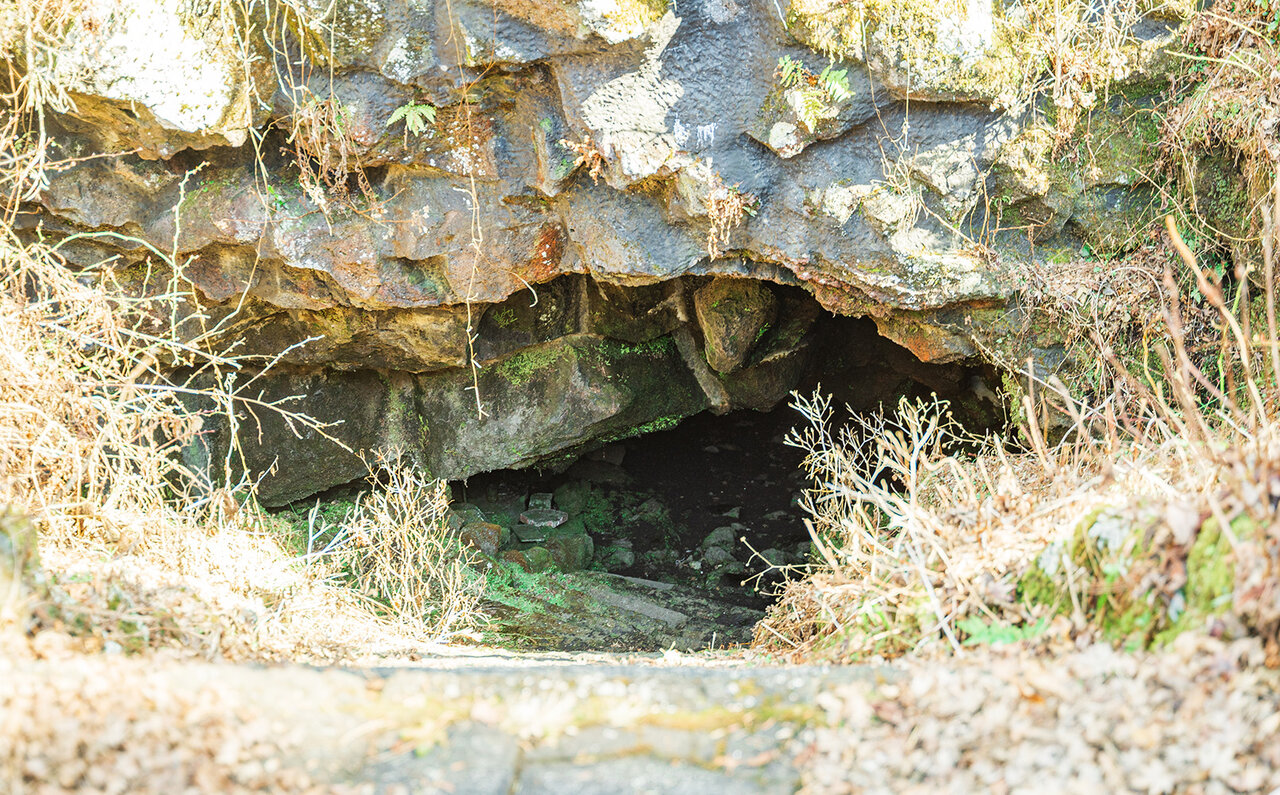
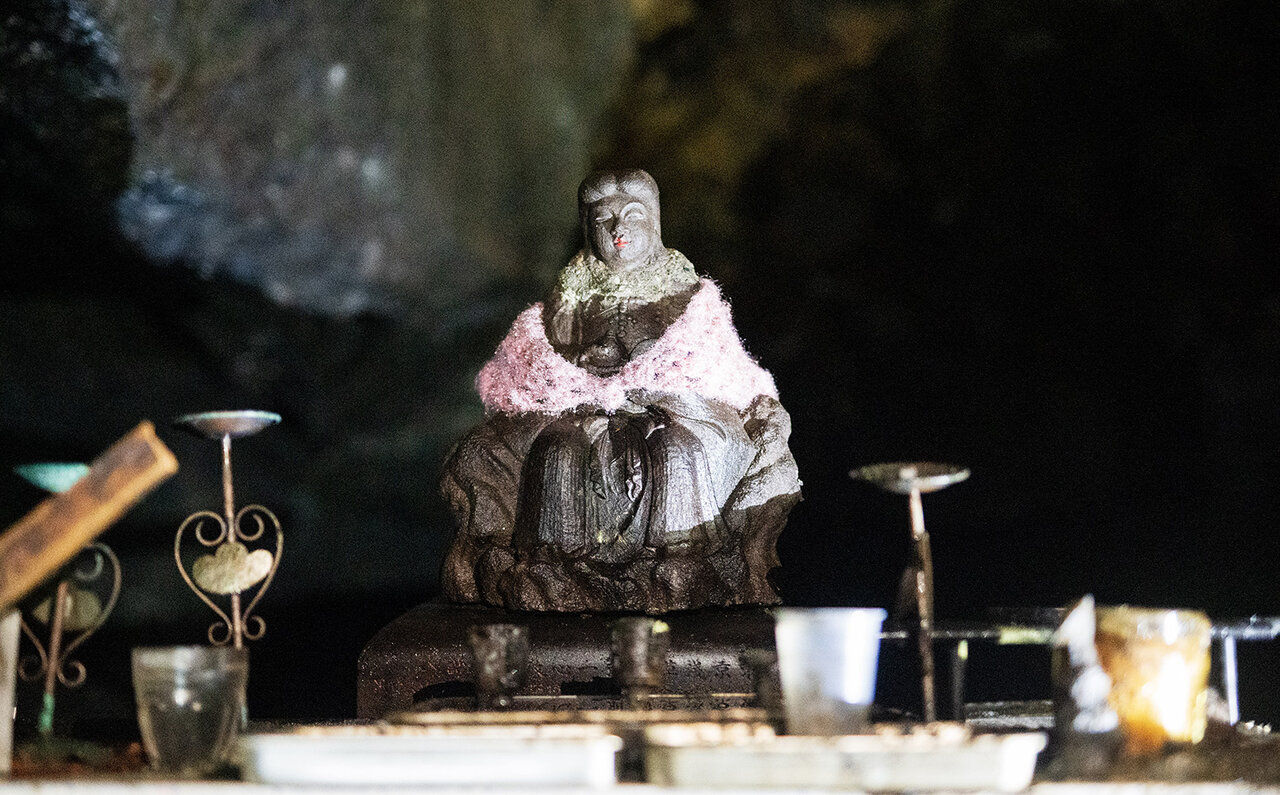
The Hitoana Fuji-ko Ruins are said to be the place where Hasegawa Kakugyo, the founder of Fuji-ko (worship of Mount Fuji), underwent ascetic training. There is also a cave called Hitoana, approximately 83 meters long, where Konohanasakuya-hime is enshrined.
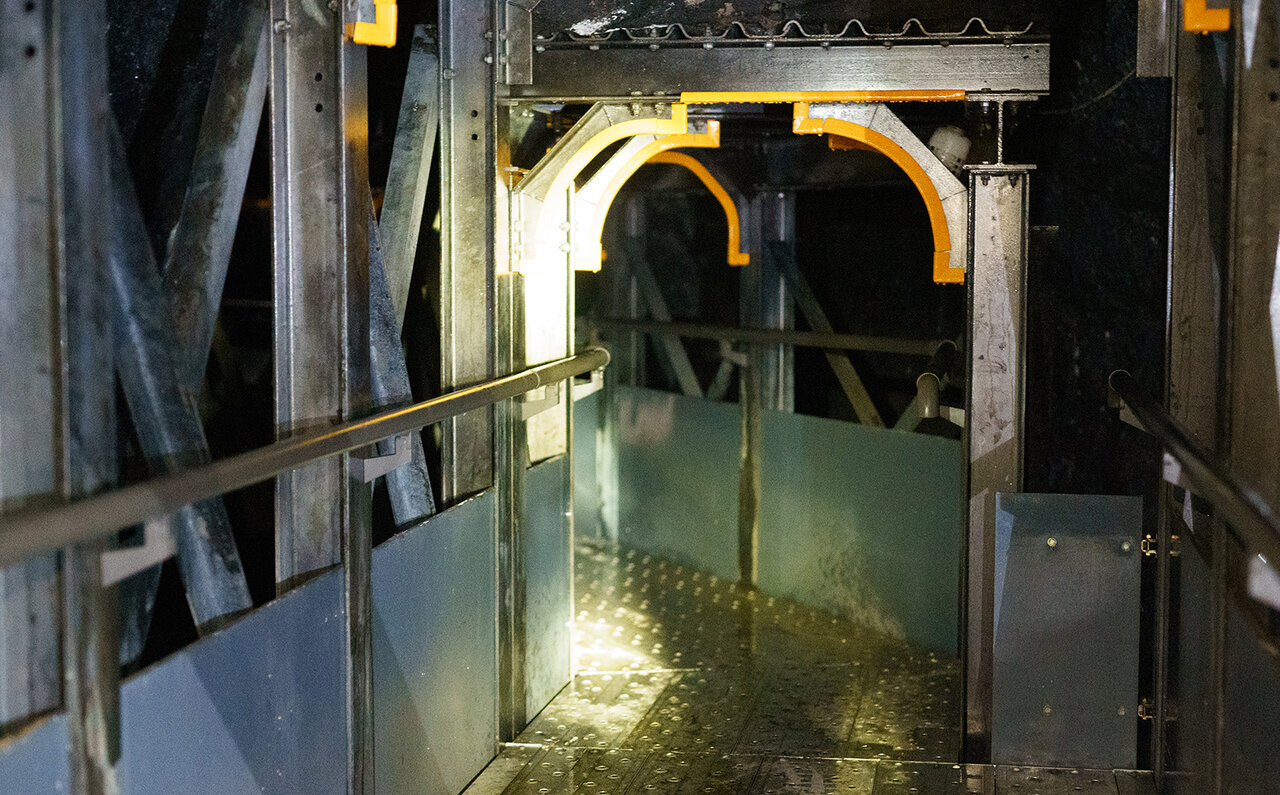
The cave is currently not open to the public, but we were granted special permission to photograph inside this time.
After 1,000 days of rigorous training in Hitoana, Hasegawa Kakugyo received the name Hasegawa Tokkaku from Sengen Dainichi Nyorai. Hasegawa Kakugyo is said to have passed away peacefully in Hitoana, and since then, this place has been considered the "Pure Land of Fuji-ko."
Hitoana also has a connection to Tokugawa Ieyasu. There is a legend that when Tokugawa Ieyasu was fleeing from the Takeda army after being defeated, he discovered Hitoana and was hidden by Hasegawa Kakugyo, thus saving his life. It is also said that in gratitude, Tokugawa Ieyasu exempted the village of Hitoana from taxes.
Fujinomiya City: Where History and Nature Coexist at the Foot of Mount Fuji
It is one of the few places where you can feel the traces and anecdotes of the Kamakura and Sengoku periods firsthand.
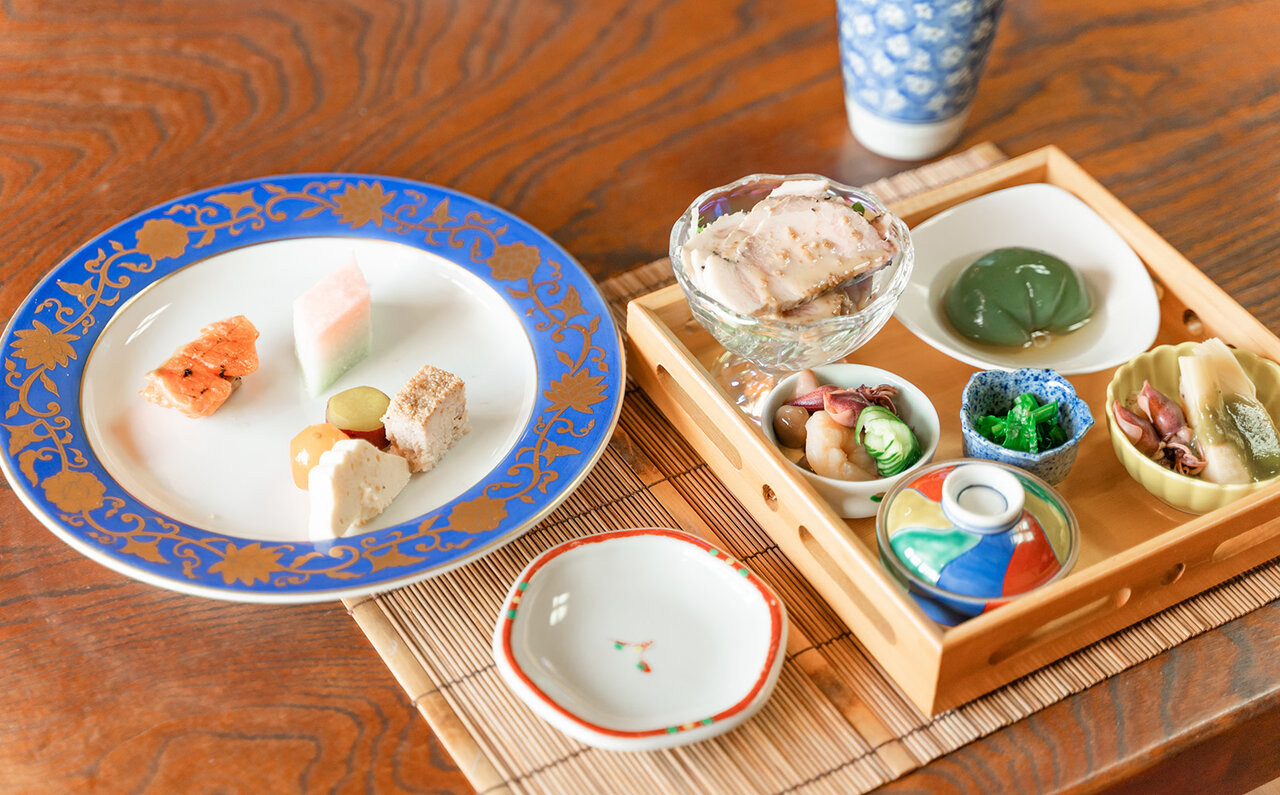
Furthermore, the vegetables and fish grown with Mount Fuji's spring water are exceptionally delicious. Fujinomiya City is filled with episodes related to historical dramas. Why not experience an "ultimate pilgrimage" to savor the blessings of Mount Fuji?