Murayamamichi: The Ancient Pilgrim Trail to Mt. Fuji's History | TRAVEL
Sponsored
LOUNGE | Murayamamichi: The Ancient Pilgrim Trail to Mt. Fuji's History
Exploring the Sacredness of Mt. Fuji Through the Footsteps of Ascetics
Mt. Fuji, a World Heritage site. In 2013, it was inscribed as a UNESCO World Cultural Heritage site, "Fujisan, the object of worship and a source of art." It was recognized globally as a treasure to be passed down to the future, as a source of faith and art.
Mt. Fuji: The Wellspring of the Japanese Spirit
While its artistic significance is evident from the numerous depictions by renowned painters, the deep connection between Mt. Fuji and faith is not widely known today. Yet, in ancient times, Mt. Fuji was revered as a sacred realm inhabited by gods and Buddhas, and its very existence was a source of awe and divine reverence.
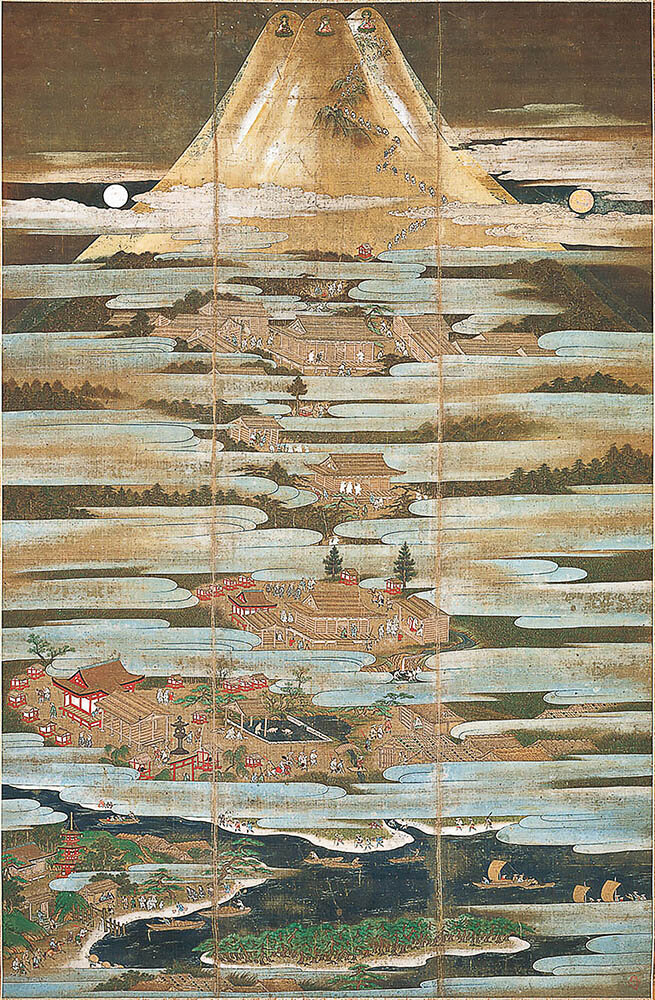
Designated as an Important Cultural Property of Japan, the "Mandala of Mt. Fuji in Color on Silk," is believed to have been painted by the second-generation Kano Motonobu in the late Muromachi period. It depicts the faith and pilgrimage practices of Mt. Fuji at the time. One can see Buddhas enshrined at the summit, with people forming a procession towards them.
Fujisan Hongu Sengen Taisha: The Starting Point for the Journey to Mt. Fuji
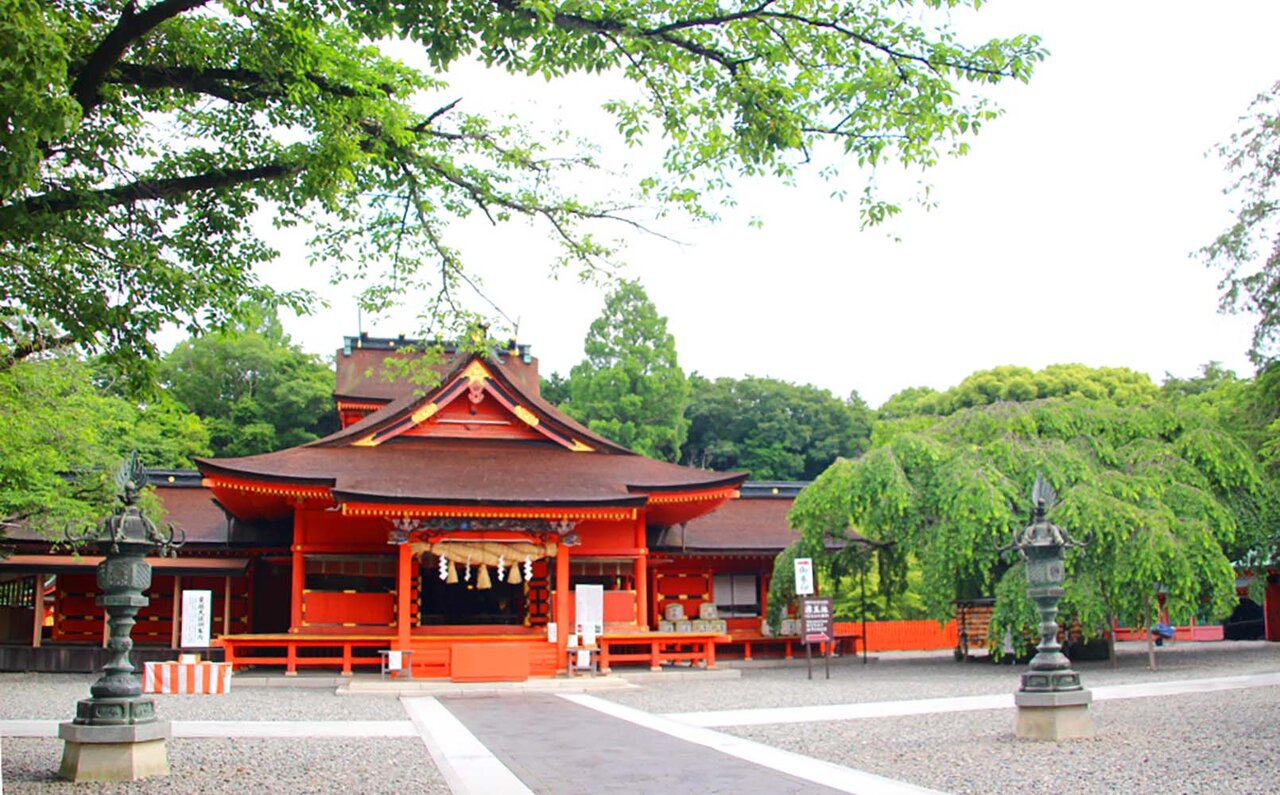
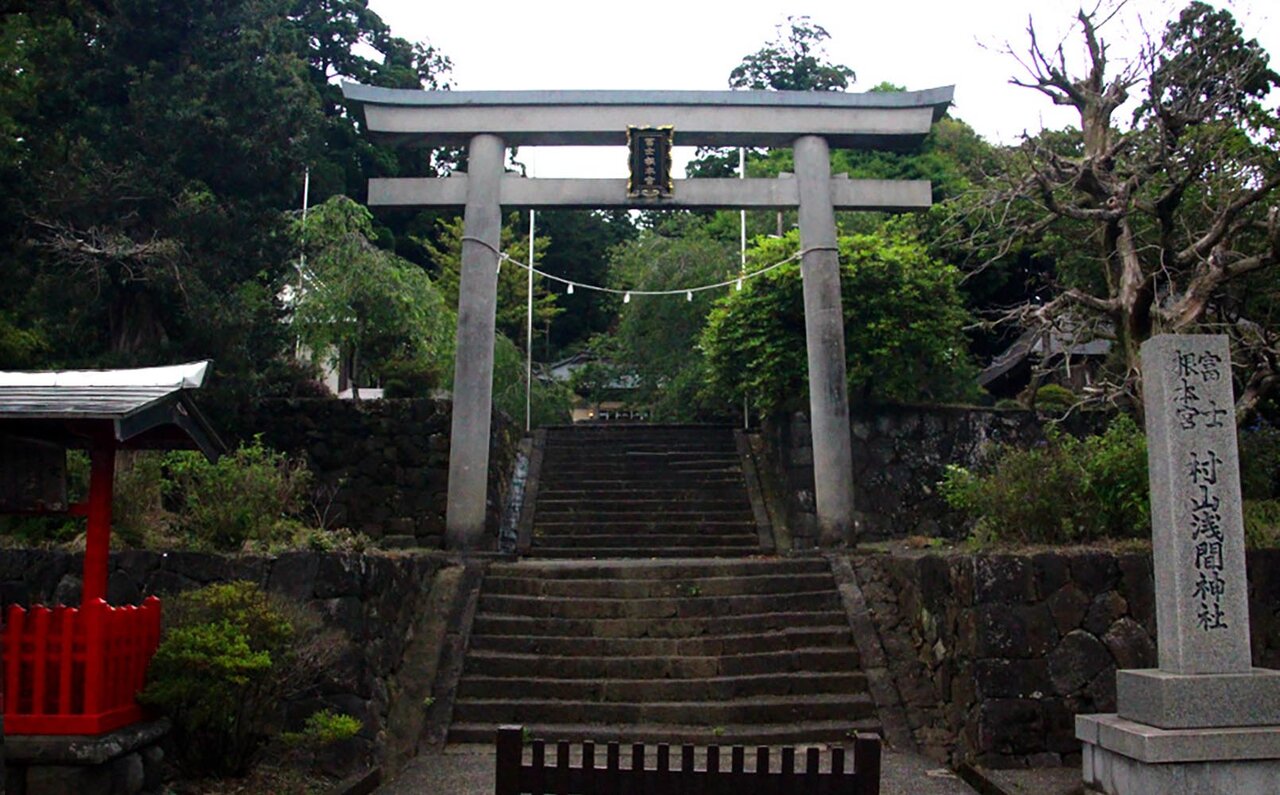
The ascetics depicted in the "Mandala of Mt. Fuji in Color on Silk," who undertook pilgrimages, first visited Fujisan Hongu Sengen Taisha.
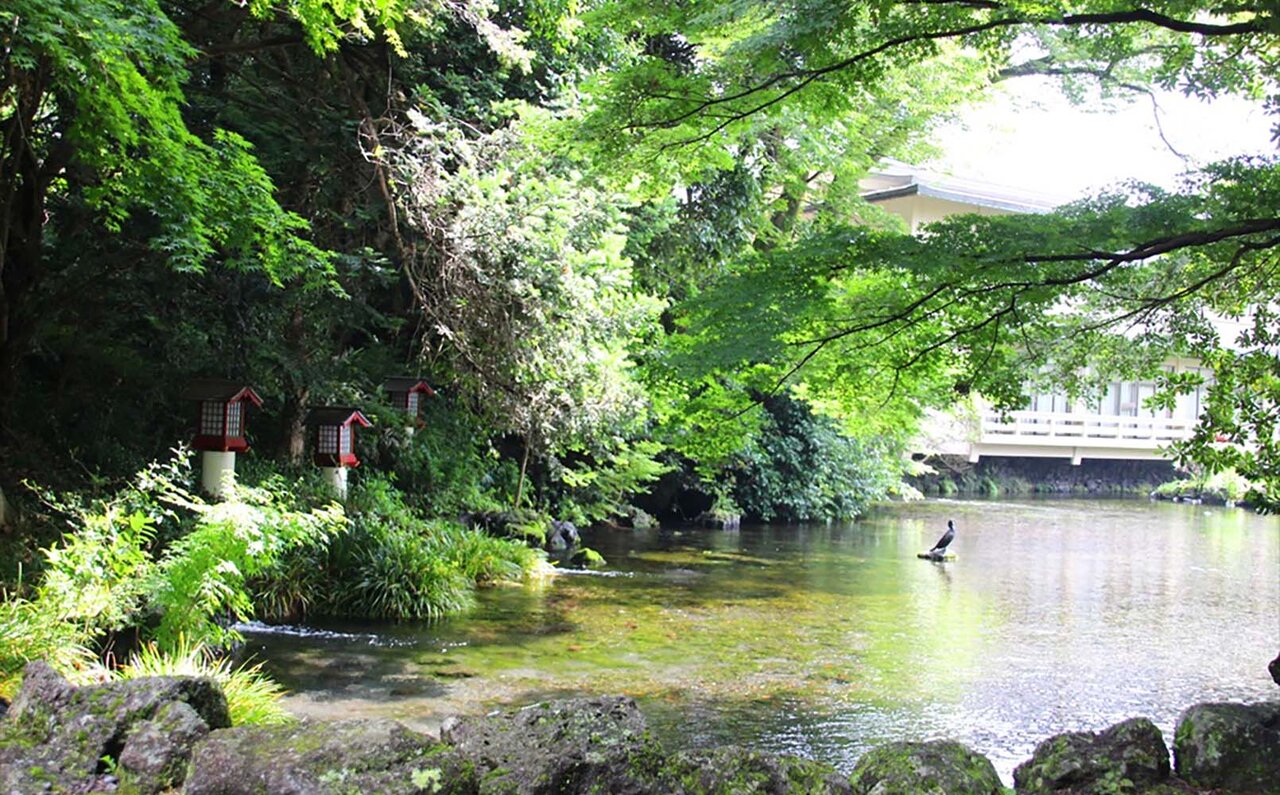
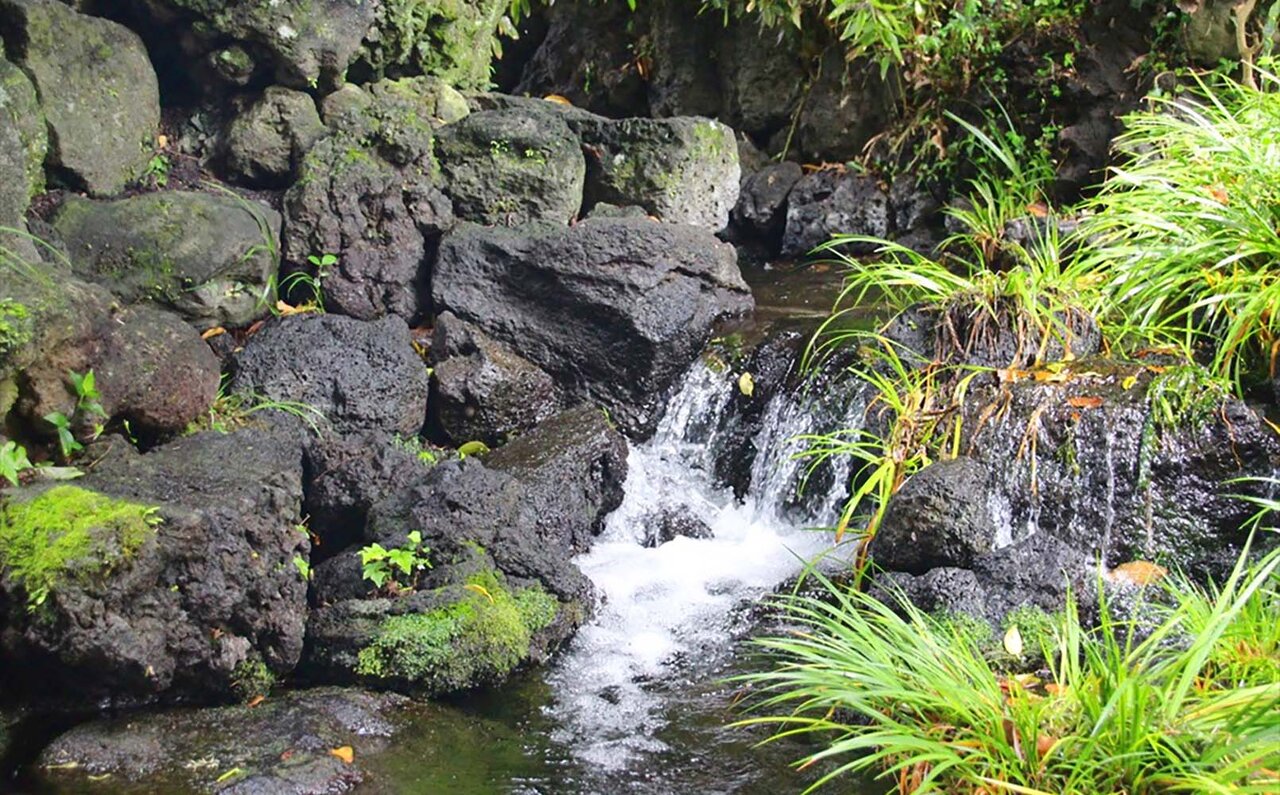
Clear water, filtered by bedrock and strata, collects in the Wakutama Pond here. Ascetics would purify themselves with this water before proceeding to the realm of the gods.
While today one can easily reach the summit via paved roads and maintained trails, in those days, ascetics traversed rugged paths overgrown with trees.
Murayama Sengen Shrine: The Former Center of Mt. Fuji Worship
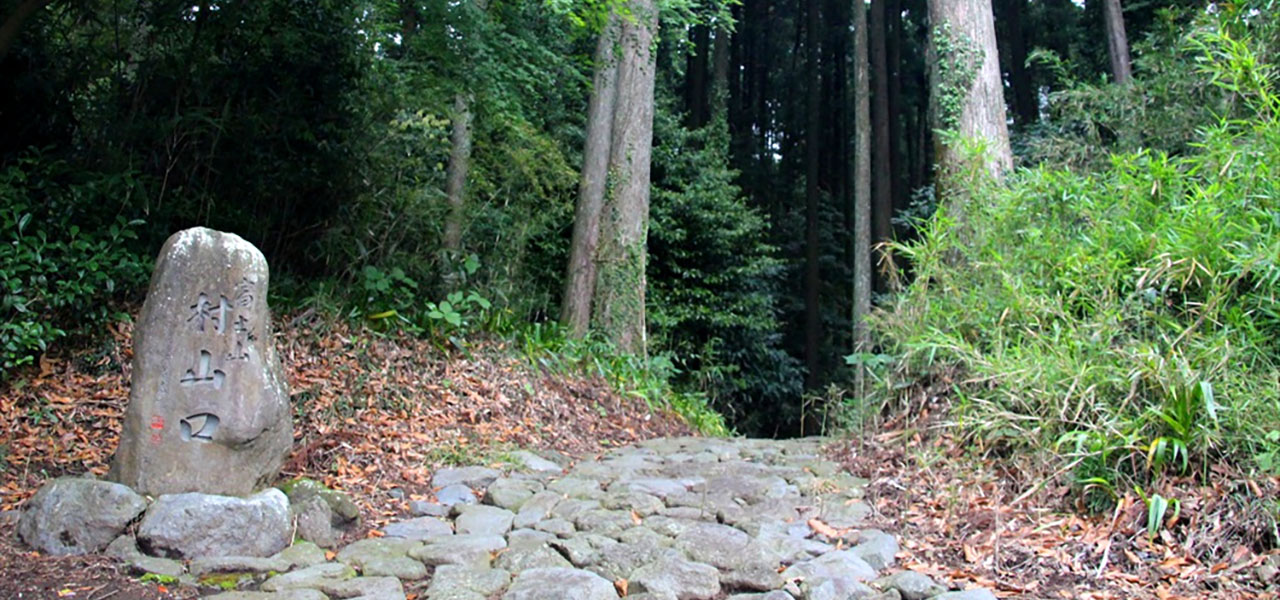
After departing from Fujisan Hongu Sengen Taisha, the ascetics' first destination was Murayama Sengen Shrine. It was a central hub for Shugendo (ascetic practices) and received many ascetics. Until the anti-Buddhist movement of the Meiji era, which suppressed and expelled Buddhism, there was a temple here called Kōhō-ji. Thus, gods and Buddhas were enshrined together in this very place.
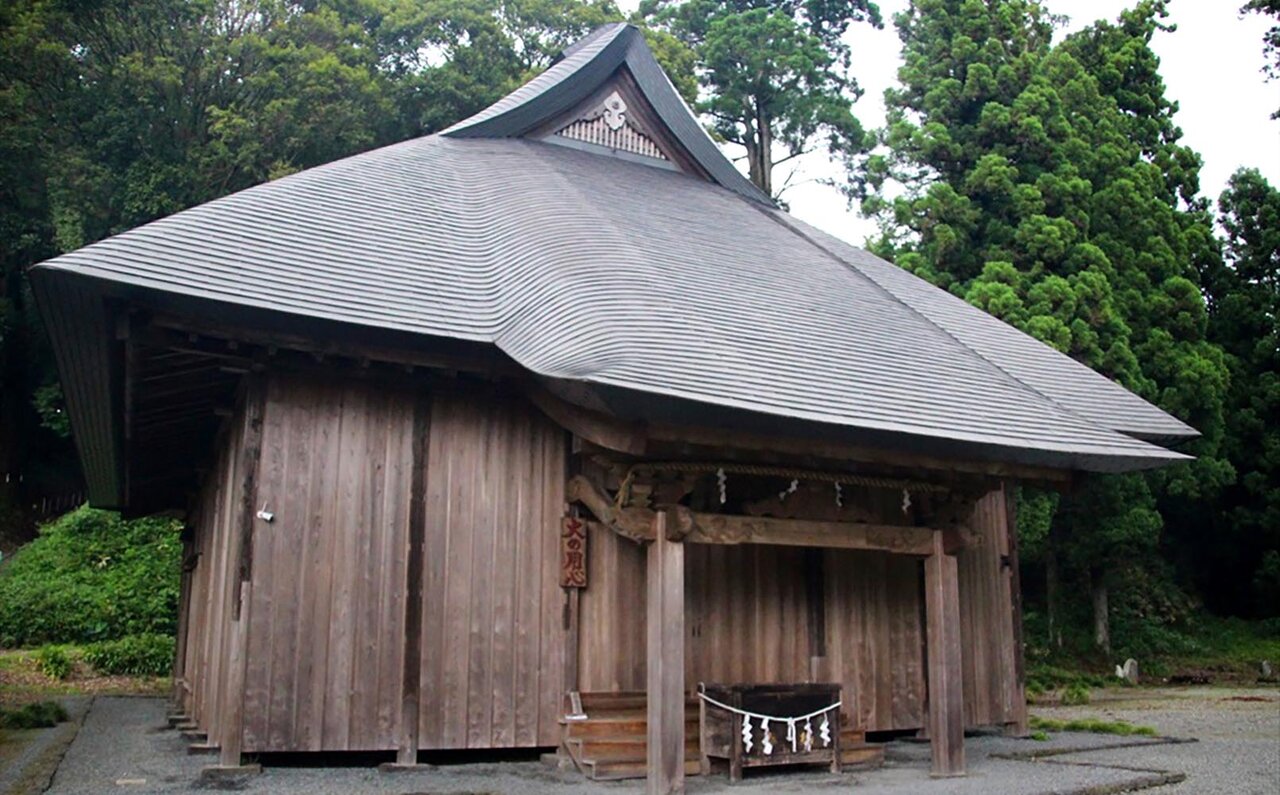
The legacy of syncretism between Shinto and Buddhism remains today. Beside the main hall of Murayama Sengen Shrine stands the Kōhō-ji Dainichi-dō (renovated in 2014), the central structure of Kōhō-ji, built in the late Edo period.
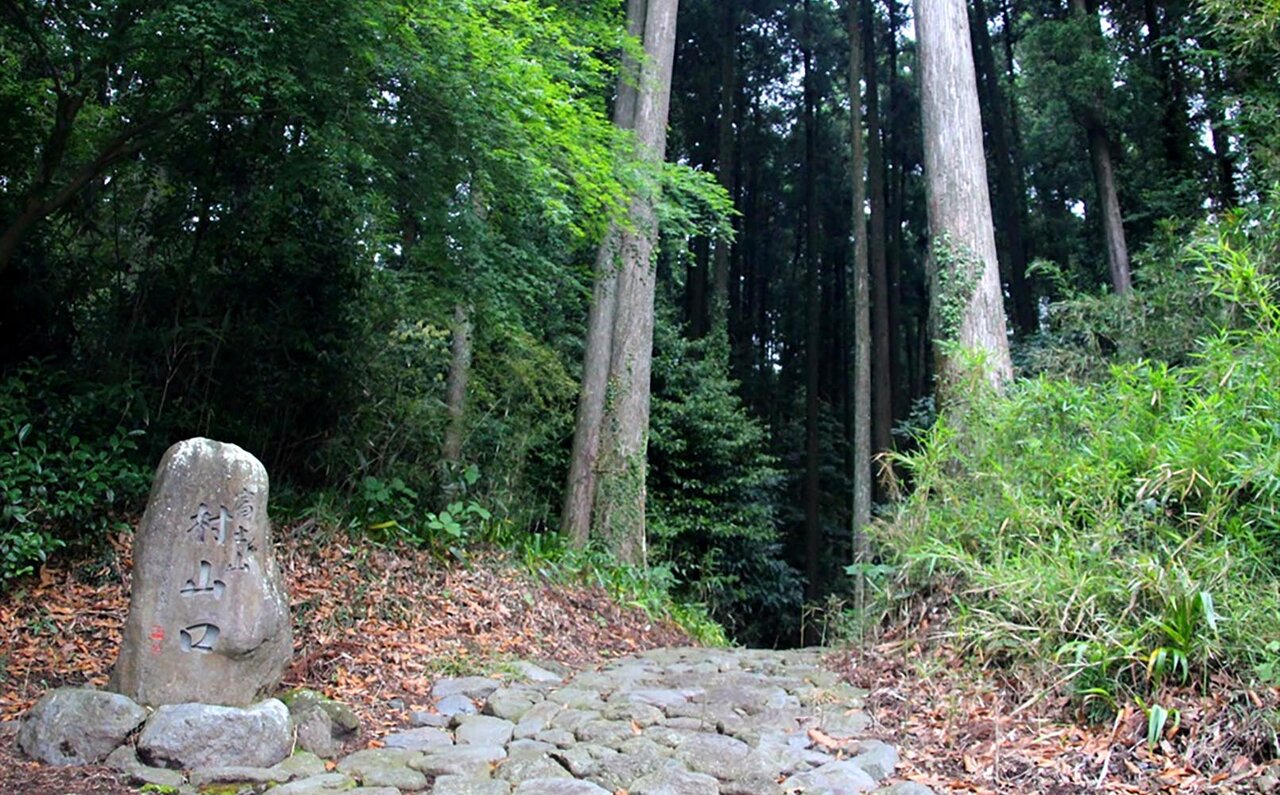
After performing rites and purification (kori) at Murayama Sengen Shrine, the ascetics would continue their journey towards the summit of Mt. Fuji.
That path is the "Murayamamichi." While few general climbers use it today, the path still exists, offering a route where one can reflect on the ascetics of old while climbing Mt. Fuji.
Fudajiba: Where Wishes Were Affixed, and the History of Female Prohibition
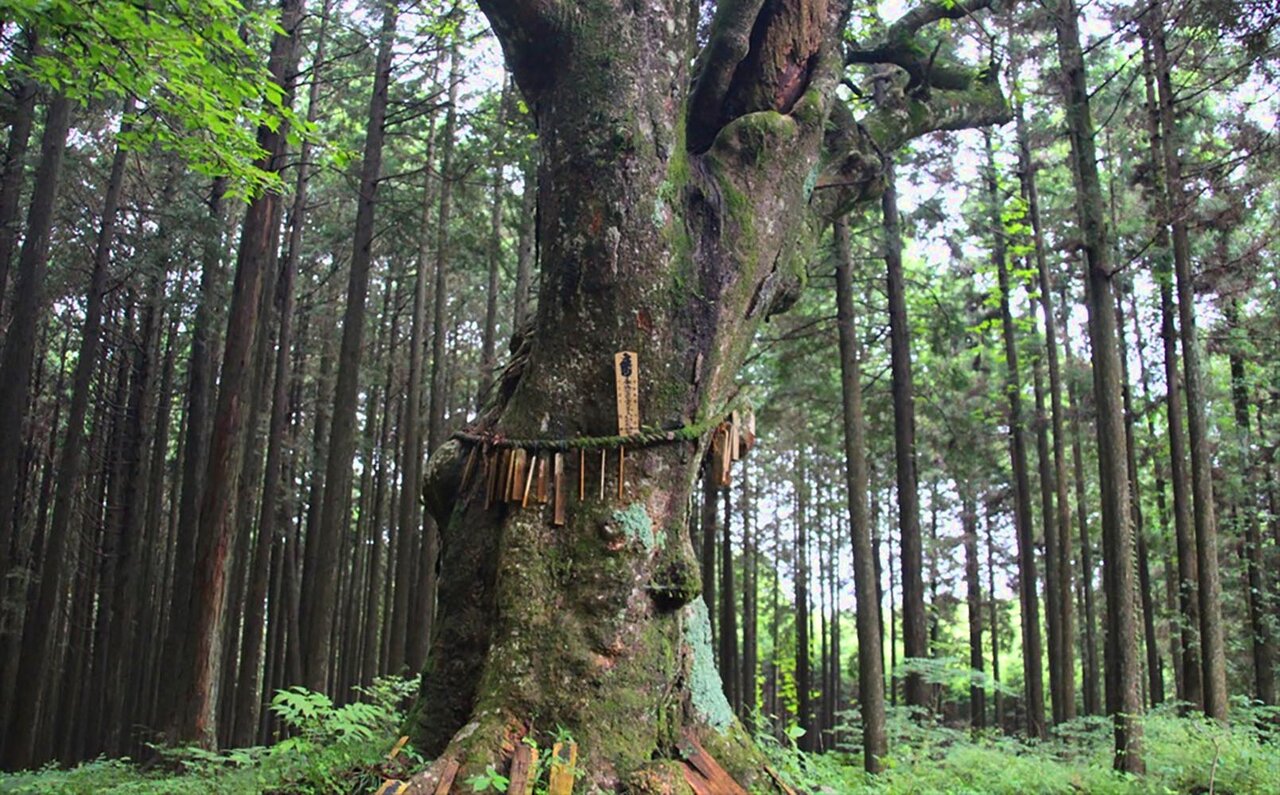
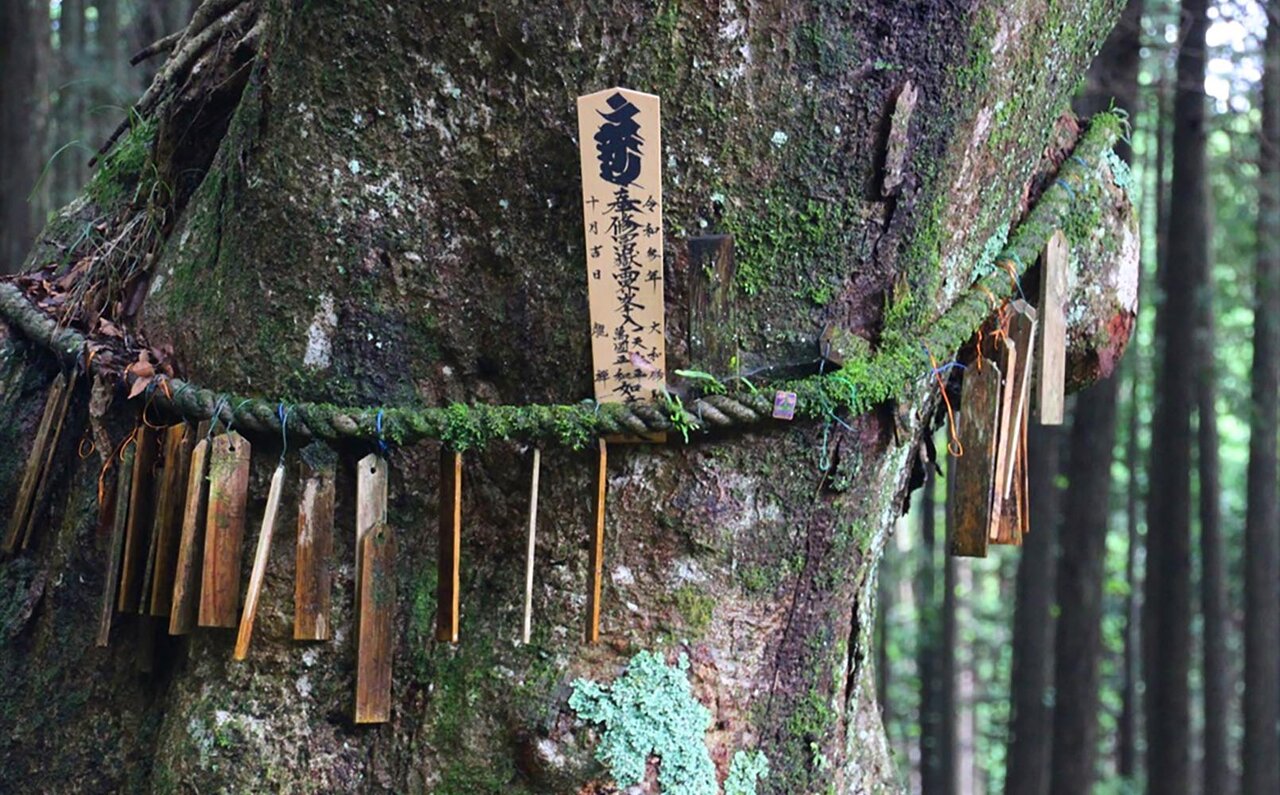
At Fudajiba, ascetic monks would affix wooden tags bearing their wishes. Today, these tags are tied to a rope around a zelkova tree with a trunk circumference of 3.5 meters. However, it is said that in ancient times, tags were affixed to the Torii gate called Hosshinmon, located about 2 km from Murayama Sengen Shrine.
Mt. Fuji was a symbol of faith. However, women were forbidden from ascending to the summit.
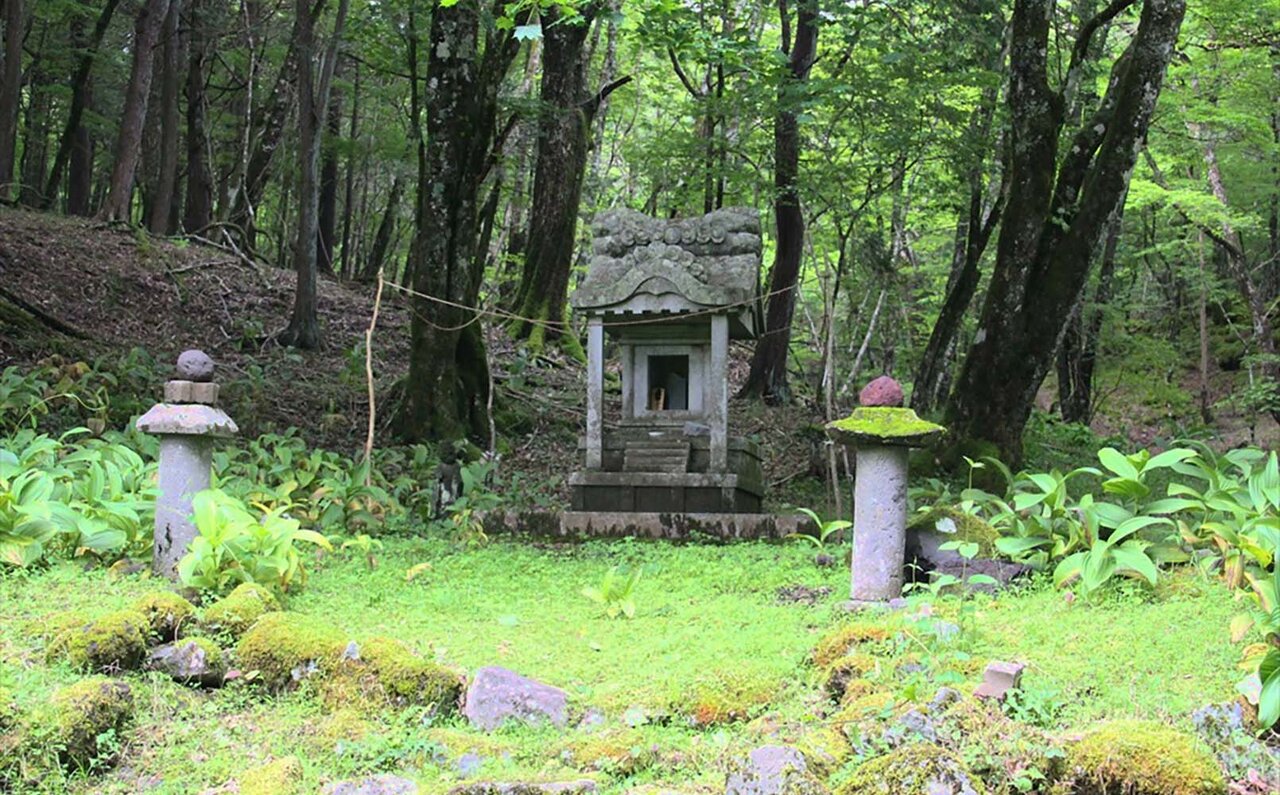
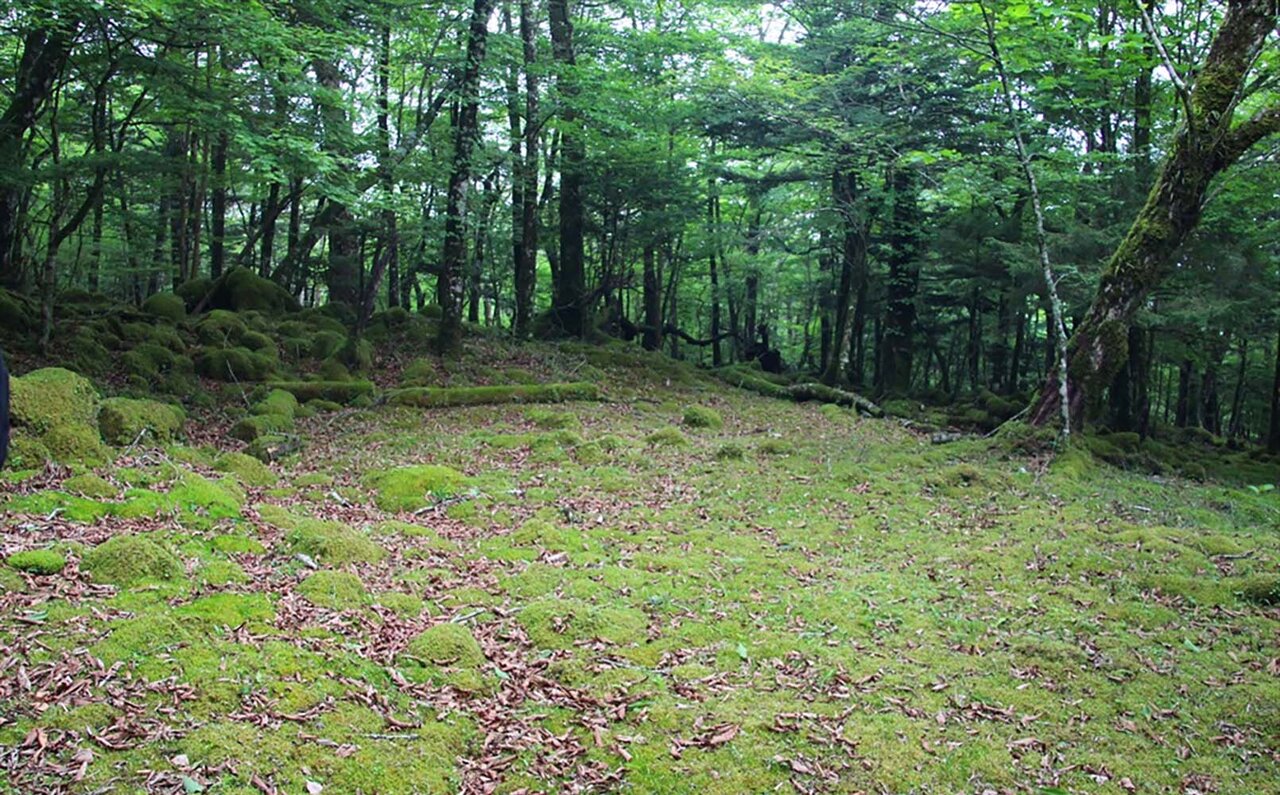
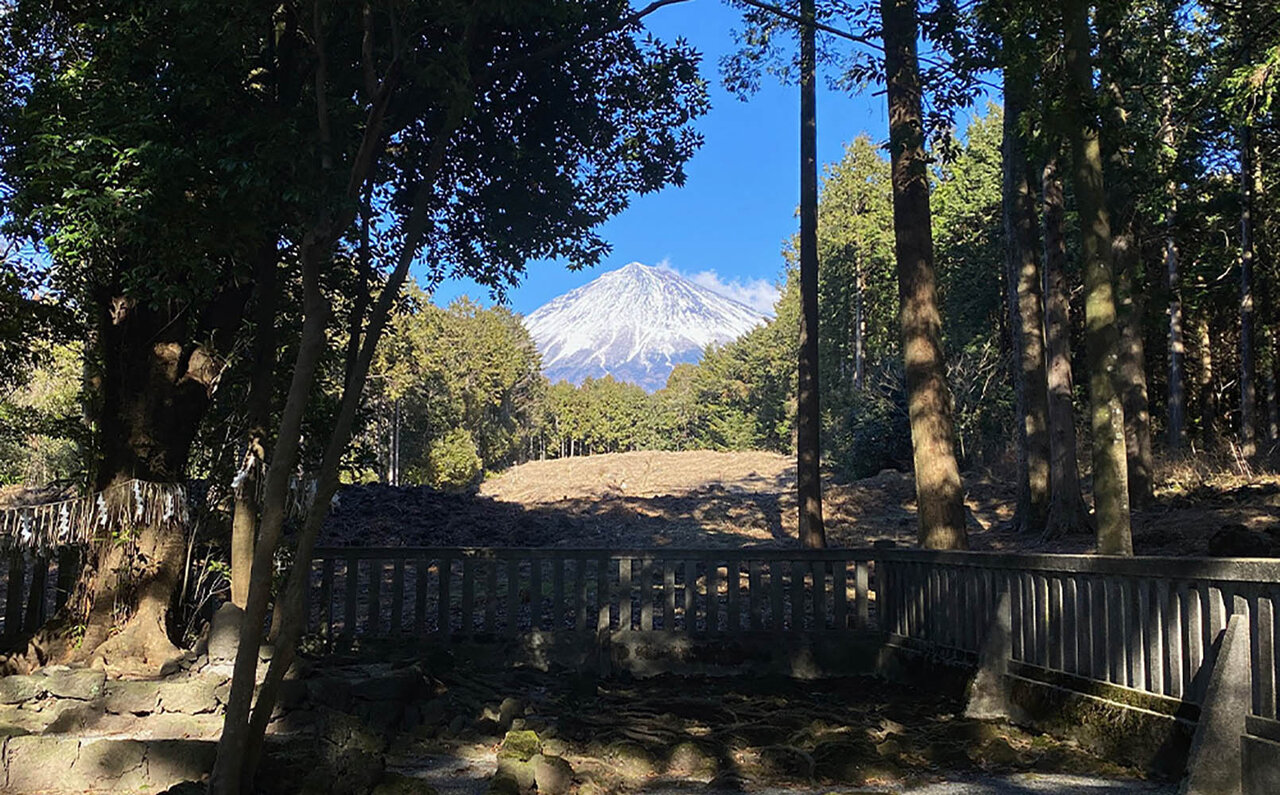
The remains of Chūgu Hachiman-dō, located at an altitude of 1,260 meters, and the nearby site of the women's sanctuary (Onna-dō) indicate that buildings once stood here, having been artificially leveled. Chūgu Hachiman-dō, also known as Chūgu Umagaeshi, was a point accessible by horse. Beyond Chūgu Hachiman-dō lay the Tsurugi-ōji, the northernmost point where female pilgrims could reach. It is speculated that from this point, women would gaze directly at the summit of Mt. Fuji.
But did men always have access to Mt. Fuji from ancient times? Not necessarily. Mt. Fuji was an exceedingly harsh mountain for humans to climb due to its highly active volcanic nature.
There were two major eruptions within a century: the Enryaku eruption in 800 AD and the Jōgan eruption in 864-866 AD. Records from the Jōgan eruption indicate that vast lava flows divided a lake. Consequently, climbing Mt. Fuji for worship was limited to a select group of ascetics, and the primary form of worship was remote reverence (yōhai) from afar.
The Yamamiya Sengen Shrine in Fujinomiya City retains a remote worship site used during that era. While its exact founding date is unknown, excavation has unearthed pottery dating back to the 12th century. Japan's tallest mountain has been an object of both worship and awe since ancient times.
Mt. Fuji's Unique Ecosystem and the Separation of Kami and Buddha at the Sasa-gori Site
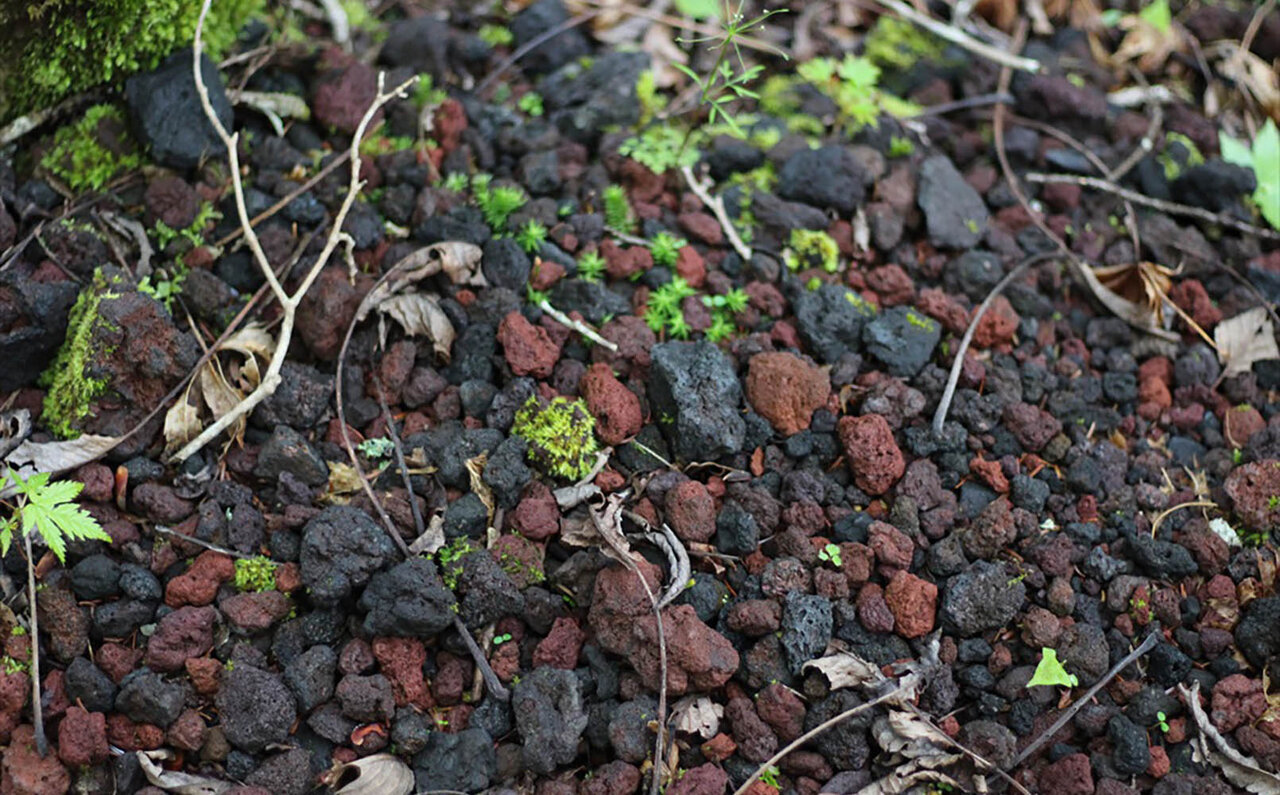
While temporary streams form during rainfall, Mt. Fuji fundamentally lacks rivers. This is because the surface is covered with scoria, a volcanic ejecta resembling pumice. Its excellent drainage means that rainwater passes through the scoria layer without accumulating.
The Hoei eruption in 1707, famous for its volcanic ash reaching Edo (present-day Tokyo), also ejected large quantities of this scoria.
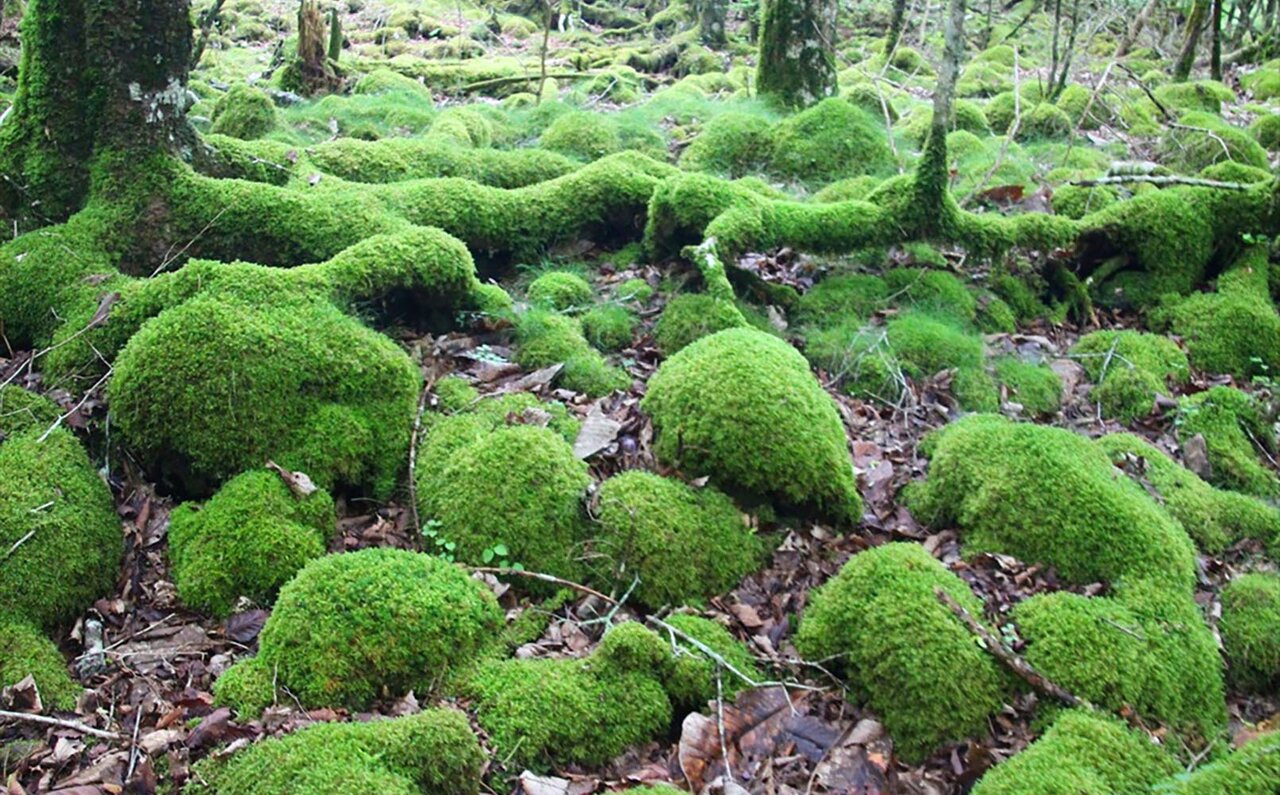
The plants around Mt. Fuji are sustained by moisture provided by the mosses that grow abundantly in the area. The mosses retain and supply water, forming Mt. Fuji's unique ecosystem.
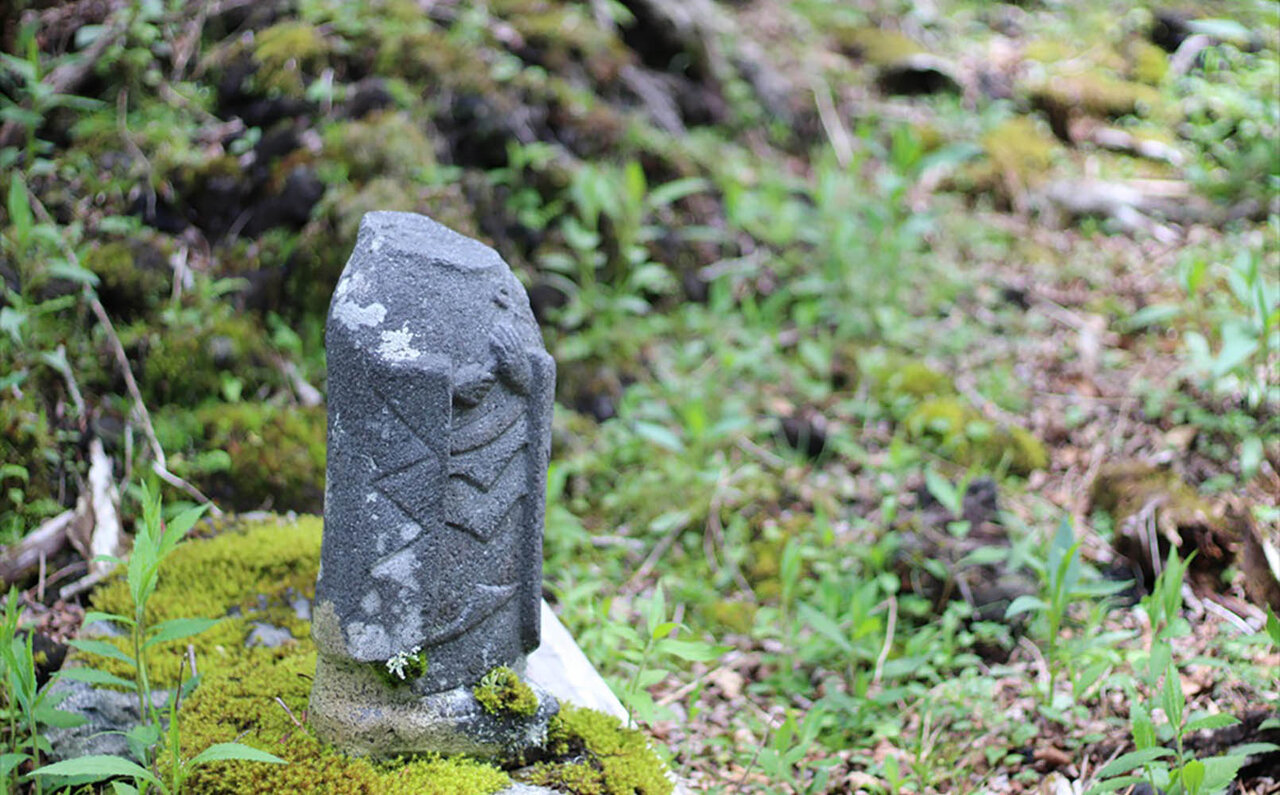
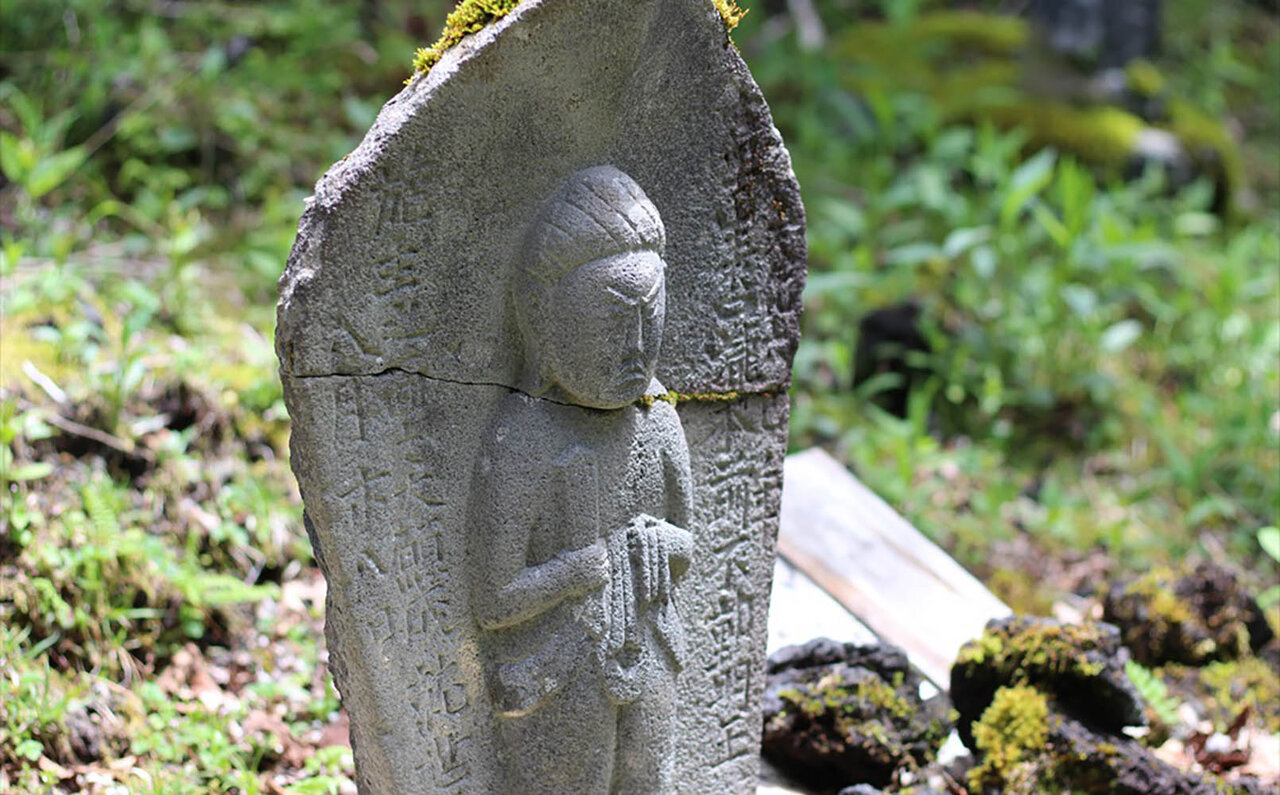
Mt. Fuji was worshipped through the syncretism of Shinto and Buddhism. However, this form of worship underwent significant changes in the Meiji era. The anti-Buddhism movement also affected the Buddhist statues enshrined on Mt. Fuji. As mentioned earlier, Mt. Fuji has no rivers, so ascetics performed purification rituals using bamboo leaves instead of water. Traces of the anti-Buddhism movement can be found on the Buddhist statues at the bamboo leaf purification sites.
Buddhist statues, such as the Fudo Myoo statue, a Buddhist object of worship, have had their heads severed. This site is located at an altitude of 1,860 meters on the climbing route from Murayama towards the summit of Mt. Fuji. The anti-Buddhism movement, which arose after the Meiji government's decree separating Shinto and Buddhism, was carried out thoroughly, even in places difficult for humans to access.
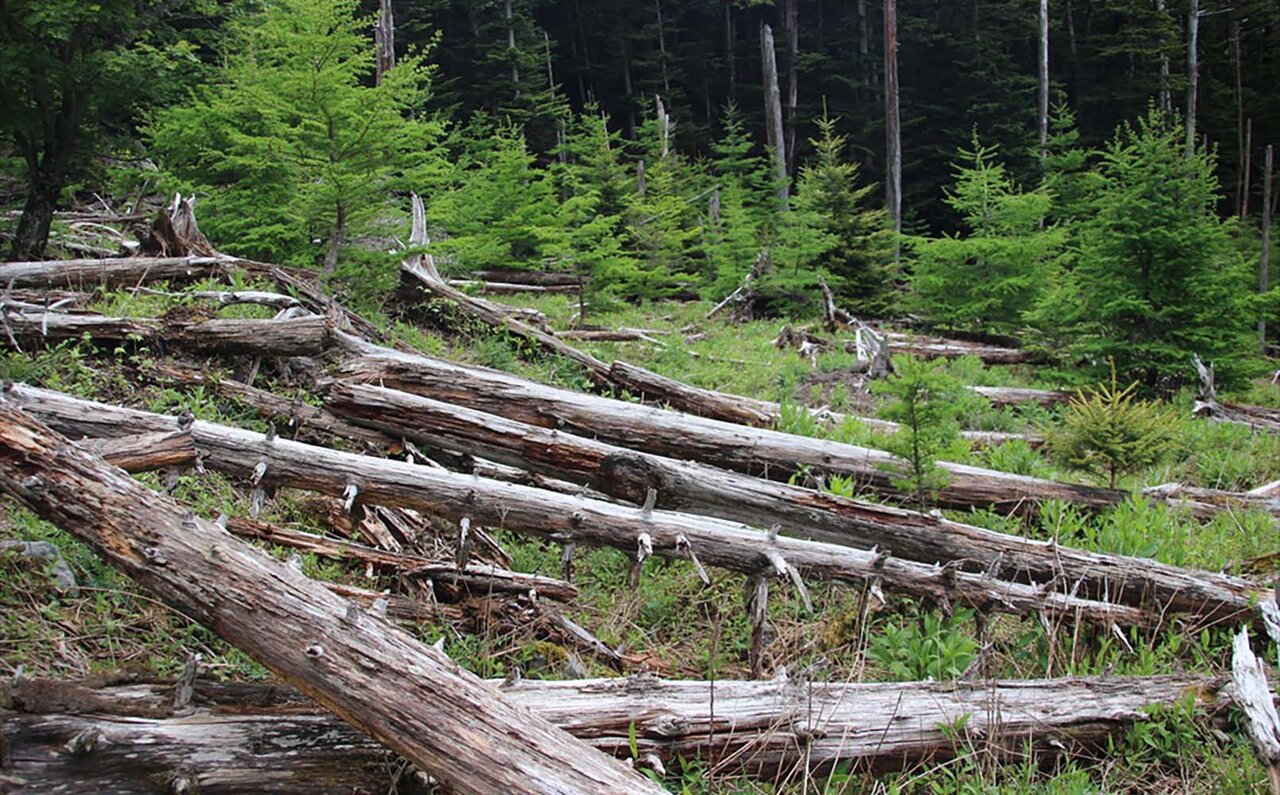
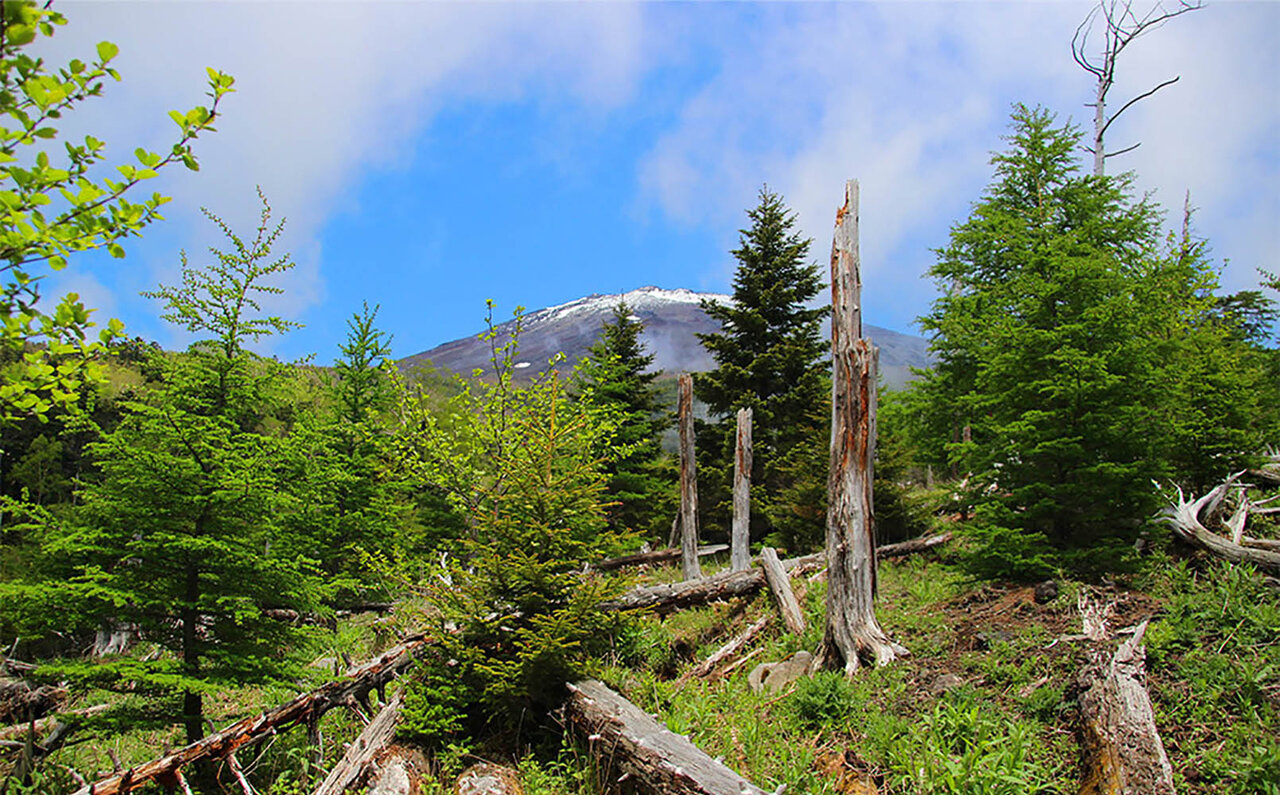
Due to this anti-Buddhism movement, the number of people climbing Mt. Fuji via Murayama decreased. It has now become a little-known climbing route. At an altitude of 1,870 meters, there is a spot that offers a panoramic view of Mt. Fuji. This area, known as the fallen tree zone, was devastated by Typhoon No. 17 in 1996, which felled many trees.
This fallen tree zone, resembling the human world where life and death intertwine, offers a view through the trees of Mt. Fuji's rocky slopes beyond the fifth station, above the treeline where tall trees cannot grow. It is as if one is gazing upon the realm of gods and Buddhas.
The Murayamamichi, which we explored today for its history of Mt. Fuji worship, is located below the fifth station trailhead. Since most general climbers aim for the summit from the fifth station, the route to Murayamamichi is often bypassed. However, from the perspective of faith, one of the reasons Mt. Fuji was registered as a World Heritage site, the Murayamamichi offers many valuable insights.
The history of Mt. Fuji worship has been greatly shaped by the government and ideologies of the time. Today, Mt. Fuji stands as it always has, distant from the turmoil of the human world, an absolute presence.
Provided by: Fujinomiya City Mt. Fuji World Heritage Division