Exploring Istanbul and Cappadocia: Uncovering the Reasons Behind Turkish Cuisine's Status as One of the World's Top Three | TRAVEL
LOUNGE / TRAVEL
June 26, 2023

Exploring Istanbul and Cappadocia: Uncovering the Reasons Behind Turkish Cuisine's Status as One of the World's Top Three | TRAVEL

Food Report from Turkey's Two Major Destinations: From Michelin-Starred Restaurants to Street Food (Part 2)

Istanbul's Michelin-Featured Fine Dining Scene is Hot!
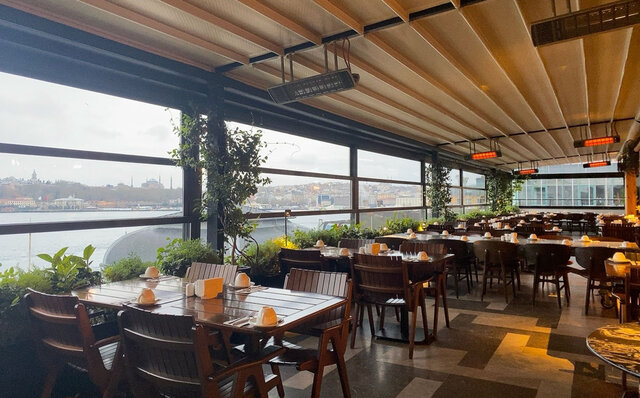
In October 2022, the first "Michelin Guide Istanbul" was published, featuring 53 restaurants. During my stay at the Novotel Istanbul Bosphorus, I had the pleasure of dining at "Mürver," located on the hotel's top floor. Chef Mevlüt Özkaya from Mürver received the Michelin Young Chef Award and Service Award.
In the evening, you can enjoy dishes prepared using a unique cooking style over a wood fire. Combined with the excellent location overlooking the Bosphorus, the restaurant was bustling with locals (presumably) dressed up for the occasion. It seems like a perfect spot for a date.
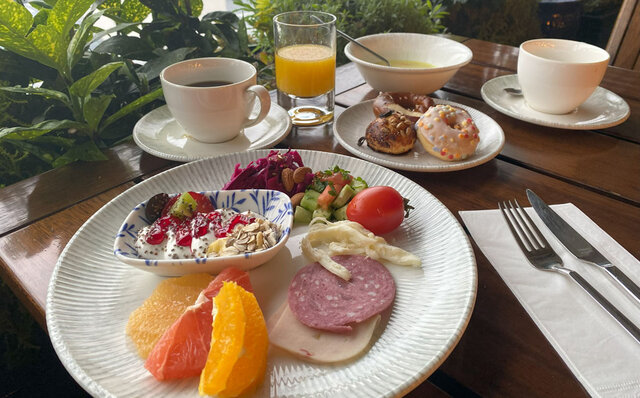
The variety of breakfast options is delightful. Although my appetite has decreased with age, I tried my best, but it was impossible to try everything in just two days (two meals)...
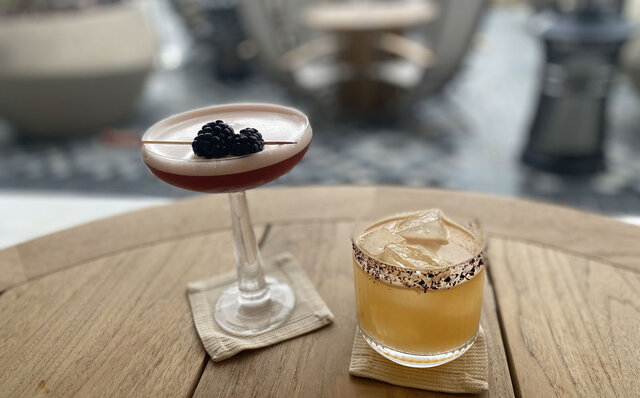
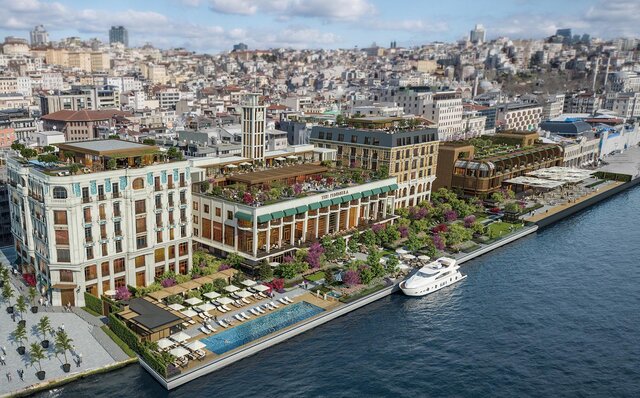
In February 2023, "The Peninsula Istanbul" opened its doors. When I visited, it was still in its soft opening phase, but as a fan of luxury hotels, I went for an aperitif before dinner. In celebration of Istanbul's opening, The Peninsula Hotels worldwide are running an "All Things Turkish" promotion. The Peninsula Tokyo is also offering Turkish-inspired cuisine at its first-floor "The Lobby" until June 30th (Friday). It's said to be supervised by the Turkish Embassy. I'm very curious!
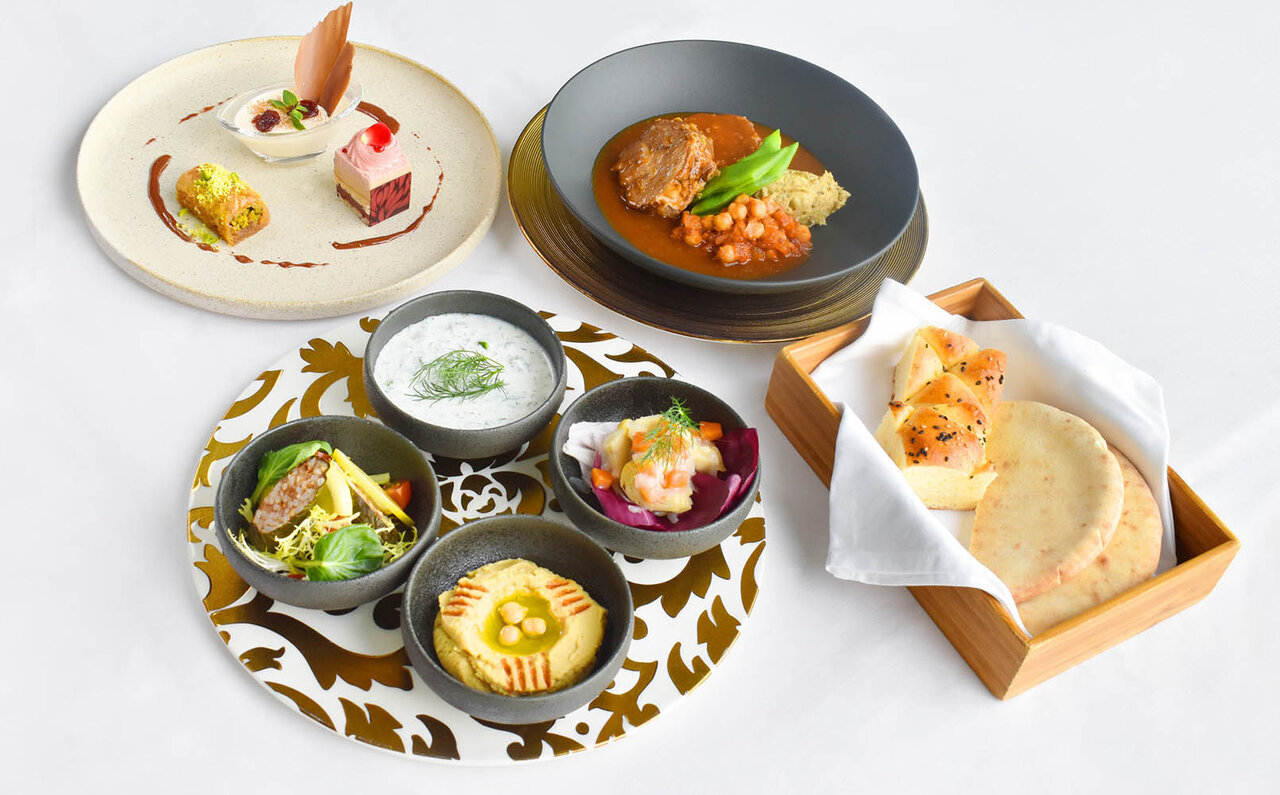
A selection of four appetizers, including "cacık" (a cold soup of yogurt and cucumber), chickpea dip, and olive oil-braised artichokes. The main course is lamb stew with eggplant purée, named "Sultan's Favorite" after the Ottoman rulers' preferred dish, followed by three types of Turkish desserts. Priced at 7400 yen (including tax and service charge).

Delicious Eats in the Land of Fairy Chimneys: Cappadocia
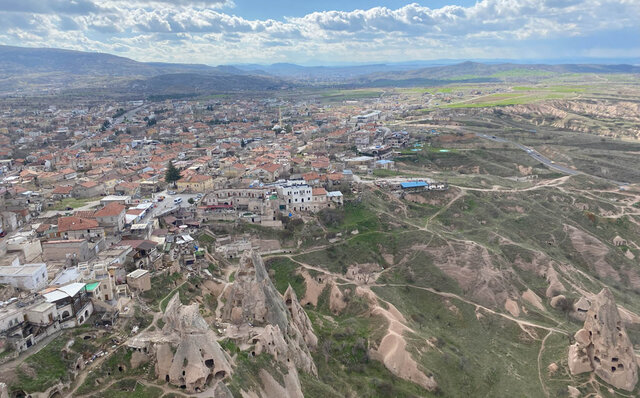
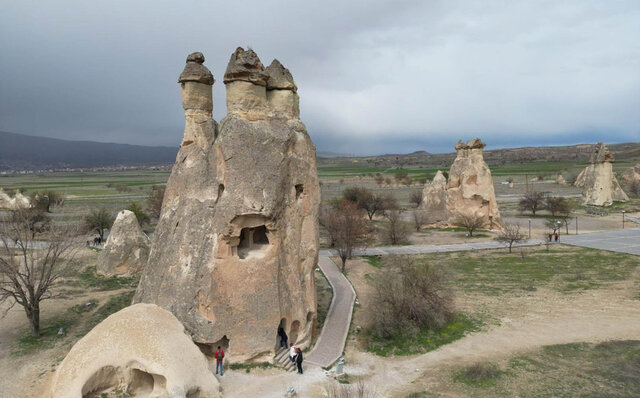
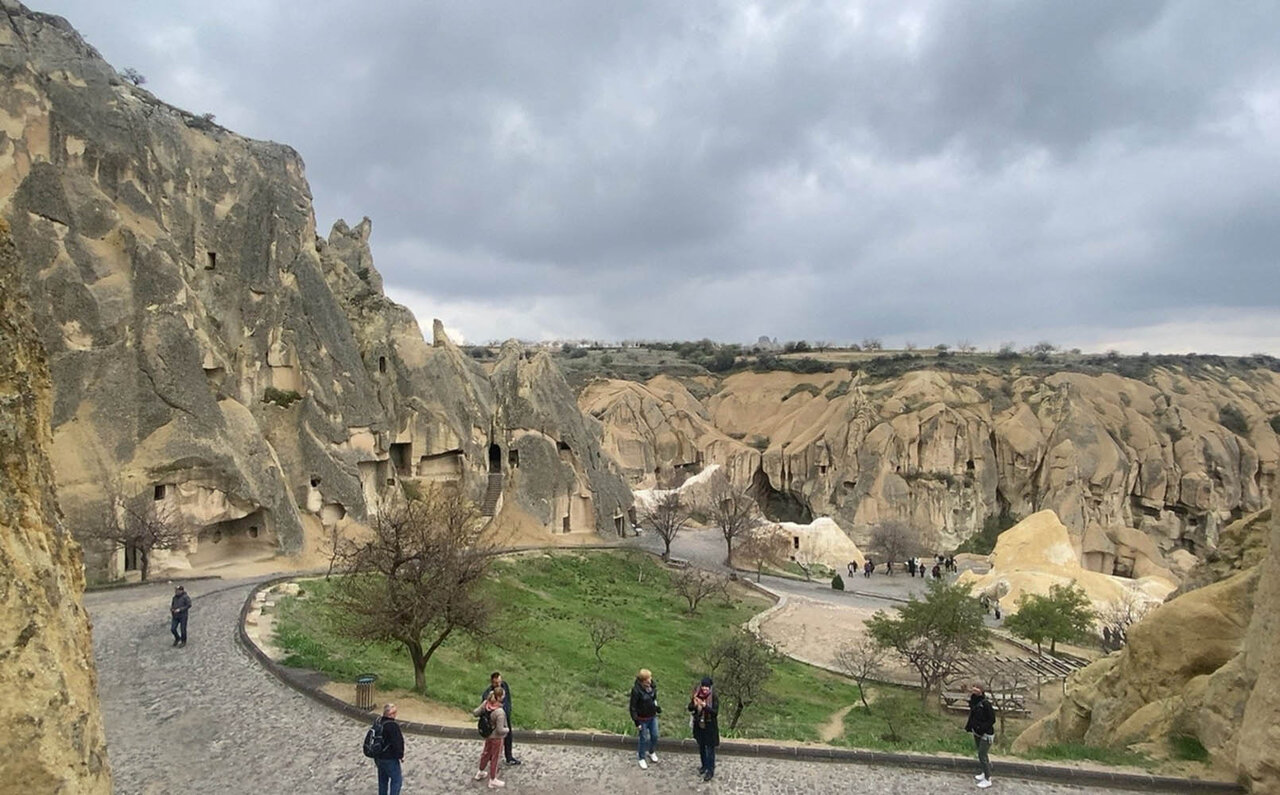
Cappadocia, a city in central Turkey located about a 90-minute flight from Istanbul, boasts unique rock formations. These extraordinary geological structures were created by the interaction of volcanic ash and lava deposits from volcanic activity millions of years ago, combined with erosion from wind and rain.
Recognized for its unparalleled landscape and historical significance, it was registered as a UNESCO World Heritage site in 1984 as "Göreme National Park and the Rock Sites of Cappadocia," a mixed natural and cultural heritage. While there are many other attractions, including pottery workshops in Avanos, carpet factories in Ürgüp, and wineries, this report will focus on the culinary aspects of Cappadocia.
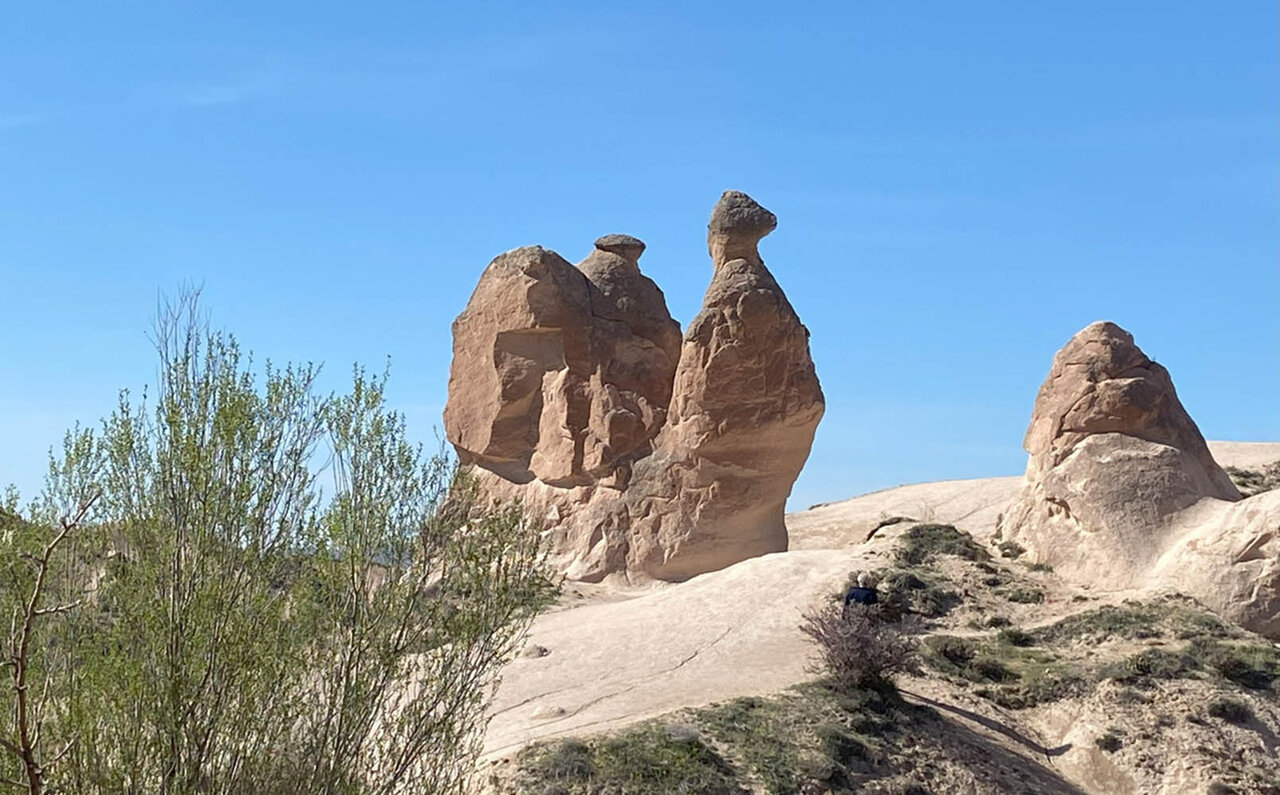
Among the "Valleys of Imagination," where various shaped fairy chimneys stand, I picked out the most recognizable rock. Can you guess what it is? Yes, it's a camel rock. Or perhaps not?
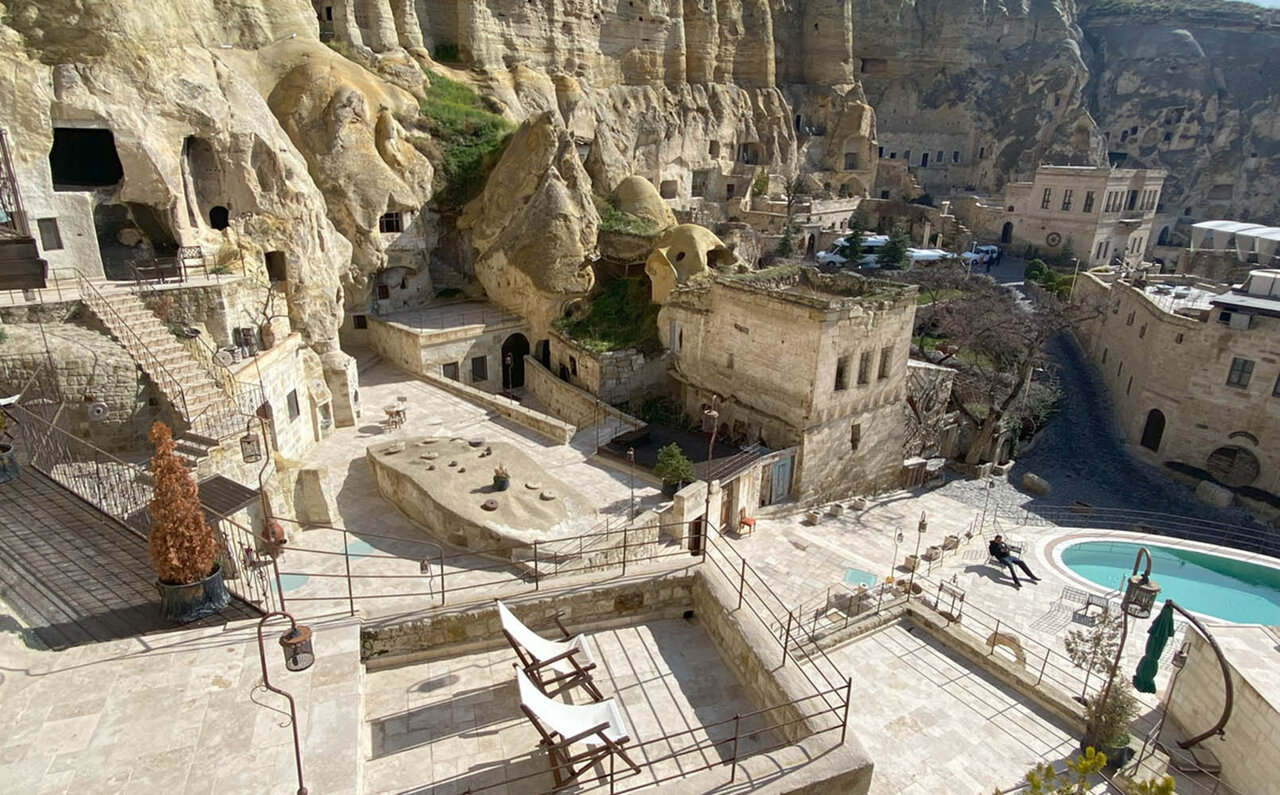
From the terrace of my accommodation. During the Roman era, Christians fleeing persecution in Cappadocia carved out dwellings and churches within the rocks, living underground. Today, these historic cave dwellings are open to tourists, and many cave-converted accommodations are available.
The cave hotel I stayed at this time was "Yunakh Evleri Cappadocia," located in the heart of the town. It boasts an impressive 120 cave rooms. Oki-san mentioned, "There are more rooms than when I last visited!" Many people want to stay in a cave hotel when they come to Cappadocia (which is understandable), and I saw several cave hotels under construction while sightseeing. I wondered if carving into the rock was difficult, but I learned that the rock in Cappadocia is soft tuff, making it easy to work with.
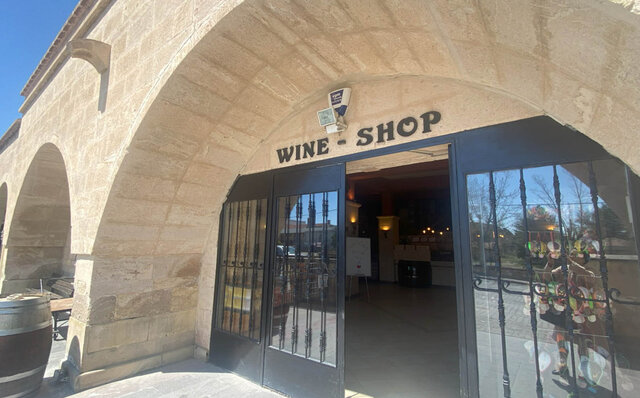
The reason I mentioned the hotel is that a shop belonging to "TURASAN," one of Cappadocia's leading wineries, is located just a five-minute walk away. As you may know, Turkey is an Islamic country, but compared to other Islamic nations, the regulations regarding alcohol are more relaxed.
In fact, Turkey has the second-oldest winemaking history in the world (Georgia being the oldest), with winemaking dating back 6,000 years. Cappadocia, with its long summer daylight hours, is particularly well-suited for grape cultivation, allowing for high-quality wines to be obtained at reasonable prices.
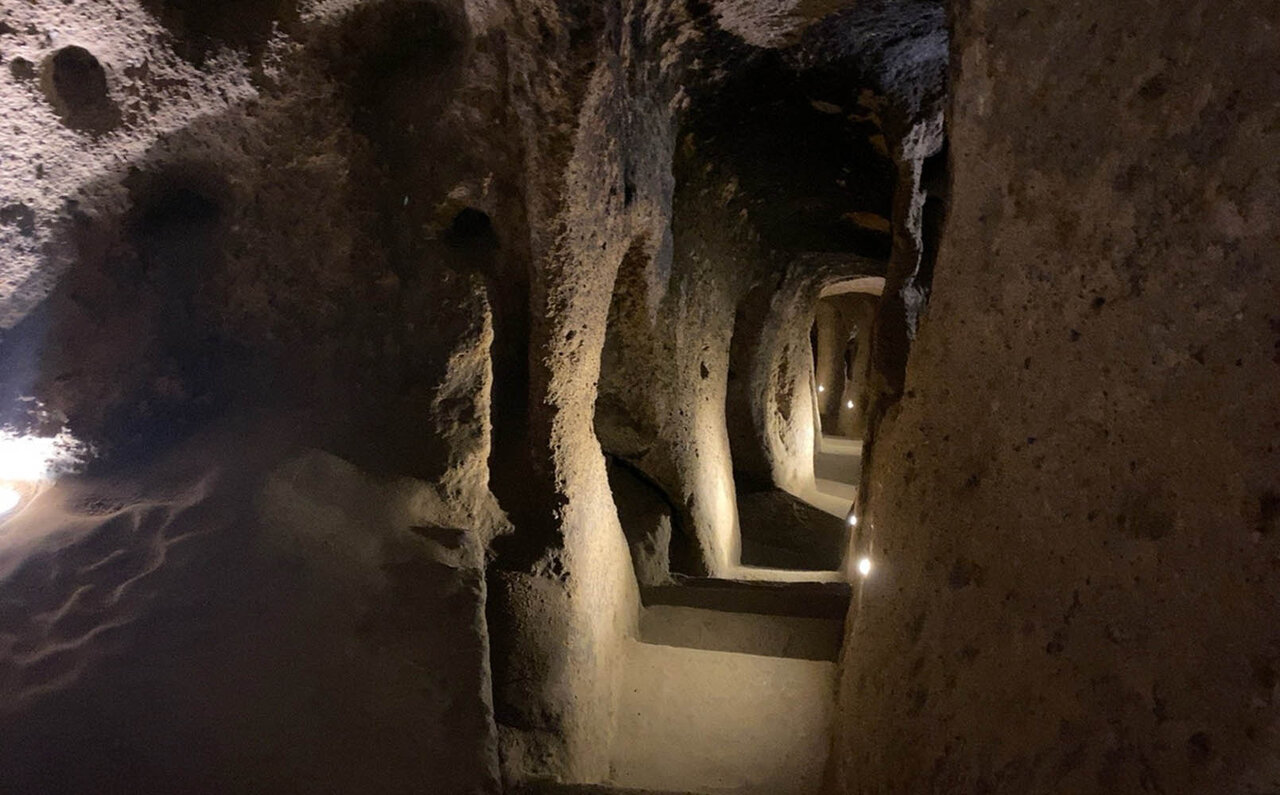
The Kaymaklı Underground City, which extends seven levels underground (only the first four are open to the public). It's a maze-like complex. Winemaking also took place here. There are churches, kitchens, and even rooms for livestock.
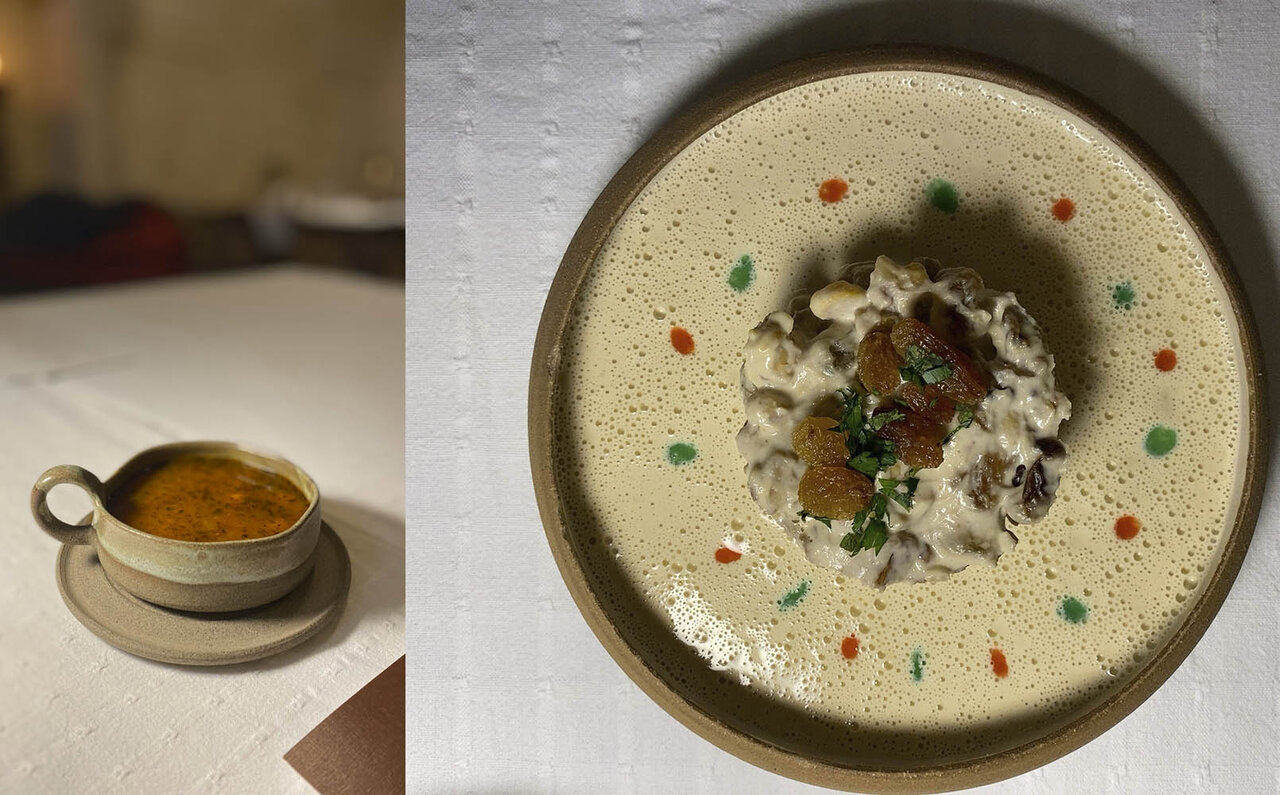
Left: A soup made with red lentils, commonly eaten in Cappadocian households. Right: Many people in Cappadocia have historically abstained from animal products, leading to a variety of vegan dishes. This is a cold appetizer (Revithia) made with chickpeas and raisins.
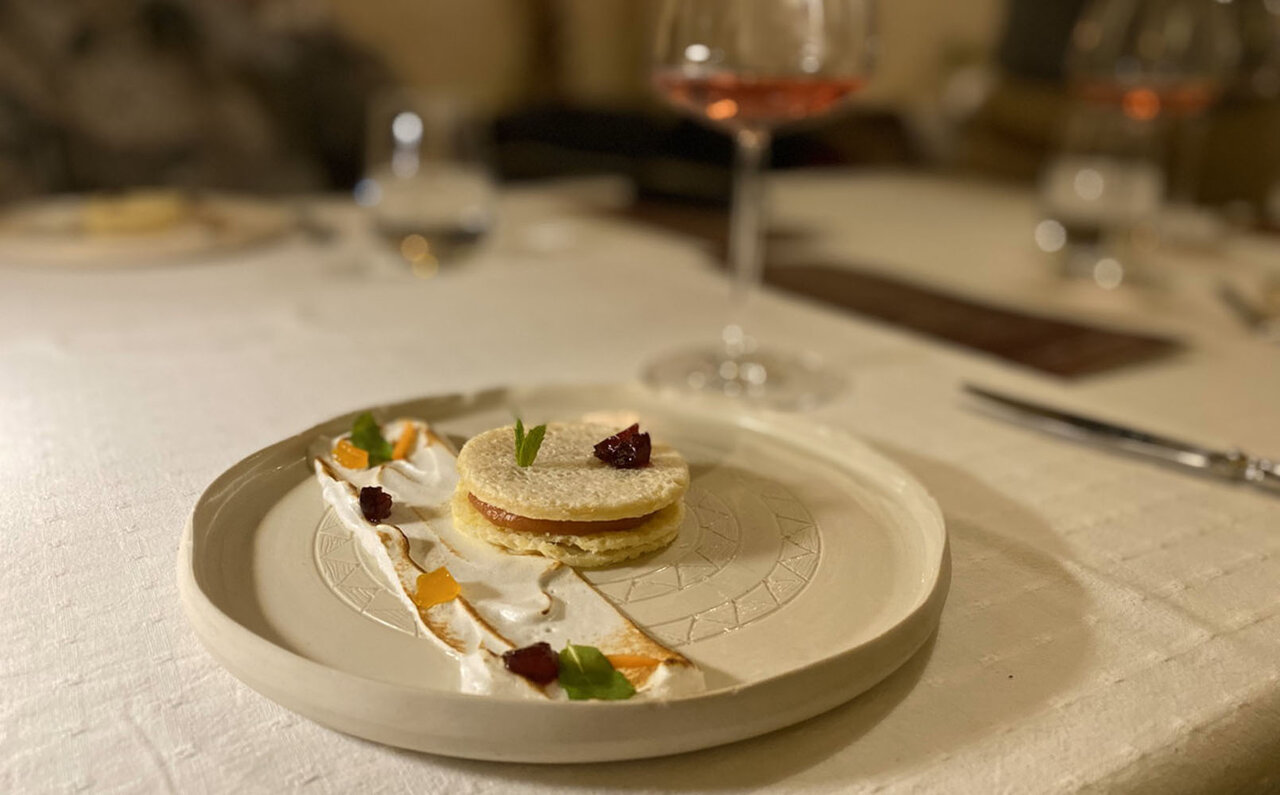
A dessert made using the skin that forms when fresh milk is boiled. It has a gentle, nostalgic flavor (Revithia).
In Cappadocia, I savored home-style Turkish cuisine at several cozy restaurants. Among them, "Revithia" left a particularly strong impression. This fine dining establishment, located within a hotel on a hilltop, is said to be a strong contender for a Michelin star should the guide ever cover Cappadocia.
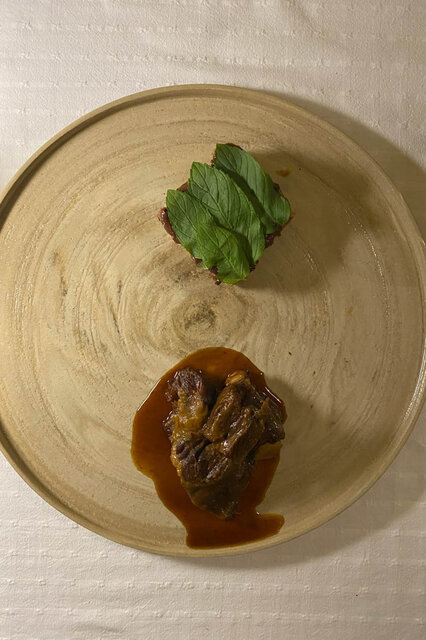
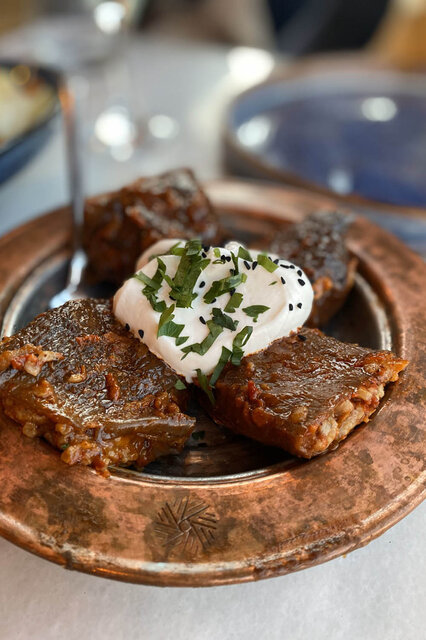
You can enjoy innovative dishes that creatively reinterpret classic Cappadocian recipes using local ingredients. From a bean soup that can be eaten without a spoon to the braised beef spinal cord, every dish was refined and possessed a gentle flavor.
A hot air balloon ride is an activity that one must experience when visiting Cappadocia. At dawn, over 100 colorful balloons ascend above the fairy chimneys. Balloon flights require permission based on "Cappadocia University's meteorological assessment," and whether they will operate is uncertain until shortly before departure.
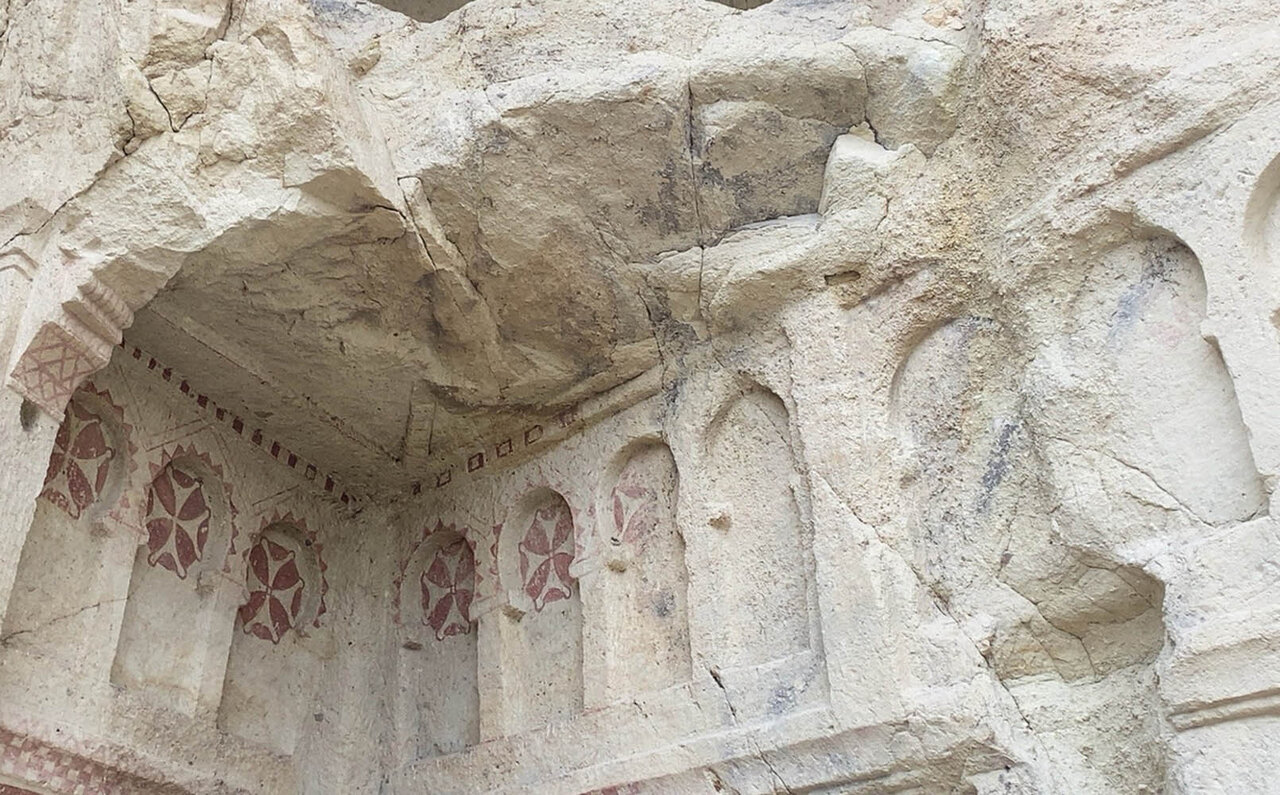
During the ancient Roman period, Christianity was considered a heresy, and persecuted Christians fled to Cappadocia, carving out churches and dwellings within the rocks to continue their faith. Although photography is not permitted, some Byzantine-era frescoes remain within the caves.
The "Göreme National Park and the Rock Sites of Cappadocia," registered as a UNESCO World Heritage site in 1985. Approximately 30 rock-cut churches, built between the 4th and 11th centuries, remain and are preserved and exhibited as the "Göreme Open-Air Museum."

So, What Exactly Are the Characteristics of Turkish Cuisine?
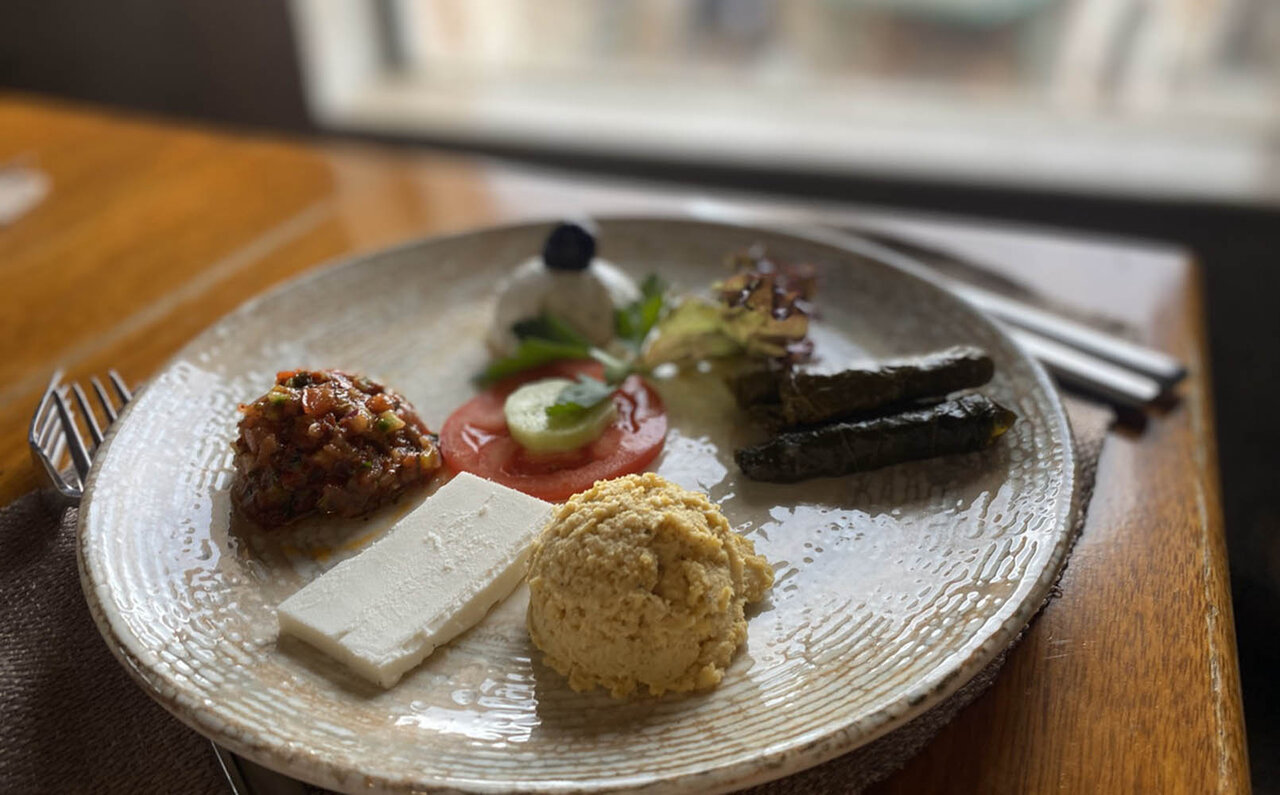
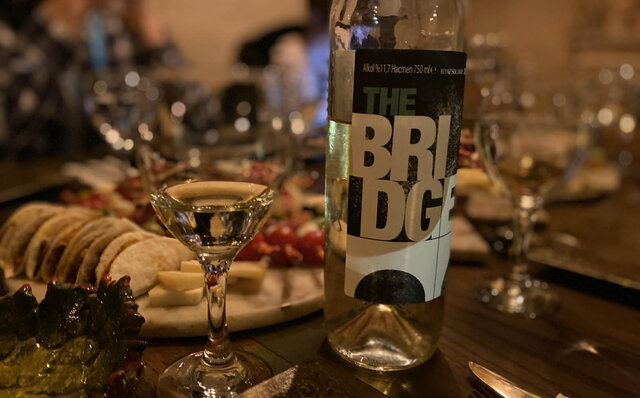
An appetizer platter of various pastes. This, along with bread and a good white wine, is quite satisfying!
Let me summarize the characteristics of Turkish cuisine once again.
During my few days here, I ate my way through Turkish cuisine, from street food to local restaurants and even some upscale establishments. The most prominent characteristic I felt was the "acidity." The breakfast buffet offered multiple types of yogurt.
The salty yogurt drink, "ayran," is surprisingly palatable. And, it seems the Turkish people use yogurt on everything, much like Japanese people use soy sauce! It's great for adding a refreshing twist to dishes.
Furthermore, Turkish cuisine frequently uses acidic ingredients such as lemon, tomato, and onion.
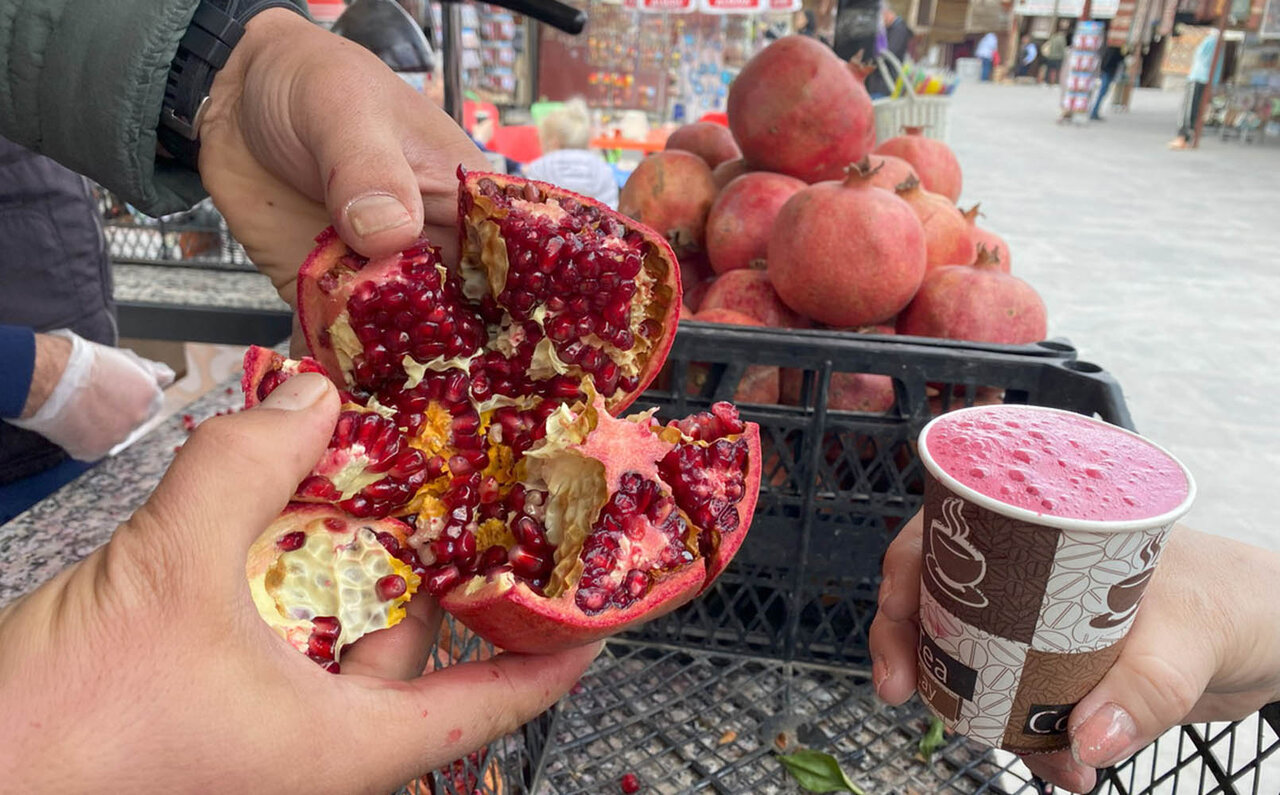
Freshly squeezed pomegranate juice.
I tried pomegranate juice several times, and the price and taste varied by shop (laughs). As of April 2023, prices ranged from 150 to 400 yen.
In Turkey, pomegranates symbolize new beginnings, and there's a tradition of serving pomegranate juice to guests at weddings. This shows how integral and important this fruit is.
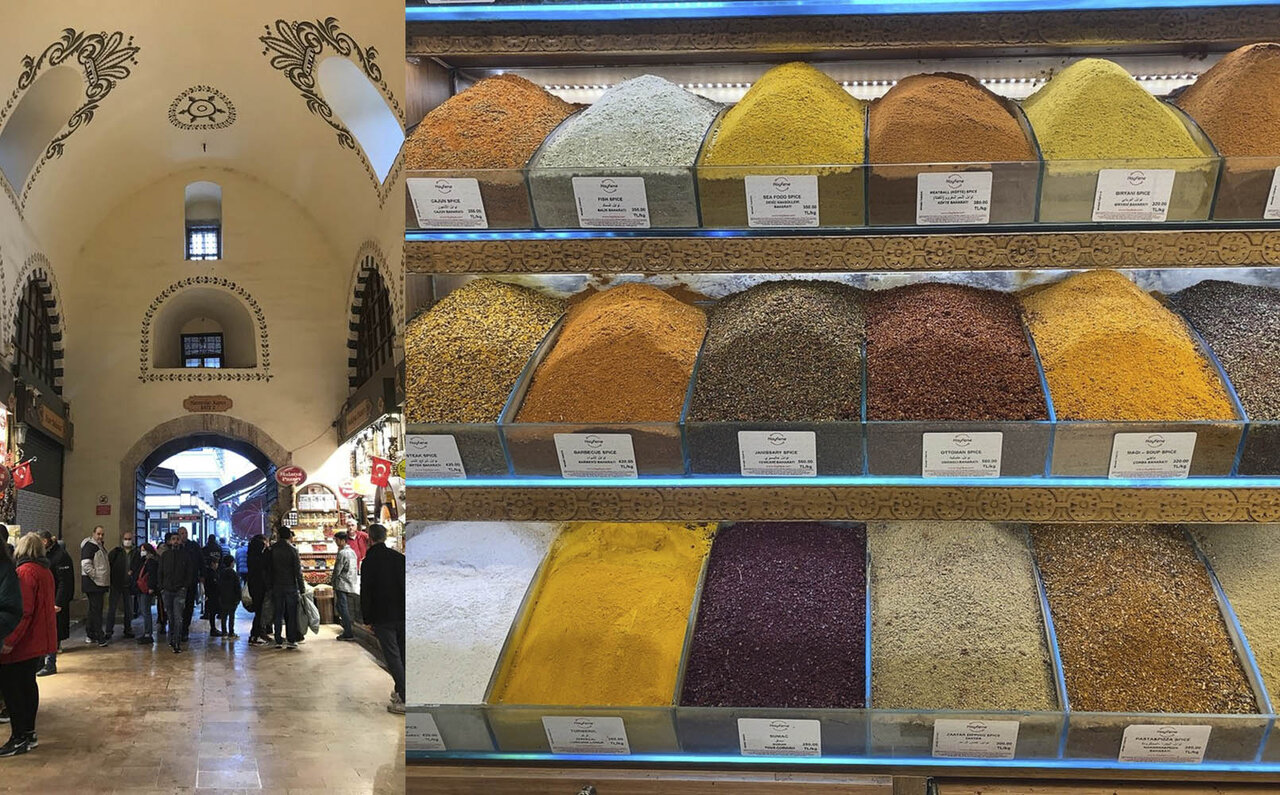
And then there are the spices. Turkish cuisine uses spices judiciously to enhance the natural flavors of meat and fish. It makes sense, considering that Istanbul's Egyptian Bazaar (Spice Market) was formed in 1660 during the Ottoman Empire as a hub for spices brought from Southeast Asia, India, and Egypt.
The history is different (laughs).
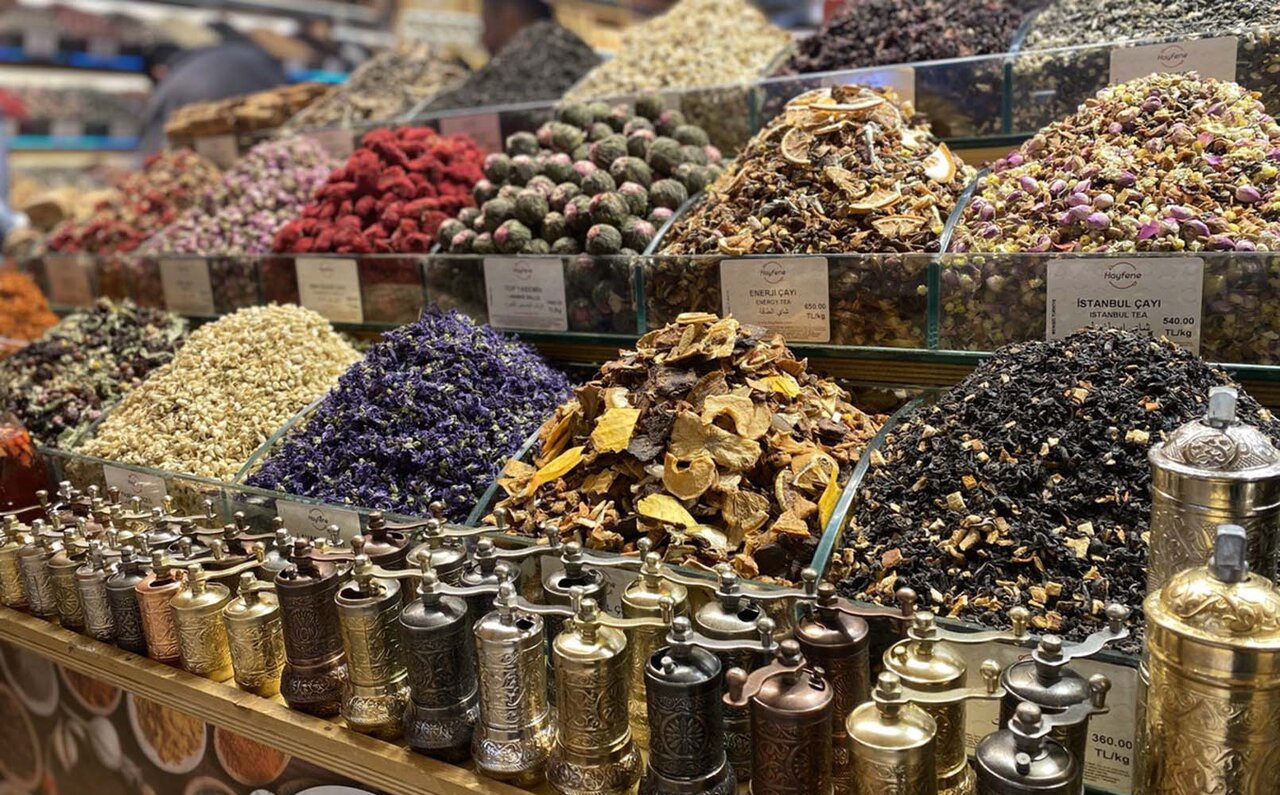
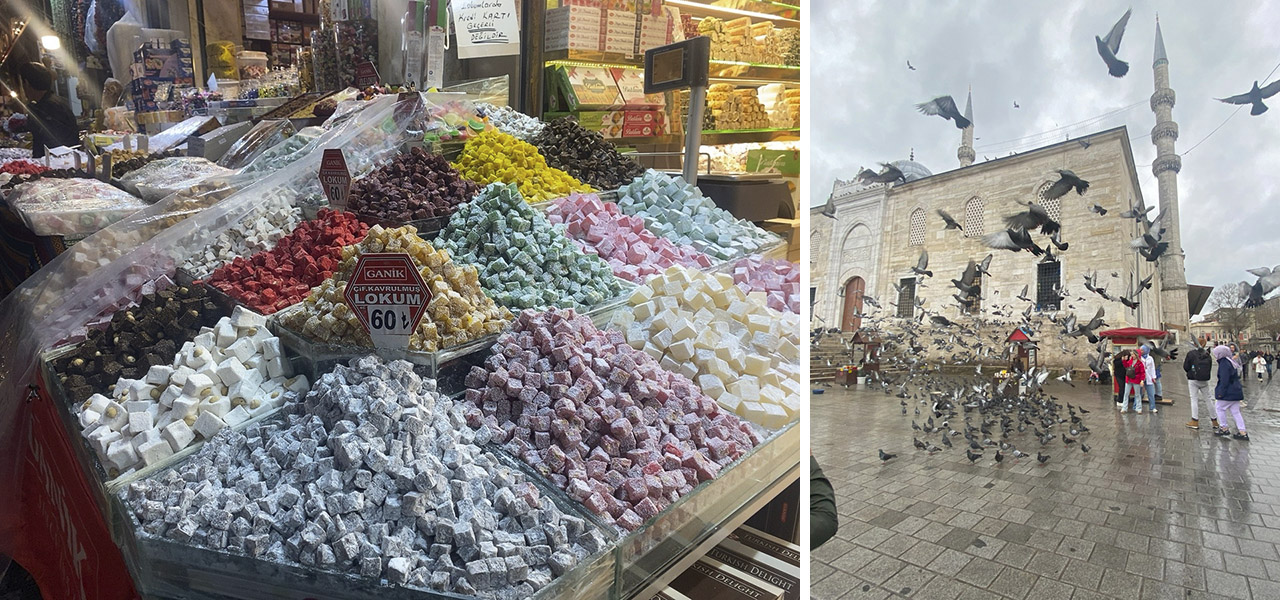
The Egyptian Bazaar is a paradise for spice lovers. Established in 1660 as a center of Ottoman trade, it offers not only spices but also dried fruits, teas, and jewelry.
They also sold a lot of tea leaves!
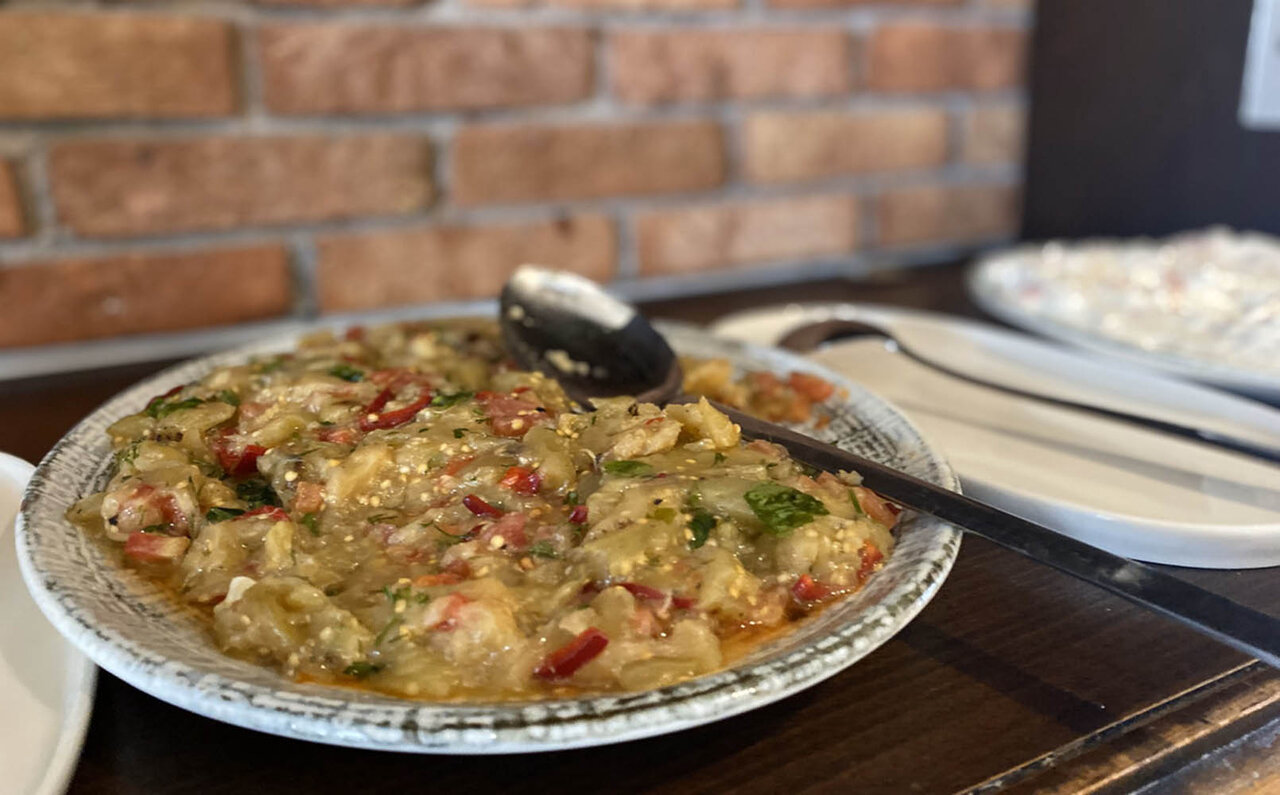
From "baba ghanoush," a paste made from roasted eggplant, tahini, and olive oil, to numerous other eggplant dishes, Turkey offers a wide variety. Rumor has it there are over 200 variations of eggplant dishes alone. As an eggplant lover, I'd love to try them all!
Including "hummus" (chickpea paste), which has become familiar in Japan, there is a rich variety of pastes. They can be used as spreads for bread, as side dishes, or as accompaniments to wine.
And, as expected, the fact that the taste varies from shop to shop is also fascinating. While it might be a stretch to compare everything to Japanese equivalents, it's like the difference in flavor of "nikomi" (stewed dishes) at different izakayas. Or perhaps like kimchi in Korea? It's wonderful that a culture of diverse, non-standardized flavors is still preserved today.
The generous use of olive oil in various dishes is also characteristic of Turkish cuisine. And the variety of bread is abundant. In 2000, per capita annual bread consumption in Turkey was recognized by the Guinness World Records.
Among these, the ring-shaped "simit," generously coated with sesame seeds, is something Turks adore. It's an essential part of Turkish breakfast, commonly served in restaurants and sold at street stalls.
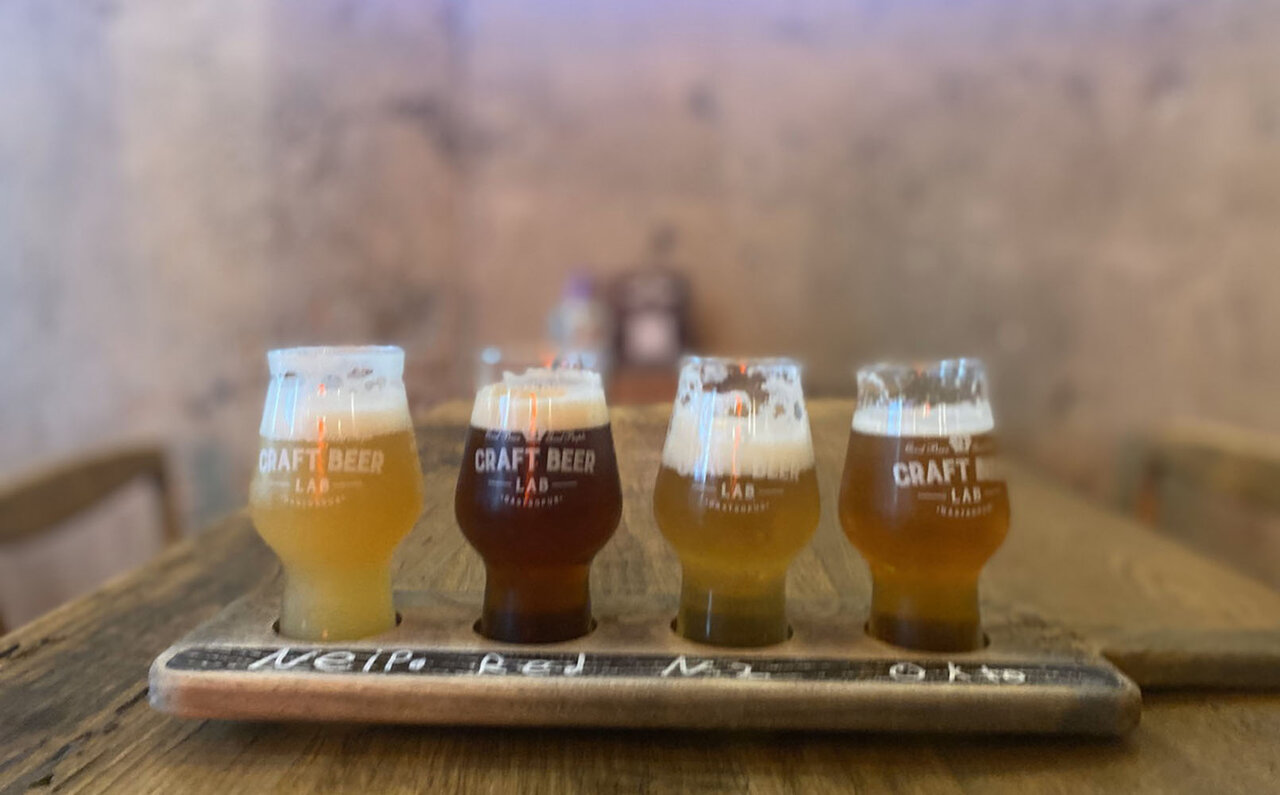
Craft beer is apparently trending in Istanbul right now~.
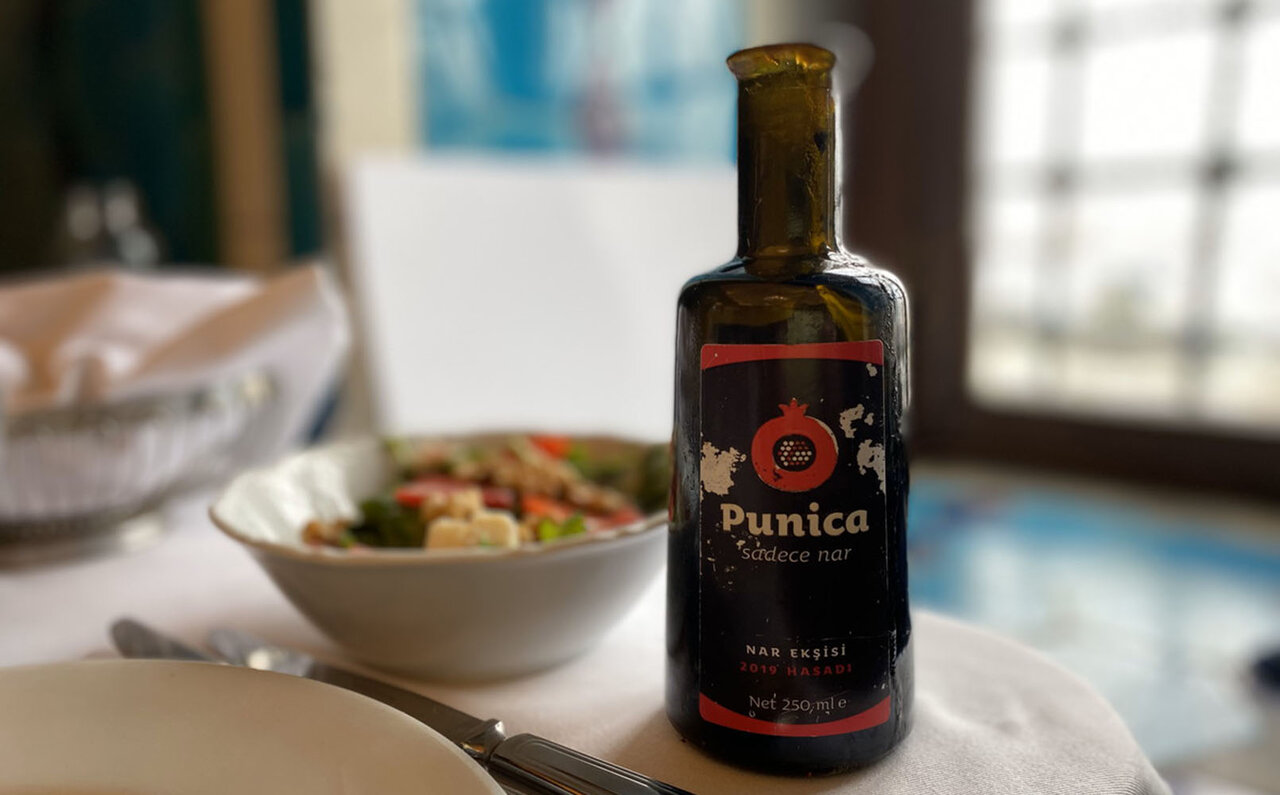
Pomegranate syrup is indispensable on the Turkish table. It's commonly used in salads mixed with olive oil. It's also used as a marinade for meat dishes. I enjoyed it mixed with sparkling water.
After staying for a few days, my impression is that while the variety of cooking methods is understandable, the sheer number of dishes is overwhelming. I was determined to try all the famous Turkish specialties, but it was impossible (laughs).
Just the yogurt, bread, and pastes alone – how many varieties are there? This is a culinary exploration worth pursuing. I've been completely captivated by the depth of Turkish culture, even just through its cuisine, and I'm already planning my next delicious "research" trip!

2 件
Photo Gallery