Exploring Istanbul and Cappadocia: Uncovering the Reasons Behind Turkish Cuisine's Status as One of the World's Top Three | TRAVEL
TRAVEL | A Culinary Journey Through Turkey
Food Report from Turkey's Two Major Destinations: From Michelin-Starred Restaurants to Street Food (Part 1)
When one speaks of the "world's top three cuisines," it refers to French, Chinese, and Turkish cuisine. While French and Chinese are understandable, many might wonder, "Why Turkish?" Indeed, frankly, I too had that question. Perhaps it's less about the quality of Turkish cuisine itself and more about my own lack of familiarity with it. Therefore, I, a novice to Turkish food, had the opportunity to visit Turkey for the first time and will explore the reasons why Turkish cuisine is considered one of the "world's top three cuisines"!
Text by HASEGAWA Aya
Turkey: A Crossroads of Eastern and Western Cultures
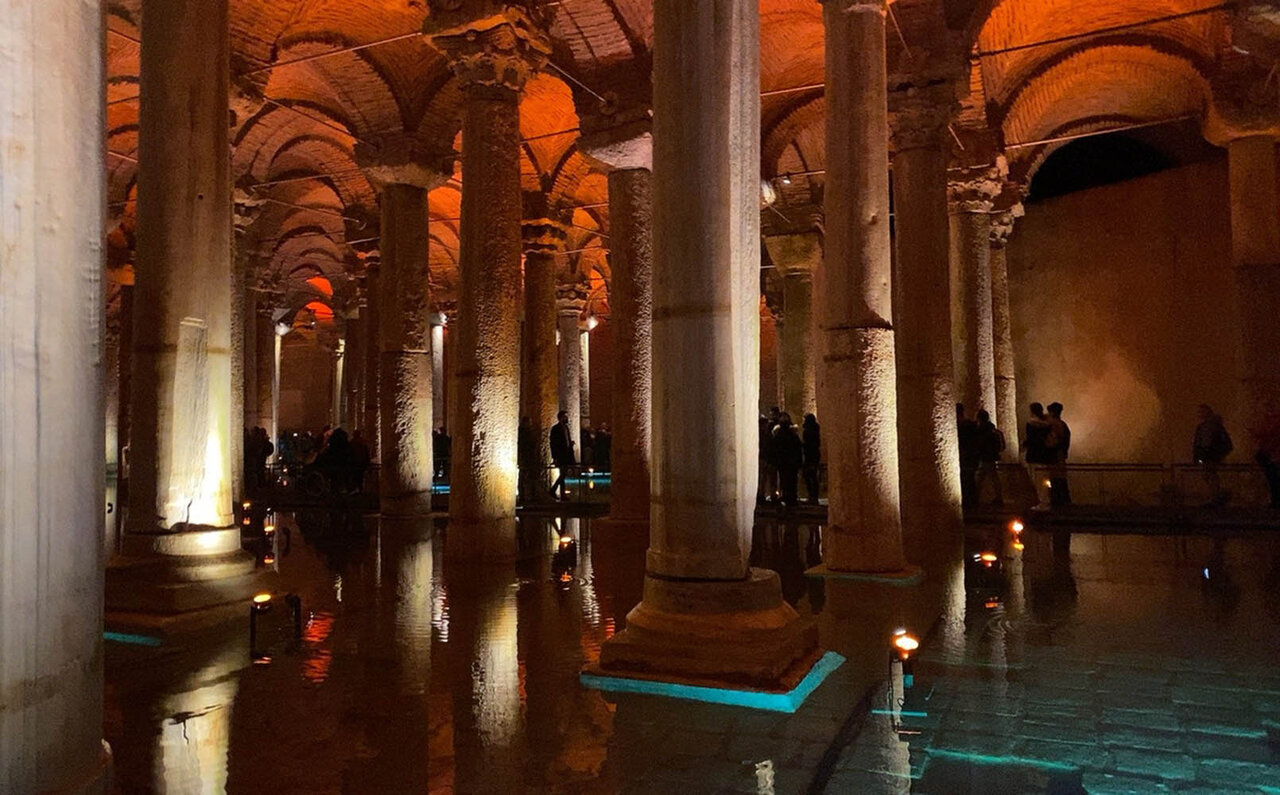
Beneath Istanbul's old city lies a vast cistern, constructed between the 4th and 6th centuries during the Eastern Roman Empire, which can be visited. Its interior is supported by 336 Corinthian columns, and the sight of them, illuminated by lights and eerily floating on the water's surface, is truly magical. It's said to have been a filming location for the movie "From Russia with Love."
What comes to mind when you think of Turkish cuisine? Perhaps kebab? Or maybe the traditional Turkish dessert, baklava?
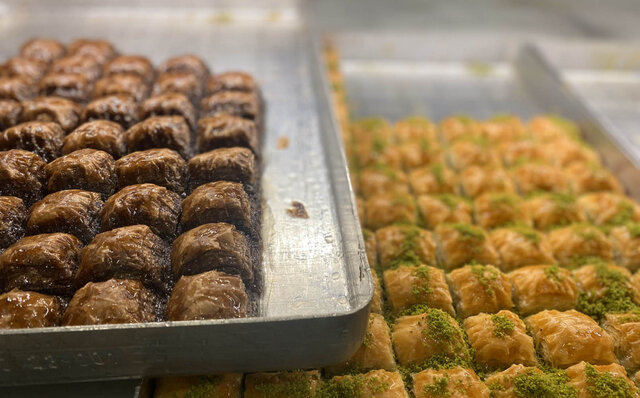
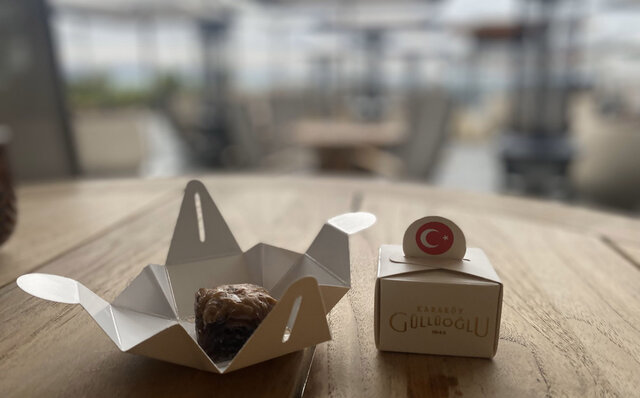
Baklava. With the opening of Nadir Güllü, a specialty baklava shop, at Matsuya Ginza in November 2022, interest in this dessert is growing in Japan.
Baklava is a pastry made by layering phyllo dough with nuts such as pistachios and walnuts, baking it with plenty of butter, and then soaking it in syrup. Yes, it is incredibly sweet. The thought of the calories is enough to make one shudder, but it's strangely addictive!
While the fillings vary, the classic is pistachio. Turkey has a famous pistachio-producing region called "Gaziantep." The taste of the phyllo dough and syrup also differs by shop, stimulating one's curiosity. I found myself eating it every day during my stay in Turkey (laughs).
For this trip to Turkey, the itinerary included two nights each in Istanbul and Cappadocia. Our entire journey was supported by Oki-san, a Turkish guide who speaks Japanese. Oki-san, whose wife is Japanese, speaks Japanese at a native level! He's also a connoisseur of food. We could really rely on him!
When I immediately asked Oki-san, "Why is Turkish cuisine considered one of the world's top three?" he replied without hesitation, "Turkey has formed a rich culture by blending diverse elements. Cuisine is no exception. Having a wide variety of cooking methods is a characteristic and strength of Turkish cuisine."
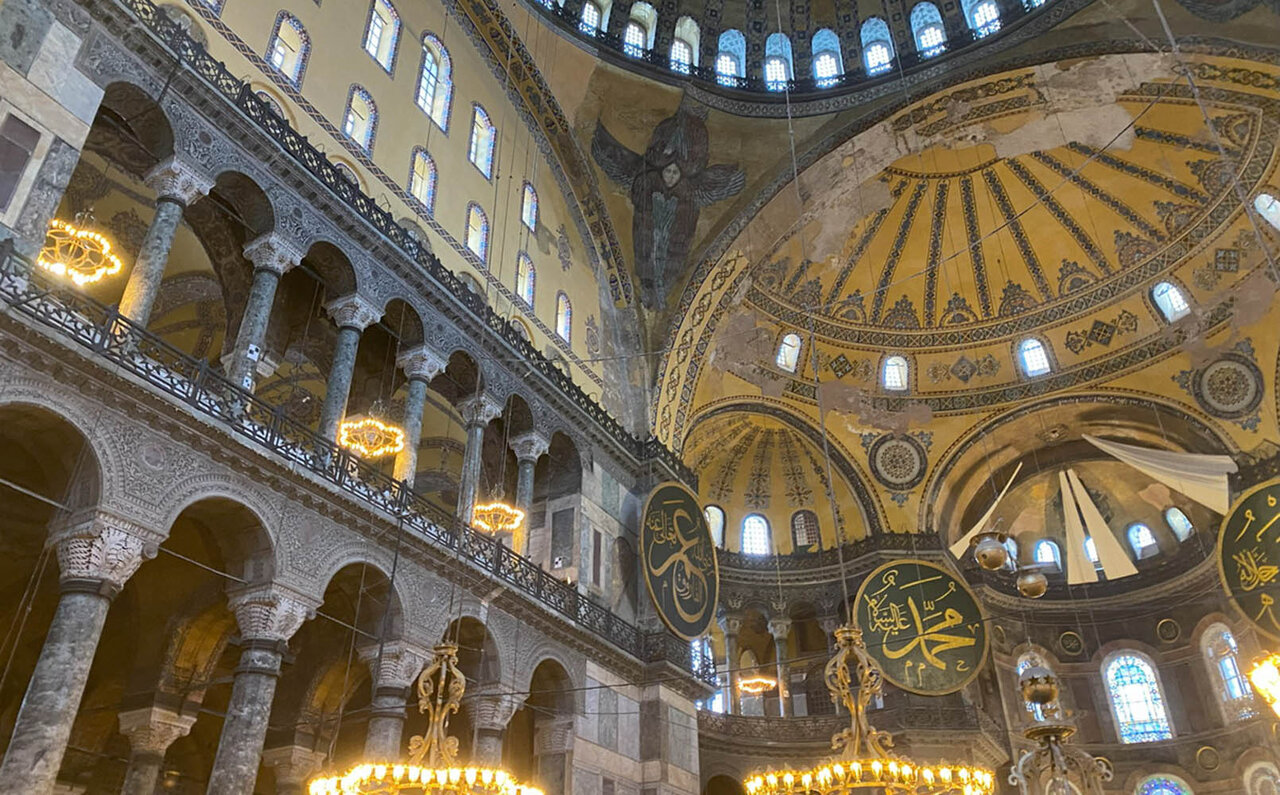
Hagia Sophia, built in the early 6th century, is a rare example of a mixed mosque and church in the world. It once served as the primary cathedral of the Greek Orthodox Church of the Byzantine Empire, but after Istanbul fell to the Islamic Ottoman dynasty in 1453, it began to be used as a mosque.
As expected, Turkey, located on the Mediterranean coast, has long been a place of cultural exchange between East and West. Istanbul, in particular, straddles Europe and Asia across the Bosphorus Strait. When our guide pointed out from the observation deck of the Galata Bridge in the city center, "That over there is the Asian continent~," I was truly taken aback (laughs).
The bounty of seasonal ingredients nurtured by such vast seas and lands is another charm of Turkey. It's no wonder that the country has a high self-sufficiency rate in agricultural products! Furthermore, Istanbul was once the capital of the Byzantine Empire (Eastern Roman Empire) and the Ottoman Empire. At its peak, the Ottoman Empire's territory extended across three continents (Asia, Africa, and Europe), leading to a unique food culture formed by the intermingling of cooking methods from various regions.
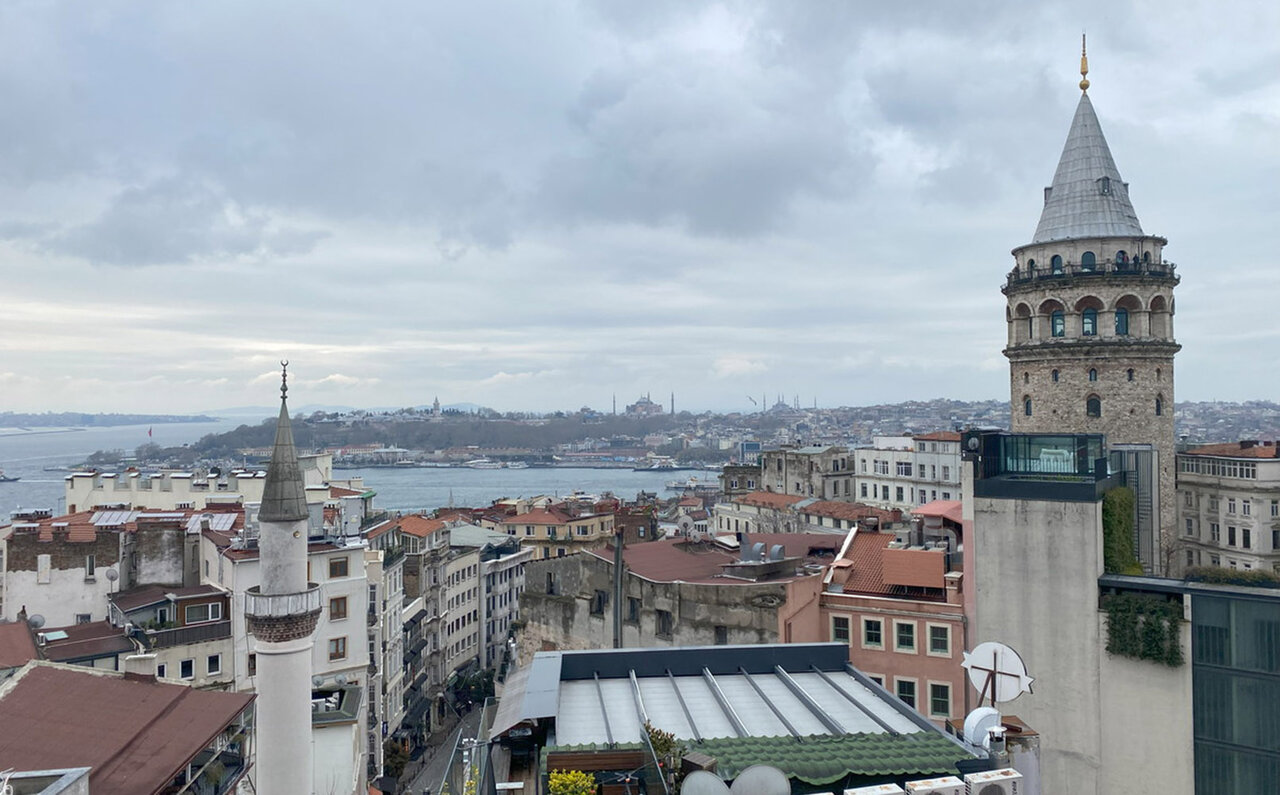
A view from the rooftop restaurant of a hotel in the Beyoğlu district of Istanbul's new city.
Eat Your Way Through Istanbul's Street Food!
When I told Oki-san about my keen interest in Turkish food culture, he immediately suggested, "If you're visiting Istanbul, you absolutely must experience the street food!" and promptly took me on a street food tour.
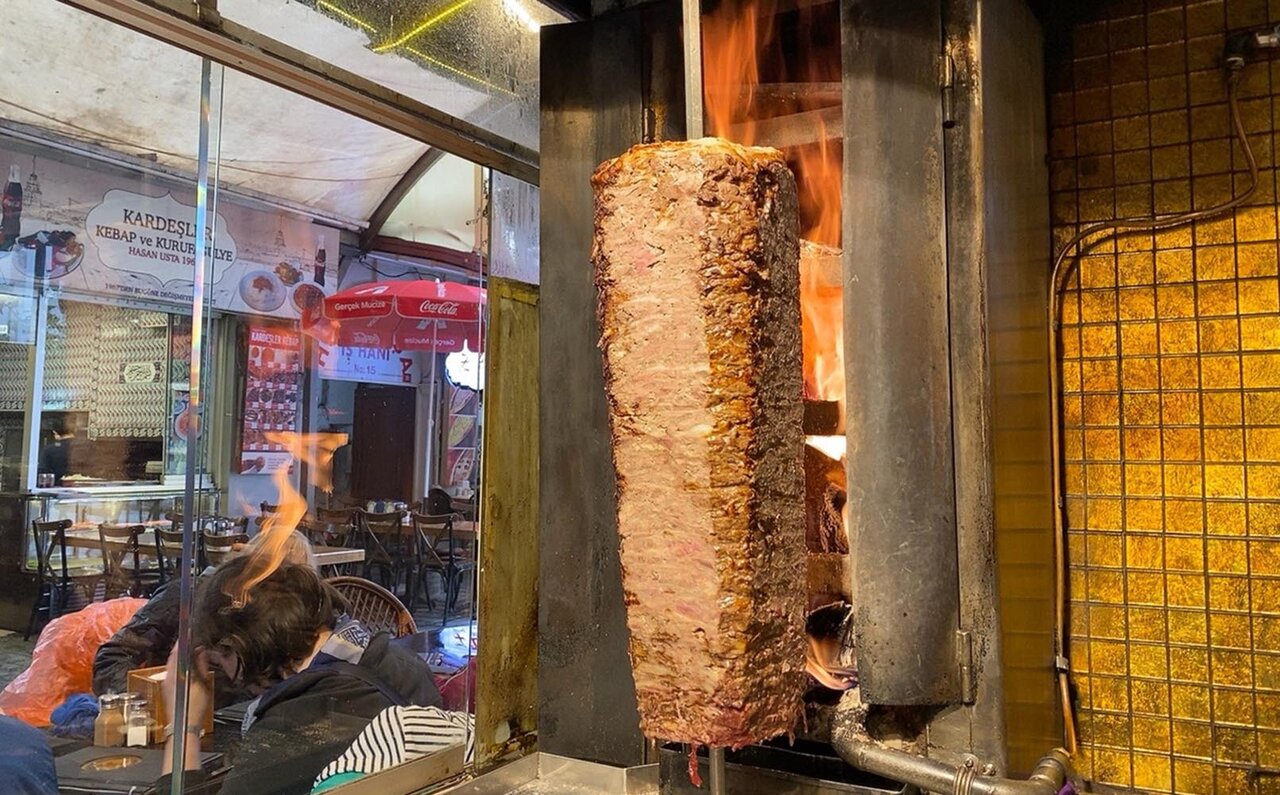
The rotating vertical grill used to cook döner (meaning "rotating") kebab was invented in the late 19th century during the Ottoman Empire.
The first place he took me was to a kebab shop, which could be called the soul food of Turkish people. When you hear "kebab," you might imagine the large chunks of meat often seen in Roppongi, but kebab is actually a general term for dishes cooked by roasting meat, vegetables, or fish, primarily eaten in Turkey and its surrounding regions.
Even so, the kebabs seen in Istanbul's bustling streets are mainly meat-based. Lamb is often used in Turkey, but chicken and beef are also common. There's also a type called mixed kebab, which uses multiple kinds of meat.
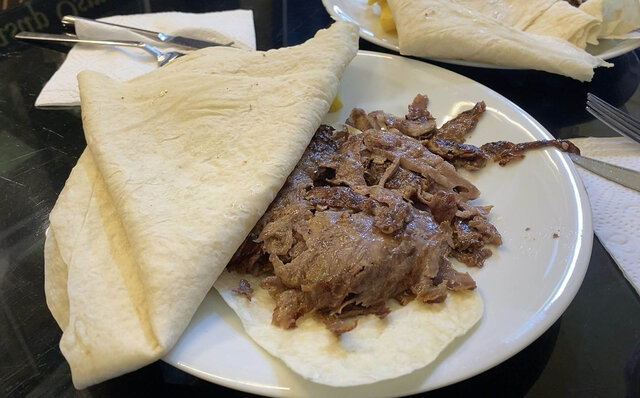
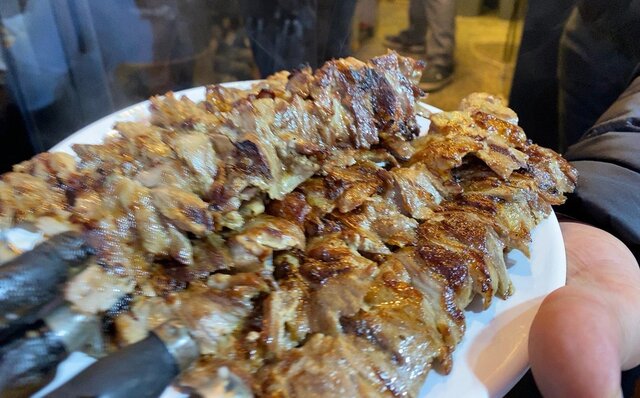
Döner kebab (left), a mix of lamb and beef, and lamb jülyen kebab (right). Both were incredibly fragrant and juicy. The jülyen kebab involved thinly sliced meat that was further grilled over charcoal before serving.
According to Oki-san, "It's best to go to a busy shop with good turnover. The meat won't be dry and will have just the right amount of fat." This time, I tried the lamb kebab and the mixed lamb and beef kebab!
By the way, do you know about "jülyen kebab," where a skewer of meat is cooked vertically and then shaved off? While not commonly seen in Japan, this is said to be the origin of the döner kebab that is prevalent today.
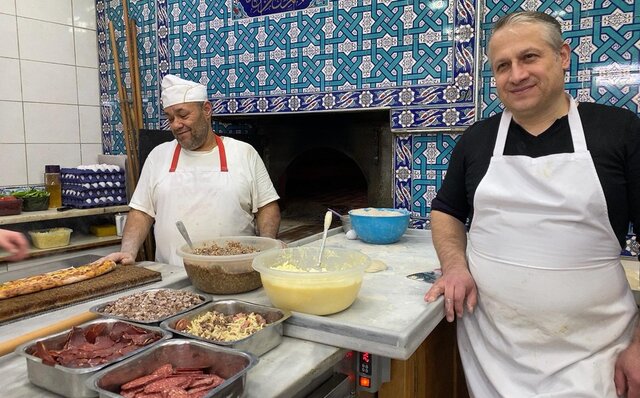
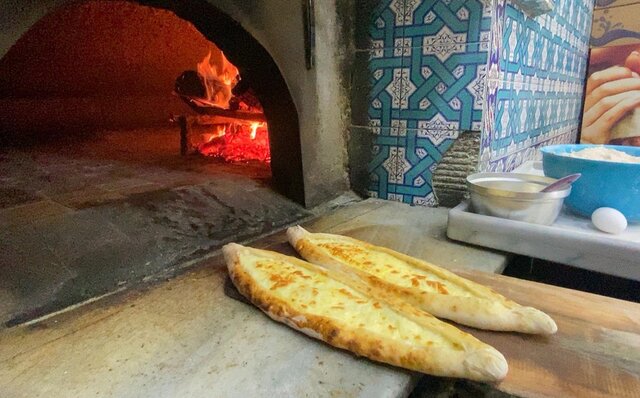
I also wanted to try Turkish pizza, which is said to be the origin of Italian pizza. There are several types of Turkish pizza, but the one I had this time was called "pide," shaped like a boat. It's made by stretching dough thinly, filling it with ingredients like vegetables and meat, forming it into a long, narrow shape, and then baking it. Since I was on a street food mission, I opted for a simple cheese pide, but there are many other variations with ingredients like cured meat, minced meat, salami, and beaten egg.
The dish that surprised me the most was "midye dolma." It's mussels stuffed with rice. Oki-san called it "Turkish sushi," but I'd argue that's not quite right (laughs). The rice, infused with the flavor of the mussels, is eaten with a squeeze of lemon. It's so good, I could eat it endlessly. It's apparently a staple at seaside stalls.
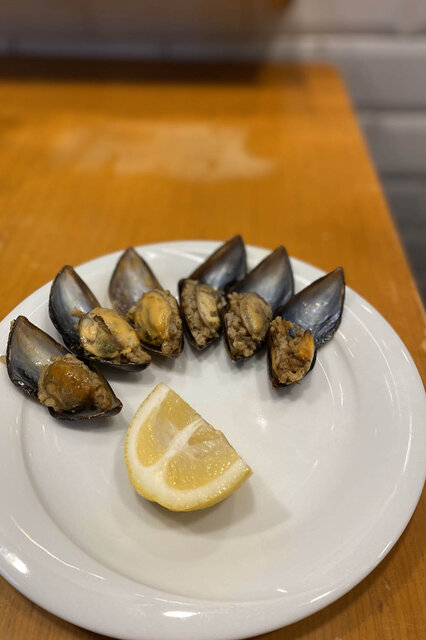
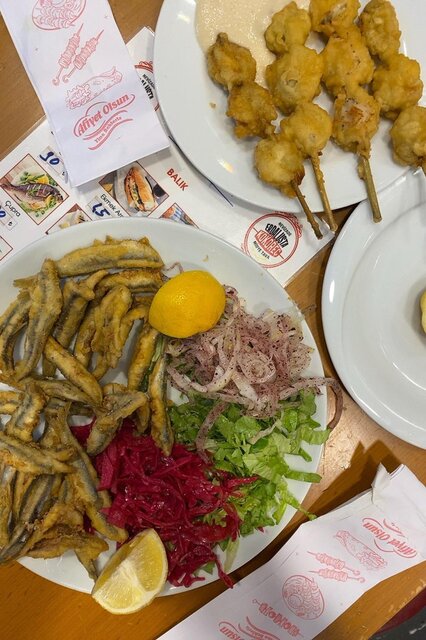
Istanbul is a city surrounded by the sea. There are many casual restaurants where you can enjoy seafood. The photo on the left shows midye dolma.
Balık ekmek is a fast food that is sure to capture the hearts of many Japanese people. Simply put, it's a Turkish-style mackerel sandwich. A baguette-like bread is filled with grilled, salted mackerel, fresh vegetables like lettuce, onions, and carrots, and then a squeeze of lemon juice is added. It might not be the most photogenic, but it's refreshing. Turkish people typically pair it with pickle juice (!).
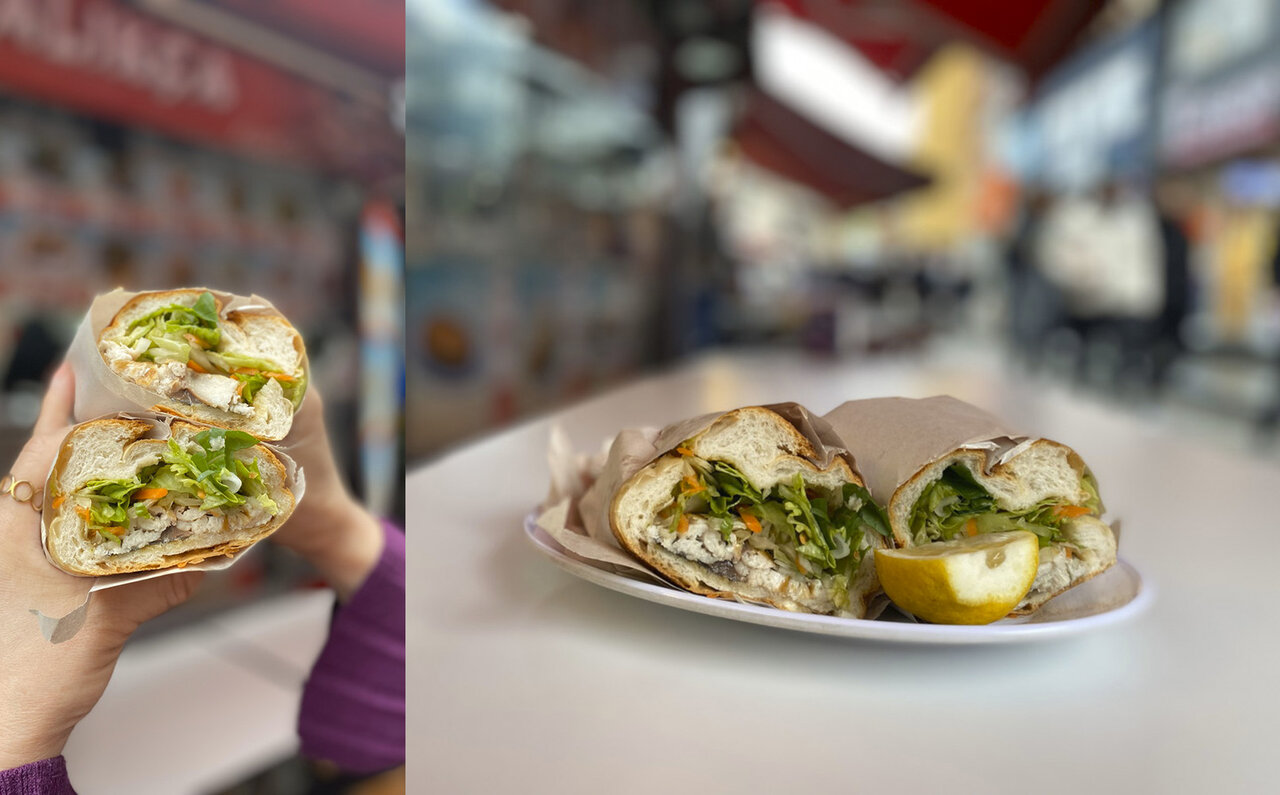
Enjoying the generously portioned fresh vegetables with the perfectly grilled mackerel!
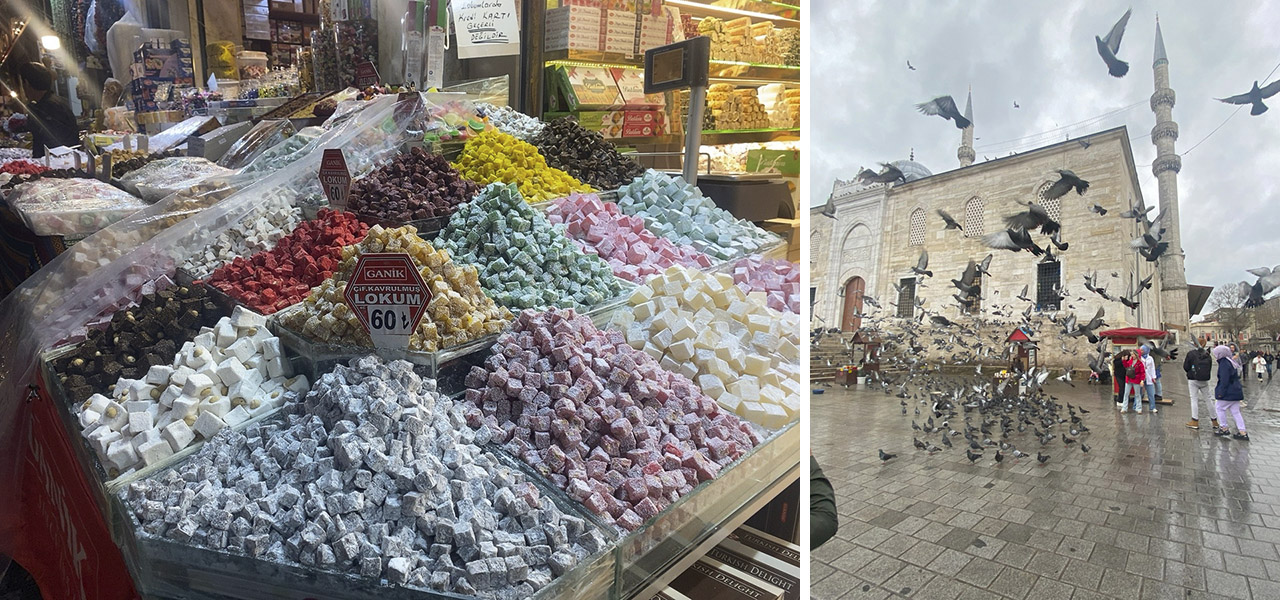
There's also the stretchy Turkish ice cream, "dondurma" (it stretches due to the use of powdered tubers from the wild orchid Salep, native to Turkey), and "lokum," a confection similar to Japanese yokan. Even if you focus only on street food and casual eats, a stay of about a week wouldn't be enough to try everything (laughs).
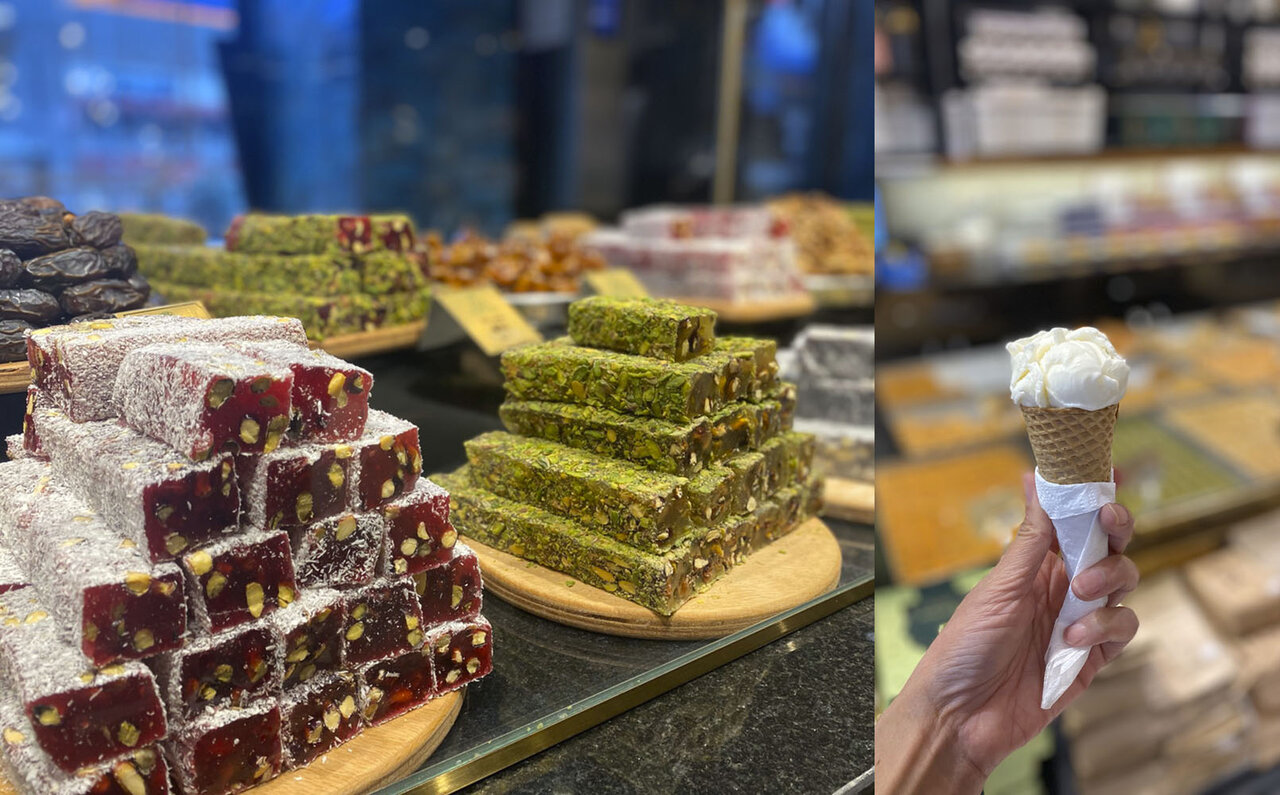
Left: "Lokum," a traditional Turkish confection said to have been made since the 6th century. Made from sugar, starch, and water (sometimes with nuts added), it resembles Japanese "yubeshi." Right: Turkish ice cream, "dondurma."
I got carried away talking about street food (because it's so fun ♡), but there are also plenty of stylish restaurants and fine dining establishments.