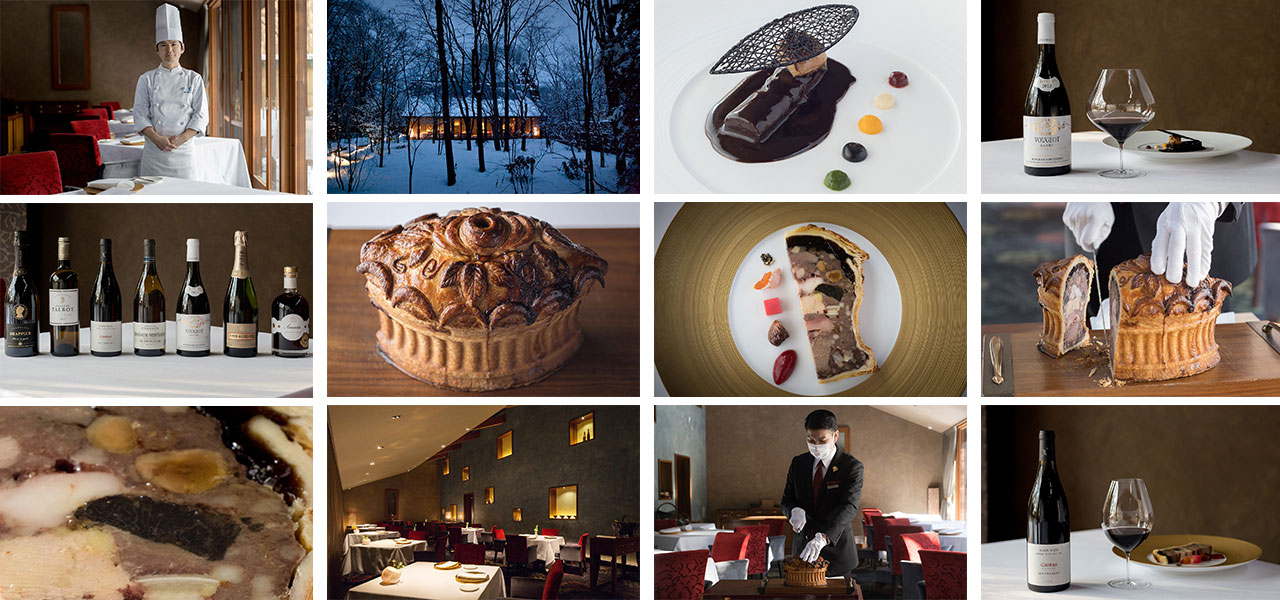
Savoring game prepared in the classic French style. Tonight, become royalty in Karuizawa | TRAVEL
TRAVEL | Yukawatan at Bleston Court
To Know Is to Savor! Returns: Bleston Court Yukawatan Edition (1)
Q. Name three of your favorite French restaurants. How would you answer? For me, Bleston Court Yukawatan (hereafter Yukawatan), the main dining room at Karuizawa Hotel Bleston Court (hereafter Bleston Court), would undoubtedly make the list. You might say, "I didn't ask about your favorite restaurants!" but please forgive me, considering the number of strangers who flock from the city center to dine here.
Photographs by OHTAKI Kaku | Text by HASEGAWA Aya | Edit by TSUCHIDA Takashi
Ah, the Splendid "Pâté de Roi"
So, I visited again this season, in early January 2022. If my finances allowed, I would visit every season, but if that's not possible, my personal recommendation is winter... You might think, "Here we go again with the recommendations," but I'll borrow the fox's authority to speak for the tiger once more.
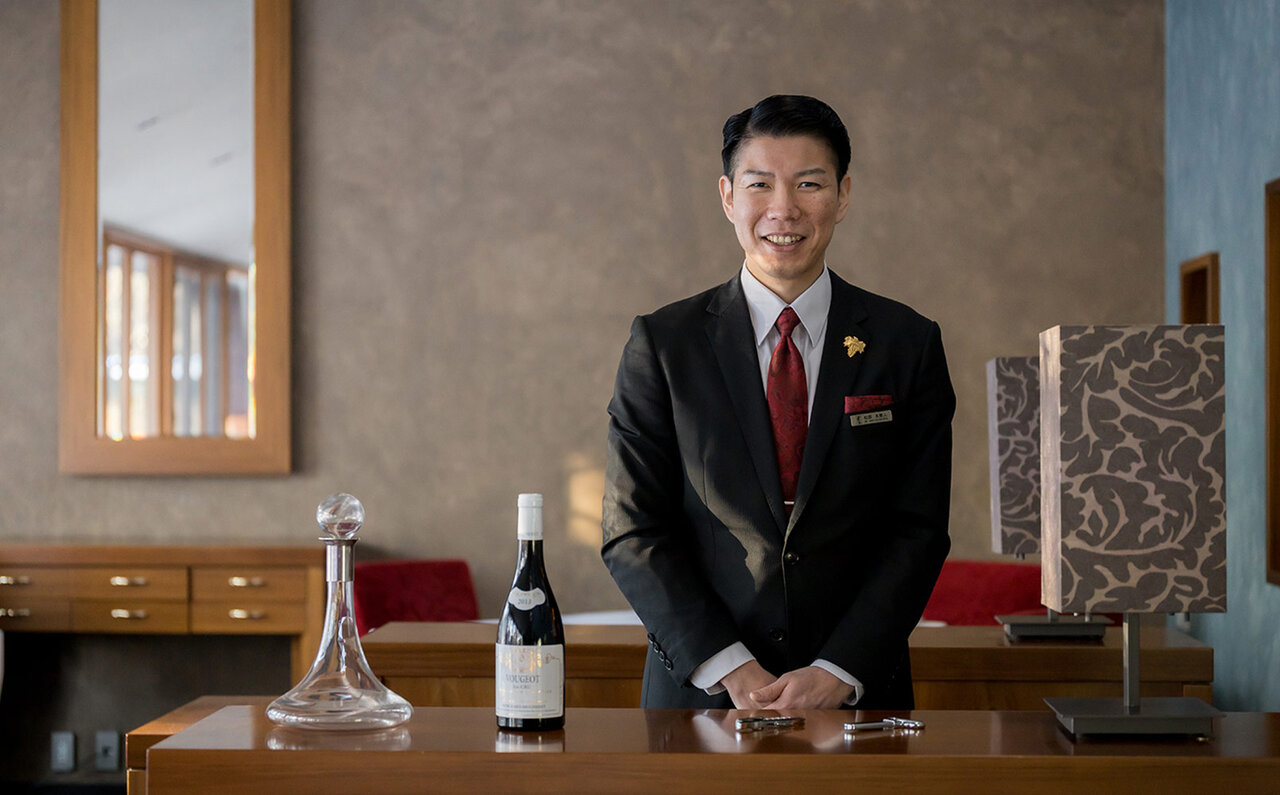
Yukawatan Manager and Sommelier, Minato Matsubara
According to Manager and Sommelier Minato Matsubara, the busiest season for Yukawatan's repeat customers is winter! The reason? Game, of course. In fact, Yukawatan was fully booked on the weekday in early January when we visited...
I'd love to start bragging about how delicious it was, but this isn't my personal blog; it's a proper journalistic piece (laughs). As a matter of courtesy, let me first introduce Yukawatan.
Karuizawa Hotel Bleston Court has a history of over 50 years, but Yukawatan was established in 2011. Its name originates from the desire for guests to spend a leisurely "time" (French for 'temps') like the gentle flow of the Yukawa river within the Karuizawa Hoshino Area.
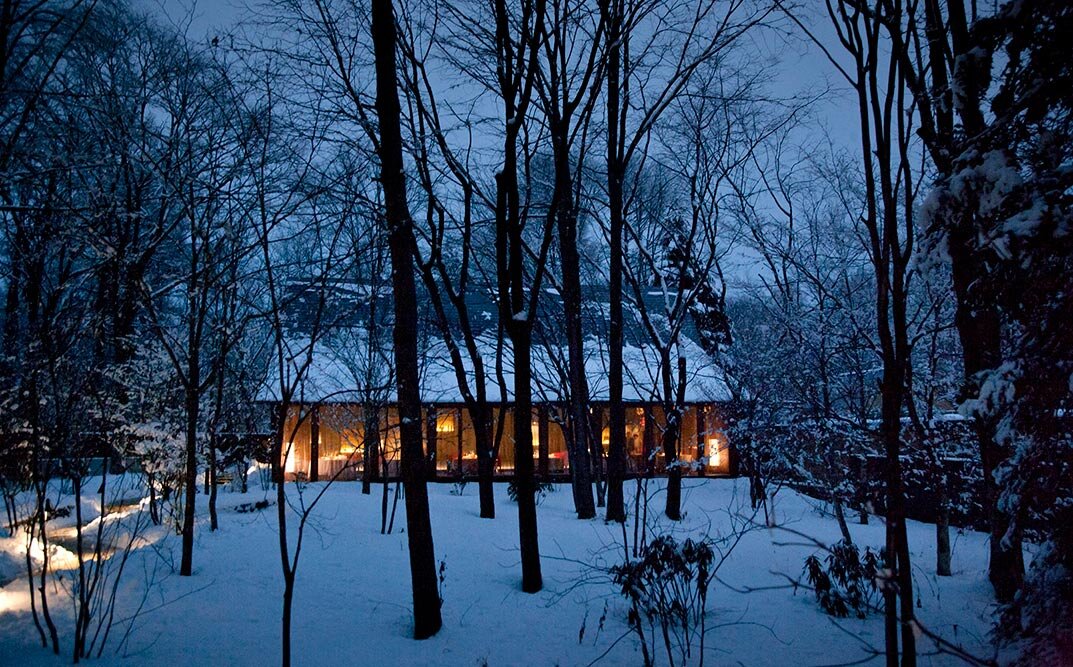
The restaurant is nestled within the hotel grounds like a hidden gem. Or perhaps not hidden, as it's only a two or three-minute walk from the hotel lobby, but its location beyond the trees makes it invisible from the outside, giving it a slightly secluded feel, which is also quite nice.
The style of Yukawatan, established by its first chef, Noriyuki Hamada (now chef at Hoshino Resorts KAI Hakone), was to offer French cuisine that could only be made and savored here, with seasonal vegetables, meats, wild plants, and river fish as the stars. This concept stimulated the curiosity of gourmands, and the restaurant quickly gained renown. In 2017, Hiroshi Matsumoto, originally from Nagano Prefecture, became the second chef. While maintaining the core concept, he steered the cuisine towards classic French style, which he excels at. Every winter, Chef Matsumoto confidently presents "King's Game," a dish that can only be savored in winter in Karuizawa.
You must be thinking, "King? That's quite a bold claim." Yes, I thought so too. But on the day I visited Yukawatan, I was undoubtedly the ruler of the world...
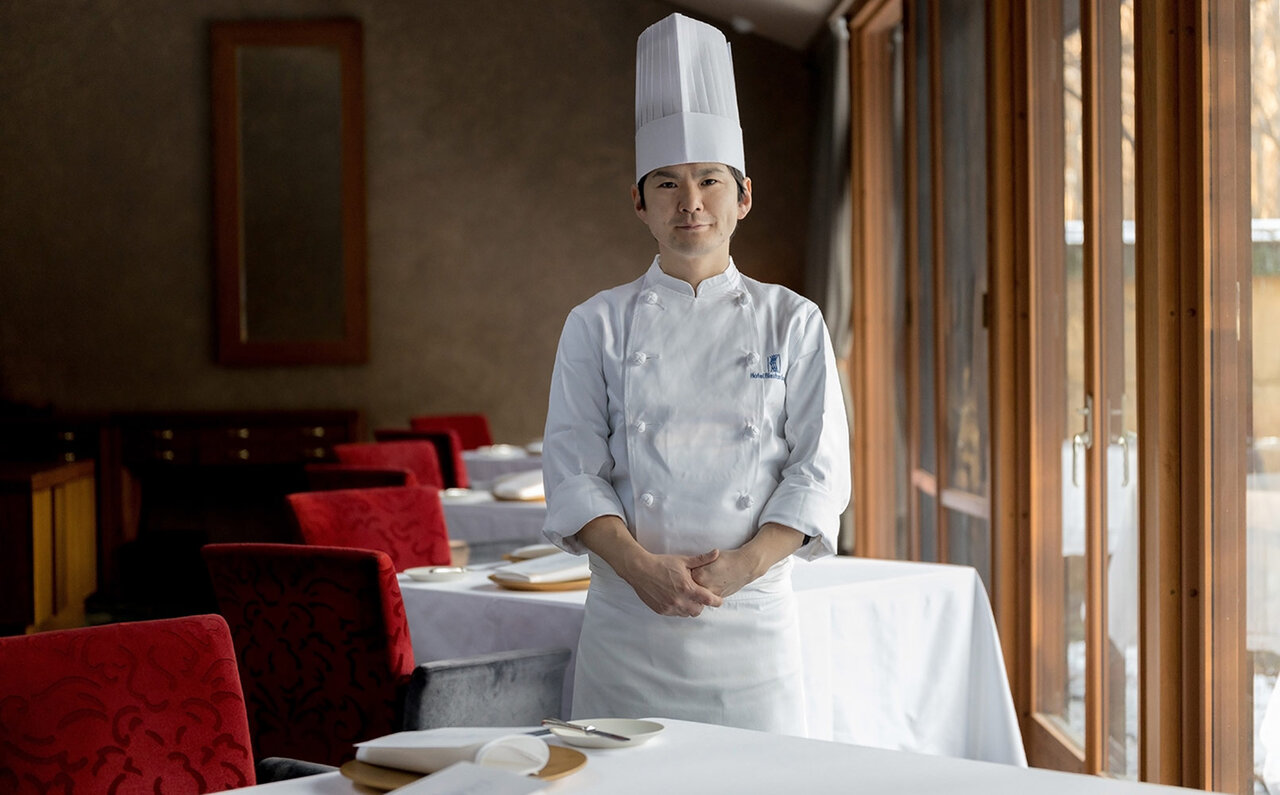
Yukawatan Chef Hiroshi Matsumoto
"King's Game," now a winter staple at Yukawatan, was a menu item introduced in the winter when Matsumoto became head chef. According to Matsumoto, "While winter in Karuizawa offers limited ingredients, game is something that can be enjoyed deliciously under these conditions."
Specifically, the appetizer "Pâté de Roi" and the main dish "Lièvre à la Royale" are referred to as "King's Game." These two dishes are served as part of a special nine-course menu.
First, the "Pâté de Roi." After a series of amuse-bouches that served as a prologue to a dazzling world and whetted my appetite, it made its grand appearance.
This dish consists of four or more types of game layered with truffles, foie gras, and a consommé jelly made from game, all encased in a pastry crust. The proportion of game varies depending on the day's catch, including venison, wild boar, wild pigeon, and pheasant.
This dish consists of four or more types of game layered with truffles, foie gras, and a consommé jelly made from game, all encased in a pastry crust. The proportion of game varies depending on the day's catch, including venison, wild boar, wild pigeon, and pheasant.
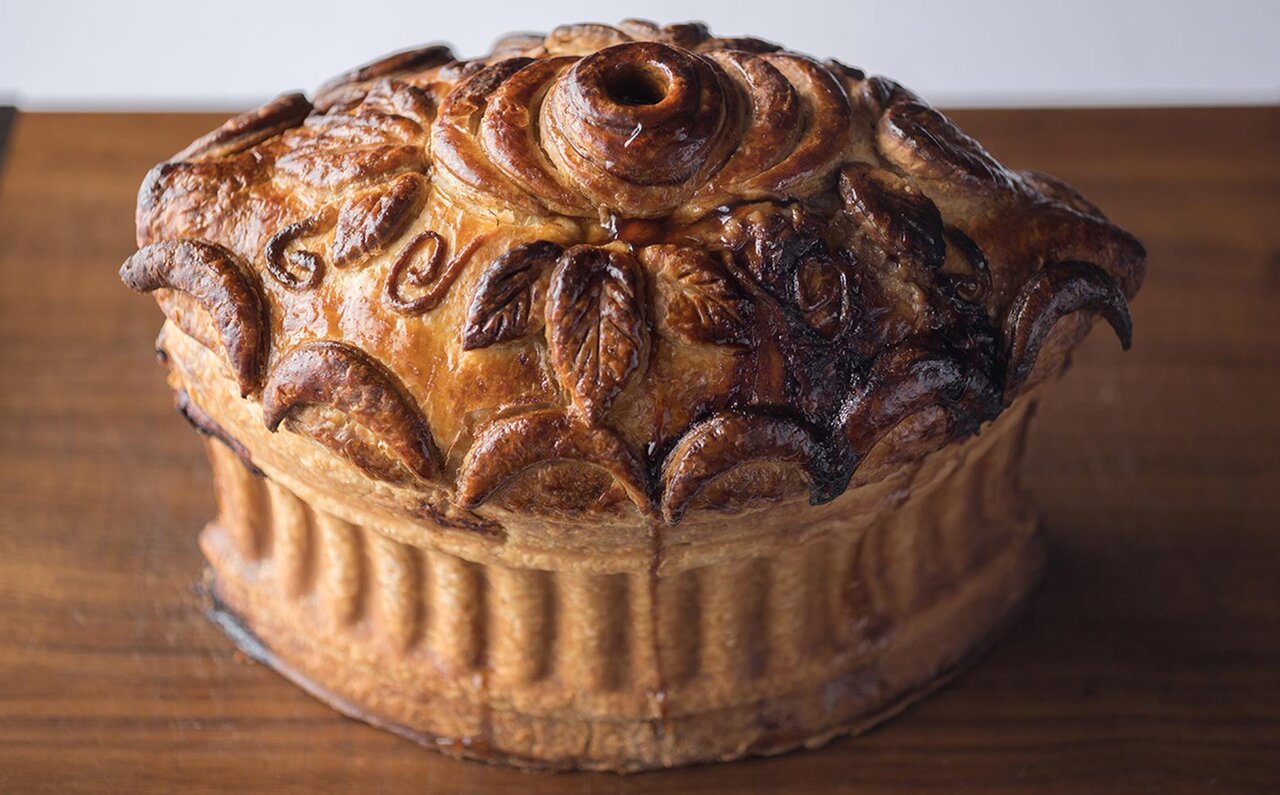
The presentation is also incredibly impactful. First, a large crown-shaped pie is brought to the table whole. The special mold for the crown shape itself is not available in Japan, and Yukawatan had to import it from overseas to create the "Pâté de Roi."
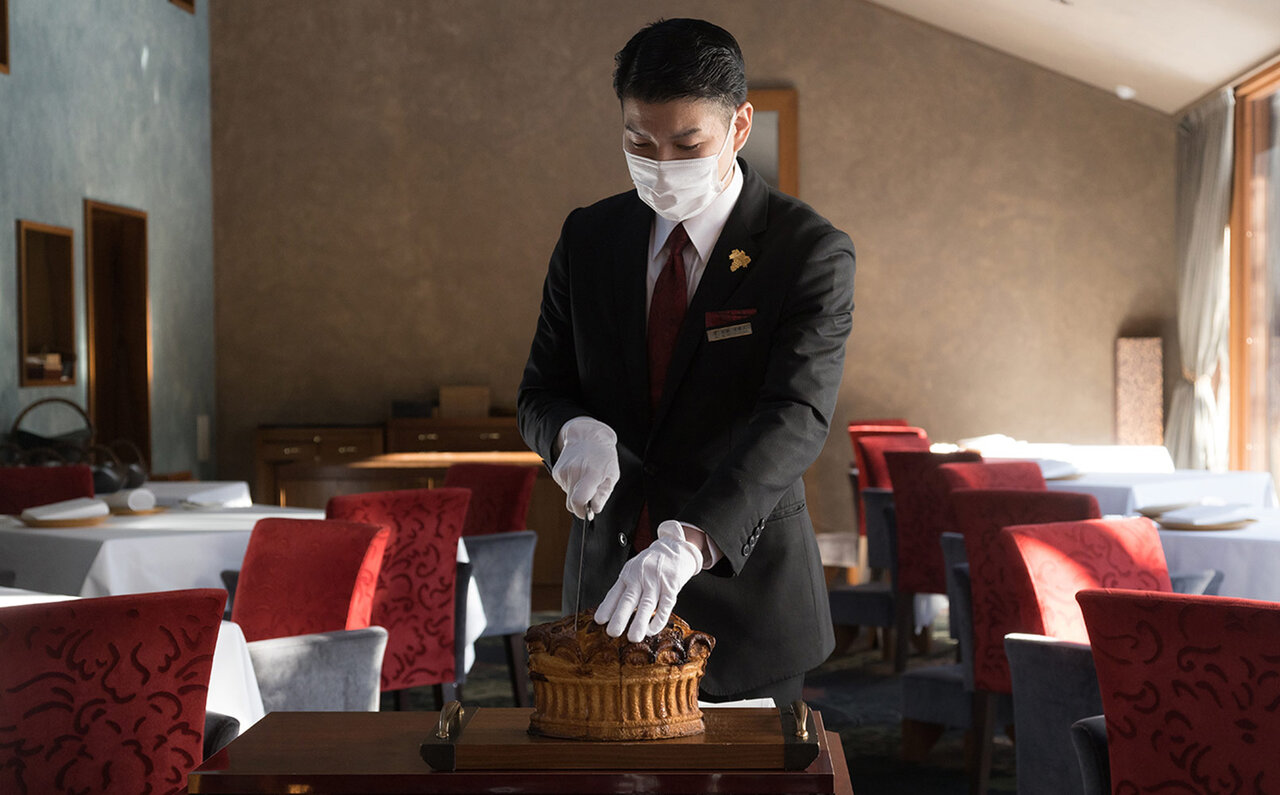
Traditionally, we would cut it in front of the guests, but this winter, to prevent the spread of infection, the cutting is done in the kitchen.
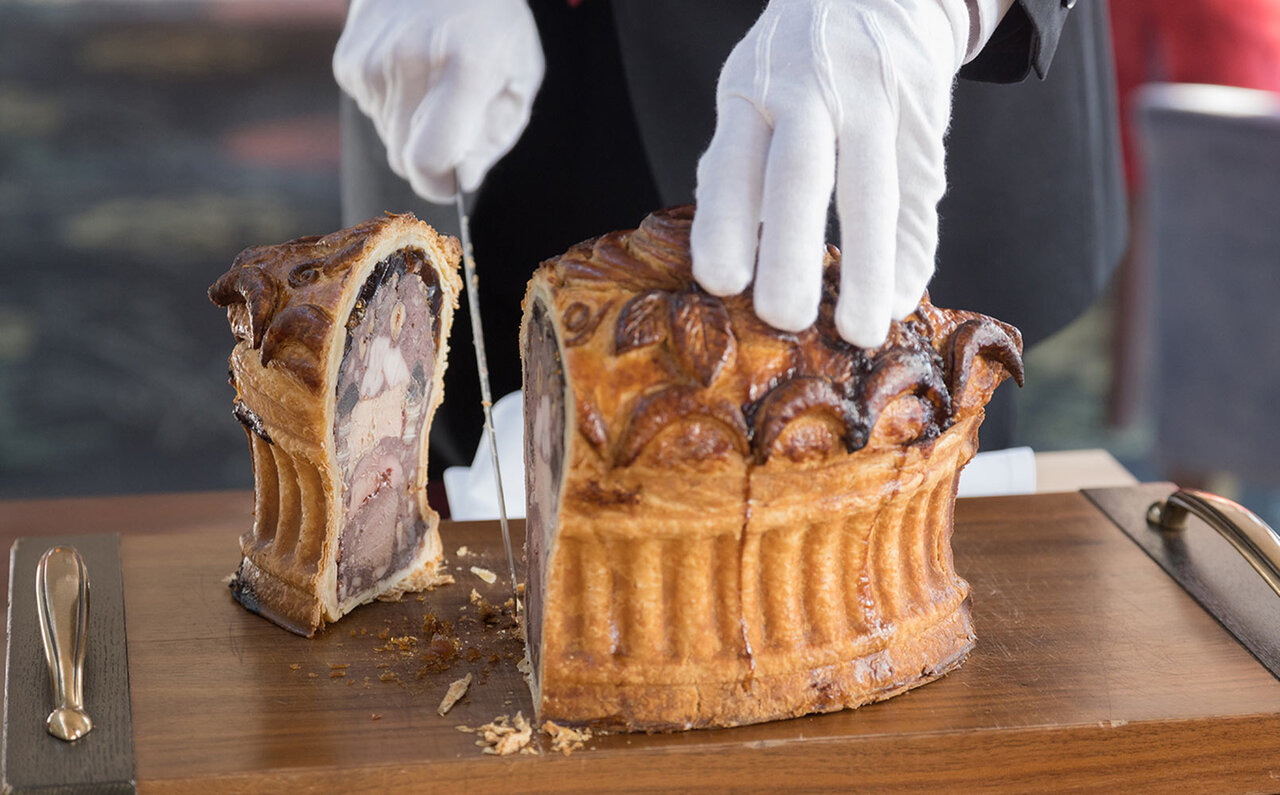
The preparation of "Pâté de Roi" is extremely complex, involving mincing or cubing the game depending on the type and cut. Furthermore, Matsumoto explains, "Unlike common poultry, game varies greatly from individual to individual, and it requires careful assessment and preparation."
Incidentally, starting from scratch, it takes about three weeks to complete the "Pâté de Roi." This involves pre-treating each type of game, letting it rest after being placed in the mold, cooking and resting it again... The consommé jelly poured over the meat is also made from game stock, a process that takes about two days.
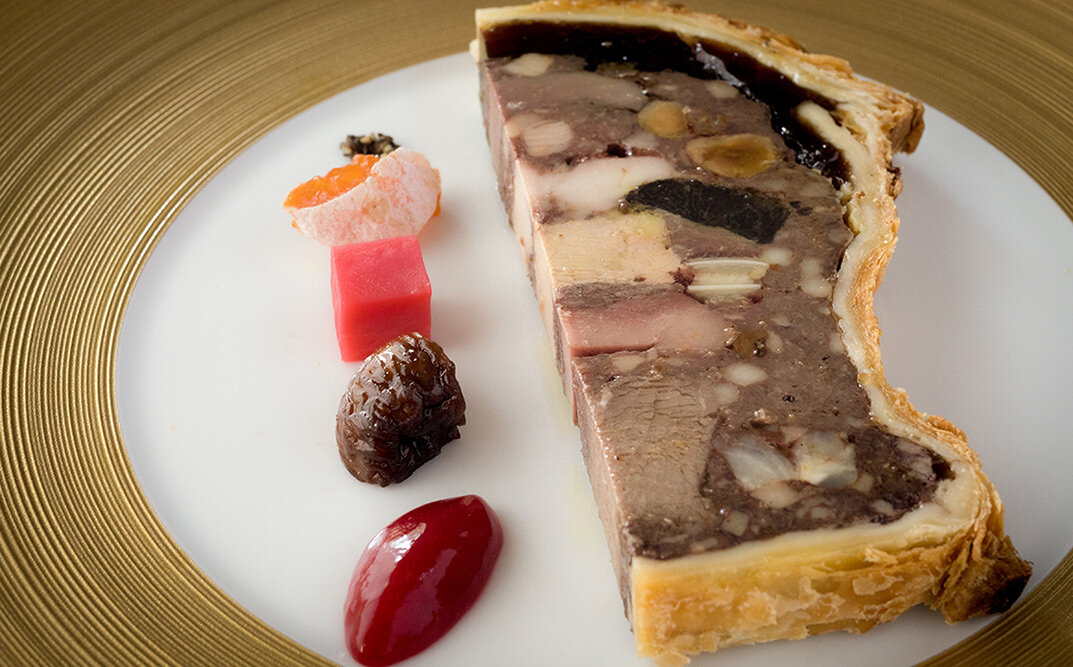
Since the types of game used vary depending on the sourcing, the taste changes daily. Like a work of art, no two cross-sections are exactly alike! Moreover, Matsumoto notes, "Even though this menu has been around for five years, we refine it every year, for example, by adjusting the salt content." I truly hope to witness its evolution – though I also wonder how much more it can possibly evolve (laughs).
The "Pâté de Roi" I tasted this time contained pigeon, pheasant, mallard, and minced wild boar and venison. Pork ear was also included for textural contrast. In addition to truffles, foie gras, and nuts, there was also the aforementioned game consommé jelly. The condiments were also meticulously chosen: dried Ichida persimmons, dried figs stewed in red wine, pickled daikon radish, and a sweet and sour redcurrant purée. These condiments, in turn, led me into a new world. The powerful flavors of the game, combined with the spices, condiments, and the fragrant pastry, created a miniature universe that awakened the wildness within me.
And, we mustn't forget. For game, you need that fermented grape beverage, right? Sommelier Matsubara-san, could you recommend a wine to pair with this "Pâté de Roi"?
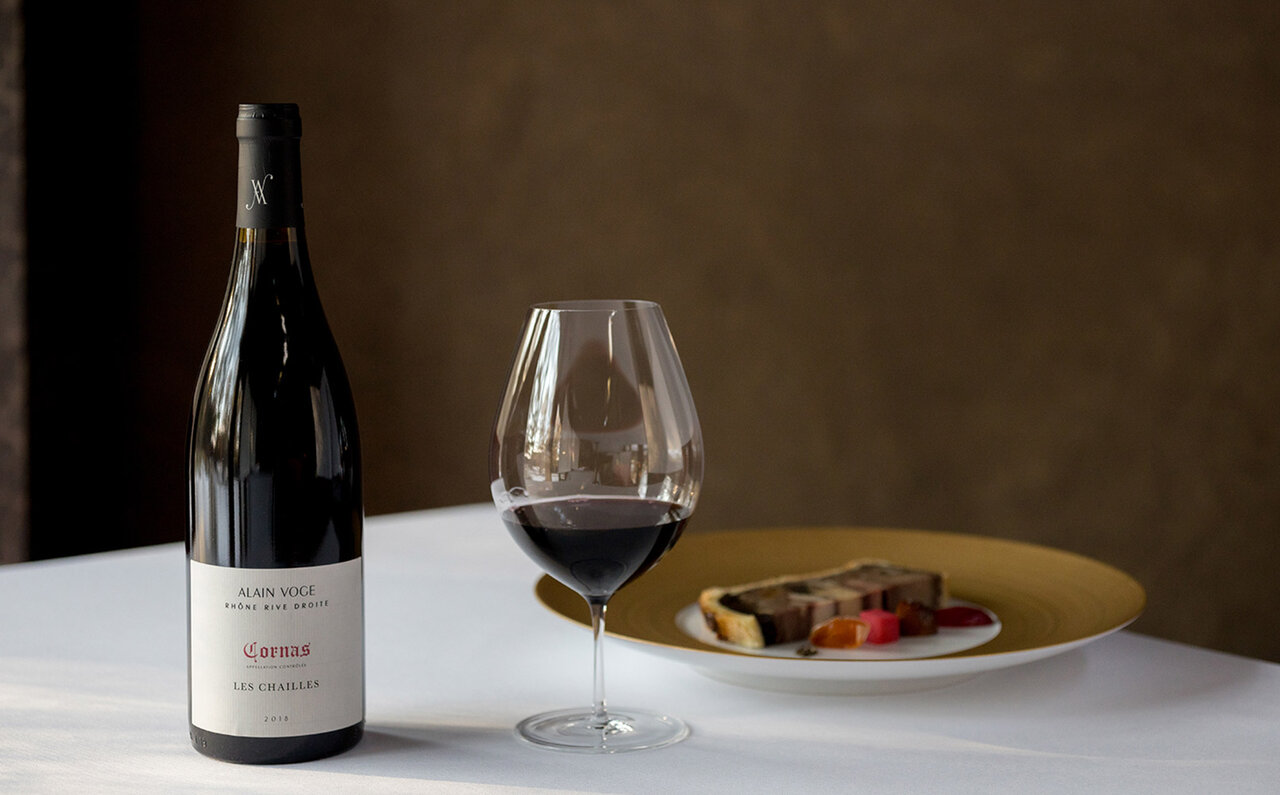
"Last year we paired it with a Pinot Noir from Burgundy, but this year we recommend a Syrah from the Rhône. If it were à la carte, Bordeaux would be fine, but it's still early in the course. Considering the overall balance of the meal, I think something with less pronounced tannins is best," says Matsubara.
The wine we had this time was from Alain Voge, a master from Cornas in the Northern Rhône. Voge passed away in the summer of 2020, and the vintage we tasted was his last. While Rhône Syrah often brings to mind powerful wines, Voge's Syrah is soft and the tannins are elegant. Yet, it holds its own against the robust "Pâté de Roi" that bears the king's name.
Incidentally, we opted for wine pairing this time (as usual). While Yukawatan's pairing often includes playful choices like sake and vodka, their approach to game dishes is strictly French wines only.
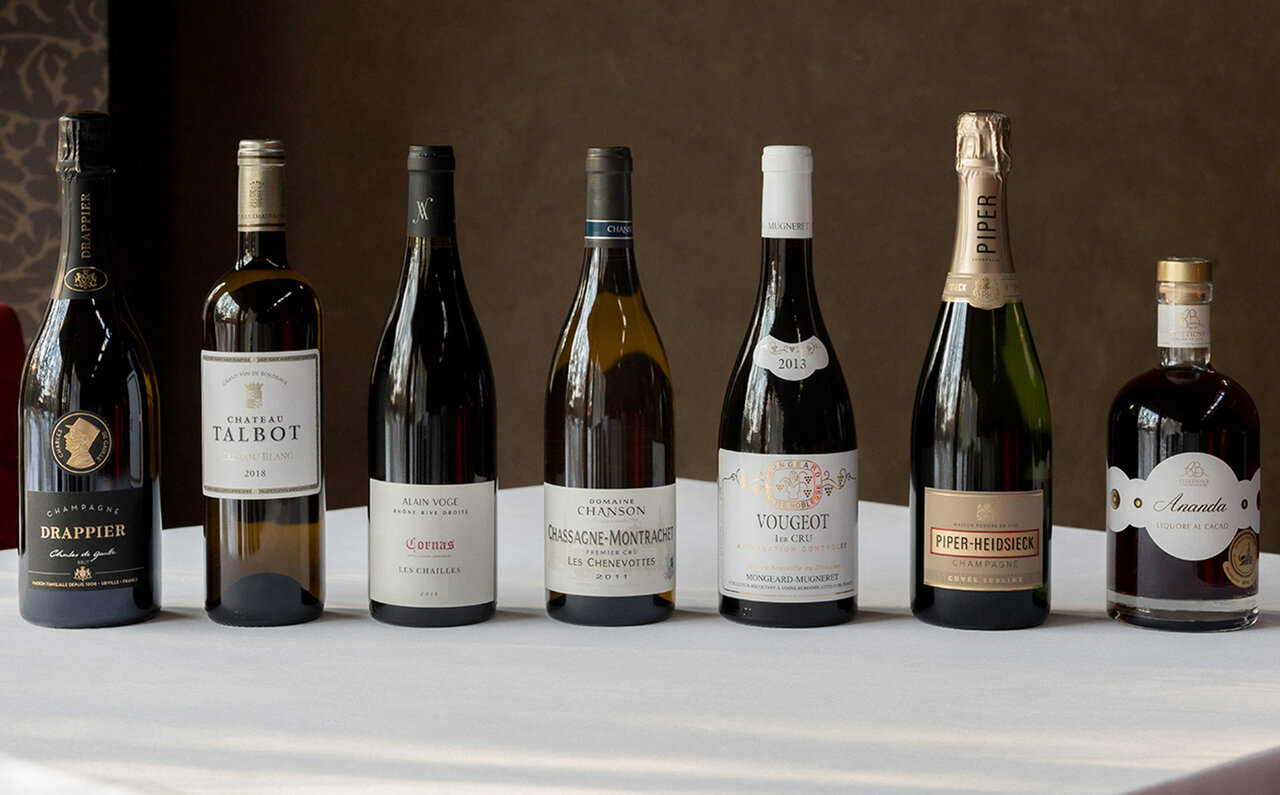
"It's a straightforward approach. If we throw a curveball, it's like a two-seam fastball. We don't do sliders that break sharply (laughs)," says Matsubara.
I appreciate that directness. In fact, I love it.
The consommé served after the "Pâté de Roi" was made from the giblets of the game served at that time. Is it an exaggeration to say that I felt a sense of awe for nature in this consommé, which exuded sexiness amidst its wildness?