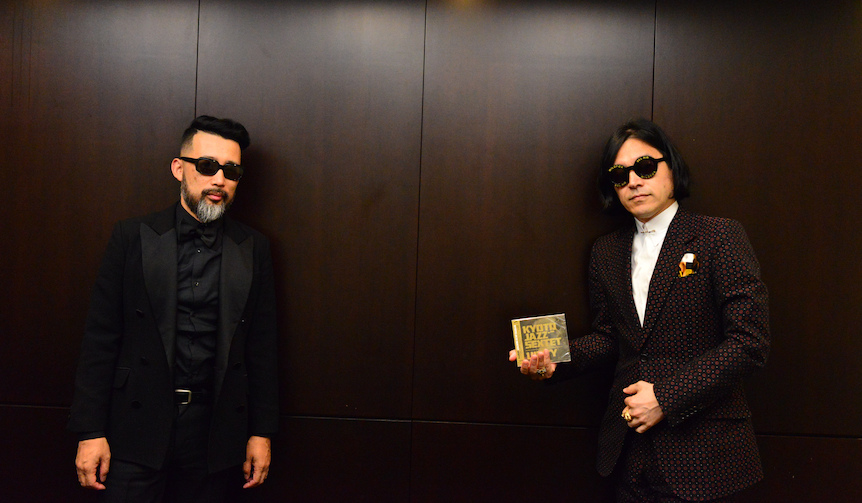
Tomoki Yuzuka & Editor Daimaou Talk | Vol. 24 Shuya Okino (KYOTO JAZZ SEXTET)
Page. 1
Shuya Okino, who wears many hats as a creative director, DJ, music curator, writer, and the world's only selector critic, has released "UNITY," an album by KYOTO JAZZ SEXTET that emphasizes the rare practice of "one-take recording" in contemporary music production.
This conversation, featuring Tomoki Sukezane, a long-time friend of Okino, is filled with insights only possible between close acquaintances. Where will this discussion lead? QJ...?
Interview by Tomoki SukezaneText by Satoko Hatakeyama
JAZZ Born from Okino's Unique Sound Creation
Tomoki Sukezane, Editor-in-Chief (hereinafter, Sukezane)The jazz unit led by you, KYOTO JAZZ SEXTET, has released their second album, "UNITY." You're also active with KYOTO JAZZ MASSIVE. Could you first explain the difference between the two?
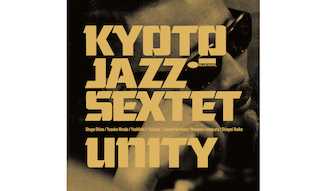
Shuya Okino of KYOTO JAZZ SEXTET (hereinafter, Okino)KYOTO JAZZ MASSIVE is a unit I do with my brother (Yoshihiro Okino), and it's primarily focused on dance music using electronic production. KYOTO JAZZ SEXTET, on the other hand, is a live jazz band, and everything is done analog. We record to tape, and all mastering and cutting is also analog. Furthermore, it's all recorded in one take, so we don't use computers to make corrections afterward.
SukezaneIn this digital age, why the deliberate insistence on one-take recording?
OkinoThere's a certain "tension" that can only be born that way. Nowadays, the main process is assembling drums on a computer, then layering performances one by one—bass, keyboard, vocals, saxophone. If something's off, it can be fixed, and vocal pitch can be adjusted digitally. While that's incredibly convenient, this unit deliberately avoids that process.

SukezaneSo, you go to a live show, hear the artist sing, and think, "Hmm, aren't they a bit off-key?" but then you get home, listen to the CD, and they're singing perfectly. That's what happens when albums are produced digitally, right?
OkinoExactly. With one-take recording, there's no room for error. While it's true that we can't fix mistakes, we also can't cheat. We have the ability to perfectly replicate the qualities of old jazz, yet we digitize it with computer corrections simply because it's convenient. Even with analog recording methods, KYOTO JAZZ SEXTET's style is about adding a contemporary essence without being retro.
SukezaneWhy did you decide to pursue this approach?
OkinoThe first album was born from a collaboration with "KYOTOGRAPHIE," the Kyoto International Photography Festival, two years ago. There was an exhibition of Francis Wolff's photographs from the prestigious jazz label "Blue Note Records," and someone involved approached us at Kyoto's CLUB METRO saying, "Can we do some kind of collaboration?!"
SukezaneA sudden ambush, huh? (laughs)
OkinoYes. They approached me out of the blue, and I thought, "Who are these people?" (laughs). But at the time, I happened to have an idea for covering Blue Note, and unfortunately, the president of Blue Note had just retired, and the project had fallen through. The concept was for someone who had made dance music to lead a live jazz band, and that led to the formation of KYOTO JAZZ SEXTET. People might ask, "What can a DJ do?" but I was also at an age where I wanted to challenge myself in areas I hadn't explored before.

SukezaneThis time it's jazz, and you even composed for it for the first time. Do you play any instruments, Okino-san?
OkinoNo, I don't play any instruments at all. For composition, I record my humming into my iPhone. That includes vocal melodies and basslines. Even the drum patterns are mostly patterns I've conceived.
SukezaneWait, humming for drums... what do you mean? (laughs)
OkinoThere's a programmer between me and the musicians. Based on my humming, they program the drums and keyboards into the computer. Those programmed parts become a demo, so when I play it for the members, there's a bit of emotion, like, "Wow, my humming turned into this."
SukezaneI see. Then each musician plays their part, and once it's fixed, you perform it live in the studio, in one take!
OkinoHowever, it often changes again during the actual performance. Like, "Wait, that's different!" (laughs). But if the result is good, we adopt it. I think that's part of jazz.
Page02.—KYOTO JAZZ SEXTET is called "Okino Japan"
Page. 2
—KYOTO JAZZ SEXTET is called "Okino Japan"
OkinoSince KYOTO JAZZ SEXTET is composed of selected members from various bands, I call it "Okino Japan," likening it to the Japanese national soccer team. I instill the tactics, but the problem is that they rarely go according to plan during the actual performance (laughs).
SukezaneLike Shu Kamo (former manager of the Japanese national soccer team from 1994-97)? Or is that analogy a bit dated? (laughs)
OkinoNot at all, I understand (laughs). For example, I might ask the leader of another band to play a supporting role, or in soccer terms, play Honda, who usually plays on the left wing, as a defensive midfielder. So, the members are doing things they don't normally do. Take Yusuke Hirado on piano. He's naturally the leader of other bands, but I make various requests as the 'coach,' so he might be thinking, "Uh, you want me to do this?" However, if someone dislikes it, they leave. I generally select members based on the belief that they can deliver what I envision.
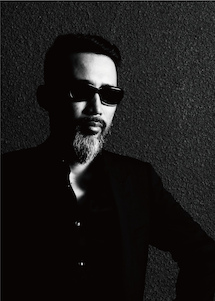
Shuya Okino
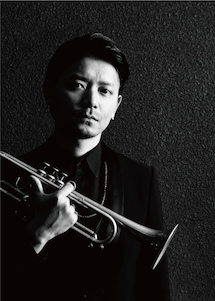
Shinpei Ruike
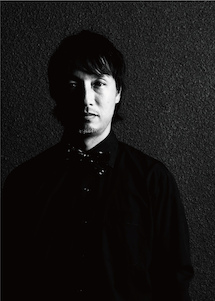
Yusuke Hirado
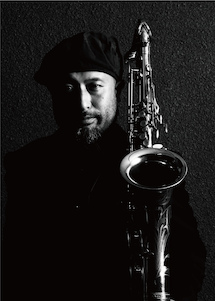
Ken Kurihara
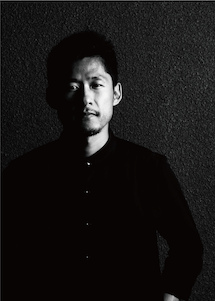
Masayoshi Amakura
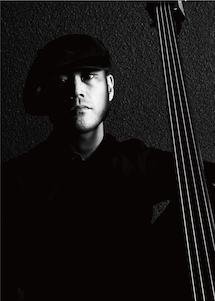
Katsuhito "P" Koizumi
SukezaneBelieving they "should" be able to do it implies a certain calculation that they will be motivated to perform, doesn't it?
OkinoPrecisely. I consider their potential abilities and what might best utilize them, based on my own insights.
SukezaneWonderful! By the way, what does "Sextet" in the band name mean?
OkinoIt refers to a group of six musicians. So, KYOTO JAZZ SEXTET means "Kyoto Jazz Six."
SukezaneWhat is the meaning behind the album title, "UNITY"?
OkinoLiterally, it means "oneness" or "solidarity," and it's a title with a strong message. However, I didn't intend it that way. Rather, I wanted listeners to think about various things when they see this title. The first song I created was called "Song for Unity," and it features the son of jazz legend Pharoah Sanders. His name is Tomoki...
SukezaneI was surprised to see the credit "Tomoki Sanders" too! (laughs) Our initials are the same, so it felt like we weren't strangers... Tomoki-san, how old is he?
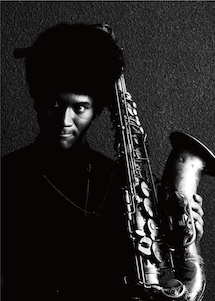
Tomoki Sanders

Navasha Daya
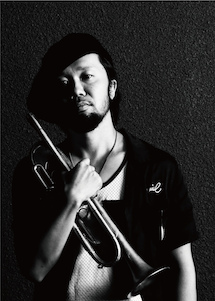
Tabu Zombie
OkinoHe's 21 years old and half-Japanese. The vocalist, Navasha, is African American, but she's a hybrid of Native American, Asian, and Scottish heritage. I belong to the peak era of acid jazz, while pianist Hirado-kun grew up listening to acid jazz. Tomoki knows acid jazz and the generation after, and also listens to hip-hop. KYOTO JAZZ SEXTET comprises people from various countries and spans three generations. The title "UNITY" comes from the music created by transcending these boundaries.
SukezaneIndeed, that's a universal theme for you, Okino-san. I always admire and respect your attitude of trying things out, transcending generations, nationalities, and genders.

OkinoFor example, even if I have something to assert, I prefer to express it smartly through music rather than giving a speech on the street. I do participate in demonstrations, but for some reason, everyone there seems hysterical and exclusionary. I want to express through music that people of different generations can work together, or that gender doesn't matter... Well, I might sound confident saying it, but I always hope that it's being practiced and conveyed.
Page02.Commitment to One-Take Recording
Page. 3
Commitment to One-Take Recording
SukezaneWhen did the method of live recording, or one-take recording, used on this album, fall out of favor?
OkinoIt still existed in the 1970s. It seems that around the 1990s, with the spread of computers, people started layering performances separately and fixing vocals. It was simply more convenient.
SukezaneWhich is more difficult in terms of the actual work involved?
OkinoCome to think of it, using a computer might be more difficult. One-take recording is done with a "ready, set, go" mentality, which is mentally demanding, but it finishes within a day once you're in the studio. With computers, you have to buy equipment, and it can take quite a few days.
SukezaneSo, with one-take recording, everyone performs with the tension of "no mistakes allowed." Digital recording, with its ability to layer and correct, seems to lack that sense of urgency, doesn't it?

OkinoThat's right. And that's a very bad thing. Just like the live performance example I mentioned earlier, many people who sound incredibly skilled on CD sound "off" during live shows. It's essential for musicians to overwhelm the audience with their powerful vocals or exceptional performances.
SukezaneThis album, as a new form, also demonstrates the expansion of your world, Okino-san. You've also composed jazz for the first time. Perhaps you should just become a musician! In that case, would you be called a music producer?
Okino"Music producer and composer."
SukezaneHave there been people in the past who only composed and didn't play instruments? For example, was Quincy Jones like that?
OkinoNo, generally, jazz composers are also instrumentalists. Quincy Jones is a special case; he performed live at the Nippon Budokan in 1981. Someone else wrote the music, and a woman was singing. Quincy started by playing the keyboard, but then he stood up and started dancing, and he danced the whole time (laughs).
SukezaneI also watched Quincy Jones, thinking his role seemed quite relaxed and enjoyable. But he's generally referred to as a "music producer," isn't he? Why don't you also take on the profession of "Quincy Jones"? (laughs)

OkinoThat sounds good. Aiming to be his successor, "Japan's Quincy Jones." Then the credit would be QJ.
SukezaneGreat, QJ!
OkinoThe headline should be "From DJ to QJ," please (laughs).
Album Release Commemorative LIVE KYOTO JAZZ SEXTET "UNITY" Special Live 2017
Date | Monday, August 7, 2017
Venue | Billboard Live Tokyo
9-7-4 Akasaka, Minato-ku, Tokyo Midtown Garden Terrace
Performers | KYOTO JAZZ SEXTET: Shinpei Ruike (tp) Ken Kurihara (ts) Yusuke Hirado (p) Katsuhito "P" Koizumi (b) Masayoshi Amakura (ds) Shuya Okino (vision) GUESTS: Tabu Zombie (tp) Tomoki Sanders (ts) Navasha Daya (vo)
http://www.billboard-live.com/pg/shop/show/index.php?mode=detail1&event=10587&shop=1
Musicians | Shinpei Ruike (tp) except 2, 3 Ken Kurihara (ts) Yusuke Hirado (p) Katsuhito "P" Koizumi (b) Masayoshi Amakura (ds) Shuya Okino (vision) Guest | Tabu Zombie (tp) on 2, 3 Tomoki Sanders (ts) on 2, 3 Navasha Daya (vo) on 5, 6
Produced by Shuya Okino (Kyoto Jazz Massive) Co-produced by Kenichi Ikeda (ROOT SOUL)
www.kyotojazzmassive.com