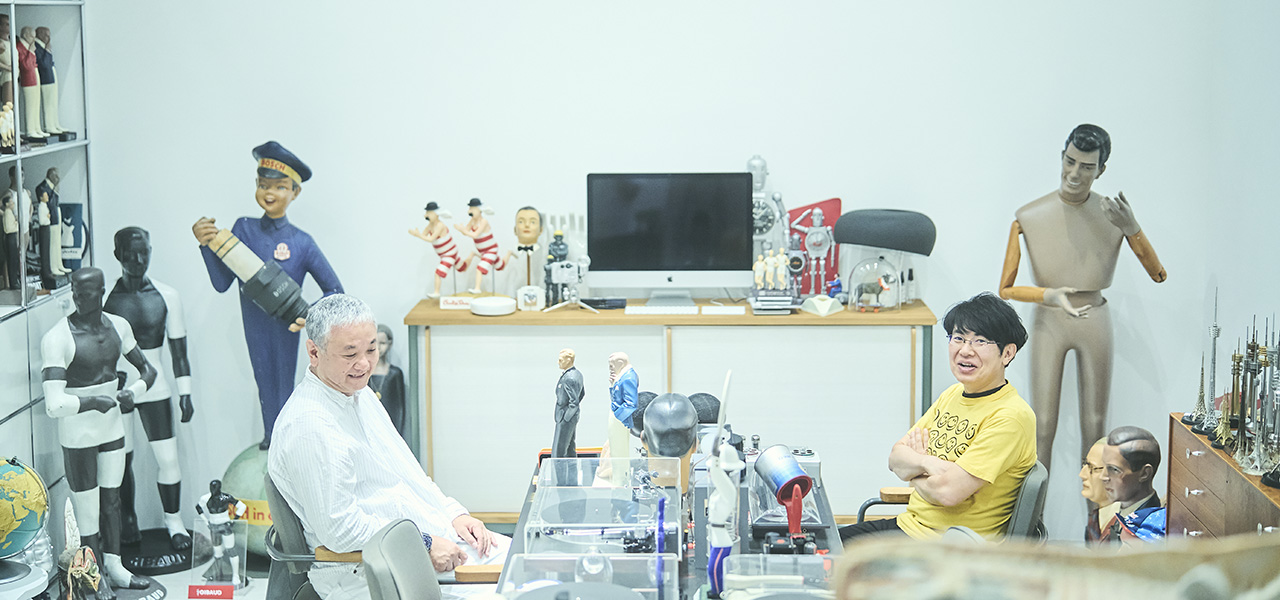
The Obsession of a Collector: Madness and Aesthetics. "My dream is to stop collecting."
LOUNGE | GREAT CONNOISSEURS: A Conversation with Shinichiro Nakamura and Takamasa Tokuo
A CONNOISSEUR is someone with keen insight or expertise. In this ongoing series, GREAT CONNOISSEURS, Shinichiro Nakamura, one of Japan's foremost connoisseurs and head of The Conran Shop Japan, introduces discerning individuals from various fields.
For our inaugural conversation, we feature Takamasa Tokuo, whose collections span music, subculture, art, product and graphic design, interiors, vehicles, and architecture. He discusses the passion behind his seemingly obsessive collections and what constitutes true aesthetic judgment.
For our inaugural conversation, we feature Takamasa Tokuo, whose collections span music, subculture, art, product and graphic design, interiors, vehicles, and architecture. He discusses the passion behind his seemingly obsessive collections and what constitutes true aesthetic judgment.
Text by TOMIYAMA Eizaburo | Photographs by TAKAYANAGI Ken
A Connection Forged Through Jean Prouvé
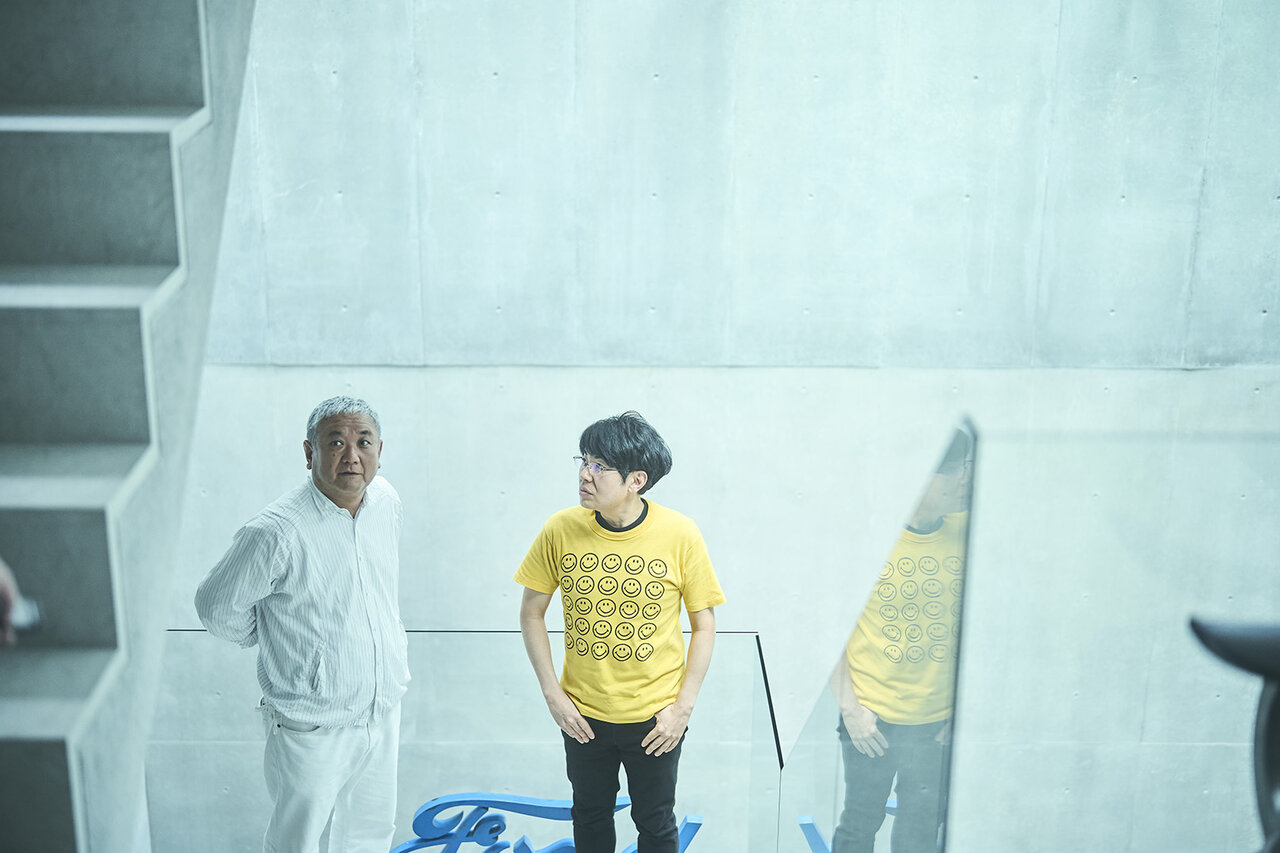
Shinichiro Nakamura(Nakamura): We're visiting Takao-san's "sanctuary" today, and it's as incredible as ever. Everything I see catches my eye (laughs).
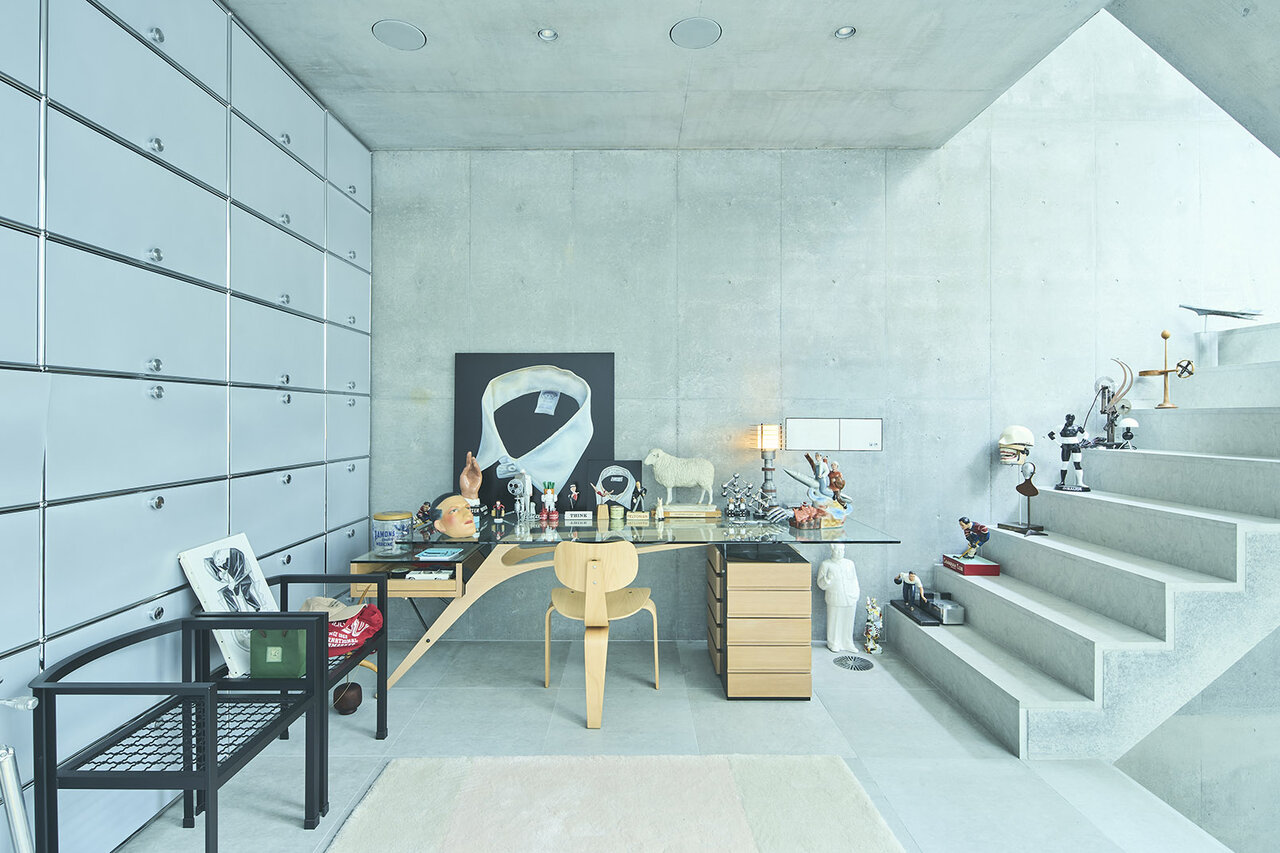
Takamasa Tokuo(Tokuo): I never intended to keep anything in this house. But I had to clear out a large warehouse, and while sorting items into several smaller ones, I thought, "Oh, I still have this." So, I've brought back things that have reignited my interest.
NakamuraThey are, after all, just a part of your collection. I first met you around 1993, introduced by Mr. Aihara, who ran the "Organic Design Modern Furniture Shop."
TokuoThat's right. You wanted to see Jean Prouvé's work, wasn't that it?
NakamuraWhen I visited your home back then and saw your Prouvé shelving unit (Mexican Bookcase), I was thrilled to find someone in Japan owned it! I was also struck by how it differed from the size, balance, and materials I had envisioned.

Jean Prouvé's Mexican Bookcase, displayed in his home at the time.
TokuoAt the time, I don't think there were many magazines featuring French modern design or specialized books on Prouvé. While everyone else was focused on American design, I was deeply drawn to French design from the 1950s.
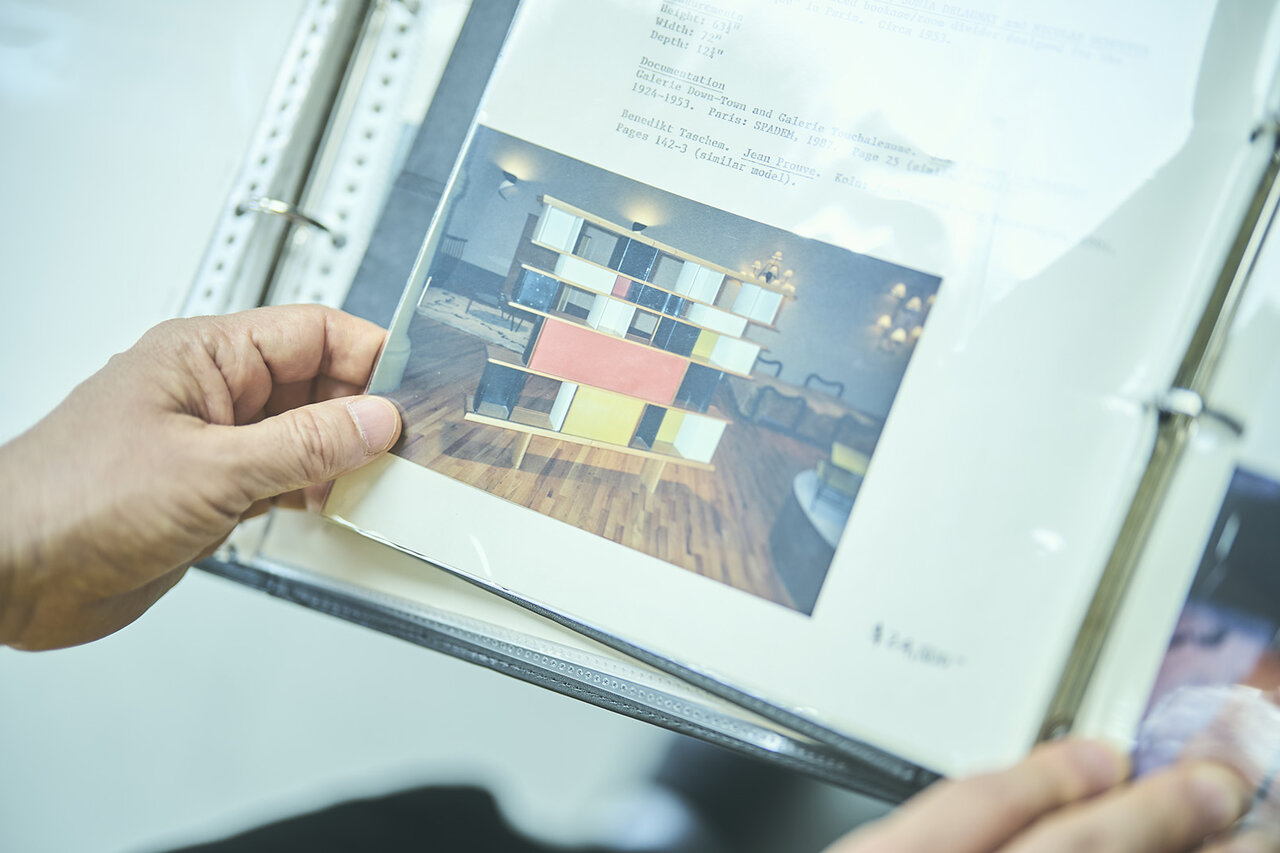
Materials sent from a gallery in the early 1990s.
NakamuraDid you enjoy collecting things from a young age?
TokuoI collected things like Kamen Rider cards and Supercar erasers, which were common then. I even completed the collection of Supercar illustrations found on the back of Fanta bottle caps.
NakamuraAs I suspected.
TokuoMy collecting became more focused when I started acquiring advertising materials. I was buying posters, figurines, and signs from high school onwards. I also started collecting Japanese items like Peko-chan merchandise quite early.
Later, I became fascinated with French and European styles, particularly Art Deco. When that no longer held my interest, I went through a phase of appreciating modern designers like A. M. Cassandre (graphic designer, stage artist, printmaker), which ultimately also relates to corporate advertising.
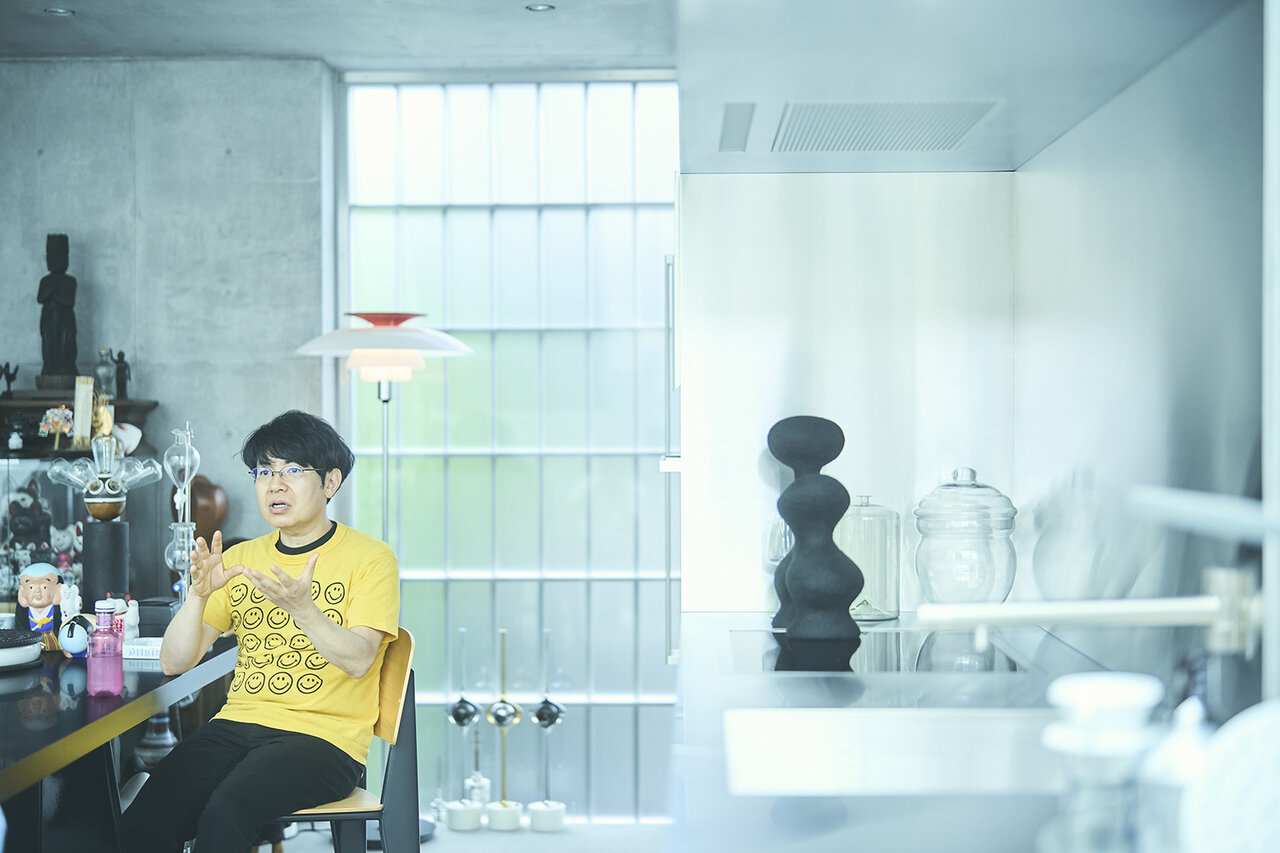
Takamasa Tokuo
Owner of UNIT in Daikanyama. Event producer. Previously, he was involved in art direction for major international brands, and has also worked on CD jacket designs, corporate logos, and graphic design for events.
Instagram: @tokuo_tower @ctoc_tokyo
Owner of UNIT in Daikanyama. Event producer. Previously, he was involved in art direction for major international brands, and has also worked on CD jacket designs, corporate logos, and graphic design for events.
Instagram: @tokuo_tower @ctoc_tokyo
I Appreciate Items Preserved in Their Original, Designer-Intended State
NakamuraI also appreciate objects, but I don't have many things I've continued to collect. Through my work, I meet many collectors, but you're quite unique (laughs).
You have a deep understanding of materials, which means you don't compromise. You have stories behind your items that we might not grasp. Once something captures your interest, your approach to acquiring it is distinctive, yet there's always a clear thread connecting it all.
TokuoI'm drawn to smooth, hard materials. That's why I've never really been into Scandinavian modern design or anything with a "warm" feel. It's mostly resin or metal.
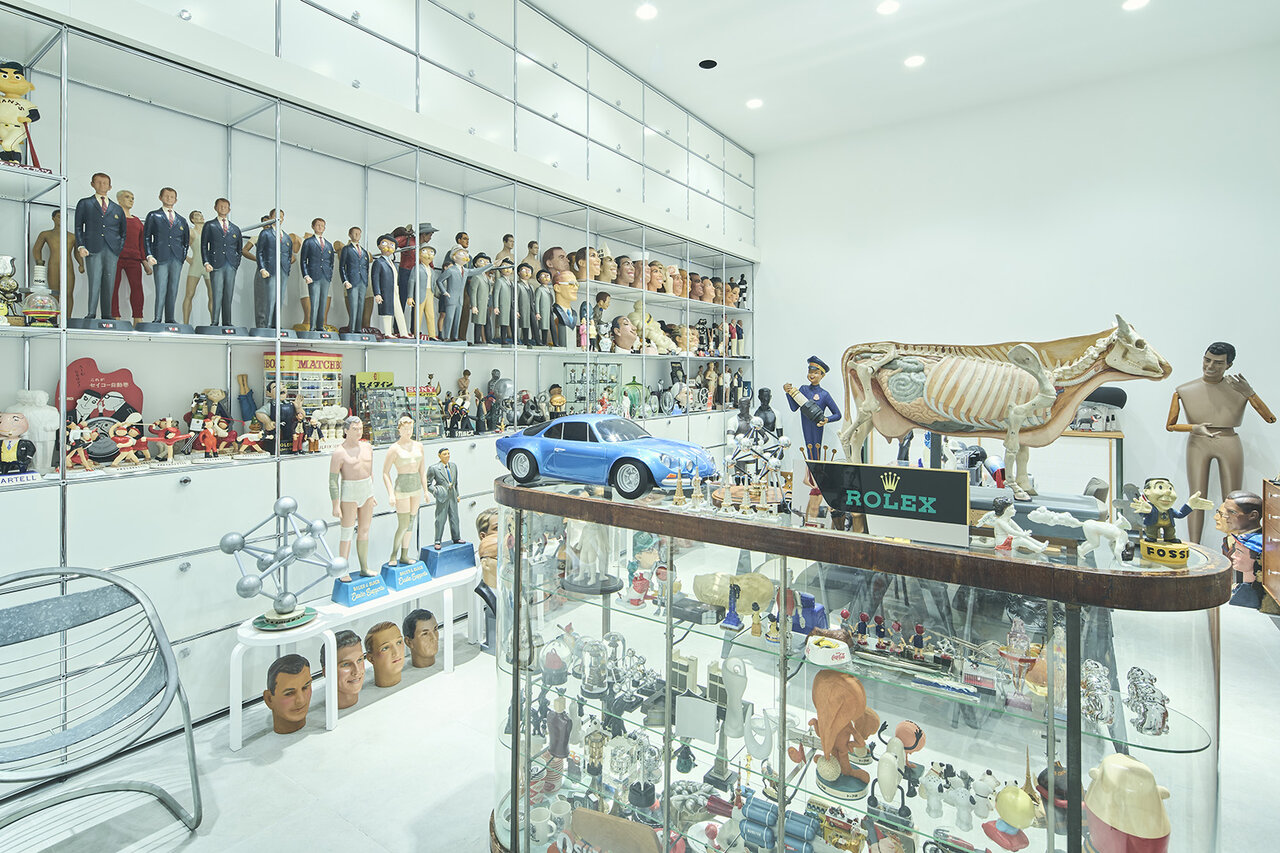
NakamuraHowever, the plastics and resins you own don't feel like the plastics that are often viewed negatively. They don't give off that impression.
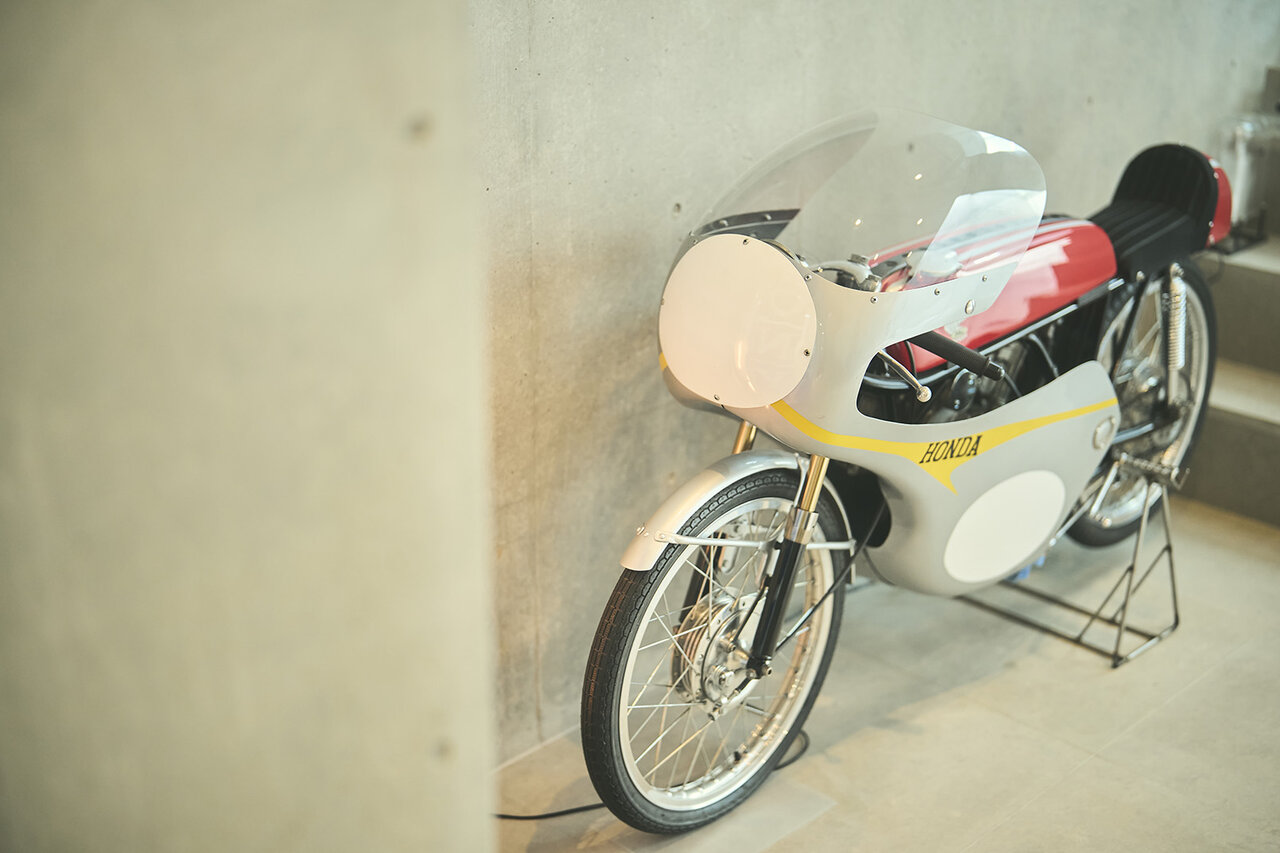
TokuoI might struggle with items that degrade quickly. I'm not particularly interested in the patina that comes with age; I prefer things as they were originally.
I like items that have been preserved in the state the designer intended. Whether it's a car or a motorcycle, it's best right off the assembly line. For those who appreciate product design, you'll know that later models rarely surpass the initial ones.
NakamuraThat's absolutely true.
TokuoIt's like how first editions are often preferred for books. I think this principle applies across many fields.
The Importance of Cities and Physical Stores
NakamuraIt's been quite some time since the concept of "experiential consumption" became popular. What are your thoughts on the shift from valuing goods to valuing experiences?
TokuoThat might be true for general consumer behavior, but in the world of collectors, it can also go from experience to goods. We often research extensively before buying, or purchase items because we're deeply impressed by the designer.
Also, when I visit a good store with a great atmosphere, selling excellent items – like the ones you curate, Nakamura-san – it makes me want to buy something. That's essentially paying for the owner's selection and aesthetic judgment. It's different from just buying an object; I feel it's about a connection to people.
NakamuraI see.
TokuoThat's why I believe cities and physical stores are important. Observing people waiting at a traffic light in Aoyama and thinking, "That person has a unique style," enriches my perspective. This is especially true in a city like Tokyo.
NakamuraIt's fascinating how collectors in the same genre or vintage category present their items so differently. I also value physical stores, which is why I'm actively involved in an event called "Modernism Show," hoping to offer some support.
Shinichiro Nakamura
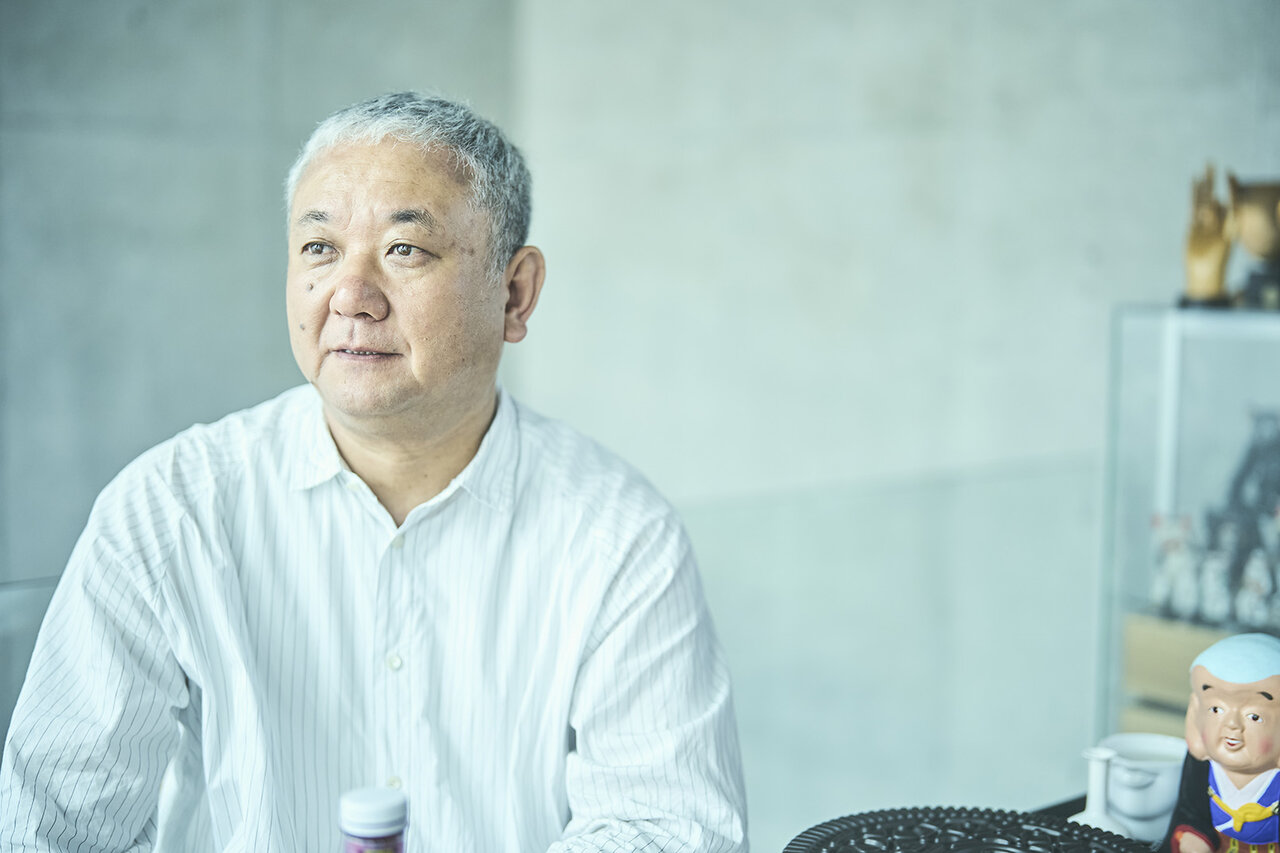
Shinichiro Nakamura, CDO of The Conran Shop Japan. Born in Kagoshima Prefecture in 1971, he is the founder of "Landscape Products." In Shibuya, Tokyo, he operates "Playmountain," which offers original furniture and more, as well as the cafe "Tas Yard." He engages in interior design, primarily furniture, and product design in collaboration with companies. His work focuses on creating beautiful environments through design. He became President and CEO of The Conran Shop Japan in April 2022 and assumed his current role in June 2025.
Shinichiro Nakamura, CDO of The Conran Shop Japan. Born in Kagoshima Prefecture in 1971, he is the founder of "Landscape Products." In Shibuya, Tokyo, he operates "Playmountain," which offers original furniture and more, as well as the cafe "Tas Yard." He engages in interior design, primarily furniture, and product design in collaboration with companies. His work focuses on creating beautiful environments through design. He became President and CEO of The Conran Shop Japan in April 2022 and assumed his current role in June 2025.
TokuoI sense a certain intensity from those who are serious about running their own stores (laughs). Like designers who want to express their vision, they aren't driven solely by sales. Your store, Nakamura-san, has had a distinct worldview from the beginning.
People who pay rent, salaries, and maintain a physical presence seem to be fully committed. You can feel the seriousness of their endeavor.
NakamuraIt is a serious endeavor, but I admire the American culture where, at flea markets, dealers congratulate each other on selling the best item of the day. I find that aspect quite appealing.
TokuoI've experienced something similar. Back in the early days of eBay, I was buying very niche items. Somehow, my obscure username became known among collectors and dealers in the US. When I introduced myself to a dealer I often bought from at an American toy show, saying, "I'm the one who does eBay, [username]," he exclaimed, "It's you!" Dealers from all around gathered (laughs).
They seemed to appreciate that I understood the items well. The people involved back then had a deep appreciation for their craft.
There was a sense of "You really get it," and the people involved had a profound depth.
My Criterion for a Good Item: "Substance." You Can't Truly Appreciate It Without Investing Your Own Money.
NakamuraPeople within those circles understand each other. What do you consider the criteria for a good item, or what constitutes aesthetic judgment?
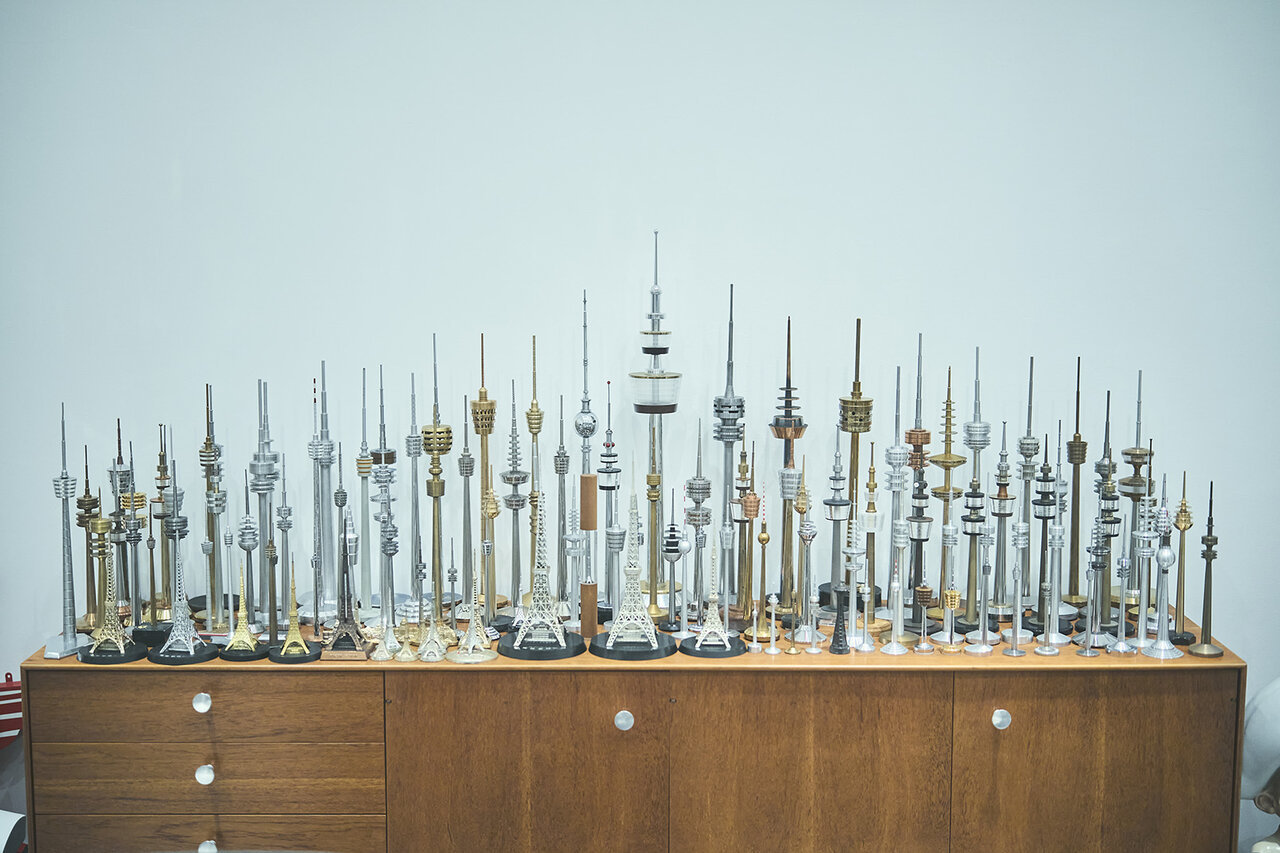
TokuoFor me, the criterion for a good item is "substance." Something that feels substantial and has a good "texture." With cars, for example, I find them beautiful when they're made with heavy materials, pressed, and coated thickly.
It's like how you can instinctively tell the thickness of the stone beneath your bare feet when standing on a floor. In that sense, I believe everyone possesses the capacity to appreciate substance.
NakamuraAnd beyond that, one must simply see and acquire many items, including making mistakes. Only then can you intuitively recognize a good item. There's no hesitation or wavering in that judgment.
TokuoExactly. You can't truly grasp it without investing your own money. It's only after buying and owning something that you can fully process it. That applies to everything.
NakamuraI share your sensibility regarding the feel and texture of objects. However, in my case, my store has a distinct character, so I have a filter that considers whether an item fits that persona.
TokuoI tend to go against the prevailing trends. Even if I loved something, once it becomes generally popular and praised, my interest wanes. I'm happy when people with similar tastes appreciate something, but if someone with completely different preferences calls it "stylish," I start to feel uneasy (laughs).
This sense of apprehension, perhaps even fear, drives me towards more niche areas that most people are indifferent to.
NakamuraBut when something is obscure, there's less information available, isn't there? Like with Prouvé, how do you go about researching it?
TokuoIt usually starts with old books that are beautifully illustrated and informative.
NakamuraRight. In the past, old books were the only source of information.
TokuoAs you delve deeper, you find books that are like digests. They might feature designers like Matthew C. Mcgrew (one of the leading mid-century furniture designers) or Jean Prouvé.
At the time, there were few French galleries handling these items, but I'd contact them anyway. Around then, Art Deco had become prohibitively expensive and hit a ceiling, so dealers started shifting towards modern design.

NakamuraI believe that to discover new information, one must travel to different countries, meet various people, and actively seek it out.
TokuoI tend to wander around areas like Aoyama, Nakameguro, and Daikanyama. Tokyo has a high concentration of people with unique interests.
NakamuraCities naturally attract both people and things.
TokuoI think it's also part of the Japanese national character to research thoroughly before buying good items. Moreover, it's a wonderful country with many excellent guides like yourself. In the vintage clothing market, for instance, Japan's market still seems to dictate global prices.
I Have No Intention of Buying Items as Investments.
NakamuraHowever, recently, there's been an increase in excellent shops based in regional areas that sell online. It's now possible to convey atmosphere through the internet.
Conversely, the ability to buy and sell directly between individuals might have diminished the joy of sourcing items. In the past, dealers would accompany me on warehouse visits, but that's become much less common.
TokuoThere's also the issue of prices becoming globalized. For better or worse, the internet has facilitated information flow, leading to a standardization of prices for collector's items worldwide. While money can buy good things, finding a great bargain with just a discerning eye is more challenging than it used to be.
NakamuraThere are also those who buy items with the expectation of future value appreciation, not necessarily for their aesthetic merit.
TokuoI have no intention of buying items as investments. If the expectation of price increase is the primary motive, you can't truly enjoy them in your daily life, can you? I consider that one of the biggest drawbacks of the internet.
On the other hand, it's remarkable that the internet allows for engagement with incredibly niche genres where perhaps only five collectors worldwide share the same passion. Without the internet, you'd never meet such niche collectors, even after traveling the world for decades (laughs).
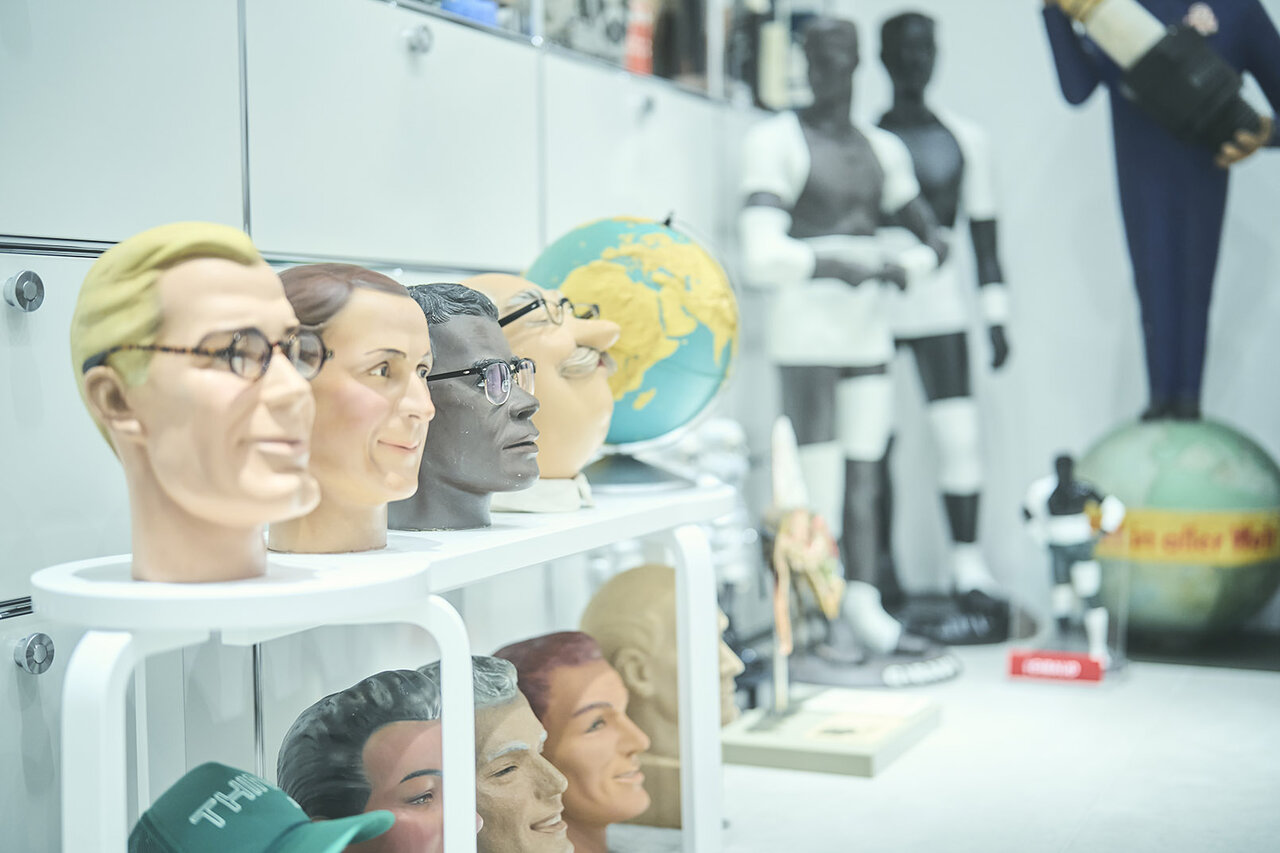
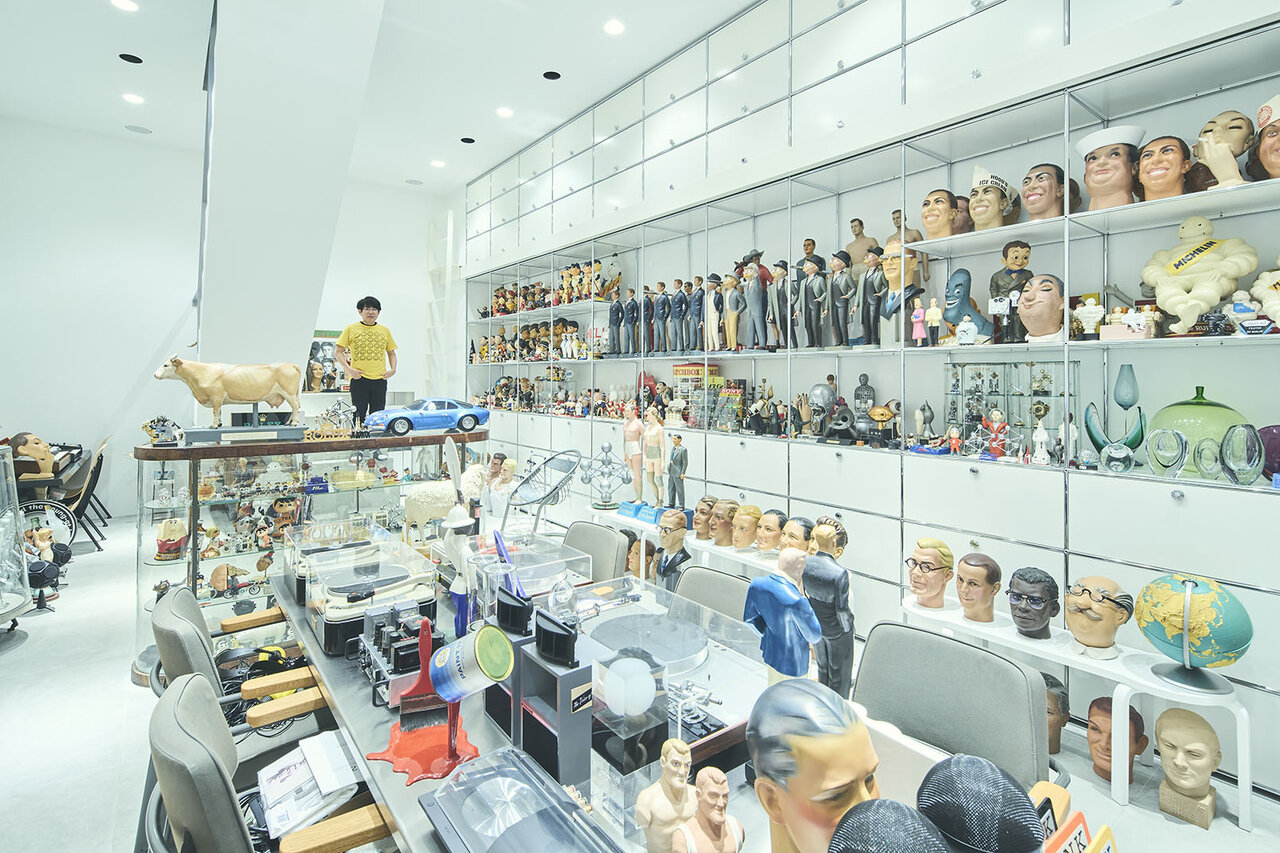
There's a rumor that Tokuo-san is the only person in the world collecting unique male mannequins.
NakamuraYou sell some of your collection through "CtoC TOKYO." Under what circumstances do you decide to part with an item?
TokuoWell, I think I've reached a point where I need to let go for various reasons. As I've gotten older, there are times when I find myself wondering, "What comes after deep knowledge and learning, after it becomes part of me?" Although I don't really want to part with them (laughs).
You, Nakamura-san, have worked to broaden the scope of culture for a wide audience, haven't you? My world has been completely closed off. I've built a tower of self-satisfaction so high that I've realized I can't get down (laughs).
I'd like to gradually chip away at it, build some steps, and enjoy it together with others. To that end, I've begun dismantling the fortress walls.
I Want to Be a Minimalist: "Please Don't Buy My Things."
NakamuraDespite having so many possessions, you don't even carry a bag usually.
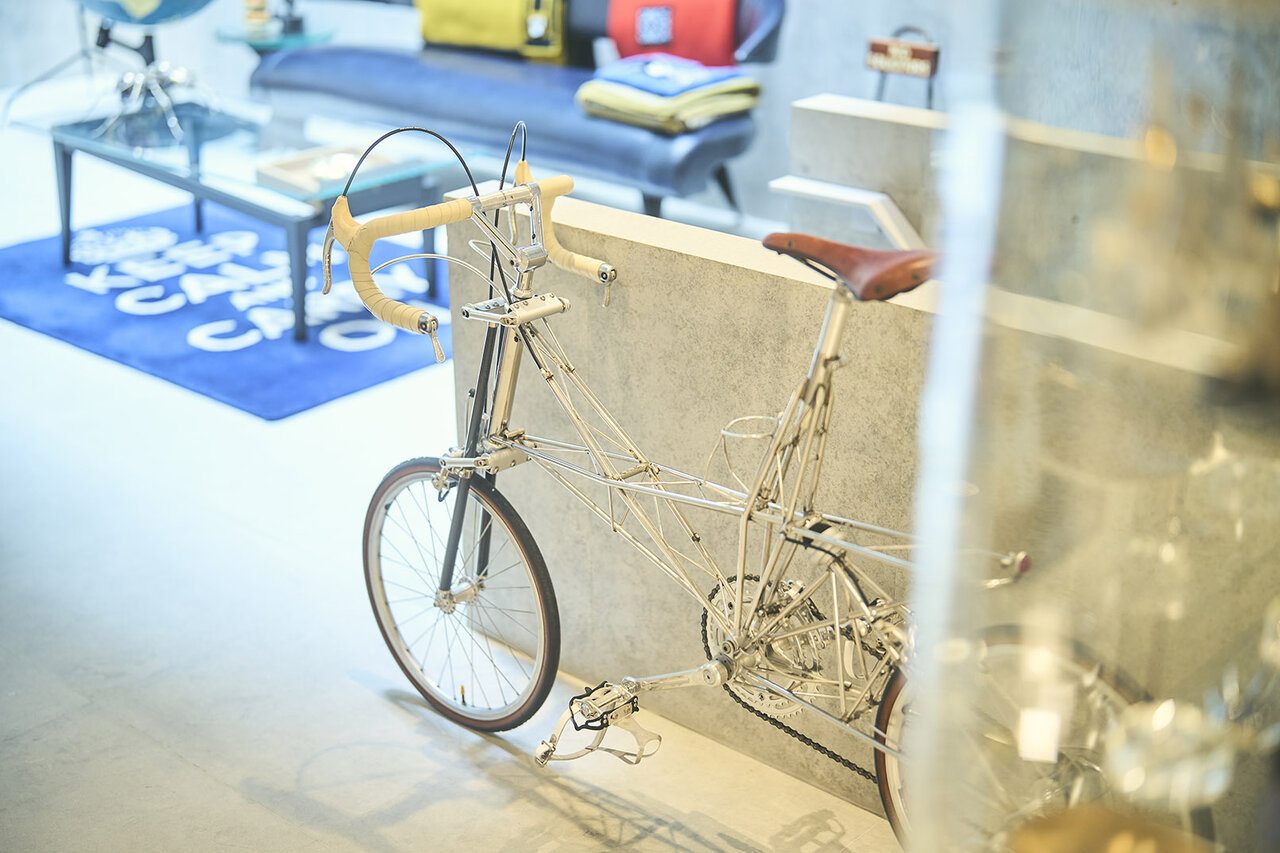
TokuoI don't wear a watch either; I rely on my internal clock. The other day, while talking with a friend, the phrase "Aren't we essentially minimalists?" came up naturally. We all shared a wry smile. But truly, I'm a minimalist who wants to cherish one perfect item in each category. My dream is to stop collecting! (laughs)
NakamuraI thought you were the type to reject concepts like decluttering.
TokuoNot at all. I'd love to wear a T-shirt that says, "Please don't buy my things." It's like saying "Don't feed the animals." I genuinely wish to live that way.
NakamuraHahaha (laughs). Even so, you'll probably continue buying things, won't you?
TokuoThis house will likely be full again soon...
NakamuraPlease tell me about it when that time comes (laughs). Thank you for your time today.