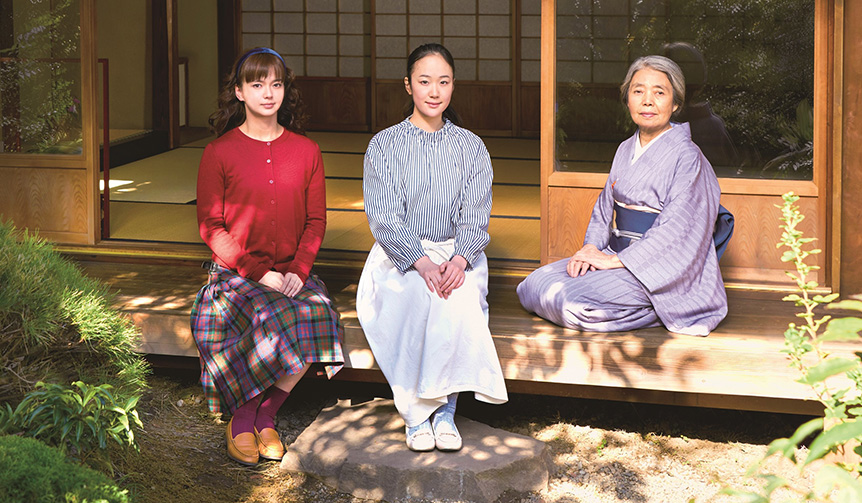
Serial | Jun Makiguchi's Cinema Full Life: Part 23, 'Every Day a Good Day'
Serial | Jun Makiguchi's Cinema Full Life
Part 23: Noticing the Beauty in the World
Every Day a Good Day
When we are caught up in the rush of daily life, we tend to forget to pause. Yet, there is so much beauty in this world that can only be perceived when we stop to look. The chirping of birds amidst the din, the wildflowers blooming quietly by the roadside, the mist that gently wets the earth, the sunlight that makes everything sparkle—if we can appreciate the beauty in the ordinary, we can truly feel that each day is a good day. A film that celebrates the beauty of life through such sensibilities is about to be released.
Text by JUN MAKIGUCHI
The Richness of Having Something to Protect One's Sensibilities
The film "Every Day a Good Day" is a cinematic adaptation of the bestselling essay by Noriko Morishita, who was once responsible for the popular serialization "Deki-gotology" in Shukan Asahi.
The original book, "Every Day a Good Day: 15 Joys Taught by Tea," chronicles 25 years of the author's journey as a clumsy and somewhat scatterbrained individual who, by chance, began studying the Way of Tea. Despite numerous moments where she felt like giving up, she continued her practice.
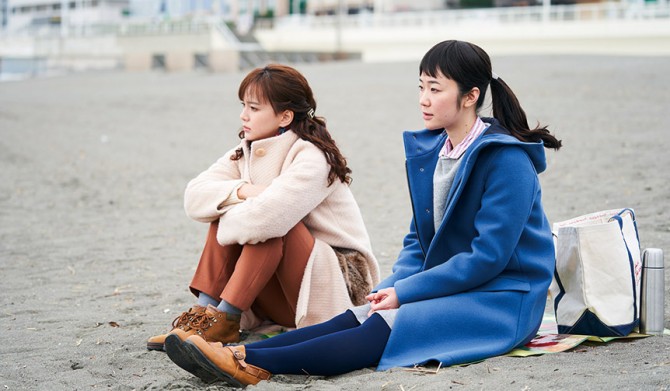
It is deeply endearing to see Noriko grow, finding joy in life and appreciating the passage of seasons, even during times of job search anxiety, heartbreak, or profound grief over the loss of her father, all with tea by her side. Her episode about shedding tears over Federico Fellini's "La Strada," something she couldn't understand as a child, particularly resonates with film enthusiasts.
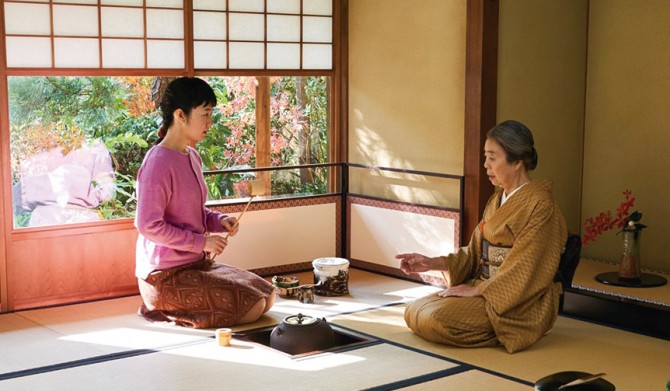
The phrase "Nichinichi Kore Koujitsu," which is both the title of the original essay and the film, was the first thing Noriko saw when she visited her tea ceremony master. It is a Zen phrase symbolizing the essence of tea, meaning "every day is a good day."
It signifies that by living each moment to the fullest, accepting it as it is—whether it's a rainy day or a sunny day, a day of joy or a day of sorrow—every day can be a precious and wonderful one.
Watching this film, one cannot help but aspire to live life in such a way. A way of accepting things as they are, remaining unfazed by whatever happens, and acknowledging oneself as part of nature.
This is the opposite of feeling nothing. Living each moment earnestly, I believe, begins with honing one's innate sensibilities as a living being, expressing gratitude for the world around us, and accepting the natural order of things.
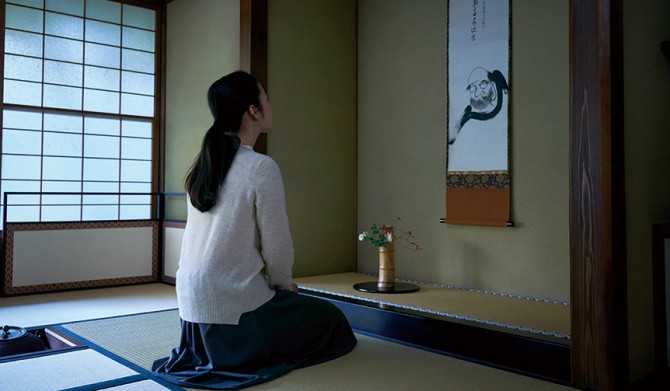
If we are unable to notice or appreciate the beauty surrounding us right now, what is to blame? Is it hatred or fear occupying our minds? Are we distracted by the negativity in our surroundings because of this unjust world?
Surely not. It is likely our own sensibilities that are at fault. Have we been blaming others or external factors for being so overwhelmed and forgetting our inner selves? As this thought arises, a poem by Noriko Ibaraki suddenly comes to mind.
“Do not blame the times
For all your failures,
Abandoning even a glimmer of dignity,
Protect your own sensibilities,
You fool.”
(From the poetry collection "Protect Your Own Sensibilities" / Published by Kaji Publishing)
Though the style differs, this poem conveys a sense of dignity that resonates with the Way of Tea. The Way of Tea possesses a power to reawaken dulled sensibilities.
During the period when the Way of Tea was established, Japan was embroiled in constant conflict. Lives were easily extinguished, what existed today might vanish tomorrow, and values were frequently overturned. In such times, perhaps the small space of the tea room served as a precious sanctuary for warriors, allowing them to exist without forgetting their human hearts and dignity. The tea ceremony must have been one of the few opportunities in a turbulent world to protect one's human sensibilities.
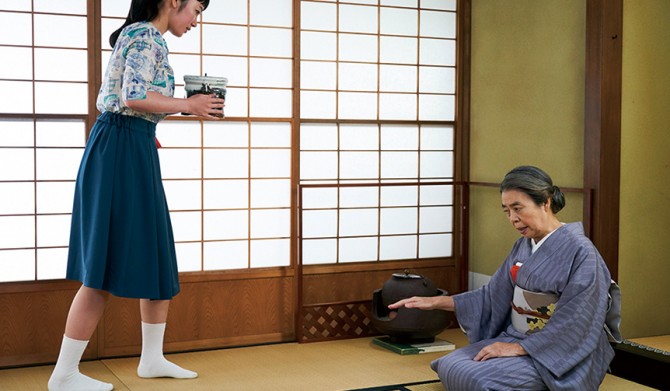
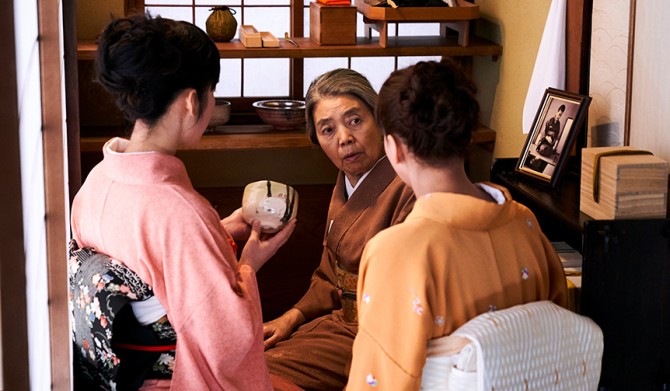
The state of mind that the Way of Tea helps us realize is perhaps encapsulated in the words spoken by Noriko's tea master, played by Kirin Kiki.
“I’ve been thinking lately. It’s a happiness to be able to do the same things every year.”
This, indeed, is the true joy in life. Appreciating the cherry blossoms in spring, feeling the scorching sun while listening to the cicadas in summer, enjoying the autumn foliage and harvest, and finding solace in unexpected warmth amidst the biting cold of winter.
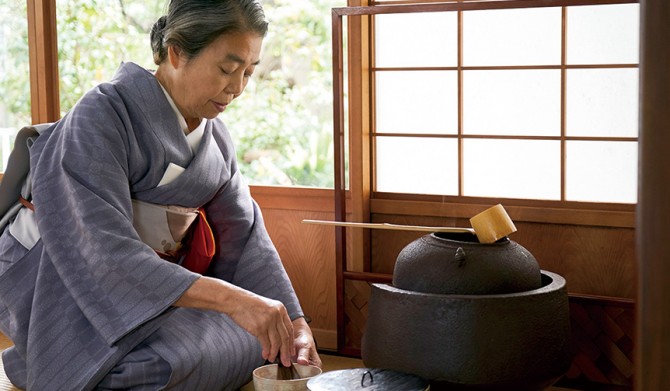
Perhaps the Way of Tea depicted in this story is not merely the Way of Tea itself, but a symbol of an awakening. How much more vibrant would life become with such awareness?
Like tea was for Noriko, having something to sustain oneself in this often-harsh world, something that can protect one's sensibilities, is truly enriching and empowering. This film gently reminds us, who are easily swayed by material things, of the importance of possessing the means to fulfill our hearts.
****
A film that allows us to re-recognize the beauty inherent in everyday life. Also, pay attention to the superb performance by Kirin Kiki as the tea master.
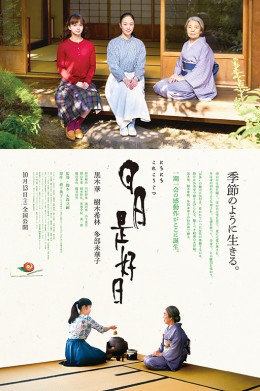
Every Day a Good Day
Starring: Haru Kuroki | Co-starring: Kirin Kiki, Mikako Tabe
Directed and Screenplay by Tatsushi Omori
Based on: "Every Day a Good Day: 15 Joys Taught by Tea" by Noriko Morishita
Distribution: Tokyo Theatres | YOAKE
http://www.nichinichimovie.jp/
©2018 "Nichinichi Kore Koujitsu" Production Committee
Now Showing Nationwide!