Serial | Jun Makiguchi's Cinema Full Life, Part 17: 'The Lure'
Serial | Jun Makiguchi's Cinema Full Life
Part 17: A Horror-Fantasy Condensed with Polish Creativity
The Lure
Horror is a genre that struggles to gain recognition at prestigious film awards, which tend to favor serious works. This is despite the fact that countless masterpieces have been created within it. However, in terms of creativity, I believe there is no genre that offers more enjoyment of an artist's ingenuity than horror. By stimulating fear through visuals and sound, it touches upon the primal anxieties within us. Even knowing we are in a safe space, it inexplicably leaves us feeling unsettled.
Text by MAKIGUCHI June
A Cruel and Beautiful Coming-of-Age for Mermaids
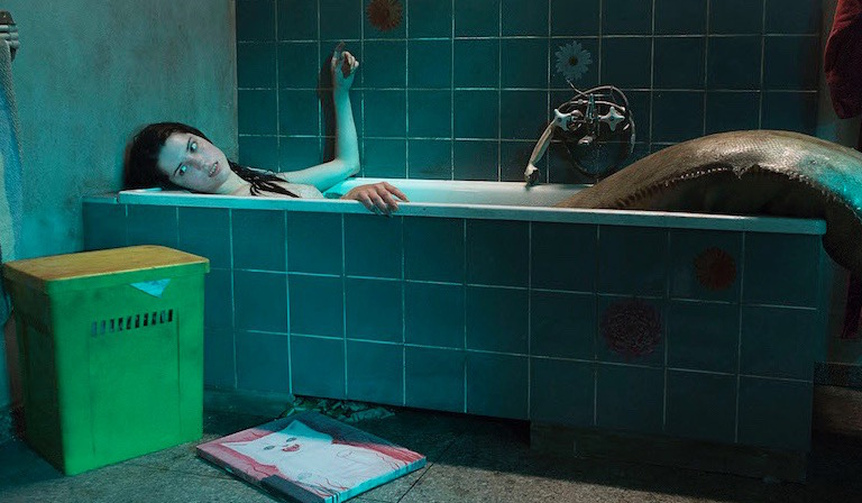
The film "The Lure" is a horror-fantasy that immerses viewers in a sensual, dark world, offering an escape from reality through its unsettling and grotesque, yet unique, aesthetic. Its originality is further amplified by its musical format.
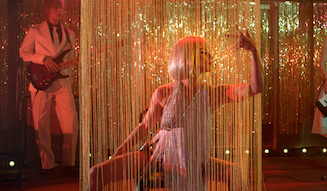
The story is set in 1980s Poland. Two beautiful mermaid sisters, who subsist by preying on humans, arrive at a dancing restaurant in Warsaw. Upon discovering they are mermaids, the owner puts them on stage to sing and dance, and their performances make the restaurant a sensation. Eventually, the elder sister, Silver, finds herself drawn to a musician at the club.
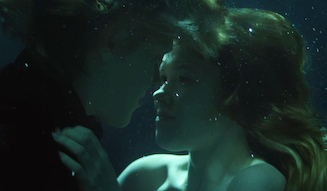
However, their "fish" nature becomes an obstacle, leading them to desire becoming human. But if Silver's love is unfulfilled, she will turn into sea foam. Her sister, Golden, watches her with complex emotions. As the sisters begin to diverge in their desires, a rift starts to form between them...
For the sisters, humans are merely prey. So, what awaits a mermaid who develops special feelings for her prey: growth or ruin? While drawing inspiration from Andersen's "The Little Mermaid," the film adds elements of the Sirens from Greek mythology, who lure sailors with their beautiful singing before devouring them.
However, by symbolizing mermaids as girls not yet fully transformed into adult women, the film depicts their journey of forming individuality and identity through their first stage performance, first cigarette, and first love. It is natural that experiencing these firsts would lead to the formation of different selves.
The way the sisters arrive at vastly different conclusions as they step into the human (adult) world is both grotesque and deeply poignant.
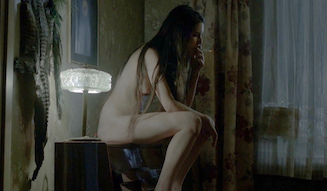
This film, which depicts a departure from girlhood that is far from merely sweet and sentimental, is perhaps rooted in the universal, somewhat terrifying experience of "growing up." When viewed through this lens, the numerous bloody horror elements feel like profound metaphors, and their creativity is truly admirable. The tragic loss of their mermaid identity as they become deeply involved with the human world, and the exaggerated, unnatural fins that symbolize the cruelty and ferocity lurking within the girls, are not mere theatrics but expressions born of necessity.
The era itself adds a vibrant layer to this world. "Dancing restaurants" were popular in Poland under communist rule in the 1980s. These were unique Eastern European establishments where patrons could enjoy live performances of hit songs from Poland and the US, dance with partners, and watch shows by strippers and magicians. They were special clubs where Western culture and cuisine were also available.
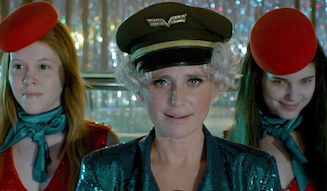

The film's music was composed by the Vronski Sisters, stars of the Polish indie music scene. Their parents used to perform at dancing restaurants, and their experiences glimpsing the adult world during their formative years formed the basis of this film. In fact, the movie was initially intended to be their biography. During the production process, the idea of turning the girls into mermaids emerged, and by likening singing mermaids in a nightclub to Sirens, the film acquired its horror elements.
Improvised, outlandish ideas can sometimes be the key to originality, evolving into unique creations. It is a great fortune in the creative process when filmmakers can bring a work to completion without their free imagination and fresh sensibilities being stifled. And this, perhaps, is the secret to the film's enduring appeal.
Poland is also gaining attention in the fields of contemporary art and design. Its unique culture, born from its distinct historical experiences, is proving to be a strength, with various talents already beginning to emerge. This film can certainly be considered one such manifestation. From the title sequence animation to the overall distinctive visual design, I encourage you to pay close attention to every detail.
★★★☆☆
The landscapes of 1980s Poland, experienced by the filmmakers in their childhood, are depicted with a nostalgic charm. The art direction and fashion are also captivating.
The Lure
Director: Agnieszka Smoczyńska
Starring: Kinga Preis, Michalina Olszańska, Marta Mazurek, Jakub Gierszał, Andrzej Konopka, and others
Distributed by: Happinet / Released by: Kopiapoa Film
© 2015WFDIF, TELEWIZJA POLSKA S.A, PLATIGE IMAGE
Now playing at Shinjuku Cinema Qualite and other theaters nationwide since February 10.
Jun Makiguchi
After working for Kyodo News, a film festival secretariat, and magazine editing, she became an independent writer. She currently writes film columns and interviews for women's and men's magazines, focusing on lifestyle topics such as fashion, food, and music seen on screen.