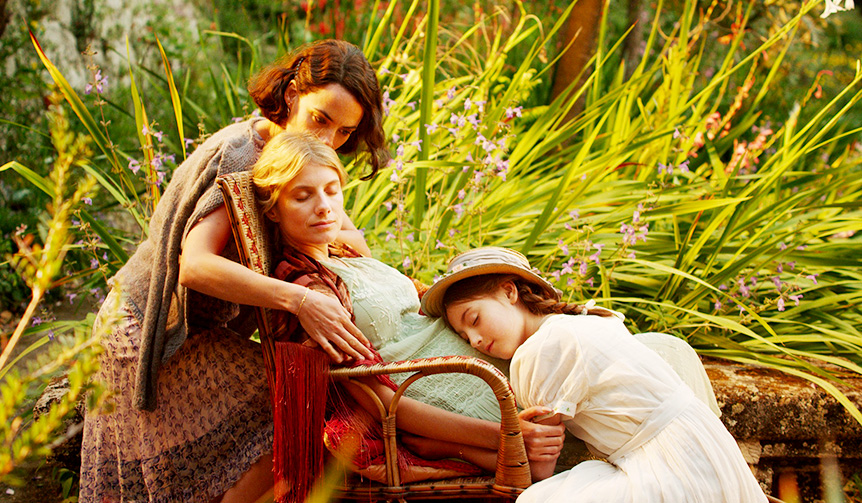
Serial | Jun Makiguchi's Cinema Full Life: Part 14, The Flowers of Eternity
Serial | Jun Makiguchi's Cinema Full Life
Part 14: Capturing the Immortal Within the Finite
Eternity: The Flowers of Eternity
Expressing eternity is a profound challenge. No one has ever witnessed its beginning or its end. Tran Anh Hung's latest film, "Eternity: The Flowers of Eternity," beautifully captures the seemingly endless expanse of time, both created and yet to be woven by humanity, by focusing on a specific era.
Text by MAKIGUCHI June
Finding Ultimate Eternity Within the Finite
Set in a late 19th-century French aristocratic mansion surrounded by flowers and greenery, the film depicts the daily lives of Valentine, her children, and their friends. While they live elegantly, this large family experiences many poignant farewells due to events like World War I and illness, and their lives are not solely enveloped in happiness. Their family history unfolds day by day, woven with a tapestry of joy and sorrow, pleasure and pain.
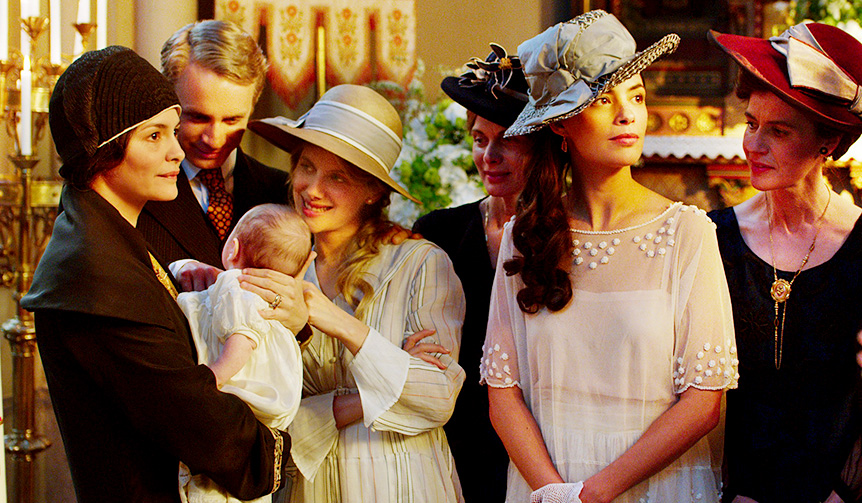
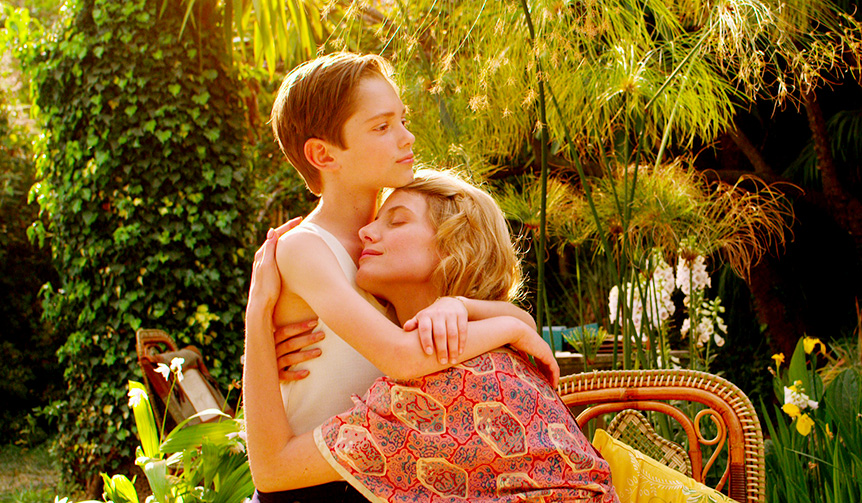
© Nord-Ouest
Though their lives are far from smooth, the characters rarely display their emotions overtly. While some viewers might question this, it is precisely this restraint that serves as the key connecting them to us, the audience. They embody a single drop within the vast river of eternity. The story itself does not emphasize the individuals but rather depicts grand themes like familial bonds and human history, passed down through generations.
In essence, this large family is not the protagonist of a dramatic narrative but a component that shapes eternity, much like ourselves. By deliberately avoiding an overemphasis on the "individual" and stripping away dialogue and emotional expression, the director's intention was likely to evoke a sense of a grander sweep. The choice to narrate the story, minimizing character conversations, probably aimed to prevent the audience from becoming so emotionally invested in the characters that they lose sight of the broader worldview. This does not mean the characters are unimportant, nor that they lack emotion. The joy for the viewer lies in perceiving unspoken emotions through the eloquent visuals.
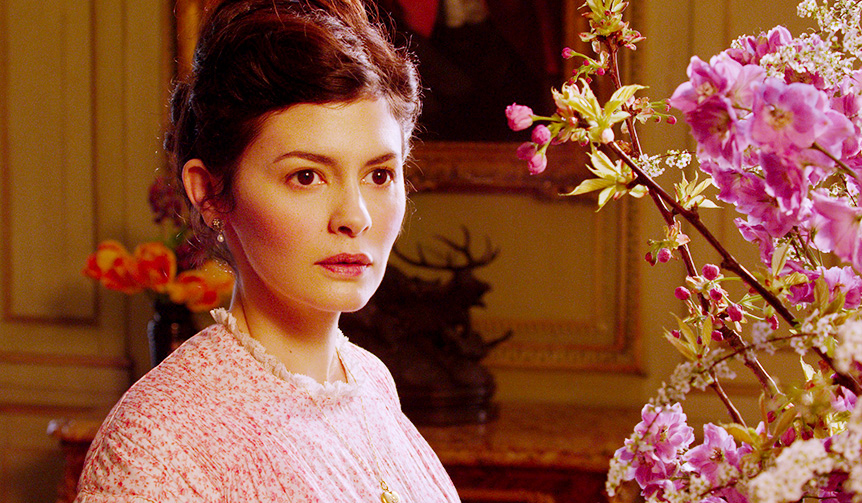
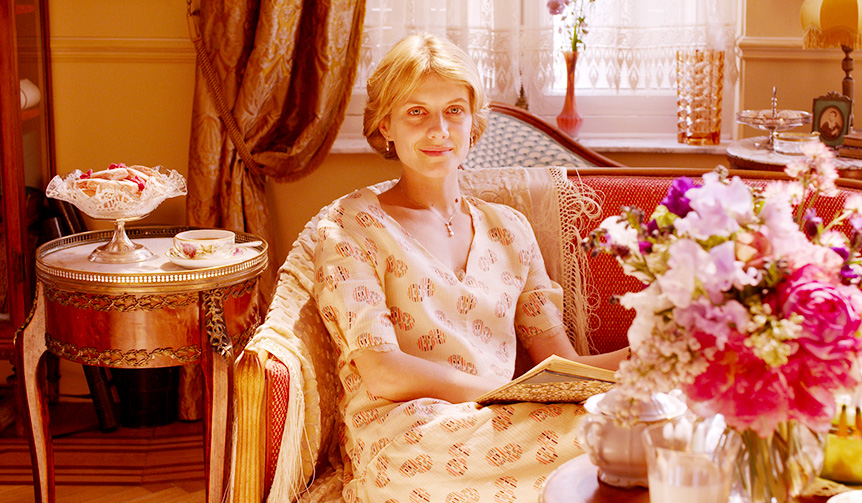
© Nord-Ouest
I believe that a great film possesses the power to evoke the world beyond the frame, or the time before and after it. Director Tran succeeds in this with "Eternity," creating a worldview that transcends time and space, allowing us to feel the vast expanse of time and space beyond what is depicted.
Expressing everything by depicting a single part. To portray the infinite, one does not show much but finds ultimate eternity within what is stripped away. This approach feels remarkably Zen. It is perhaps for this reason that the film resonates so deeply with many Japanese sensibilities. Pursuing eternity within various finite elements—limited time, the finite space of the screen—must have been a profound joy for all the artists involved. And, of course, for us viewers as well.
★★★★★
A visually eloquent film that expresses eternity by depicting a single element.
"Eternity: The Flowers of Eternity"
Directed by Tran Anh Hung ("Norwegian Wood," "Summer Heat," "The Scent of Green Papaya")
Starring: Audrey Tautou ("Coco Before Chanel"), Mélanie Laurent ("Inglourious Basterds"), Bérénice Bejo ("The Artist"), and others
Distributed by: Kino Films
Now Showing!
© Nord-Ouest
http://eternity-movie.jp/
Jun Makiguchi
After working for Kyodo News, a film festival secretariat, and a magazine editorial department, she became an independent writer. She currently writes film columns and interviews for women's and men's magazines, focusing on topics related to lifestyle, such as fashion, food, and music in cinema.