What Ideas Will Design a New Lifestyle? "Future Idea Conference" Report | LOUNGE
LOUNGE | Future Idea Conference
How Will "Mobility" Change Amidst Diversifying Lifestyles?
The executive committee for SOCIAL INNOVATION WEEK SHIBUYA, led by the general incorporated association Shibuya Future Design, held "SOCIAL INNOVATION WEEK SHIBUYA 2021," an urban event with the slogan "HELLO!IDEA.," featuring conferences and experiential programs from November 5th (Fri) to 14th (Sun). On the 9th, the "Future Idea Conference" brought together speakers from various backgrounds for a cross-talk on the theme of "mobility."
Cross-talk with an Eye Towards Implementing Ideas
The COVID-19 pandemic, which began spreading globally last year, has led to the establishment of a "new lifestyle" over the past year, including measures like staying home and wearing masks.
Currently, with the spread of remote work, more people are designing new lifestyles, leading to a diversification of perspectives on mobility, such as multi-location living, workations, and the popularity of camping and street sports. Simultaneously, we must consider sustainability issues, including decarbonization and environmental concerns.
The executive committee for SOCIAL INNOVATION WEEK SHIBUYA, led by the general incorporated association Shibuya Future Design, held the urban event "SOCIAL INNOVATION WEEK SHIBUYA 2021" for 10 days from November 5th to 14th. This year, the fourth iteration, carried the slogan "HELLO!IDEA.," and speakers with diverse viewpoints took the stage for conferences.
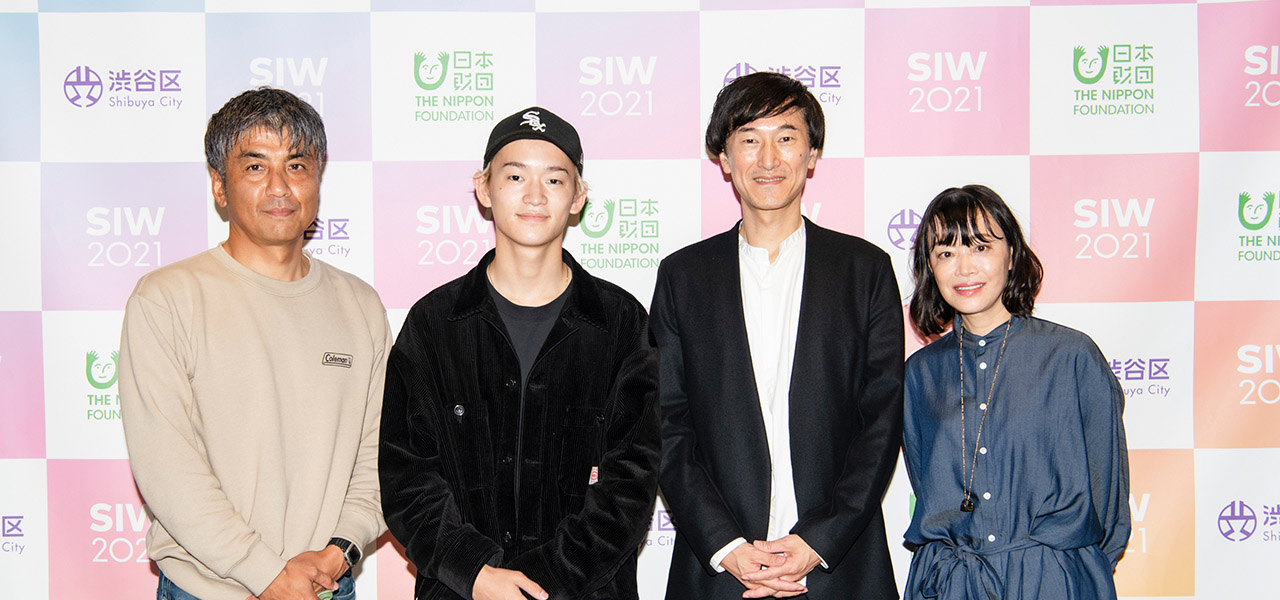
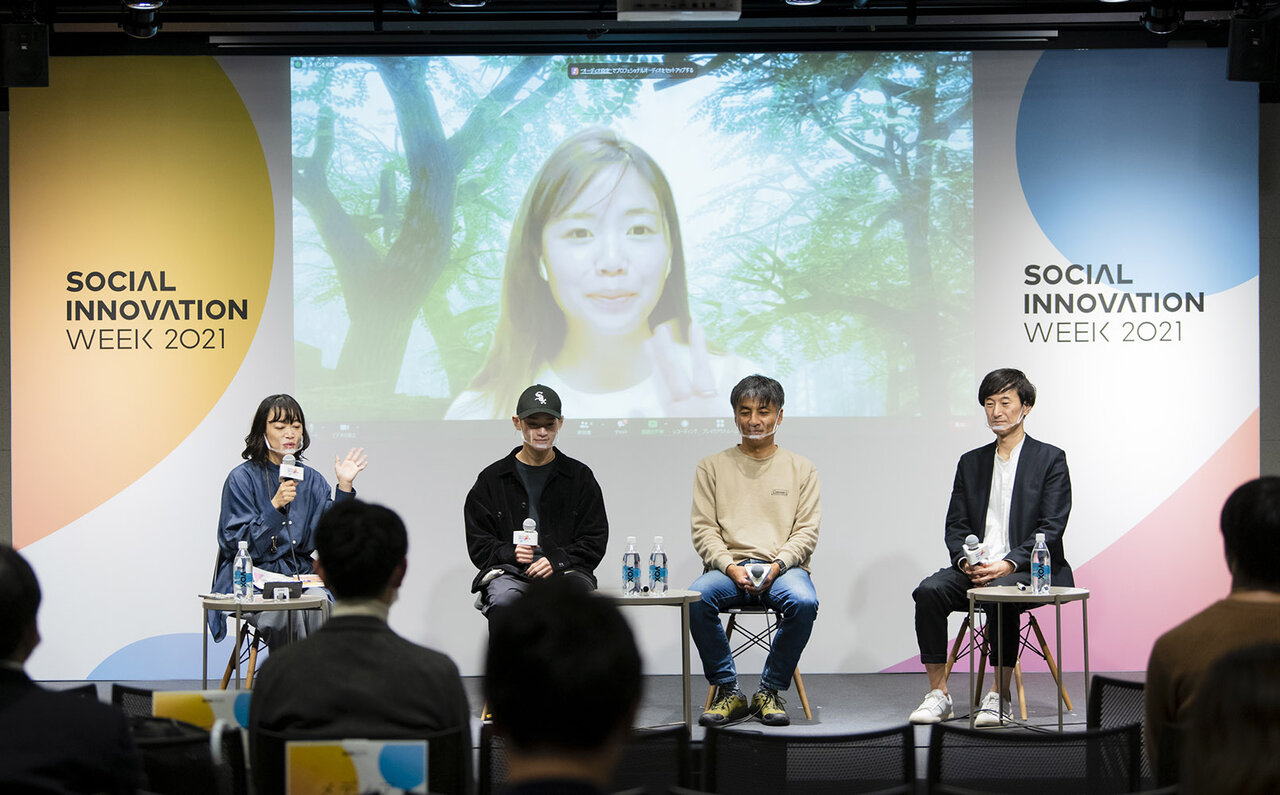
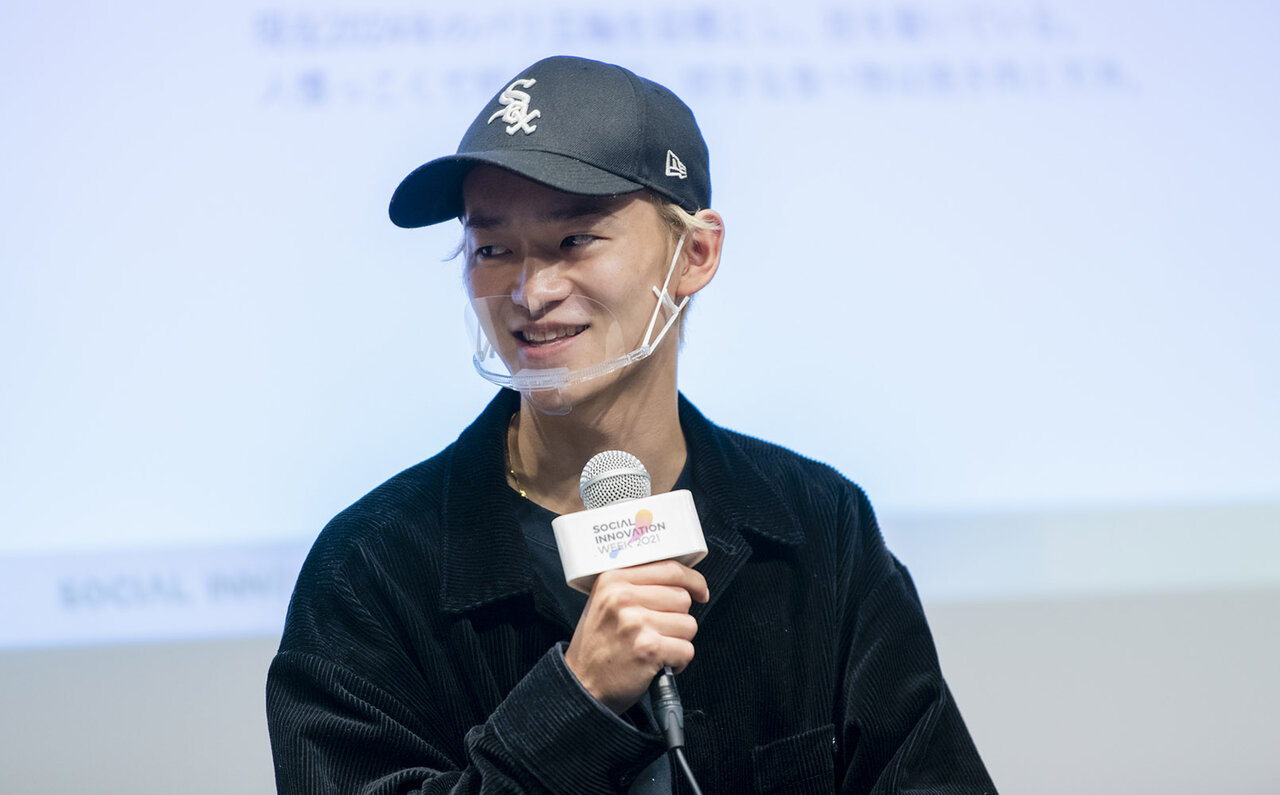
On the 9th, the "Future Idea Conference" was held to design new lifestyles. Speakers included Katsuyuki Endo from BMW Japan, social activist Anju Ishiyama, Yutaka Nakazato from Coleman Japan, professional skateboarder Sora Shirai, and SIW Executive Producer Shinko Nagata. They exchanged opinions on the theme of "mobility" and ideas for designing future lifestyles.
"Mobility" is an English word meaning fluidity and movability. In Japan, it is often used to describe transportation services, means of travel, and their convenience.
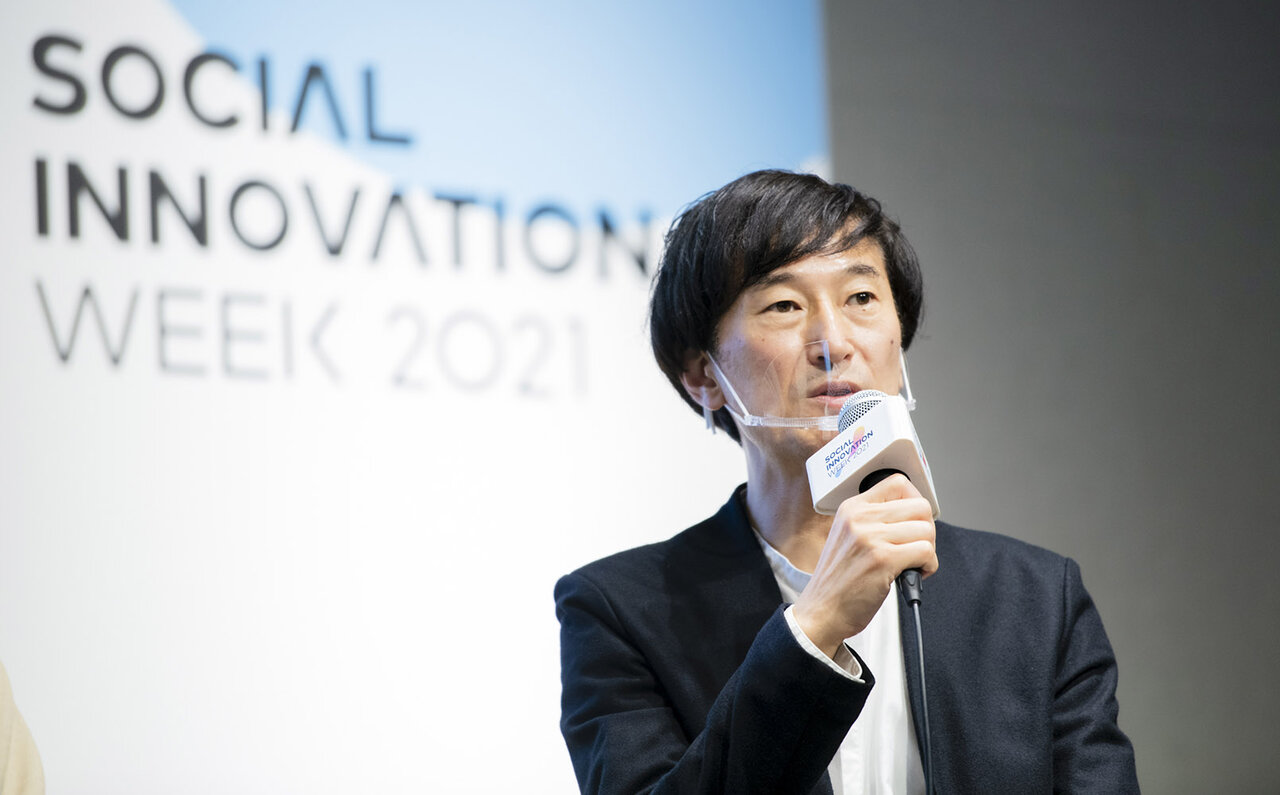
At the beginning of the session, Mr. Endo from BMW Japan, who has long been involved with electric vehicles, explained the background to the launch of the "Future Idea Conference" in collaboration with Shibuya Ward. BMW Japan aims to engage with the diverse people gathering in Shibuya to consider how lifestyles can be changed through electric vehicles, sustainability, and mobility, and how the automotive manufacturer can provide support.
Ms. Ishiyama, who practices the concept of "extended family" where people become family through shared consciousness and currently has a "family" of 102 members, is living a multi-location lifestyle with bases in Tokyo, Kyoto, and Oita. Before the pandemic, she often stayed in Tokyo for work, but after the pandemic, with the increased ratio of remote work, she now spends half the month in Oita. During this time, her perception of the role of a car has also changed.
"When I was in Tokyo, I didn't think I needed a car, but living in the countryside, I've come to realize it's still indispensable. However, I'm increasingly using mobility services like car sharing, where I have a half-ownership. Amidst young people moving away from car ownership, car sharing creates touchpoints with brands, potentially leading them to want to buy a car later, thus connecting cars and young people."
Responding to this, Mr. Endo, who commented, "Previously, I thought people owned cars not just for transportation, but purely as a hobby," stated, "Mobility should not only be about transportation but should also enrich the driver's lifestyle. For BMW, the 'joy of driving' extends beyond the act of driving to the joy of navigating through life. That's the kind of existence we aspire to."
Furthermore, even with electric vehicles, which are considered more sustainable than conventional cars, the energy issue is unavoidable. As a solution to this challenge, Mr. Endo proposed that individuals who own electric vehicles could supply electricity generated by their vehicles to a smart grid, thereby circulating energy within the community. Addressing clean energy issues like this will require a shift in awareness towards sustainability not only from corporations but also from consumers.
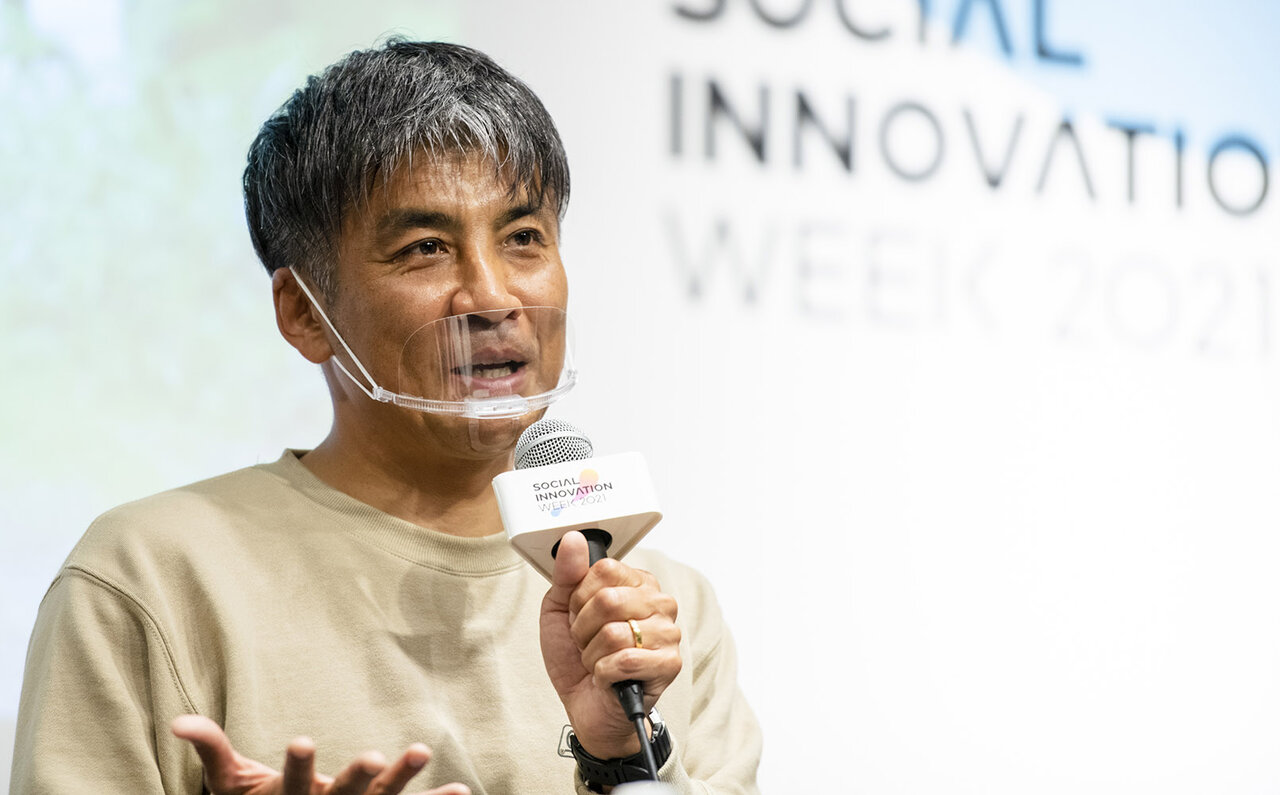
Mr. Nakazato pointed out, using camping, which has become popular recently, as an example: "Camping has a 'leave it cleaner than you found it' etiquette, so people start to consciously value nature once they begin camping. The best way to learn about environmental issues is not just by thinking, but by taking action. Individual awareness is beginning to change through these experiences."
Mr. Shirai, agreeing with Mr. Nakazato's opinion, shared his perspective as a professional skateboarder, citing the issue of etiquette as a reason why skateboarding is sometimes disliked.
"In Shibuya, there are people who skateboard even in crowded areas. While the unique culture of skateboarding might make it difficult, I really wish people would be considerate of others when skateboarding. If they did, the impression would improve, and I believe more people would come to like it."
In an era where lifestyles are diverse and unique to each individual, it is essential to constantly consider what is necessary to respect these varied choices.
Mr. Endo also shared his future outlook, expressing his desire to contribute to creating a space where diverse lifestyles can coexist through the "Future Idea Conference," where the possibilities of mobility and feelings experienced through mobility are shared. Why not share your own thoughts and feelings experienced through driving with others? You might just discover new ideas.