Feeling Social Media Fatigue? Rethinking Social Media for a More Livable Future
Sponsored
GRAVITY
Social media platforms like Facebook, Instagram, X, TikTok, and LINE have become an integral part of our lives. While each platform has its own user base defined by age and demographics, many are experiencing “social media fatigue” or “image fatigue” due to frequent online controversies and the way these platforms are used for communication with loved ones.
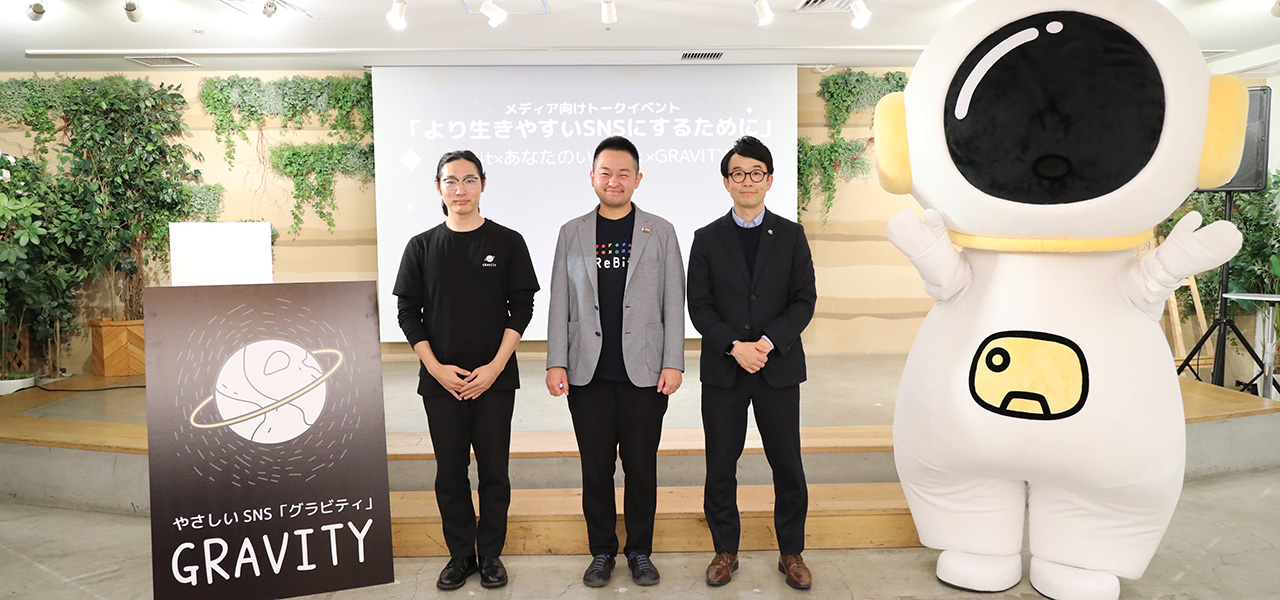
Amidst this, a talk event titled “ReBit × Your Support Channel × GRAVITY: Towards a More Livable Social Media” was held, hosted by GRAVITY, a new generation social media platform.
What is the New-Generation SNS, GRAVITY?
For readers who may have already disengaged from social media, let us briefly introduce the new SNS, GRAVITY.
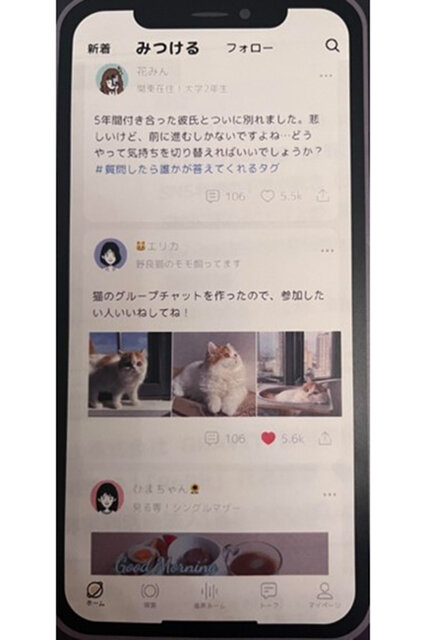
GRAVITY is an SNS that has gained popularity in recent years, particularly among women in their 20s and 30s. Its appeal lies in its user-friendly design that addresses social media and image fatigue by breaking away from conventional SNS norms, such as having limited sharing functions, not allowing photos for profile icons, and keeping follower counts private.
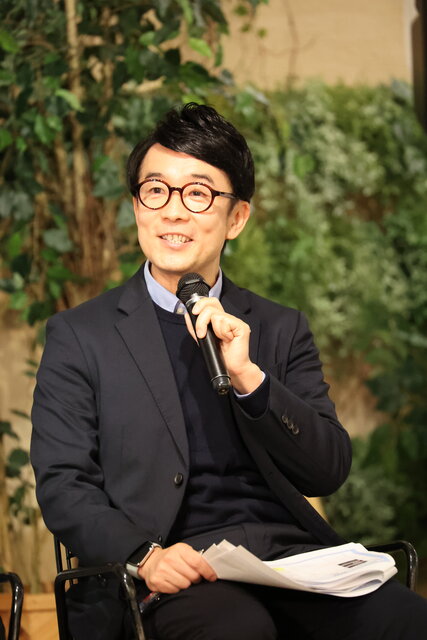
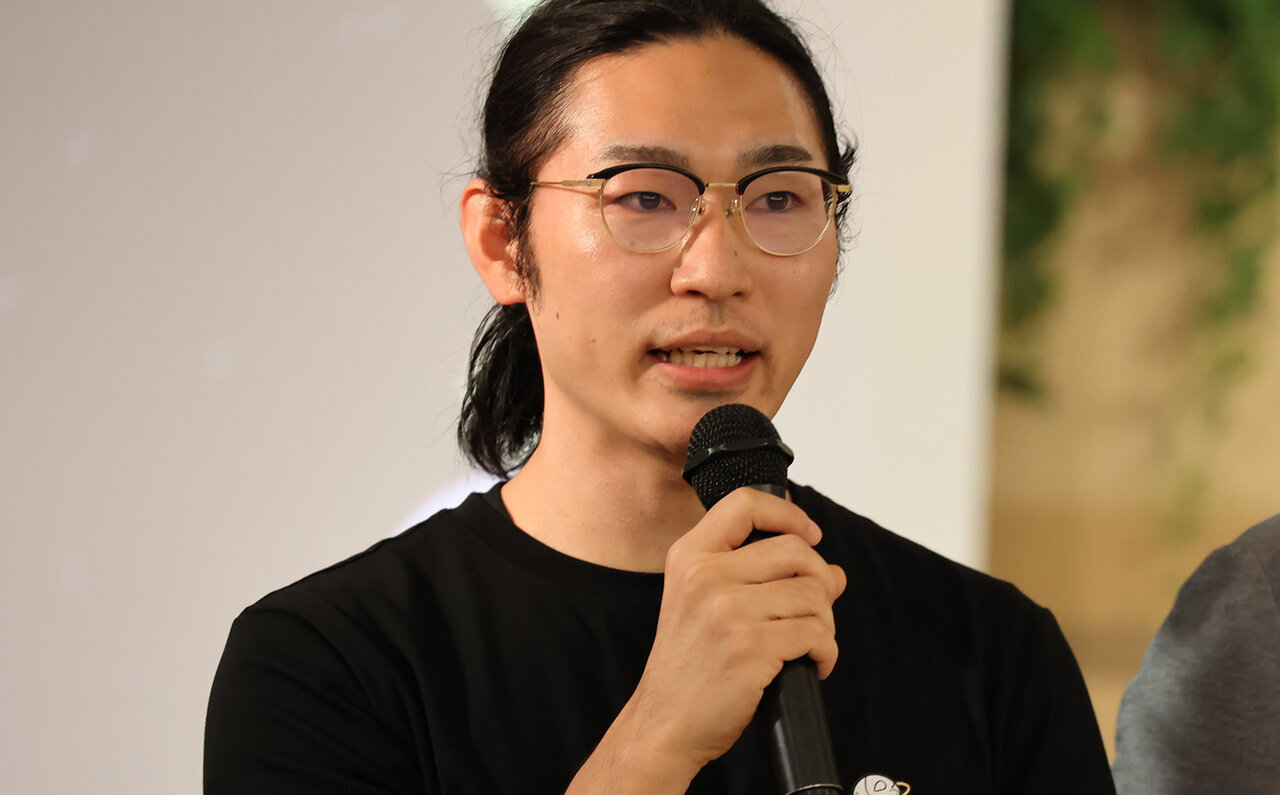
The panelists included Ayata Ueno, the head of GRAVITY operations; Miyoshi Yakushi, Representative Director of the certified NPO ReBit; and Tokukazu Negishi, Chairman of the NPO Your Support Channel.
To begin, Mr. Ueno presented findings from GRAVITY's survey on social media issues.
The survey revealed that approximately 70% of users across all age groups use social media for “killing time,” and about 50% use it to connect with new communities and people they wouldn't normally interact with. Furthermore, nearly half of users, spanning ages 10 to 50, reported experiencing social media fatigue.
While over half of those in their 30s reported social media fatigue, many in their 20s and 30s continue to use it for “information gathering” and “supporting their idols” (oshi-katsu). In contrast, users in their 40s and 50s primarily use social media to combat loneliness and seek connection.
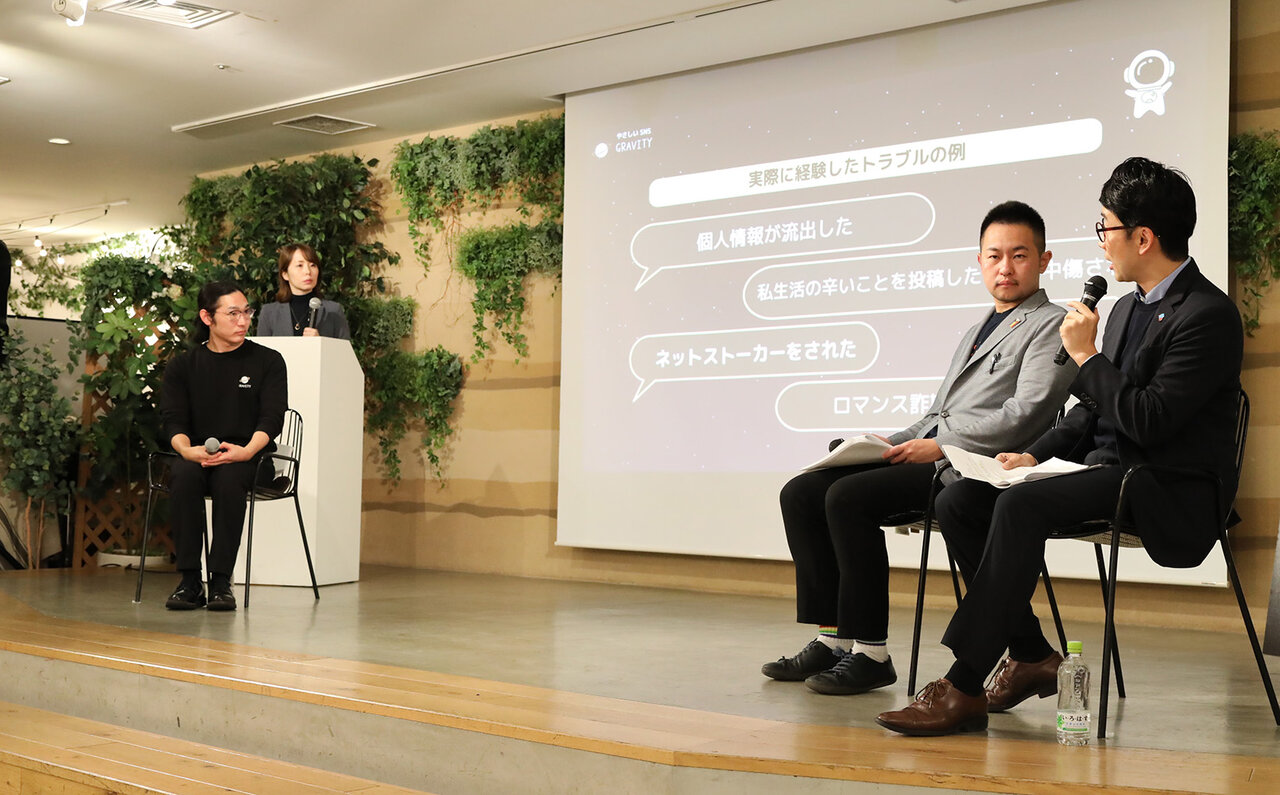
Moreover, 72% of users expressed anxiety or concern about issues such as online slander, romance scams, impersonation, public shaming, personal information leaks, cyberbullying, and cyberstalking, indicating a widespread trend of fatigue with online relationships across all age demographics.
Miyoshi Yakushi, Representative Director of ReBit, an organization dedicated to promoting understanding of LGBTQ+ issues and providing career support, shared her insights, drawing from her personal experience of transitioning from female to male.
“In addition to career support for LGBTQ+ individuals, we also provide services in healthcare and welfare because 68% of LGBTQ+ people experience bullying, a staggering 89% face difficulties with their parents, and one in two contemplate suicide. Many suffer from mental health issues due to life difficulties. For minorities, social media can be a more accessible avenue for seeking support,” stated Ms. Yakushi.
Mr. Negishi, Chairman of Your Support Channel, an organization that aims to eliminate unwanted loneliness and offers 24/7 chat support for those facing problems, primarily counsels teenagers.
He noted a recent increase in consultations related to social media issues, pointing to societal isolation as a driving factor behind the search for online connections. He shared his views in light of recent developments, such as the establishment of ministerial positions for loneliness in countries like the UK and Japan.
“Given the current societal structure, it’s almost impossible to avoid loneliness. What’s crucial is the ability to connect with someone, like a friend nearby. In Japan, with the introduction of support systems like ‘connection supporters,’ I feel that assistance is finally catching up,” said Mr. Negishi.
Your Support Channel has also received consultations from teenagers who expressed regret over slandering someone on social media. In response to this, Ms. Yakushi commented on the potential of new social media features.
“Meta’s Facebook allows users to choose from 58 gender options, which is a socially beneficial system that respects gender diversity. For X, I highly value features like the recommendation of support hotlines when a user posts about suicidal thoughts,” commented Ms. Yakushi.
Responding to these points, Mr. Ueno outlined GRAVITY's future aspirations.
“Profile icons and gender options are constantly under discussion. Moving forward, we are seriously considering features like an AI that can pre-emptively review posts for inappropriate language and suggest alternative phrasing, thereby preventing flame wars caused by offensive comments and allowing users to exercise better judgment. We also aim to provide more nuanced guidance based on the psychological state inferred from text.”
While striking posts and images on social media can be stimulating and entertaining, their increasing extremity also carries the risk of crossing ethical boundaries. In this context, opportunities to seriously consider positive and supportive ways of using social media may become increasingly essential for our future society.