Serialized Essays | Musings on #ijichiman: Shin-Okubo Edition
The 25th Installment: Shin-Okubo, A City That Continually Adapts and Evolves
“To insist solely on the safety and security of the body, without regard for the life or death of the soul or spirit, is wrong (Yukio Mishima)” — In this serialized essay series, Yasutake Ijichi, who established the cold-pressed juice culture in Japan, delves into the diverse, human aspects of the city that stand in stark contrast to the ultimate healthfulness of cold-pressed juice, exploring its history, transformations, and customs. This 25th installment navigates Shin-Okubo, home to one of Japan’s largest Korean towns.
Photographs and Text by IJICHI Yasutake
A Korean Town Becoming a Tourist Destination
I spent about ten formative, sensitive years of my youth, from junior high through university, in Shin-Okubo. My elementary school years were in Chiba, and though my grandmother lived in Ikebukuro, my playground in Tokyo was just beginning to expand from Harajuku to Shinjuku and Shibuya.
Beyond that, I knew almost nothing about other parts of the city, not even their unique character or atmosphere, when I moved to Shin-Okubo. I didn't quite understand what my mother, who grew up in Ikebukuro, meant when she said, “I never thought I’d end up living in Shin-Okubo…”
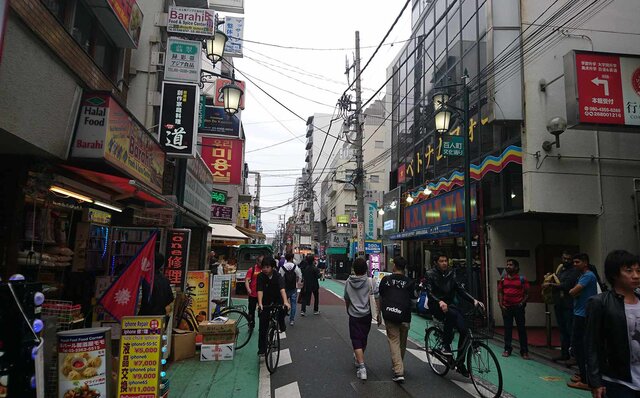
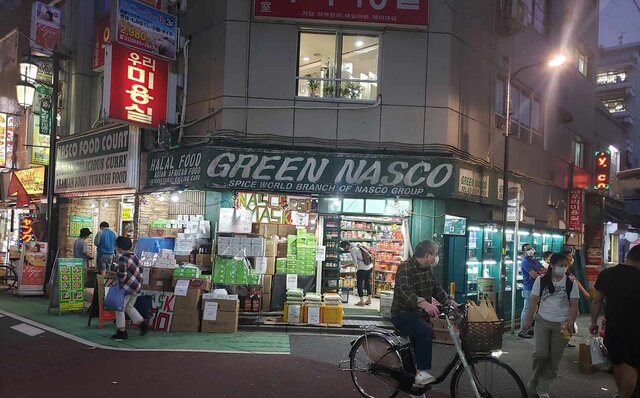
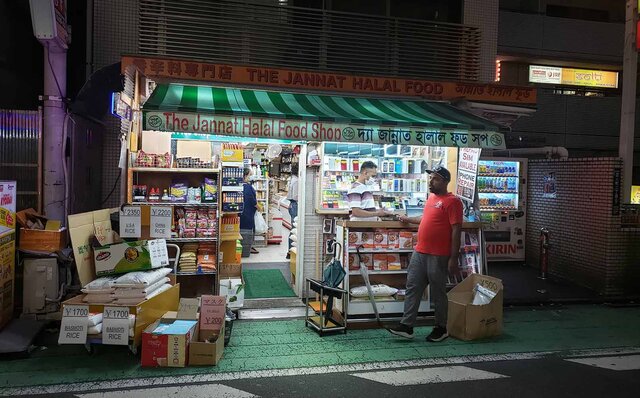
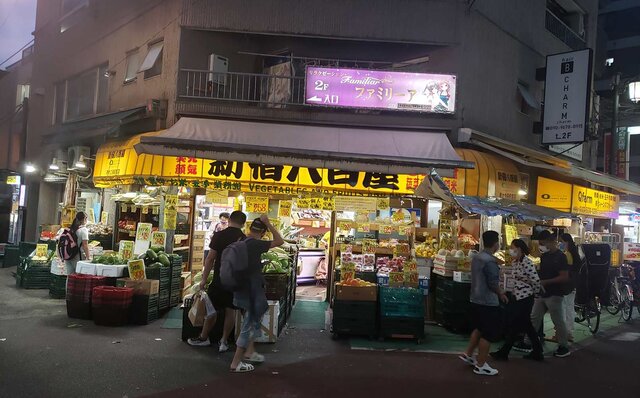
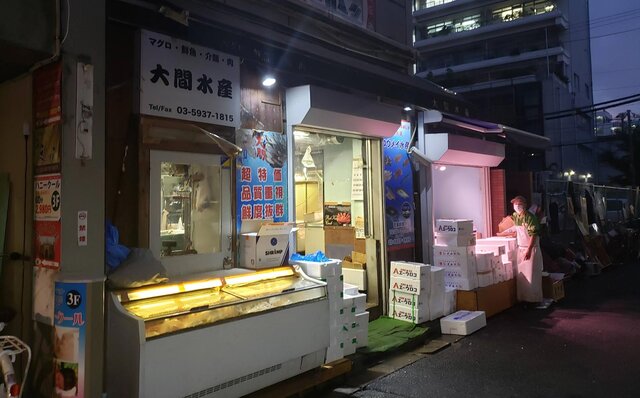
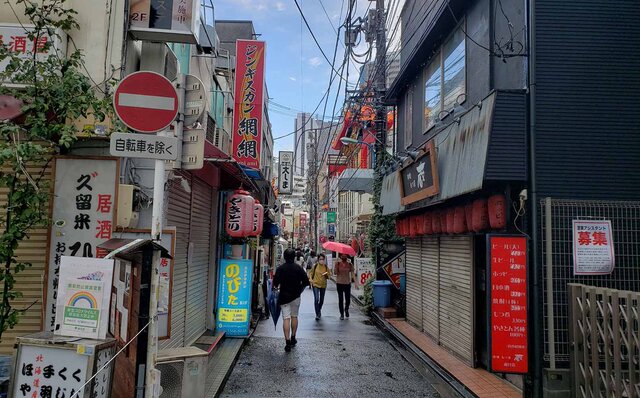
I lived in Hyakunincho. It was past the street now known as “Islam Yokocho.” Today, it’s a street that caters to discerning tastes, lined with stores like “Green Nasco” and “Jannat Halal Food” offering halal foods and spices from around the world, alongside fishmongers and greengrocers like “Oma Suisan” and “Shinjuku Yasai,” which sell wholesale and to the public, drawing people from near and far. But back then, it was just an unremarkable small shopping street with two bookstores, a used bookstore, clothing shops, and a 100-yen store.
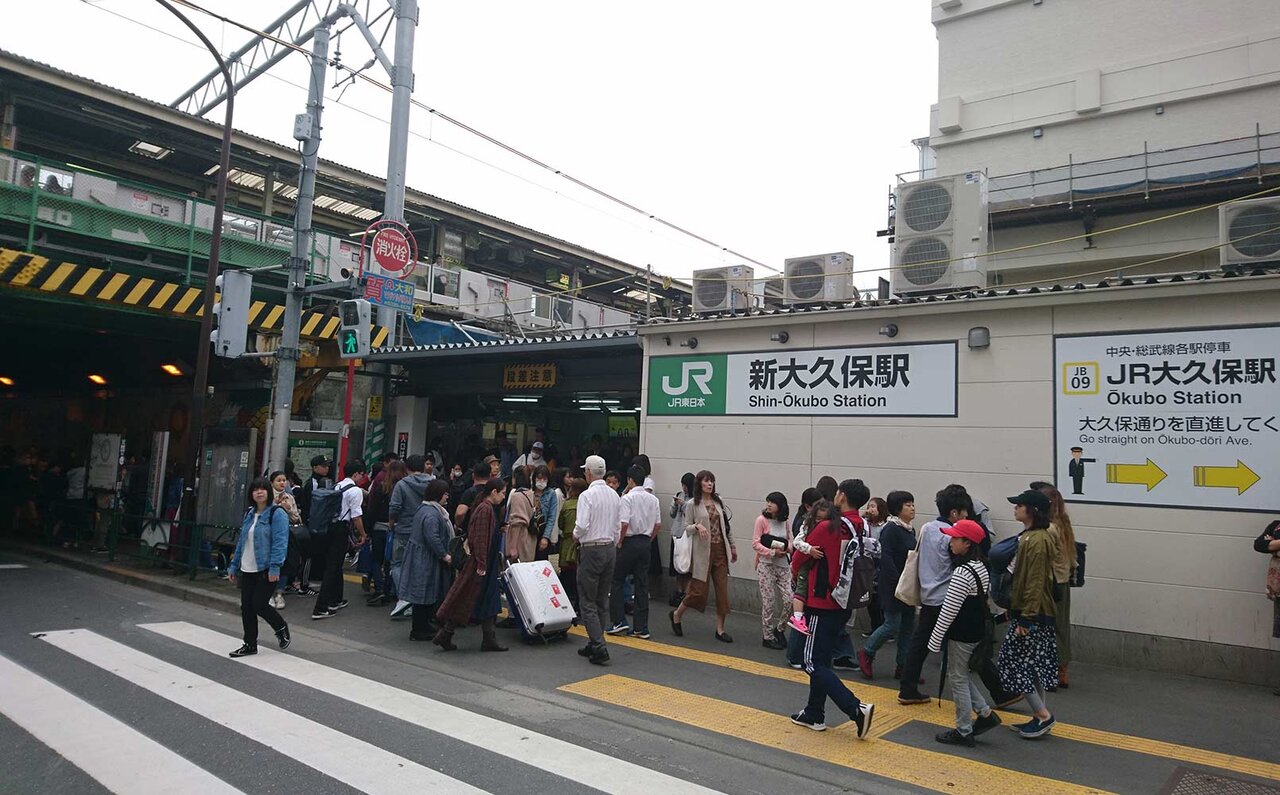
Shin-Okubo has undergone a dramatic transformation in the last decade or so. Around 2000, when I lived there, Shin-Okubo was a different place. Nishitodayama Park was largely covered in blue tarps, and in the early mornings, people pulling carts would spill out into the road. Sometimes, on my way to school, I’d see media vehicles gathered and realize it was a crime scene. At night, around 9 PM, women who worked in the sex trade would line up in front of the station, and I’d invariably be approached when I went to rent a video from TSUTAYA. I was also frequently stopped for questioning by the police near the koban (police box). So, within a year or two of moving, I had come to understand the underlying meaning of my mother’s brief words.
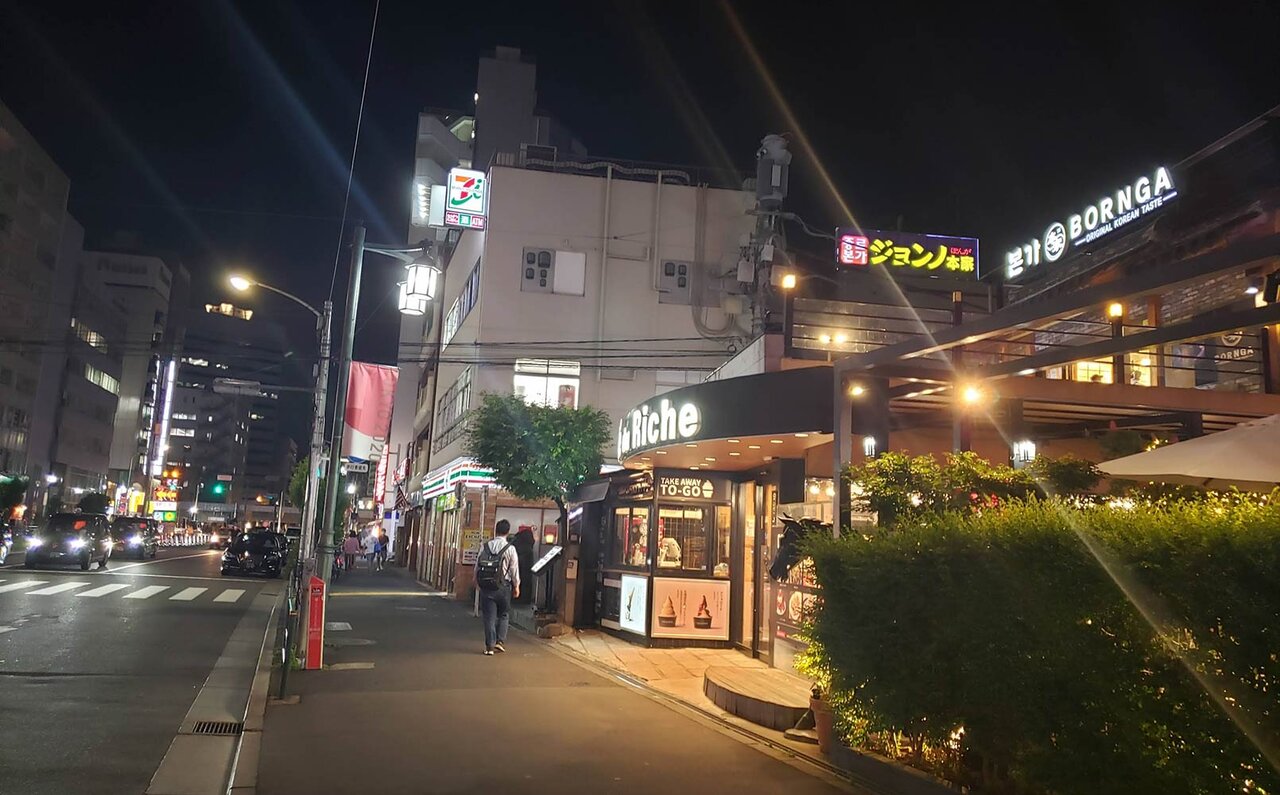
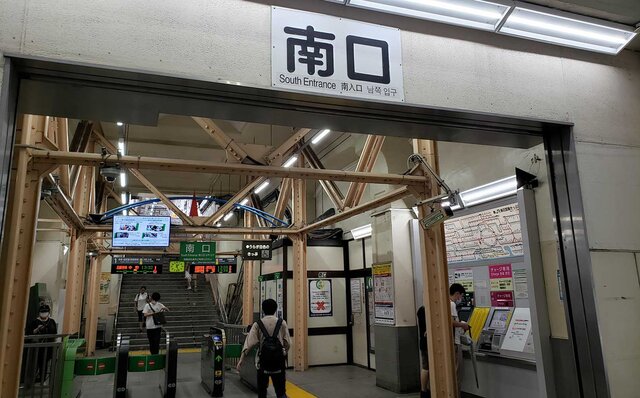
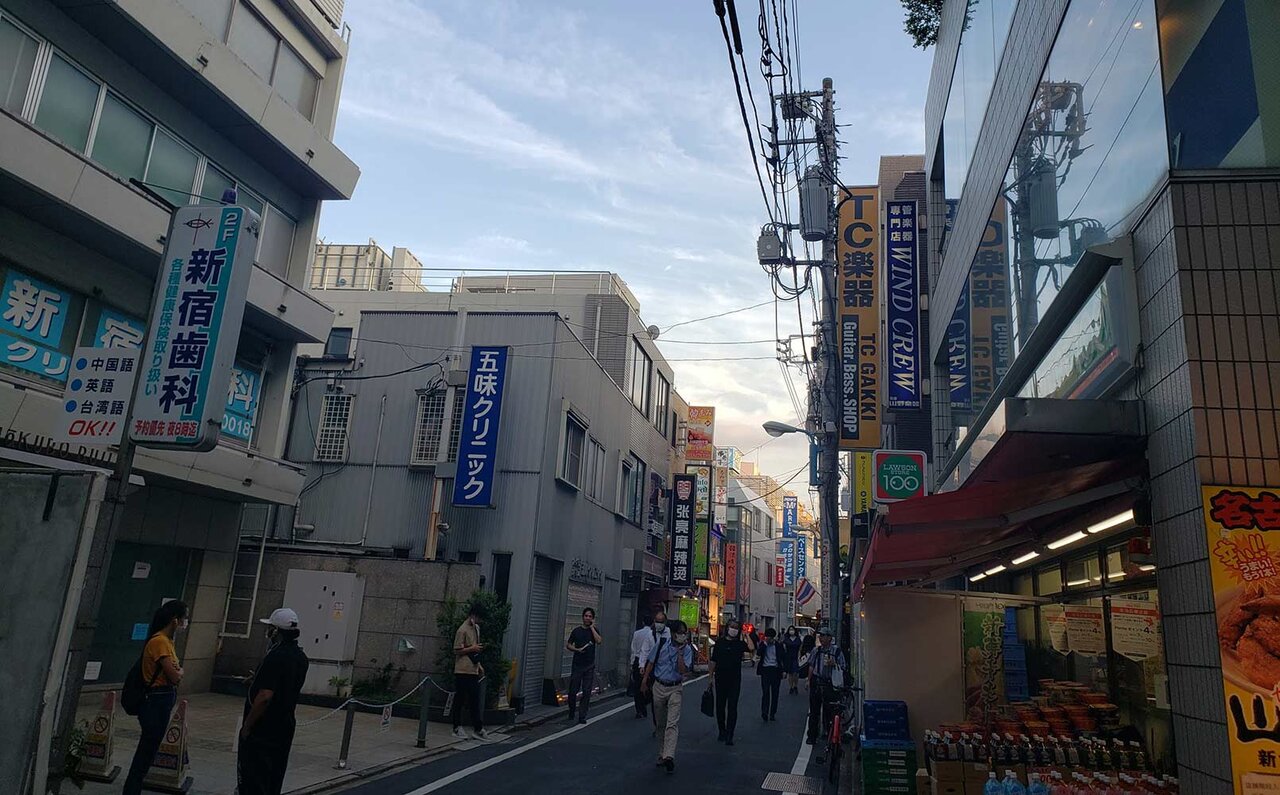
Today, Shin-Okubo has been thoroughly purified and has become a bright, bustling tourist spot. The area around the station has become a “cheese town,” filled with young people walking around with cheese dakgalbi and cheese hot dogs. While I appreciate the old, human-centric Shin-Okubo, I’m not particularly interested in the staged products aimed at attracting tourists. So, if I have business in Shin-Okubo during the day, I’ll stop by a long-established restaurant near the station for a bowl of delicious soba.
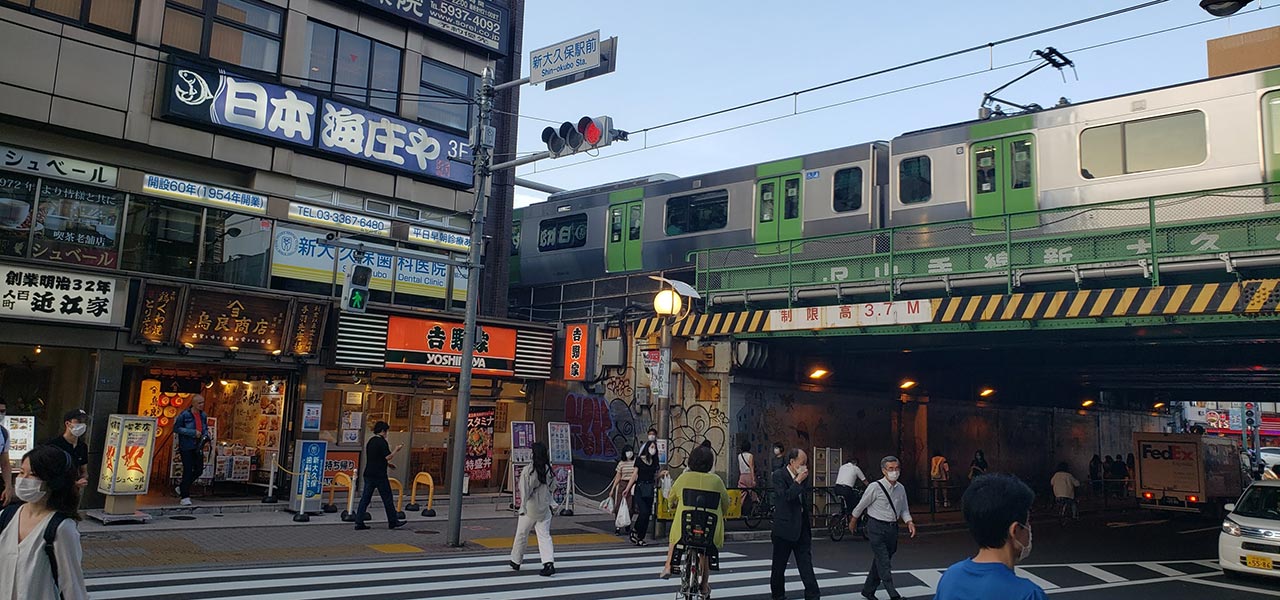
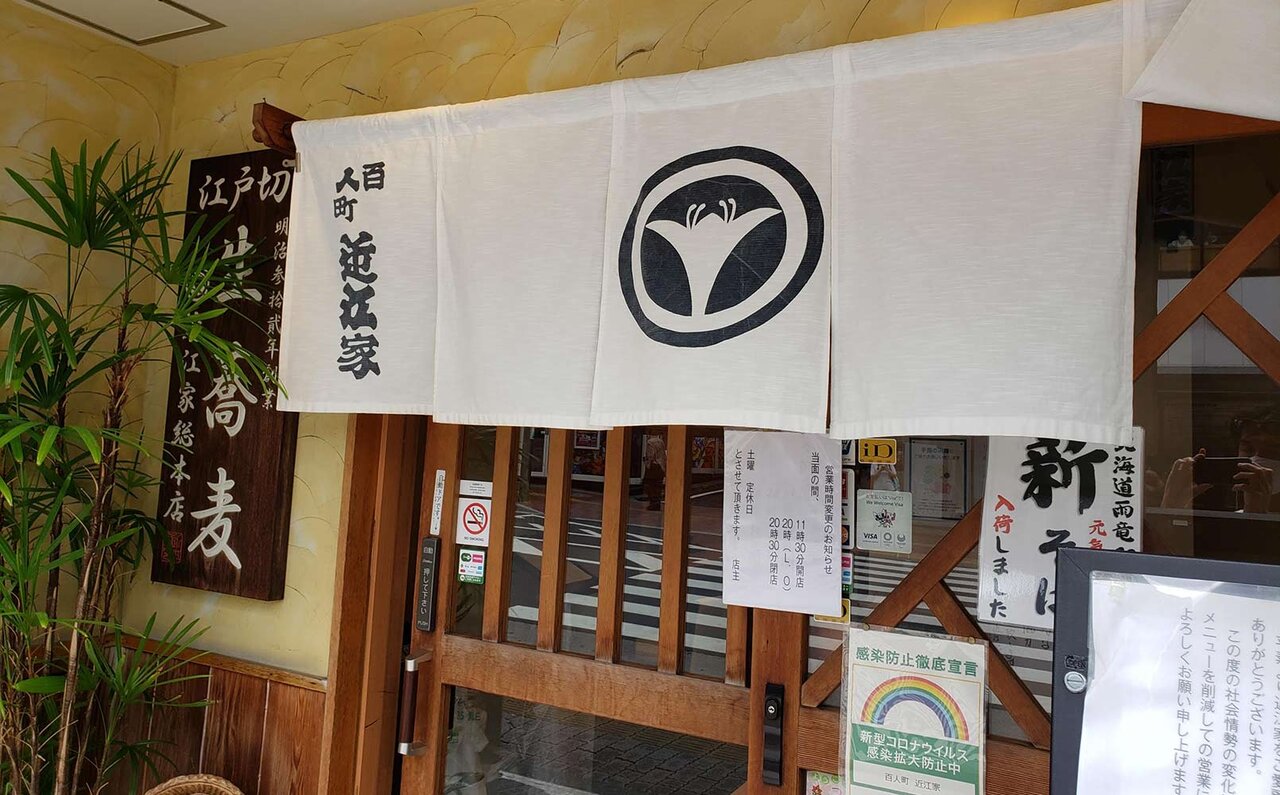
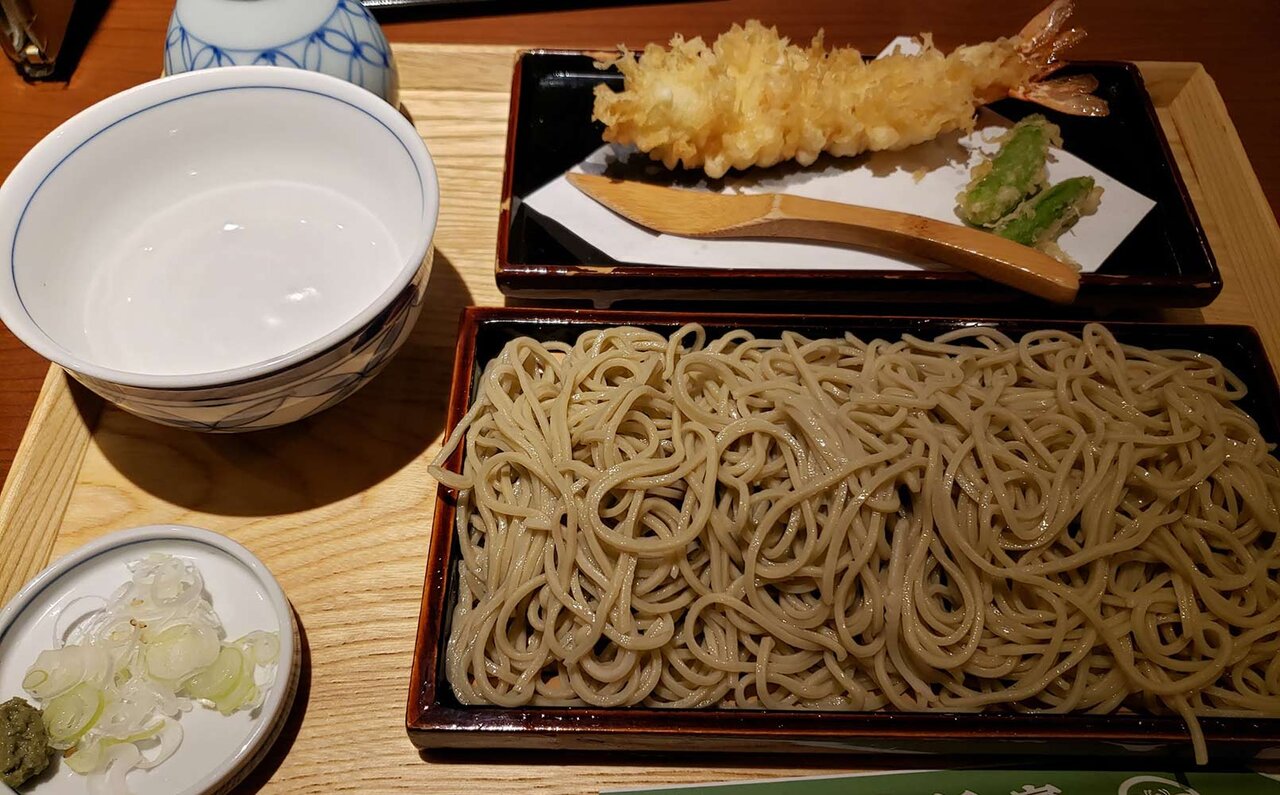
While waiting for the light at the crosswalk in front of the station, I see“Oumiya”a restaurant with a large sign proclaiming its founding in Meiji 32 (1899). Although renovated a few years ago, giving it a clean, modern appearance, it is a truly venerable establishment, a genuine soba restaurant distinct from the casual neighborhood eateries. The founder, who trained in Asakusa, first opened a shop in Azabu and moved to Shin-Okubo in 1916. It has been in Shin-Okubo for over 100 years. The menu is extensive, ranging from lunch sets to appetizers and intriguing dishes like clam nanban and curry soba. It’s hard to choose, but after escaping the station's hustle and bustle, I want to relax with the classic tempura soba.
The tempura, featuring shrimp and shishito peppers, is simple yet perfectly fried to retain the crispness of the ingredients, making it an excellent accompaniment to the soba. The refreshing soba-yu (soba broth) and soba tea also cleanse both body and mind. This authentic yet casually enjoyable soba restaurant near the bustling Shin-Okubo station serves as a comforting haven for those of us born in the Showa era who find rich flavors overwhelming.
While Shin-Okubo has changed, the culture and scenes deeply rooted in the city over years of accumulation cannot be entirely erased overnight. Some places still retain their original character. A short distance from Shin-Okubo, across the Chuo Line, the area from Okubo Station to Kotakibashi Street is one such place. Visiting it again after a long time, the familiar scenery offers a sense of comfort.
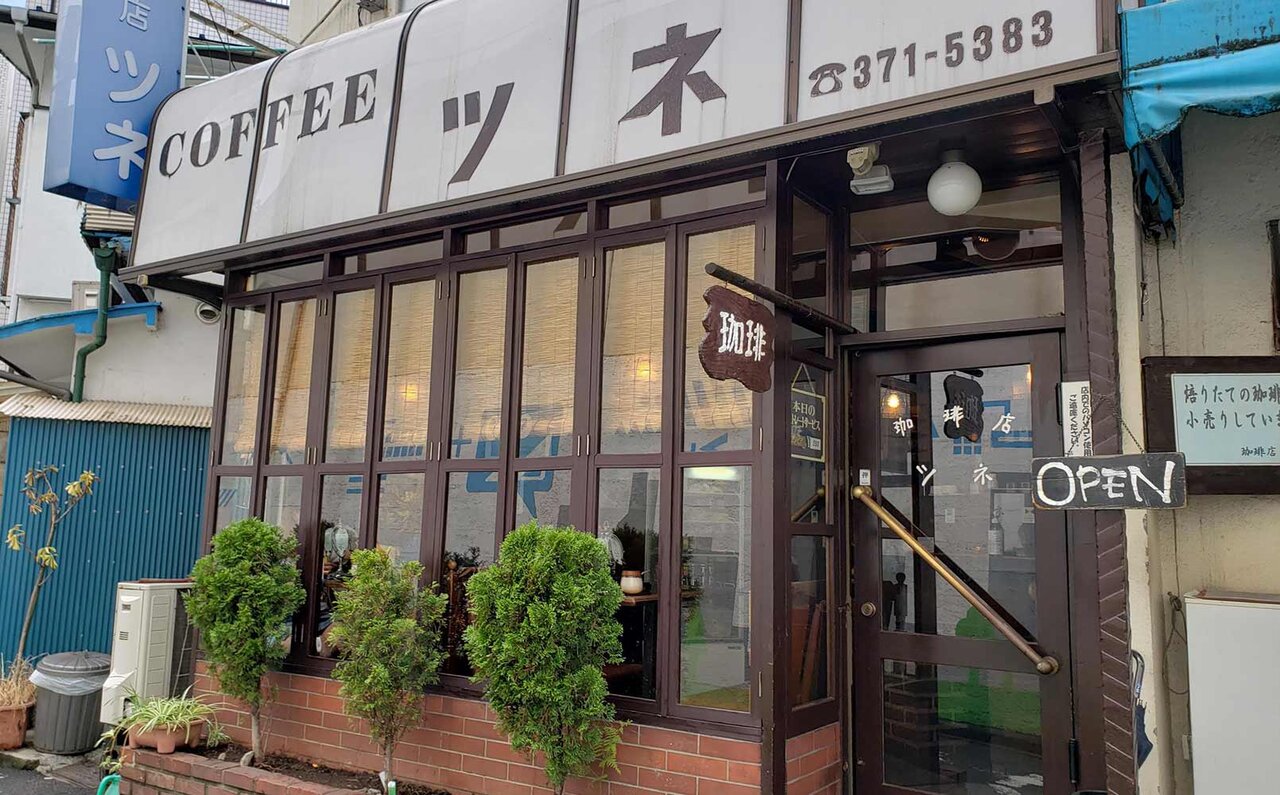
According to the master of the coffee shop near the station,“Tsune,”which will celebrate its 50th anniversary next year in 2021, this area is difficult to develop because the Chuo Line runs on an embankment. “Thanks to the embankment, this part has managed to survive, but the other side (from Okubo towards Shin-Okubo) has become unmanageable,” the master remarked.
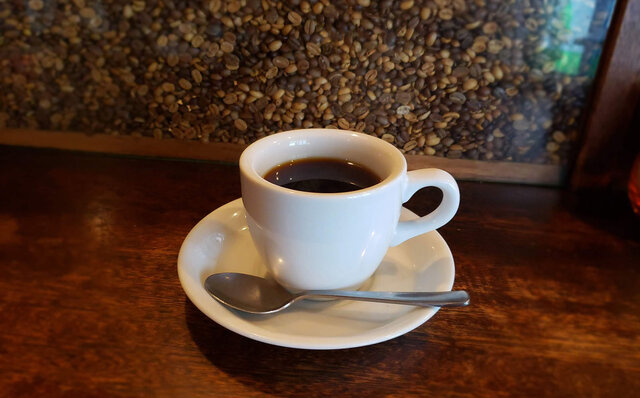
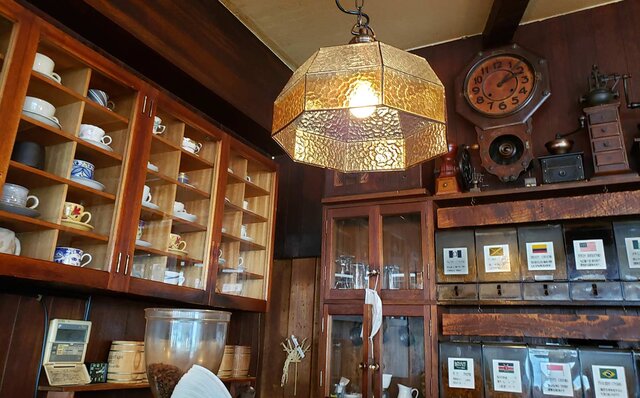
At first glance, Tsune might seem like a Showa-era pure coffee shop where one could smoke and conduct business, but it’s actually a serious coffee shop offering coffees from around the world and light meals during lunchtime. Run by a friendly couple with warm smiles, it’s clear that its half-century of operation is due to more than just the embankment. It’s a welcoming establishment. As long as the couple continues to run it, I’ll make a point to stop by whenever I visit Shin-Okubo.
The area from Okubo Street, which runs in front of Shin-Okubo Station, to Shokuan Street on the Shinjuku side, has seen an increase in Korean cosmetic and雑貨 (zakka) shops, but some establishments remain unchanged from the past. This area has long been home to numerous love hotels, adult entertainment businesses, and Korean restaurants.
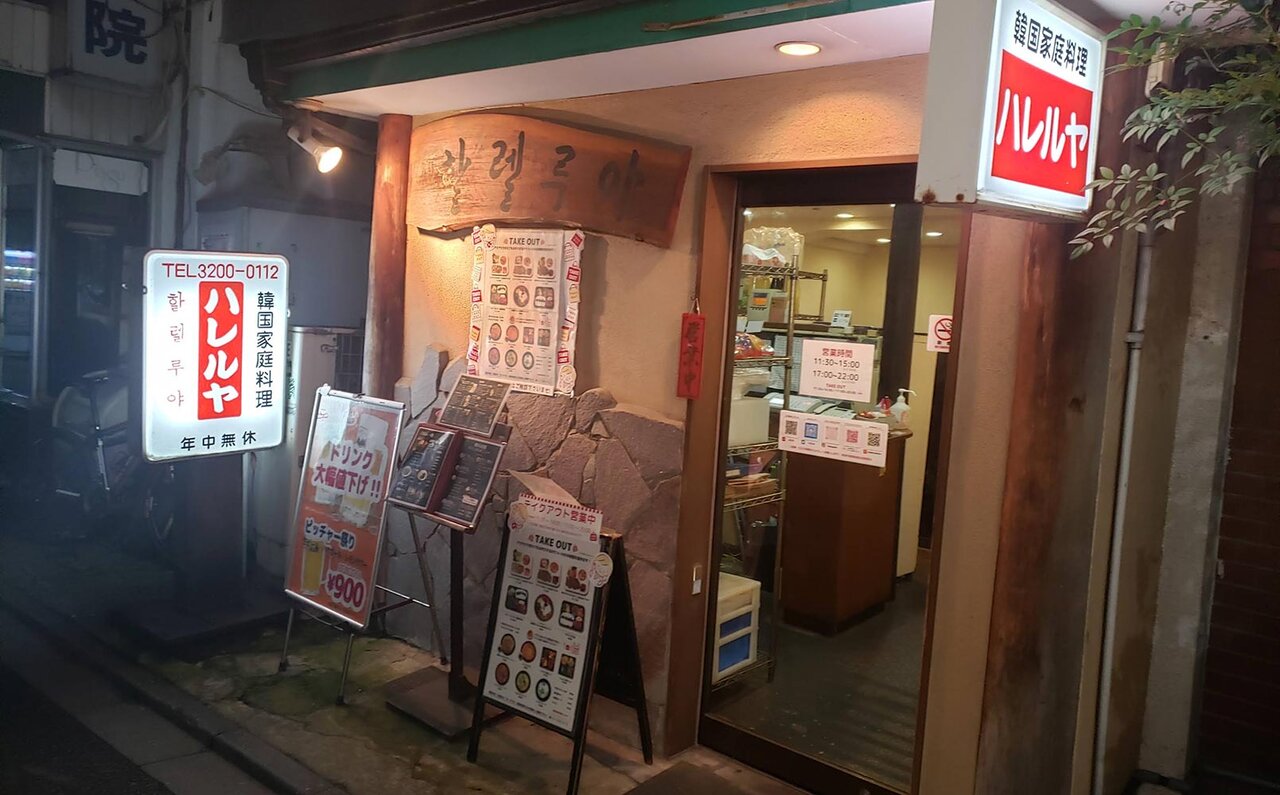
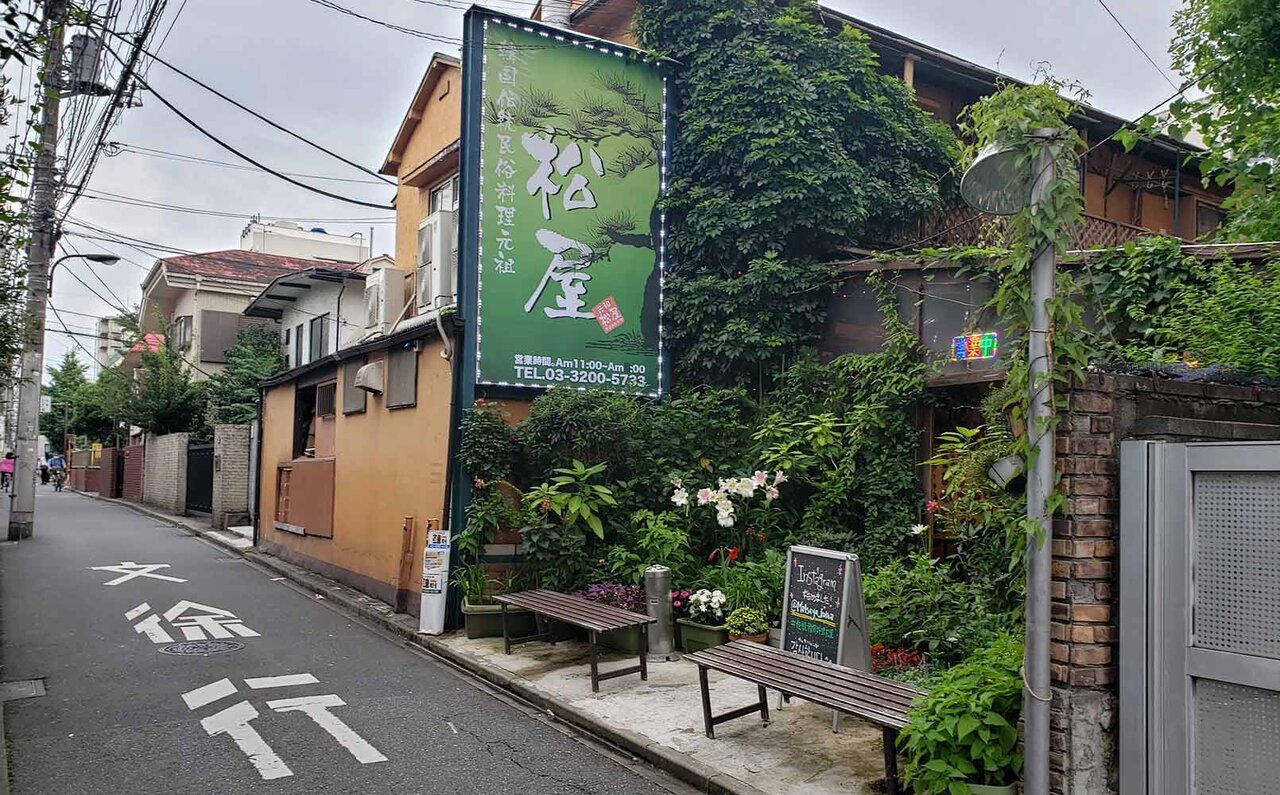
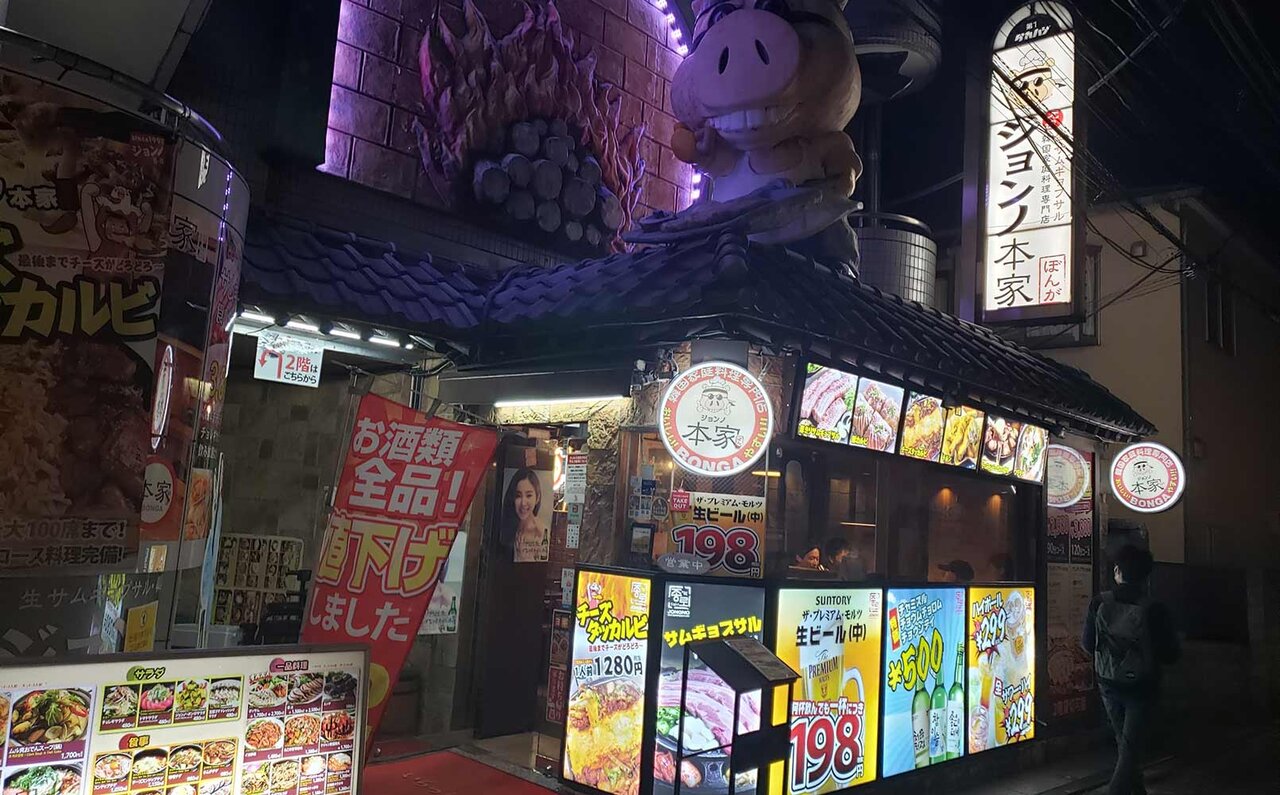
When I lived here, eager to fully enjoy the benefits of living in Shin-Okubo, I made it a point to visit various establishments with my friends, even late into the night when places were still buzzing. While “Kurenai no Ushi” and “Taishikan” are gone, places like “Miyabi” remain nostalgic. Among them, the Korean restaurants “Halleluya” and “Matsuya,” flanking the brightly lit Don Quijote on Shokuan Street, stood out even then with their established, venerable presence.
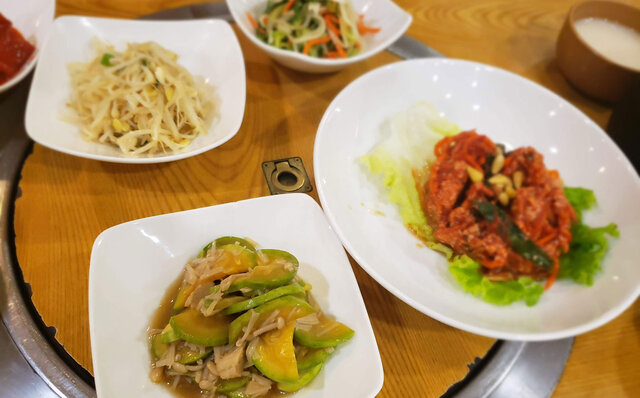
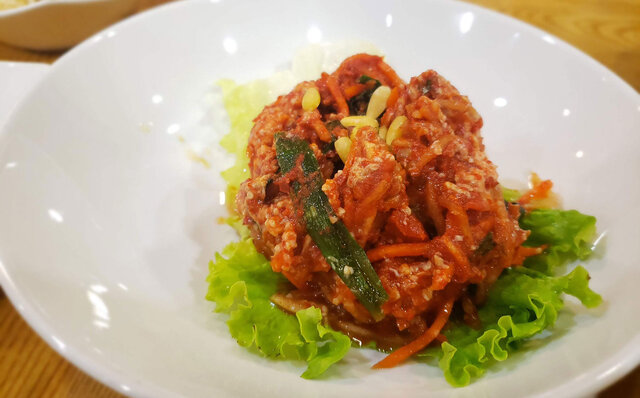
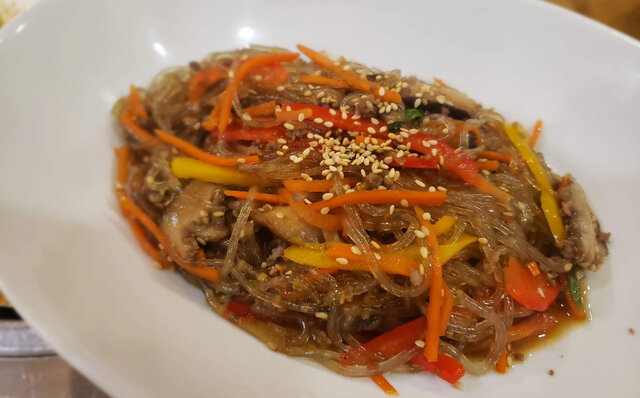
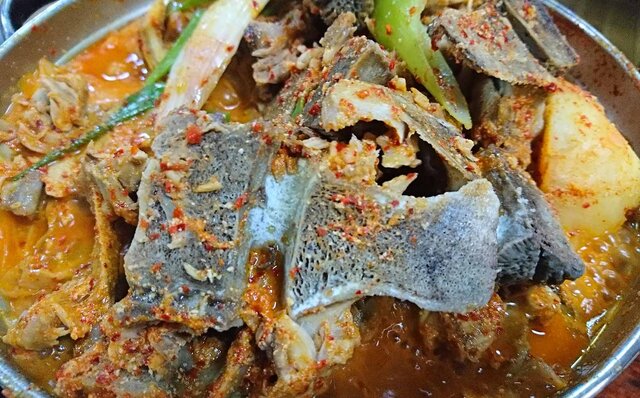
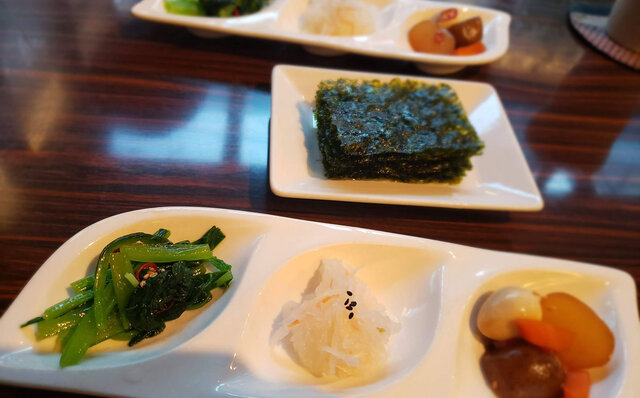
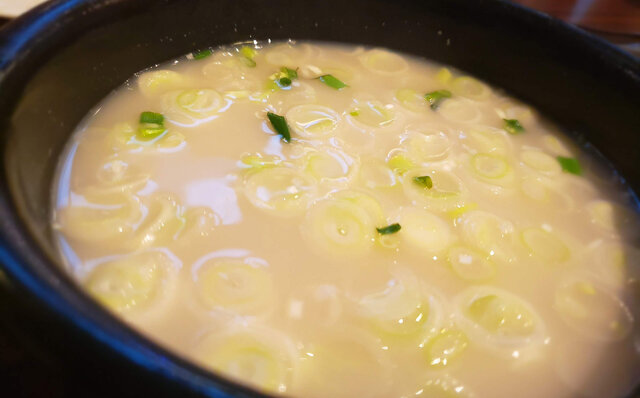
I recall Halleluya being the first place my family ate out in the neighborhood when I moved to Shin-Okubo. I remember a famous actress dining there with a large group, creating a lively atmosphere. The private rooms are still the same as they were then. With appetizers like kimchi made from tomatoes and chives, and various namul dishes with pumpkin, eggplant, and lotus root, along with japchae and makgeolli, I often find myself full before even reaching the main dishes. It’s a place that truly teaches the joy of Korean cuisine. Matsuya, marked by its distinctive appearance, also offers private rooms. Their gamjatang (pork and potato stew) is popular, so it’s essential to try it on your first visit. The soup, rich with dissolved pork collagen, is mellow, and it pairs perfectly with the fluffy potatoes.
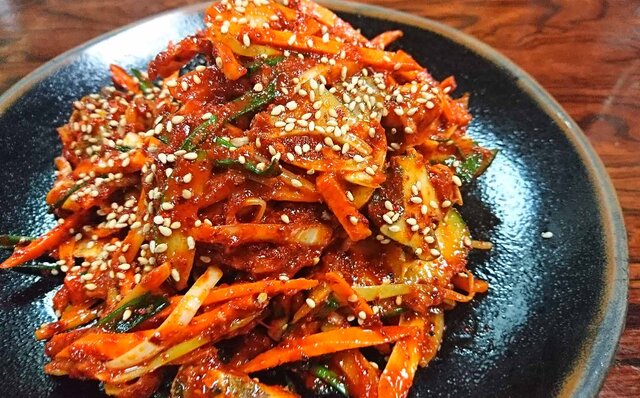
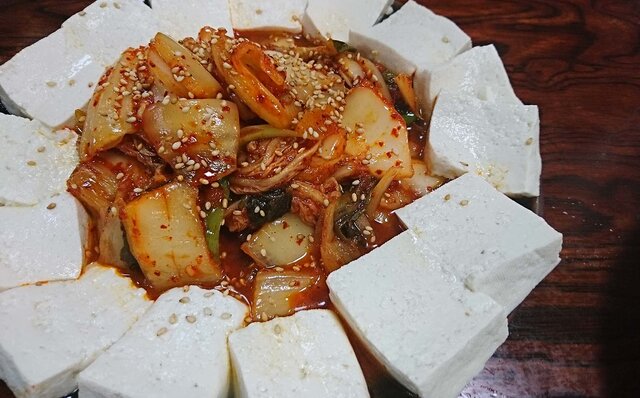
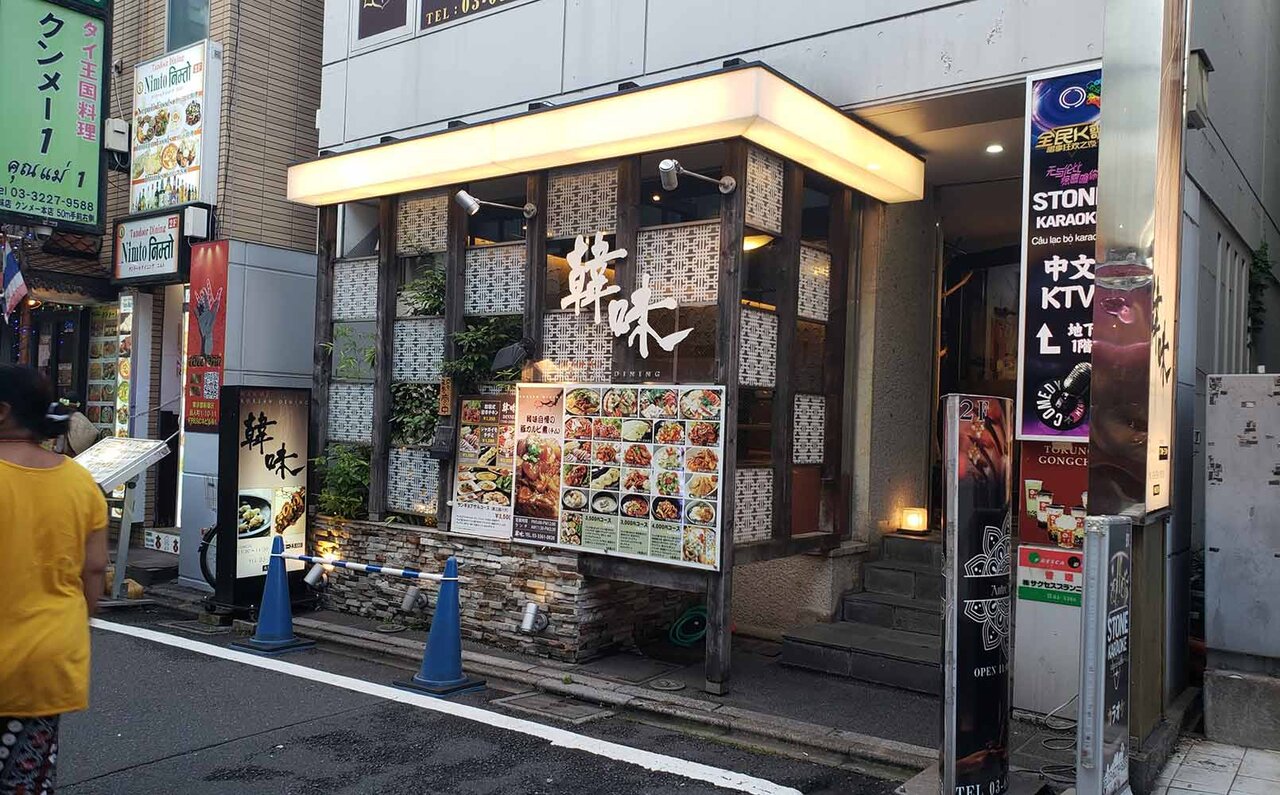
Speaking of Korean cuisine, in recent years, I’ve also frequented“Hanmi,”located behind Shin-Okubo Station. The reason is the comfortable atmosphere, with its clean and spacious interior, and the welcoming omni (proprietress) who manages the place with meticulous attention to detail.
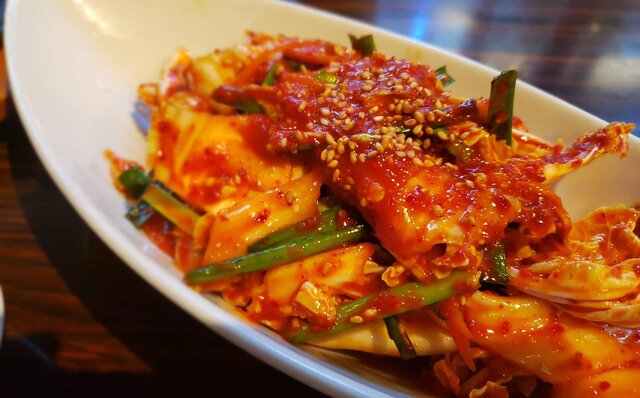
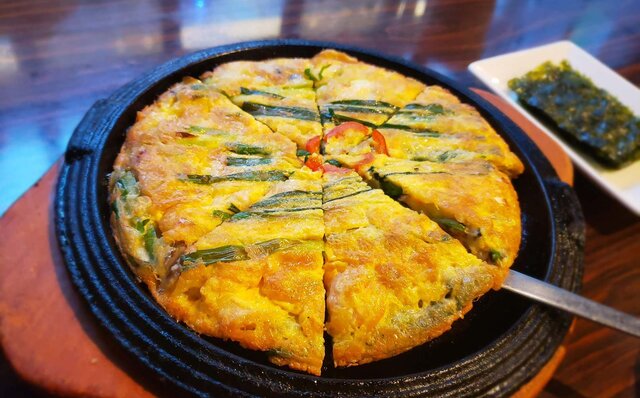
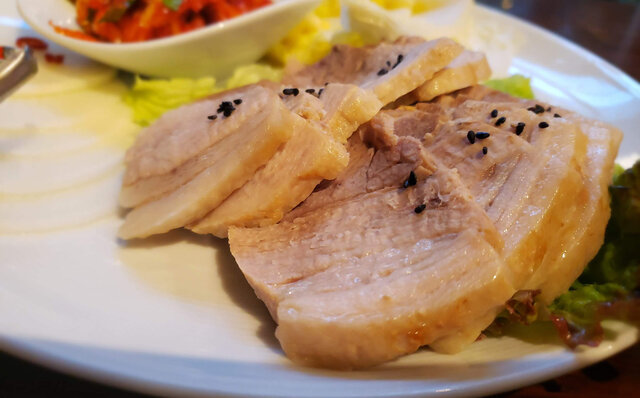
A must-try here is the kkotchori kimchi, a refreshing and crisp kimchi served like a salad. It’s not fermented, essentially a fresh kimchi. Its mild acidity, enhanced sweetness, and sesame oil aroma, along with the fresh crunch of the napa cabbage, make it incredibly addictive. I feel like I’m absorbing abundant vegetable nutrients. I’m always amazed by the omni’s radiant, smooth skin, which I suspect is thanks to the kkotchori kimchi. Enjoying kkotchori kimchi, bossam, and jeon with makgeolli is a perfectly satisfying evening.
Shin-Okubo, a deep Korean town until the 20th century, became a tourist destination after 2000, fueled by the popularity of Korean dramas and K-pop. However, regardless of external changes, some aspects remain, and cannot be changed. Korean immigrants began settling in Shin-Okubo as early as the Meiji era, giving it a history of nearly 150 years. What has been built up over such a long time cannot be easily dismantled.
Furthermore, with an increasing number of immigrants from Southeast Asian countries like Myanmar and Vietnam, there must be something about Shin-Okubo that makes it conducive for immigrants to settle. When many different nationalities gather and interact, unique cultures are born.
New elements are added to the foundation built on history, creating a new city. Shin-Okubo, which adapts and changes with the times without being caught up in the “destruction of culture” under the guise of “purification” or “development,” is a place I want to stay connected to, even now that I’ve moved away, and will continue to do so in the future.
Oumiya
Address: Sun Building 1F, 2-4-1 Hyakunincho, Shinjuku-ku, Tokyo
TEL: 03-3364-2341
Tsune
Address: 1-24-16 Hyakunincho, Shinjuku-ku, Tokyo
TEL: 03-3371-5383
Halleluya
Address: Shiragi Building 1F, 1-5-6 Hyakunincho, Shinjuku-ku, Tokyo
TEL: 050-5868-6399
Matsuya
Address: Hikari-so 1F, 1-1-17 Okubo, Shinjuku-ku, Tokyo
TEL: 03-3200-5733
Hanmi
Address: Fresca 1F, 1-10-11 Hyakunincho, Shinjuku-ku, Tokyo
TEL: 050-5485-7231
IJICHI YasutakeBorn in Tokyo in 1982. While at Keio University, he was involved in planning and producing receptions and parties for major brands at an event company. After transferring to a PR firm, he worked as a planner and retired at age 30. He participated in the launch of Japan's first cold-pressed juice specialty store, "Sunshine Juice," with his representative friend of 20 years since junior high school, serving as Vice President until September 2020. He currently supports corporate communications and branding for clients across various industries while continuing his urban explorations. Favorite foods include fugu (pufferfish) and suppon (soft-shelled turtle). Favorite sports are baseball and horse racing. Favorite places include pure coffee shops and casual izakayas.
Instagram:
ijichiman