Essay Series | #ijichiman's Musings: "Ginza Culture Where Old and New Charm Intersect"
Essay Series | #ijichiman's Musings
Part 55: "Ginza Culture Where Old and New Charm Intersect"
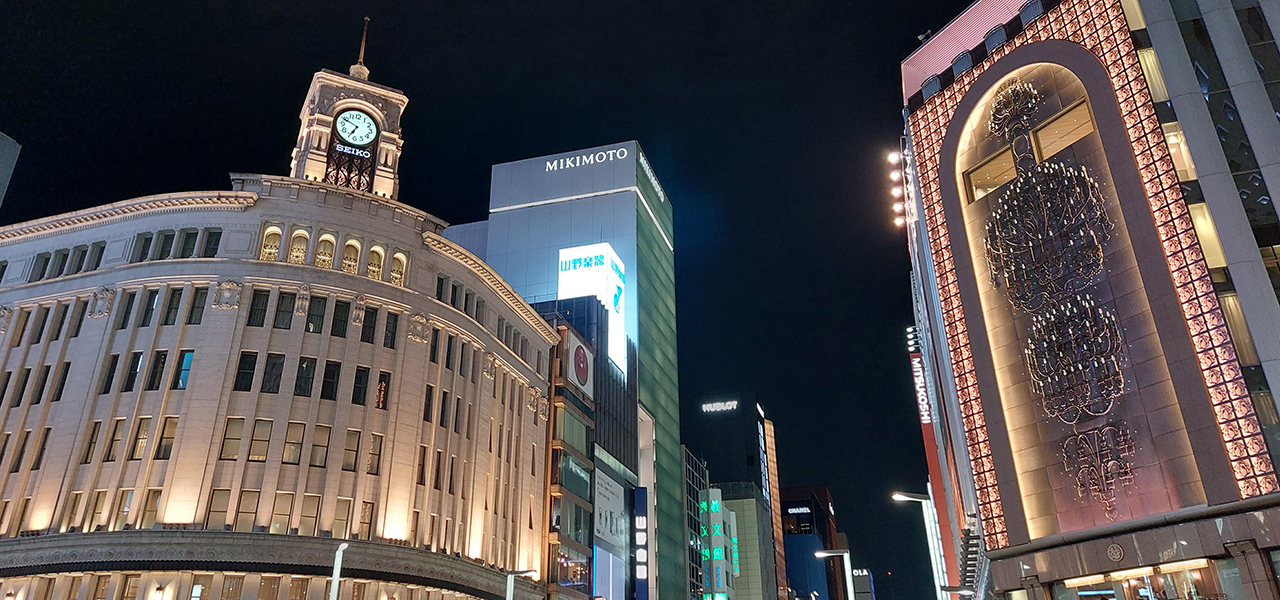
Ginza, named for the silver coin mint that once stood here, has walked hand-in-hand with Japan's modernization since the Meiji era, establishing an unshakeable position as Tokyo's premier upscale commercial district. As dusk falls, neon lights illuminate the city. By day, it bustles with sophisticated business people and shoppers; by night, it transforms into a sophisticated adult playground.
Photographs and Text by IJICHI Yasutake
Where History Breeds New Culture
Within the conversations held in Ginza, the district's "iki" (chic sophistication) and "kaku" (elegance) truly breathe. There's the anecdote of Showa-era actor Akira Kobayashi meeting Tomisaburo Wakayama in a Ginza bar, leading to their collaboration in the "ninkyo" (chivalrous) genre. And the late Mino Monta, who dearly loved Ginza and was known for embodying chic behavior as his aesthetic. He famously stated that Ginza is "not a place to enjoy, but a place to entertain," finding joy in people drinking stylishly and beautifully, making the establishments lively and vibrant.
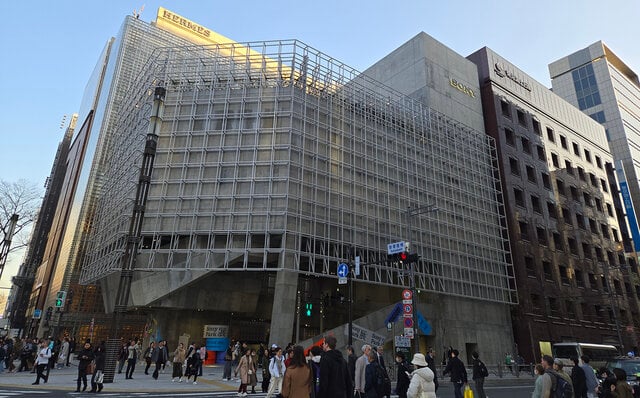
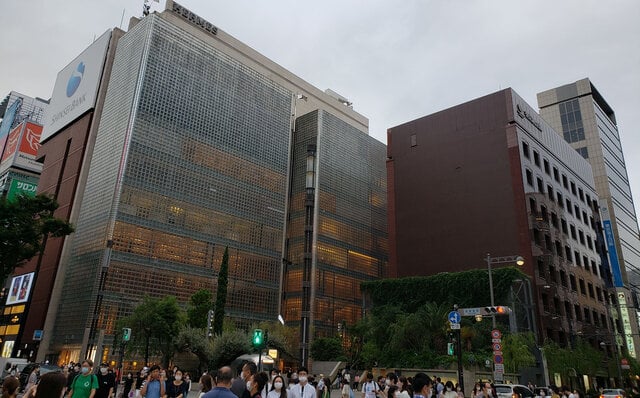
The streets of Ginza are etched with the flow of time and people. Historic brick buildings coexist with innovative modern architecture, forming a unique landscape woven from tradition and innovation. Standing at this intersection of old and new, I want to explore the culture of Ginza.
Refined Tastes: Ginza's New Souvenir Culture
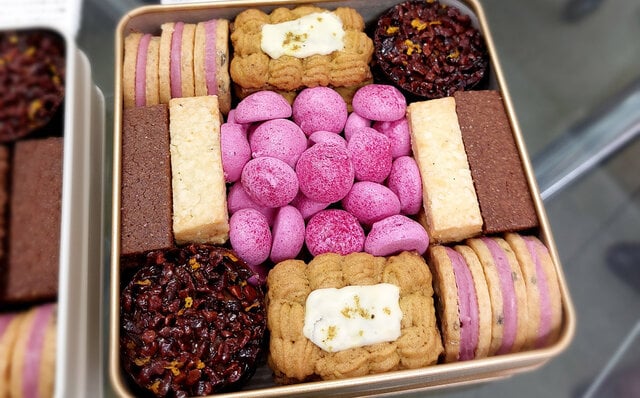
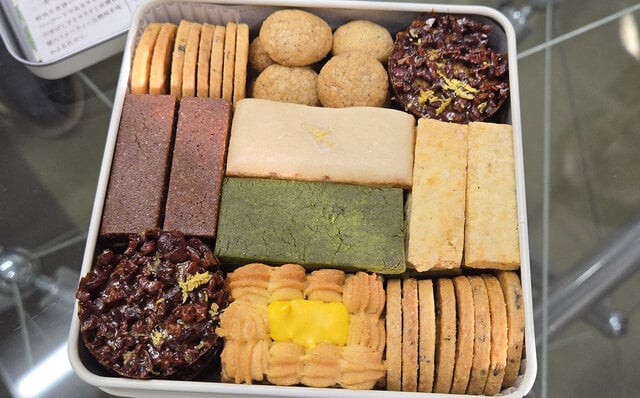
■La Maison de Beauté: 5-5-12 Ginza, Chuo-ku, Tokyo, HULIC&New GINZA MIYUKI5 9F When dining in Ginza with someone special, choosing a souvenir can be a challenge. With so many renowned establishments, any choice is usually a safe bet, but one might want to add a touch of personal flair. My current top recommendation is undoubtedly the original cookie tin from "La Maison de Beauté."
This patisserie, helmed by Chef Keiri Seki, opened last year, offering French confections crafted with refined aesthetics and exceptional skill. After honing his craft as a pastry chef in restaurants, he infuses classical French pastries with a Japanese sensibility.
Guided by the belief that "the simpler the item, the more difficult it is," he meticulously selects organic ingredients, to the point where one worries about the cost, and insists on the perfect baking time. The sight of the chef carefully baking each piece in the small workshop behind the Ginza store resonates with the spirit of Ginza's artisans.
This establishment, a manifestation of the chef's sincere commitment to "delivering truly delicious things," combines Ginza's sophistication with elegance, promising to become a new favorite for those seeking quality gifts.
Innovation and Heritage: Discovering Small Delights in Leisure Time
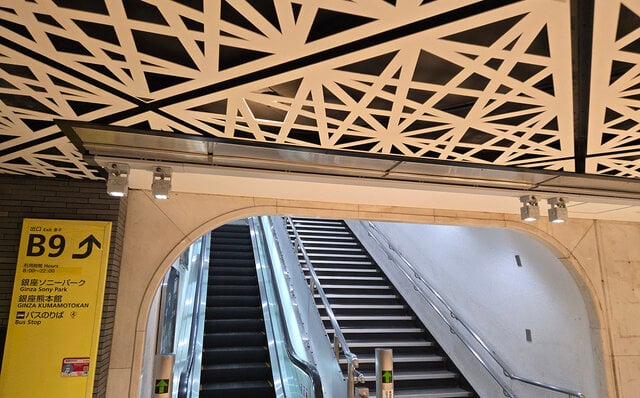
Ginza Sony Park (Phase 1)
■1/2 (Nibun no Ichi): Ginza Sony Park B3F, 5-3-1 Ginza, Chuo-ku, Tokyo Once the souvenir is ready, one might want to stroll through the neighborhood while waiting for their companion. Several buildings define Ginza's skyline, and the Sony Building, which opened at the Sukiyabashi intersection in 1966, is one of them. As the flagship store of a cutting-edge company at the time, it became a symbol of Ginza, functioning beyond a mere showroom as a new cultural hub for the district, beloved by many for over half a century.
After extensive renovations and partial demolition in 2017, it was reborn as "Ginza Sony Park," inheriting the concept founder Akio Morita called "Ginza's Garden" and serving as a new landmark. In January 2025, it reopened as a building-type park, a new cultural hub for Ginza.
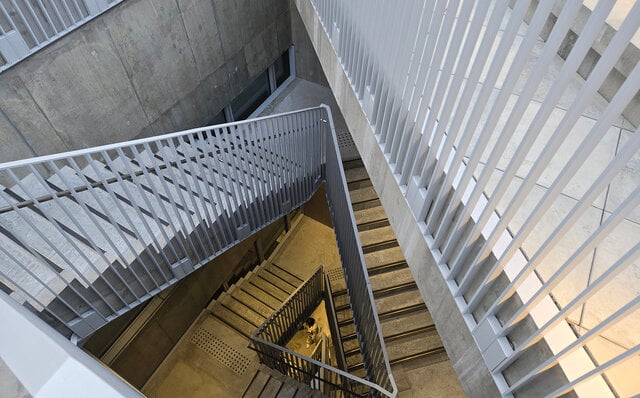
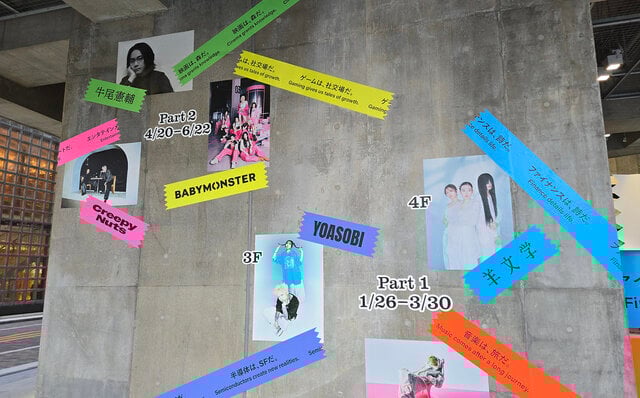
By deliberately keeping the structure low, it creates a sense of space within the densely built Ginza, functioning as a complex facility for diverse cultural experiences while retaining echoes of the old Sony Building. Collaborating with various artists, it continues to foster new culture through exhibitions of cutting-edge technology, art, and music events, reflecting contemporary values that prioritize experience over mere consumption.
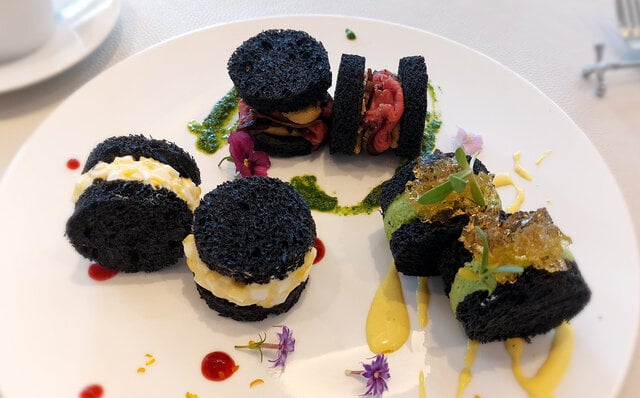
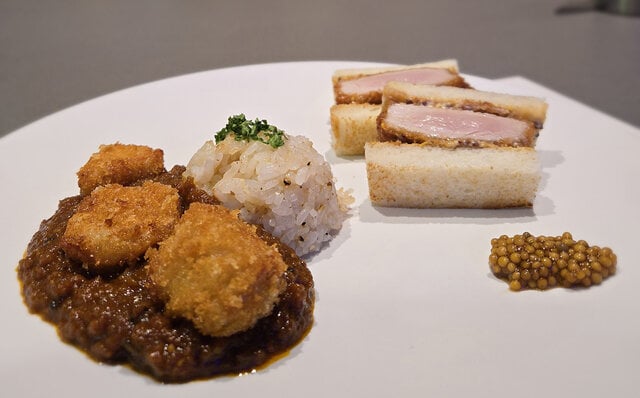
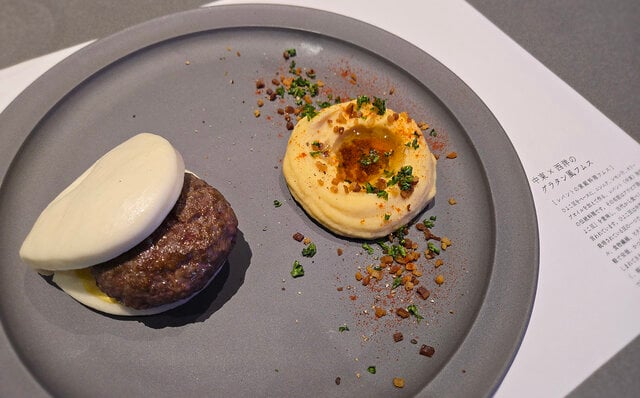
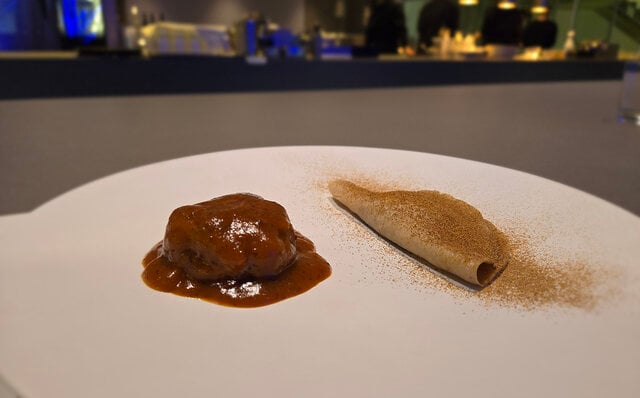
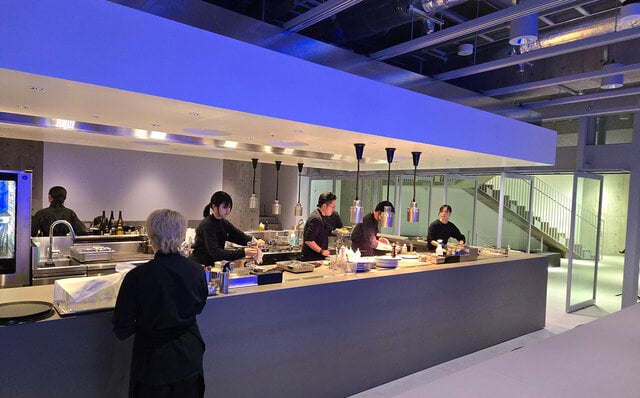
There's a hidden gem worth noting here: "1/2 (Nibun no Ichi)" on the B3 floor, a casual dining spot with a Western cuisine base. It's named "1/2" because it serves two types of quarter-portion dishes, making a half-portion. The menu offers a wide selection of drinks, from various alcoholic beverages to melon sodas made with herbs and spices. It's perfect for a little adult leisure time, when you want a light bite, need a second stop, or are looking for an aperitif. Each menu item comes with a placemat providing information about its history, culture, and concept, offering a stimulating, non-intrusive culinary experience.
A Venerable Establishment: Mikasa Kaikan and the Feasts of Legendary Actors
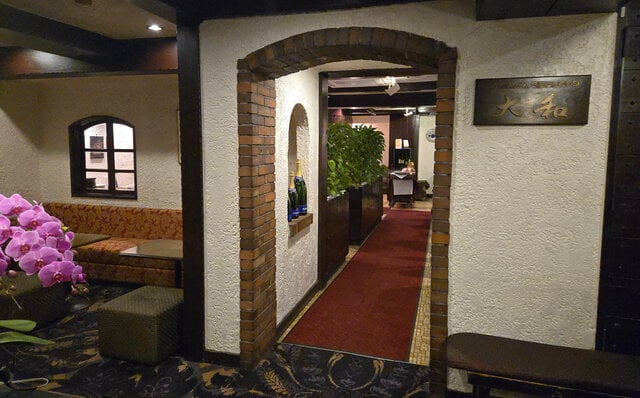
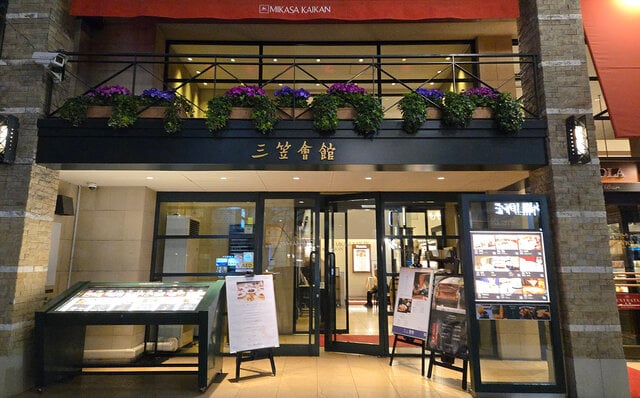
■Mikasa Kaikan Yamato: 7F, Mikasa Kaikan Main Building, 5-5-17 Ginza, Chuo-ku, Tokyo Ginza boasts countless renowned restaurants, from "L'Osier," "Kawamura," and "Kyubey" to "Rengatei" and "Ginza Lion." Mikasa Kaikan is certainly one of them. This year marks Mikasa Kaikan's 100th anniversary. I've visited with my family several times since I was young, and it remains a place where I feel at peace, intertwined with those memories.
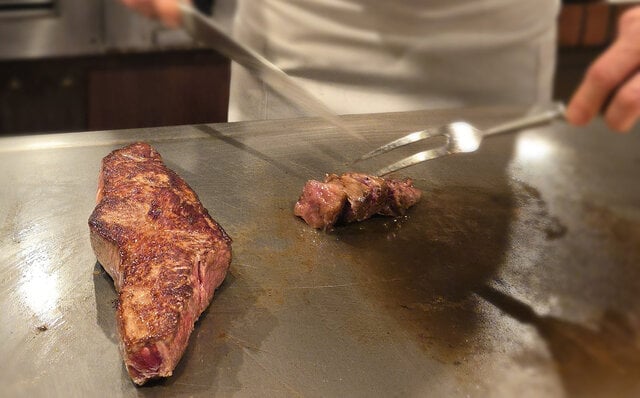
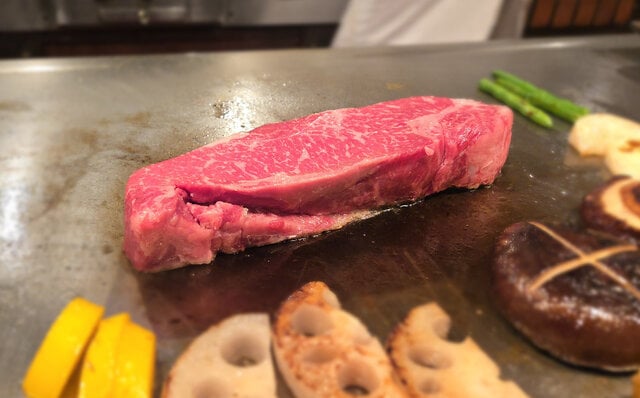
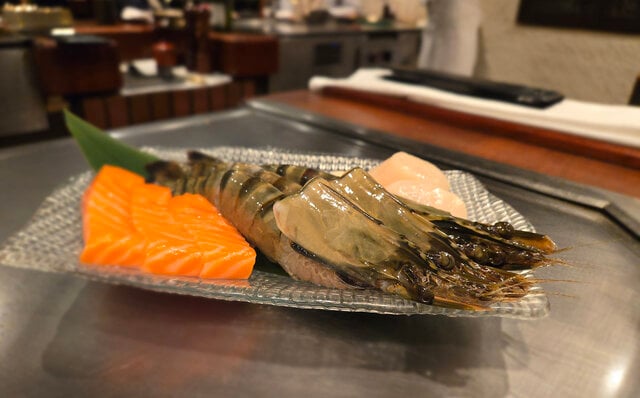
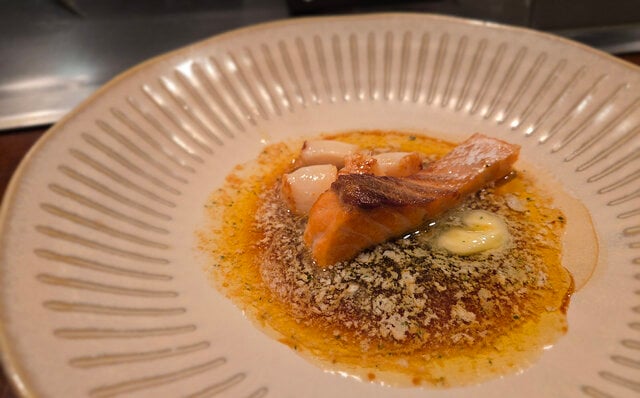
Mikasa Kaikan is designated as a Tangible Cultural Property of Japan and has been cherished by many as a symbol of Ginza's post-war reconstruction. In particular, "Yamato," the teppanyaki restaurant on the 7th floor, offers a luxurious Ginza experience with the chef's performance right before your eyes and a feast of carefully selected ingredients. It's known to have been frequented by Showa-era legends such as Toshiro Mifune, Ken Takakura, Yujiro Ishihara, and Shintaro Katsu. There's an anecdote that Yujiro Ishihara would stop by between filming sessions, devour a steak, and impart acting advice to younger actors.
Today, the scene is a mix of families who have likely been visiting for generations, business people, and inbound tourists, creating new dynamics. Yet, the adult sensibility of enjoying quiet conversation while savoring the meal, without boisterous laughter, still flows through Mikasa Kaikan.
An Authentic Live House Illuminating Ginza's Nights
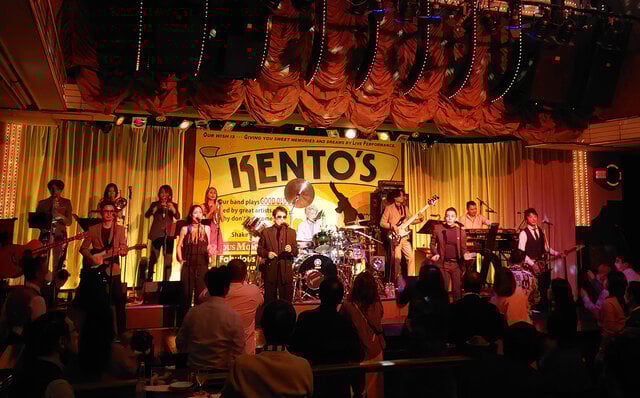
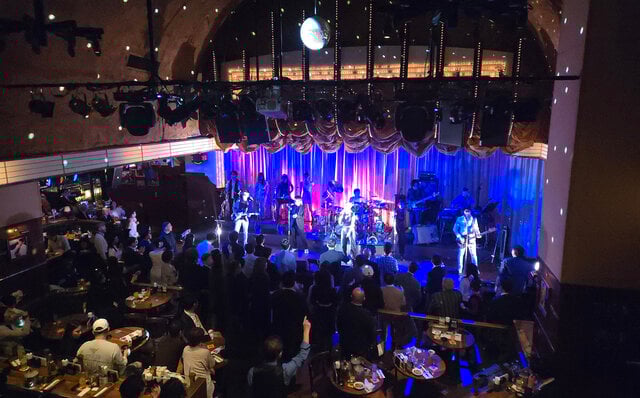
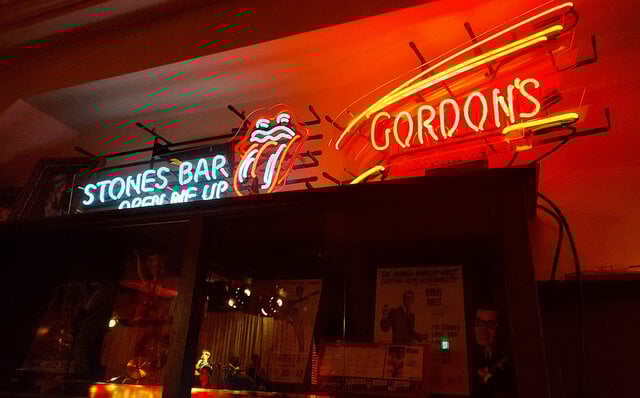
■KENTO’S GINZA: 9F, Nitta Building, 8-2-1 Ginza, Chuo-ku, Tokyo Ginza's greatest allure lies in its after-dinner nightlife. Bars like "Bar Lupin" in Ginza 4-chome and the long-established "Bar Oscar" are known as places where Shintaro Katsu found inspiration for the film "Tomorrow Will Be a Different Day." "Bar Old Imperial," established in 1957, continues to be a beloved haunt for many cultural figures and entertainers, embodying the very history of Ginza.
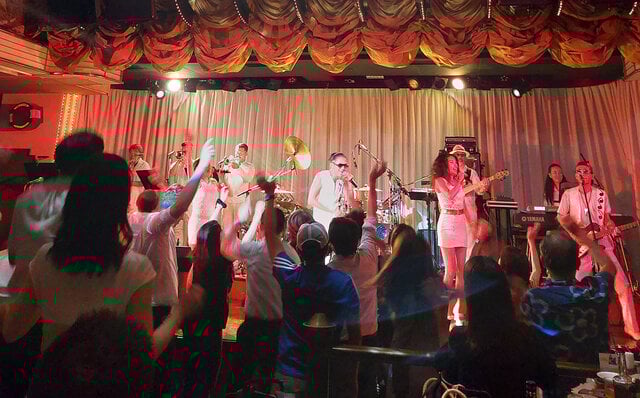
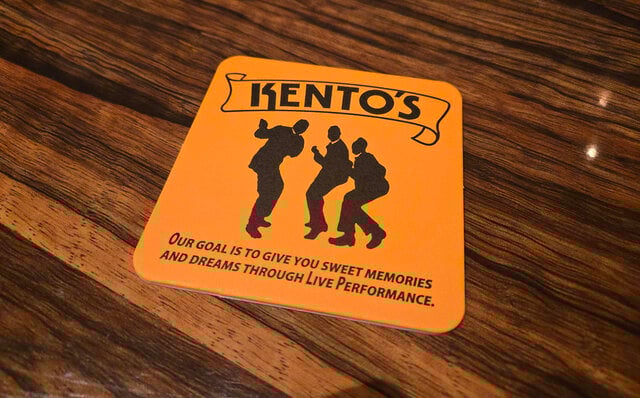
On the other hand, "KENTO'S," a disco that appeared in Ginza in 1980, is known as a place that preserves the energy of the bubble era. I first stepped foot inside as a teenager. It was a catalyst for the oldies boom, playing hit songs that even teenagers knew the chorus to, performed by a live band. I was captivated by the sight of adults dancing. It was KENTO'S that introduced me to "Earth, Wind & Fire," "Boys Town Gang," and "Stylistics." Even today, the sight of business people loosening their ties and dancing as if reminiscing about their student days remains unchanged, symbolizing Ginza's unique blend of liberation and refinement.
Old and New Ginza Cultures Intersect
I believe Ginza's charm lies in how these old and new cultures organically connect, creating a unique atmosphere. Innovative establishments, traditional and prestigious venues, and timelessly beloved restaurants—each embodies the values of a different era, yet they are all linked by the common thread of "Ginza-ness."
As Tomisaburo Wakayama once said, "Ginza is not something to act in, but something to live in." Perhaps it's because this city offers a luxurious time to spend not as an actor, but as an individual. While its form may change with the times, its commitment to both elegance and innovation is likely why Ginza remains so beloved. Honoring the old and embracing the new—within this harmony lies the potential for future Ginza culture.
IJICHI Yasutake Born in Tokyo in 1982. While at Keio University, he was involved in planning and producing receptions and parties for major brands at an event company. After transferring to a PR firm, he worked as a planner and retired at age 30. With his representative, a friend since junior high school, he co-founded "Sunshine Juice," Japan's first cold-pressed juice specialty store, serving as its vice president until September 2020. He currently supports corporate communications and branding for clients across various industries while continuing his urban explorations. His favorite foods are fugu (pufferfish) and suppon (soft-shelled turtle). His favorite sports are baseball and horse racing. His favorite places are traditional coffee shops and casual izakayas. Instagram:ijichiman