Peony
Serialized Essays | Musings on #ijichiman: “Sharing sake, seated cross-legged or with one knee raised. A refined appreciation for the culture of the common folk.”
Serialized Essays | Musings on #ijichiman
Part 54: “Sharing sake, seated cross-legged or with one knee raised. A refined appreciation for the culture of the common folk.”
I love eating in a “zashiki” (Japanese-style room). Not just a raised platform, but a spacious zashiki where everyone, including other guests, sits on the tatami mats to eat. “Taking off shoes and sitting on the floor” is a Japanese culture that has continued since ancient times. It’s become rare these days, but when I was a child, every house had a Japanese-style room with tatami and sliding doors. While a room with flooring, a sofa, and a low dining table is not bad, the unique scent of rush grass and Japanese paper is still comforting.
Photographs and Text by IJICHI Yasutake
The common culture of the past may be the luxury of today
When thinking of sitting in a Japanese-style room, “seiza” (formal kneeling) comes to mind, but seiza was not very common in the Edo period and only became widespread in modern times. In fact, in historical dramas, people of high status are shown with their feet flat on the floor, knees wide apart, and toes pointing forward (a style close to agura, not crossing the legs). Old picture scrolls often depict people sitting in agura or with one knee raised. Some say that people in the past had more flexible hip joints than modern people, but it also seems to have been a way to indicate status by widening the stance and appearing larger. While raising one knee is now considered bad manners, it was the proper way for aristocrats to compose poetry, placing a strip of paper on their raised knee and writing. Until the Edo period, it was the most popular way of sitting.
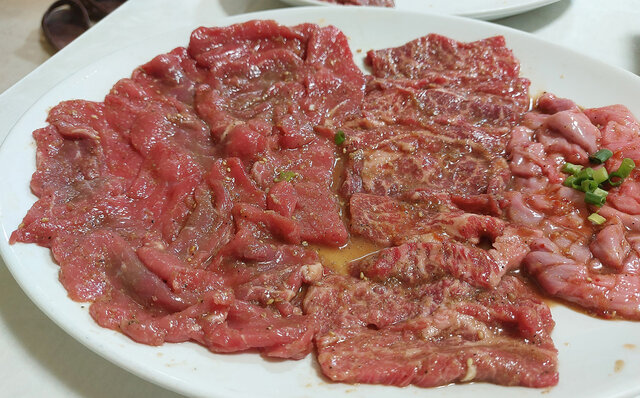
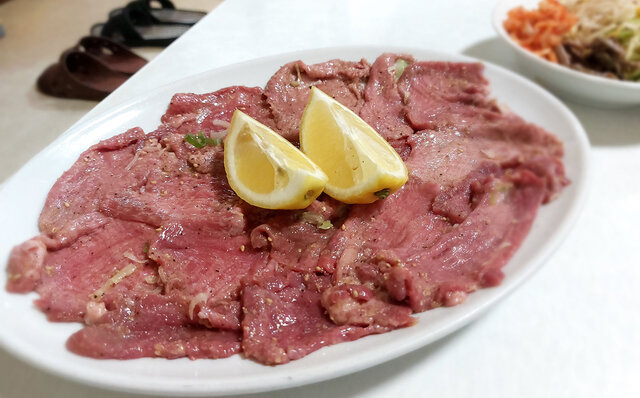
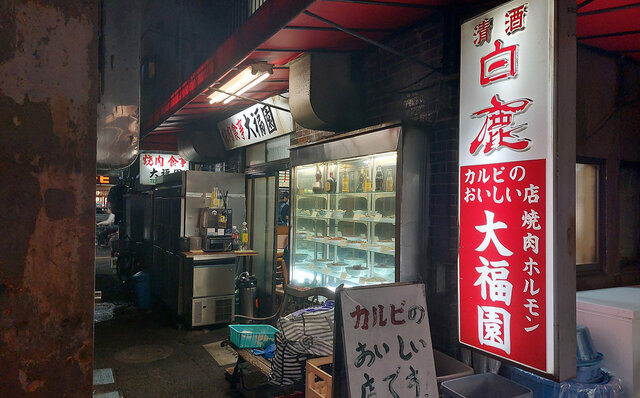
Whether it’s due to this unique Japanese DNA embedded in us or not, there’s a physical comfort in sitting cross-legged or with one knee raised in a zashiki. Of course, with many elderly people unable to sit due to knee problems, the number of zashiki restaurants is decreasing. However, it can be surprisingly suitable for meals when holding a baby. Recently, I’ve been told it’s unusual to choose a zashiki over a table setting, but if a zashiki is available, I still want to sit cross-legged, drink sake, and relax with one knee raised when I’ve had a bit to drink.
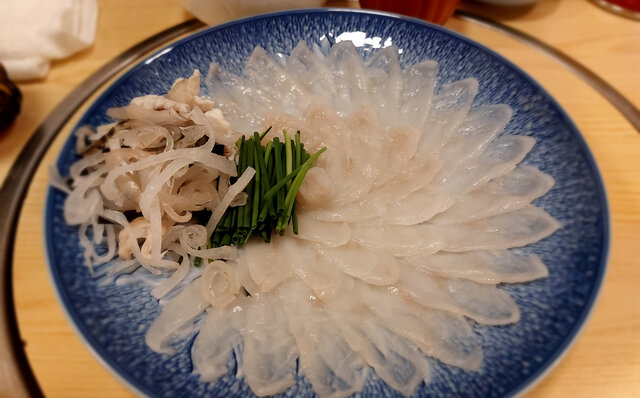
When it comes to zashiki restaurants, they are mostly found in the traditional downtown areas east and north of Nihonbashi. These are renowned long-established restaurants that need no introduction here. Looking at them, it feels like the origin lies in the common people of Edo and Meiji eras casually and quickly eating inexpensive, highly nutritious food. I want to savor that mindset and style.
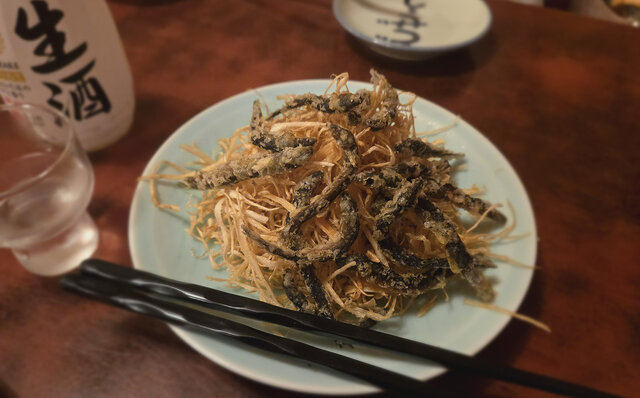
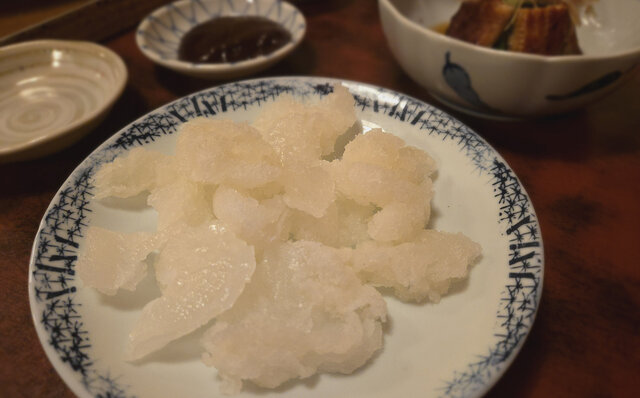
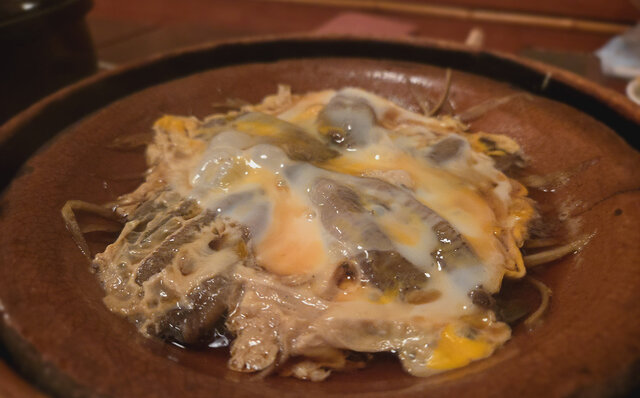
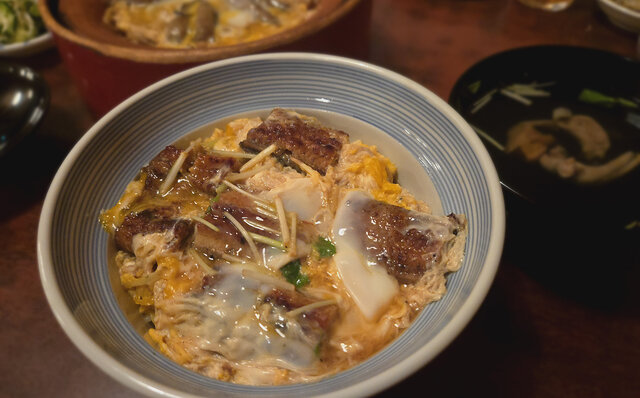
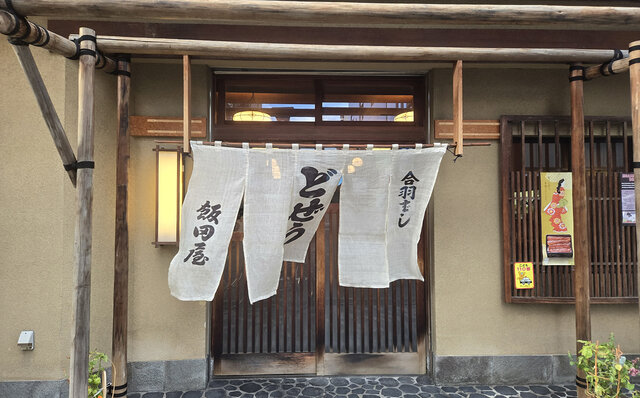
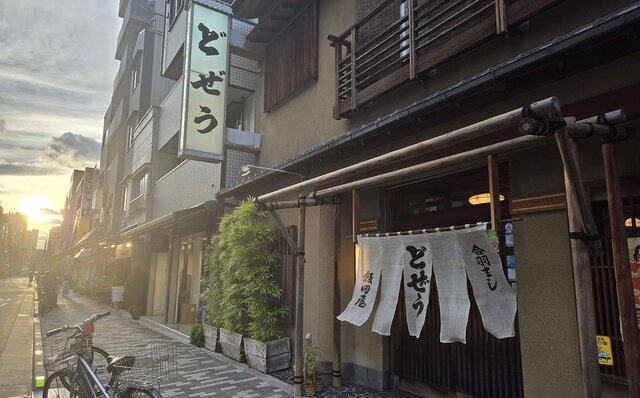
■DOZEU IIDAYA, 3-3-2 Nishi-Asakusa, Taito-ku, Tokyo
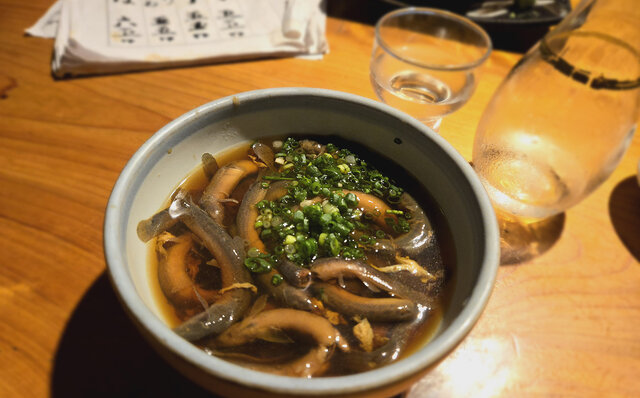
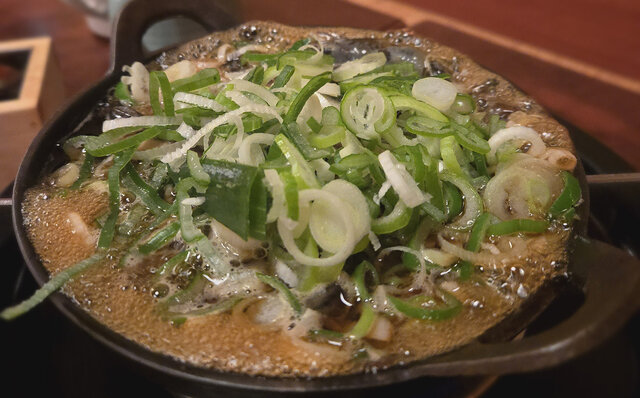
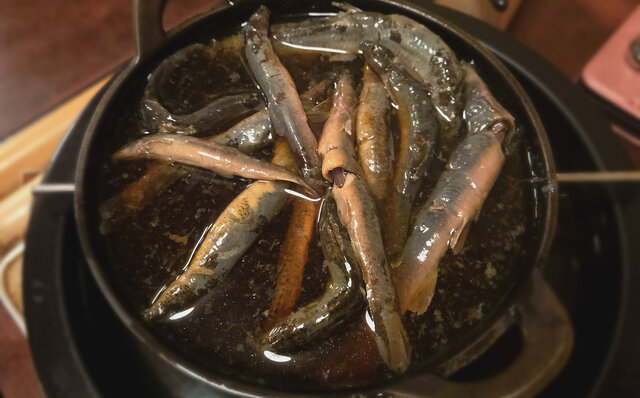
In Asakusa, when you say dozeu (loach), there’s Komagata Dozeu, Hirai, and Iidaya. Komagata seems to attract many tourists and is beginner-friendly, while Iidaya has a more local feel. Dozeu was popular among the common people of Edo for being inexpensive and highly nutritious. According to the Chinese encyclopedic work Bencao Gangmu, it is written that “dozeu warms the body, increases vitality, calms alcohol, heals hemorrhoids, and is also an aphrodisiac.” It is also said that in Ihara Saikaku’s Kōshoku Ichidai Otoko (The Life of an Amorous Man), the protagonist sets sail with a large amount of dozeu. When I was young, my friends and I were eating dozeu at Iidaya when a charming middle-aged couple next to us said, “You young men are so stylish. Dozeu gives you energy, why don’t you go to Yoshiwara right after this?” My friend, getting carried away, went to Yoshiwara alone without knowing the ropes and had a bad experience… That’s a memory from my younger days.
In Asakusa, when you say dozeu (loach), there’s Komagata Dozeu, Hirai, and Iidaya. Komagata seems to attract many tourists and is beginner-friendly, while Iidaya has a more local feel. Dozeu was popular among the common people of Edo for being inexpensive and highly nutritious. According to the Chinese encyclopedic work Bencao Gangmu, it is written that “dozeu warms the body, increases vitality, calms alcohol, heals hemorrhoids, and is also an aphrodisiac.” It is also said that in Ihara Saikaku’s Kōshoku Ichidai Otoko (The Life of an Amorous Man), the protagonist sets sail with a large amount of dozeu. When I was young, my friends and I were eating dozeu at Iidaya when a charming middle-aged couple next to us said, “You young men are so stylish. Dozeu gives you energy, why don’t you go to Yoshiwara right after this?” My friend, getting carried away, went to Yoshiwara alone without knowing the ropes and had a bad experience… That’s a memory from my younger days.
By the way, the correct spelling is said to be “dojiyau” or “dojiyau,” but it became “dozeu” because the four-character word was considered unlucky. Iidaya was founded in 1902. They offer fried dozeu, nanbanzuke (vinegared fried fish), dozeu soup, Yanagawa (a dish with loach and burdock root), and hot pot. For the hot pot, I prefer it served in a round dish. Loach marinated in sake is simmered with a sweet and savory sauce, topped with plenty of green onions, and seasoned with shichimi (seven-spice blend) and sansho (Japanese pepper). How luxurious the common people of Edo were. Washed down with sake, it’s heavenly.
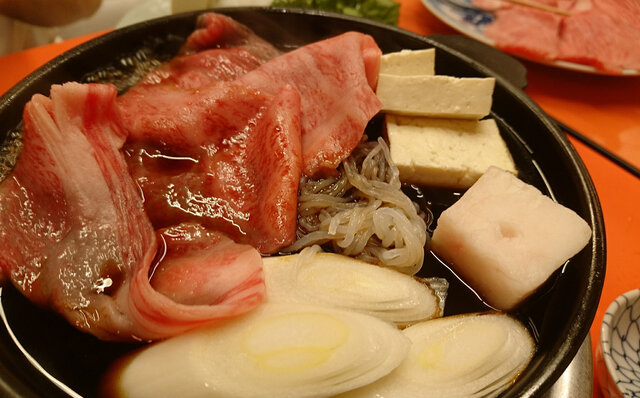
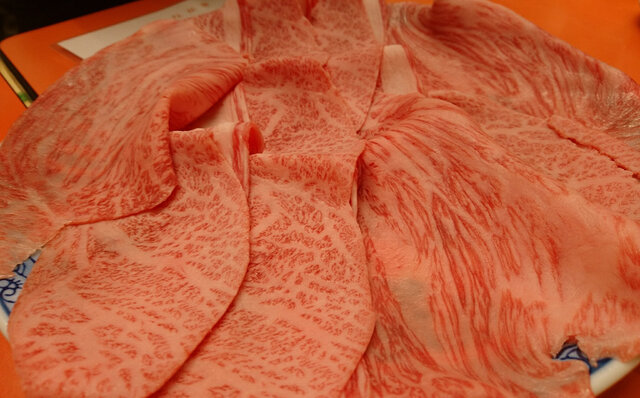
■YONKYU, 2-17-10 Asakusa, Taito-ku, Tokyo
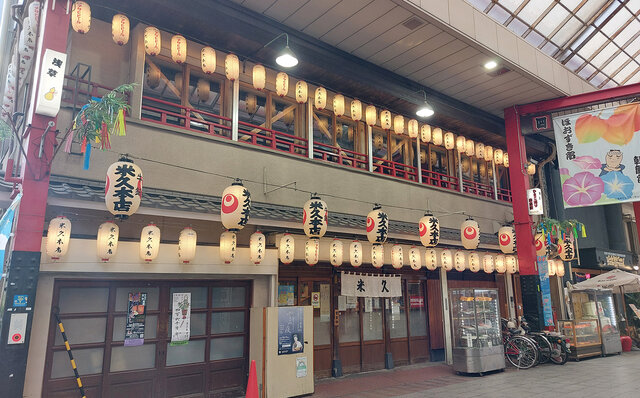
A long-established gyunabe (beef hot pot) restaurant founded in 1886. In Asakusa, for sukiyaki, there’s Imahan and Chin’ya, and for gyunabe, there’s Yonkyu. What’s the difference between gyunabe and sukiyaki? Sukiyaki involves the process of searing the beef, whereas gyunabe is cooked by simmering the beef from the start. Personally, I don’t mind either. Yonkyu has the admirable simplicity of offering only gyunabe. Besides that, there’s rice, soup, and pickles. Enjoying it stylishly with sake, you can savor a taste that floods you with dopamine.
A long-established gyunabe (beef hot pot) restaurant founded in 1886. In Asakusa, for sukiyaki, there’s Imahan and Chin’ya, and for gyunabe, there’s Yonkyu. What’s the difference between gyunabe and sukiyaki? Sukiyaki involves the process of searing the beef, whereas gyunabe is cooked by simmering the beef from the start. Personally, I don’t mind either. Yonkyu has the admirable simplicity of offering only gyunabe. Besides that, there’s rice, soup, and pickles. Enjoying it stylishly with sake, you can savor a taste that floods you with dopamine.
■BOTAN, 1-15 Kanda-Suda-cho, Chiyoda-ku, Tokyo
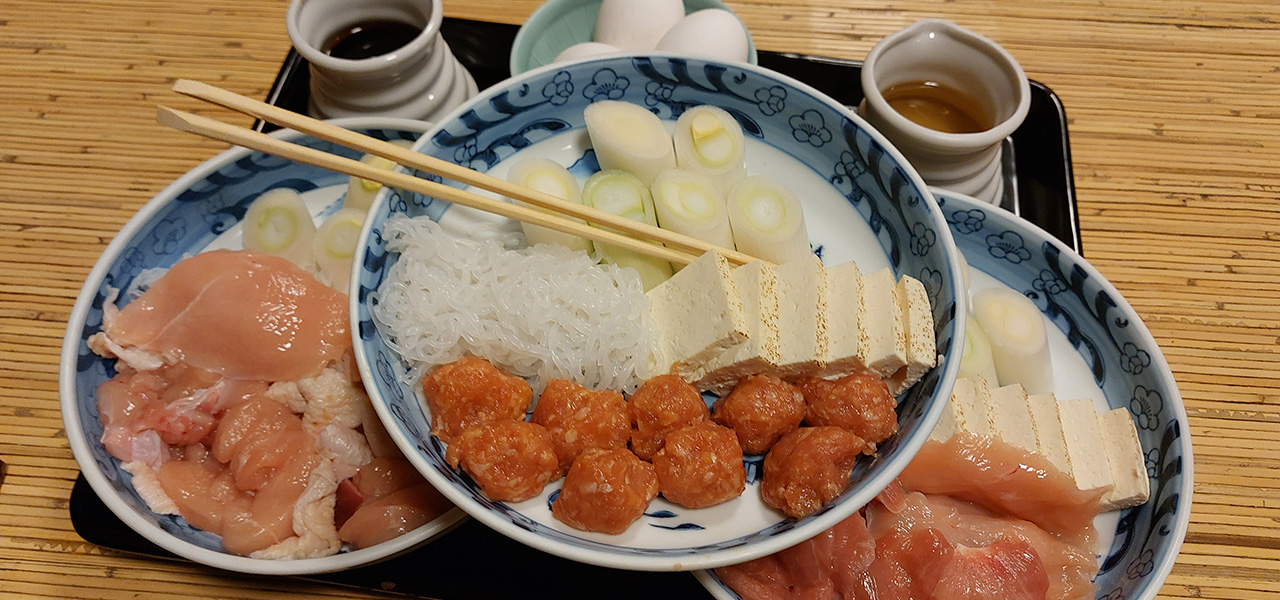
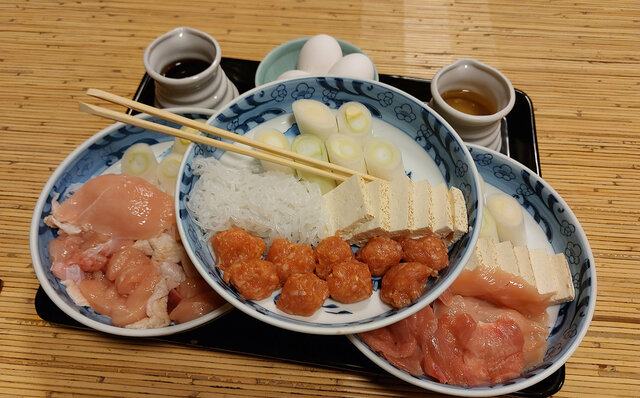
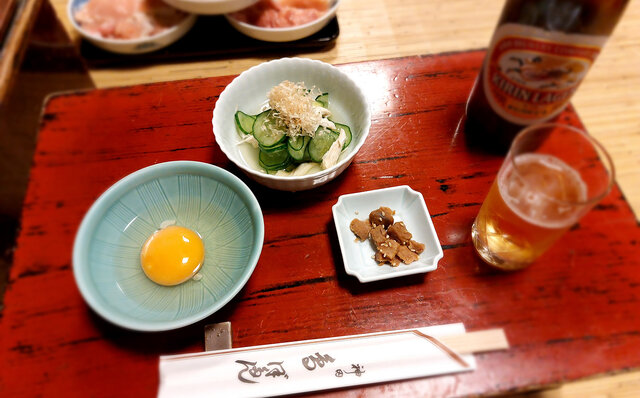
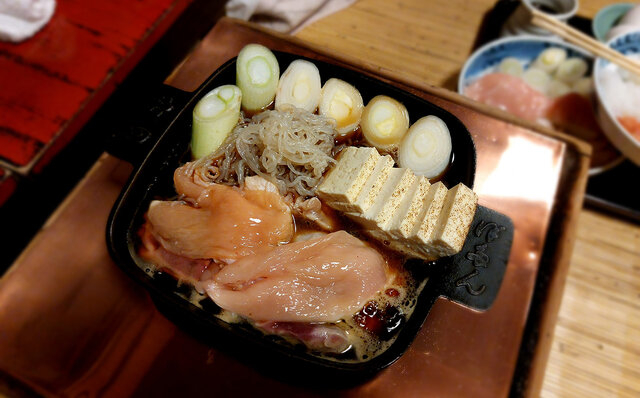
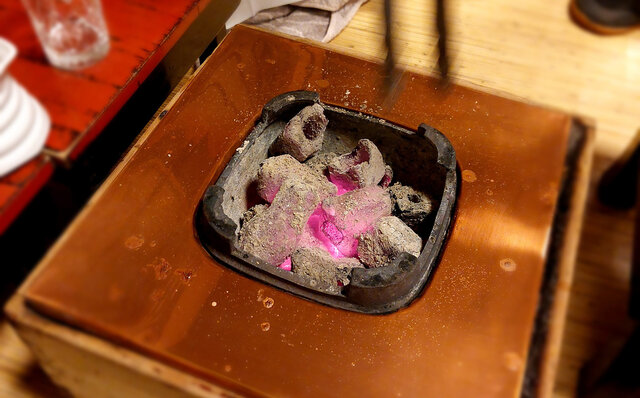
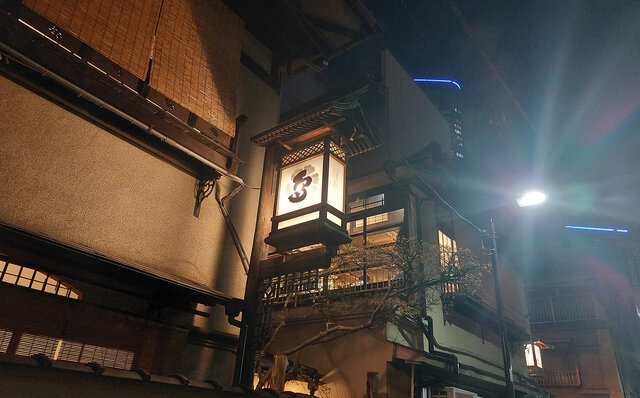
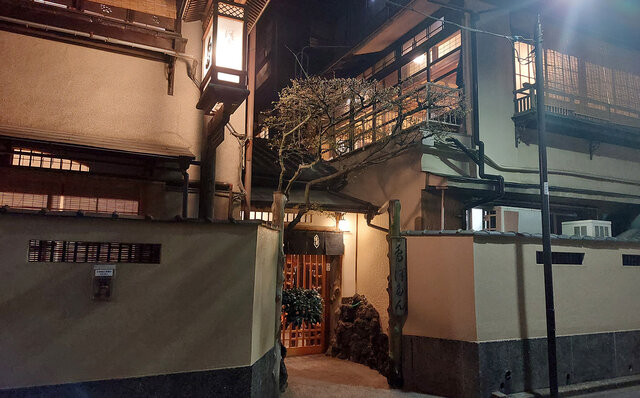
Kanda-Suda-cho is a district where you can glimpse genuine charm, not fake retro, with places like the sweet shop Takemura and the anglerfish hot pot restaurant Isegen. Founded in 1897, this is a chicken sukiyaki restaurant. The building, which collapsed in the Great Kanto Earthquake, was rebuilt in 1929 and survived the war, still standing today and designated as a “Tokyo Metropolitan Government Registered Historic Building.” “Botan” refers to a button, not a peony, which hints at the historical context. Like Yonkyu, while there are some side dishes, they focus solely on chicken sukiyaki. All parts are savored: thigh, breast, tenderloin, skin, gizzard, liver, heart, and cartilage. To preserve the unchanging taste of the past, they do not use gas; instead, they use a brazier with binchotan charcoal and an iron pot to slowly cook the meat. The finishing touch, oyakodon (chicken and egg bowl), and the takeout soboro (minced meat) are meticulously prepared, down to the citrus garnish. I am grateful for the spirit and passion of Japan at that time, when they were striving to catch up with and surpass the Western powers during the era of civilization and wealth, engaging in discussions over drinks.
Kanda-Suda-cho is a district where you can glimpse genuine charm, not fake retro, with places like the sweet shop Takemura and the anglerfish hot pot restaurant Isegen. Founded in 1897, this is a chicken sukiyaki restaurant. The building, which collapsed in the Great Kanto Earthquake, was rebuilt in 1929 and survived the war, still standing today and designated as a “Tokyo Metropolitan Government Registered Historic Building.” “Botan” refers to a button, not a peony, which hints at the historical context. Like Yonkyu, while there are some side dishes, they focus solely on chicken sukiyaki. All parts are savored: thigh, breast, tenderloin, skin, gizzard, liver, heart, and cartilage. To preserve the unchanging taste of the past, they do not use gas; instead, they use a brazier with binchotan charcoal and an iron pot to slowly cook the meat. The finishing touch, oyakodon (chicken and egg bowl), and the takeout soboro (minced meat) are meticulously prepared, down to the citrus garnish. I am grateful for the spirit and passion of Japan at that time, when they were striving to catch up with and surpass the Western powers during the era of civilization and wealth, engaging in discussions over drinks.
■MINOYA, 2-19-9 Morishita, Koto-ku, Tokyo
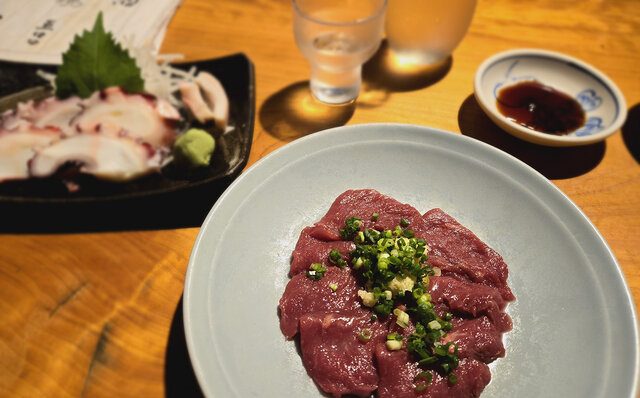
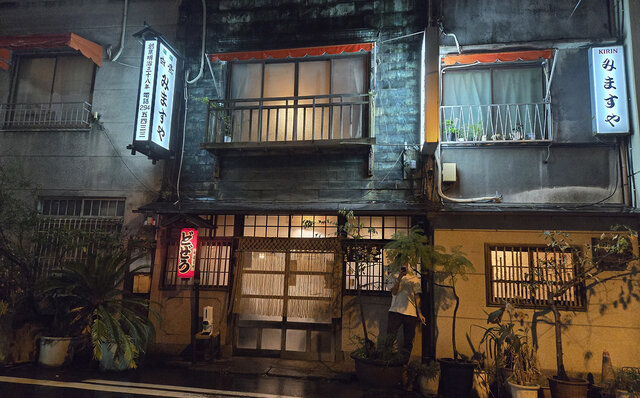
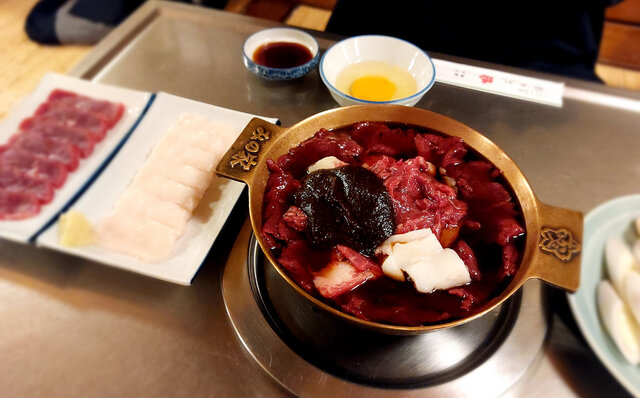
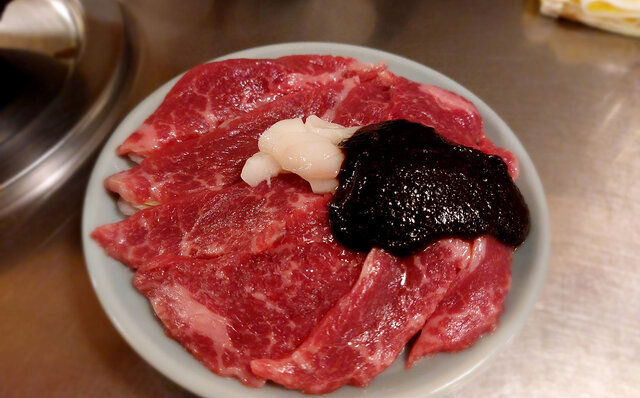
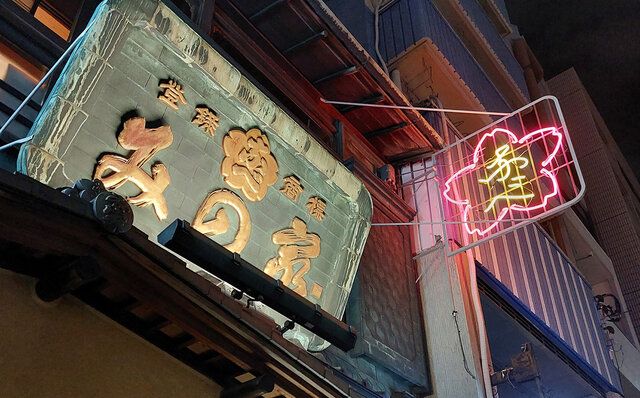
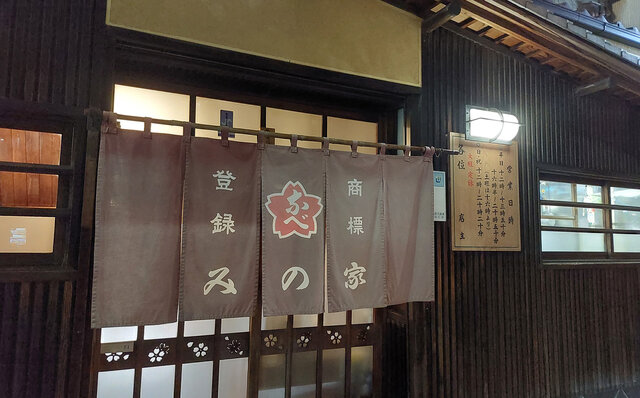
A specialty horse meat restaurant founded in 1897 in Morishita. Sakura nabe (horse meat hot pot), sakura sashimi, abura sashimi (fatty sashimi). Horse meat, being inexpensive, highly nutritious, and low in calories, has long captivated the common people as a food that provides vitality, much like dozeu. Why is horse meat called “sakura”? There are various theories: one suggests it was called “sakura” as a code word during the Edo period when meat consumption was strongly discouraged; another is that horse meat is best in spring; another is that the vivid color of horse meat resembles cherry blossoms; another is the existence of a government ranch in Sakura, Chiba Prefecture; and another is that it was a counterfeit for expensive beef, hence “sakura.” However, none are confirmed. Regardless, sakura nabe is a favorite of mine; I even went to Yoshiwara to eat it with my parents when I received my first paycheck. Above all, the atmosphere here is such that just looking at the shop's noren (curtain) makes me want to drink.
A specialty horse meat restaurant founded in 1897 in Morishita. Sakura nabe (horse meat hot pot), sakura sashimi, abura sashimi (fatty sashimi). Horse meat, being inexpensive, highly nutritious, and low in calories, has long captivated the common people as a food that provides vitality, much like dozeu. Why is horse meat called “sakura”? There are various theories: one suggests it was called “sakura” as a code word during the Edo period when meat consumption was strongly discouraged; another is that horse meat is best in spring; another is that the vivid color of horse meat resembles cherry blossoms; another is the existence of a government ranch in Sakura, Chiba Prefecture; and another is that it was a counterfeit for expensive beef, hence “sakura.” However, none are confirmed. Regardless, sakura nabe is a favorite of mine; I even went to Yoshiwara to eat it with my parents when I received my first paycheck. Above all, the atmosphere here is such that just looking at the shop's noren (curtain) makes me want to drink.
IJICHI Yasutake
Born in Tokyo in 1982. While at Keio University, he was involved in planning and producing receptions and parties for major brands at an event company. After transferring to a PR company, he worked as a planner and resigned at the age of 30. With his representative, a friend of 20 years since middle school, he participated in the launch of Japan's first cold-pressed juice specialty store, “Sunshine Juice,” and served as Vice President until September 2020. He currently continues his urban explorations while supporting corporate communication and branding for clients in a wide range of industries. His favorite foods are fugu (pufferfish) and suppon (soft-shelled turtle). His favorite sports are baseball and horse racing. His favorite places are pure coffee shops and popular izakayas.
Instagram:ijichiman
Born in Tokyo in 1982. While at Keio University, he was involved in planning and producing receptions and parties for major brands at an event company. After transferring to a PR company, he worked as a planner and resigned at the age of 30. With his representative, a friend of 20 years since middle school, he participated in the launch of Japan's first cold-pressed juice specialty store, “Sunshine Juice,” and served as Vice President until September 2020. He currently continues his urban explorations while supporting corporate communication and branding for clients in a wide range of industries. His favorite foods are fugu (pufferfish) and suppon (soft-shelled turtle). His favorite sports are baseball and horse racing. His favorite places are pure coffee shops and popular izakayas.
Instagram:ijichiman