
A Testament to Conviction and Innovation: Works Born Through the Ages | MOËT & CHANDON
SponsoredMOËT & CHANDON
Rosé, Ice, Grand Vintage. Savor the story woven through Moët & Chandon's philosophy and journey.
Text by IWASE Daiji
Champagne: Present for Celebrations and Solace
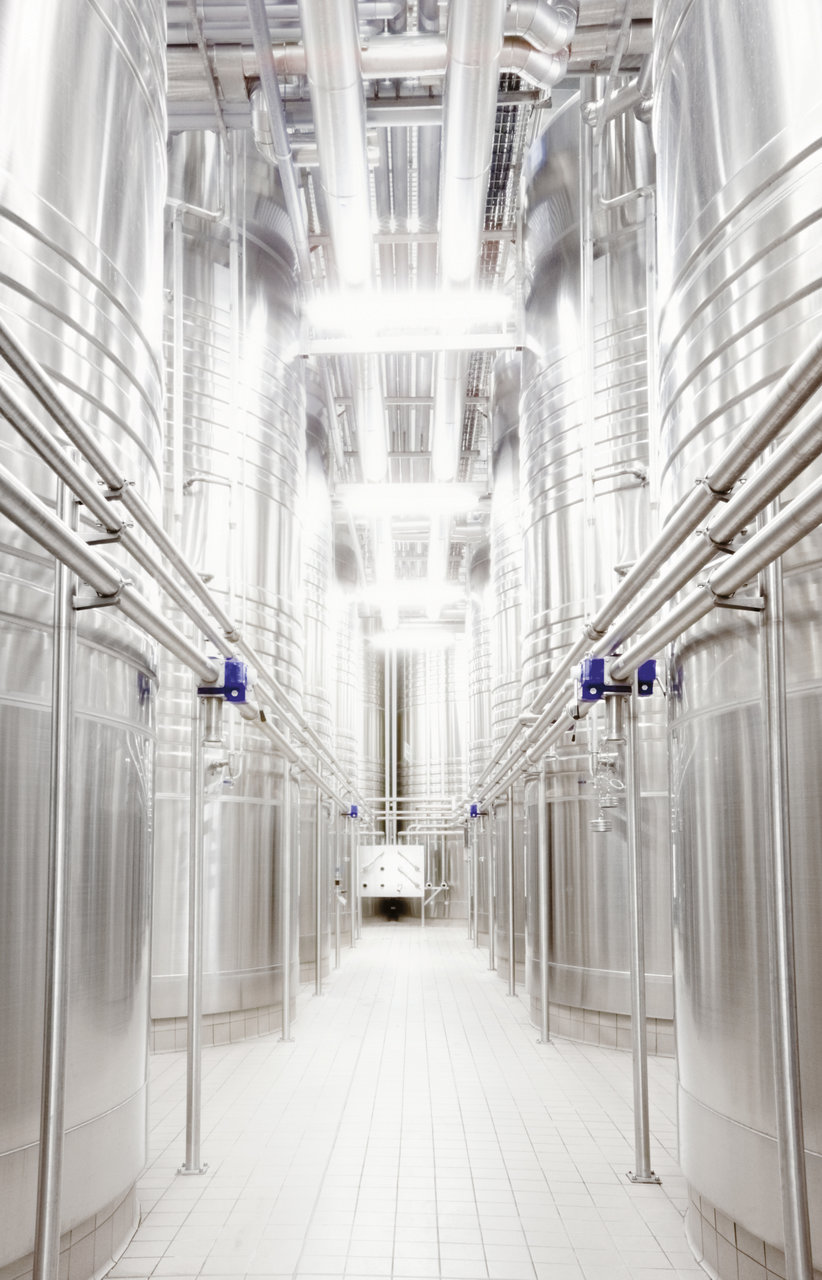
Robert-Jean de Vogüé, who fought for his homeland France during World War II as a resistance fighter, risked his life, and after the war, embraced the glamorous American world, maintaining a broad perspective. From technical aspects like the introduction of stainless steel tanks to dynamic management decisions, he made various innovative choices while preserving the tradition of Moët & Chandon and the pride of Champagne. He too must have been a man of duality. He wanted to love and protect Champagne. His words remain: "Be 15 minutes ahead, sometimes."
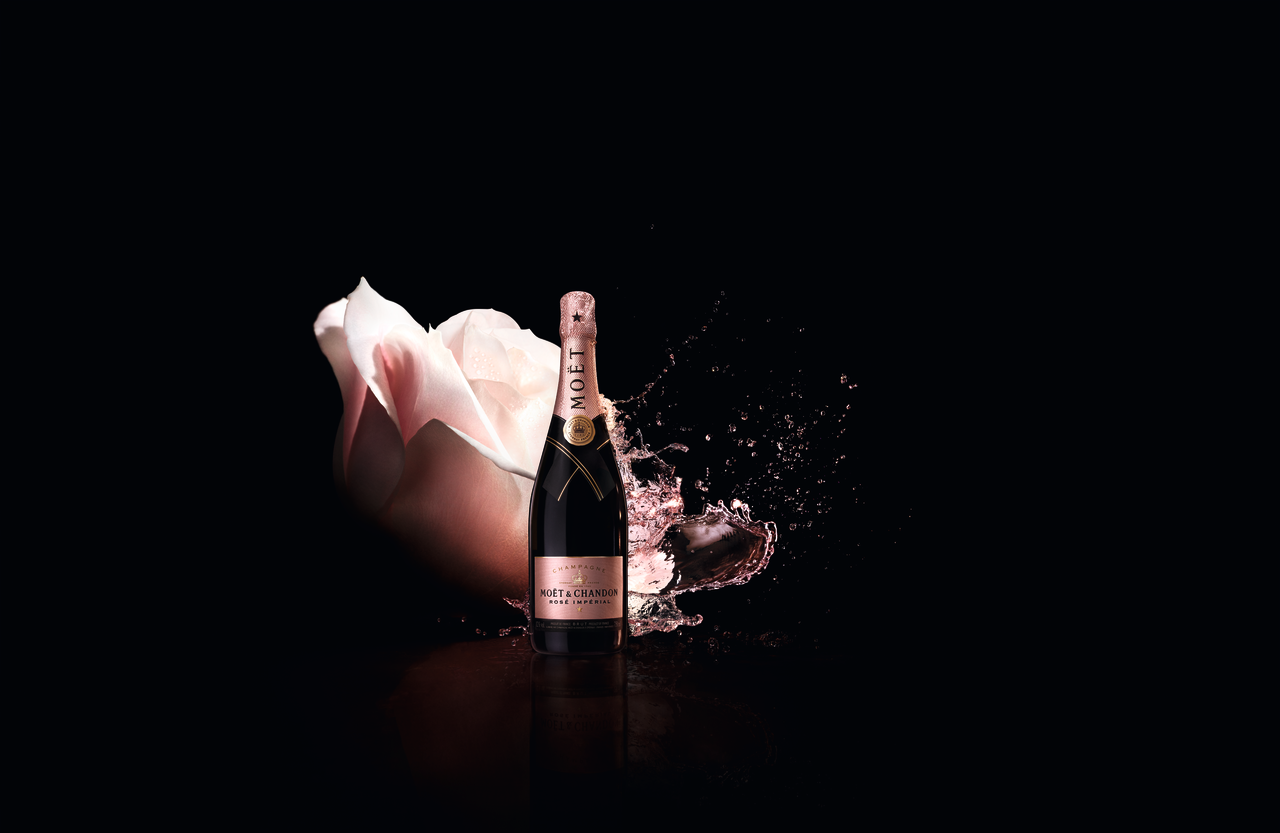
While a classic rosé champagne might pair with rich dishes like duck or lamb, Rosé Impérial is perfect with finger foods like fruit and cream cheese, or with salmon. For a touch of sophisticated flair, consider thin slices of duck on a baguette. Casual ethnic cuisine also works well. With Rosé Impérial and something enjoyable, anywhere can become a delightful party venue, whether you're alone, with a partner, or with friends.
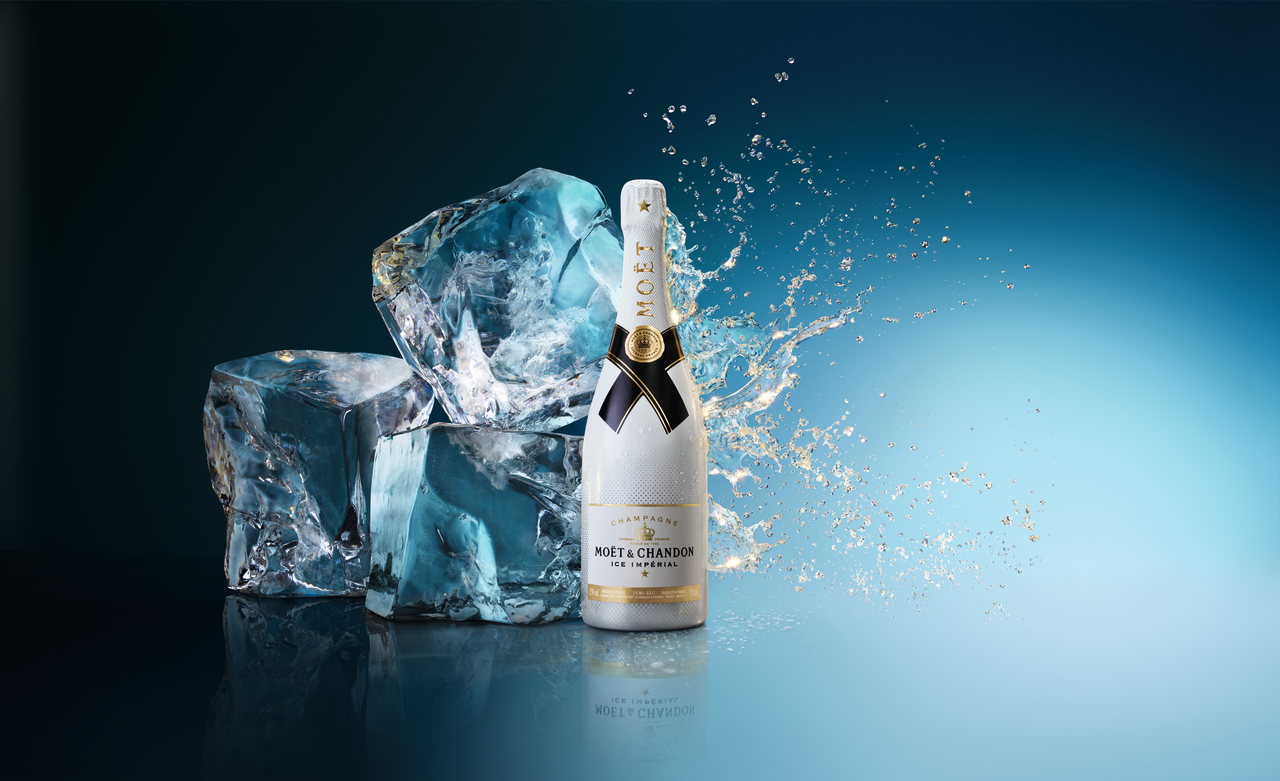
Champagne is a wine that adapts to your mood and the occasion. It can be your evening tonight, your holiday morning, or the mood and occasion of the times. As eras change, so does cuisine. Consider the urban hotel where you might be tonight. Its poolside terrace offers a global array of trendy foods. In the 19th century, the cuisine before Champagne was French, whether traditional or courtly. But it has since traveled to Russia, America, and now, in Japan, its third-largest export market, it shines within Japanese cuisine, climate, and style. The encounter between French pride and a changing world. Robert-Jean de Vogüé's "Be 15 minutes ahead, sometimes." We can understand its meaning in this very moment, through the lightly enjoyed Rosé Impérial and Ice Impérial.
Bold Challenges Without Fear of Risk
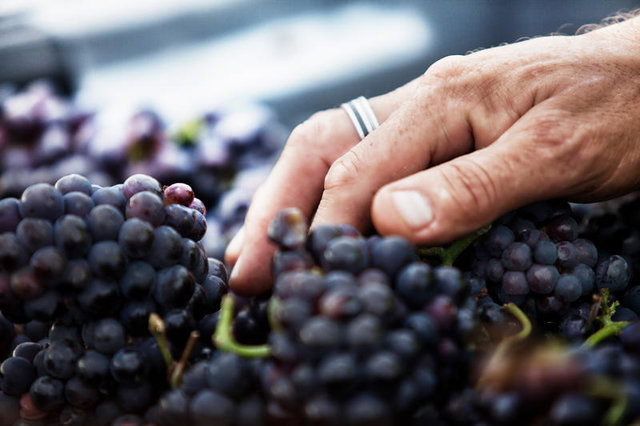
Vintage wines are made using only grapes harvested in that specific year. This might sound obvious to those familiar with wines from other regions, but recall the climate and terroir of the Champagne region mentioned earlier. In this challenging environment for grape cultivation, the winemaker does not always achieve satisfactory yields each year, nor are the grapes always of the desired quality. Many years, vintage champagne is not released.
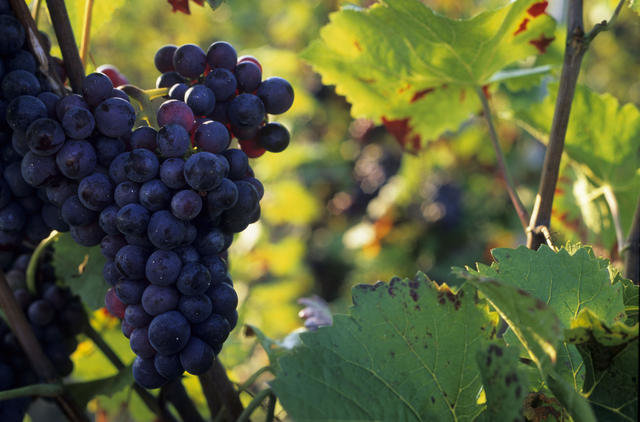
So, what does vintage mean to Moët & Chandon? I once asked Benoît Gouez about the difference in character between the Grand Vintage 2000 and 2003. His answer was unique.
"Grand Vintage 2000 evokes a scene on a Brittany coast in the morning, or a scene in Thailand surrounded by colorful tropical fruits and sweet vegetables. Grand Vintage 2003 brings to mind a secluded resort island in the Caribbean."
When I asked Amin Ganem, a member of the team and Quality Manager, about the Grand Vintage 2009, he said, "Late summer. The terrace of an old, large house on a plain. Gazing at the golden pampas grass swaying in the quiet breeze. A serene and abundant time. Sitting in a comfortable, well-worn leather chair... Such a scene unfolds."
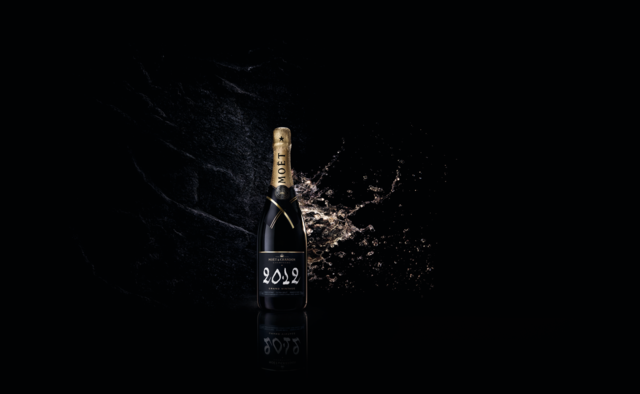
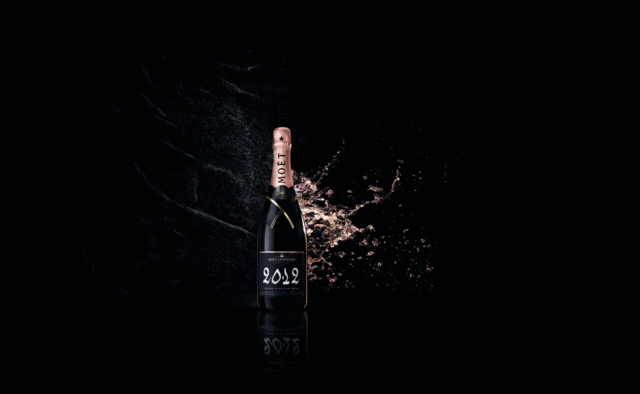
Always and Everywhere, With Your Happy Moments. That's Moët & Chandon's 276 Years.
"There is no fear. Certainly, releasing something new involves risk. But, everything is changing. I believe I must also change."
And,
"While maintaining authenticity, we must engage with the present. Constantly adapting to change. The accumulation of these efforts becomes new tradition. The history of Moët & Chandon itself is a history of unique transformation."
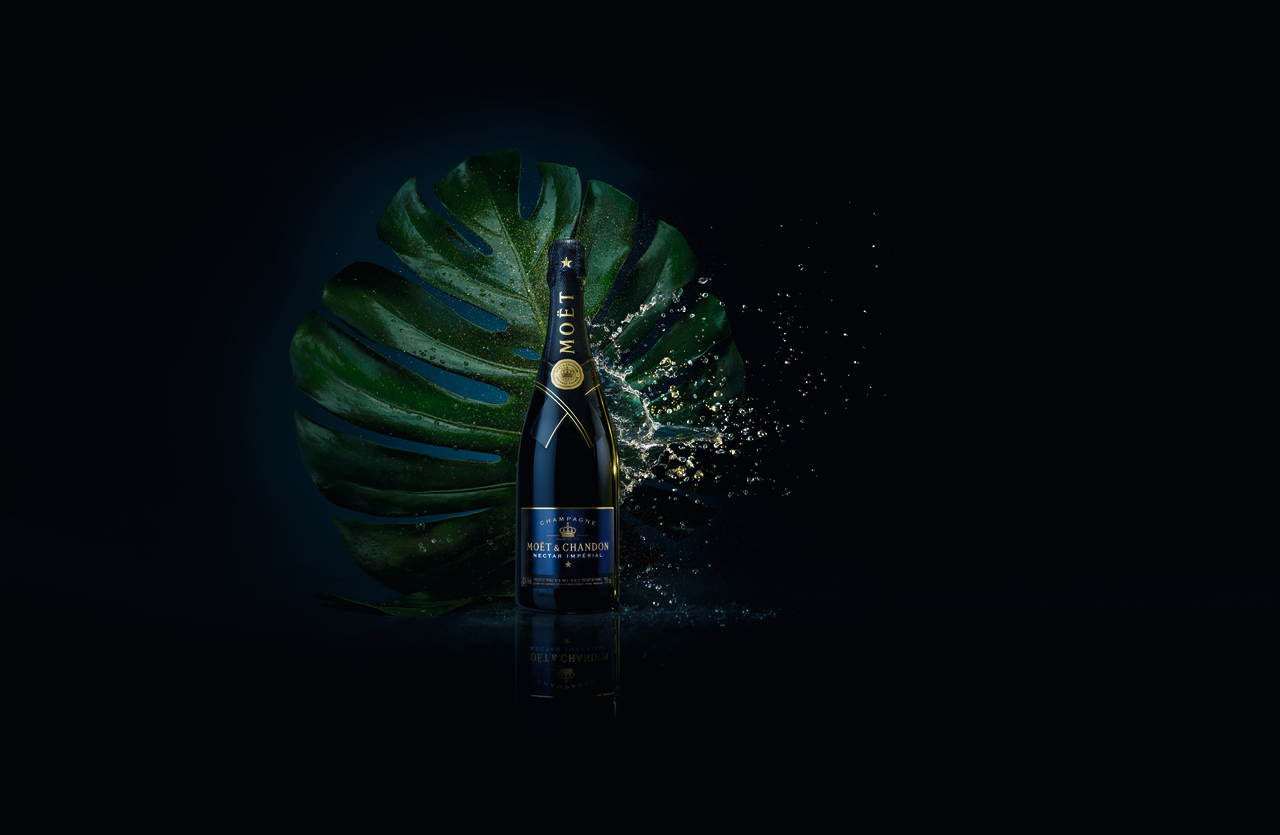
Yes, continuing to offer the unchanging is proof of accumulated transformation, and Rosé Impérial, Ice Impérial, and Grand Vintage show us this evidence. Each has its own occasion for enjoyment. The early summer sun, a summer poolside, a Michelin-starred restaurant for a quiet anniversary celebration, encounters on a journey, a celebrity space, an autumn evening conversing with old friends... And behind it all, the story of Moët & Chandon's tradition and innovation. Reflecting on the duality of champagne elevates any occasion to something special.
Wine lovers will know this, but the Champagne region is at the northernmost limit for traditional winemaking. In this location, champagne was created through ingenuity and resourcefulness. It is a treasure born from the efforts and dedication of our predecessors, their struggles between what must be preserved and what must change, battling and even utilizing the extreme climate. This remains true today.
On the other hand, nothing is more suited to celebrity occasions and our celebrations than champagne. On the F1 podium, backstage with hip-hop and EDM superstars, and in Tokyo, on the table for a successful presentation or a confession of love on an anniversary. This wide-ranging duality is the charm of champagne.