Serialized Essays | #ijichiman's Musings: Meguro Edition
The 14th Installment: Meguro, A City Forged from a Mélange of Elements
“To insist solely on the safety of the body, without questioning the life or death of the soul or spirit, is wrong.” – Yasutake Ijichi, a board member of Sunshine Juice, Japan’s first cold-pressed juice specialty store, explores the city’s diverse, human-centric content, which stands in stark contrast to the ultimate healthfulness of Sunshine Juice, delving into its history, transitions, customs, and culture in his serialized essays. In this 14th installment, he introduces Meguro, a district that, while possessing a glamorous image, also exudes a downtown atmosphere.
Photographs and Text by IJICHI Yasutake
A City Where Historic Establishments and Cutting-Edge Boutiques Coexist Seamlessly
Meguro is a popular area. While it may not possess the flashiness of Shibuya Ward, which encompasses Hiroo and Ebisu, when considered as Meguro Ward, an implicit image of being “upper” and “high-society” has formed. This is likely influenced by the presence of numerous distinguished celebrities residing in areas like Aobadai and Yakumo, and is also not unrelated to the existence of prestigious wedding venues such as Meguro Gajoen and Happo-en. However, it might not be entirely accurate to say that Meguro has historically and traditionally been this way across its entirety.
Meguro was traditionally a suburb of Edo. Its undulating terrain offered scenic views, including Mount Fuji, which was appealing to commoners, but during the Edo period, it was largely farmland and bamboo groves, essentially a rural area. It later developed, spurred by the opening of the current Tokyu Line railway in the early Showa era. The extreme topography, consisting of high ground with views of Mount Fuji and lowlands along the river, might seem less than ideal for residential development, but it evolved into a residential area while enhancing its cultural value by attracting schools.
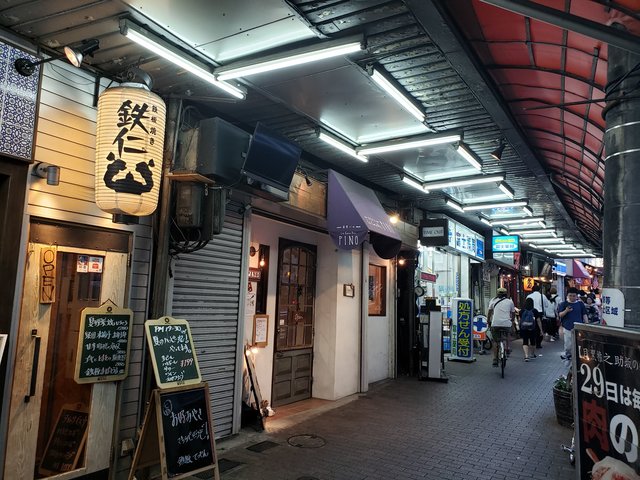
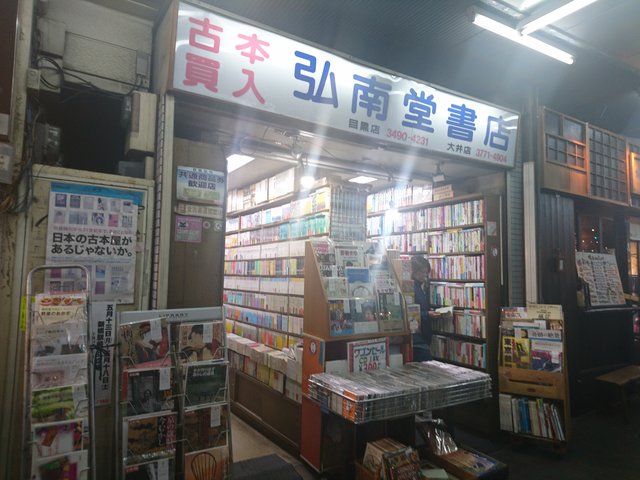
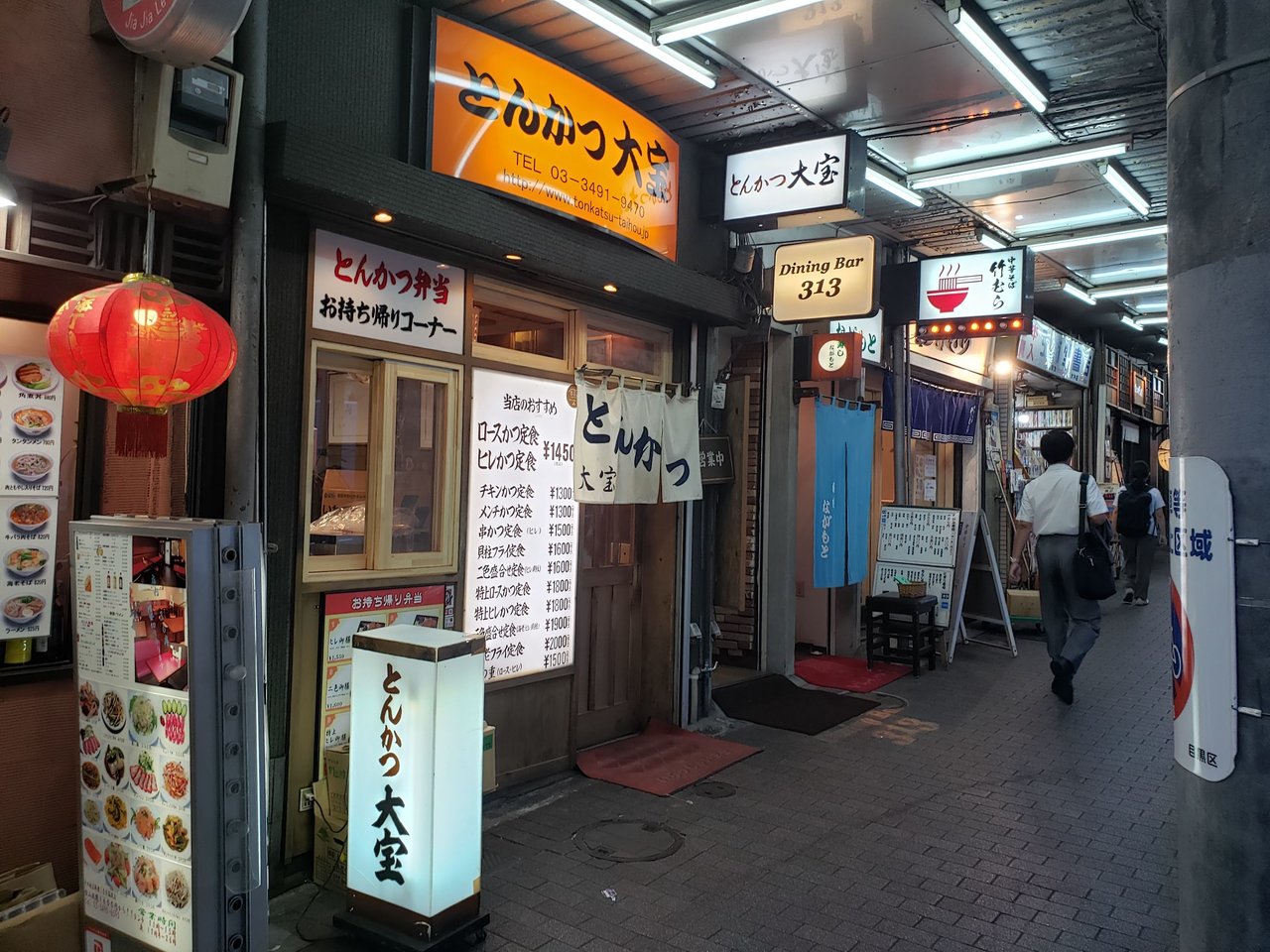
Even now, areas like Musashi-Koyama and Gakugei-Daigaku, just a few stations from Meguro Station, retain a strong downtown character. Although the area around Meguro Station has undergone redevelopment in recent years, vestiges of its past remain abundant, with shopping streets and winding alleys.
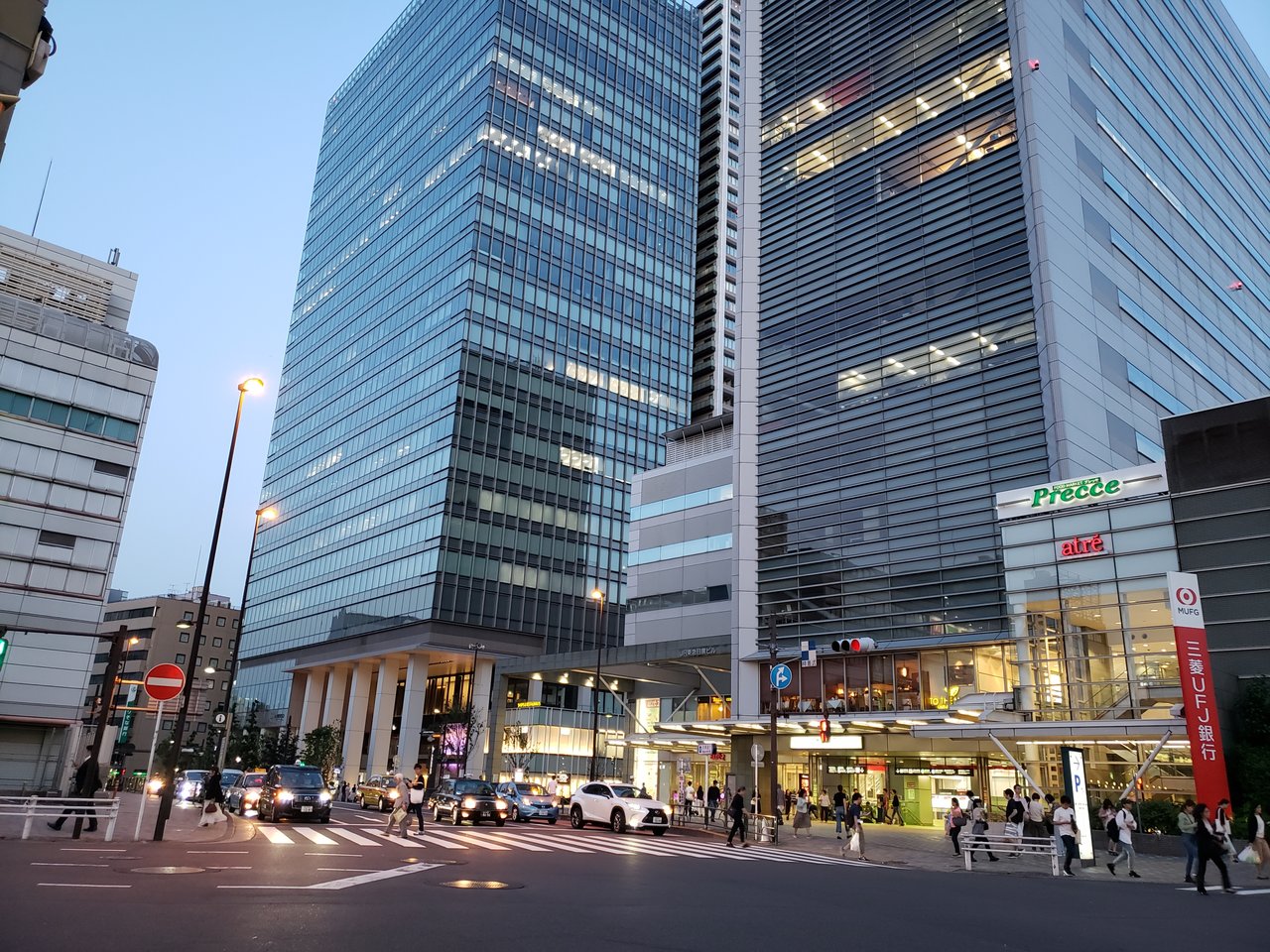
However, this is only Meguro in a broad sense (Meguro Ward), and it’s famously known that Meguro Station is actually located in Shinagawa Ward, not Meguro Ward. Therefore, the definition of “Meguro” is quite ambiguous. For the purpose of this article, I would like to define Meguro as the area west of Meguro Station up to Otori Shrine.
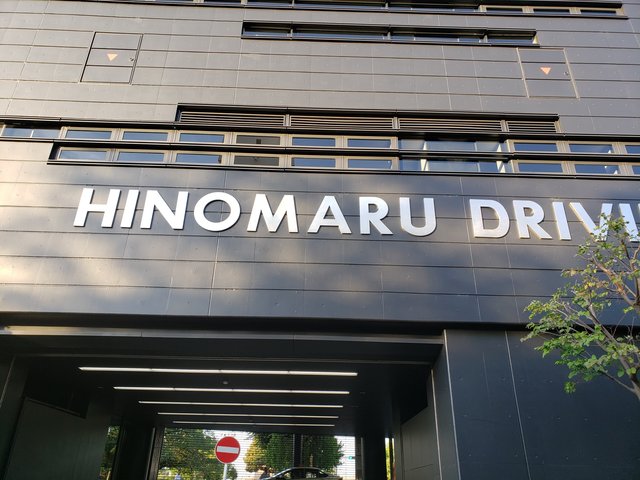
I obtained my driver's license at Hinomaru Driving School and lived in Meguro for about half the week for three years in my early twenties, so I consider myself reasonably familiar with the area. However, having become too accustomed to it, it’s no longer a place I visit with any particular special purpose. I rarely visit even during the cherry blossom season, when the Meguro River is at its most picturesque, or during the Sanma Festival. Still, I find myself drawn to Meguro quite frequently in my daily life, perhaps because of its comfortable and stable atmosphere, unchanged from the past.
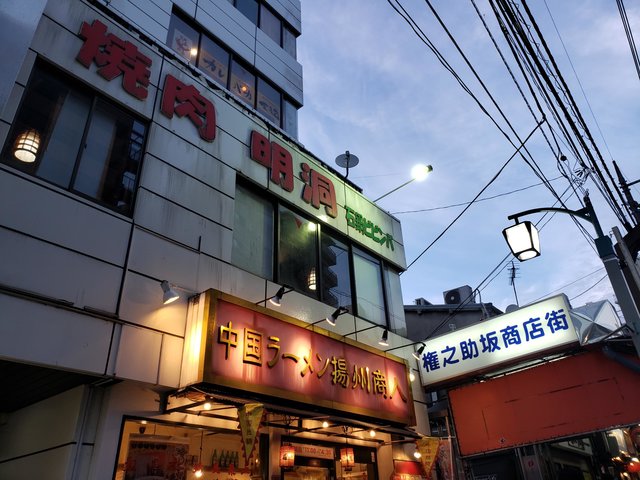
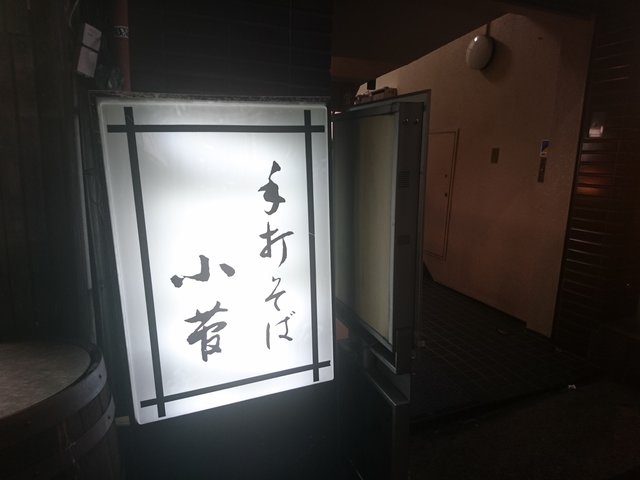
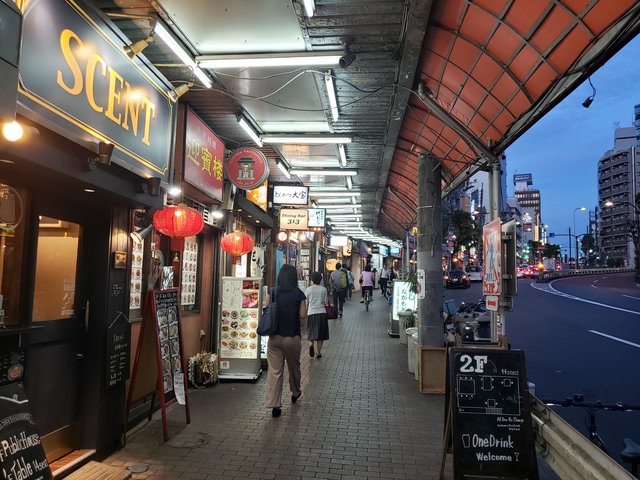
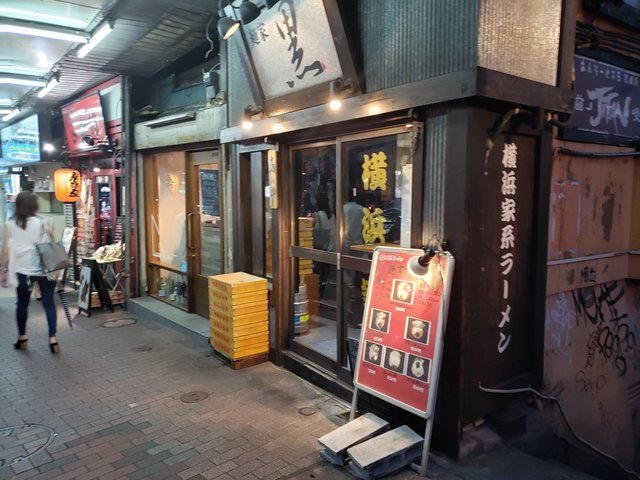
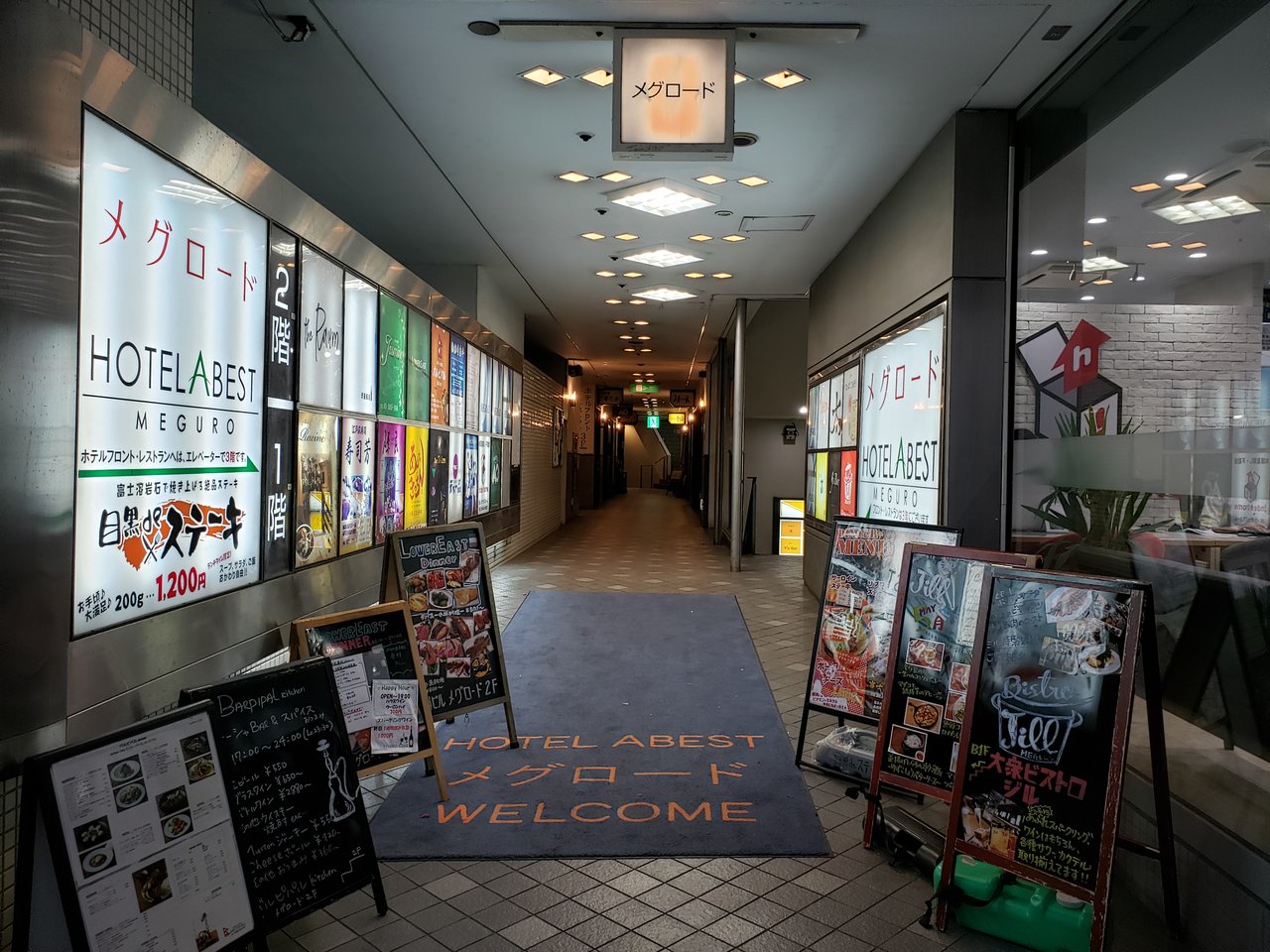
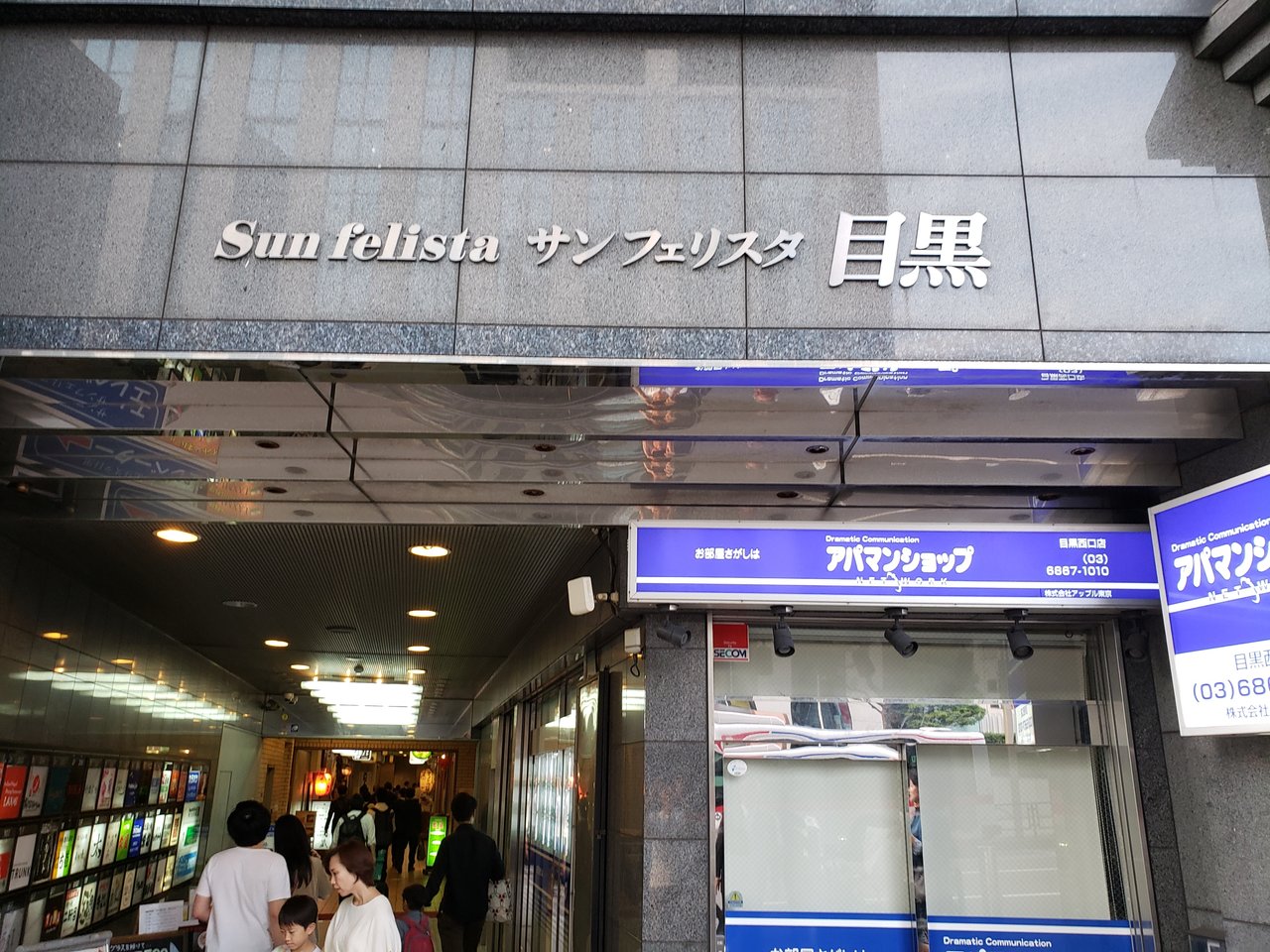
The stability is greatly contributed to by “Gonosuke Slope” and the “Sunferista Meguro” and “Meguroad” buildings in front of the West Exit. In my early twenties, I frequented almost all the establishments on Gonosuke Slope. Sadly, the yakiniku restaurant Honmokutei and the Taiwanese restaurant Keiryu, which I often visited back then, have closed. However, I am delighted that Korean restaurant Myeongdong, soba restaurant Kosuge, and old-style Chinese restaurant Hong Kongen are still in business.
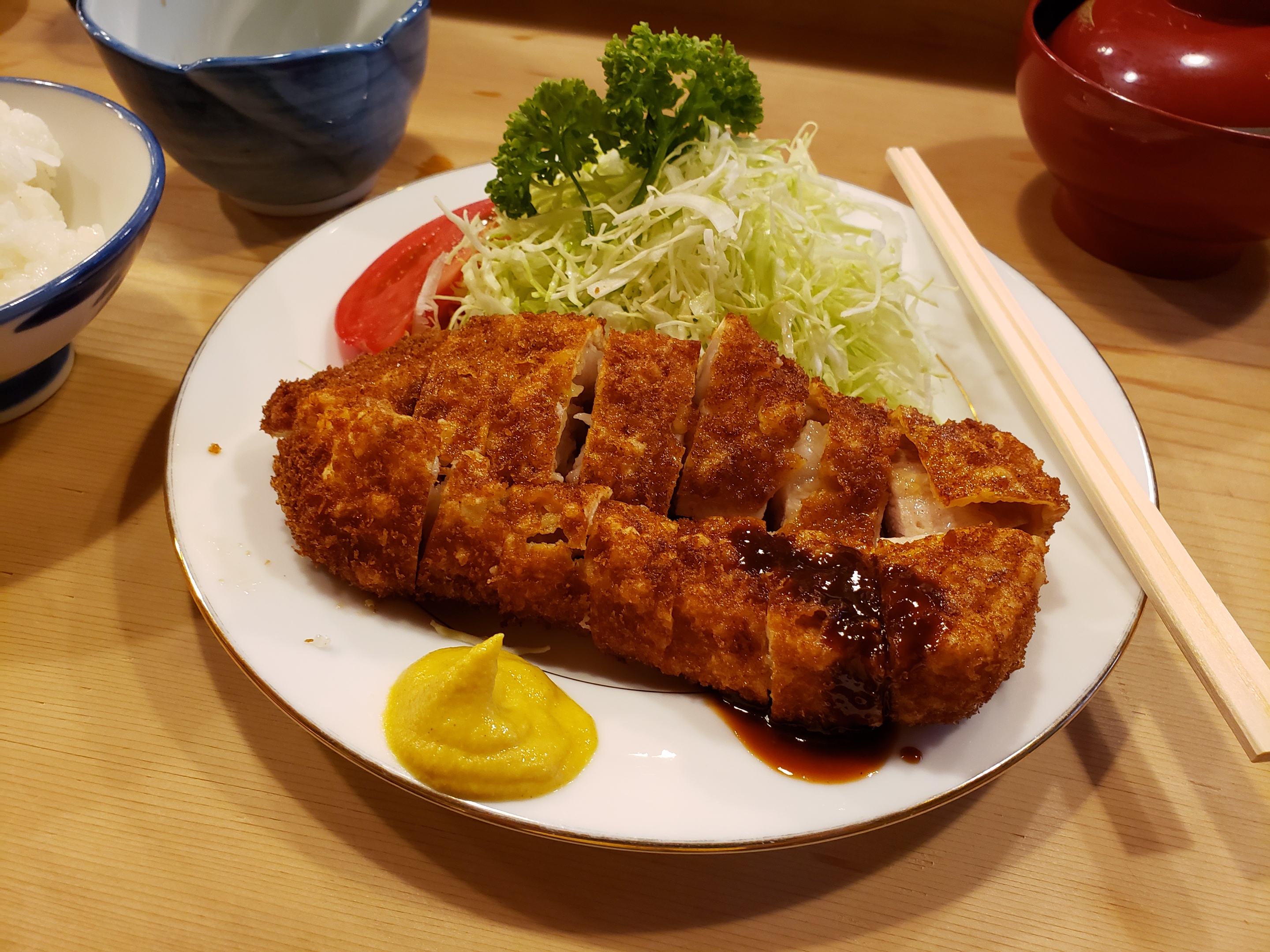
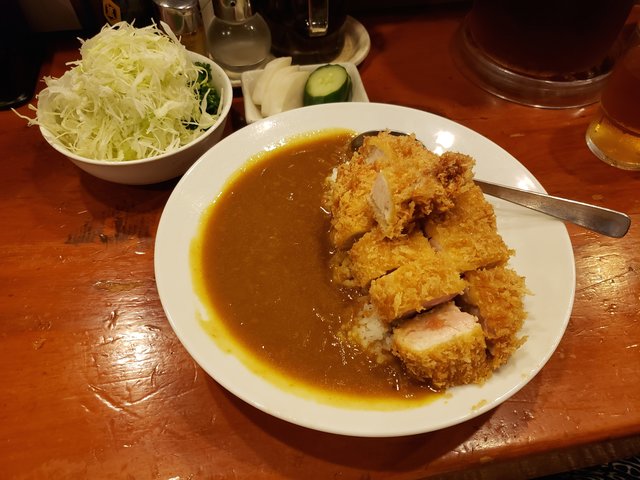
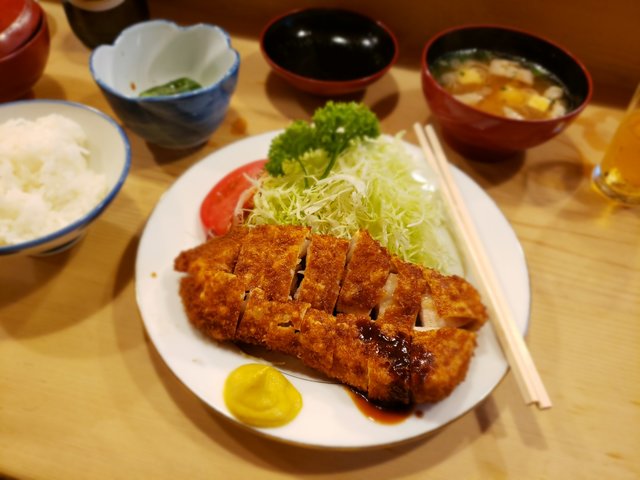
That said, among the three, the most well-known, or rather, the first establishment that comes to mind when people think of Meguro’s restaurants, is probably Tonki. There’s no need to elaborate on the taste here. Founded in 1939. Polished cypress wood counter. The open kitchen, where the entire preparation area is visible from the counter, has been a feature since its founding. Craftsmen, with clearly defined roles, silently dedicate themselves to their work. They’ll alert you when your rice, soup, or cabbage is running low, offer you a wet towel just before you finish eating, and serve you warm tea as you conclude your meal. At Tonki, you gain a sense of deep satisfaction and contentment that goes beyond just delicious food.
Sunferista and Meguroad are actually relatively new. Sunferista was completed in 1994, and Meguroad in 1987. Yet, these charming restaurant buildings exude a sense of age and character.
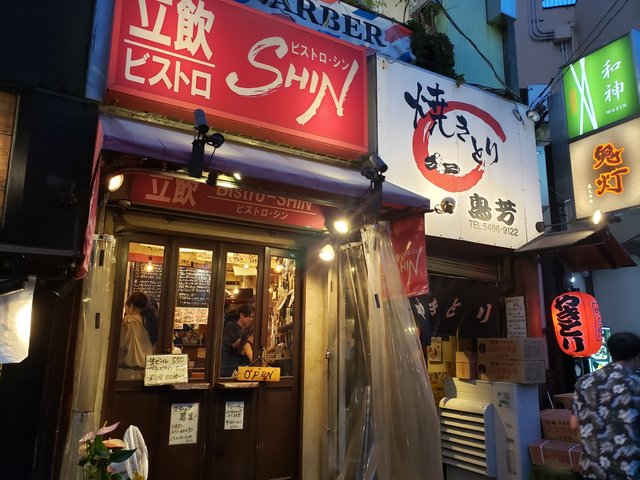
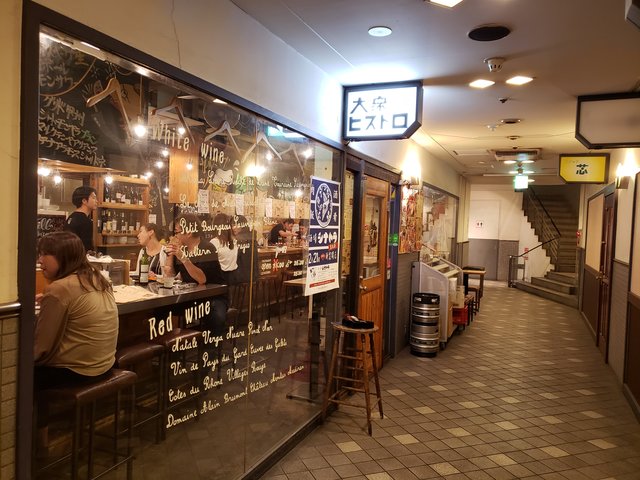
With over 50 eateries—izakayas, Chinese, Japanese, bistros, yakitori, yakiniku—these buildings are perfect for a first stop or a second or third. If one place is full, you can just go to another. The depth of options here rivals that of the SoftBank Hawks, where even if Yanagita is injured or Uehara is in a slump, they have the 2000-hit veteran Uchikawa, batting champion Hasegawa, and Nakamura Akira, known for his exceptional bat control, ready to play.
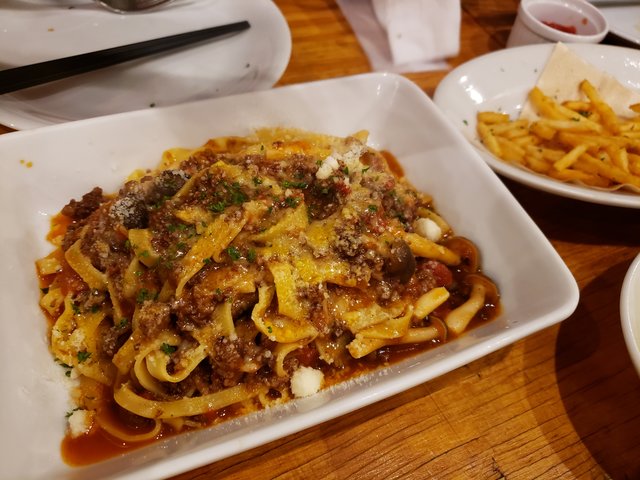
“Daishu Bistro Jiru” on the B1 floor of Meguroad offers surprisingly good value for money and is incredibly convenient. While affordable places often have good food but questionable drink selections, here, even the house wine by the glass is genuinely delicious.
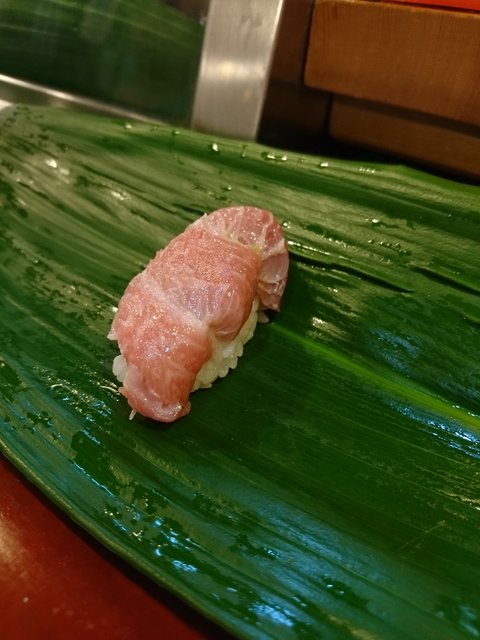
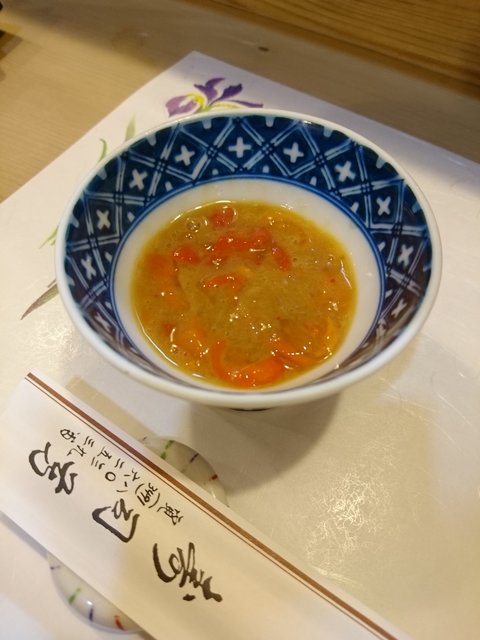
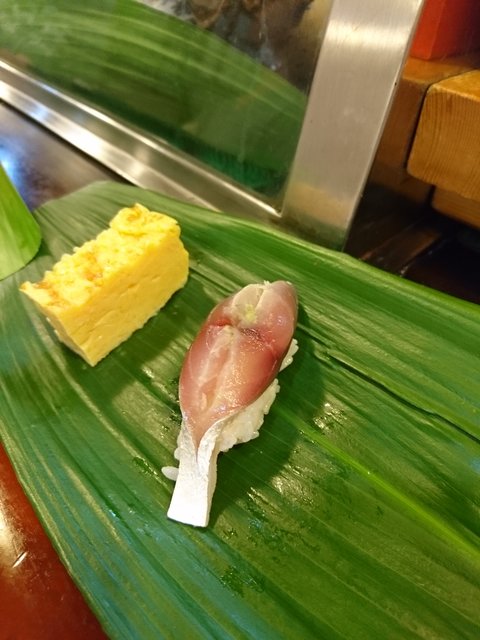
“Sushi Yoshino” on the 1st floor is a favorite casual sushi spot where I can drop in alone. Despite its accessibility, the owner’s dedication is evident; if you order my favorite konowata (sea cucumber innards), they’ll let you compare two types: one aged for five days and another prepared that morning.
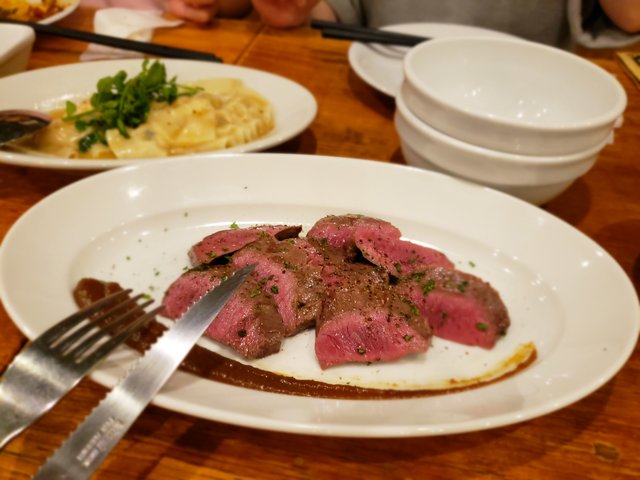
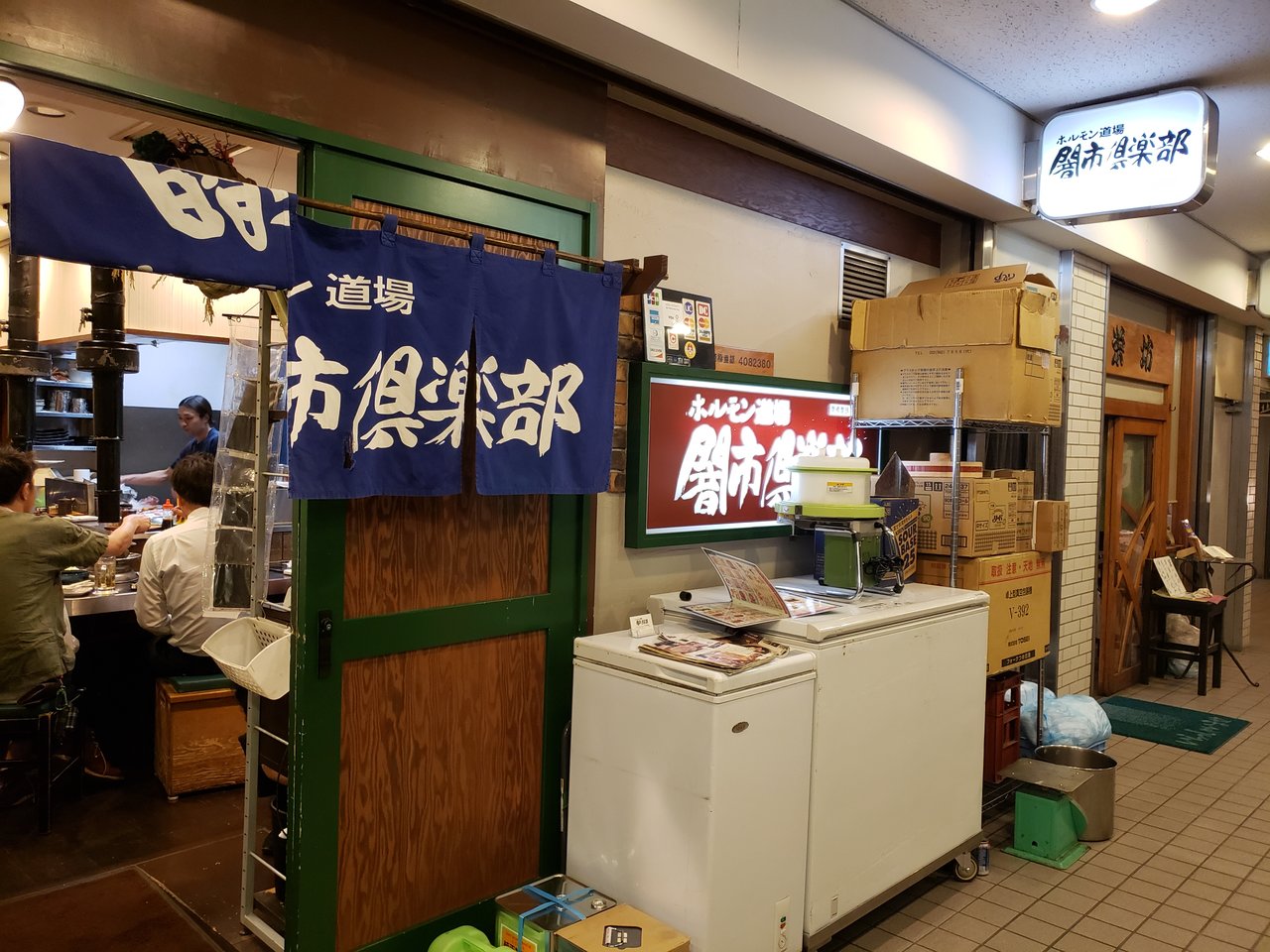
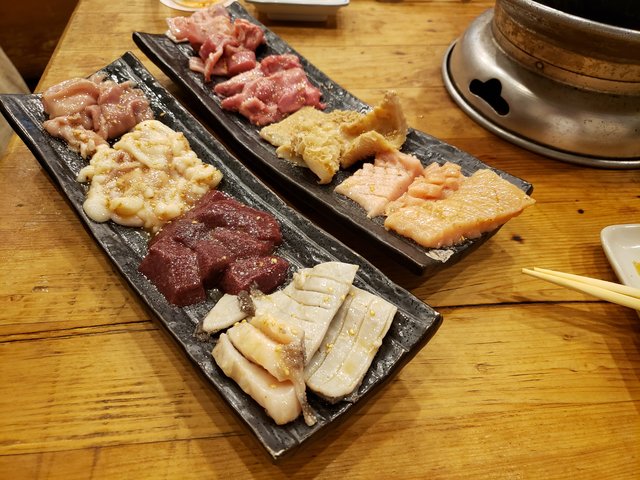
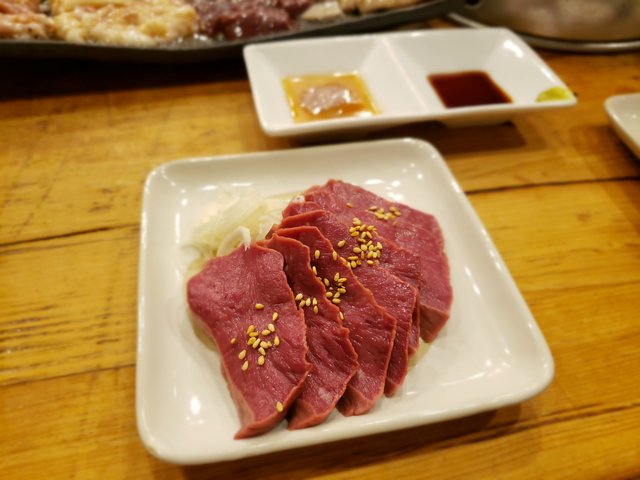
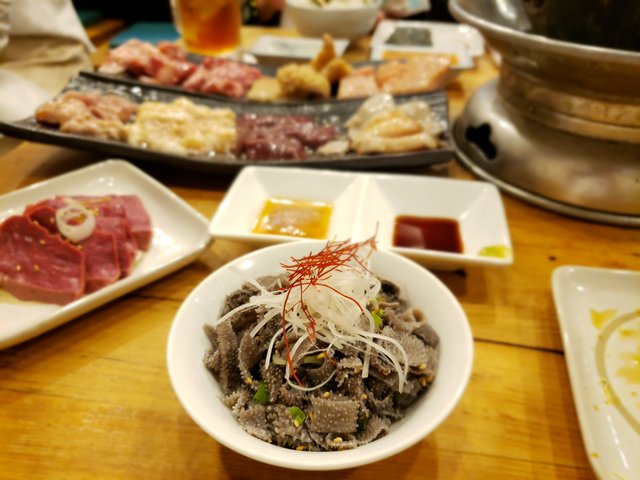
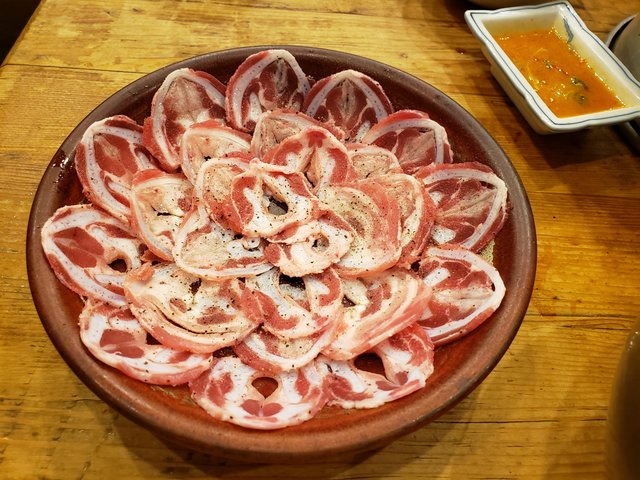
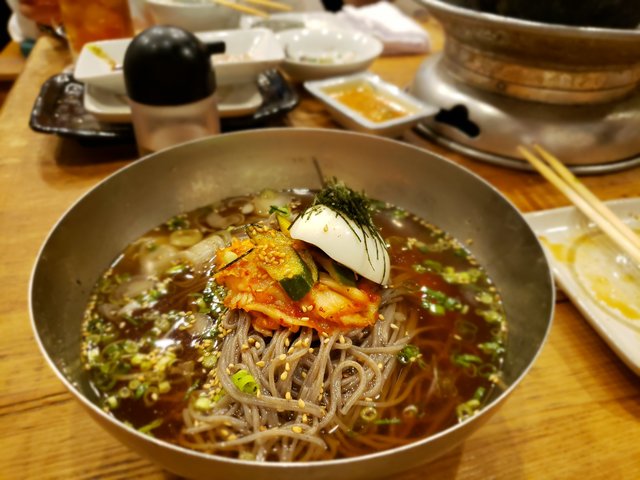
Initially, I was overwhelmed by the sheer volume of the signature shredded cabbage appetizer. My usual order was beef sashimi (legal at the time) and tripe sashimi, followed by the hormone shio mori (eight types of assorted hormones) and rice. Depending on my appetite, I’d add a little more, and finish with cold noodles. Back then, the kitchen staff and I had such an intuitive understanding that as soon as I sat down, the eight-item platter would already be prepared before I even ordered. They were open until around 5:00 AM and always packed. The walls, plastered with autographed photos from celebrities and athletes, attested to its popularity. Although the presentation and operating hours have changed, it’s still thriving, which is a joy for those who remember its early days.
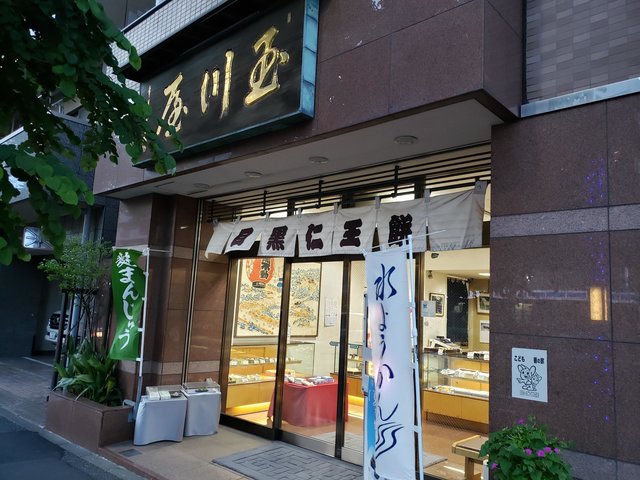
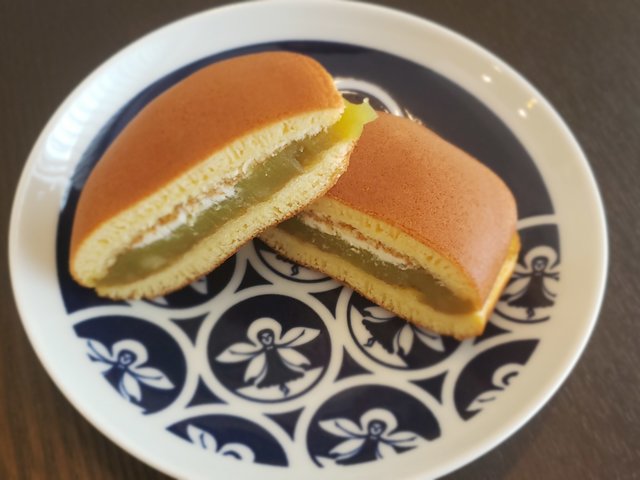
Tamagawaya, established in Meguro in 1923, is another essential stop. Their butter dorayaki is often featured in the media and is quite popular. I believe anyone living in Meguro Ward who doesn't know about Tamagawaya's butter dorayaki must be an imposter. This fluffy dorayaki, filled with sweet green pea paste, azuki bean paste with fuki-mame (simmered broad beans), and whipped butter, is heavy yet light, rich yet refreshing. It’s not purely a Japanese confection, nor is it Western. I’ve never met anyone who dislikes this dessert, which boasts such exquisite balance in every aspect.
Meguro has a background rooted in its development from a rural area into a residential district. This allows both historic establishments and new, cutting-edge businesses to support the daily lives of residents without being ostentatious or detached from reality. Because it’s formed from a mixture of various elements, it’s a peculiar town where both long-time residents and newcomers from other regions can easily feel at home without hesitation.
Tonkatsu Tonki
Address: 1-1-2 Shimomeguro, Meguro-ku, Tokyo
TEL: 03-3491-9928
Hours: 4:00 PM - 10:45 PM (Last Order)
Closed: Tuesdays and the 3rd Monday
Hormone Dōjō Yamiichi Club
Address: Sunferista Meguro B1F, 2-27-1 Kami-Osaki, Shinagawa-ku, Tokyo
TEL: 03-3491-8908
Hours: Mon-Fri 5:00 PM - 1:00 AM (Last Order 12:00 AM)
Sat, Sun, Holidays 4:00 PM - 1:00 AM (Last Order 12:00 AM)
Closed: Tuesdays
Tamagawaya
Address: 2-10-14 Meguro, Meguro-ku, Tokyo (Main Store)
2-16-5 Kami-Osaki, Shinagawa-ku, Tokyo (Meguro Station Front Store)
TEL: 03-3491-0555 (Main Store)
03-3442-9158 (Meguro Station Front Store)
Hours: 9:00 AM - 7:00 PM (Main Store)
10:00 AM - 6:00 PM (Meguro Station Front Store)
Yasutake IJICHIVice President, Sunshine Juice Inc. Born in Tokyo in 1982. While at Keio University, he was involved in planning and producing receptions and parties for major brands at an event company. He later transferred to a PR firm, where he engaged in planning and management of marketing, communication, and branding from a PR perspective. He resigned at age 30. Together with his friend of 20 years since junior high school, he founded Sunshine Juice, Japan’s first cold-pressed juice specialty store, and currently holds his position. His favorite foods are fugu and soft-shelled turtle. His favorite sports are baseball and horse racing. His favorite places are old-fashioned coffee shops and casual bars.
Instagram:
ijichiman