15th Installment: Ningyocho, A Town Where You Can Enjoy a Gentle, Slow, and Delicious Time
“To insist solely on the safety and security of the physical body, without questioning the life or death of the soul or spirit, is wrong” (Yukio Mishima) — In this series by Yasutake Ijichi, a board member of Sunshine Juice, Japan’s first cold-pressed juice specialty store, he delves into the human, everyday aspects of the town that stand in stark contrast to the ultimate healthiness of Sunshine Juice, exploring their history, changes, customs, and culture. The 15th installment guides us through enjoying Ningyocho, a town brimming with culinary charm.
Photographs and Text by IJICHI Yasutake
A Town That Cherishes the Unchanging in a World of Constant Change
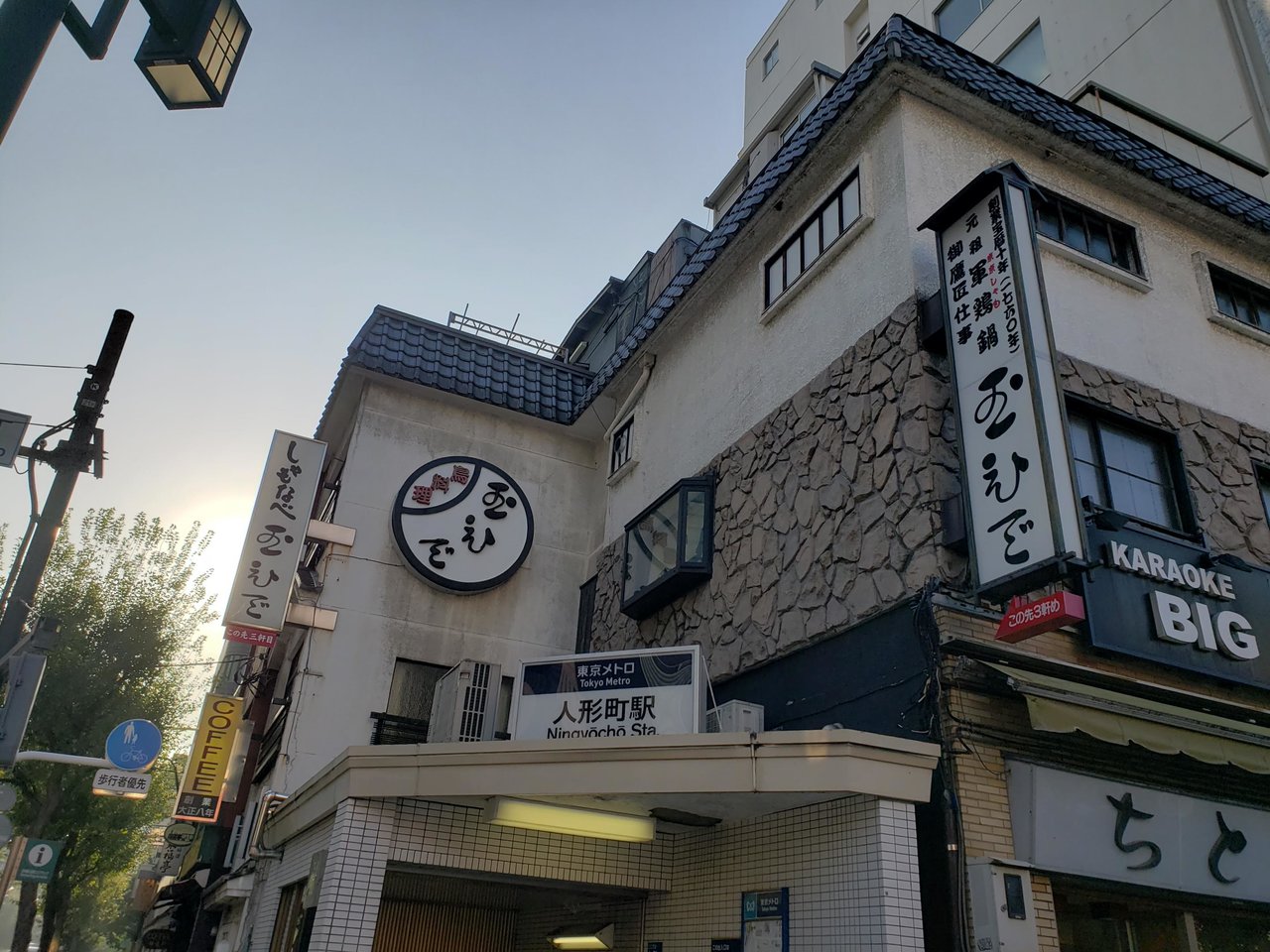
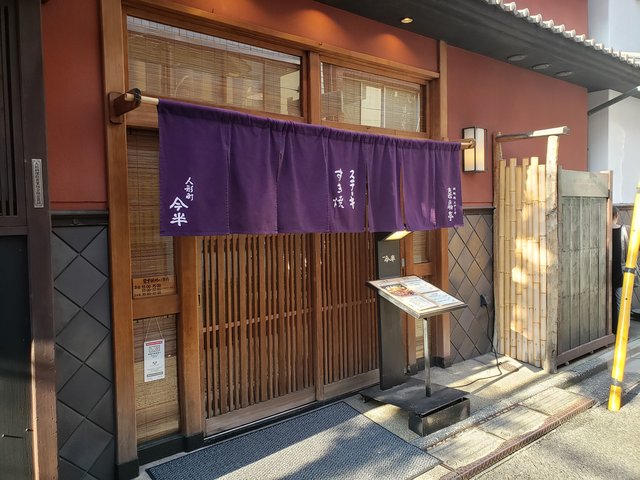
This is a timeline of the founding years of well-known long-established restaurants in Ningyocho. The famous Imahan was founded in 1895, the year Japan won the First Sino-Japanese War and concluded the Treaty of Shimonoseki. Tamahide dates back even further, to the Edo period when Japan was in its isolationist era.
After the Taisei Hōkan (Great Restoration) in 1867, Japan rapidly moved towards national independence, regardless of the process. With slogans of 'Bunmei Kaika' (Civilization and Enlightenment) adopting Western culture and 'Fukoku Kyōhei' (Enrich the Country, Strengthen the Military) to enhance military power, the nation pursued cultural and economic development. The Constitution of the Empire of Japan, modeled after Western constitutions, was promulgated, victories in the First Sino-Japanese War and Russo-Japanese War expanded its territory, and Korea was annexed.
While World War I erupted globally, Japan saw the formation of party cabinets against the backdrop of the burgeoning Taishō Democracy, leading to the realization of universal suffrage. Entering the Shōwa era, Japan's military actions in Manchuria escalated, leading to withdrawal from the League of Nations and the outbreak of the Second Sino-Japanese War, and then World War II in 1939. After the war ended in 1945, Japan experienced post-war reconstruction under GHQ and rapid economic growth, becoming the world's second-largest economy in the late Shōwa period. This continued through the Heisei and Reiwa eras to the present.
Records suggest that traveling to England in the Taishō era took about 50 days. Now, a century later, we are connected daily with people worldwide through smartphones and social media. We might not know our neighbor Mr. Tanaka well, but we know Giorgio in Milan ate Margherita pizza yesterday. Such is the terrifying pace of change.
Just over 20 years ago, when smartphones, social media, and the internet were not yet commonplace, Ningyocho was a special place for me as a child. When I was an elementary school student living in Chiba, Ningyocho was conveniently located, and my family would visit places like Imahan or Hōmi-tei for celebrations. So, even though I didn't realize Ningyocho's deep history, I already recognized it as a town rich in culinary culture.
As an adult, I find myself visiting specific places or restaurants less for the sake of a meal. I'm far more likely to go somewhere for a primary purpose like watching a sports game, and then enjoy a good meal nearby, or choose a place where I can also enjoy activities or drinks after dining. Consequently, I've been visiting Ningyocho much less frequently.
However, lately, perhaps due to age, my preferences have shifted slightly. I've begun to think that it's perfectly fine to go out solely to enjoy a delicious meal at a leisurely pace, and I'm starting to find myself drawn back to Ningyocho.
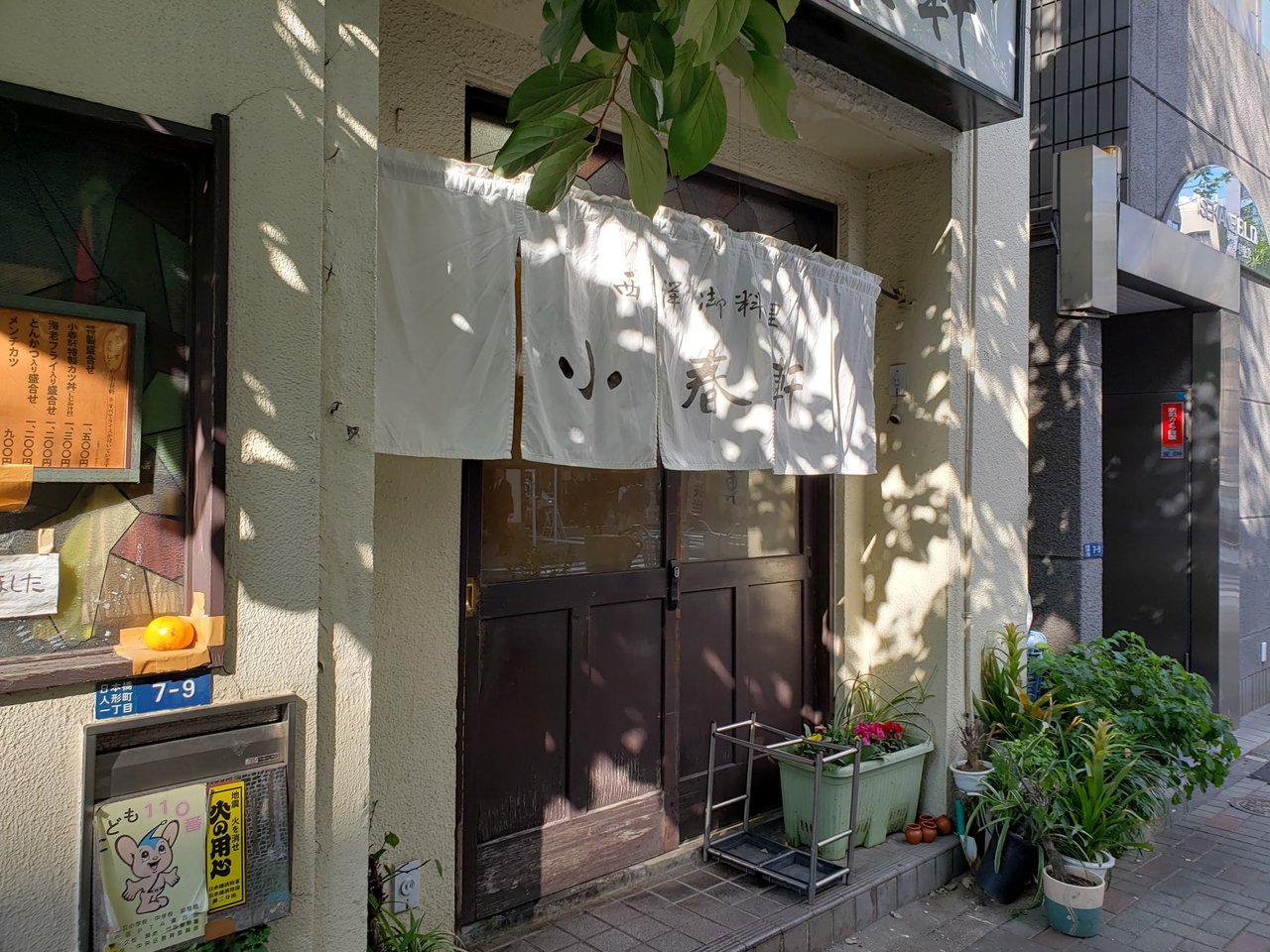
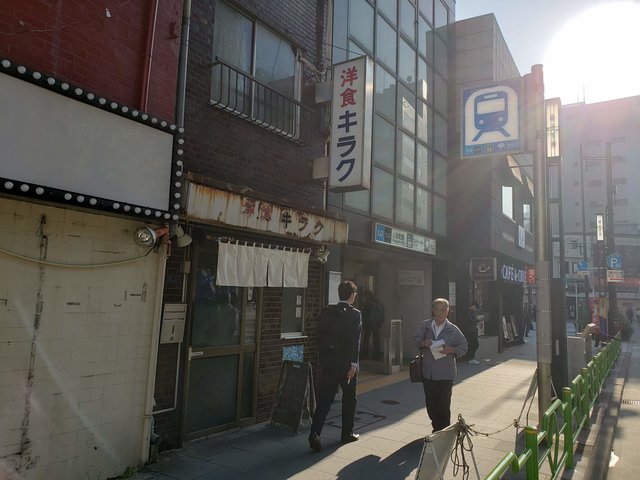
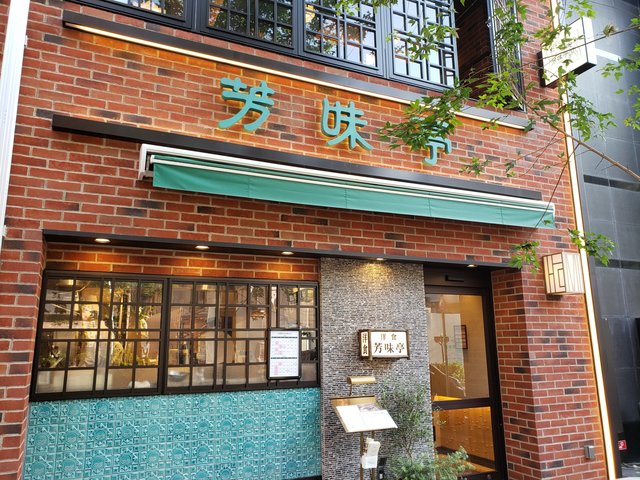
Take, for example, Koharuken, a Western restaurant established in 1912. Western cuisine has always been a favorite across all ages and genders. It's a place suitable for anyone. The compact and charming storefront is complemented by a white noren curtain that reads 'Seiyō Goryōri' (Western Cuisine) rather than just 'Seiyō Ryōri.' The founder, it is said, was a personal chef to the third Prime Minister of Japan, Aritomo Yamagata, during the Meiji era. In Ningyocho, a bustling town at the forefront of trends with its many teahouses and restaurants, he opened a Western restaurant, which was still a rarity at the time. It was, in a word, 'haikara' (chic).
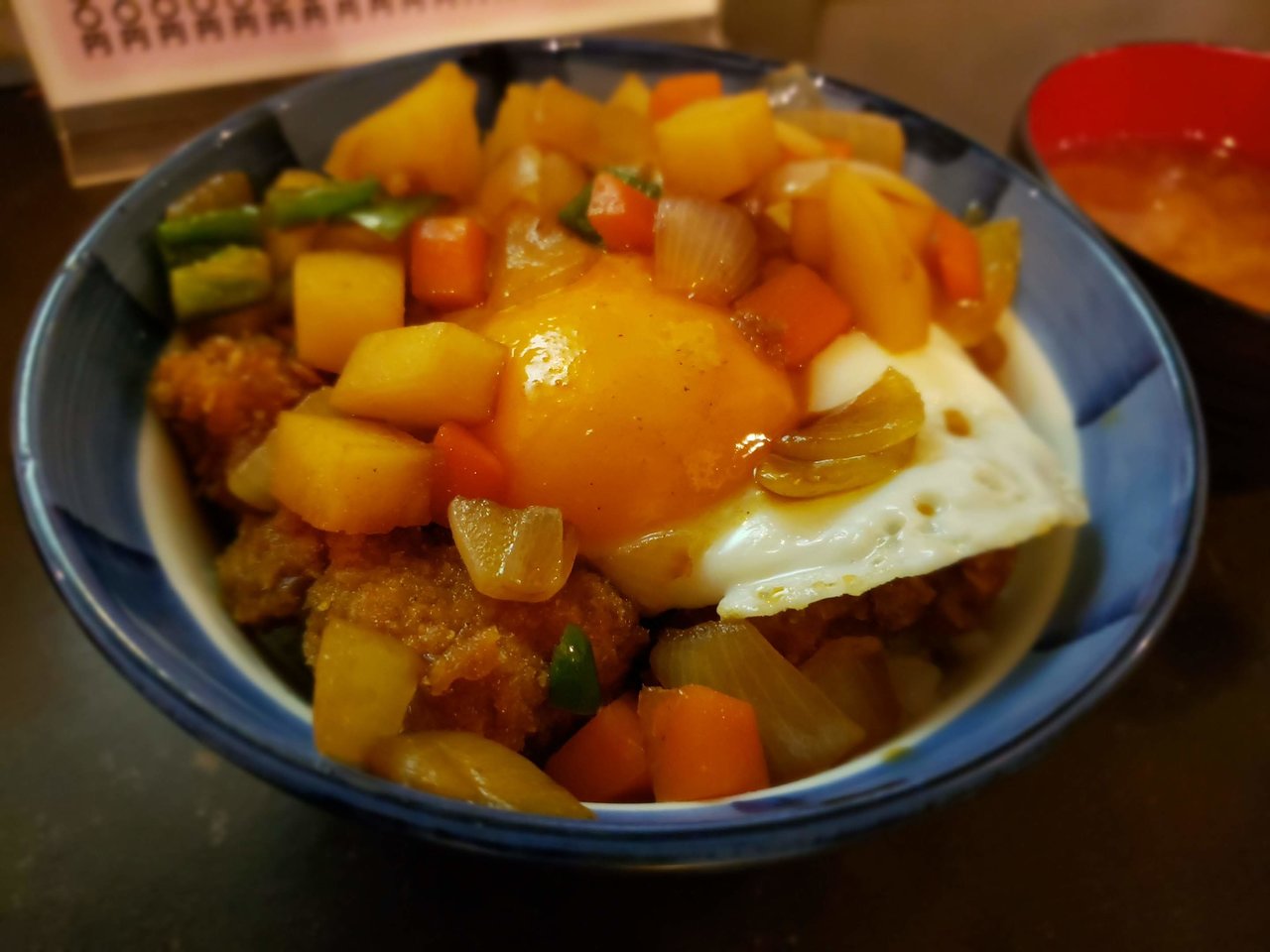
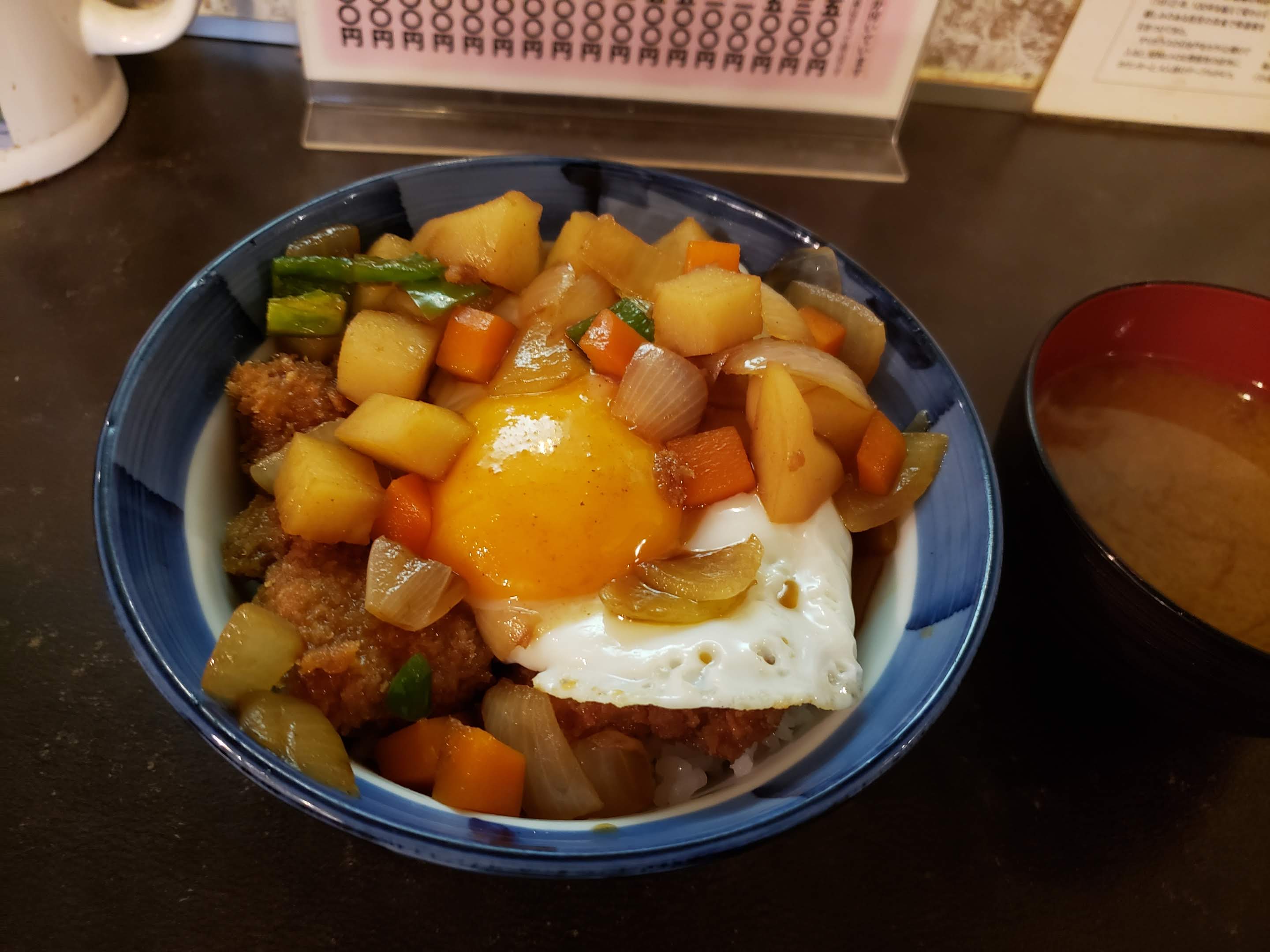
The signature Katsudon is a popular dish that allows you to savor its legacy. Unlike katsudon simmered with egg, this version features a rich, sweet demi-glace sauce, colorful stir-fried vegetables reminiscent of a French side dish, and a fried egg on top. This katsudon is, of course, based on the original recipe. The third-generation owner recreated it from memories of the taste he enjoyed as a child. With the motto 'Unpretentious and Delicious,' it continues to be loved by ordinary people and impress many gourmands.
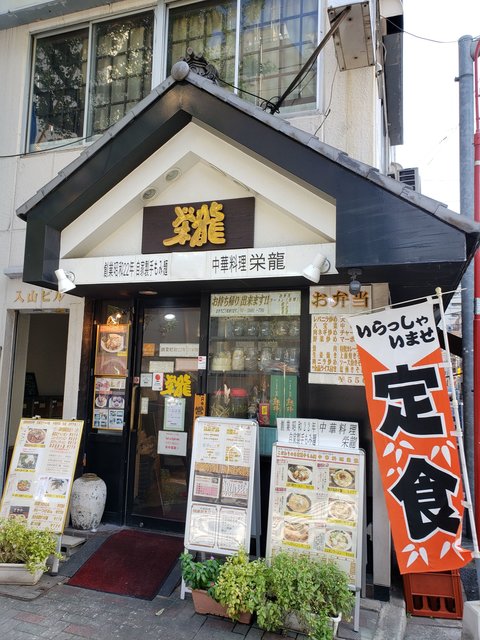
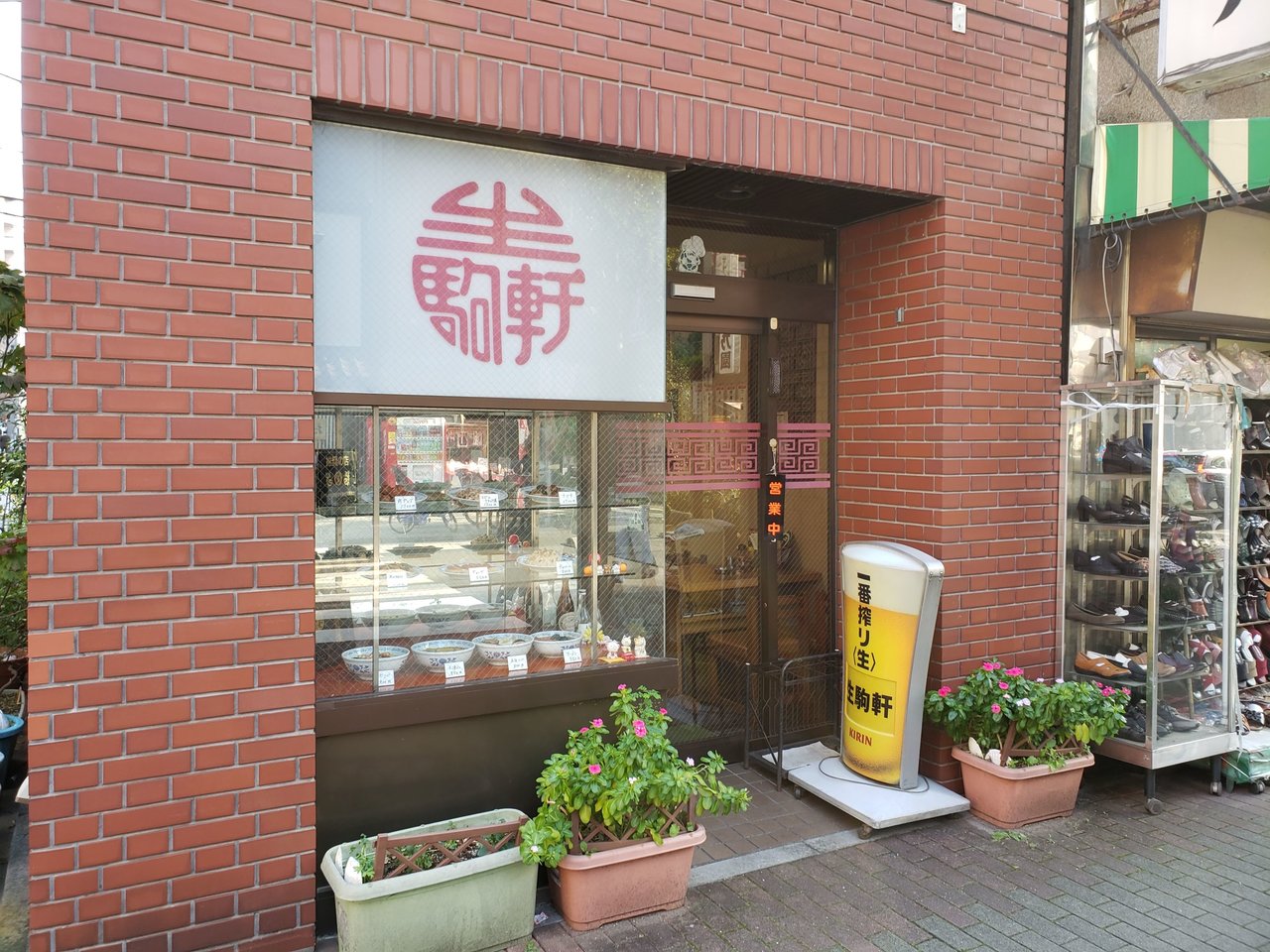
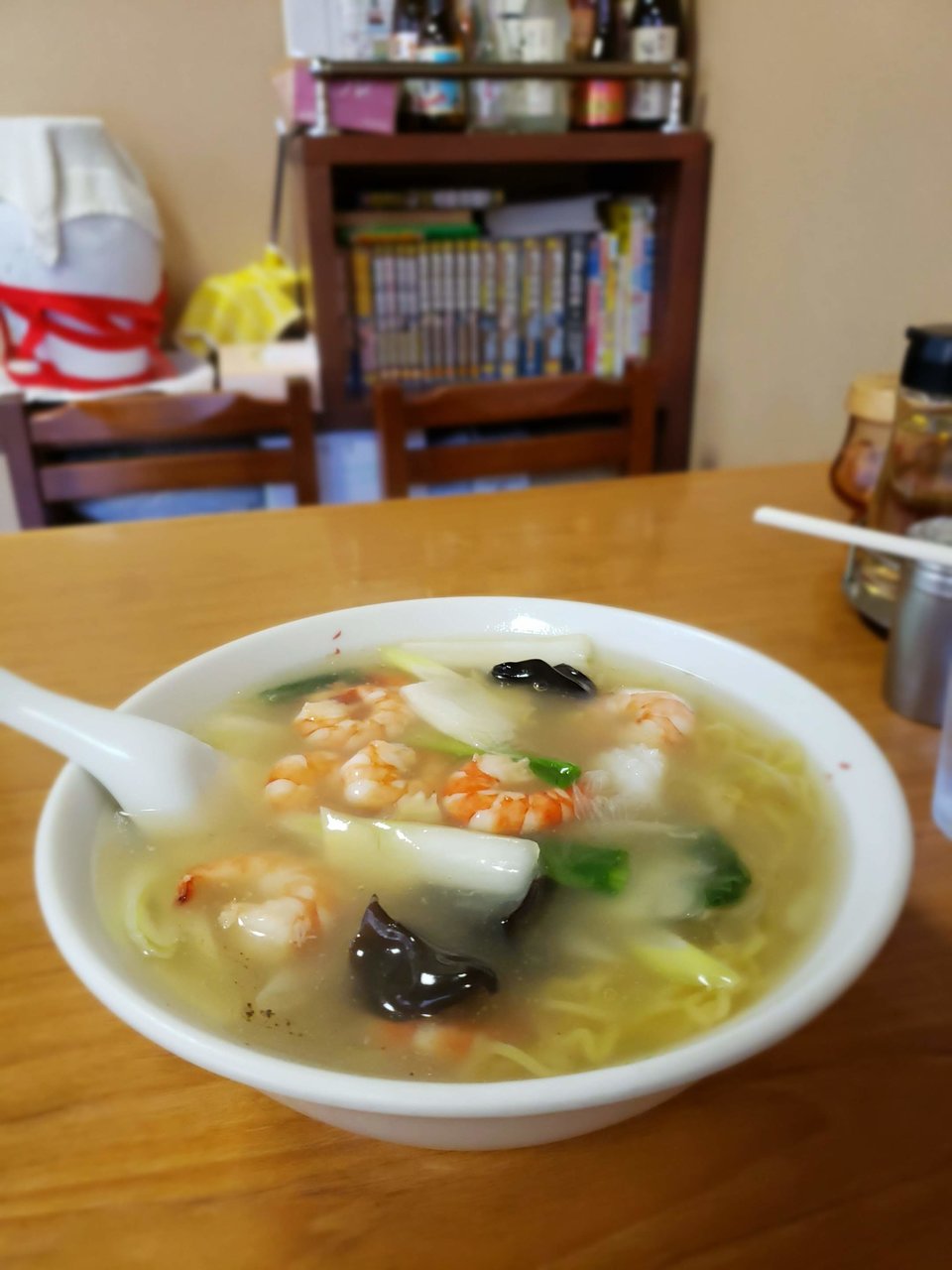
Ikoma-ken, founded in 1919, appears to be an ordinary neighborhood Chinese restaurant at first glance. I happened to walk in casually, but upon researching, I discovered it is the main branch of the Ikoma-ken chain, which has dozens of locations across Tokyo. In other words, all other Ikoma-ken restaurants originated from this one.
The clear, light-flavored soup, made without unnecessary additions, and the shelves lined with thick comic books create the quintessential image of a neighborhood Chinese eatery.
Unlike many neighborhood Chinese restaurants where the floors might be sticky or the place generally untidy, Ikoma-ken maintains a sense of cleanliness, and the greetings and farewells are warm and welcoming. There must be good reason why it has thrived for a century.
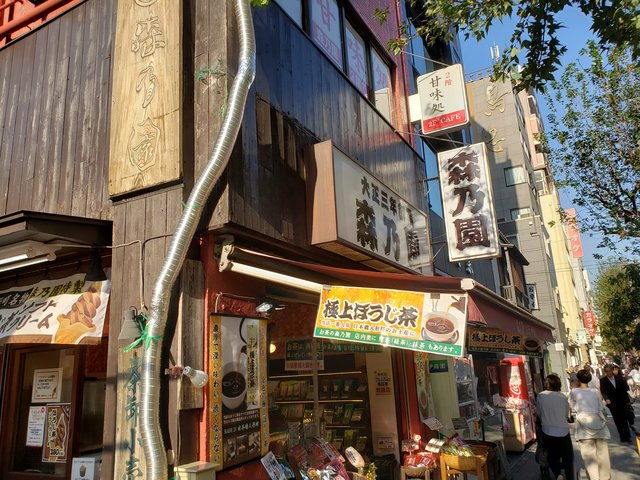
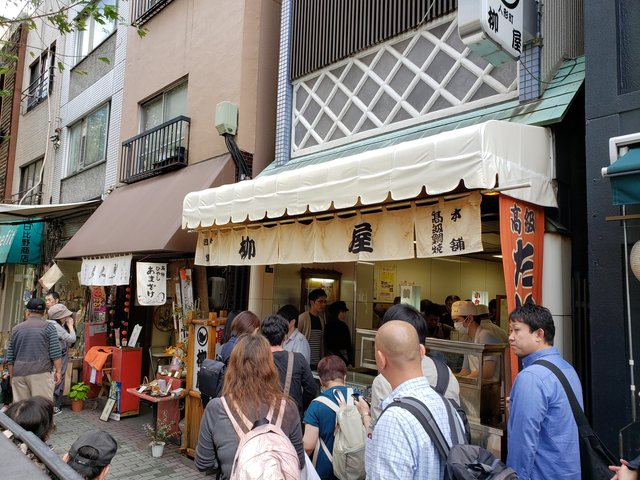
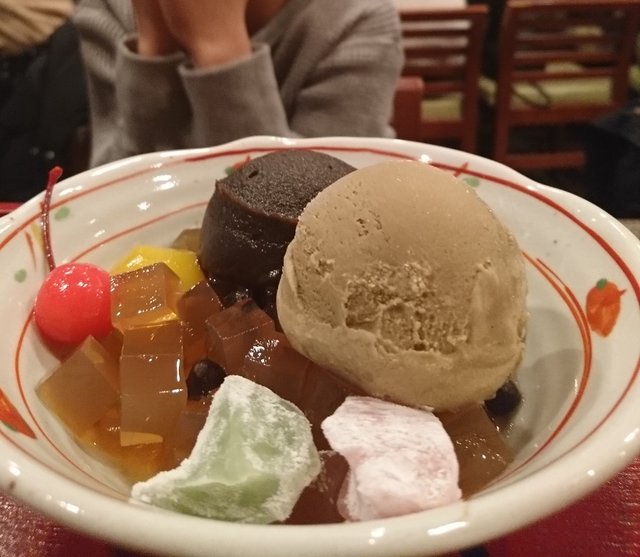
The roasted green tea at Morinoya, located diagonally across from Ikoma-ken on Amazake Yokocho, is also excellent. While Starbucks' hojicha latte has become a trend, and the variety of hojicha products in convenience stores has increased, with the market for roasted green tea tripling in the last decade, Morinoya has been dedicated to hojicha for over 100 years. Amazake Yokocho is always filled with the fragrant aroma of roasted green tea. It's hard not to be drawn in by this scent. You can enjoy a stroll with a hojicha soft serve, or take a short break with a hojicha latte or hojicha anmitsu on the second floor. Simply being surrounded by this delightful aroma brings a sense of profound peace.
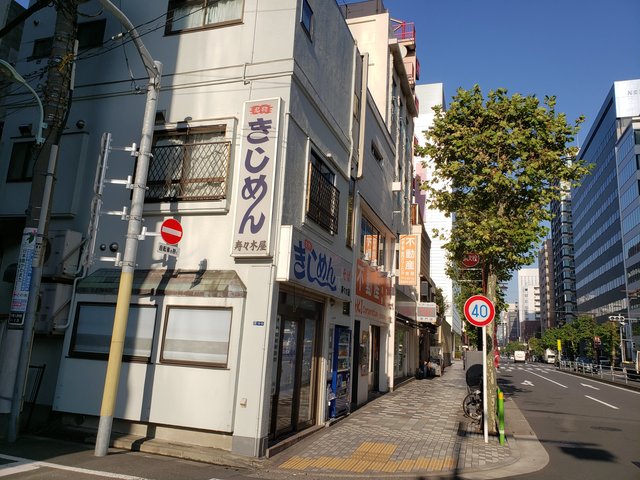
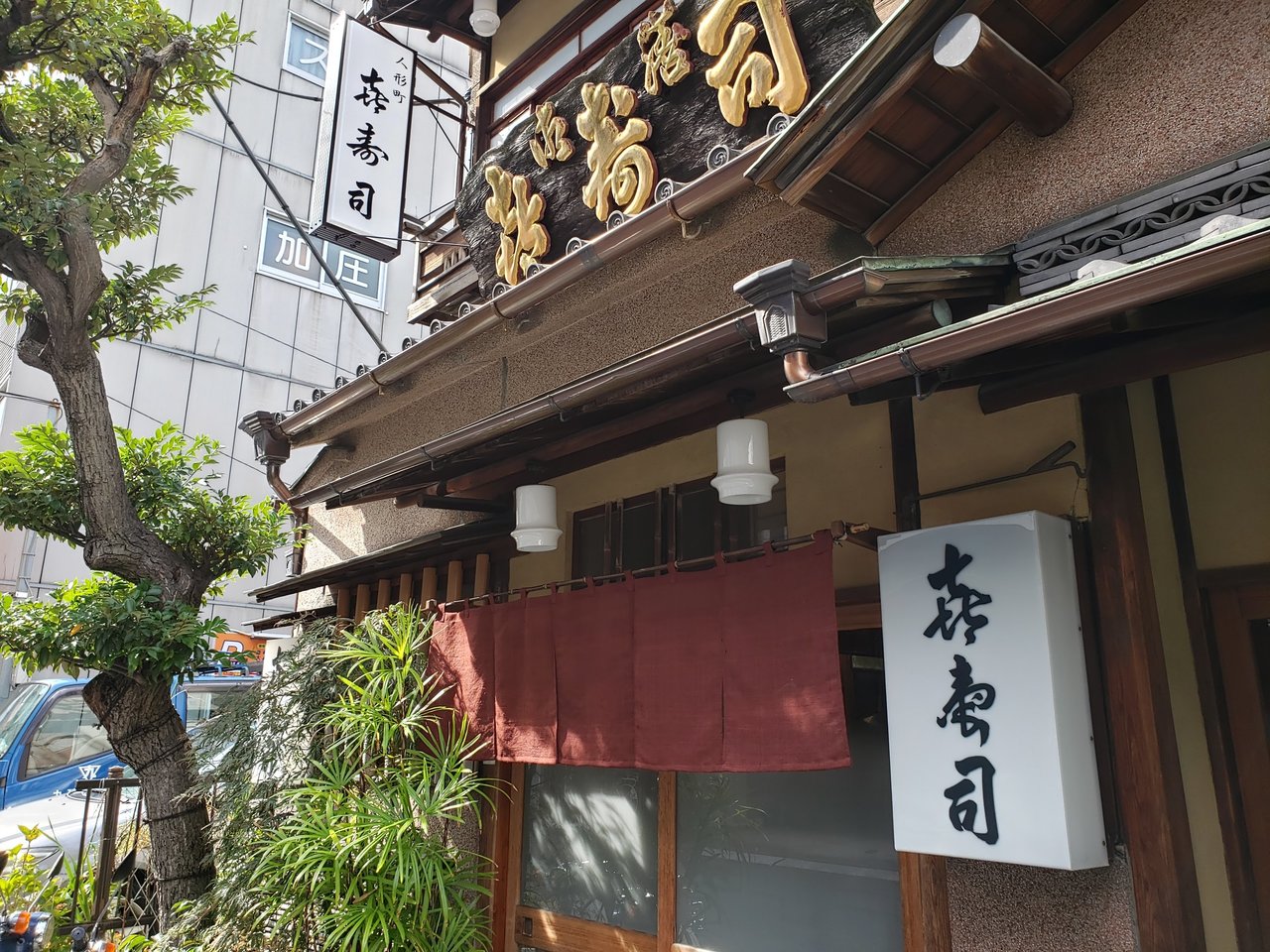
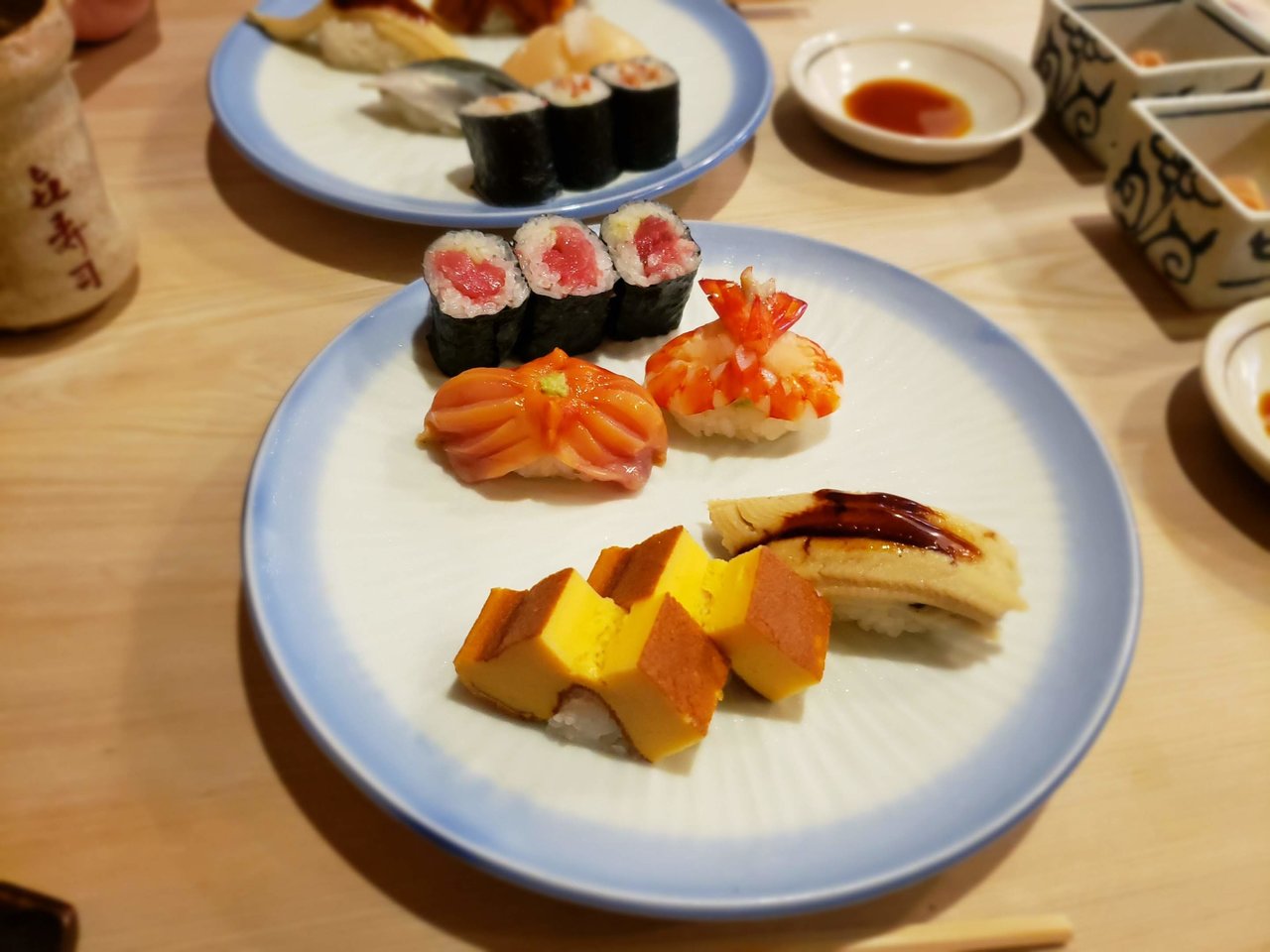
Ki-zushi was founded in 1923, the year of the Great Kantō Earthquake. It is said to be one of the three great origins of sushi. The restaurant, housed in a renovated former geisha house, exudes an authentic Edo-mae style with its grand Japanese architecture. The scooter parked by the entrance and the wooden menu boards add to its charm. Despite being a long-established sushi restaurant, there's no sense of formality; it's a comfortable place where both first-time visitors and regulars are treated with equal warmth.
This is orthodox Edo-mae sushi, where skilled craftsmanship shines through in every detail. In an era where paying ¥20,000 or ¥30,000 for a meal makes it 'delicious by default,' and where one might feel compelled to be on their best behavior, or have companions constantly taking photos of each dish, even good food can often lose its appeal. Here, you can distance yourself from that world and enjoy a truly delicious time in a consistently calm and relaxed atmosphere, savoring your own moments.
Even as civilization advances and the world changes, some things remain constant. Of course, it's not that they remain entirely unchanged; they likely adapt subtly in ways we don't perceive, in order to endure. What's important isn't constancy itself, but maintaining unchanging relationships. In human relationships, it's not about unchanging personalities or interaction styles that matters, but about continuing to cherish each other. In business, it's not about adhering to the same rules or methods, but about maintaining sound management and operations. In Ningyocho, people gather who value building enduring relationships over many years, adapting together while remaining constant, and passing that legacy down through generations.
Koharuken Address: 1-7-9 Nihonbashi Ningyocho, Chuo-ku, Tokyo Phone: 03-3661-8830 Hours: Weekdays 11:00 AM - 2:00 PM, 5:00 PM - 8:00 PM Saturdays 11:00 AM - 2:00 PM; Sundays and Holidays Closed
Ikoma-ken Address: 2-3-4 Nihonbashi Ningyocho, Chuo-ku, Tokyo Phone: 03-3666-1633 Hours: Weekdays 11:45 AM - 3:30 PM, 6:00 PM - 10:00 PM Saturdays 11:45 AM - 3:30 PM; Sundays and Holidays Closed
Morinoya Address: 2-4-9 Nihonbashi Ningyocho, Chuo-ku, Tokyo Phone: 03-3667-2666 Hours: 9:00 AM - 7:00 PM (Last Order 5:00 PM)*Tea shop on 1F and sweets parlor on 2F have different hours
Ki-zushi Address: 2-7-13 Nihonbashi Ningyocho, Chuo-ku, Tokyo Phone: 03-3666-1682 Hours: Weekdays 11:45 AM - 2:30 PM, 5:00 PM - 9:30 PM Saturdays 11:45 AM - 9:00 PM; Sundays and Holidays Closed
Yasutake IJICHI Representative Director, Sunshine Juice Inc. Born in Tokyo in 1982. While attending Keio University, he was involved in planning and producing receptions and parties for major brands at an event company. He later moved to a PR firm, where he engaged in planning and management of marketing, communication, and branding from a PR perspective. He resigned at age 30. Together with his friend since junior high school, the representative director, he founded Sunshine Juice, Japan's first cold-pressed juice specialty store, and currently holds his position. His favorite foods are fugu (pufferfish) and suppon (soft-shelled turtle). His favorite sports are baseball and horse racing. His favorite places are traditional coffee shops and local izakayas. Instagram:ijichiman