EAT: Chef Yoshihiro Narisawa and the Ultimate Taste Experience Guided by Bitterness | Schweppes
Schweppes
EAT | Schweppes British Lemon Tonic: The Soda for Adults
Chef Yoshihiro Narisawa and the Ultimate Taste Experience Guided by Bitterness
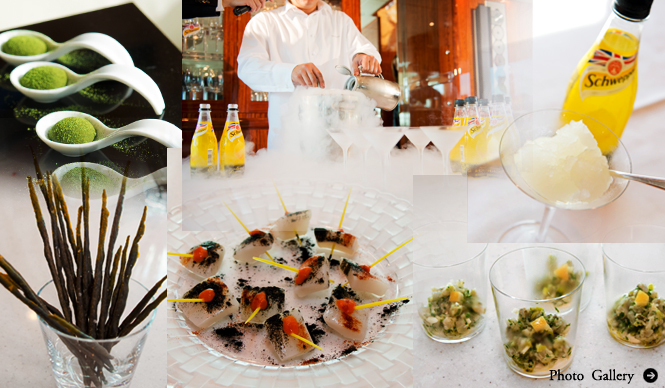
Bitterness enhances the deliciousness of food.──Some might find this hard to believe. Yet, an event occurred that proved this seemingly unbelievable truth. It was early November. Under a sky of blue, unusually beautiful for autumn, Chef Yoshihiro Narisawa of the French restaurant "Narisawa" in Minami-Aoyama, using various "bitter" elements like lemon peel, charcoal powder, and buds, demonstrably proved before our very eyes that bitterness is indeed the finest seasoning for bringing out umami.
Text TANAKA Junko (OPENERS)
Bitterness and the Japanese Palate: A Delicious Relationship!?
What comes to mind when you hear the word "bitterness"? Some might think of bitter drinks like black coffee or strongly brewed matcha. Others might recall the taste of internal organs of seafood, wild vegetables, or astringent persimmons. Still others might mention "good medicine" like herbal decoctions or pills. Bitterness, classified as one of the five "basic tastes" alongside sweetness, sourness, saltiness, and umami, is defined in dictionaries as "an unpleasant taste that stimulates the tongue and makes the mouth pucker."
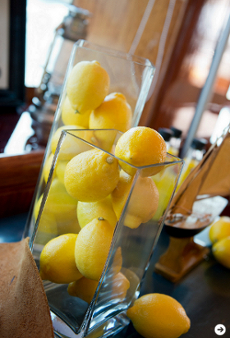
Even if the thought of something bitter makes your face contort, take a moment to reconsider. Think of the sansho pepper accompanying young bamboo shoots, the peel in marmalade, or watercress served with meat dishes… Bitterness often appears as a "supporting actor" in various dishes, playing an indispensable role in enhancing the main flavors.
Looking at the world, the Japanese are among the peoples who skillfully incorporate bitterness. From wild vegetables signaling the arrival of spring to ayu fish that begin to appear in early summer, bitterness has always been present in our lives. We don't just savor bitterness on its own; rather, we appreciate the harmony of tastes that is created, or can only be achieved, by combining bitterness with other flavors.
A Balanced Blend of Bitterness, Sourness, and Sweetness
This past June, a new beverage was developed for the Japanese palate that has cultivated a "delicious relationship" with bitterness. It is called "Schweppes British Lemon Tonic." This "bittersweet" carbonated drink is characterized by its refreshing bitterness, sourness, and subtle sweetness. "Schweppes," mentioned in the product name, is a soda brand founded in 1783, holding the "Royal Warrant" as a purveyor to the British Royal Family. "Schweppes British Lemon Tonic" is the product meticulously crafted for the Japanese market by this venerable brand, which has been cherished by people worldwide for over 220 years.
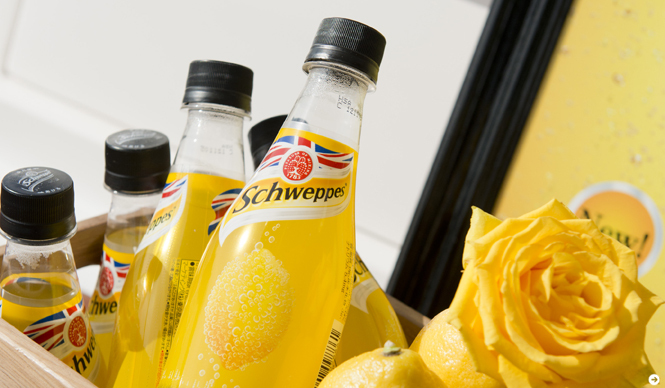
"Schweppes British Lemon Tonic" was developed with the adult generation in mind, those who have established their own unique lifestyles. Indeed, the delicate bubbles that rise upon pouring are reminiscent of champagne (unlike children's sodas, it doesn't cause you to choke on overly strong carbonation). In response to these gentle bubbles, the bitterness evoking lemon peel, the sourness of lemon juice, and the enveloping sweetness are all balanced without being overpowering. It is a "bittersweet" carbonated drink that we believe adults, who have experienced the ups and downs of life, will particularly savor.
A Dazzling Culinary Journey with a Hint of Bitterness
An event was held featuring "Schweppes British Lemon Tonic," the soda for adults. In early November, under an autumn sky cleared as if the previous day's rain had been a dream, Chef Yoshihiro Narisawa of "Narisawa" presented a specially crafted menu aboard a cruising boat.
"Narisawa" is a Tokyo-based restaurant that has garnered international acclaim, appearing on "The World's 50 Best Restaurants" list published by the British gourmet magazine "Restaurant" for four consecutive years since its debut in 2009. The restaurant's motto is "Gift from the Nature," reflecting Chef Narisawa's philosophy of understanding nature from a culinary perspective and enabling diners to fully absorb its power.

For this occasion, ten tasting portions, each designed to be two or three bites, were prepared, centered around the "bittersweet" flavor of "Schweppes British Lemon Tonic." The first dish was "Seared Spanish Mackerel Tartare with Fennel, Candied Lemon Peel," featuring smoked Spanish mackerel seasoned with salt and lemon aroma, a base of sour cream, and a single piece of honey-candied lemon peel on top. Another visually engaging dish was "Cuttlefish Wrapped in Charred Paprika," where paprika, burned to a charcoal powder, was sprinkled over thick slices of cuttlefish. The bitterness of the lemon peel and charred paprika acted as "seasonings," maximizing the sweetness of the mackerel and cuttlefish, and the sourness of the sour cream.
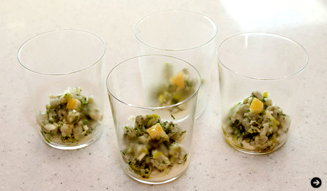
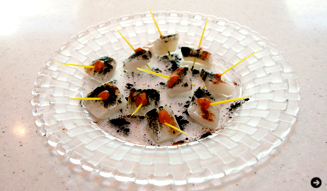
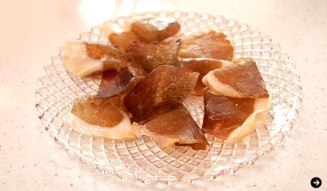
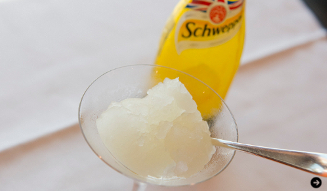
Shifting gears, the menu then featured cured hams like "Crudo" and "Jamón Ibérico," along with "Hida Beef with Bud Sauce," which incorporated a bitter bud sauce. Pairing these with "Schweppes British Lemon Tonic" allowed us to appreciate how the soda's gentle sweetness was enhanced, or how its refreshing lemon aroma was brought to the fore when served as a sorbet with liquid nitrogen. We experienced the depth of "Schweppes British Lemon Tonic" as it revealed different facets depending on the accompanying dish.
"While there are various flavors like sweetness and sourness, bitterness is what can maximize the inherent tastes of ingredients. The addition of bitterness makes a dish instantly three-dimensional," explained Chef Narisawa. Bitterness: it's just bitterness, yet it's so much more. Chef Narisawa's dishes, which stimulate the five senses, along with ingredients whose deliciousness was 100% brought out by bitterness, truly demonstrated the potential of both bitterness and "Schweppes British Lemon Tonic."
Inquiries
Coca-Cola Customer Service
 0120-30-8509