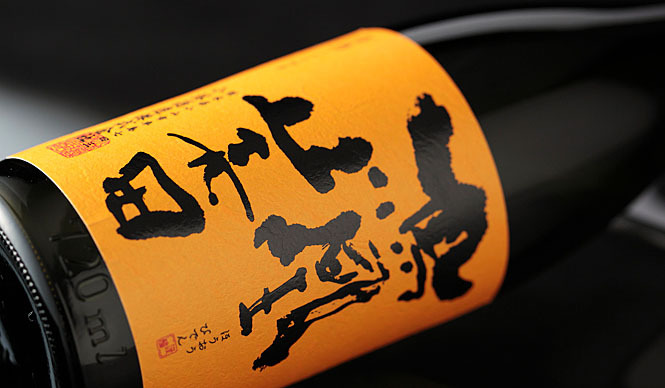
Wajo Waraku | Vol. 18: What Makes Sake Delicious? Featuring Hōō Binden
What is Deliciousness?
Kobayashi Brewery's Exquisite Sake: "Hou-ou Binden"
Sake is brewed from rice, a grain. Among these, there is a category called Ginjo sake.
Text by Wajo WarakuPhoto by JAMANDFIX (TOP)
The True Nature of Sake
The flavor of Ginjo sake begins with a sweetness reminiscent of wasanbon sugar, followed by a vibrant aroma like apple, muscat, or melon. A tartness that evokes ripe tropical fruits defines the palate, creating a clear and refined taste.
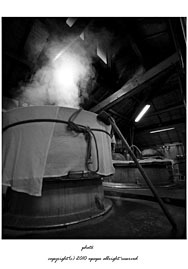
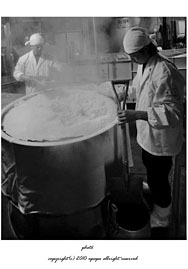
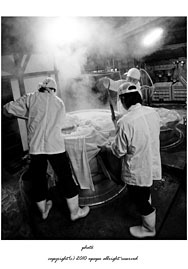
However, as it is poured into a glass, slowly exposed to air, and warms from a chilled state towards room temperature, various flavors emerge, disappear, intertwine, and unify, leaving a pleasant aftertaste. You can experience the true essence of sake in this way.
It's like a beautifully wrapped gift, exquisite in itself. Upon opening it, you find a jewelry box. Inside the box lies a textile, each thread of fine silk meticulously spun and woven.
Holding it and draping it over your body, you can truly feel its texture.
At the Coffee Shop "Horoniga"
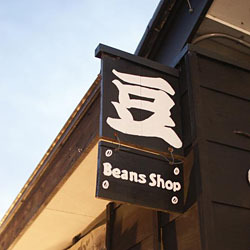
Just a two-minute walk from our office is the coffee shop "Horoniga," which opened eight years ago.
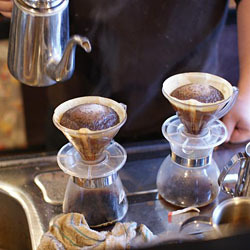
While it's a coffee shop, they don't just serve coffee by the cup. They sell beans for specialized cafes and for home use. These beans are what's known as "seed to cup" coffee, where meticulous effort and cost are invested in every step from the finest beans to the final cup. They source the best beans from around the world, roast them to perfection, and deliver them.
At the counter, they can explain everything. Their knowledge is so profound, it's truly admirable. I was overwhelmed by the depth of it all, even as someone with little knowledge of coffee. Sourcing good beans, roasting them fresh to maximize their charm. In essence, that's what it's about... though it seems far from simple.
I was offered a tasting.
What kind of coffee do you prefer? Light roast or dark roast? "Well, a dark roast..."
Is the aroma vibrant or subtle? "A vibrant aroma..."
And the acidity? "Acidity?..." Yes, acidity. "I'm not too fond of sour coffee..."
Acidity is important! For example, a fruity acidity like green apple. "Ah, yes, I see." Or a lactic acidity, like in yogurt. "I understand..."
Like honey. "Honey??" Or tuna sashimi. "Tuna??!!"
What kind of acidity is good in sake?
All acidity is important! Pleasant and lively acidity are key elements that define the structure of the flavor. Unpleasant acidity... we want to avoid that. I believe there's good acidity and bad acidity. Also, bananas are sour, aren't they! "Bananas??... Ah! Come to think of it, they are!" Such conversations unfold.
It was a remarkable drink, so much so that even an amateur like myself could clearly discern its quality.
In its purity, there were various aromas like floral, orange, and strawberry. Vanilla, chocolate, caramel, a richness of flavor, and a crisp finish... it was amazing... (Hmm? It sounds just like describing sake).
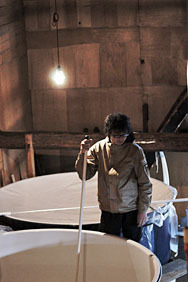
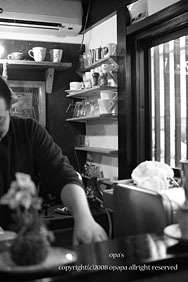
This must be what it means to be dedicated. I was deeply impressed. We all shared the beans I took home. Both those who understood and those who didn't agreed: it was delicious! Here too, I encountered true craftsmanship.
Good is good. We could share that sentiment. Thank you for the wonderful experience.
What kind of acidity is good in sake?
Are bananas sour?
It was an eye-opener.
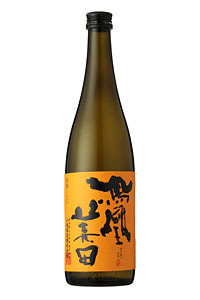
"Hou-ou Binden" Giveaway
We are giving away a 720mL bottle of sake, featured in each installment of the "Wajo Waraku SAKE Academy" series on the web magazine OPENERS, to three lucky winners.
If you wish to enter, please apply via the application form below.
Winners will be contacted directly.
We also welcome your questions about sake. Those whose questions are featured will receive a popular sake from "Wajo Waraku." Please send in any terms you'd like to know about or any simple questions you may have.
Application Period | Monday, May 10, 2010 – Monday, May 31, 2010 (until 12:00 PM)

Applications are now closed.
Thank you for your many applications.