March 18, 2015
Wajo Waraku Series | Vol. 27: "Oguraya Saketen," Purveyors of Vegetables and Japanese Sake
Products of Diligent Cultivation and Craftsmanship
Oguraya Sake Shop: Selling Vegetables and Japanese Sake
Hachioji City, Tokyo, lies about 40 kilometers west of the city center, a roughly one-hour train ride into the verdant Tama Hills. With a population of 550,000 spread across 186 square kilometers, the city is home to 21 universities, bustling with citizens and students alike. Furthermore, with the Ken-O Expressway set to open next year, improving transportation access, residential development continues as it gains popularity as a commuter town.
By Wajo Waraku
What Do Vegetables and Japanese Sake Have in Common?
Looking back through history, Hachioji flourished in the Edo period as a center for sericulture and silk weaving. However, as Western clothing gradually replaced kimonos from the late Taisho to early Showa eras, the silk industry declined. The city then pivoted to tie manufacturing, becoming one of Japan's leading producers, and now engages in licensed production for renowned domestic and international brands.
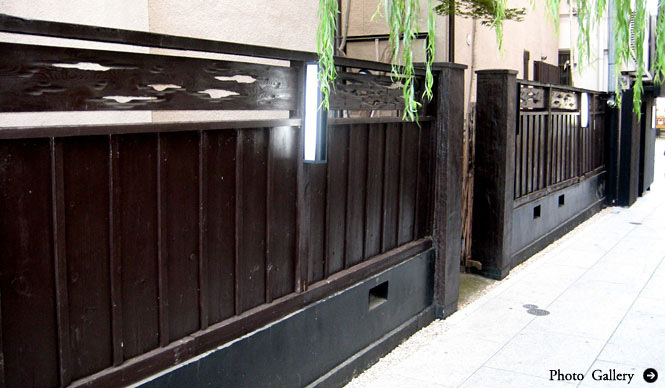
Another facet of its Edo-period past is its prosperity as a post town on the Koshu Kaido highway (Hachioji-juku) and its fame as a geisha district. Though this tradition temporarily ceased after wartime air raids, it was revived in the 1950s, and over a dozen geishas currently reside in the district's traditional houses. To preserve this heritage, a section of the city has been preserved with a charming streetscape of black-walled buildings and stone-paved lanes.
Now, allow me to introduce our shop. Unlike the members of "Wajo Waraku," we sell something a little different: vegetables.
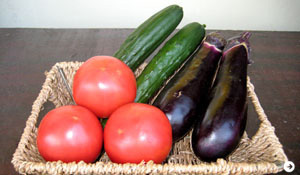
Our shop's origins trace back to the year after the Tokyo Olympics, when my father opened a greengrocer's shop about three kilometers from our current location. We then relocated to our present site in Mejirdai in 1975, where we remain today.
When we first moved here, we operated as a mini-supermarket, selling fresh produce, meat, and fish, while also beginning to handle Japanese sake within the same premises. However, with the rise of large suburban stores in the Heisei era, sales of fresh foods declined. We ceased selling meat and fish, and renovated the store to specialize in produce and Japanese sake.
The reason we retained only the produce section is that Hachioji is a lush region with thriving agriculture, abundant with fresh local vegetables that are supplied to the local markets. We recognized the advantage of sourcing and selling these exceptionally fresh vegetables.
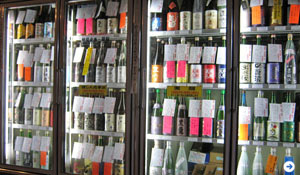
I believe there is a common thread between selling vegetables and selling Japanese sake. Vegetables are sold to consumers at their peak freshness, having been meticulously cultivated by farmers. Similarly, the rice, nurtured by farmers over half a year, is brewed into sake by brewers and then sold by our shop. In both cases, the foundation is the produce—vegetables and rice—crafted with great care by farmers. For sake, this is further enhanced by the passionate dedication of the brewers, leading to our business.
We operate our business with the conviction that our role is to present products, meticulously crafted by farmers and brewers, to consumers in their optimal condition.
Oguraya Sake Shop
2-19-1 Mejirdai, Hachioji City, Tokyo
Tel. 042-664-6644
Fax. 042-665-4877