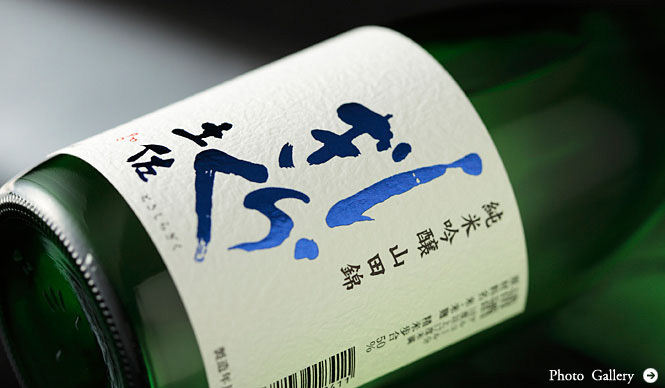
Series | Wa-Jo Wa-Raku | Part 35: The Potential of 'Tosa Shiragiku' - Sentou Brewery
A grounded local sake, unswayed by trends of sweet or dry.
What "Tosa Shiragiku" Can Do: Sentō Sake Brewery
"Tosa Shiragiku" was founded in 1903. Our brewery is located in a serene rural area along the coast, roughly halfway between Kōchi City and Cape Muroto. The brand name is said to be derived from the 'kiku' (chrysanthemum) in the name of the first generation brewer, Kikutaro Sentō, and the desire to brew sake as pure and clear as a white chrysanthemum.
Text and photos by Wajō Waraku
Expressing the character of brewing water and sake rice honestly in the sake's quality.
It will soon be five years since I (Ryuta Sentō) took over as the head brewer at this small brewery. My family was not in the sake business, and I studied humanities in college. It was through a twist of fate that I found myself in the world of sake brewing, and I feel a great sense of joy and responsibility every day to be in a position where I can convey my own feelings through my sake.
I want as many people as possible to know the appeal of handmade Japanese sake. To achieve this, what "Tosa Shiragiku" can do (what we aim for) is drinkability and an easily understandable deliciousness. These are the two things I want to pursue to the utmost.
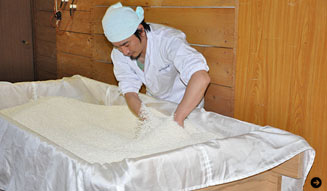
"Tosa Shiragiku" Considers
"Tosa Shiragiku" as a "Local Sake"
1. Honestly conveying the character of the water and rice in the sake.
2. Not subjecting the sake (moromi) to unnecessary stress.
Our motto is: "Local sake is brewed by the climate and environment of the region. The brewer's skill adds a border to that character." We strive to honestly express the character of the brewing water, which makes up the largest proportion of our ingredients, and the individuality of the sake rice in the final sake.
Aiming for a sake that is crisp to drink and crisply delicious.
Personally, the concept that I am most conscious of is "biodynamie," or natural wine production, advocated by some producers in France and elsewhere.
I do not entirely reject the use of pesticides or technical manipulations from a chemical perspective. However, after visiting various places and experiencing it firsthand, I was deeply impressed by the vitality of these "fermented beverages." Especially for Japanese sake, which undergoes complex fermentation, I believe we must express the power of nature's blessings within the sake's quality.
We aim for a sake that is gentle on both mind and body. Instead of artificially raising or lowering the alcohol content or sake meter value through technique, we keep the "harmony of the five tastes" in mind to allow for a natural flavor. We aim to create sake that is not defined by numbers or data, but rather by image, and to achieve this, we strive to make a grounded local sake that is unswayed by trends of sweet or dry.
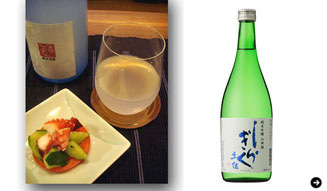
In Kōchi Prefecture, the mainstream is what is known as "tanrei karakuchi" (light and dry). While we pursue drinkability at our brewery, our greatest characteristic is perhaps that we do not pursue "tanrei karakuchi." I also believe this leads to achieving an easily understandable deliciousness.
I've written some complex things, but in short, it's "crisp to drink and crisply delicious." I hope that through delicious Japanese sake, everyone can experience the truly wide-ranging nature of rice's flavor.
Kōchi Prefecture, Sentō Sake Brewery Co., Ltd.
(Brewing Manager Ryuta Sentō)