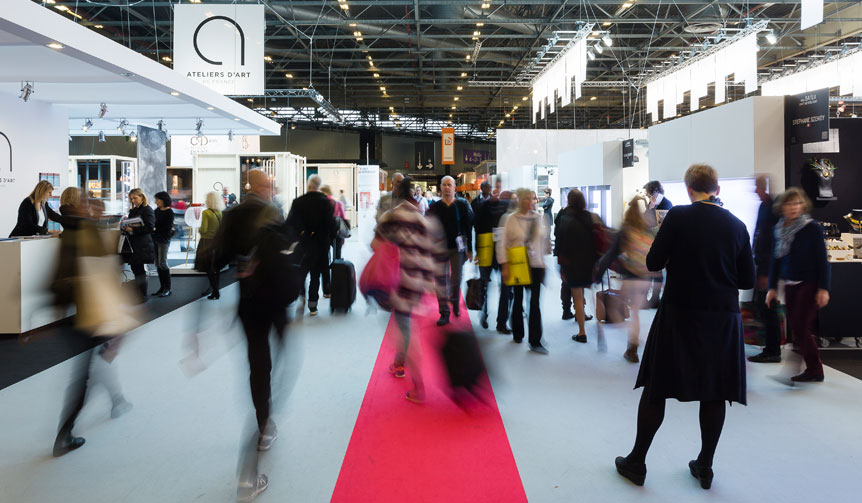
Feature: Maison & Objet Paris – A Celebration of Interior Decoration
MAISON & OBJET PARIS
Japanese Product Design Goes Global (1)
Maison & Objet, one of the world's largest international fairs for interior decoration, featured a special exhibition of Arita ware right at the entrance to the main venue. Throughout the venue, Japanese product design was prominently displayed. This time, we'll introduce Japanese products that are making their mark on the world stage.
Text by KAWADA Akinori
A Fair to Experience the Lifestyle of the Future
“While Milan Salone in Italy is a fair almost exclusively for furniture, Maison & Objet feels like it gathers all sorts of household goods. It’s almost as if you can glimpse the shape of life a decade from now,” says Ken Okuyama, a leading Japanese product designer. Famous for being the first Japanese designer to design a Ferrari, he not only designs cars but also produces various events.
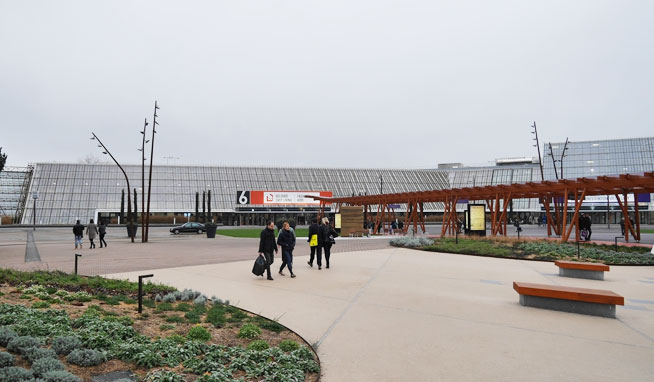

Maison & Objet is an international interior decoration fair held in January and September in France, March in Asia, and May in the Americas. The products exhibited are diverse, including furniture, kitchenware, tableware, gift items, fashion accessories, electronics, and fragrances.
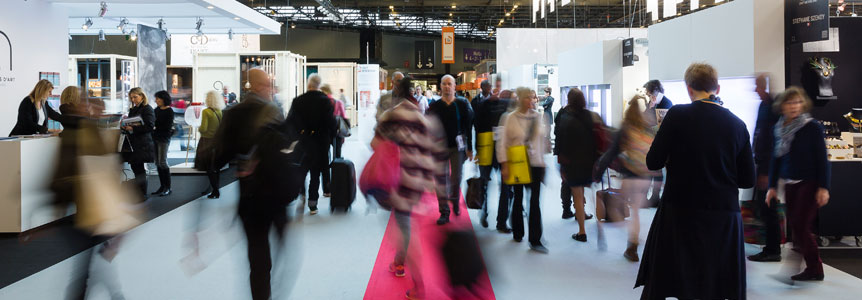 ⒸPhotographs by Govin Sorel
The Maison & Objet Paris we visited was held from January 22-26 at Nord Villepinte, north of Paris. The vast exhibition hall comprised eight halls, with numerous product manufacturers from around the world participating. It truly is Europe's largest interior design fair. What sets it apart from other exhibitions is the pre-show screening of exhibitors; only products that pass this screening are displayed. The attendees are not general consumers but buyers keenly focused on trends.
Arita Ware Produced by Four Creators




Arita ware is a traditional Japanese porcelain that developed primarily in Arita town, Saga Prefecture. The first kiln was established in 1616, making 2016 the 400th anniversary. Under the theme "Arita Ware 400th Anniversary Project," various initiatives have been underway for several years. The participation in Maison & Objet is part of this 400th-anniversary project, and with the understanding of the organizing committee, which resonated with their sincere approach, a special exhibition was realized.
Ken Okuyama served as the producer for this exhibition and special display, and was present at the venue.
“Participating in Maison & Objet is truly challenging. Applicants must present to the organizing committee, and only after approval are they permitted to exhibit. The most important evaluation criterion is originality; companies content with merely producing copies will not pass. Connections are also useless. The fact that such a large-scale exhibition was approved speaks volumes about the high level of creativity in Arita ware products,” Okuyama explains.
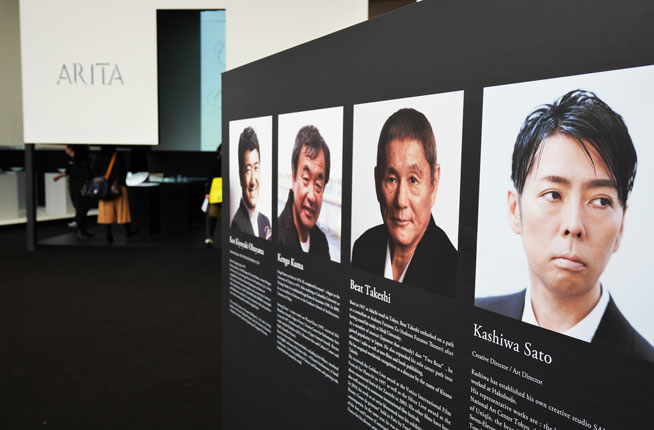
The special exhibition was titled "ARITA x 4CREATORS" (Arita Ware and Four Japanese Creators). In addition to Okuyama, Beat Takeshi, Kengo Kuma, and Kashiwa Sato designed pieces with their unique creativity, which were then shaped by collaborating kilns and displayed in four dedicated booths.
Even within Arita ware, the produced items each exude distinct individuality.
Okuyama's works embody the seamless integration of functionality and form. For example, this coffee cup has a perfectly streamlined barrel shape, with a handle that is integrated without disrupting the barrel's form. Yet, there is space for fingers, making it easy to hold. The beauty of the white porcelain is also preserved.
Kengo Kuma, a leading Japanese architect whose design for the new National Stadium was selected for the 2020 Tokyo Olympics, brings an architectural sensibility to these vessels. This particular piece, for instance, features a complex interplay of delicate curves, straight lines, and sharp angles, appearing from a distance like a woven bamboo basket. Up close, however, it is revealed to be white porcelain, unmistakably Arita ware. The form, based on meticulous calculation, is superb.
Among the four, Beat Takeshi may be the most famous in France as a film director. His creations are often humorous. These coffee cups are adorned with expressive graphics, making them comically charming and witty, inspiring a desire to own them for daily use.
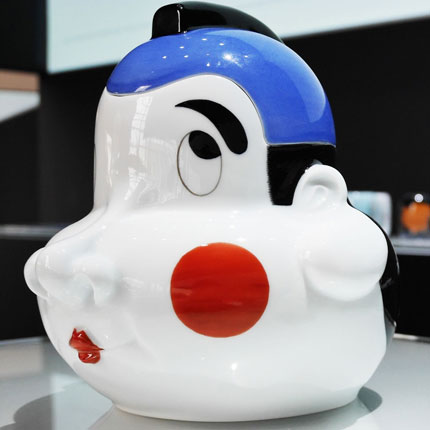
Beat Takeshi's works
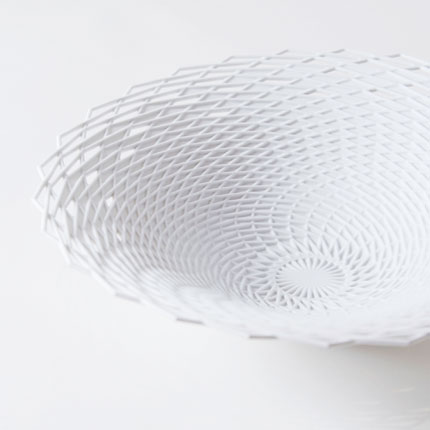
Kengo Kuma's works
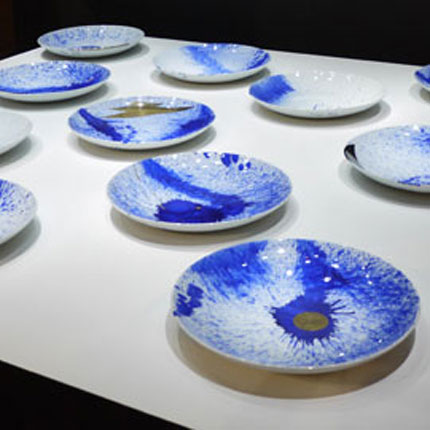
Kashiwa Sato's works
Kashiwa Sato, a creative director and art director known for designing the symbol mark for The National Art Center, Tokyo, and for brand strategies for companies like Uniqlo, presented a large plate based on the concept of "contrast." The pure white, characteristic of Arita ware, is vibrantly colored with a striking blue, and some pieces are accented with gold. The result is a collection of works with masterful color contrasts.
On January 22, an opening ceremony was held, attended by Okuyama, Sato, and the project's top executive, Saga Prefecture Governor Yoshinori Yamaguchi. The lively atmosphere was reminiscent of Japan Expo, held in the same location in July.
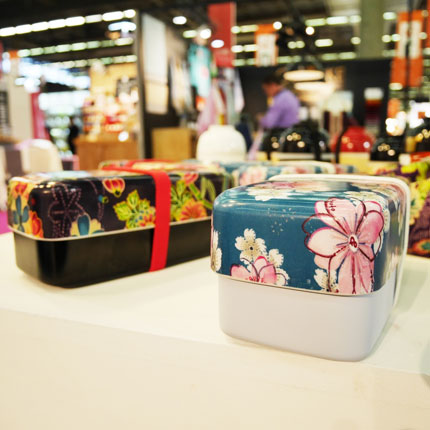
Japanese bento culture is a hit in France.http://bentoandco.com
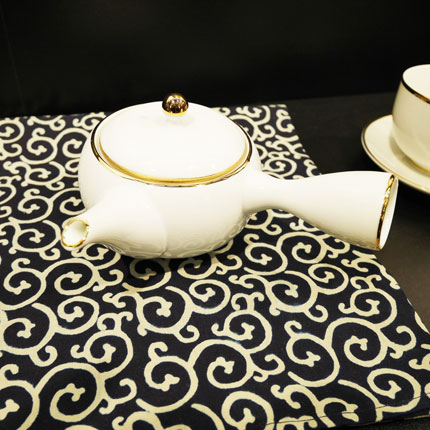
SURUGA, a Japanese tea brand in London.http:www.surugajapan.com
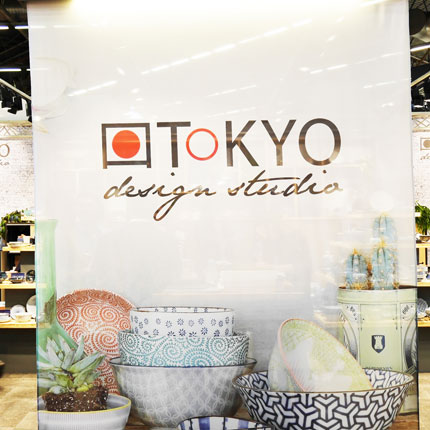
Along with sushi, Japanese food culture is also spreading.
Page02.Arita Ware Continues to Compete Globally
MAISON & OBJET PARIS
Japanese Product Design Goes Global (2)
Arita Ware Continues to Compete Globally
Arita ware has a deep connection with France. In 1900, Japan participated in the Paris Exposition Universelle with a few select exhibits, one of which was Arita ware. It is no exaggeration to say that Arita ware marked the beginning of the encounter between European and Japanese products.
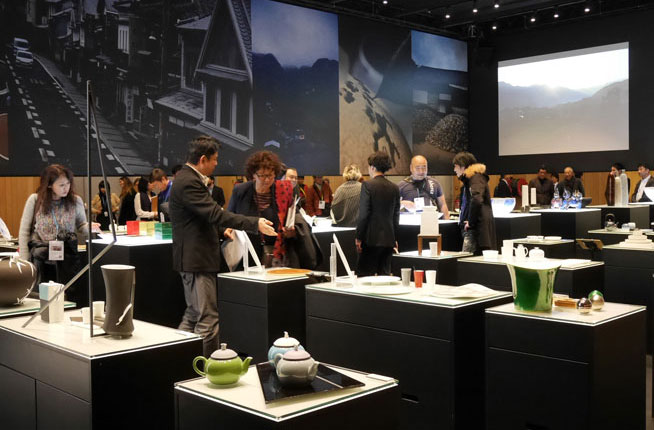
With a history dating back to 1616 and a profound connection with Europe, Arita ware's appeal to a Europe captivated by Japanese design is undeniable. Indeed, the "Arita Ware 400th Anniversary Project" booth in Hall 7, which showcases a wide range of design and interior products, was bustling with visitors.
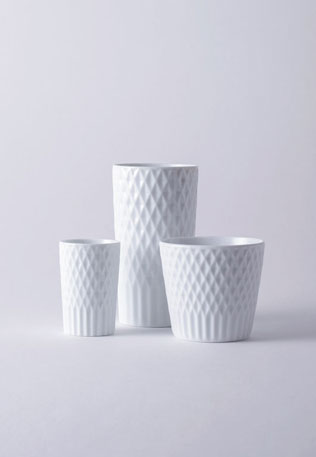
Cup
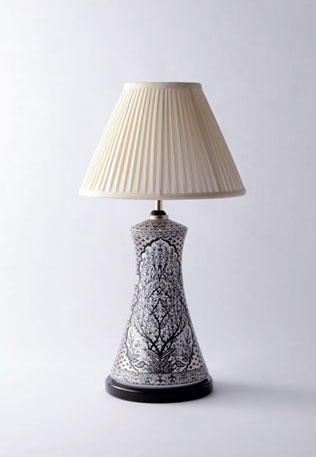
Lamp stand
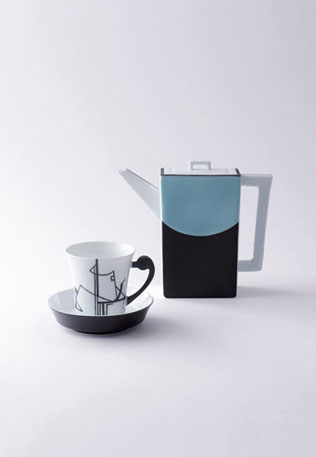
Teapot & Teacups
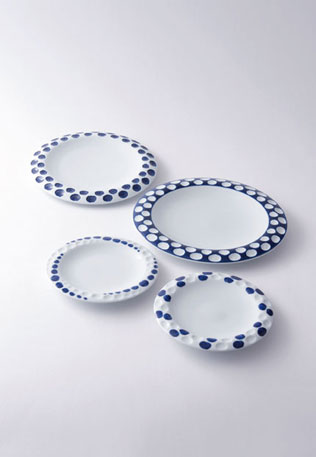
Gen-emon Kiln plate
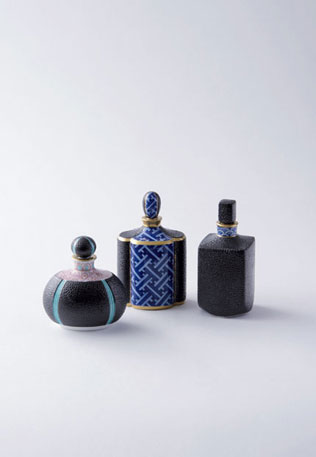
Perfume bottle
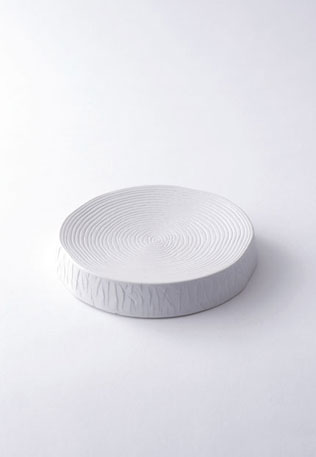
Kamachi Toho plate
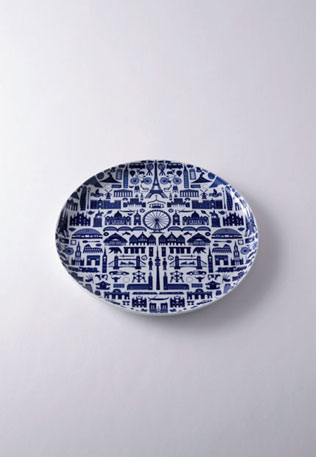
Decorated plate
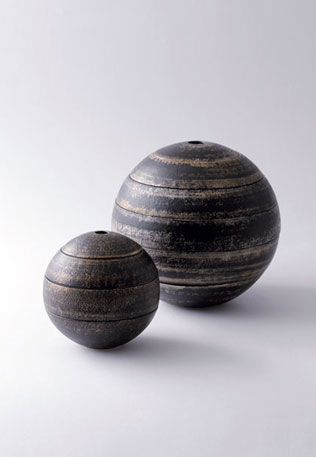
Five-tiered spherical vessel
This booth featured eight companies, ranging from long-established firms with two and a half centuries of history to brands that can be called emerging stars. While Japanese cultural events often attract only the local Japanese community for social reasons, this is a trade fair where buyers, seeking something new, scrutinize every detail. The success here, with people from around the world intently examining products and peppering staff with questions, underscores the high level of European interest in excellent Japanese design.
“We designed the booth with the concept of a tea room. The basic principle of a traditional tea room, or 'an,' involves a low, narrow entrance that requires guests to stoop to enter. The booth, covered by a hood, evokes this image. This concept also applies to the special exhibition at the entrance. Arita ware is, of course, used in tea ceremonies, and 'chanoyu' is a traditional Japanese culture that Europeans understand. It symbolizes the Japanese spirit of hospitality. We aimed to convey these multifaceted meanings,” explains Ken Okuyama, representative of Ken Okuyama Design, who provided the overall production.
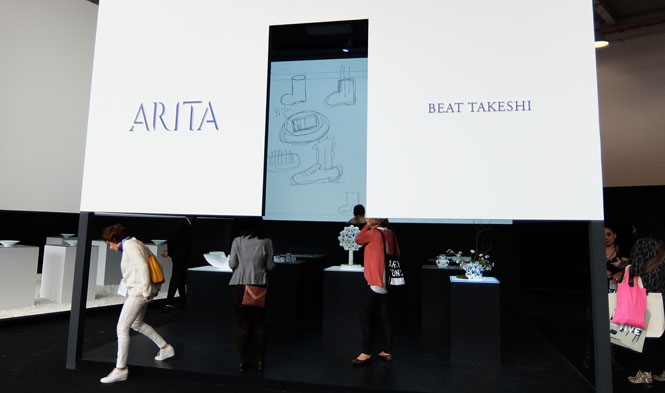
Designed to be entered by stooping slightly, as if entering a tea room.