What Inspired Flaminio Bertoni, Designer of the Citroën DS? | BOOK
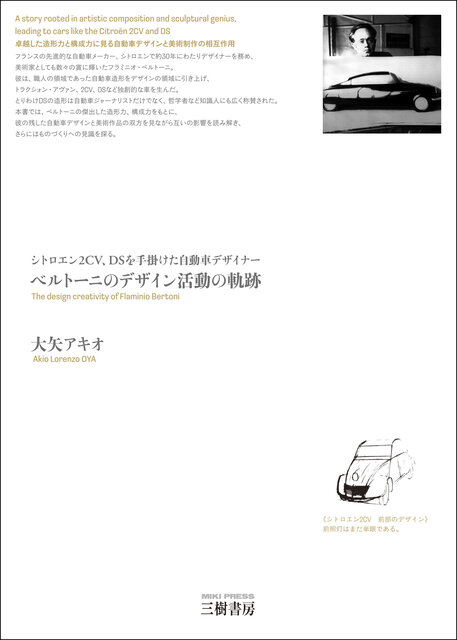
BOOK | The Creative Journey of Flaminio Bertoni, Designer of the Citroën 2CV and DS
A Book Unveiling the Life of Genius Designer Flaminio Bertoni
Akio Oya, a journalist who has lived in Italy for 26 years, has published a book that explores the sources of inspiration for Flaminio Bertoni, the genius designer and sculptor behind Citroën's "2CV" and "DS".
Text by OPENERS
Includes Rare Design Sketches and Artworks by Bertoni
When discussing the history of automobiles, the Citroën "2CV" and "DS" are indispensable. A book has been published that delves into the sources of inspiration of their designer, the genius designer and sculptor Flaminio Bertoni, tracing his 61-year life.
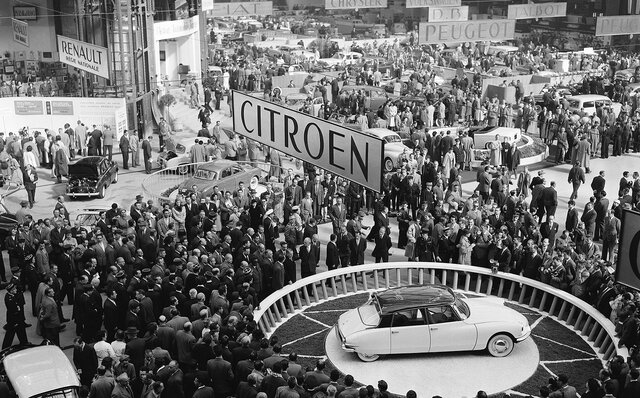
Debut of the Citroën DS at the 1955 Paris Motor Show Photograph by Stellantis
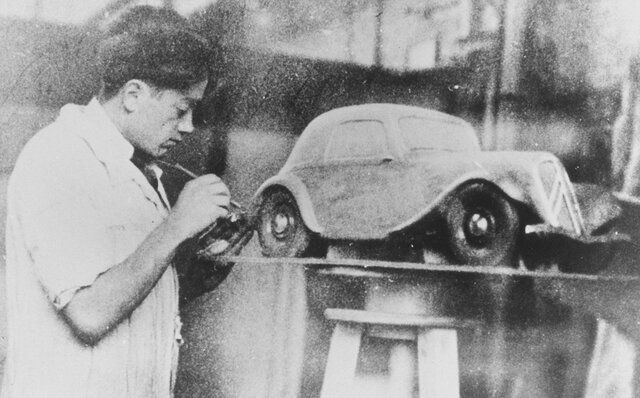
Bertoni Creating a Mock-up of the Traction Avant (1934) Photograph by Stellantis
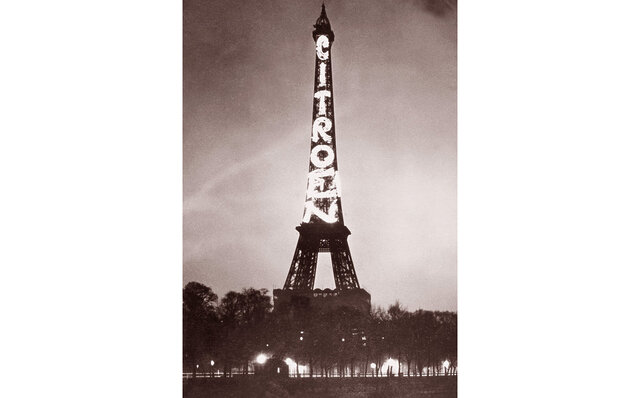
Citroën's Eiffel Tower Illumination Advertisement Poster (1925) Photograph by Stellantis
Bertoni was born in Varese, northern Italy, in 1903. He was eager to learn from a young age, devouring books on Italian art, but had to abandon his studies due to family circumstances. At 15, he found work as an apprentice at a local carrozzeria. Meanwhile, he rapidly honed his sculpting skills under artists associated with the Brera Academy of Fine Arts.
Flaminio Bertoni, Self-Portrait (1935) Collection of the Volandia Park of Aviation Museum Photograph by Akio Lorenzo OYA
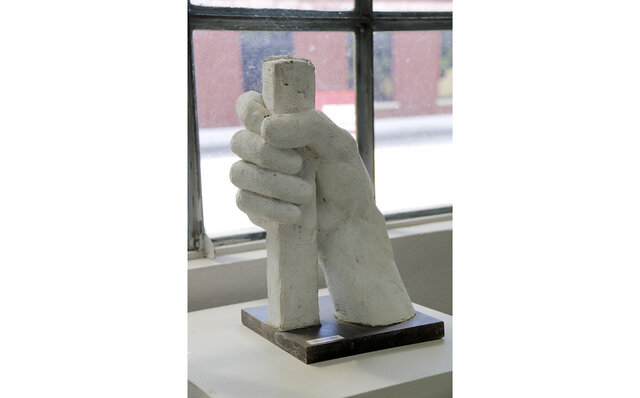
Flaminio Bertoni, Hammer (1936) Collection of the Volandia Park of Aviation Museum Photograph by Akio Lorenzo OYA
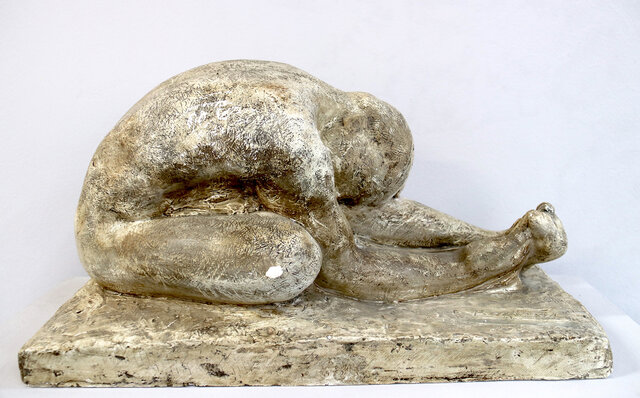
Flaminio Bertoni, Girl Acrobat (1935) Collection of the Volandia Park of Aviation Museum Photograph by Akio Lorenzo OYA
In 1931, at the age of 28, he moved to Paris with his lover and found employment at the then-nascent Citroën company. He gained the attention of company owner André Citroën by designing the revolutionary front-wheel-drive production car, the "Traction Avant" (1934). Concurrently, he achieved numerous acceptances at various art exhibitions in Paris with his own sculptures.
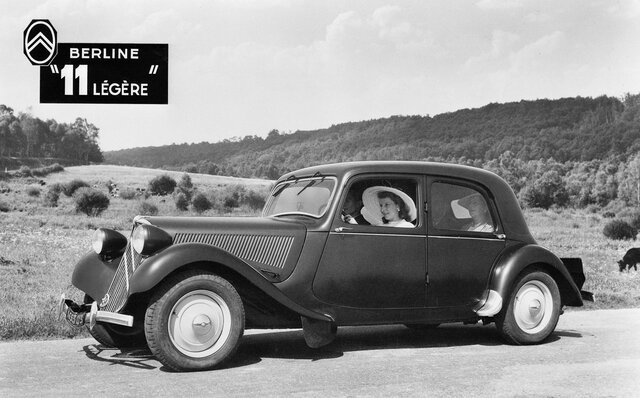
Citroën Traction Avant 11 Légère Photograph by Stellantis
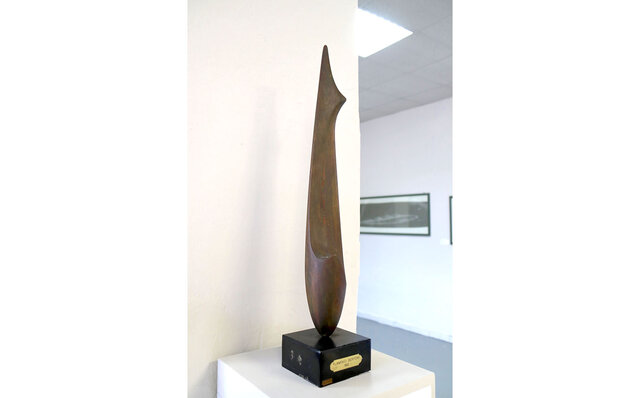
Flaminio Bertoni, Vertical (1952) Photograph by Akio Lorenzo OYA
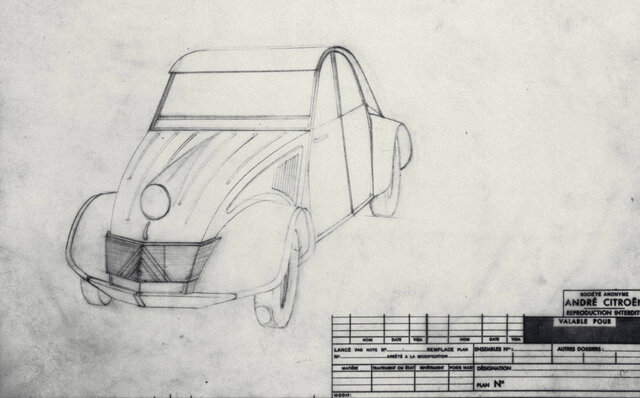
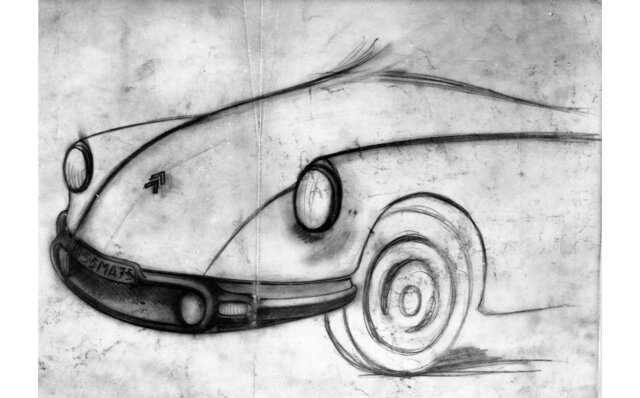
Design sketch by Bertoni for the front hood of the Citroën 2CV Photograph by Stellantis
However, Citroën went bankrupt. Furthermore, during World War II, he was imprisoned twice for maintaining his Italian nationality. At the same time, he experienced instability in his family life as a consequence of his intense creative pursuits, and the struggles of being an in-house designer. Despite these hardships, he continued to explore the future forms of Citroën throughout the war and post-war periods.
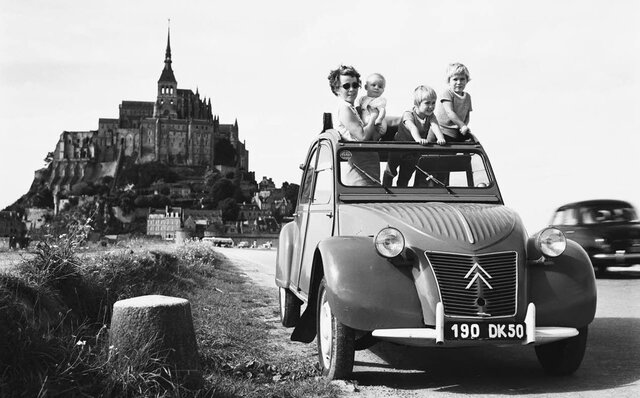
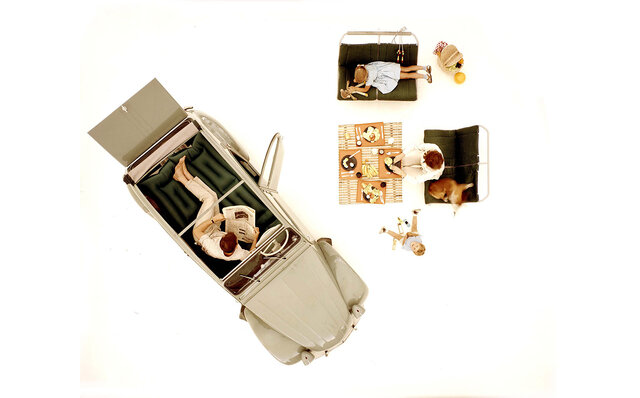
Citroën 2CV Photograph by Stellantis
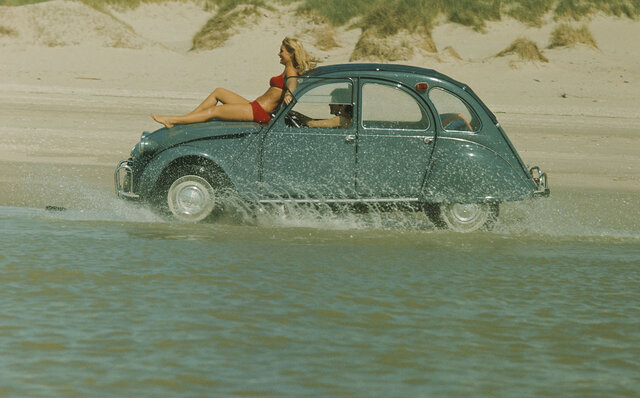
Citroën 2CV (1963) Photograph by Stellantis
Citroën 2CV Photograph by Stellantis
The author is Akio Oya, a journalist who has lived in Italy for 20 years and has been a contributor to OPENERS for many years. From 2002 to 2020, he conducted interviews in both Italy and France with individuals who knew Bertoni, including his late son, and meticulously researched his numerous artworks.
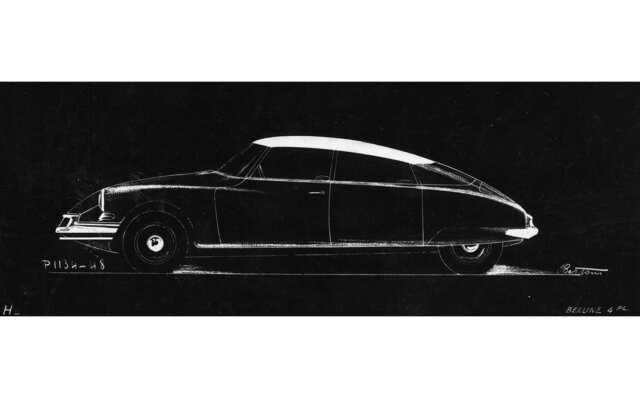
Design development of the VGD, the predecessor to the Citroën DS, by Bertoni (date unknown) Photograph by Stellantis
Design development of the VGD, the predecessor to the Citroën DS, by Bertoni (date unknown) Photograph by Stellantis
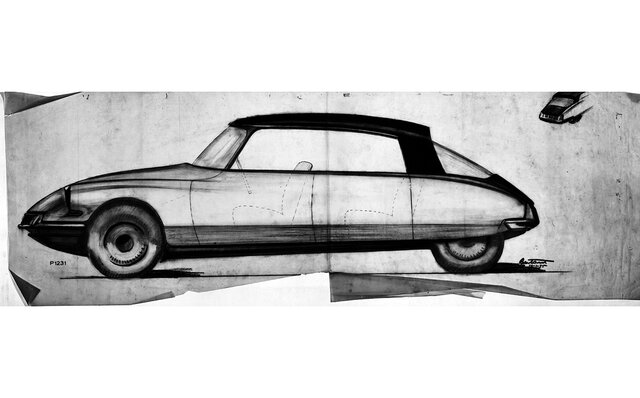
Design development of the VGD, the predecessor to the Citroën DS, by Bertoni (January 1955) Photograph by Stellantis
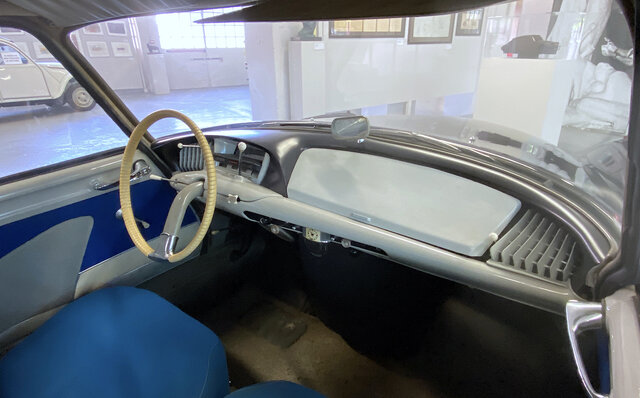
Based on these findings, the book argues that the futuristic interior and exterior design of the DS was not a sudden flash of imagination, but deeply connected to his artistic works. It reveals that Bertoni's profound aesthetic sense was the reason he garnered devoted admirers, not only among car enthusiasts but also among intellectuals, including the philosopher Roland Barthes.
Design development of the Citroën DS dashboard by Bertoni (date unknown) Photograph by Stellantis
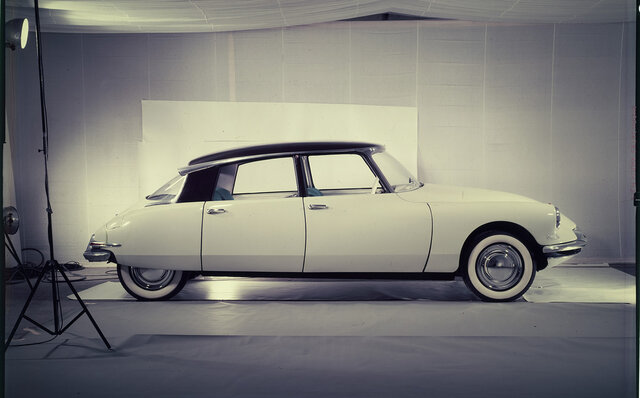
Early model Citroën DS Photograph by Stellantis
Citroën DS (1957) Collection of the Volandia Park of Aviation Museum Photograph by Akio Lorenzo OYA
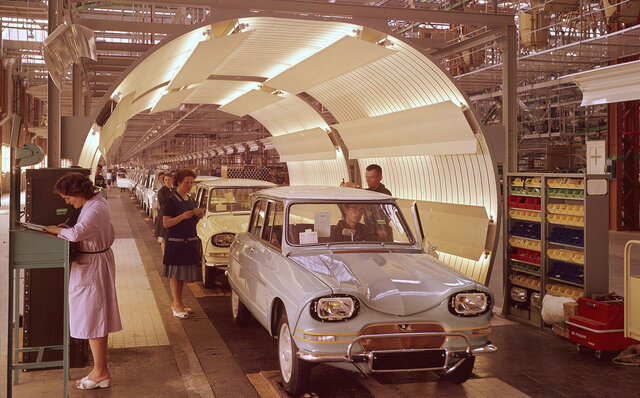
It is also intriguing that the somewhat kitsch design of the 1961 Citroën Ami 6, also designed by Bertoni, is revealed to have a logical foundation. Furthermore, the book touches upon how Citroën's design language, established by Bertoni, was inherited after his death.
French President Charles de Gaulle in a Citroën DS during a parade (1963) Photograph by Stellantis
Citroën Ami 6 Photograph by Stellantis
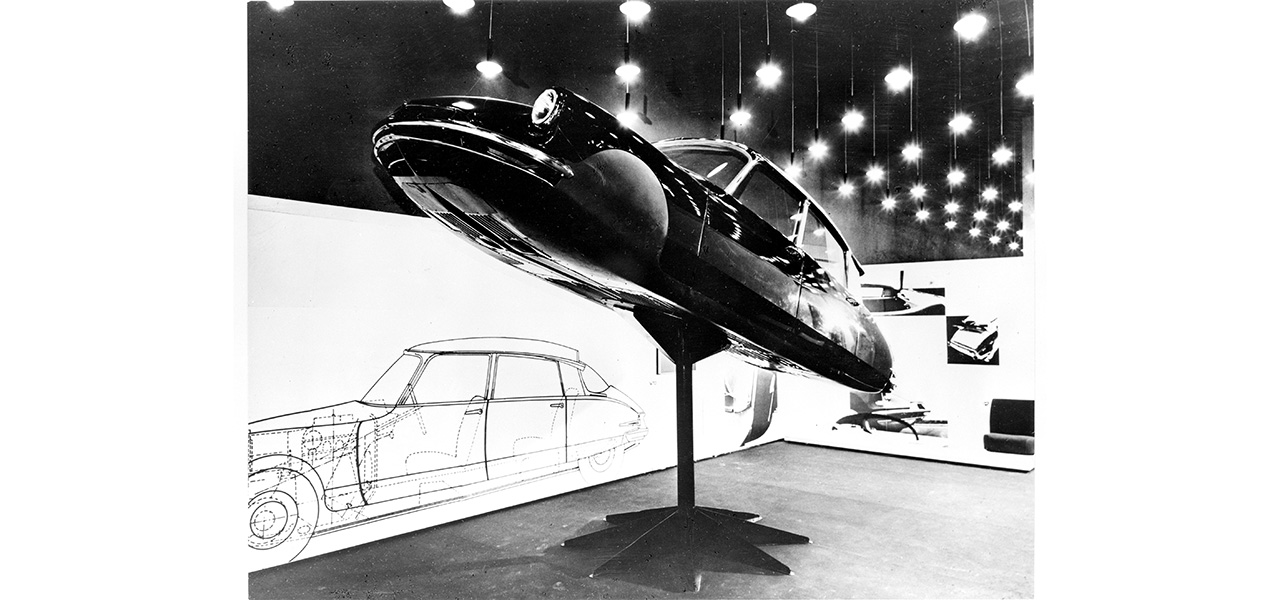
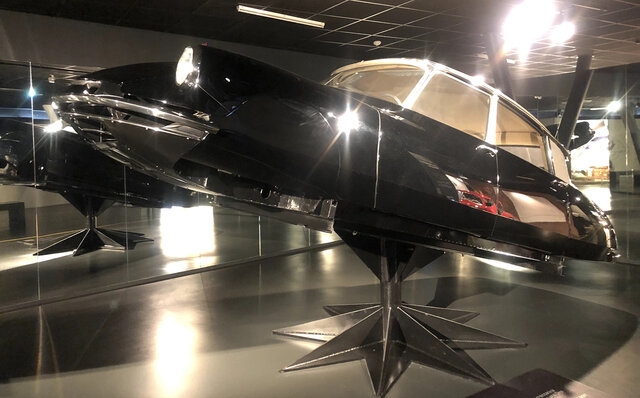
Citroën / Flaminio Bertoni, Object DS, permanently exhibited at the Turin Automobile Museum Photograph by Akio Lorenzo OYA
The book includes numerous valuable design sketches and photographs left by Bertoni, as well as his artworks.
Bertoni's life and passion for his work serve as a significant benchmark not only for car design but for all those involved in design activities.
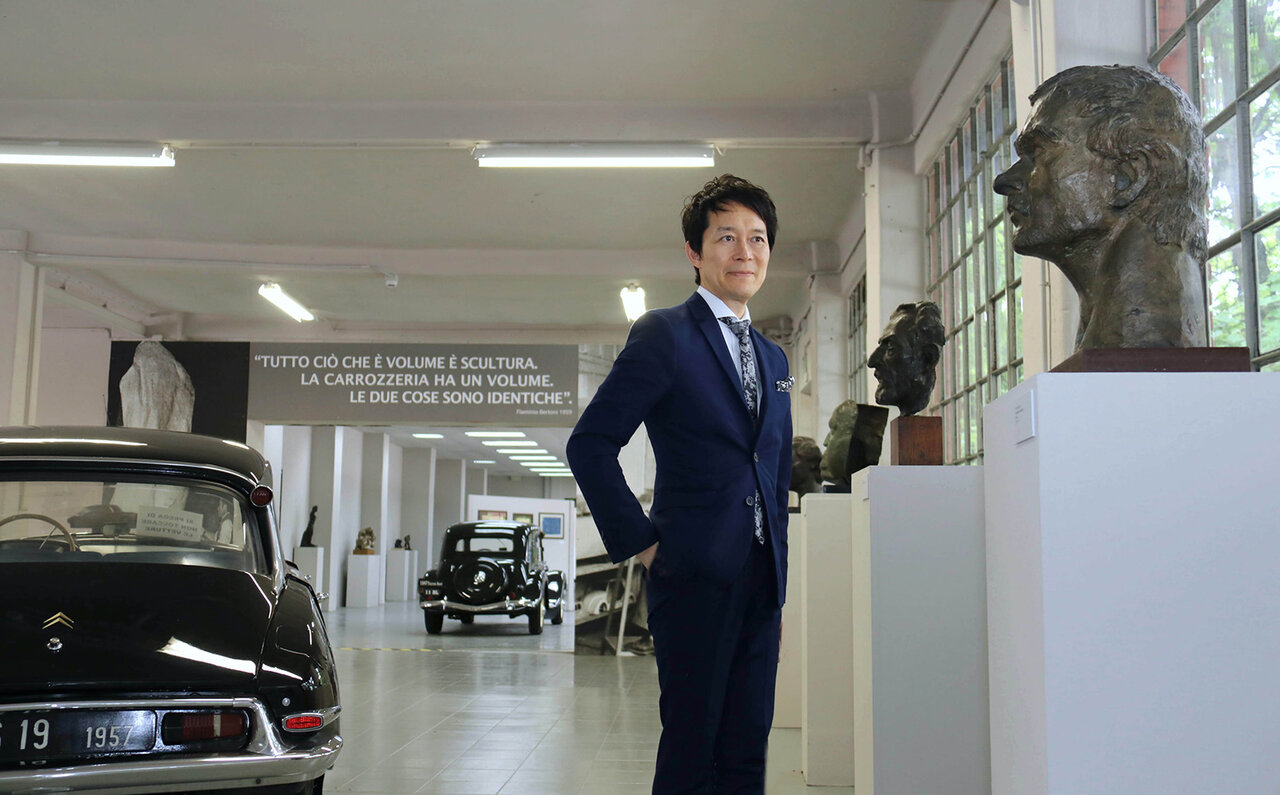
Flaminio Bertoni's artworks and Akio Oya, author of "The Creative Journey of Flaminio Bertoni, Designer of the Citroën 2CV and DS," at the Volandia Park of Aviation Museum.
The Creative Journey of Flaminio Bertoni, Designer of the Citroën 2CV and DS Author: Akio Oya Publisher: Miki Shobo Price: ¥3,600 (excluding tax)