From A4 to A5. The newly named A5 is unveiled in its home country of Germany | Audi
Audi A5 | The Audi A5
A new generation of mid-size models equipped with efficient internal combustion engines
Audi has unveiled its A5 series in the mid-size segment in its home country of Germany. The A5 is the successor to the A4, and Audi will now use odd numbers for internal combustion models and even numbers for electric models.
Text by YANAKA Tomomi
The sedan features a four-door coupe-like form with a rear hatch
Audi is restructuring its model names starting in 2024 with an expanded model range. Internal combustion and electric models are distinguished by numbers, with odd numbers for internal combustion engines and even numbers for electric models. The A4 has been renamed the A5, marking a new beginning.
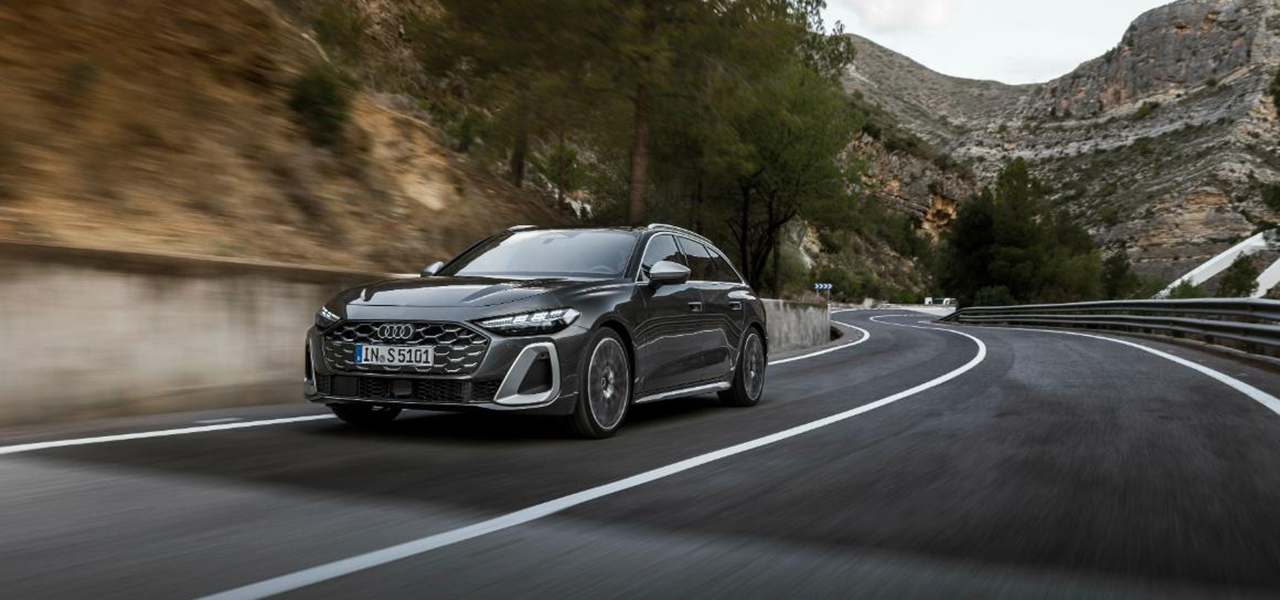
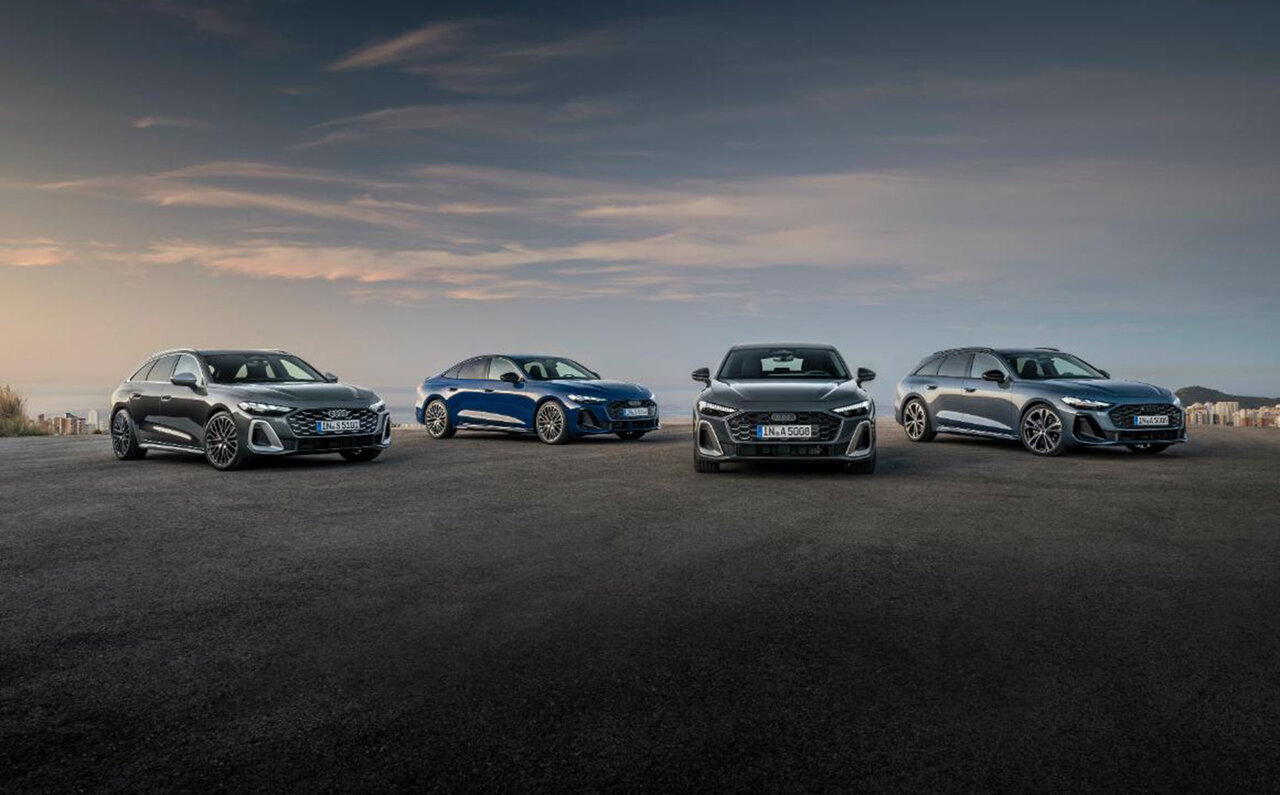
With an increase in overall length and width, the new A5 enters the upper-midsize segment. Four models will be available: the A5 sedan, the A5 Avant station wagon, and the high-performance S5 and S5 Avant. These models are the first to feature Audi's latest "Premium Platform Combustion (PPC)" for internal combustion engine vehicles.
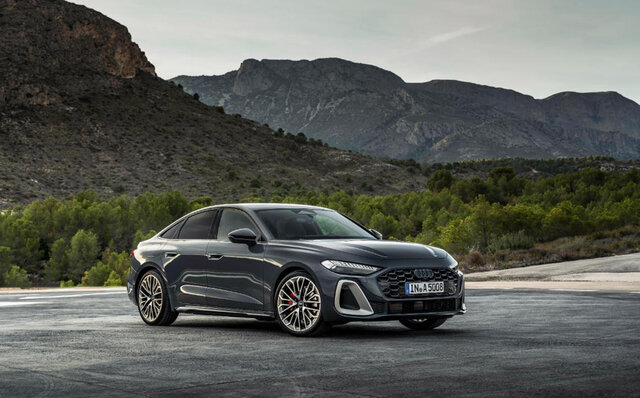
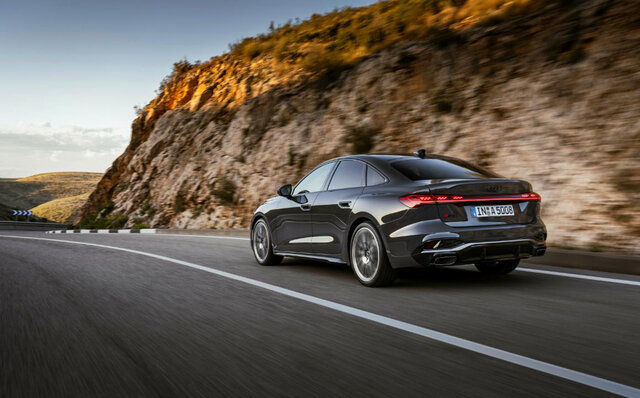
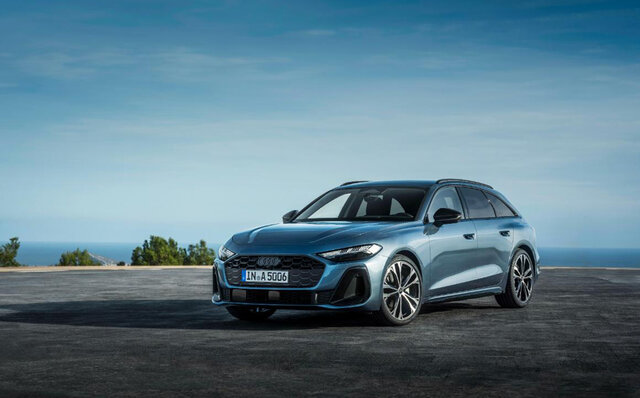
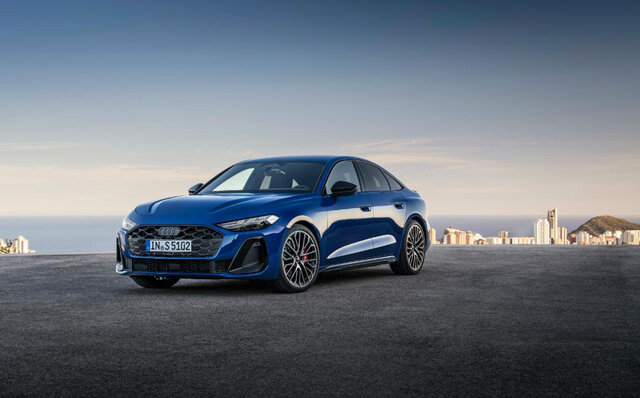
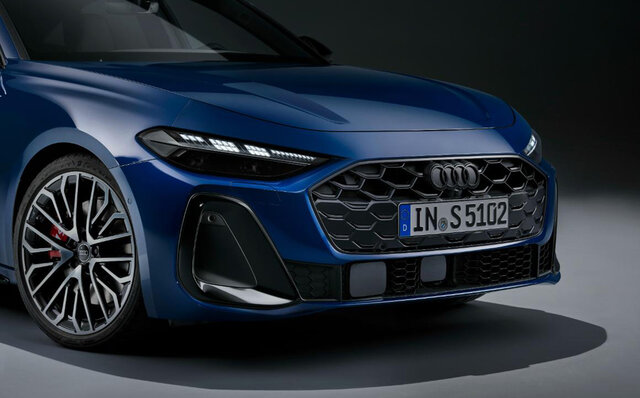
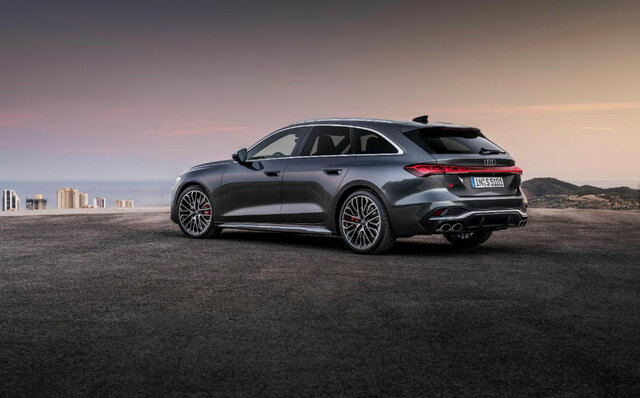
The exterior is muscular overall, with a wide, flat proportioned Singleframe and a front featuring a three-dimensional honeycomb structure. Slim LED headlights give it an impressive and sharp expression. Unlike the A4, the sedan features a rear hatch, characterized by a four-door coupe-like form with a beautifully arcing roofline.
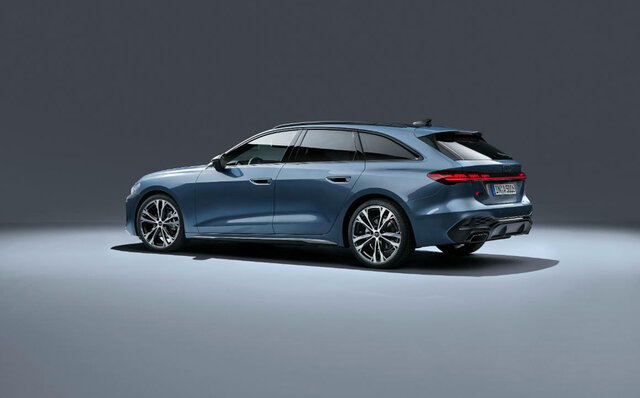
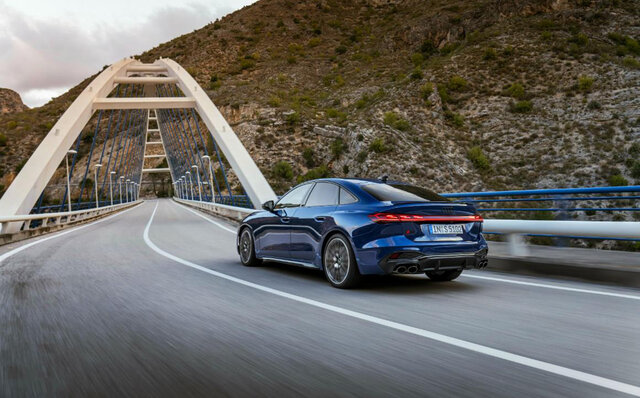
The rear, characterized by its flat lines, creates a sense of presence and visual dynamism through the combination of continuously arranged, three-dimensionally placed light strips.
Audi A5
All grades feature the "MHEV plus system," a 48V mild hybrid system that provides up to 18 kW (24 PS) of boost and recovers up to 25 kW of braking energy, contributing to reduced CO2 emissions. This system enables partial electric driving.
The integrated brake control system (iBRS) completely separates the brake pedal from the hydraulic brake system. In the A5 equipped with the "MHEV plus system," deceleration can be achieved solely through regenerative braking. Initial deceleration uses only regenerative braking, reducing wear on the friction brakes. If the pedal is pressed further, the friction brakes engage, but the brake feel remains unchanged.
Audi A5 Avant
The 2.0 TFSI 2-liter inline four-cylinder gasoline engine is equipped with a turbocharger featuring variable turbine geometry (VTG). VTG technology contributes to a responsive torque buildup in the low-RPM range, even in gasoline engines. Two output levels are available: 110 kW (150 PS) and 150 kW (204 PS). The former is front-wheel drive, while the latter can be specified with either front-wheel drive or quattro all-wheel drive.
The 2.0 TDI 2-liter inline four-cylinder diesel engine produces a maximum output of 110 kW (150 PS) and a peak torque of 400 Nm between 1,750 and 3,250 rpm. Both front-wheel drive and quattro all-wheel drive are available.
Audi S5
Audi S5
Audi S5
Audi S5 Avant
The S5 is powered by a 3-liter V6 "3.0 TFSI" engine producing 270 kW (367 PS). It comes standard with quattro all-wheel drive, a quattro sport differential with torque vectoring, and an adjustable all-wheel-drive clutch, allowing for top-tier lateral dynamics.
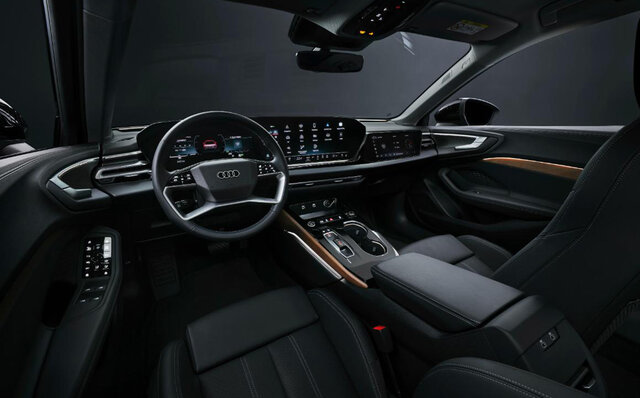
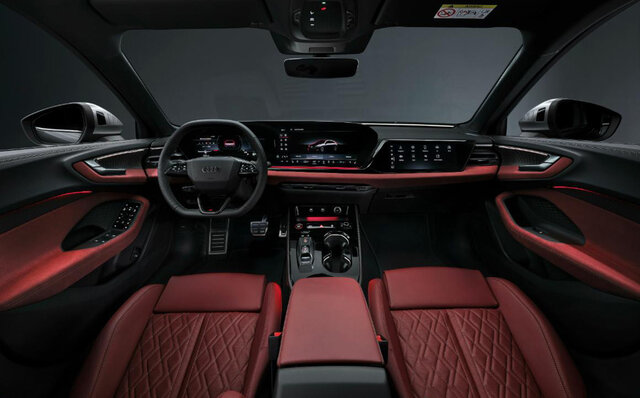
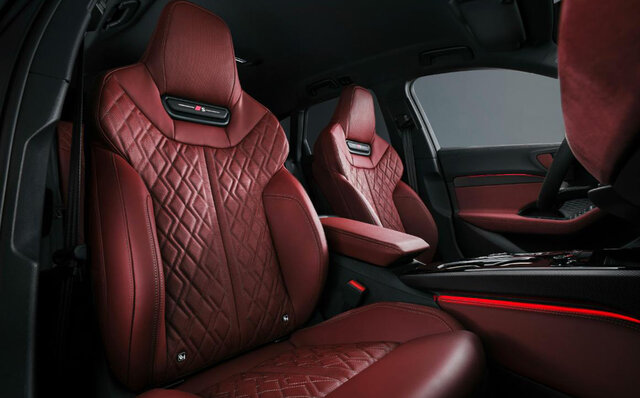
The interior embodies "human-centric design," emphasizing ease of operation and a spacious feel. Furthermore, the electronic architecture enhances interaction with the vehicle, featuring an 11.9-inch virtual cockpit and a 14.5-inch touch display.
Audi A5
Audi S5
Audi S5
An optional feature allows the driver to control vehicle and infotainment functions via the head-up display.
Orders for the A5 and S5 will begin in July in Germany, with sales commencing around November in Germany and Europe. Launch timing and pricing for Japan have yet to be determined.