Civic Type R Enhances Combat Prowess with Minor Model Change | Honda
HONDA CIVIC TYPE R
Civic Type R Enhances Combat Prowess with Minor Model Change
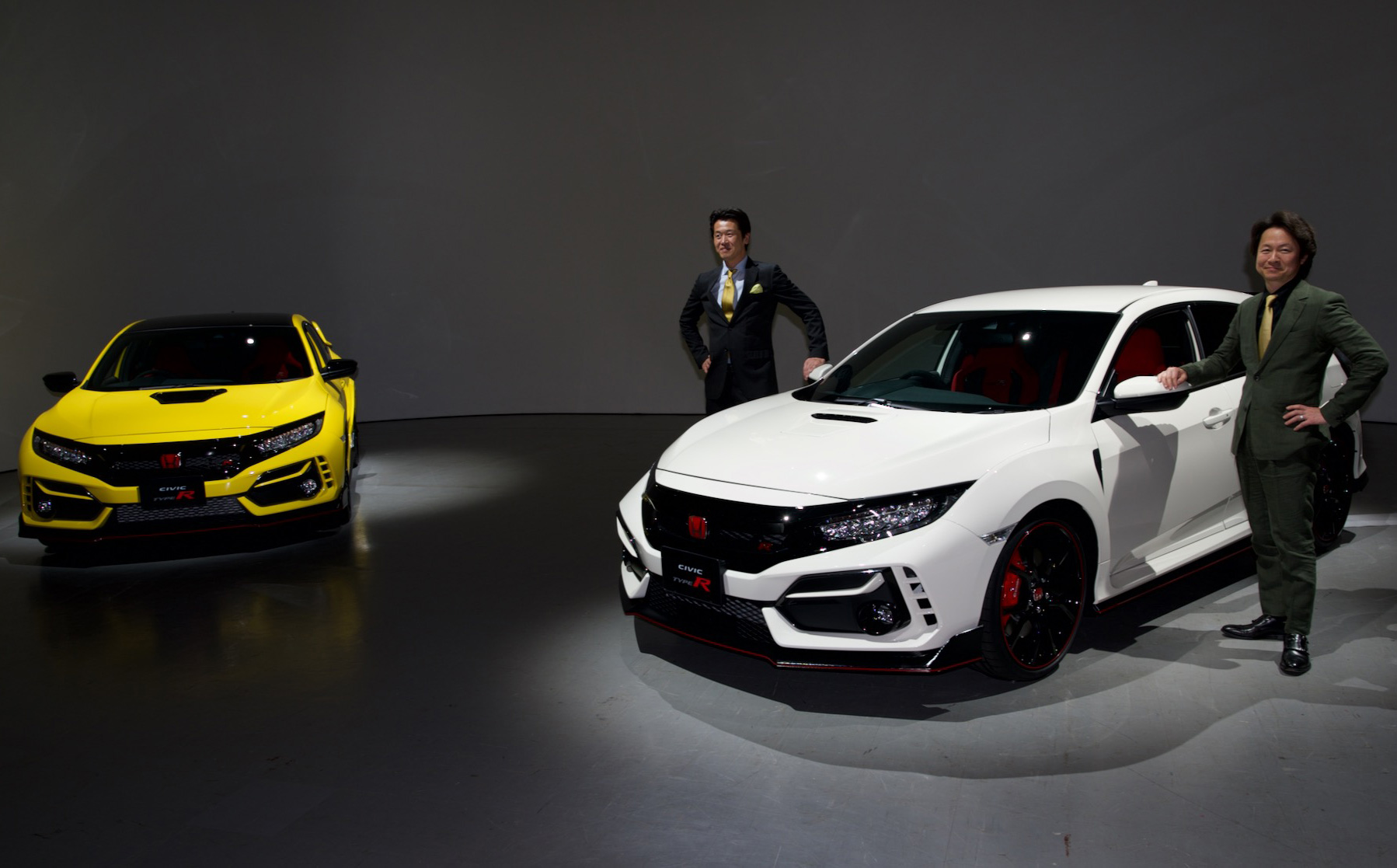
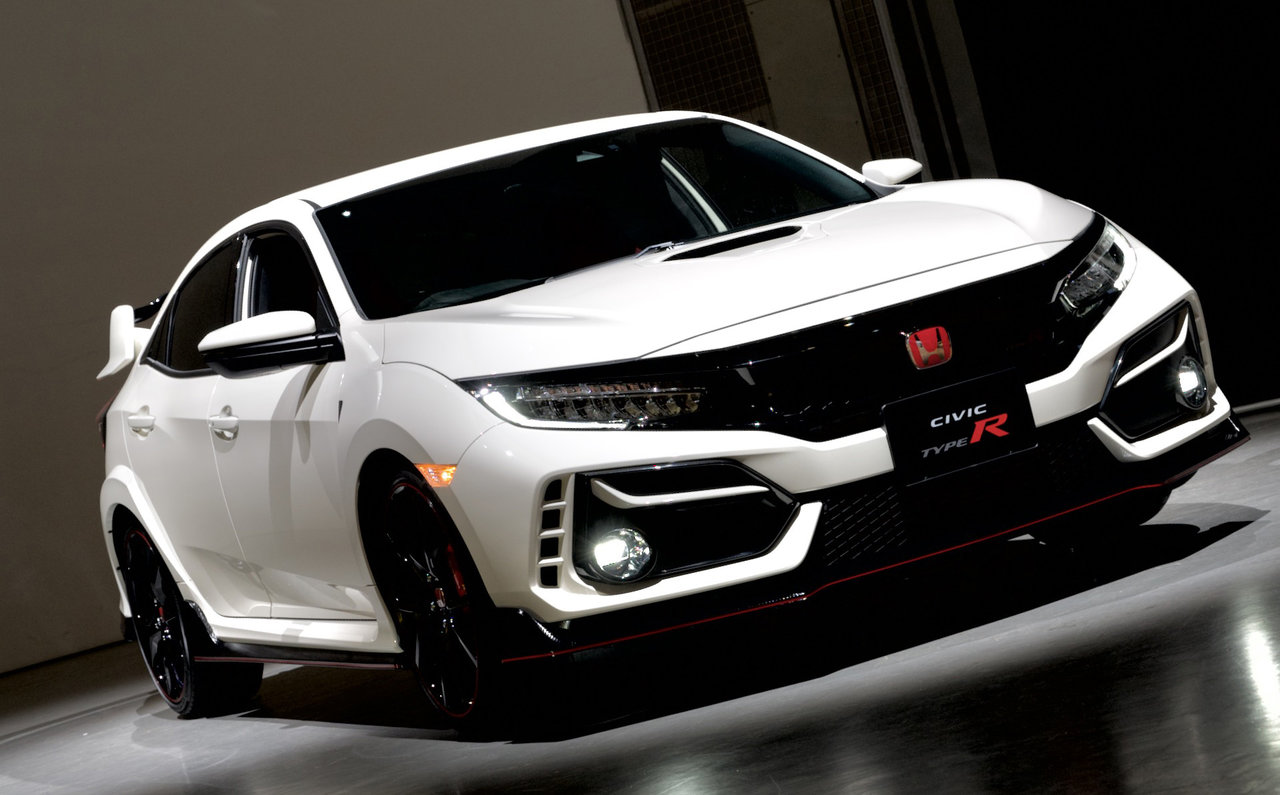
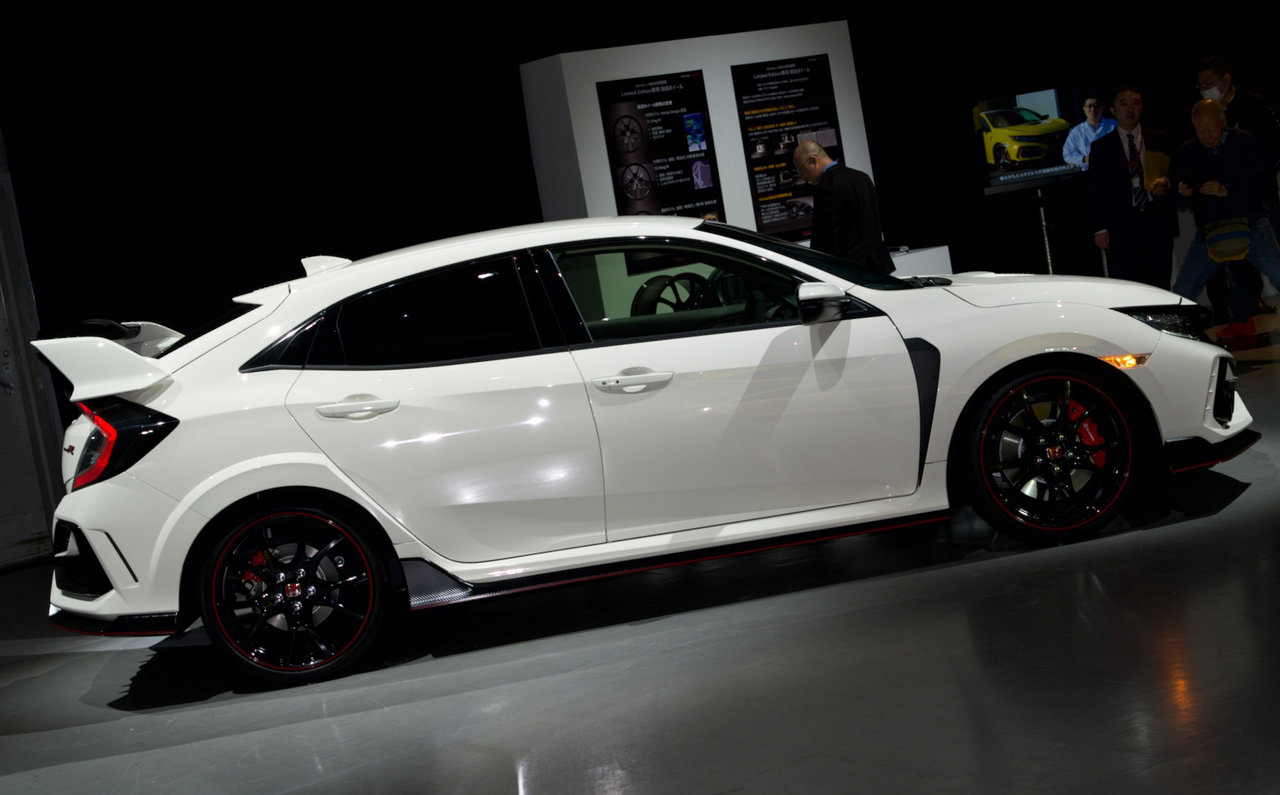
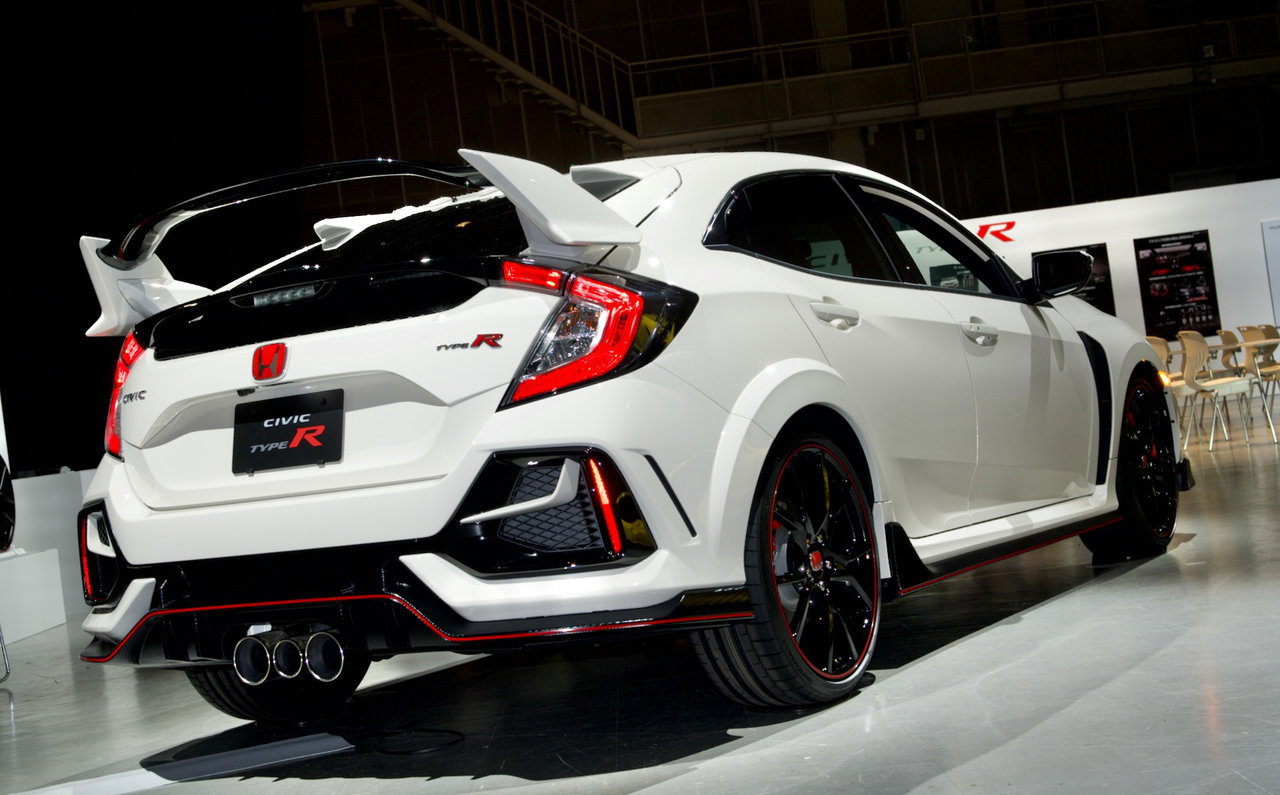
The Civic Type R, Honda's flagship front-wheel-drive model, has undergone a minor model change for the first time in three years. Enhancements to cooling performance, strengthening of braking performance and feel, and refinement of the suspension and chassis have been implemented, allowing the car to consistently deliver its overwhelming power. This evolved model, with improvements in all aspects of driving, cornering, and braking, is scheduled for release in Japan around this summer.
Cooling, Brakes, and Suspension Get an Update
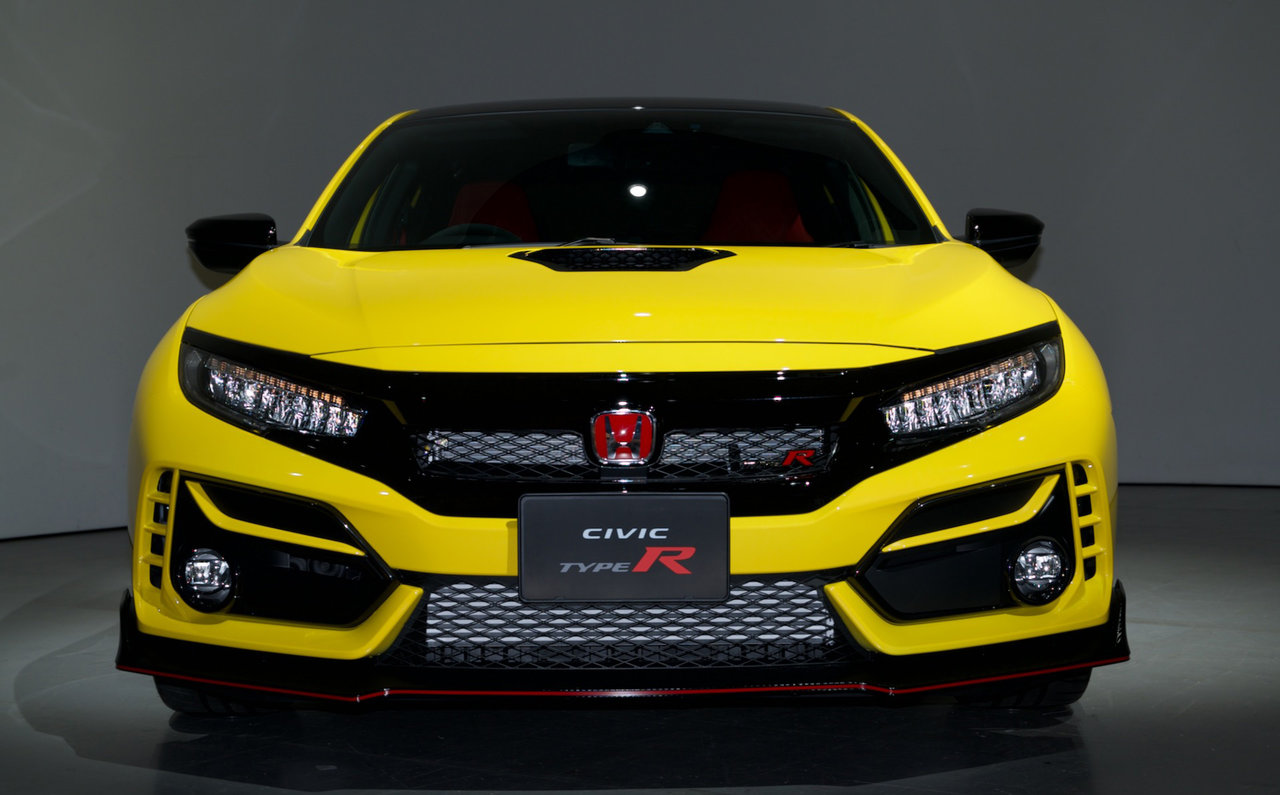
The main improvements are as follows. Firstly, regarding circuit performance, the front grille opening area has been expanded by 13 percent, and the internal radiator fin pitch has been changed from the current 3.0mm to 2.5mm, improving engine cooling performance. As a result, the maximum water temperature has been reduced by approximately 10°C even during hard driving.
Furthermore, by changing the brake structure from a one-piece to a two-piece floating disc, thermal displacement at high speeds (240 km/h) has been reduced. Aerodynamically, the shape of the front spoiler has been modified and its rigidity increased, improving stability and feel during continuous driving.
The suspension has been updated, including the adaptive damper system control, suspension bushes, and ball joints. This enhances overall handling performance during cornering, while further improving road contact and damping on rough surfaces.
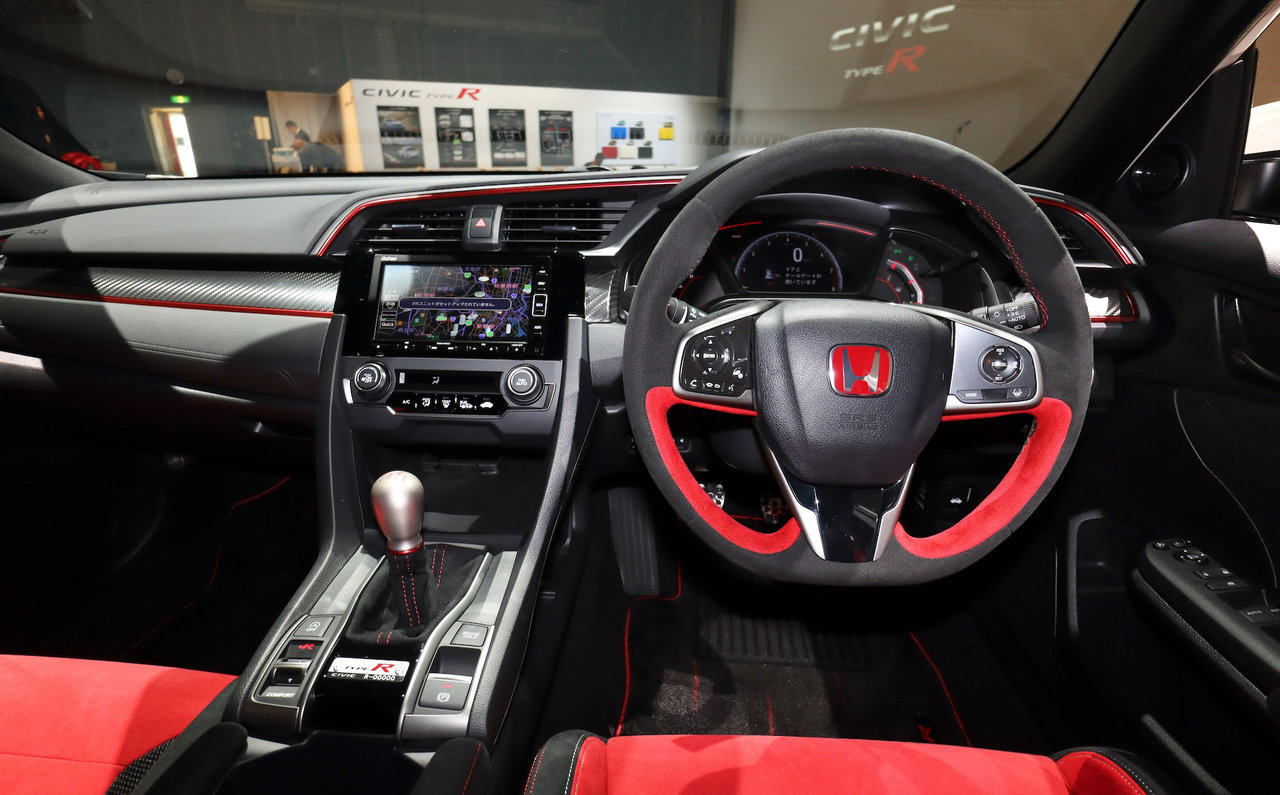
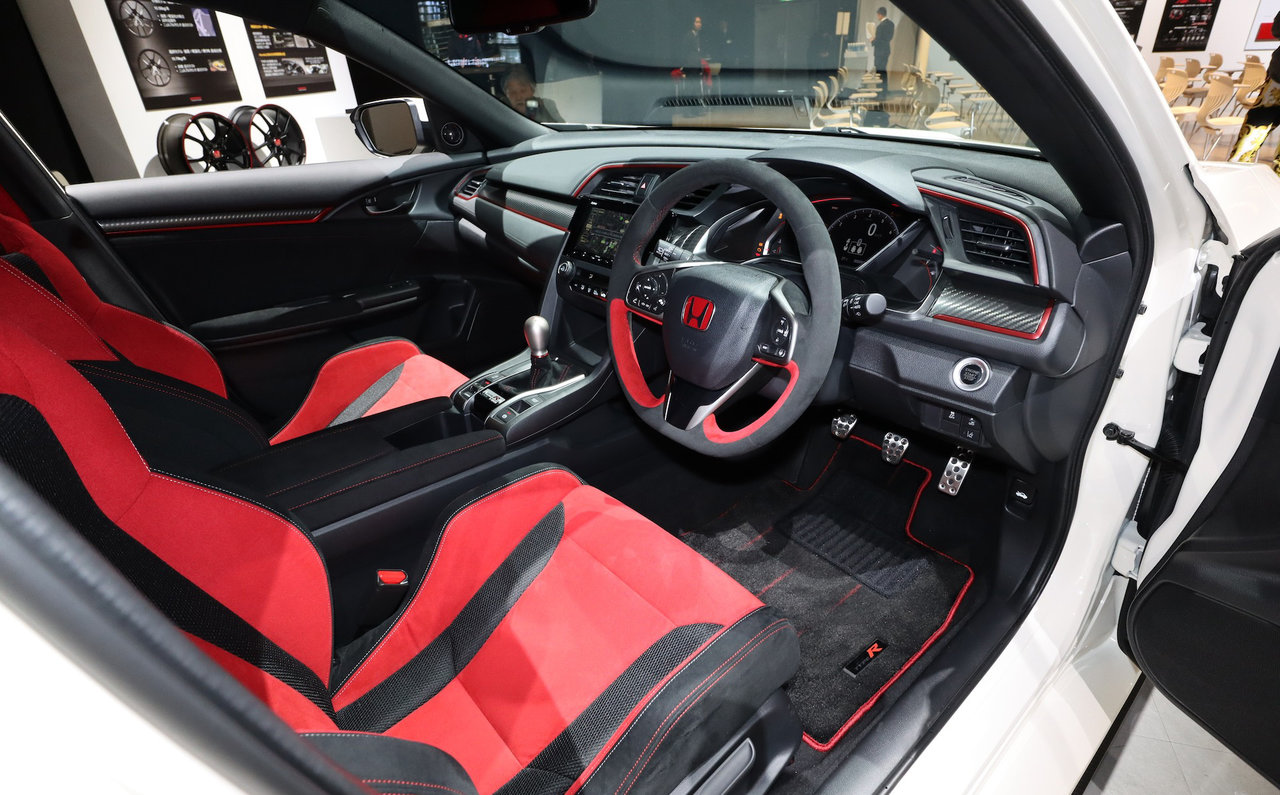
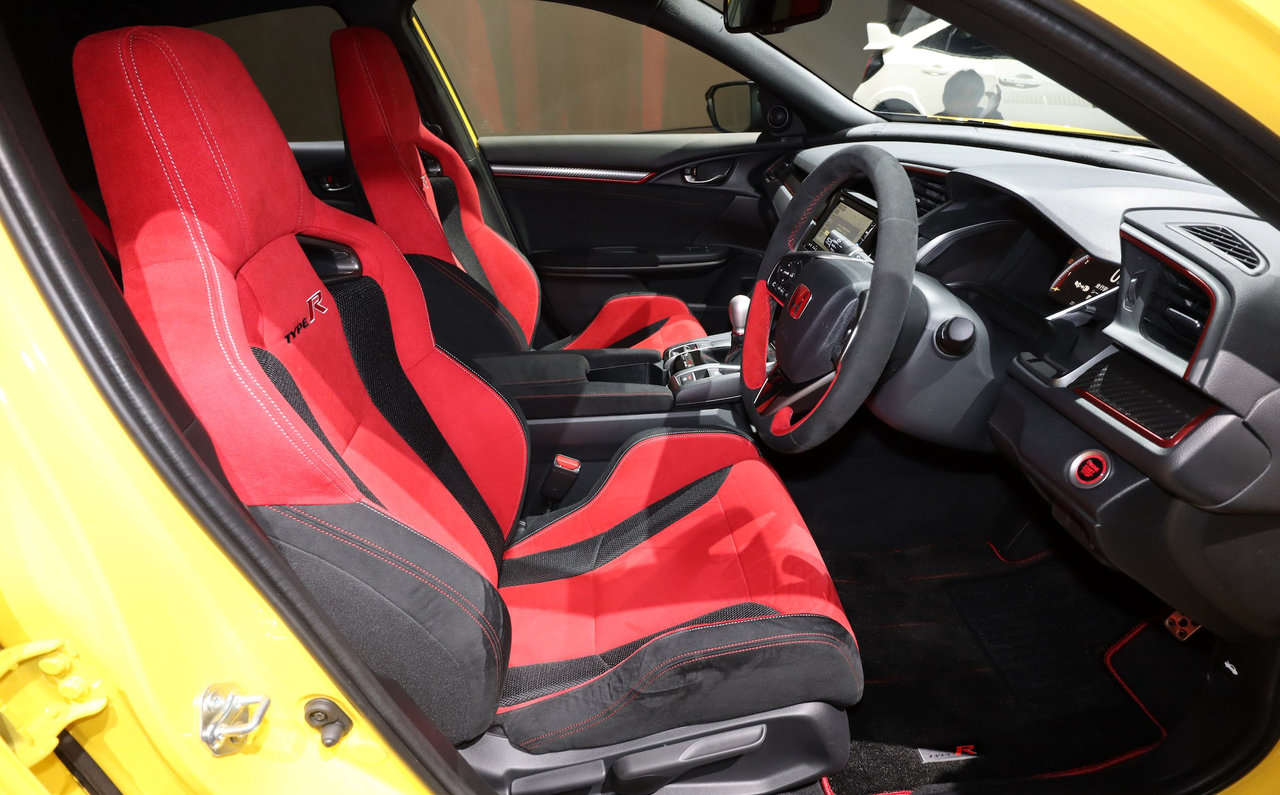
Inside, the steering wheel is now covered in Honda's first full Alcantara material. With a dual-wrap design on the back, the outer diameter is maintained while improving the grip's texture and feel.
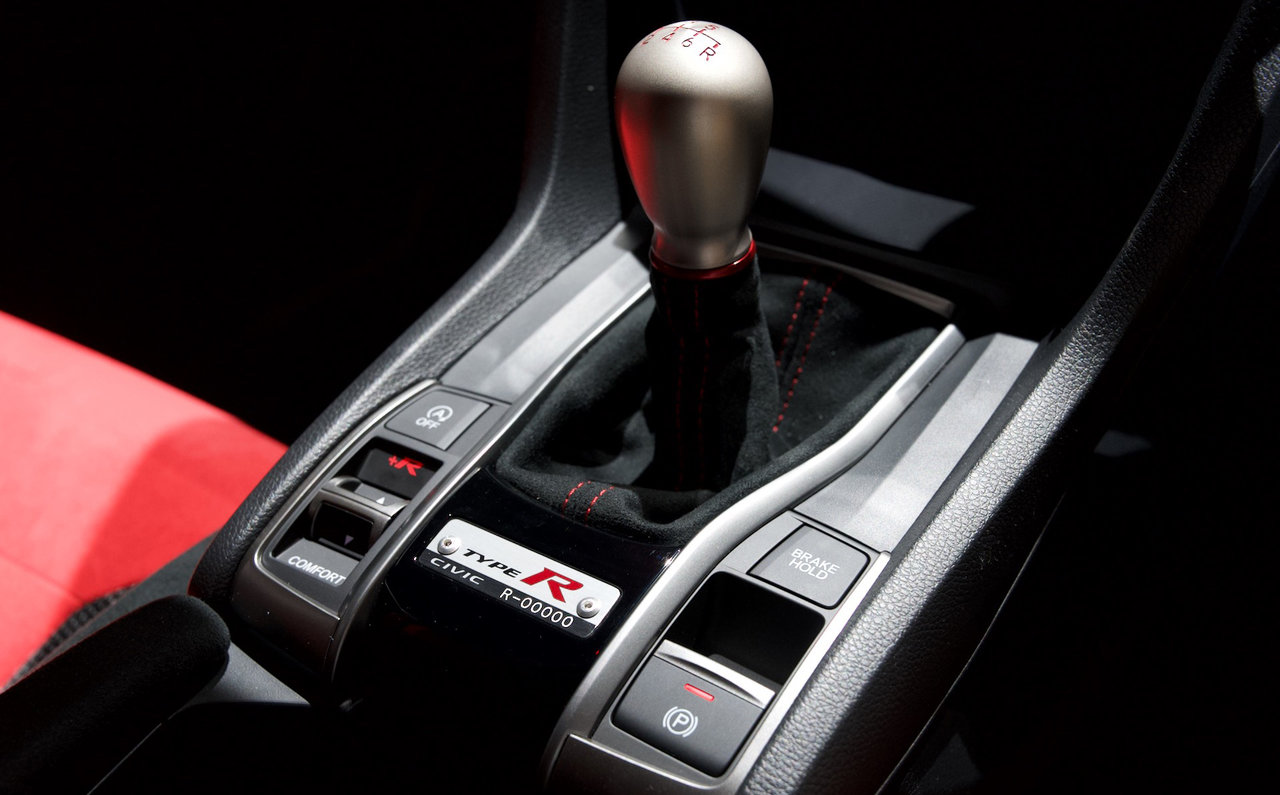
The shift knob for the 6-speed manual transmission has been changed from the round shape used for over 10 years since the '07 Type R to a teardrop shape. This makes it easier to perceive the knob's angle. Additionally, a 90g counterweight is embedded inside the knob to optimize the balance between transmission operating force and the knob's inertial weight. This results in a comfortable shifting feel that enhances the driver's connection with the Type R.
Fumiaki Saito, from Honda's Product Brand Division, Product Planning Department, commented on the newly updated Type R as follows:
"The current Civic Type R, which debuted in 2017, is a model that uncompromisingly pursues the 'joy of driving.' Users who actually drove it praised it as 'This is the real deal!' and 'Honda has finally released a product worthy of its name after a long time.'
Although there were various opinions regarding its price and design initially, it ultimately sold twice the planned annual target of 3,000 units. The Type R brand is a symbol of Honda's racing spirit. The Civic team has continuously strived to develop a car that surpasses expectations, constantly asking how we could deliver a superior vehicle to delight our customers. This minor change model embodies that dedication."
Hideki Kakunuma, the Type R development leader, introduced the history of the Type R by saying, "The Type R was first born in 1992 as the 'NSX Type R,' born from the strong desire of engineers within the research institute who wanted a model that further emphasized the sports spirit, based on the NSX that debuted in 1990."
Subsequently, in 1995, the 'Integra Type R' emerged, expressing overwhelming handling performance that defied the norms of front-wheel-drive mass-produced cars. In 1997, the 'Civic Type R (first generation)' based on the world's basic car, the Civic, was introduced. Since then, the TYPE R has firmly established its position as Honda's sports brand.
The current Civic Type R (FK8), which appeared in 2017, was developed with the concept of an 'ultimate sport' that transcends the boundaries of sports cars, aiming to create a Type R of a different dimension that combines overwhelming speed with unprecedented grand touring capabilities.
Kakunuma commented, "In the world of motorsport, Honda knows that to stand still is to fall behind. Without pausing for the three years since its birth, we have ventured into areas previously considered untouchable for a minor change, achieving an evolution that exceeds expectations with the new Type R."
Limited Edition of 1,000 Units Arrives
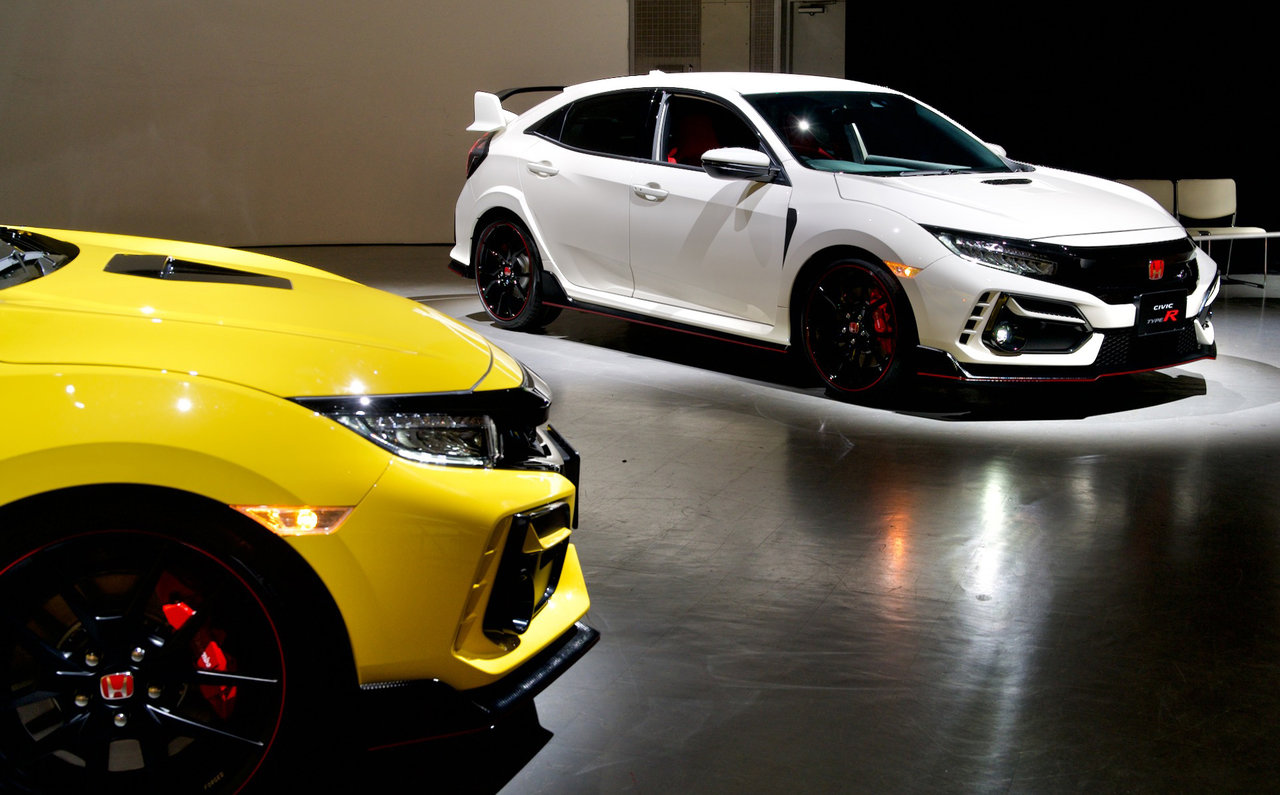
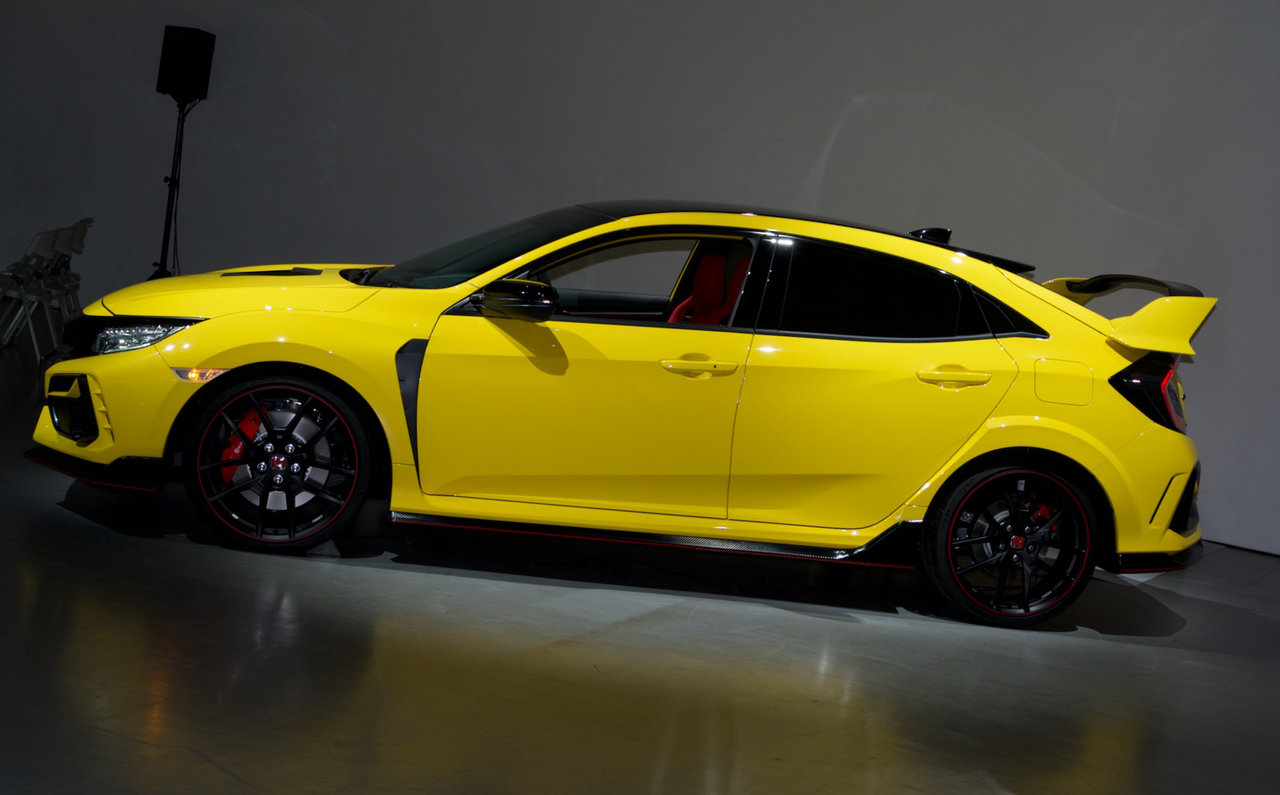
On the same day, the "Civic Type R Limited Edition," a globally limited model of approximately 1,000 units further honed for lightness and sporty feel, was also unveiled.
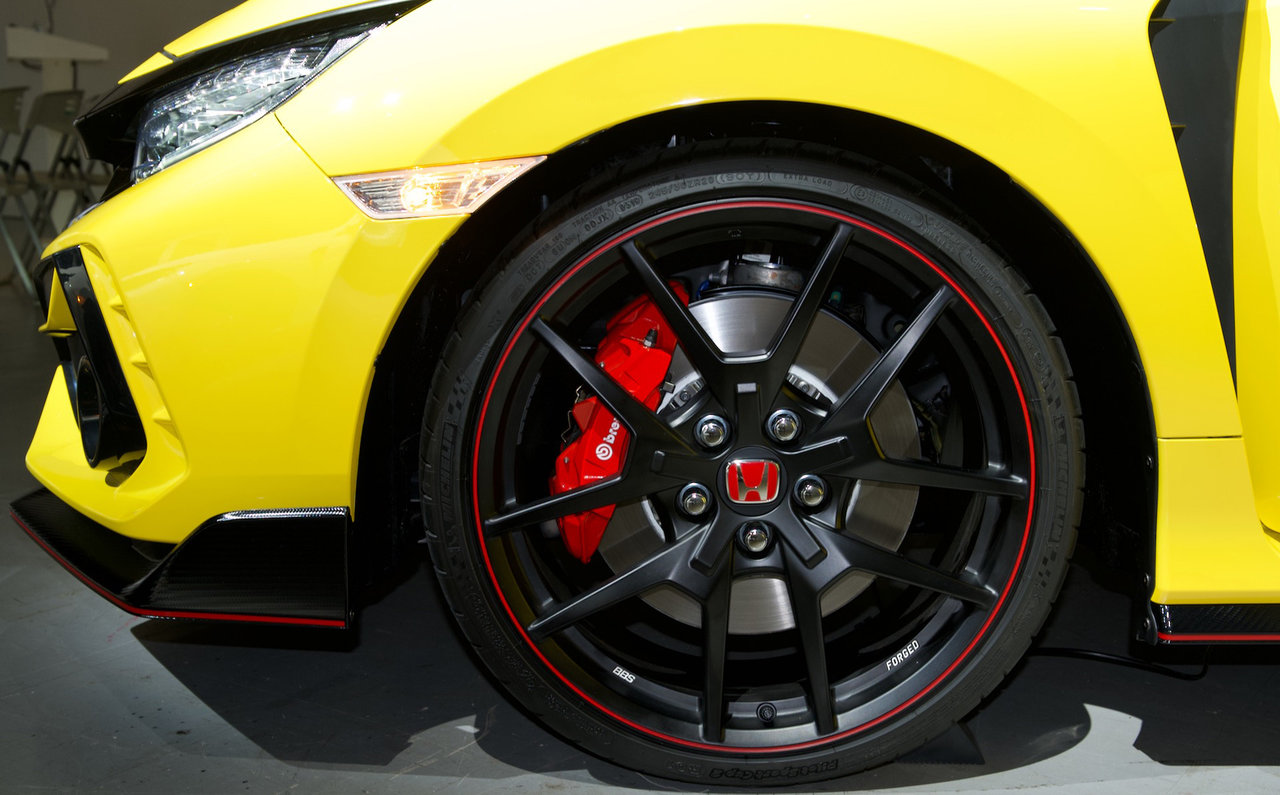
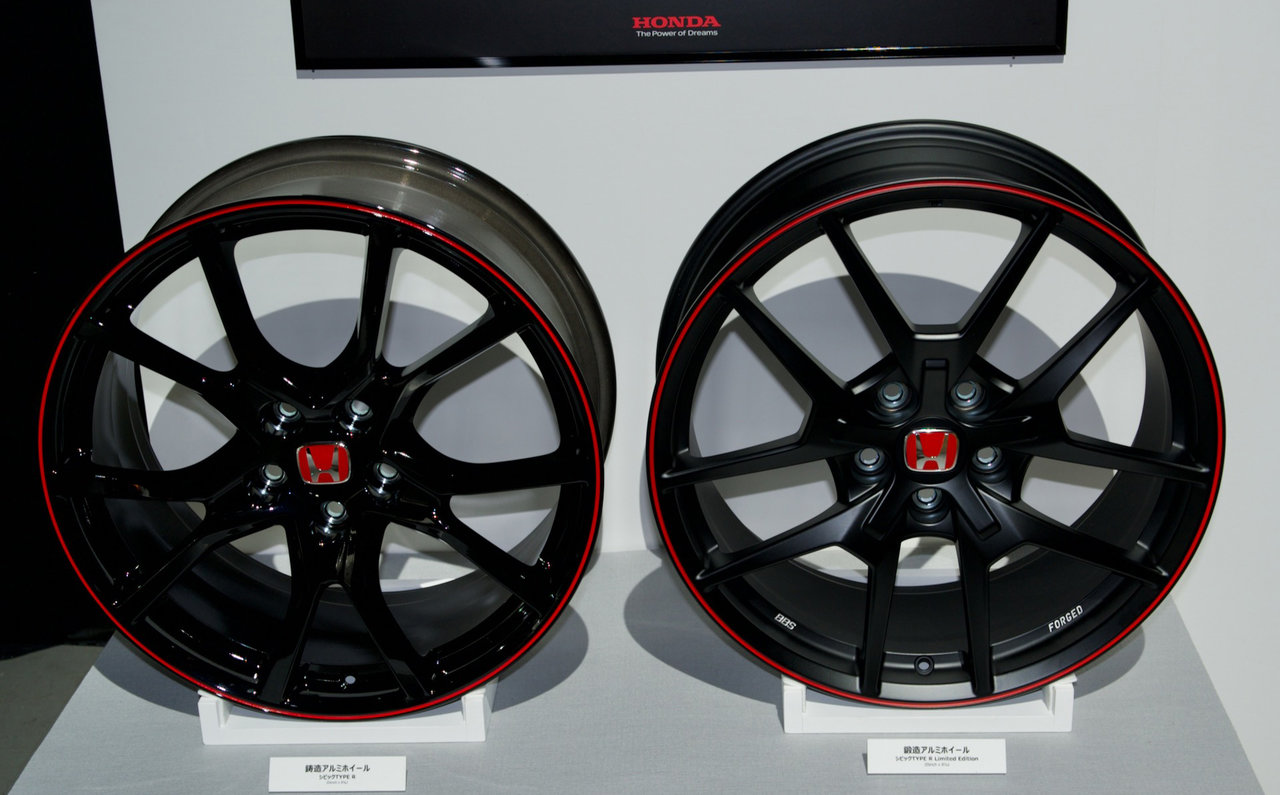
To achieve even greater heights, the body has been lightened by 23 kg in total: 13 kg through the removal of sound-deadening materials and 10 kg with exclusive lightweight forged wheels co-developed with BBS. It is equipped with Michelin Pilot Sport Cup 2 exclusive tires and a damper system with dedicated settings.
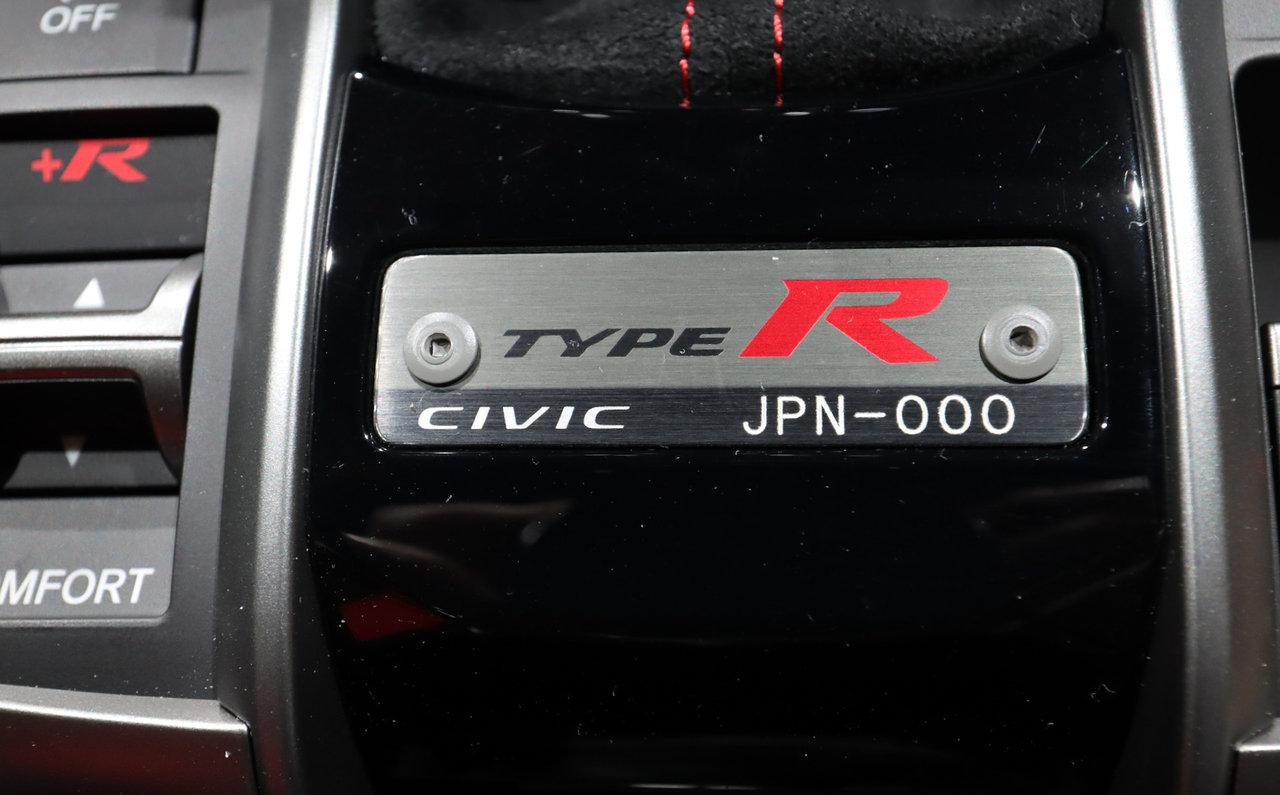
The exterior is painted in Sunlight Yellow II, reminiscent of the 90s Type R, and features a black roof, door mirror caps, bonnet intake cover, and a serial number plate engraved with the names of the countries where it will be sold.
Takashi Murakami, Manager of the Technical Department at BBS Japan, which co-developed the exclusive forged wheels, said, "The Type R is a genuine car. It wasn't just about achieving strength and low weight; it was about translating performance to the intended targets, a process we built up with Honda through trial and error. Wheels only prove their worth when mounted on a car, and there were instances where the desired performance was either achieved or not."
He added that he never expected to travel so frequently from his company's location in Toyama Prefecture to Honda's research facility in Tochigi, and that this was his first experience developing a product through such direct and in-depth discussions.
Haru Takeuchi, a researcher from Honda's 11th Technical Development Room, Development Strategy Block, who was in charge of wheels for Honda, explained the development process: "Initially, Honda's design studio created a 3D image of the exclusive forged wheels, producing an initial model weighing 11.37 kg. Based on this, BBS performed strength and performance analysis, but found a discrepancy between the design and the shape under actual load, resulting in a 'NG' (Not Good) outcome."
A second, mid-term model weighing a lighter 10.56 kg was then produced and tested at Germany's Nürburgring. Feedback from the driver, Kakunuma (development leader), indicated difficulty in discerning subtle steering inputs. Consequently, while at the circuit, discussions with BBS led to tuning adjustments, such as adding material to the spokes.
The result was the final model, weighing 10.79 kg, which demonstrated sufficient performance not only at the Nürburgring but also at Suzuka Circuit. As proof of this, the words FORGED / BBS are machined into the rim.
The Limited Edition, completed through this process, is scheduled for release in the fall of 2020, with 200 units planned for limited sale in Japan. The Civic Type R, which debuted in 2017, recorded a lap time of 7 minutes 43.80 seconds at the Nürburgring Nordschleife, setting a then-record for production front-wheel-drive cars. However, this record has since been surpassed by the rival Renault Mégane R.S. Trophy-R. The lap time at Honda's home circuit, Suzuka, is also currently held by Renault. How will the minor-changed Type R perform in terms of lap times?