March 14, 2022
Test Drive of the Refined Mazda Roadster—Experience the Ultimate Ride with KPC | MAZDA
MAZDA ROADSTER | MAZDA ROADSTER
Test Drive of the Refined Mazda Roadster—Experience the Ultimate Ride with KPC
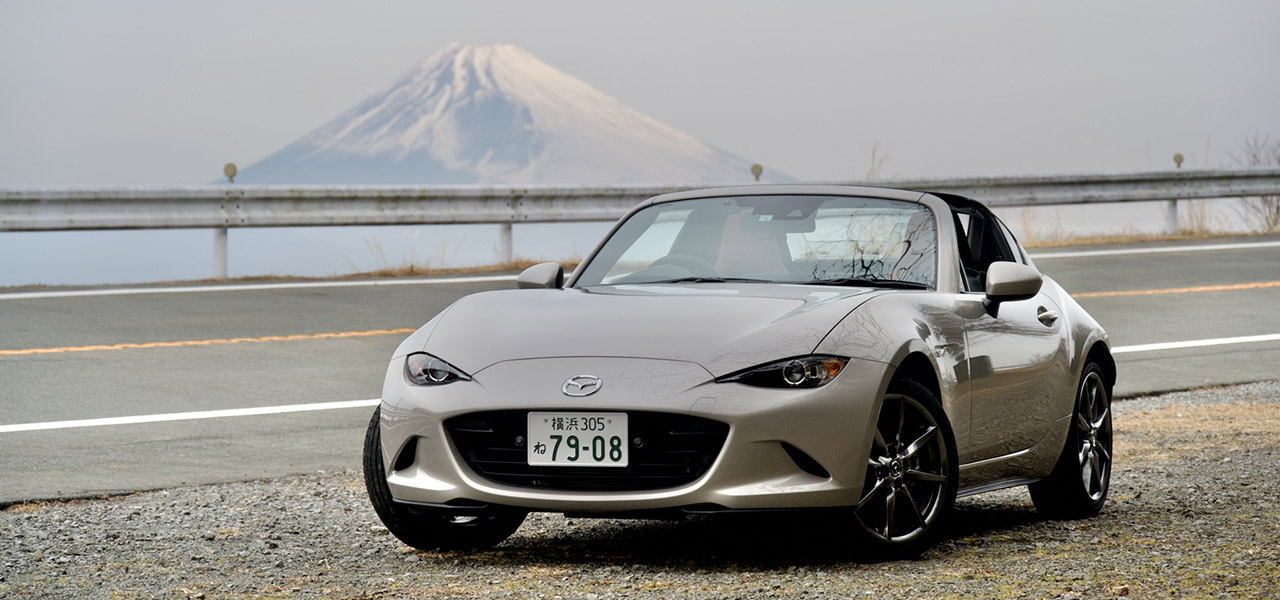
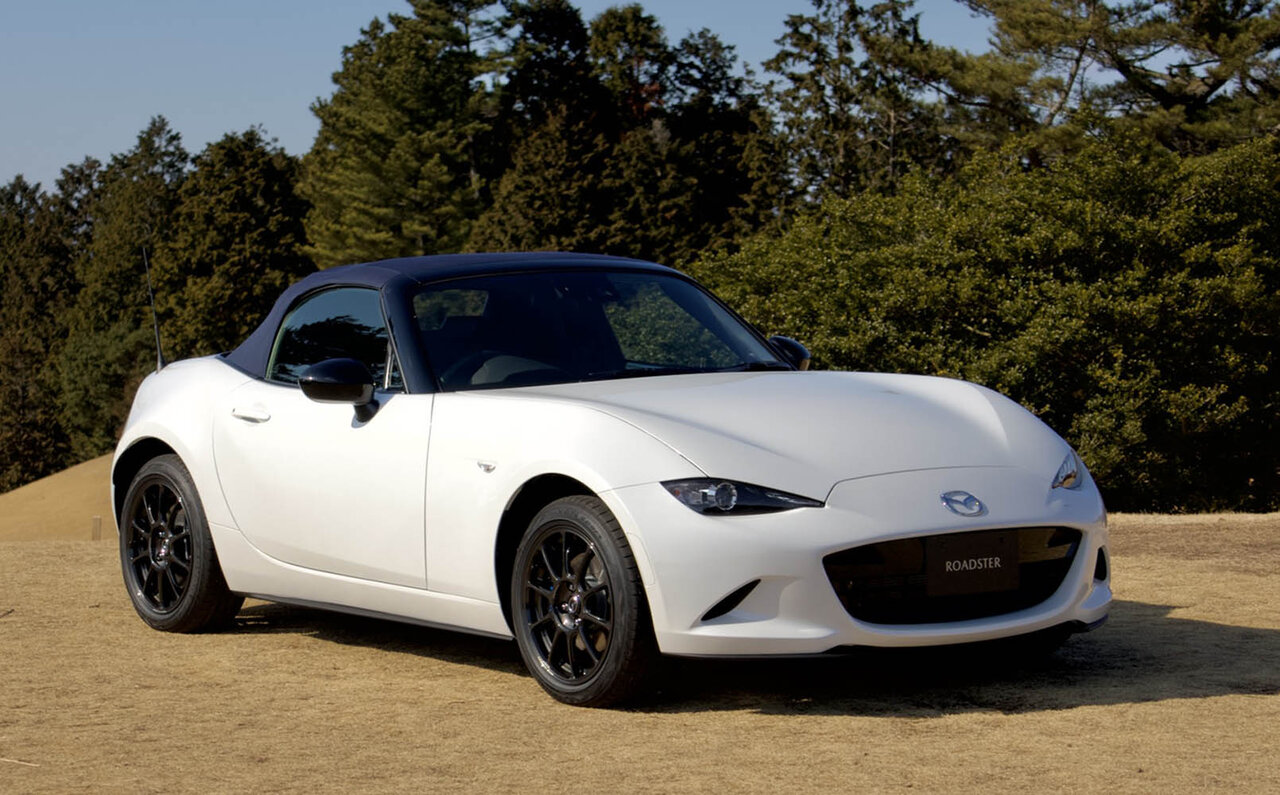
Mazda's lightweight sports car, the Roadster (ND generation), received a product update late last year. The Roadster has been a popular model, with over 1.1 million units sold globally, an unusual number for a two-seater open-top sports car. This time, to further deepen the development concept of the fourth-generation Roadster, "Let's Enjoy Life—'Joy of the Moment, Joy of Life,'" a new model has been added, and a new technology called "Kinematic Posture Control (KPC)" has been introduced to all models. I participated in a test drive event held on the winding roads of Izu to confirm the differences from the previous model.
Text & Photographs by HARA Akira
What is KPC?
"Kinematic" refers to geometry, and the term translates to "vehicle posture control technology based on kinematics." The development objective is to improve the sense of unity in high-speed and high-G situations without increasing weight, while maintaining the Roadster's characteristic agility in everyday driving.
According to Daisuke Umetsu of the company's Driving Dynamics Development Department, who was in charge of development, "The Roadster's rear suspension is designed to generate anti-lift force—a jacking-down force—when braking, which pulls the body down. To illustrate, imagine the rear swingarm of a motorcycle mounted diagonally downwards, stabilizing the rear tire even during braking without lifting. KPC maximizes this characteristic by slightly braking the inner rear wheel during cornering under strong G-forces, reducing roll while pulling the body down, further stabilizing the turning posture."
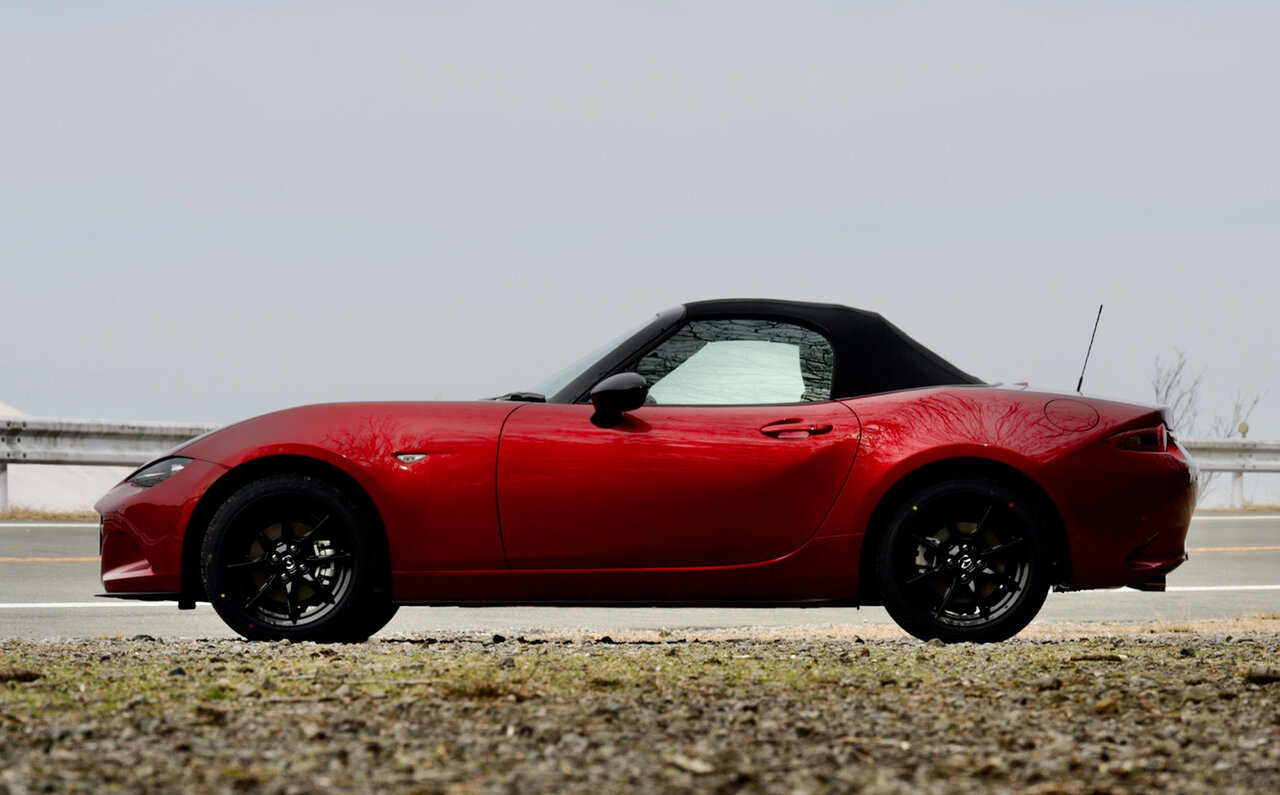
KPC detects the turning state based on the speed difference between the left and right rear tires. Specifically, it begins to operate at 0.3G or higher, and the hydraulic pressure applied to the inner wheel at that time is a maximum of 0.3 MPa, which is described as being equivalent to lightly pressing the brake pedal.
Since KPC operates naturally, it can be applied to models with LSD (Limited Slip Differential) as well as open differential models. For this reason, Mazda decided to introduce KPC to all Roadster models this time. Incidentally, it has been verified that KPC operates normally even when high-performance brake pads, rotors, tires, or suspension components are installed. This is a welcome feature for car enthusiasts who like to modify their vehicles.
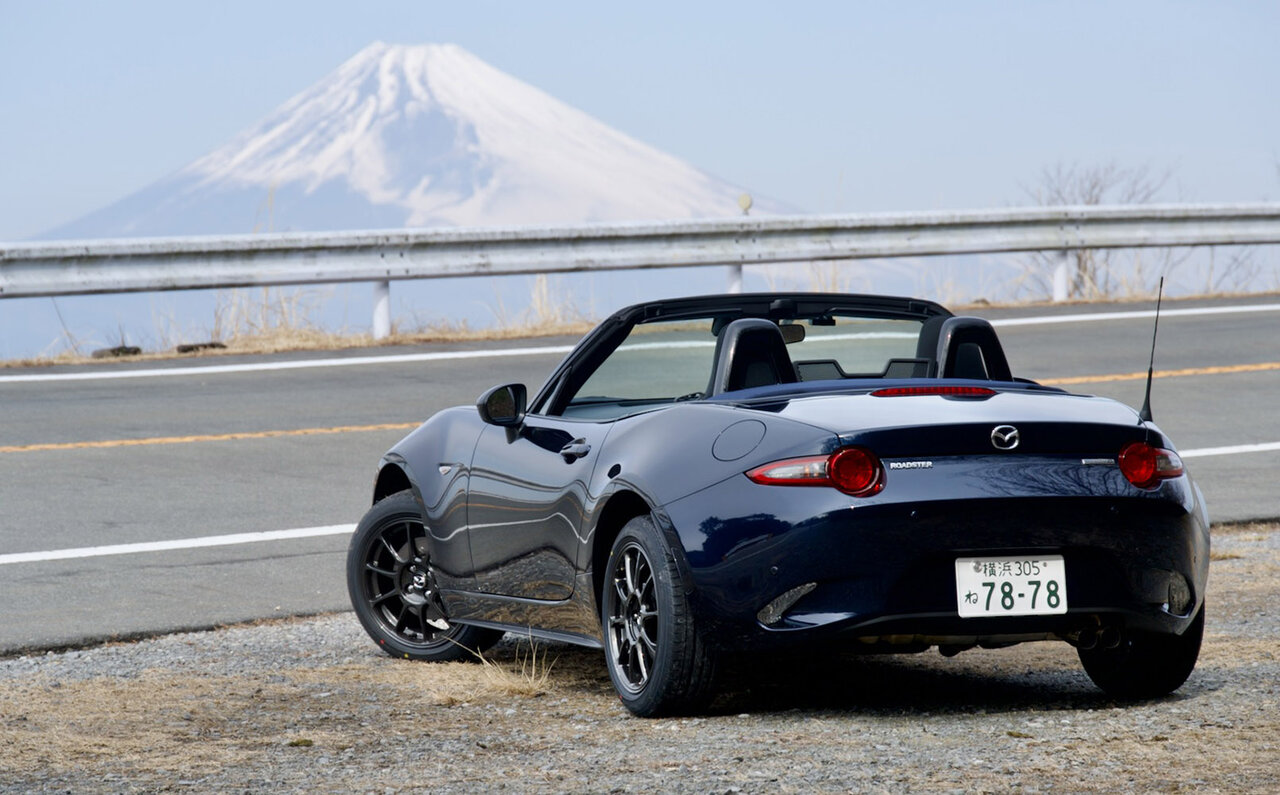
For development testing in high-G conditions, the car was taken to the Nürburgring in Germany. Even on roads with significant undulations, the Roadster with KPC allowed for confident operation. The reduction in unnecessary steering input and the increase in full-throttle sections resulted in lap times that were 5 to 10 seconds faster (the difference is due to traffic on the course), demonstrating its exceptional effectiveness.